Korvion
Korvion
Korvion
Direct export of industry-leading computing systems configured for Deep Learning, DeepSeek architectures, and neural network training.
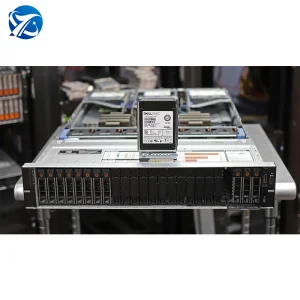
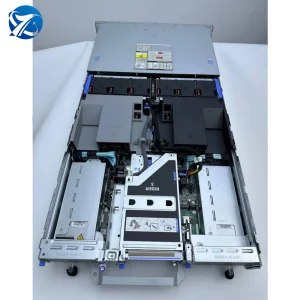
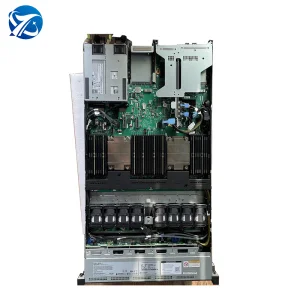
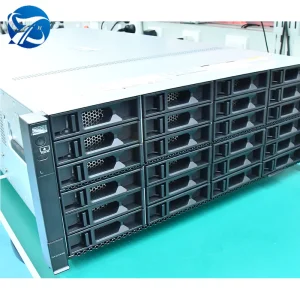
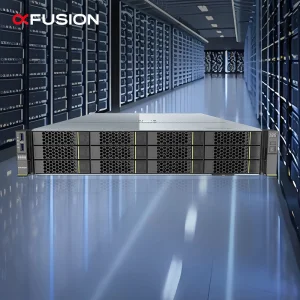
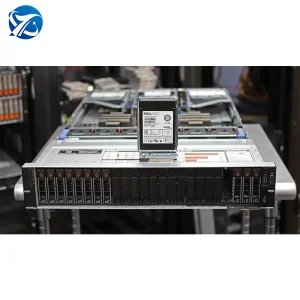
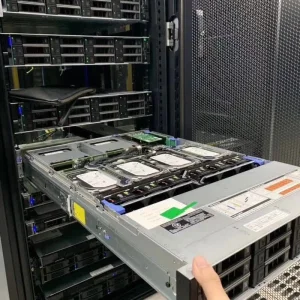
The rise of Large Language Models (LLMs) like DeepSeek, GPT architectures, and real-time diffusion systems has fundamentally broken traditional CPU-bound datacenter metrics. Standard general-purpose computing is no longer viable for training and serving modern transformer models. Today, global enterprise clusters require massively parallel heterogeneous computing platforms designed around GPU architectures to manage the terabytes of parameters and multi-billion token contexts required by modern networks.
"As computation models shift toward massive deep learning execution, the hardware bottleneck lies not in pure GHz speed, but in high-speed interconnects (PCIe Gen 5, NVLink, Infinity Fabric) and rapid memory architectures like HBM3e."
Globally, hyperscalers, research institutes, and sovereign cloud ecosystems are rapidly deploying dense GPU architectures. To prevent bandwidth choke points, modern AI GPU servers must support high thermal design power (TDP) per socket, integrate enterprise-class high-speed network interfaces (RoCE v2, InfiniBand 400Gbps), and maintain system-level integrity. As global exporters, we bridge the hardware gap, matching complex enterprise deployment demands with high-capacity configurations ready for production workloads.
Configured with dual-socket Intel Xeon Scalable or AMD EPYC processors matching structural PCIe Gen 5 configurations to feed data to multi-GPU arrays without latency.
Supporting massive distributed training setups and low-latency inference configurations using deep pipeline parallelisms.
From high-density rack deployment in dedicated Tier-IV datacenters to robust workstations for localized operations.
High-performance servers perform differently depending on environmental, latency, and compliance requirements. Here is how our hardware is used in localized sectors.
For governments and research universities prioritizing data sovereignty. By deploying on-premise clusters running open-source models, organizations process sensitive localized datasets without transmitting data across borders, complying with strict local security policies.
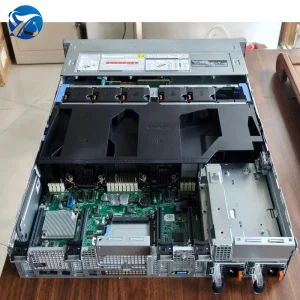
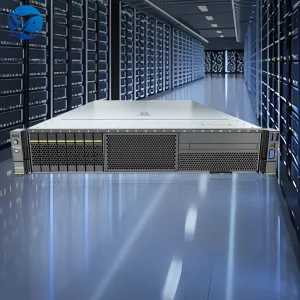
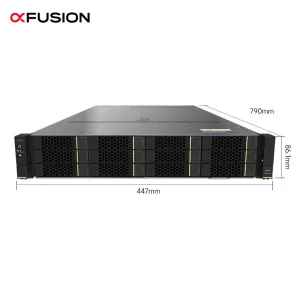
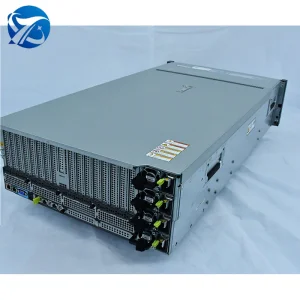
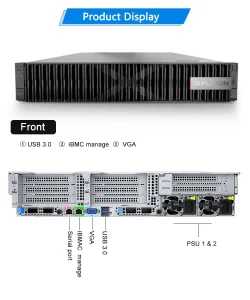
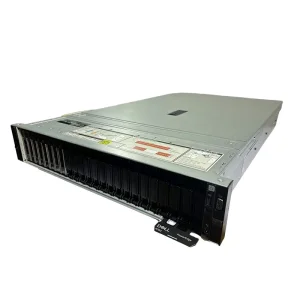
Deployed in smart factories and logistics centers. Using 2U systems like the xFusion 2288H V7 or Dell PowerEdge R750, factories execute real-time multi-channel video ingestion to identify structural defects in components at microsecond speeds.
For high-frequency trading firms running localized simulations. Our high-density servers are built for continuous GPU calculations and intensive parallel matrix computations, helping traders optimize risk models and analyze transaction streams.
Modern compute architectures are shifting rapidly. We align our manufacturing processes and design decisions with emerging standards in thermal engineering and interconnect protocols. Our long-term technical roadmap ensures your hardware investment remains viable as models expand.
As modern enterprise GPUs exceed 700W TDP, traditional air cooling reaches its limits. Our newest chassis designs support hybrid cold-plate loop distributions to keep core silicone junction temperatures low, preventing thermal throttling.
Working closely with chip designers, we are engineering motherboard platforms that utilize CXL 2.0/3.0 configurations, allowing unified memory pools between CPU hosts and GPU acceleration targets.
Expanding beyond standard PCIe form factors to support modular architectures, allowing users to hot-swap acceleration units and change host connectivity configurations dynamically.
When deploying multi-GPU arrays (e.g., 8-GPU configurations in xFusion G5500 V6/V7 architectures), thermal management is the primary challenge. Even minor thermal hotspots can degrade calculation speed, trigger ECC error corrections in memory, or cause hardware faults.
Korvion's thermal validation process addresses this by testing hardware in specialized chambers at full processing load for 72 hours. We run advanced computational fluid dynamics (CFD) analysis for custom builds, ensuring baffle layouts guide airflow directly through GPU arrays and maintain optimal static pressure across the chassis.
Why sourcing your AI GPU server hardware directly from Shenzhen, China, provides unmatched technical and commercial advantages.
Shenzhen is the global center of advanced hardware manufacturing. Key components—from high-density multi-layered FR4 server PCBs and high-efficiency server power supply units (PSUs) to custom aluminum alloy chassis and complex liquid cooling manifolds—are manufactured within a 50-kilometer radius.
This close proximity allows us to source specialized components in days, whereas global manufacturers face long shipping queues. We source parts directly from component fabricators, reducing costs and accelerating assembly times.
Standard servers do not fit every enterprise case. Whether your application requires custom rear I/O layout adaptations, modified slide rails for shallow cabinets, custom hardware root-of-trust modules, or unique branding, we can quickly build prototypes.
By integrating CAD designs with CNC machining centers, our engineering teams can fabricate chassis modifications and fit prototypes in under two weeks, helping you deploy systems faster than conventional providers.
Founded in 2017, Korvion Technology Co., Ltd. is a professional manufacturer and solution provider specializing in AI GPU servers, high-performance computing (HPC) systems, GPU clusters, and data center infrastructure solutions.
With over 9 years of export experience and 15 years of industry expertise, Korvion has established a strong reputation for delivering advanced computing solutions tailored to the rapidly growing artificial intelligence, machine learning, cloud computing, and enterprise data center sectors.
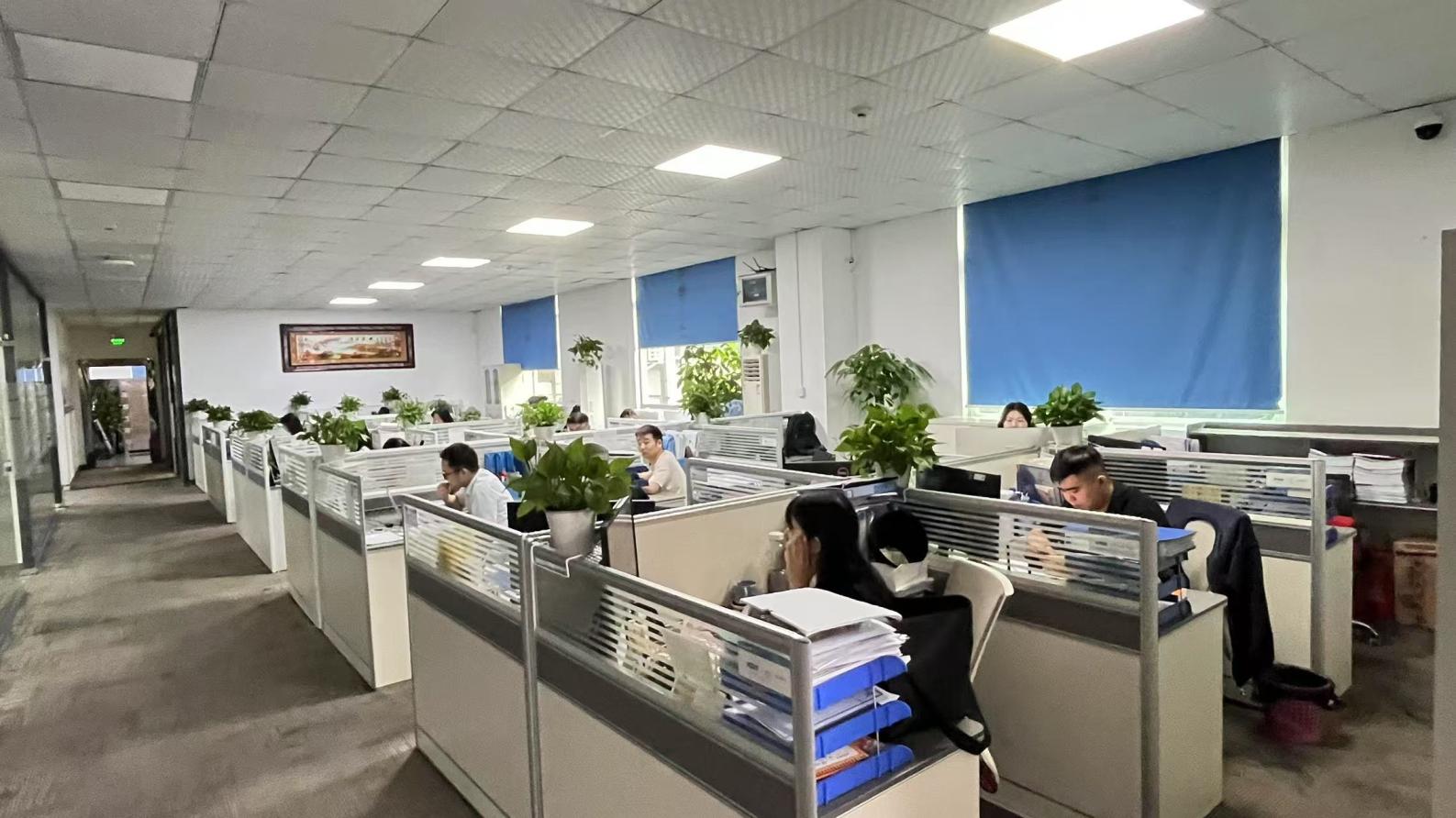
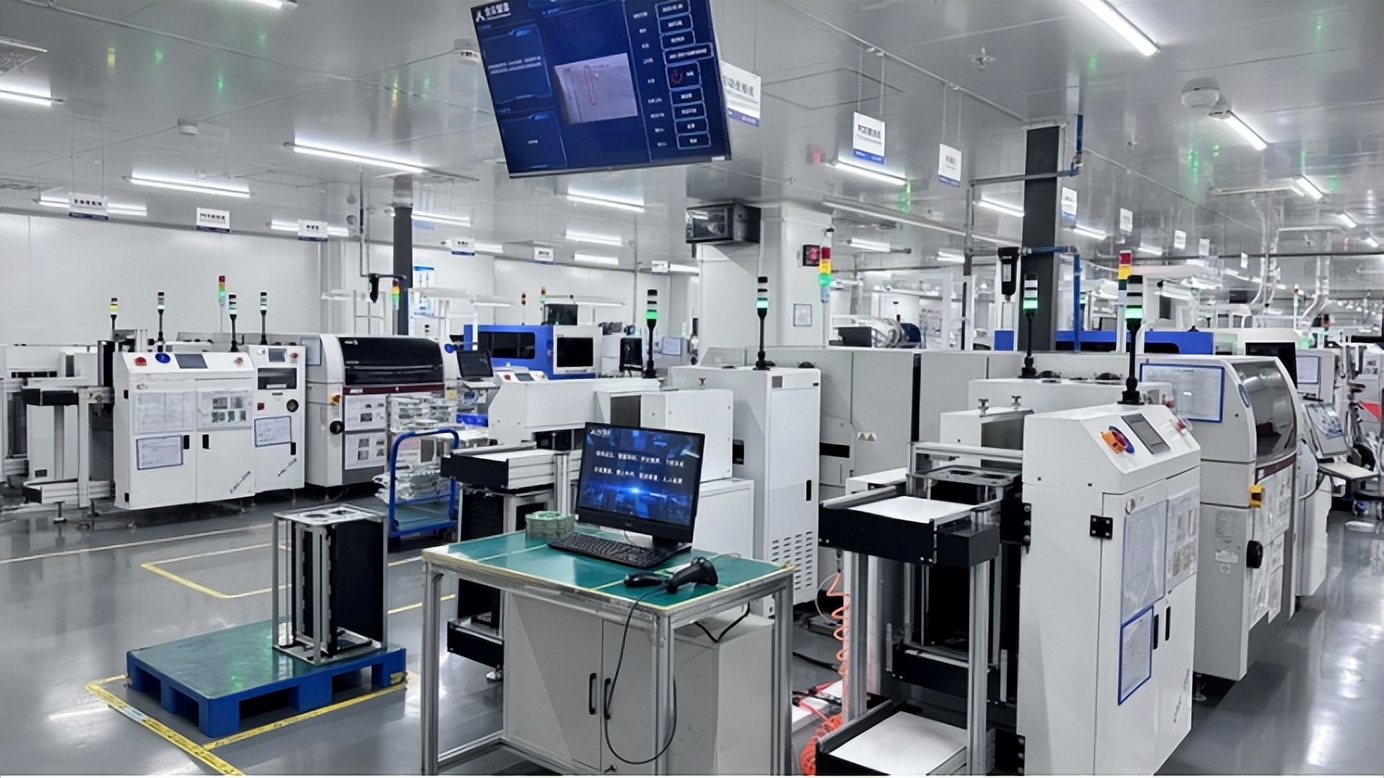
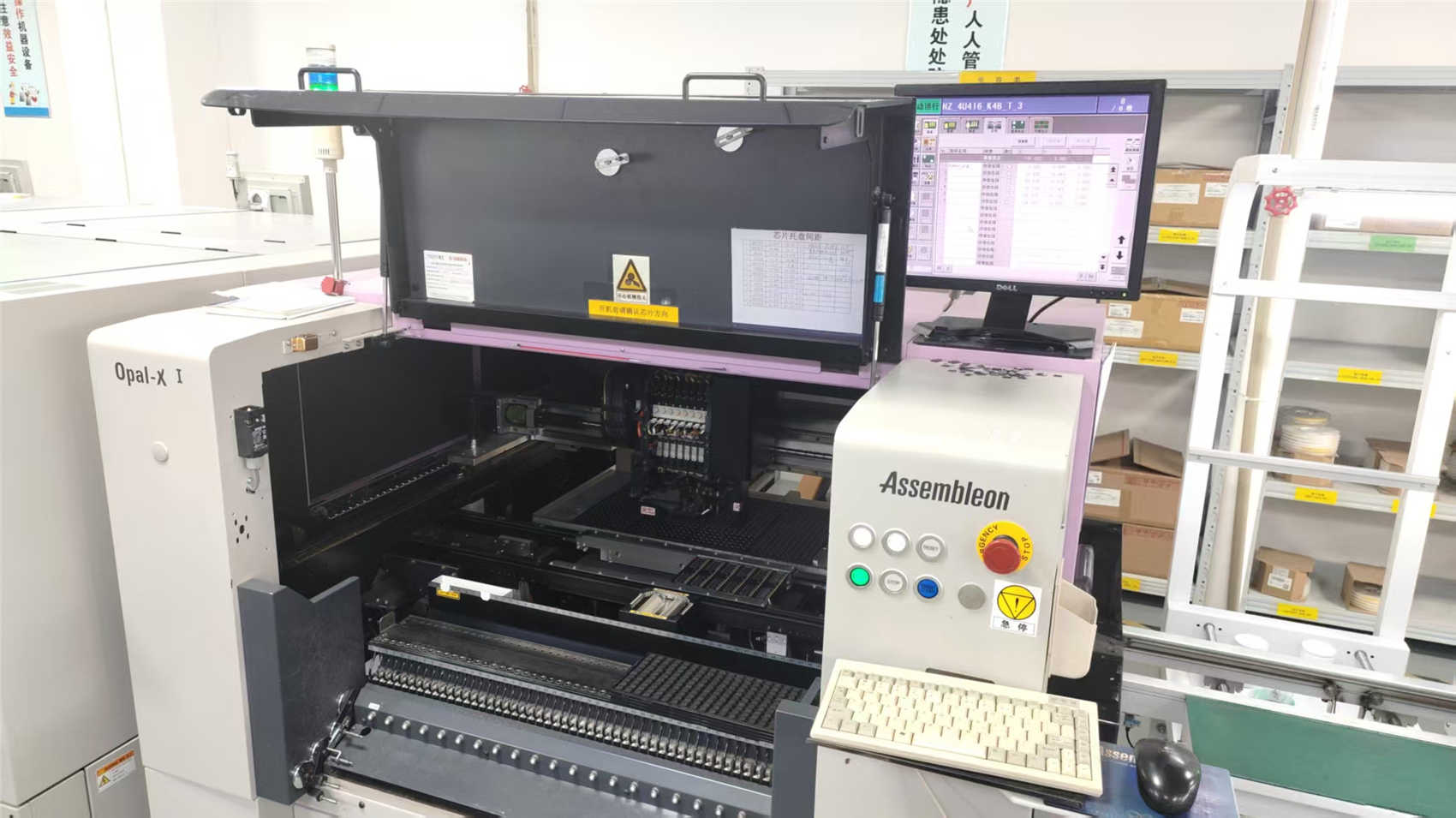
Headquartered in Shenzhen, China, our modern production facility operates with a focused workflow, serving customers worldwide with reliable, scalable, and customized computing platforms. Our annual export revenue exceeds USD 18 million, supported by a robust global supply network of more than 1,250 supply chain partners.
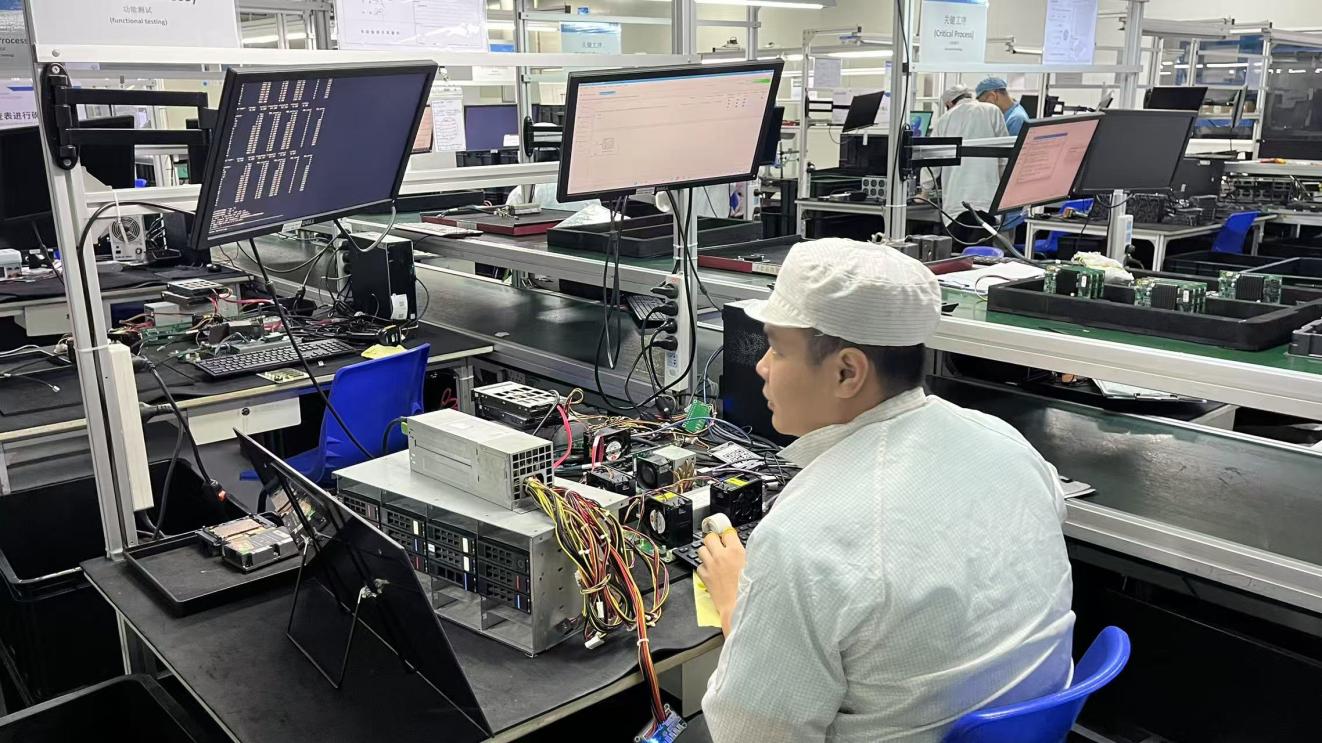
Quality is at the core of our operations. Korvion implements a comprehensive ISO 9001-based quality management system, supported by a dedicated team of 56 quality control professionals. Every product undergoes rigorous inspection procedures, including incoming material inspection, functional testing, burn-in testing, thermal performance verification, system stability validation, and final shipment inspection, ensuring dependable performance in mission-critical environments.
Our R&D department consists of 128 experienced engineers specializing in server architecture, thermal design, AI computing optimization, and customized hardware integration. Last year alone, Korvion introduced 86 new products and solution upgrades, helping customers stay competitive in the evolving AI infrastructure market.
Shipping enterprise GPU systems across borders requires strict adherence to international electrical, environmental, and security standards. Korvion ensures all exported hardware complies with localized market requirements, avoiding clearance delays and assuring site safety.
Our products comply with CE, FCC, RoHS, and local electrical standards to ensure safety and simple regulatory approval.
We provide complete export documentation, including detailed HS code classifications, certificates of origin, and compliance paperwork to facilitate rapid customs clearance.
Every server is packed in custom double-wall cardboard boxes with anti-static foam lining, humidity-resistant bags, and edge reinforcements to protect against shock and vibration during shipping.
Enterprise clusters require long-term hardware availability. Unlike consumer hardware, which changes rapidly, our server platforms offer fixed component lifecycles of 3 to 5 years.
If a component needs replacement, we maintain stock of spare parts, such as matching motherboards, power supplies, fan modules, and RAID controllers, ensuring minimal downtime for your deployments.
Frequently asked technical questions regarding GPU configuration, thermal layouts, custom OEM designs, and international shipping.
Explore our deep learning accelerators, high-density storage platforms, and enterprise server systems.