Korvion
Korvion
Korvion
Select from our enterprise-grade xFusion rack server catalog. Engineered for virtualization, deep learning, hyperconverged topologies, and mission-critical cloud pipelines.
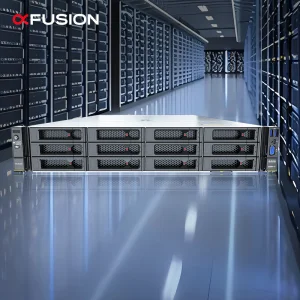
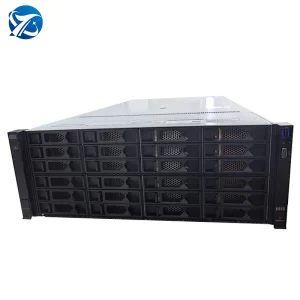
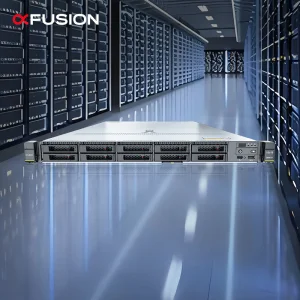
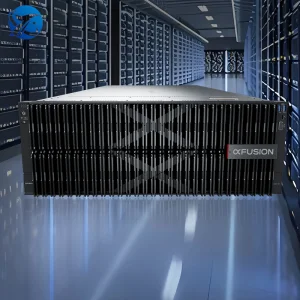
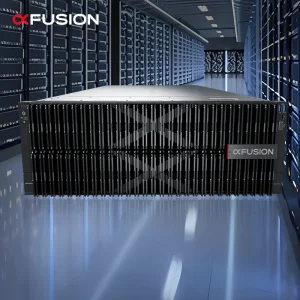
The enterprise data landscape is undergoing a tectonic shift. With the sudden ubiquity of large language models (LLMs) such as DeepSeek, the processing requirements of High-Performance Computing (HPC), and the exponential expansion of hyperconverged infrastructure (HCI), computing architectures must adapt. The xFusion Server V7 family represents a quantum leap in architectural design, engineered explicitly to meet these requirements. Equipped with the latest Intel® Xeon® Scalable processors (including the Xeon 4410Y, 6416H, and advanced 4th/5th generation cores), PCIe Gen 5.0 interconnects, and ultra-high-speed DDR5 memory buses, the V7 platform is designed to alleviate standard bottlenecks in memory channels, system cache, and I/O serialization.
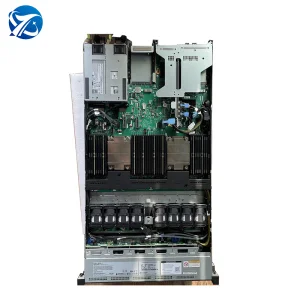
A primary design feature of the V7 series is the balanced allocation of lanes across CPU sockets. The FusionServer 2288H V7 and 1288H V7 utilize dual-socket topologies with up to 350W TDP per processor. By routing high-speed lines directly to local NVMe drive bays, these rack servers reduce UPI (Ultra Path Interconnect) hop latency. This layout is vital for real-time transactions, databases, and low-latency financial execution layers. In virtualized clouds, this architecture enables hosting up to 40% more virtual machines per node without encountering core-throttling or memory-channel exhaustion.
The integration of server hardware across global markets has changed. While hyper-scalers continue to scale their compute footprints in North America and Western Europe, emerging hubs in Southeast Asia, the Middle East, and Latin America require high-density, versatile, and easily localized platforms. High performance NAS systems, dedicated cloud hosting, and GPU-assisted machine learning clusters are now widely deployed by municipal governments, research institutions, and enterprises alike.
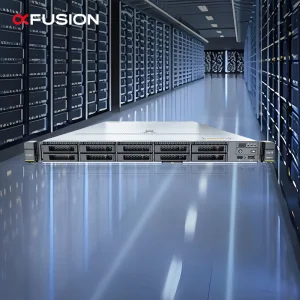
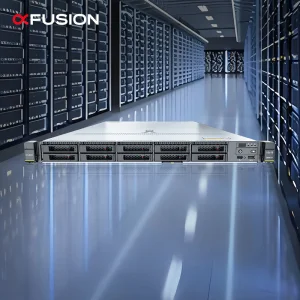
By using platforms like the 1U 1288H V7, telecom providers run network function virtualization (NFV) and edge processing units. These space-constrained configurations demand minimal physical size alongside high processor core counts, high reliability, and redundant hot-swappable power supplies.
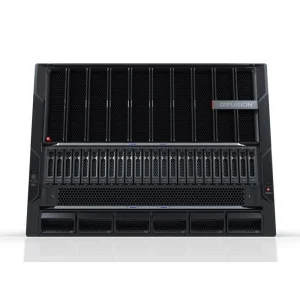
Modern neural network deployments require high memory throughput and GPU integration. The G8600 V7 8U GPU rack server and other GPU-enabled xFusion nodes provide the massive PCIe routing needed for parallel model operations and high-bandwidth interconnects.
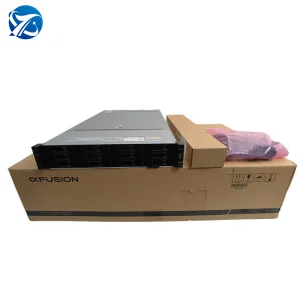
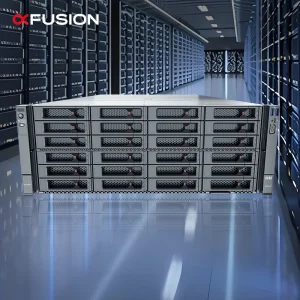
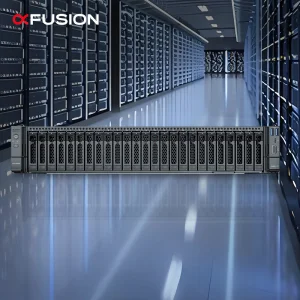
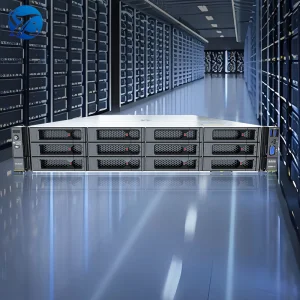
Configured with up to 25*2.5-inch or 12*3.5-inch drive setups, V7 storage servers act as low-latency Network Attached Storage (NAS). This system allows direct-access backup, analytics processing, and fast database read cycles.
Shenzhen, China, stands as the global hub for advanced hardware engineering and manufacturing logistics. Korvion Technology Co., Ltd., founded in 2017, operates at the center of this technological hub. Drawing on 15 years of industry experience and 9 years of export operations, Korvion integrates high-level server assemblies, custom cooling setups, and full-scale rack systems to deliver reliable computing solutions worldwide.
Through our network of over 1,250 verified component supply partners, Korvion secures consistent access to critical parts, maintaining competitive pricing and short lead times even during global component shortages. Our quality management system, built on ISO 9001 guidelines, ensures every server chassis, power distributor, and memory module undergoes rigorous verification. A dedicated group of 56 quality control professionals handles incoming material inspections, full thermal stress testing, hardware burn-in, and final software audits before shipment.
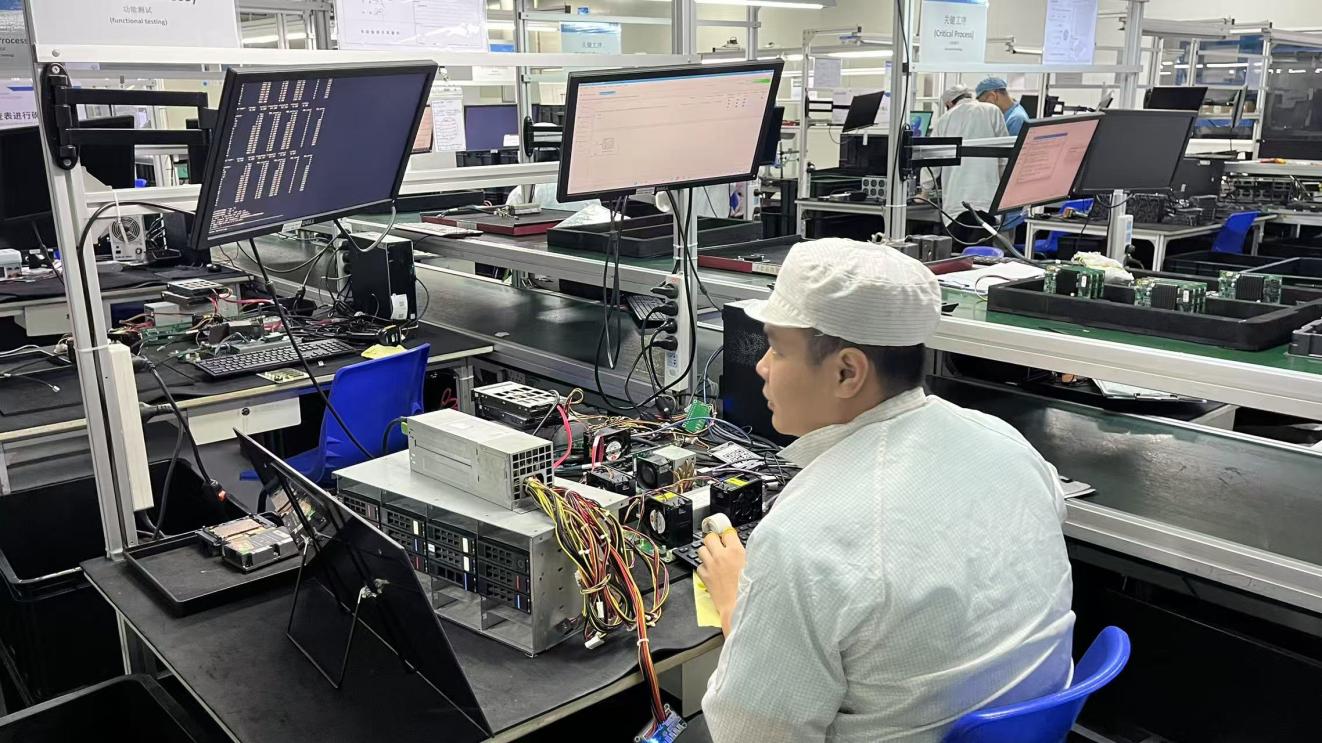
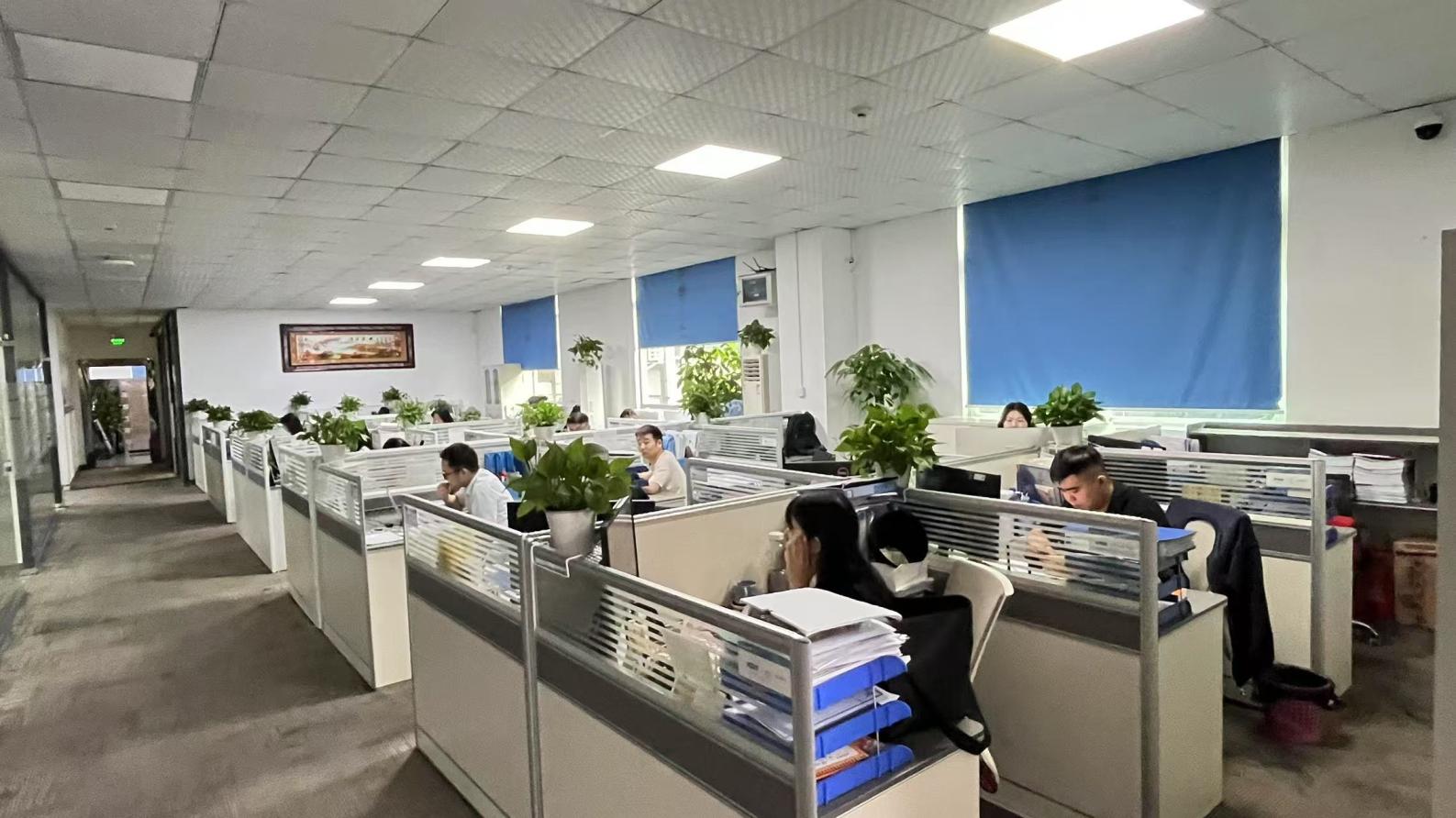
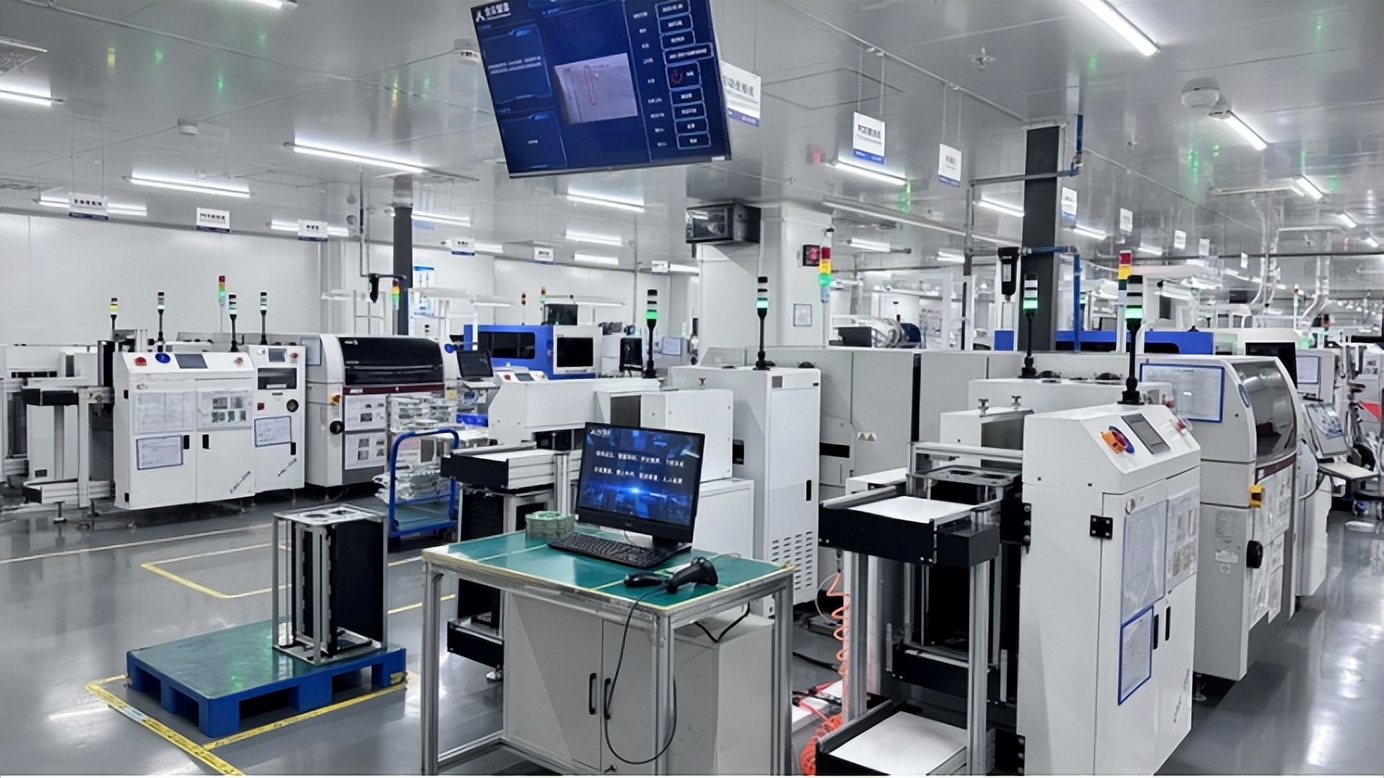
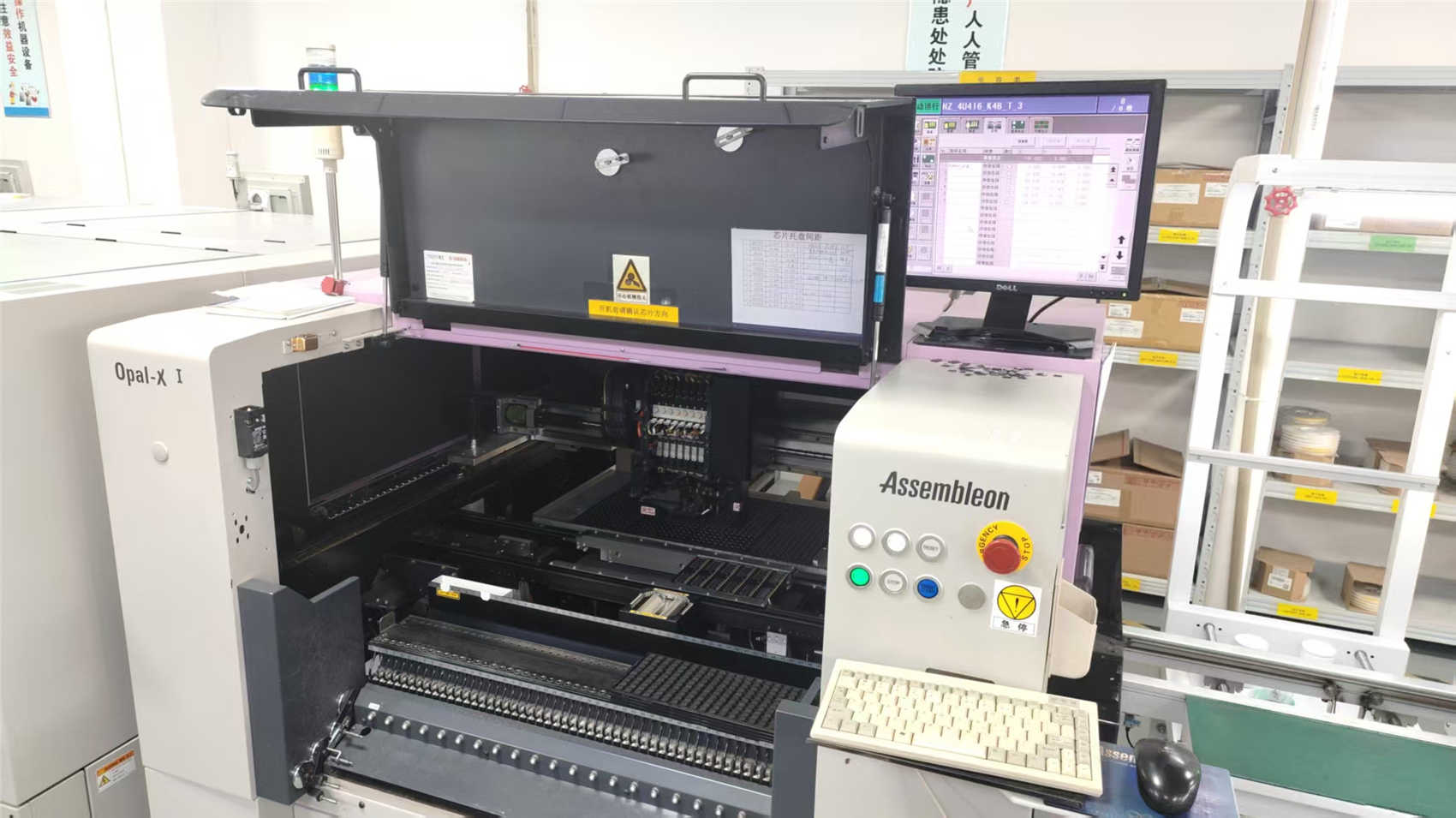
Our commitment to engineering is driven by 128 R&D specialists who design custom server layouts, thermal cooling setups, and specialized configurations. In the past year alone, Korvion introduced 86 new design additions and hardware upgrades, allowing customers to customize their systems for diverse applications—ranging from small-scale storage arrays to multi-GPU clusters for AI research.
High-end server components deliver the best results when configured for specific enterprise workloads. Below are common configurations showing how these systems are deployed across various industries:
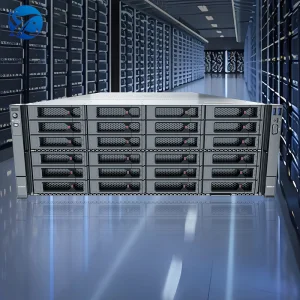
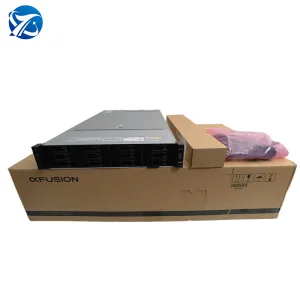
In virtualized enterprise clouds, running multiple applications on shared hardware can lead to input/output storage bottlenecks. The FusionServer 2288H V7 Hyperconverged Server, fitted with 12*3.5-inch drive bays and 64GB of DDR5 RAM, addresses these issues. By combining local NVMe caching SSDs with high-capacity SATA hard drives, companies can run virtualization systems like VMware ESXi or Proxmox VE, ensuring low latency and consistent throughput for essential business software.
For research organizations training models like DeepSeek, standard CPU setups are insufficient. The G8600 V7 8U GPU Rack Server serves as a high-density AI system. This server supports up to 8 dual-width GPUs alongside high-speed network interfaces, allowing rapid data transfer across clusters and reducing the training times of complex neural networks.
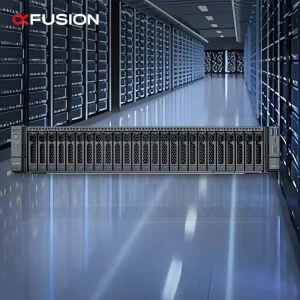
For database indexing and unstructured media storage, the 2U 2-socket rack server configuration with 25*2.5-inch drives provides high storage density. By pairing hardware RAID controllers with SAS/SATA drives, users can achieve read/write speeds over 10 GB/s. This makes it an ideal fit for secure enterprise networks, video rendering, and transaction logging.
Modern data center design is shifting toward sustainability and modularity. Key trends affecting procurement strategies include:
Review the second half of our high-performance server catalog. Select from multi-socket processors, high-performance NVMe systems, and optimized GPU nodes.