Korvion
Korvion
Korvion
High-bandwidth, low-latency infrastructure optimized for cloud computing, intensive virtualization, and enterprise networking.
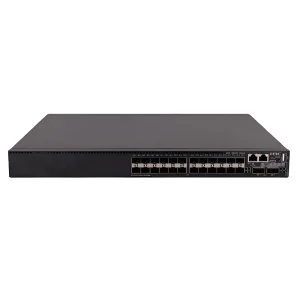
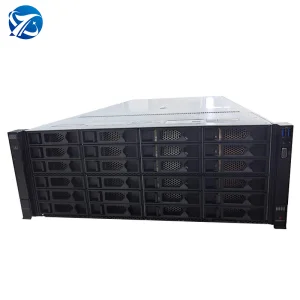
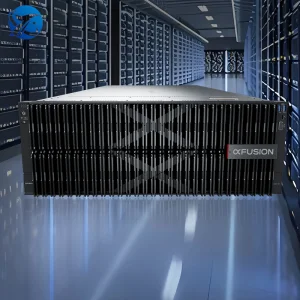
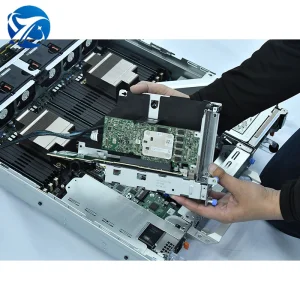
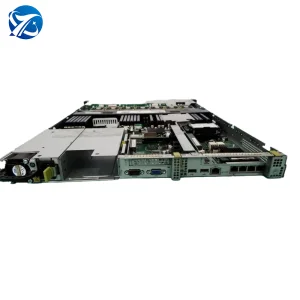
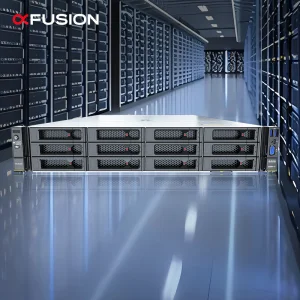
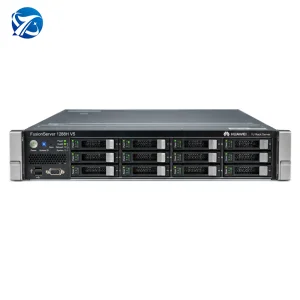
The transformation of silicon, software-defined architecture, and the paradigm shift driven by hyperscale AI compute workloads.
In the contemporary digital landscape, network switches have transitioned from simple traffic-forwarding hardware into intelligent, programmable backbones of hyper-scale datacenters. With the rapid escalation of Machine Learning (ML), Large Language Models (LLMs), and hyperconverged storage systems, the demand for high-speed, non-blocking Ethernet solutions has reached unprecedented heights.
Historically, network infrastructures relied heavily on gigabit or 10-Gigabit ports. Today, enterprise backbones and cloud environments are transitioning to 100G, 400G, and even 800G optical networking architectures. This technological leap is driven by the necessity to eliminate data transfer bottlenecks between clustered GPUs and dense storage arrays.
Software-Defined Networking (SDN) continues to dictate the design principles of modern core switches. By decoupling the control plane from the physical forwarding plane, enterprises achieve extreme agility in managing traffic routing policies dynamically. Modern managed switches support open networking protocols (such as ONIE and SONiC), allowing engineers to deploy customized software stacks over white-box hardware platforms.
Furthermore, green computing standards now heavily influence the engineering of network switch ASICs (Application-Specific Integrated Circuits). With power efficiency becoming a key metric of datacenter viability, manufacturers are innovating with smaller silicon nodes (e.g., 5nm and 3nm ASICs) to maximize routing throughput per watt. High-density Power over Ethernet (PoE++ / 802.3bt) has also advanced, supplying up to 90W of power per port to smart infrastructure, Wi-Fi 6E/7 access points, and edge computing nodes.
Navigating the criteria of modern CTOs, IT Directors, and procurement managers in selecting networking hardware.
Procuring network hardware for enterprises, data centers, and multi-branch systems is a strategic process that impacts operational efficiency, security, and long-term capital expenditure. Organizations are no longer looking simply for port density; they prioritize holistically optimized systems. Below are the core factors governing modern enterprise procurement:
A major trend in global procurement is the pivot from traditional proprietary ecosystems to flexible OEM/ODM partnerships. High-performance network switch manufacturers like Korvion provide custom hardware development, tailored port densities (SFP+, RJ45, QSFP28 configurations), and direct-to-factory engineering support. This level of flexibility slashes capital expenditure (CapEx) while avoiding vendor lock-in, enabling organizations to deploy bespoke network topologies tailored to their technical requirements.
How local clusters, agile engineering, and advanced quality assurance create a distinct manufacturing advantage.
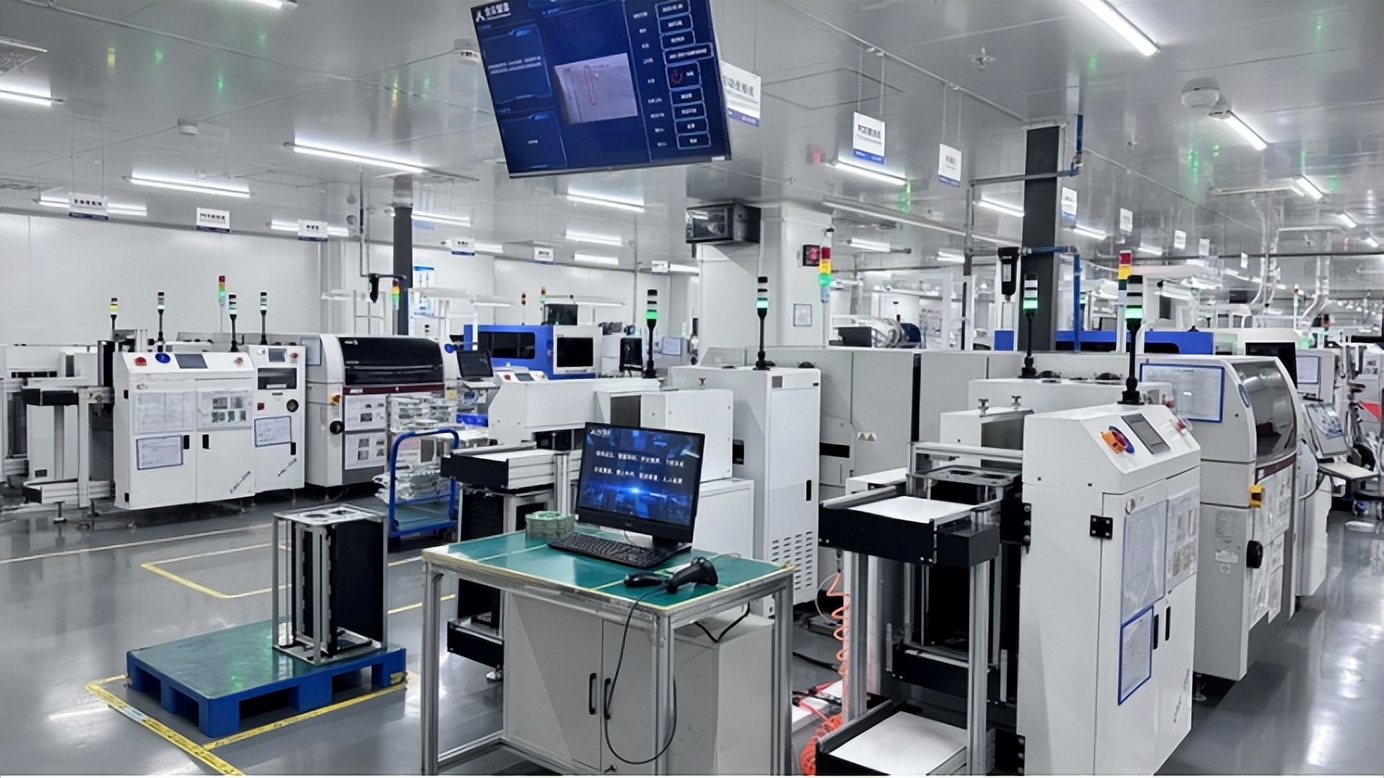
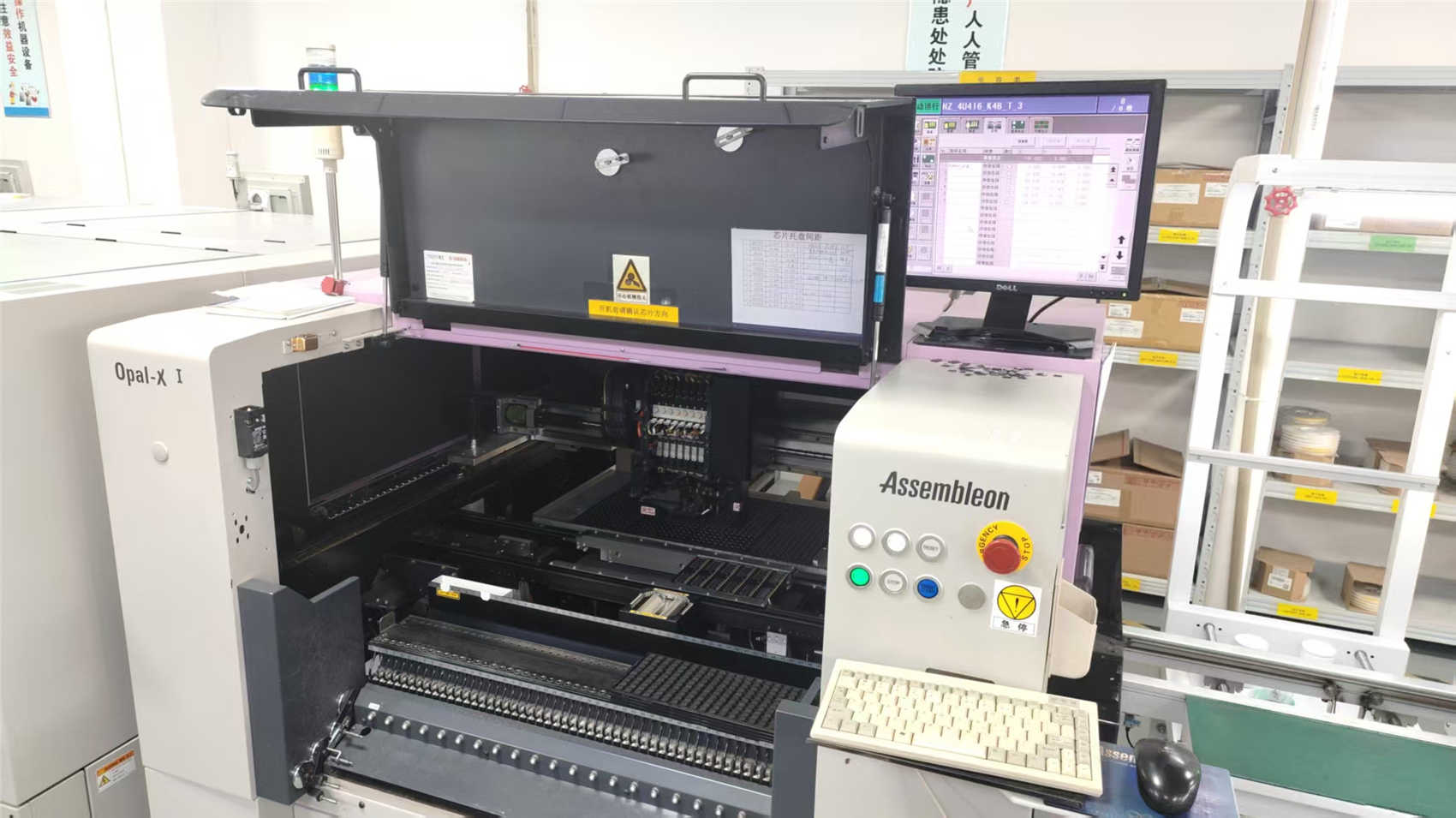
Modern electronic manufacturing has evolved far beyond basic assembly lines. Under the Factory 4.0 framework, Chinese manufacturers utilize advanced automation, deep component ecosystem integration, and smart quality control lines. Shenzhen, acting as the epicenter of global hardware innovation, offers unmatched proximity to raw materials, PCB fabrication houses, advanced packaging vendors, and specialized ASIC testing labs.
By leveraging an expansive supply chain network of over 1,250 partners, manufacturers can swiftly source critical IC components, multi-layer high-frequency PCBs, and optical modules. This dense network minimizes production lead times and insulates international buyers from global silicon shortages.
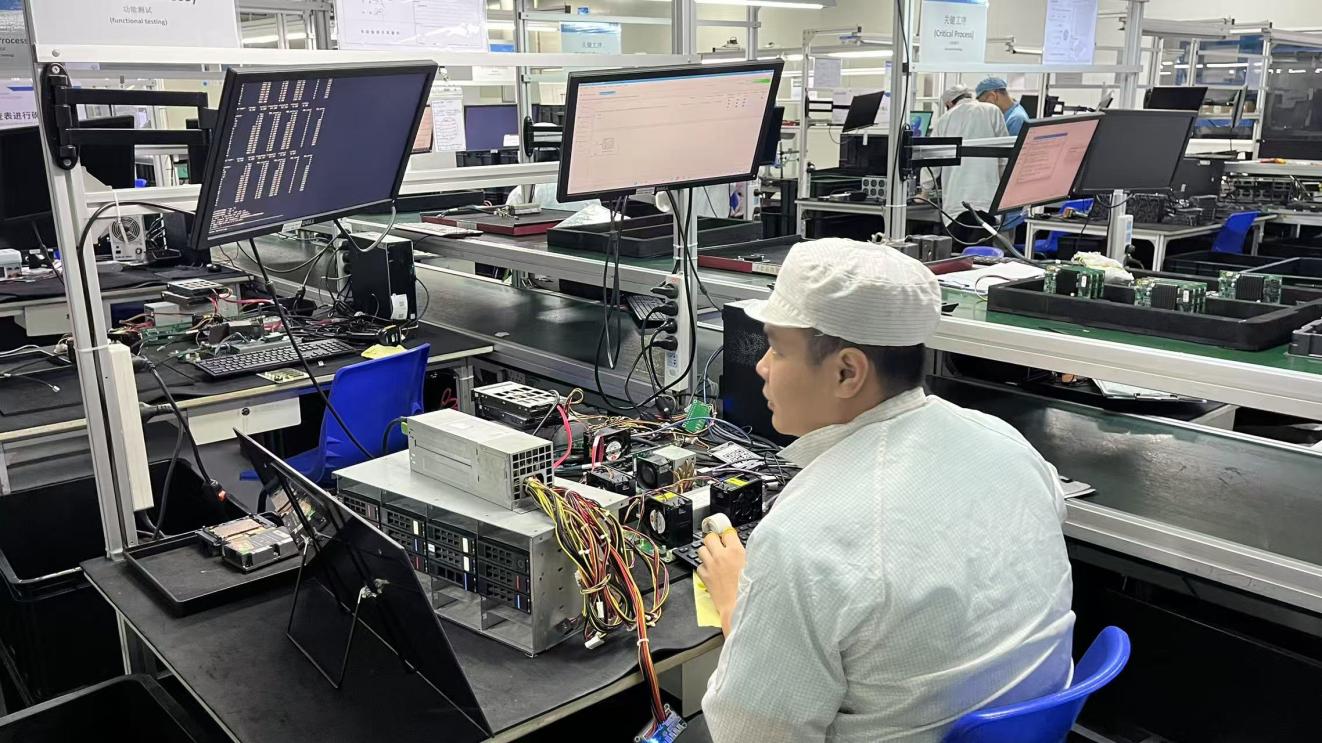
Quality assurance is embedded in every phase of our operation. Under ISO 9001 guidelines, automated optical inspection (AOI), X-ray validation, and rigorous high-temperature environmental burn-in chambers verify that every single piece of hardware performs reliably under continuous, maximum computational load.
How our advanced network switches and compute nodes operate in specific operational environments.
High-density 40G/100G core switches with ultra-deep packet buffers are deployed to interconnect enterprise AI servers. By utilizing RoCE v2, these configurations eliminate packet loss, minimize fabric latency, and ensure maximum throughput for multi-node LLM training workloads.
Enterprise datacenters require non-blocking virtual network backplanes. Custom Layer 3 switches provide dynamic trunking and link aggregation, enabling fast backup cycles, live VM migrations, and high-performance virtual storage area network (VSAN) operations.
Layer 2 and Layer 3 managed PoE++ switches deliver both power and high-speed data to remote IP cameras, optical sensors, and access control systems. This deployment simplifies wiring layouts, offers remote port power management, and ensures local ring-network redundancy.
A premier manufacturer and solution provider specializing in advanced hardware platforms and global network integration.
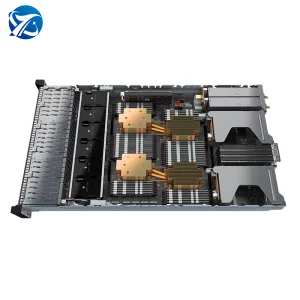
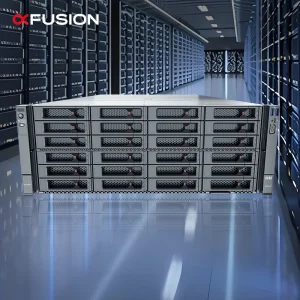
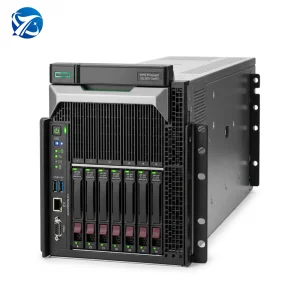
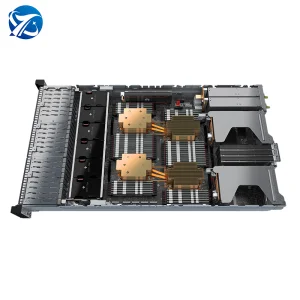
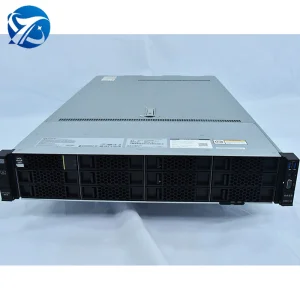
Founded in 2017, Korvion Technology Co., Ltd. is a professional manufacturer and solution provider specializing in AI GPU servers, high-performance computing (HPC) systems, GPU clusters, and data center infrastructure solutions. Headquartered in Shenzhen, China, the company operates a modern production facility covering 385 square meters (optimized for high-precision component assembly and custom product validation) and serves customers worldwide with reliable, scalable, and customized computing platforms.
With over 9 years of export experience and 15 years of industry expertise, Korvion has established a strong reputation for delivering advanced computing solutions tailored to the rapidly growing artificial intelligence, machine learning, cloud computing, and enterprise data center sectors.
Our annual export revenue exceeds USD 18 million, supported by a robust global supply network of more than 1,250 supply chain partners. We work closely with leading component suppliers to ensure stable product quality, competitive pricing, and timely delivery.
Quality is at the core of our operations. Korvion implements a comprehensive ISO 9001-based quality management system, supported by a dedicated team of 56 quality control professionals. Every product undergoes rigorous inspection procedures, including incoming material inspection, functional testing, burn-in testing, thermal performance verification, system stability validation, and final shipment inspection, ensuring dependable performance in mission-critical environments.
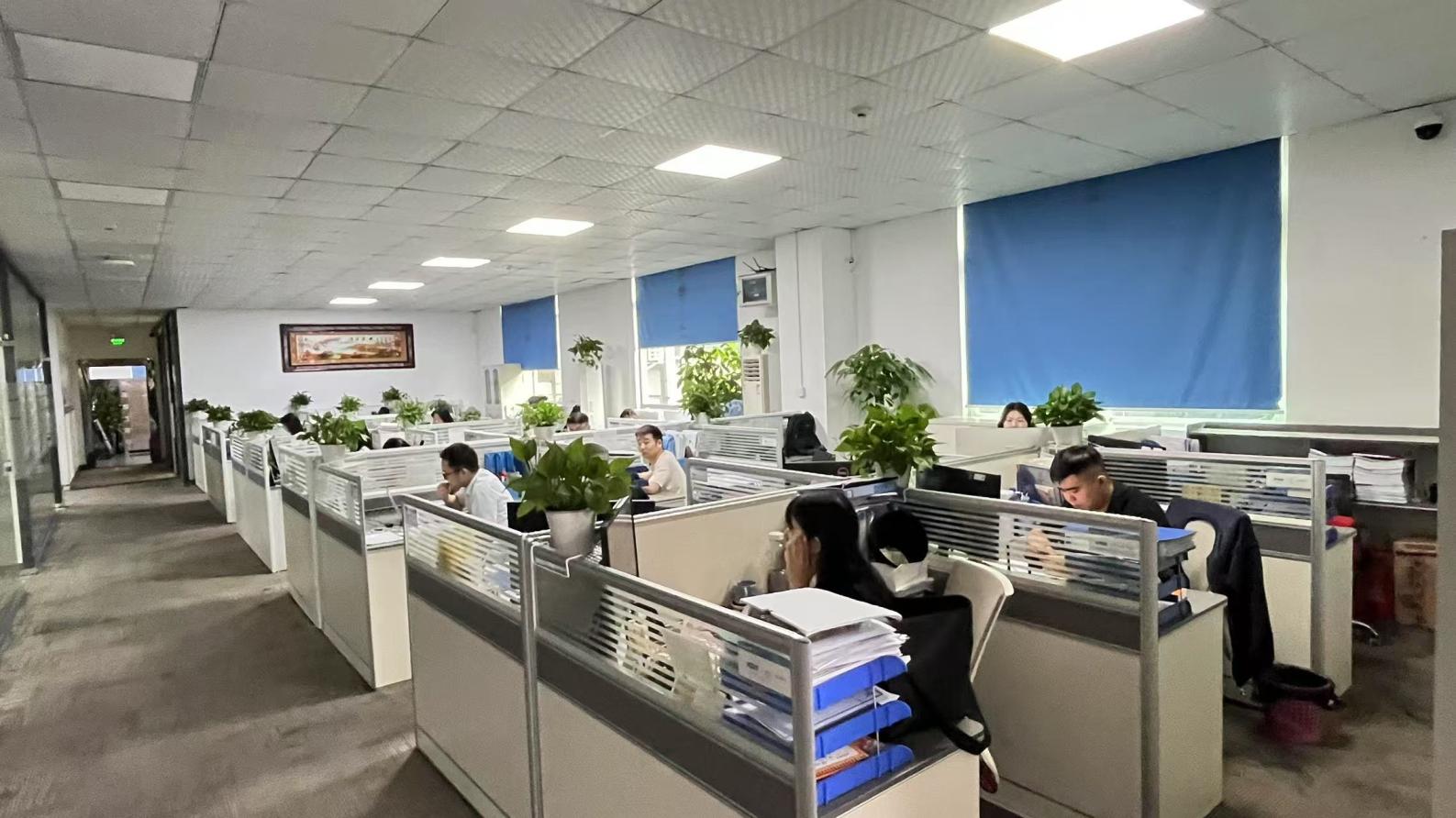
Innovation drives our growth. Our R&D department consists of 128 experienced engineers specializing in server architecture, thermal design, AI computing optimization, and customized hardware integration. Last year alone, Korvion introduced 86 new products and solution upgrades, helping customers stay competitive in the evolving AI infrastructure market.
We offer comprehensive OEM and ODM services, including chassis customization, branding, hardware configuration, rack integration, liquid cooling deployment, GPU cluster design, and turnkey AI infrastructure solutions. Our flexible customization capabilities allow customers to build solutions that precisely match their business and technical requirements.
Today, Korvion serves a diverse customer base, including AI startups, cloud service providers, system integrators, research institutions, universities, enterprise data centers, and GPU hosting companies across North America, Europe, Southeast Asia, the Middle East, and Latin America.
Guided by our commitment to quality, innovation, and customer success, Korvion continues to empower organizations worldwide with cutting-edge AI computing infrastructure designed for the future of intelligent computing.
Critical engineering and architectural answers for enterprise IT architects and procurement managers.
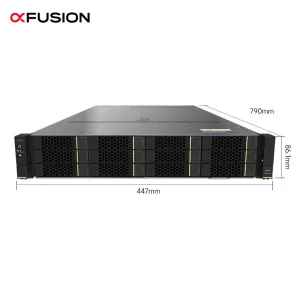
High-performance rack servers and network nodes designed for seamless scalability and heavy computational workloads.