Korvion
Korvion
Korvion
Exacting hardware specifications engineered for critical database workloads, cloud datacenters, and modern high-density compute applications.
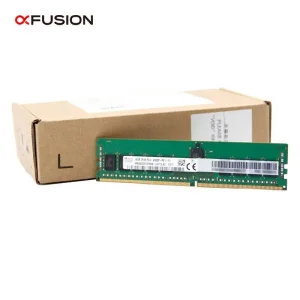
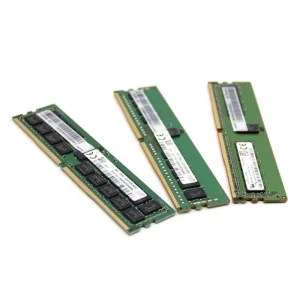
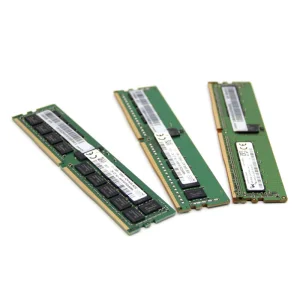
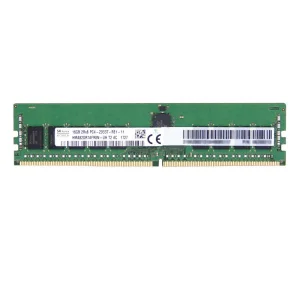
The global enterprise data ecosystem is undergoing an unprecedented structural transition. High-performance computing (HPC), LLM training (Large Language Models), and complex virtualization environments are putting extreme pressure on system memory throughput. Within this framework, Server RAM factories and exporters do not merely supply commodity DRAM chips; they design, validate, and manufacture the fundamental hardware layer that powers modern digital infrastructure.
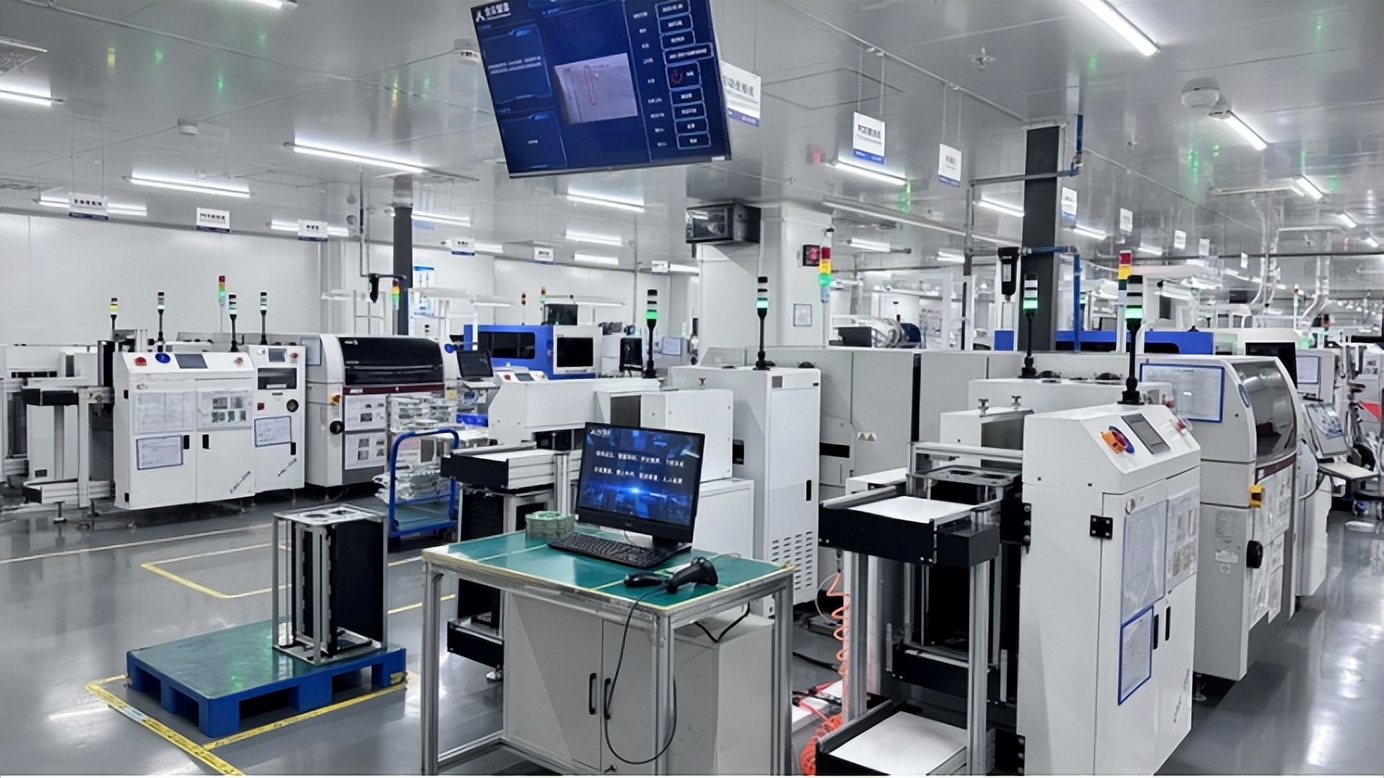
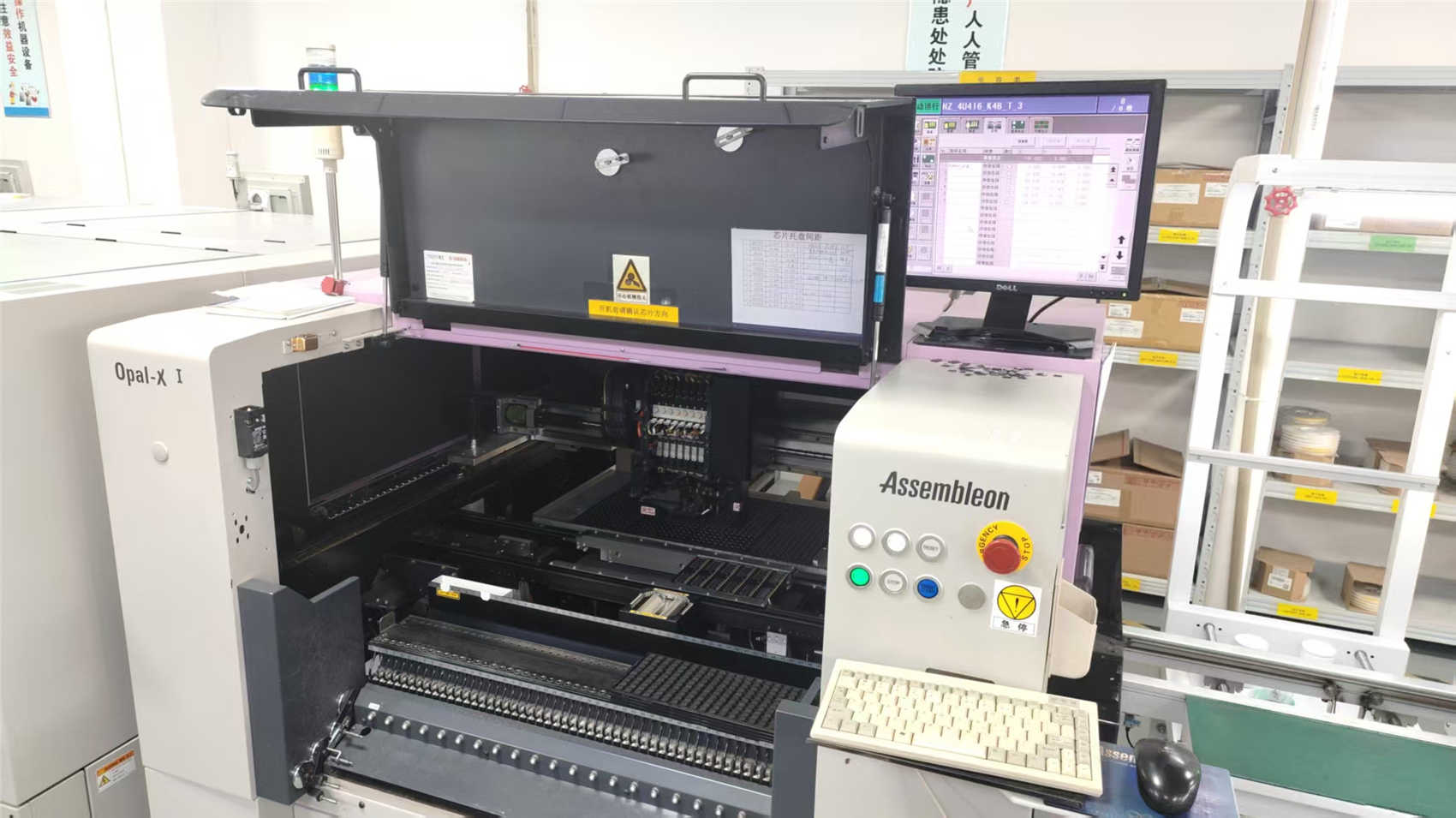
Unlike standard consumer-grade memory modules, server memory requires absolute signal integrity, physical resilience against thermal stress, and continuous operating uptime. Original Equipment Manufacturers (OEMs) and factories located in major technological supply hubs—such as Shenzhen, China—are strategically positioned to handle high-volume SMT (Surface Mount Technology) assembly, rigorous post-production validation testing, and secure export logistics. As memory bandwidth demands escalate, the capacity of server RAM exporters to source top-tier monolithic DRAM dies from primary fabricators (Samsung, SK Hynix, and Micron) and process them into reliable RDIMM, LRDIMM, and CXL (Compute Express Link) expansion cards defines the success of modern enterprise architectures.
Enterprise procurement teams look past superficial marketing labels. From a systems perspective, parameters like **CAS Latency (tCL)**, **Rank organization (1Rx4, 2Rx4, 2Rx8)**, and the integration of a **Register Clock Driver (RCD)** are the real factors that prevent memory channel degradation at maximum utilization. High-quality exporters manage complex assembly steps, ensuring that the critical passive components, Power Management Integrated Circuits (PMICs), and thermal interface materials meet or exceed global standards such as JEDEC specs.
Engineered for extreme workloads: Understanding the transition from DDR4 to DDR5, ECC mechanisms, and multi-rank configurations.
RDIMMs incorporate a hardware register that buffers control signals, stabilizing command paths and allowing platforms to scale capacity. For higher capacities, LRDIMMs buffer data lines as well, reducing electrical loads on the memory bus at the cost of slight latency additions.
Real-time data integrity relies on multi-bit error detection and single-bit correction. Industrial-grade modules utilize dedicated DRAM chips for parity bits, protecting databases and operating kernels from unpredictable system halts caused by cosmic radiation or electrical noise.
Operating continuously inside high-density rack configurations requires specialized PCBs, typically built with 8 to 12 layers of low-loss dielectric materials. Combined with lightweight aluminum heatsinks, this design prevents thermal throttling during high-utilization AI training cycles.
| Specification Parameter | DDR4 Server Memory (RDIMM) | DDR5 Server Memory (RDIMM) | Architectural Impact on Enterprise Servers |
|---|---|---|---|
| Operating Voltage | 1.2V | 1.1V | Reduces thermal output and power consumption in dense data center racks. |
| Maximum Data Rates | Up to 3200 MT/s (KHz) | Up to 4800 - 6400 MT/s+ | Significantly increases bandwidth for memory-bound virtualization applications. |
| Power Management | On Server Motherboard | On-DIMM Power Management IC (PMIC) | Localizes voltage regulation, enhancing power efficiency and signal stability. |
| On-Die ECC (ODECC) | Not Supported | Supported (Standard Feature) | Corrects single-bit errors within the DRAM cell array prior to transmission. |
| Channel Architecture | Single 72-bit sub-channel | Dual independent 40-bit sub-channels | Improves memory access efficiency and reduces bus contention. |
Modern server RAM deployment is not a one-size-fits-all scenario. Enterprise infrastructures require memory modules mapped directly to their performance profiles, budget parameters, and scaling roadmaps. By analyzing real-world workflows, Korvion tailors component configurations to address distinct technical bottlenecks:
In AI and machine learning compute environments—such as servers utilizing NVIDIA GPUs or Xeon Scalable CPUs running deep learning frameworks—memory subsystem bottlenecks can degrade processing efficiency. When a GPU cluster needs to train or run inference on models with parameters too large to fit in local VRAM, CPU-to-GPU system memory staging becomes critical. High-bandwidth DDR4 and DDR5 memory modules ensure that training data feeds into the PCIe/CXL bus without delay, reducing GPU idle cycles and improving utilization rates.
For cloud providers and enterprise virtualization hubs running VMware ESXi, Hyper-V, or KVM, memory density determines the virtual machine (VM) consolidation ratio. Utilizing high-density DDR4 64GB RDIMMs or DDR5 128GB LRDIMMs, IT architects can maximize VM instances per physical node without experiencing hypervisor-level swap file swapping, which can slow down storage networks.
High-frequency database operations, such as SAP HANA, Oracle Database, or Redis, process datasets entirely in-memory to achieve sub-millisecond query responses. A single system memory fault in this scenario can cause database corruption or unexpected downtime. This is why our factories implement strict testing processes to ensure that all exported modules feature robust Error-Correction Code (ECC) capabilities. These modules are certified to handle continuous, intense write cycles without data degradation.
The manufacturing process at Korvion’s specialized facility in Shenzhen, China, adheres to strict quality management standards. With a dedicated team of **56 quality control professionals** and **128 R&D engineers**, we maintain complete control over the production process—from raw silicon wafer sorting to final packaging.
Our OEM and ODM capabilities allow customized engineering, including options like custom heat-spreader branding, customized SPD settings (such as adjusting latency values or voltage parameters for proprietary server boards), and complete turnkey configurations for high-density compute systems.
Technical, logistical, and operational answers for procurement teams and network architects.
Scalable server platforms and storage hardware optimized for virtualization, deep learning, and enterprise workloads.
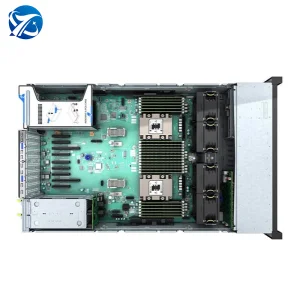
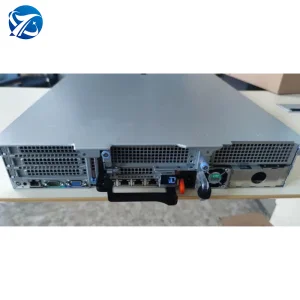
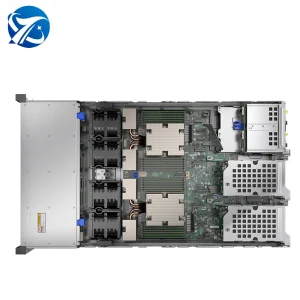
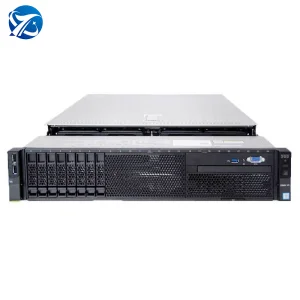
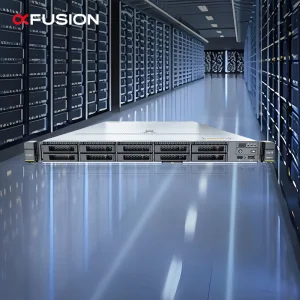
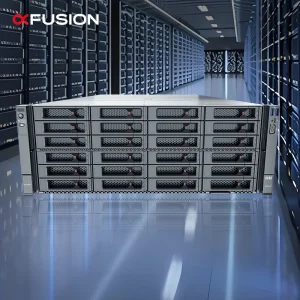
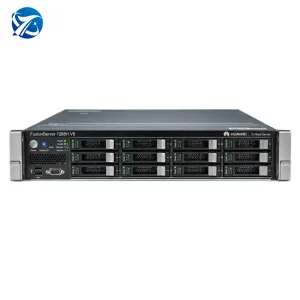
Founded in 2017, Korvion Technology Co., Ltd. is a professional manufacturer and solution provider specializing in AI GPU servers, high-performance computing (HPC) systems, GPU clusters, and data center infrastructure solutions. Headquartered in Shenzhen, China, the company operates a modern production facility covering 385 square meters and serves customers worldwide with reliable, scalable, and customized computing platforms.
With over 9 years of export experience and 15 years of industry expertise, Korvion has established a strong reputation for delivering advanced computing solutions tailored to the rapidly growing artificial intelligence, machine learning, cloud computing, and enterprise data center sectors.
Our annual export revenue exceeds USD 18 million, supported by a robust global supply network of more than 1,250 supply chain partners. We work closely with leading component suppliers to ensure stable product quality, competitive pricing, and timely delivery.
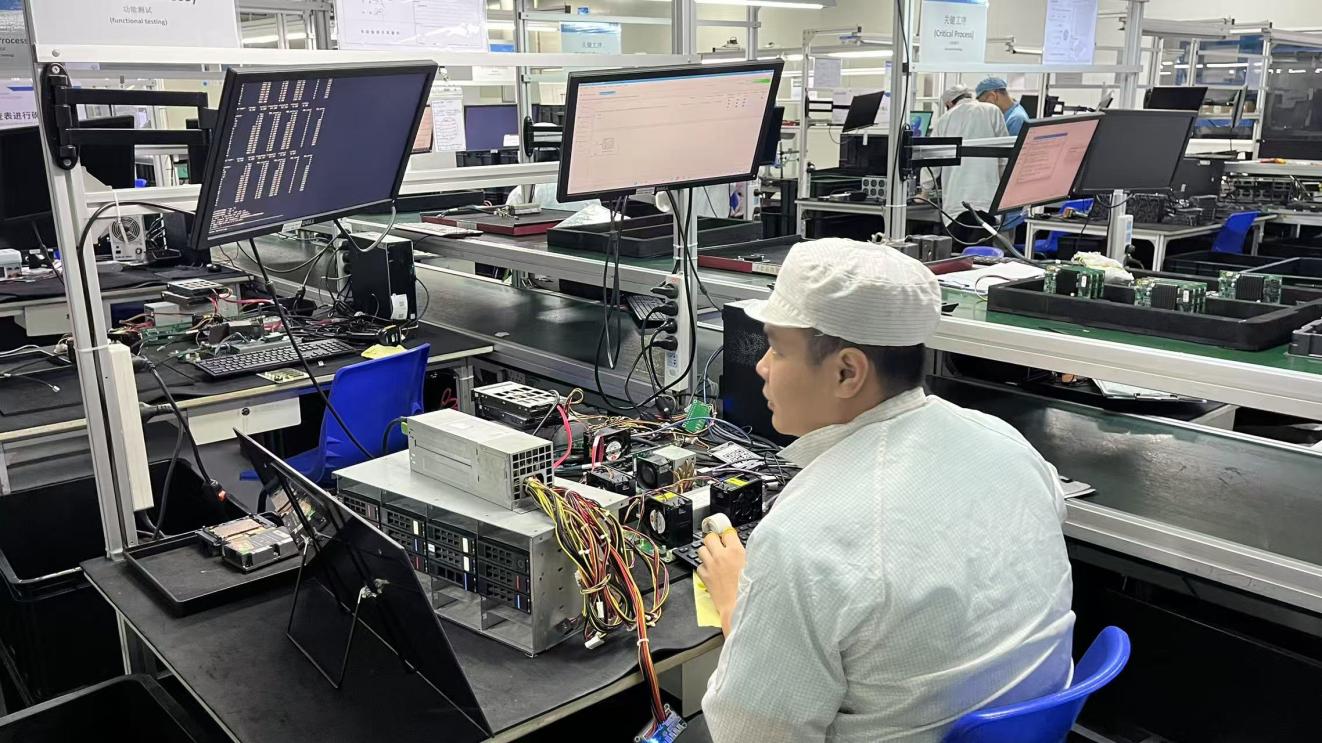
Quality is at the core of our operations. Korvion implements a comprehensive ISO 9001-based quality management system, supported by a dedicated team of 56 quality control professionals. Every product undergoes rigorous inspection procedures, including incoming material inspection, functional testing, burn-in testing, thermal performance verification, system stability validation, and final shipment inspection, ensuring dependable performance in mission-critical environments.
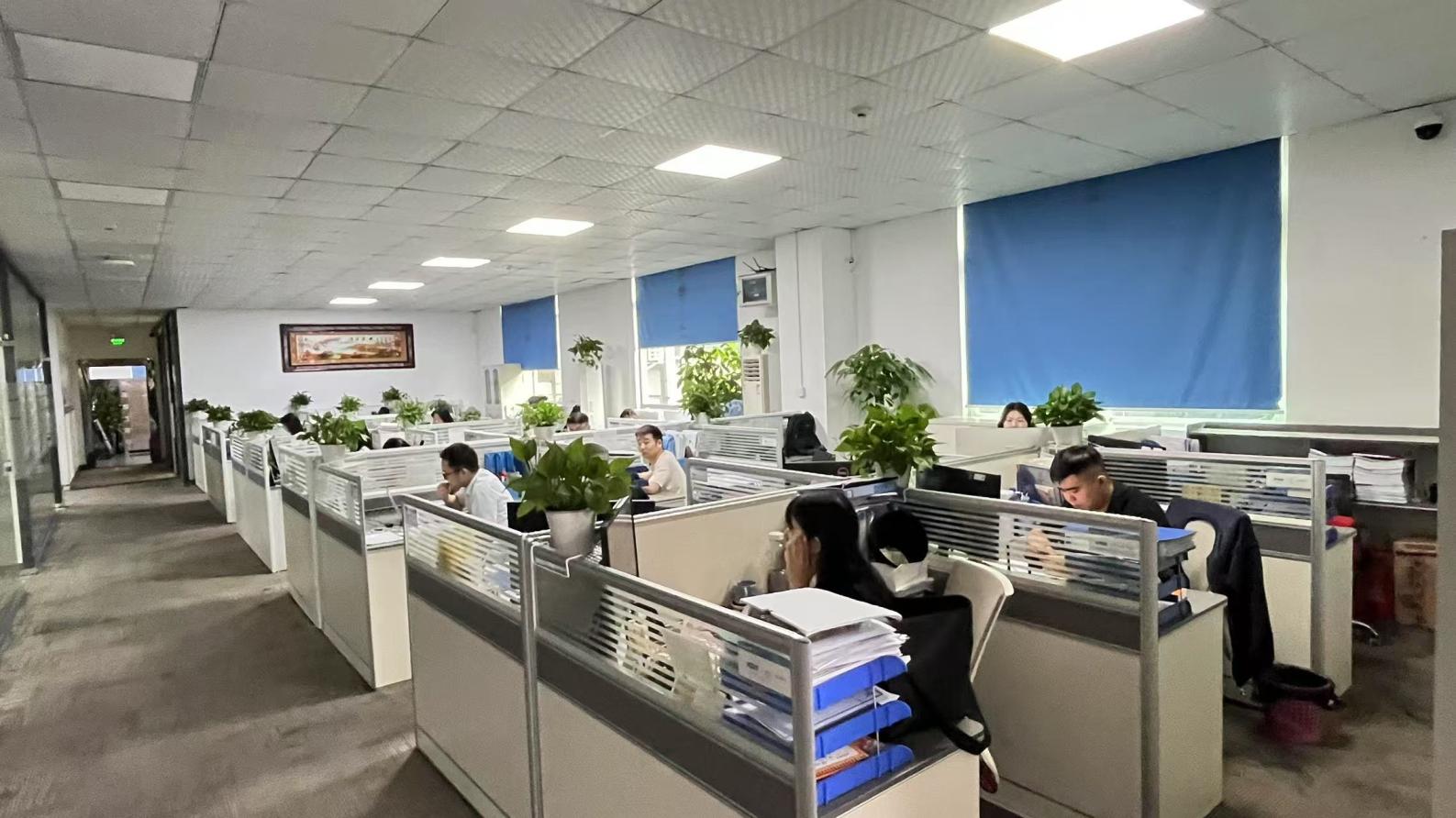
Innovation drives our growth. Our R&D department consists of 128 experienced engineers specializing in server architecture, thermal design, AI computing optimization, and customized hardware integration. Last year alone, Korvion introduced 86 new products and solution upgrades, helping customers stay competitive in the evolving AI infrastructure market.
We offer comprehensive OEM and ODM services, including chassis customization, branding, hardware configuration, rack integration, liquid cooling deployment, GPU cluster design, and turnkey AI infrastructure solutions. Our flexible customization capabilities allow customers to build solutions that precisely match their business and technical requirements.
Today, Korvion serves a diverse customer base, including AI startups, cloud service providers, system integrators, research institutions, universities, enterprise data centers, and GPU hosting companies across North America, Europe, Southeast Asia, the Middle East, and Latin America.
Guided by our commitment to quality, innovation, and customer success, Korvion continues to empower organizations worldwide with cutting-edge AI computing infrastructure designed for the future of intelligent computing.