Korvion
China’s AI server market has moved beyond basic hardware assembly. Its leading ai server companies now support training clusters, inference platforms, and research laboratories worldwide. Buyers must examine more than processor counts. They should inspect accelerator compatibility, memory bandwidth, networking design, cooling capacity, and long-term service coverage.
Jensen Huang, NVIDIA’s founder and CEO, has repeatedly emphasized the importance of accelerated computing. His widely cited statement, “The future of computing is accelerated computing,” captures this market’s direction. Yet the future is not built by GPUs alone. A server may look powerful on paper, but poor airflow can reduce performance inside a crowded data center. Firmware delays can also interrupt valuable workloads.
This guide reviews ten prominent Chinese AI server companies for global buyers. It considers product range, deployment experience, technical partnerships, customization, energy efficiency, and international support. Companies such as Lenovo, Inspur, H3C, Supermicro China operations, xFusion, and Sugon illustrate different strengths. Some focus on large-scale enterprise systems. Others serve universities, cloud providers, or specialized computing projects.
The ranking is not absolute. Buyer priorities differ.
A research laboratory may value flexible GPU configurations. A global cloud operator may prioritize predictable supply and remote maintenance. Regional regulations, data-center standards, warranty terms, and export controls also require careful review. These factors can change quickly, and no supplier deserves automatic trust. The most reliable decision comes from verified specifications, reference deployments, independent testing, and a clear total-cost calculation. Even this approach has limits. Real workloads often expose weaknesses that brochures conceal.
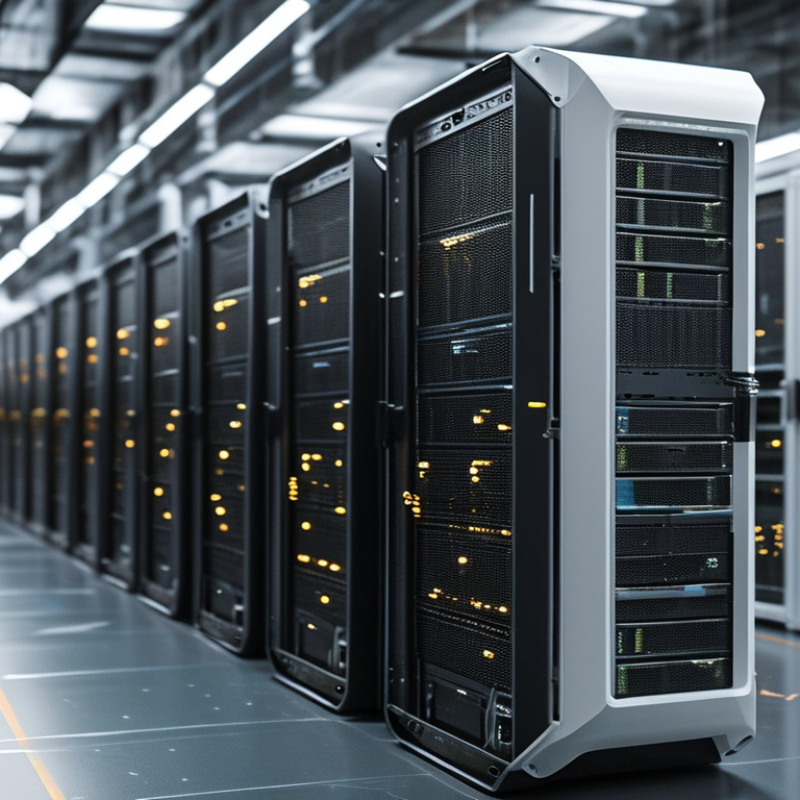
AI server companies in China design, assemble, integrate, and support computing systems for artificial intelligence workloads. Their products combine accelerators, processors, high-speed memory, storage, networking, cooling, and power management. They also provide tested configurations for model training, inference, scientific computing, and enterprise analytics.
Their role is broader than selling hardware. These companies convert complex chip specifications into usable infrastructure for data centers. They validate system stability, optimize software environments, and help buyers manage heat, electricity, and maintenance. This matters because IDC forecasts global AI infrastructure spending could reach 154 billion dollars by 2028. Gartner also projects worldwide generative AI spending of 644 billion dollars in 2025. Demand is moving quickly.
For global buyers, a capable supplier should provide clear performance evidence, energy data, warranty terms, and international service procedures. Rack density, cooling design, network latency, and replacement time can influence real operating costs more than headline computing speed. Certification and export compliance also require careful checking. A fast server is not automatically a reliable platform.
The definition remains imperfect. Some suppliers build complete systems, while others mainly integrate components or deliver cloud-linked solutions. Buyers should therefore compare actual deployment experience, independent test results, and long-term support. Numbers can look impressive. Field performance may differ.
China’s AI server industry is built around high-density computing, fast data movement, and disciplined thermal management. Accelerator selection is only one part. Engineers combine general-purpose processors with parallel computing cards for training and inference workloads. High-speed interconnects reduce delays between machines, especially when models spread across multiple servers. Heat is the enemy. Direct liquid cooling, carefully arranged airflow, and real-time temperature sensors help protect performance in crowded data centers.
Memory design also matters. Large-capacity memory keeps datasets closer to the processors, reducing costly transfers. High-bandwidth storage supports rapid model loading and frequent checkpoint operations. Some systems use modular architectures, allowing buyers to replace computing, storage, or networking units separately. This can extend service life and simplify maintenance. Small details matter.
Reliable software connects these components. Scheduling platforms allocate computing resources, monitor utilization, and identify failing devices before a full outage. Security features may include encrypted management channels, access controls, and audit logs. For global buyers, compatibility with common operating systems, container tools, and open programming frameworks deserves careful testing. Technical documents can look impressive, yet measured performance may change under real workloads. No design is perfect. Power consumption, cooling infrastructure, export requirements, and technician support can weaken the business case. Buyers should request independent benchmark results, warranty terms, spare-part plans, and on-site service conditions before placing large orders. That caution is practical, not pessimistic.
| Rank | Anonymous Company Profile | Primary Market Role | Core Server Platforms | Typical AI Acceleration Configuration | High-Speed Interconnect | Thermal Management | Manufacturing & Delivery Strength | Global Buyer Value |
|---|---|---|---|---|---|---|---|---|
| 1 | Profile A | Large-scale data-center and enterprise AI infrastructure supplier | 2U GPU servers 4U/8U multi-GPU systems Rack-scale clusters | 4–8 accelerator cards per node; dual-socket or high-core-count CPU architecture; PCIe Gen 4/5 expansion | 200–400 Gb/s Ethernet or InfiniBand-class fabric; RoCE support for distributed training | High-efficiency air cooling; direct-to-chip liquid cooling available for dense racks | Large-volume production, standardized validation, system integration, and overseas project deployment | Suitable for AI training, inference, cloud platforms, and national-scale computing projects |
| 2 | Profile B | High-performance computing and AI cluster integrator | 4U GPU nodes 8U accelerator servers HPC clusters | Multi-accelerator designs with large memory capacity; optimized airflow and power distribution for sustained workloads | 100–400 Gb/s Ethernet; RDMA and topology-aware cluster networking | Air cooling for standard nodes; rear-door heat exchangers and liquid cooling for high-density deployments | Experience with customized cluster engineering, rack integration, and acceptance testing | Strong fit for research institutions, universities, cloud service providers, and simulation workloads |
| 3 | Profile C | General-purpose server manufacturer expanding into accelerated computing | 1U/2U inference servers 4U training servers Storage-compute systems | 1–8 accelerator cards; CPU-only and heterogeneous-computing options; high-speed NVMe storage support | 25–100 Gb/s Ethernet standard; optional 200 Gb/s networking for training clusters | Hot-swap fans, zoned airflow, and optional liquid-cooling kits for selected configurations | Flexible configuration, short lead times for standard models, and broad component sourcing | Cost-effective choice for enterprise inference, private AI clouds, and virtualized workloads |
| 4 | Profile D | Domestic processor and server ecosystem provider | ARM-based servers General-purpose racks AI inference platforms | Heterogeneous CPU-NPU or CPU-accelerator systems; optimized software stacks for domestic processor architectures | 25–100 Gb/s Ethernet; RDMA support depends on the selected network adapter and operating environment | Air-cooled designs with configurable fan curves; liquid cooling for selected high-performance platforms | Strong localization, domestic supply-chain coordination, and long-term platform support | Useful for buyers requiring supply-chain diversification, local software compatibility, or regional deployment |
| 5 | Profile E | Telecommunications and edge-AI infrastructure supplier | Edge servers Compact 1U/2U systems Telecom-grade racks | Low-power inference accelerators; compact multi-card systems; support for computer vision and real-time analytics | 10–100 Gb/s Ethernet; time-sensitive and telecom-oriented networking options | High-reliability air cooling; ruggedized thermal designs for distributed and semi-outdoor locations | Broad channel coverage, remote-management capability, and deployment experience in distributed sites | Appropriate for smart manufacturing, video analytics, transportation, retail, and edge inference |
| 6 | Profile F | AI appliance and private-cloud infrastructure specialist | Pre-integrated AI appliances 2U/4U servers Private-cloud nodes | Validated combinations of accelerators, container platforms, model-serving software, and distributed storage | 25–200 Gb/s Ethernet; container- and virtualization-friendly network architecture | Standard air cooling with optional liquid cooling for intensive model-training configurations | Rapid deployment, software preloading, remote monitoring, and simplified procurement | Reduces integration time for enterprises that need ready-to-operate AI infrastructure |
| 7 | Profile G | ODM and contract manufacturing partner for international system integrators | Custom 1U–8U designs Rack-scale platforms White-label systems | Configurable accelerator density, motherboard layout, power supply, storage backplane, and chassis design | Customer-defined 100–400 Gb/s network architecture; support for redundant fabrics | Air, rear-door, and direct-liquid-cooling options based on rack density and customer specification | Strong engineering customization, high-volume manufacturing, and private-label production capability | Best suited to distributors, system integrators, and buyers requiring customized chassis or branding |
| 8 | Profile H | Storage-rich AI server and data infrastructure provider | GPU storage servers NVMe platforms Data-lake infrastructure | Accelerated computing combined with high-capacity NVMe, parallel file systems, and data-preprocessing nodes | 100–200 Gb/s Ethernet; RDMA-enabled data paths for storage and training workloads | High-airflow chassis; optional liquid cooling for dense compute and storage configurations | Integrated storage, compute, backup, and data-management delivery model | Valuable for large datasets, recommendation systems, media processing, and scientific computing |
| 9 | Profile I | Industrial computing and intelligent-manufacturing solution provider | Industrial servers Edge AI nodes Rugged systems | Compact accelerator modules for machine vision, inspection, robotics, predictive maintenance, and digital twins | 1–25 Gb/s Ethernet; industrial protocols and optional high-speed uplinks | Wide-temperature air cooling, dust-resistant chassis options, and fanless designs for selected workloads | Application-specific engineering, long product lifecycles, and integration with industrial control systems | Strong choice for factories, logistics centers, energy facilities, and harsh operating environments |
| 10 | Profile J | Regional cloud and managed AI infrastructure provider | Cloud GPU nodes Inference clusters Managed AI platforms | Elastic accelerator pools, multi-tenant isolation, model-serving nodes, and automated workload scheduling | 25–200 Gb/s Ethernet; software-defined networking and cluster monitoring | Data-center air cooling with liquid-cooled racks available for high-density zones | Fast regional deployment, managed services, remote operations, and flexible procurement models | Suitable for startups, software firms, universities, and buyers seeking infrastructure without full ownership |
Selecting China’s leading AI server suppliers requires more than comparing processor counts. Buyers should examine sustained performance, thermal design, firmware stability, and delivery history. TrendForce estimated that global AI server shipments grew about 46% in 2024, with further growth expected in 2025. This pressure makes dependable production important. Ask suppliers for burn-in records, failure rates, spare-part policies, and documented test procedures. A fast quotation is not enough.
Power efficiency deserves equal attention. The International Energy Agency reported that data centers used about 415 TWh of electricity in 2024, and demand may more than double by 2030. Therefore, compare performance per watt, cooling requirements, rack density, and noise levels. Request measured results under your actual workload, not only laboratory peaks. Independent validation is valuable, although many buyers still accept supplier-only figures. That is a weakness worth challenging.
Tips: Build a small pilot cluster before a large purchase. Test model training, inference latency, network traffic, and recovery after component failure. Check ISO-based quality systems, export documentation, warranty response times, and remote-support coverage. Also confirm compatibility with your operating system, accelerator software, storage, and monitoring tools. A technically impressive server can still disappoint when integration is poorly planned. Leave room for uncertainty. Forecasts change quickly.
China’s top 10 AI server companies serve different workloads, budgets, and deployment environments. A serious comparison should examine more than processing speed. Buyers need evidence of stable production, thermal testing, firmware control, and long-term technical support. In practice, these details often matter more than impressive specifications.
Leading suppliers commonly offer rack servers with multi-accelerator support, high-speed networking, and flexible storage options. Some systems support liquid cooling for dense artificial intelligence workloads. Others use air cooling and suit research labs or smaller data centers.
Global buyers should check power requirements, export documentation, warranty coverage, and spare-parts availability before placing an order. Clear communication also reduces installation mistakes.
The strongest companies provide test reports, service procedures, and transparent configuration sheets. They should explain accelerator compatibility instead of making vague performance claims. Local engineering teams can help with integration, but overseas response times may still vary.
No supplier is perfect. A ranking can hide differences in software maturity, delivery consistency, and regional support. I would request a sample quotation, remote demonstration, and reference deployment before signing a large contract. Small details matter. A server that arrives quickly but lacks reliable maintenance can become an expensive delay.
China’s top 10 AI server companies should be assessed beyond processor speed and price. IDC’s 2024 Worldwide AI and Generative AI Spending Guide projects global AI spending will reach 632 billion dollars by 2028. That growth makes dependable purchasing controls essential. Buyers should request burn-in records, thermal test results, ECC memory details, firmware traceability, and component-level quality procedures. A fast server is not automatically a reliable server.
Compliance requires careful, destination-specific checking. Suppliers should provide accurate certificates, safety test reports, origin documents, and export paperwork. ISO 9001 supports quality management, while ISO/IEC 27001 can strengthen information-security governance. The World Bank’s Logistics Performance Index 2023 shows that customs efficiency and infrastructure strongly influence international delivery performance. Delivery terms, insurance, packaging standards, and replacement procedures should appear in the contract. Support also matters. Ask about response times, remote diagnosis, spare-part locations, and escalation contacts.
Tips: Compare written evidence, not promises. Test a sample unit first. Confirm the exact configuration before payment. A perfect checklist does not exist. Even experienced buyers may overlook firmware compatibility or local power requirements. Uptime Institute’s 2024 Global Data Center Survey highlights continuing concerns around power availability, cost, and operational resilience. Therefore, buyers should review rack density, cooling limits, power redundancy, and installation support together. Some suppliers offer attractive lead times, yet customs delays can still disrupt deployment. Build a realistic buffer. That small decision may protect the entire project schedule.
I servers?
Dense computing produces substantial heat. Direct liquid cooling can protect performance in crowded racks. Airflow design and temperature sensors also help. Heat wins sometimes.
Compare sustained performance, not only processor counts. Request independent benchmark results under your actual workload. Test training speed, inference latency, and recovery after failures. Peak figures can mislead.
Compare performance per watt, cooling needs, rack density, and noise. Data centers used about 415 TWh of electricity in 2024. Demand may more than double by 2030. Power costs quietly grow.
Some systems let buyers replace computing, storage, or networking units separately. This may extend service life and reduce repair disruption. However, replacement parts must remain available. The design is not magic.
Check operating systems, container tools, programming frameworks, and monitoring software. Scheduling platforms should allocate resources and detect failing devices. Encrypted management channels, access controls, and audit logs support safer administration. Integration often gets underestimated.
Ask for burn-in records, failure rates, test procedures, warranty terms, and spare-part plans. Also request export documents and on-site service conditions. A fast quotation proves very little. Paperwork matters.
Yes, a small pilot can expose cooling, network, and software problems. Test model training, inference latency, traffic, and component-failure recovery. Check remote support and technician response times. No checklist is flawless.
Poor integration, delayed support, high power use, or weak cooling can damage the business case. Overseas response times may vary. Forecasts change quickly. I would keep some budget for surprises.
China’s AI server industry has become an important part of the global computing supply chain, providing high-performance systems for artificial intelligence training, inference, cloud services, and data-intensive applications. This article explains the role of AI server companies, including hardware integration, computing optimization, storage design, networking, and technical support. It also introduces the core technologies shaping the sector, such as accelerated computing, advanced cooling, scalable architectures, and intelligent management systems.
For global buyers, selecting among the leading ai server companies requires more than comparing prices. Key considerations include processing performance, product reliability, supply capacity, customization options, energy efficiency, certifications, data security, after-sales service, and delivery capabilities. The article presents a practical overview of China’s top ten AI server companies without focusing on individual brand promotion, helping international purchasers evaluate suppliers objectively. It also highlights the importance of quality control, legal compliance, transparent communication, warranty terms, and long-term technical support when building a dependable global procurement strategy.
