Korvion
Selecting the right GPU server manufacturer is crucial for optimizing performance in various applications. The demand for high-performance computing has propelled GPU usage to unprecedented levels. According to a report by MarketsandMarkets, the global GPU market is projected to reach $200 billion by 2026. This growth signifies the increasing reliance on powerful server solutions.
Many companies focus on AI, machine learning, and data analytics, necessitating capable GPUs. Performance metrics and reliability stand out as key factors when evaluating manufacturers. Top-tier manufacturers may offer diverse product ranges, but their quality varies significantly. Reports indicate that trust in a manufacturer's support infrastructure is paramount; 70% of IT decision-makers prioritize post-purchase support above all.
Identifying the best GPU server manufacturer involves navigating complexities. Prospective buyers should consider service reliability, warranty terms, and scalability of solutions. Attention to details can diminish risks of poor performance. A thoughtful assessment can lead to better choices. Balancing technical specifications with manufacturer reputation is vital for long-term success.
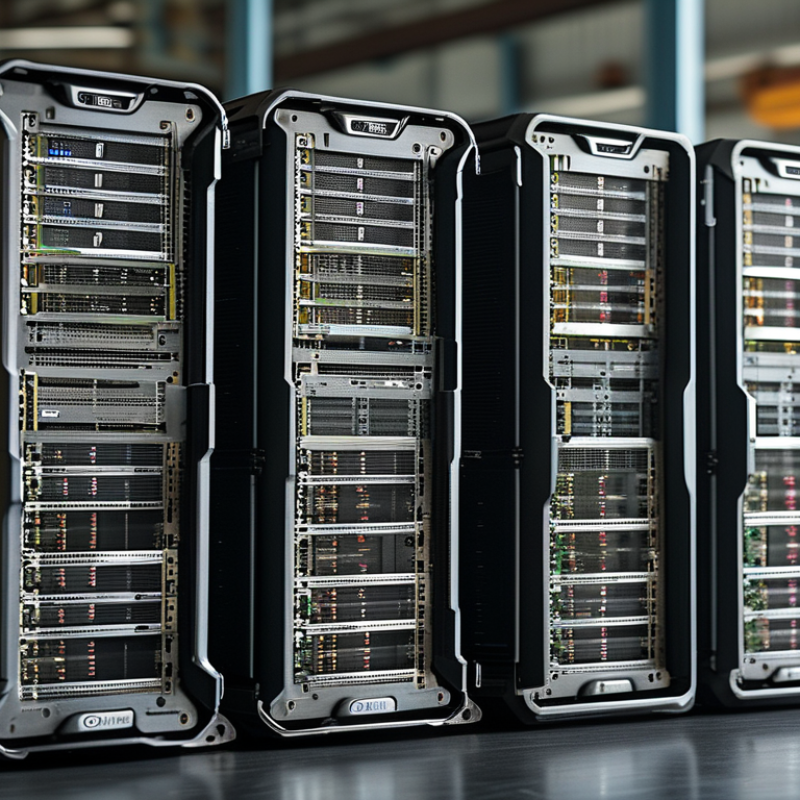
When selecting a GPU server, understanding your specific requirements is crucial. Your needs may depend on workloads, scalability, and performance metrics. Industry reports indicate that over 80% of organizations need servers for AI and machine learning tasks. Identifying whether you need high memory capacity or multiple GPU cores can influence your choice significantly.
For optimal performance, focus on memory bandwidth and processing power. Aim for a GPU server with at least 16GB of VRAM for demanding applications. Benchmarking shows that servers with high compute capabilities outperform others by up to 30% in complex tasks. Don’t overlook the importance of cooling solutions, as GPUs generate considerable heat.
Tips: Assess your budget and long-term growth. Invest in servers that can scale with your needs. Always consider support and warranty options. Research user reviews and testimonials for real-world insights. Remember that the best choice might not always be the leading manufacturer; focus on capacity and reliability.
When selecting a GPU server manufacturer, focus on vital features that align with your needs. Look for high-performance GPUs tailored for tasks like machine learning and data analysis. Manufacturers should offer the latest Nvidia or AMD models, enabling faster processing times. Also, check for flexible configurations. The ability to customize hardware is crucial for optimizing performance based on specific workloads.
Reliability is paramount. Investigate the manufacturer's track record for uptime and performance. A reliable server minimizes downtime, which is essential for mission-critical applications. Examine customer reviews and testimonials. They can provide insight into the manufacturer's service reliability. Additionally, consider the warranty and support options available. Good technical support can be a lifesaver during critical issues.
Don't overlook scalability. Your initial requirements may change, and your server should adapt to growth. A manufacturer that provides scalable solutions allows for easy upgrades. Lastly, assess the energy efficiency of their models. Efficient servers reduce operating costs and benefit the environment. Despite these guidelines, the choice remains subjective. It’s essential to reflect on your unique requirements before making a decision.
When selecting a GPU server manufacturer, reputation and reliability are crucial factors. A recent industry report indicates that nearly 70% of businesses consider a manufacturer’s track record before making a purchase. Reliable manufacturers are known for consistent performance and uptime, two factors that can significantly impact project outcomes.
In addition to reputation, customer support plays a vital role. A survey conducted by a leading IT research firm found that 62% of companies did not receive adequate support from their GPU server providers. This gap in service can lead to project delays and increased costs. It’s important to assess the support offerings, including availability and response time.
Reliability is also closely linked to product longevity. Manufacturers known for high-quality components tend to have longer-lasting products. A report showed that companies using high-reliability GPU servers faced 30% fewer operational disruptions. However, not all manufacturers maintain these high standards, leading to varying levels of user satisfaction. Hence, it’s important to analyze both technical specifications and user reviews to gauge reliability.
When selecting a GPU server manufacturer, pricing and support are vital factors. Reports show that 70% of businesses consider total cost of ownership before making purchasing decisions. High upfront costs can be misleading. Long-term expenses often include maintenance, power consumption, and support services. It’s crucial to analyze these hidden costs.
Support options vary significantly across manufacturers. A study indicates that 65% of users prioritize responsive customer service. Companies should look for 24/7 support availability and flexible service agreements. Poor support can lead to downtime, directly affecting productivity. Some manufacturers lack comprehensive documentation. This oversight can complicate troubleshooting and hinder user experience.
Pricing transparency is also essential. Some providers use complex pricing models that can confuse customers. Evaluating warranty terms and service level agreements (SLAs) is important. A reliable manufacturer should offer clear, detailed agreements. Hidden fees can significantly alter the planned budget. Businesses must weigh these factors carefully to ensure they choose a manufacturer that aligns with their needs.
When selecting a GPU server, future upgradability and scalability are crucial factors. You'll want a system that not only meets your current needs but also adapts as technology evolves. Consider how many GPU slots are available. A server with more slots allows you to expand your processing power later.
Research the architecture of the GPU servers. Some designs facilitate upgrades better than others. Modular systems often prove advantageous. They let you swap out components without extensive downtime. Look for solutions that offer compatibility with the latest technology. This ensures you won't be stuck with outdated components in just a few years.
**Tip:** Always check for firmware or software updates from manufacturers. This can improve performance and provide the latest features.
Another element to ponder is cooling and power supply. A server designed for easy upgrades will have adequate cooling solutions. Ensure it can handle additional GPUs without overheating. A robust power supply is equally important. It should support future expansions without needing a complete overhaul.
**Tip:** Ask your provider about their recommended upgrade paths. Understand the potential costs and technical requirements.
In the world of technology, certainty is rare. A feature that seems beneficial now may become irrelevant. Staying informed and flexible in your choices is essential for long-term success.
| Manufacturer | GPU Models Offered | Max VRAM | Upgradability | Scalability Options | Warranty Period | Support Options |
|---|---|---|---|---|---|---|
| Manufacturer A | RTX 3080, RTX 3090 | 24 GB | High | Multi-node scaling available | 3 years | 24/7 support |
| Manufacturer B | GTX 1660, RTX 3070 | 16 GB | Medium | Single-node scaling | 2 years | Email and phone support |
| Manufacturer C | A100, V100 | 40 GB | Very High | Horizontal and vertical scaling | 5 years | On-site support |
| Manufacturer D | Quadro P5000, P6000 | 24 GB | High | Flexibility in scaling | 3 years | Online support and forums |
| Manufacturer E | Radeon Pro VII, RX 6900 XT | 16 GB | Medium | Limited scalability | 2 years | Email support |
: Assess your workloads, scalability needs, and performance metrics. Consider if you need high memory or multiple GPU cores.
Aim for at least 16GB of VRAM. It’s important for demanding applications and affects overall performance significantly.
GPUs generate a lot of heat. Proper cooling solutions maintain performance and ensure longevity of the server components.
Research the manufacturer's uptime history. Customer reviews offer valuable insights into their reliability and performance.
Yes, focus on high-performance GPUs and flexible configurations that meet your specific workloads and tasks.
Scalability allows for future upgrades. Your needs might change, so having a server that adapts is crucial.
Investigate warranty and technical support services. Good support is essential during critical operational issues.
Absolutely. Efficient servers lower operating costs and are better for the environment, which should not be overlooked.
Not necessarily. Focus on capacity and reliability rather than just the brand. Sometimes, lesser-known options perform better.
Think about your unique requirements. Sometimes, what seems best may not actually fit your needs perfectly.
Choosing the right GPU server manufacturer is crucial for meeting your specific computing needs. Start by understanding your GPU server requirements, which involve evaluating the workloads you'll be handling. Look for key features that align with these needs, such as processing power, memory capacity, and cooling systems. When assessing manufacturers, consider their reputation and reliability in the industry, as this can impact your server's performance and support experience.
In addition to these factors, comparing pricing and support options is essential for making an informed decision. Ensure that the manufacturer offers adequate customer service and technical support. Finally, assess the future upgradability and scalability of the GPU server, as technology evolves rapidly. A good GPU server manufacturer should provide flexible options that allow for growth and enhancement as your requirements change.
