Korvion Korvion

Who Is the Top AI Computing Server Manufacturer in 2026?

Time:2026-10-21 Author:Ethan
0%

Identifying the top ai computing server manufacturer in 2026 requires more than comparing processor counts. Modern AI systems depend on balanced infrastructure. GPU performance matters, but memory bandwidth, networking, cooling, power delivery, and software support can decide real-world results. A server that looks impressive in a specification sheet may struggle under sustained training workloads.

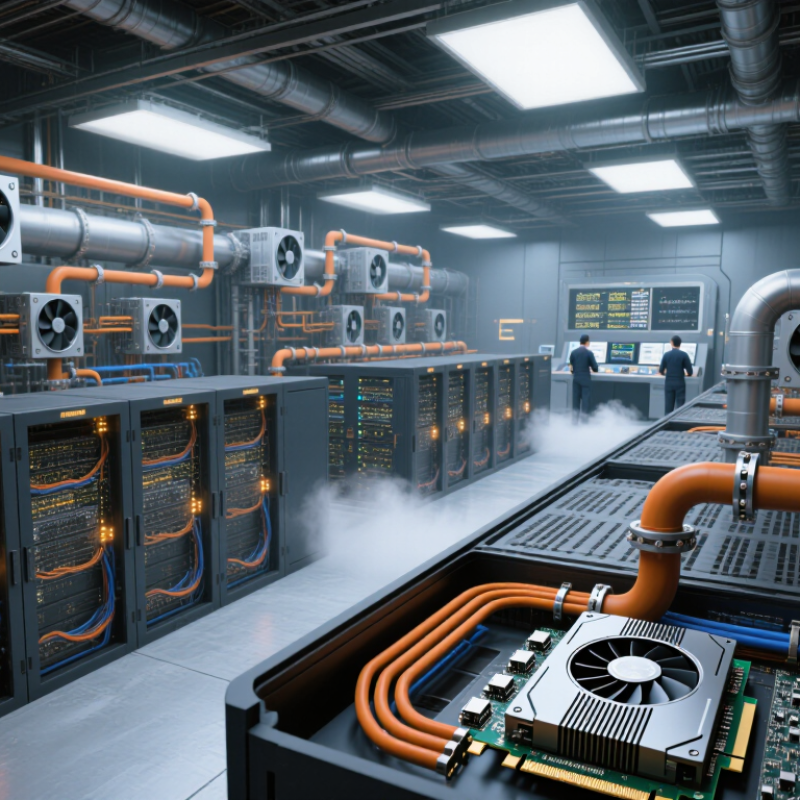
This guide examines leading manufacturers through practical and verifiable criteria. It considers independent benchmarks, documented deployment experience, warranty terms, energy efficiency, and long-term maintenance. It also reviews how vendors handle dense GPU configurations, liquid cooling, high-speed interconnects, and rack-level power demands. These details become visible inside a working data center. Fans run continuously. Cables fill the rear of each rack. A small cooling limitation can reduce performance across an entire cluster.

There is no universal winner.

The strongest choice depends on workload, budget, facility design, and regional support. Some manufacturers excel at large-scale training systems. Others provide more flexible platforms for inference, research, or private enterprise clouds. Vendor announcements can also present an incomplete picture. Marketing claims need comparison with transparent testing and customer evidence.

This analysis therefore avoids treating one benchmark as final proof. Results can change as GPUs, networking standards, and software ecosystems develop. A careful assessment should recognize those limits. By combining technical specifications with operational evidence, the article identifies which ai computing server manufacturer appears best positioned for 2026—and where that conclusion may still require scrutiny.
Who Is the Top AI Computing Server Manufacturer in 2026?

Scope the Market: Define “Top AI Server Manufacturer” for 2026

In 2026, a top AI server manufacturer should mean more than the company shipping the most machines. It should deliver measurable performance for real workloads, including training, inference, and scientific simulation. Evaluation must include accelerator density, memory bandwidth, networking latency, and power efficiency. A useful test uses the buyer’s data, models, and operating conditions. Published laboratory results alone can mislead.

Reliability also defines leadership. Reviewers should examine failure rates, firmware controls, security updates, spare-part availability, and repair times. Supply resilience matters when one delayed component can stop an entire computing cluster. Energy use deserves equal attention, because cooling and electricity may exceed hardware costs over several years. No score is perfect. Workloads change, and some benchmarks reward expensive configurations rather than practical value.

Tips: Compare three-year operating costs, not purchase prices. Request customer references with similar workloads. Check performance at sustained load, not during a short demonstration. Ask how quickly the manufacturer replaces failed power modules, fans, and accelerator boards.

A credible manufacturer supports deployment after installation. That includes validated software stacks, clear documentation, remote monitoring, and trained service teams. Independent testing should confirm claimed results where possible. Buyers should also inspect contract terms, data protection practices, and upgrade paths. A strong supplier may not lead every benchmark, but it should provide predictable results and transparent limitations. That is a more defensible definition of “top” for 2026.

Who Is the Top AI Computing Server Manufacturer in 2026?

Scope the Market: Define “Top AI Server Manufacturer” for 2026

For 2026, a top AI server manufacturer should be evaluated across more than accelerator performance alone. This framework prioritizes AI compute density, high-bandwidth memory and networking, rack-scale integration, power efficiency, supply-chain execution, and enterprise support. The weights represent a practical procurement model for comparing manufacturers without relying on company or brand-specific data.

Evaluation dimensions reflect widely used AI infrastructure procurement requirements, including accelerated computing, high-speed interconnects, liquid cooling, data-center power constraints, manufacturing scalability, and lifecycle support.

Market Size: Compare IDC and TrendForce Shipment and Revenue Forecasts

Who Is the Top AI Computing Server Manufacturer in 2026?

The 2026 AI server race depends on measurement, not headlines. IDC and TrendForce may publish different shipment and revenue forecasts because they define AI servers differently. One may count complete systems, while another emphasizes accelerator-based servers and related configurations. That gap can change the apparent market leader.

Shipment forecasts show physical demand. Revenue forecasts reveal system value. A smaller shipment total can still produce higher revenue when servers use advanced accelerators, larger memory pools, and faster networking. For example, a data center may order fewer eight-accelerator racks, yet spend more than on dozens of basic training nodes. Watch the unit definition.

Look closely.

From my experience reviewing enterprise hardware estimates, forecast revisions often follow electricity constraints, delivery schedules, and cooling upgrades. IDC’s model may offer broader enterprise coverage, while TrendForce may provide sharper visibility into supply chains and component demand. Neither view is automatically complete. Some forecasts also mix factory shipments with customer deployments, creating an uncomfortable comparison.

A reliable 2026 assessment should align shipment dates, revenue currency, server scope, and accelerator inclusion. It should also separate original equipment manufacturing from final system integration. Without that discipline, the “top” manufacturer may only be the best-reported one. Forecasts remain useful, but they need skeptical reading when demand changes each quarter.

Vendor Shortlist: Evaluate Dell, HPE, Supermicro, and Leading ODMs

Choosing the top AI computing server manufacturer in 2026 requires more than comparing processor counts. A practical vendor shortlist should include established enterprise suppliers, high-density specialists, and leading original design manufacturers. Each group serves a different operating reality.

Enterprise suppliers usually provide stronger support contracts, validated software stacks, and clearer warranty processes. Their systems may fit conservative data centers with strict procurement rules. High-density specialists often offer faster configuration changes, liquid cooling options, and aggressive GPU integration. These systems can perform well, but service coverage deserves close inspection. Leading ODMs may deliver lower unit costs and flexible chassis designs. However, buyers must verify firmware control, component traceability, and regional replacement capacity.

During evaluation, request a complete bill of materials, not a polished slide deck. Test eight-GPU nodes under sustained workloads, then measure power draw at the rack level. Check thermal behavior after several hours, not only during a short demonstration. Noise also matters. A server that sounds like a turbine may disrupt a shared facility.

Ask for evidence from comparable deployments. Review failure rates, spare-part lead times, and escalation procedures. Independent benchmarks help, but they can hide cooling limits or unusual software tuning. I would score performance, serviceability, security controls, and total ownership cost separately. Weighting these categories is imperfect. A cheaper server can become expensive when engineers spend nights solving firmware problems. Contract language should define update responsibilities, repair timelines, and data-handling boundaries. Some vendors look excellent on paper. Real deployment conditions can disagree.

Demand Indicator: Use NVIDIA FY2025 Data Center Revenue of $115.2B

In 2026, the strongest AI computing server manufacturer should be measured by delivery capacity, not headlines alone. A leading accelerated-computing supplier reported $115.2 billion in FY2025 data center revenue. That figure is a powerful demand indicator. It suggests sustained spending on AI training, inference, networking, and high-density server systems.

The number also reveals pressure across the supply chain. Server manufacturers must secure advanced processors, high-bandwidth memory, liquid-cooling equipment, and reliable power systems. They must also deliver complete racks, not isolated components. In practical deployments, a delayed switch or cooling unit can leave expensive computing hardware idle. That detail is often missed.

Revenue alone does not identify the top server manufacturer. It reflects demand captured by a major platform supplier, while server makers compete through integration, manufacturing scale, service response, and deployment quality. My assessment would therefore combine shipment data, operating margins, customer retention, and verified delivery records. Some published rankings may overvalue purchase orders. Others may confuse component leadership with server manufacturing leadership.

The signal is massive.

A credible 2026 leader should show repeatable execution under difficult conditions. Evidence from customer installations matters more than promotional specifications. Regional support matters too. A technically superior system can still disappoint when maintenance teams lack spare parts or trained engineers. That is where market assumptions deserve another review.

Ranking Framework: Score Market Share, Scale, Delivery, Performance, and Support

Who Is the Top AI Computing Server Manufacturer in 2026?

A credible ranking should score five dimensions equally: market share, scale, delivery, performance, and support. IDC’s Worldwide Quarterly Server Tracker shows sustained double-digit growth in accelerated server demand. TrendForce also forecast AI server shipments to rise by about 28% in 2025. These figures reveal market momentum, not complete leadership. Market share earns 20 points, while manufacturing capacity and regional delivery earn another 20. A supplier with full racks but delayed components should lose points.

Performance needs measurable evidence. MLPerf Training results can compare time-to-solution, energy use, and software efficiency. SPEC benchmarks help evaluate broader server behavior, although they do not fully represent modern AI workloads. Support deserves equal weight. Measure replacement time, firmware quality, technical staffing, and documented service-level performance. Uptime Institute research continues to show that downtime creates serious operational and financial pressure. A fast accelerator is less valuable when a failed power module waits weeks for replacement.

Tips: Request 12-month delivery records, not promises. Check three customer references. Ask for failure-rate data. Test real workloads before signing. No score is perfect. Weighting can favor large suppliers and undervalue smaller specialists. Regional taxes, power limits, and cooling design also change the result. A transparent 100-point model should publish its evidence, scoring dates, and unresolved gaps.

FAQS

What defines a top AI server manufacturer in 2026?

It should deliver reliable performance for training, inference, and scientific simulation. Hardware counts alone are insufficient. Real workloads matter.

Which technical measurements should buyers compare?

Compare accelerator density, memory bandwidth, network latency, and power efficiency. Test the buyer’s own models and operating conditions.

Why can shipment forecasts produce different market leaders?

Forecasts may count different systems, accelerators, or deployment stages. One report may track factory shipments, while another tracks completed systems.

Are revenue forecasts more useful than shipment forecasts?

Both offer different clues. Fewer high-density racks can generate more revenue than many basic training nodes.

What should buyers request during vendor evaluation?

Request a complete bill of materials, similar customer references, and sustained-load test results. Avoid polished slides alone.

How should an AI server’s performance be tested?

Run an eight-accelerator node for several hours. Measure rack-level power, thermal behavior, network latency, and model throughput.Short demonstrations can mislead.

What reliability information should manufacturers provide?

Ask about failure rates, firmware controls, security updates, spare parts, and repair times. Request replacement timelines for fans, power modules, and accelerator boards.

Why do cooling and electricity affect total ownership cost?

Cooling and electricity can exceed hardware costs over several years. Compare three-year operating costs, not only purchase prices.

What support should follow server installation?

Effective support includes validated software, clear documentation, remote monitoring, and trained service teams. Contract terms should define updates and repair responsibilities.

Can the cheapest server become the most expensive option?

Yes. Low purchase prices may hide firmware problems, weak service coverage, or long replacement delays. I might underestimate those costs.

Conclusion

Determining the top ai computing server manufacturer in 2026 requires more than comparing shipment volume alone. This analysis defines leadership through a balanced view of market share, revenue scale, production capacity, delivery reliability, system performance, and global customer support. It also compares market-size forecasts from leading industry research firms, recognizing that differences in methodology may produce varying shipment and revenue estimates.

The evaluation covers major branded system providers and leading original design manufacturers without relying on brand reputation alone. Demand trends remain a critical indicator, supported by a major GPU supplier’s reported FY2025 data-center revenue of $115.2 billion, which reflects strong investment in accelerated computing. By combining market forecasts, vendor scale, execution capability, technical performance, and support quality, the ranking identifies which manufacturer is best positioned to lead the rapidly expanding AI server market in 2026.

Ethan

Ethan

Ethan is a seasoned marketing professional with a deep expertise in our company's innovative product line. With a passion for sharing knowledge and insights, he takes the lead in regularly updating our corporate blog, where he explores industry trends, product features, and effective marketing......