Korvion Korvion

Top 10 Edge AI Server Manufacturers for Global Buyers

Time:2026-09-26 Author:Ethan
0%

Edge AI is moving computation closer to cameras, factory sensors, medical devices, and retail systems. That shift makes server selection practical, not abstract. A deployment may depend on response time, local data handling, power limits, and the temperature inside a crowded equipment cabinet.

Andrew Ng, a leading AI researcher, has said, “AI is the new electricity.” His statement addresses AI broadly, not edge server design specifically. Still, it captures why buyers are evaluating where AI workloads run. For global purchasers, an edge ai server manufacturer must offer more than impressive processor specifications. Buyers also need clear configuration options, dependable thermal design, manageable remote administration, and credible support across regions. Small details matter. A fan profile that reduces noise may help in a store; a compact chassis can make installation easier beside production equipment.

This guide introduces 10 manufacturers for buyers comparing edge AI server options. It considers product focus, deployment flexibility, ecosystem compatibility, and the information each company makes available. These factors can help narrow a shortlist, but they cannot replace testing against a real workload. No shortlist is perfect. Marketing claims may also leave unanswered questions about long-term service, software updates, or performance under sustained heat. Treat the comparisons as a starting point, then verify specifications and support directly with each vendor.
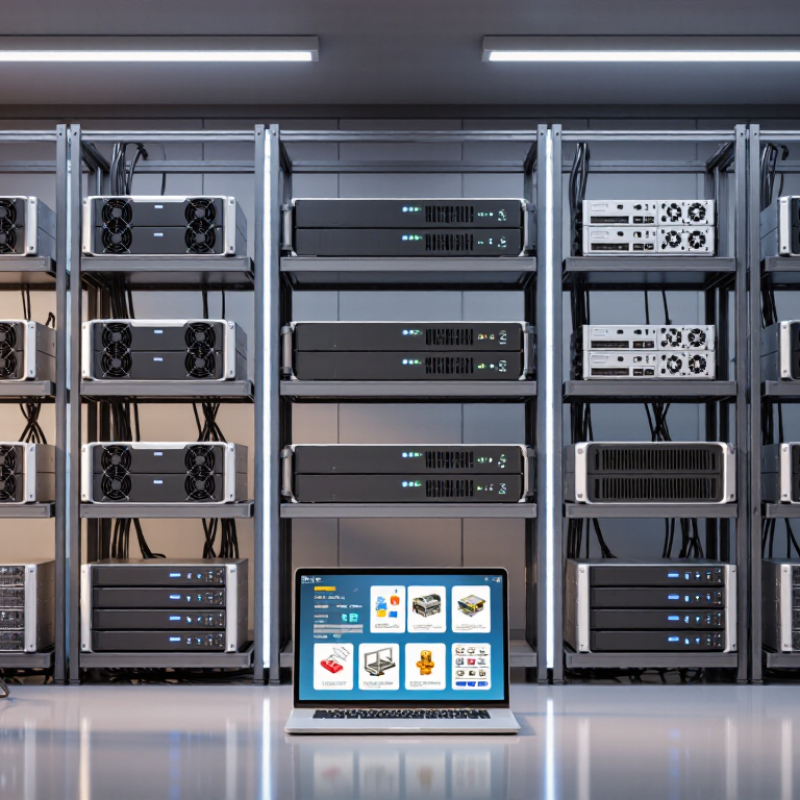
Top 10 Edge AI Server Manufacturers for Global Buyers

What Defines an Edge AI Server Manufacturer

What defines an edge AI server manufacturer? It builds systems that run inference near cameras, machines, or local gateways, rather than in distant cloud data centers. This takes more than fitting an accelerator into a rack.

Gartner’s 2018 report, “The Edge Completes the Cloud,” forecast that 75% of enterprise-generated data would be created and processed outside traditional centralized data centers by 2025. This was a forecast, not a verified outcome. Still, it highlights why compact compute, predictable latency, and resilient operation matter.

A capable manufacturer specifies processors, memory bandwidth, accelerator support, networking, and thermal limits for real workloads. It should document performance with repeatable inference tests, disclose power draw, and explain firmware updates and component replacement.

In a factory cabinet, a server may face dust, vibration, and restricted airflow. A lab benchmark alone will not reveal those constraints. Buyers should also check parts availability and service procedures. Details vary. And that matters.

Tips

Request a workload-matched demonstration. Compare device-level latency, power use under sustained load, and recovery after network interruptions. Treat vague “AI-ready” claims cautiously; the label can hide very different capabilities.

How the Top 10 Manufacturers Are Selected

Selecting ten edge AI server manufacturers requires more than comparing processor counts or headline performance. We assess whether systems can handle real workloads, such as running vision models beside production equipment with limited cooling and space. Product documentation, configuration options, and published test results help establish what each system can reliably do. Claims are checked against technical specifications and, where available, deployment evidence. A neat product sheet is not enough.

We also compare thermal design, expansion capacity, remote management, product availability, and technical support across regions. Details matter: a compact chassis may fit a control cabinet, but restricted airflow can limit sustained performance. Support response times deserve scrutiny, too. Fast help matters. We consider how clearly manufacturers describe testing methods and product limitations, not just strengths. No scoring system removes judgment; weighting criteria can favor one buyer’s needs over another’s. We revisit close rankings when evidence is thin, and treat missing information as a genuine drawback rather than filling gaps with assumptions. The resulting selection aims to reflect practical deployment value, not marketing visibility alone.

Top 10 Edge AI Server Manufacturers for Global Buyers

How the Top 10 Manufacturers Are Selected

Suggested evaluation framework: compare compute capability, performance, reliability, software ecosystem, and global support. The percentages are editorial weights for a selection methodology, not market-share figures or ratings of specific manufacturers.

Profiles of the Top 10 Edge AI Server Manufacturers

Edge AI server manufacturers serve different operating conditions, so a useful profile starts with the deployment site. A rugged-systems maker builds sealed units for dusty workshops and vibrating vehicles. An industrial-computing specialist prioritizes long product lifecycles and stable operation near factory equipment. A compact-system producer focuses on small enclosures, where airflow and cable access matter. A modular-platform manufacturer offers swappable accelerators, storage, or network cards. Convenient, but check compatibility.

A GPU-dense server builder suits demanding vision workloads, though power draw and cooling can limit placement. A low-power specialist designs for remote cabinets with tight energy budgets. A telecom-oriented manufacturer emphasizes network interfaces and edge-site reliability. An embedded-systems maker integrates compute close to cameras, sensors, or machines. Heat is still a concern. A custom-design provider adapts chassis and I/O to specific installations, but unusual configurations may take longer to validate.

Two further profiles round out the field. A global integration supplier can coordinate hardware, deployment, and regional support; buyers should confirm local service coverage rather than assume it. A lifecycle-focused manufacturer provides clear spare-parts plans and firmware updates. That detail is easy to overlook. Compare thermal limits, accelerator support, noise, and warranty terms against a real workload. Datasheets help, but a representative trial can reveal awkward fit, maintenance access, or performance drops under sustained heat.

Comparison of Edge AI Server Features and Capabilities

Top 10 Edge AI Server Manufacturers for Global Buyers

A useful comparison starts with workload fit, not headline performance. Check supported AI accelerators, memory capacity, and the number of expansion slots. A compact server may suit a retail cabinet, while a larger unit can handle several camera streams at once. Look closely at power draw and thermal limits under sustained load. Peak figures alone can be misleading.

Tips: Ask for measured throughput using your model and input size. Confirm operating temperature, dust protection, remote monitoring, and replacement-part availability for your region. Test the system before committing.

Also compare software flexibility. Can the server run your preferred inference framework, update securely, and keep processing locally when the network drops? These details affect daily reliability. Review warranty terms and technical support hours, especially across time zones. One comparison is imperfect: benchmark results rarely match every real installation. A quiet lab test may not reveal fan noise or heat in a crowded enclosure. Ask manufacturers for clear test conditions and verify claims with a pilot using representative workloads. The best fit depends on site constraints, service needs, and the cost of downtime.

Top 10 Edge AI Server Manufacturers for Global Buyers - Comparison of Edge AI Server Features and Capabilities

Anonymous comparison of representative edge-server capability profiles. Entries are not ranked and do not identify specific manufacturers or products. Specifications are typical configurable ranges or options for the stated platform class; actual capabilities vary by model, configuration, and operating conditions.

Anonymous Profile Typical Platform Class AI Accelerator Options Memory and Storage Networking and I/O Environmental Scope Best-Fit Workloads Key Selection Consideration
Supplier Profile 01 Compact fanless edge system; low-power x86-class or Arm-class processor options Integrated AI inference acceleration; selected models support a low-power add-in accelerator Typically 8–64 GB memory; M.2 NVMe or SATA solid-state storage, depending on model Typically 1–2 Ethernet ports; USB, serial, and display I/O vary by configuration Designed for space-constrained deployments; temperature range is model-specific Retail analytics, kiosks, gateways, and low-to-moderate camera counts Confirm sustained inference performance, thermal limits, and available expansion slots
Supplier Profile 02 Short-depth, small-form-factor server with a general-purpose multi-core processor Optional single-slot GPU or dedicated inference card, subject to chassis and power limits Typically 16–128 GB memory; NVMe and/or SATA storage options Common configurations offer multiple Gigabit or faster Ethernet ports and PCIe expansion Usually intended for protected indoor or cabinet installation; verify operating limits Machine vision, branch-site analytics, and local application hosting Check accelerator card length, slot width, power budget, and cooling capacity
Supplier Profile 03 Ruggedized embedded computer or compact edge server for industrial installation Integrated inference engine or selected low-profile accelerator options Typically 8–64 GB memory; solid-state storage, often with optional retention or service features Ethernet plus model-dependent serial, CAN, GPIO, or fieldbus interfaces Some models are specified for extended temperature, vibration, or shock; ratings are SKU-specific Factory inspection, industrial control, transportation, and remote equipment monitoring Validate the exact environmental rating and required industrial interfaces before deployment
Supplier Profile 04 One-socket edge server using a higher-performance x86-class processor platform Multiple PCIe accelerator options, subject to chassis configuration Typically 32–512 GB memory; NVMe and SATA drive-bay options vary by chassis Multiple Ethernet ports; higher-speed networking may be available through add-in cards Generally suited to controlled indoor locations with server-style airflow and power Multi-camera inference, video processing, and consolidated edge applications Evaluate memory bandwidth, PCIe lane availability, and total system power under load
Supplier Profile 05 GPU-capable edge server in a tower or short-depth rack form factor One or more discrete GPUs or inference accelerators, depending on power and chassis options Typically 32 GB to 1 TB memory across configurable systems; multiple NVMe/SATA options Multiple Ethernet ports; add-in networking and storage controllers may be supported Usually requires ventilated indoor installation; acoustic and thermal conditions vary High-throughput vision, video transcoding, and larger local AI models Confirm GPU support, power connectors, cooling, and performance at sustained workloads
Supplier Profile 06 Arm-class edge server or compact server platform optimized for performance per watt Integrated acceleration on selected platforms; accelerator-card compatibility is model-dependent Typically 16–256 GB memory; NVMe storage is common on server configurations One or more Ethernet ports; expansion and management interfaces vary by system Primarily indoor deployment; confirm support lifecycle and operating range for the selected model Cloud-native edge services, distributed inference, and power-conscious deployments Check application compatibility, software support, and accelerator framework availability
Supplier Profile 07 Modular edge platform with configurable compute, storage, and I/O modules Inference modules or PCIe accelerators available on selected configurations Memory and storage capacity depend on the chosen compute module and chassis Can be configured with multiple Ethernet links and application-specific I/O modules Environmental capability depends on the module, enclosure, and installation method Distributed infrastructure, utility sites, and deployments with changing I/O needs Assess module compatibility, spare-part availability, and upgrade path over the deployment life
Supplier Profile 08 Multi-node or high-density edge server designed for rack deployment Accelerator support varies by node, chassis power, and thermal design Typically supports server-class memory and multiple drive options; capacity is configuration-specific High-speed Ethernet and shared or node-specific I/O options may be available Designed for controlled rack environments with suitable power and cooling infrastructure Telecom sites, regional edge facilities, and workloads requiring multiple compute nodes Compare power draw, cooling requirements, serviceability, and node-level redundancy
Supplier Profile 09 Fanless or sealed industrial edge computer with application-specific configuration Integrated inference acceleration is common in selected configurations; expansion may be limited Typically 8–64 GB memory; solid-state storage options depend on the enclosure Ethernet and industrial I/O options may include serial, GPIO, or fieldbus interfaces Some systems offer ingress protection or extended-temperature options; check exact model ratings Outdoor cabinets, process monitoring, and low-maintenance industrial deployments Verify ingress protection, ambient-temperature derating, and passive-cooling limits
Supplier Profile 10 General-purpose edge server with a broad range of processor and chassis configurations Integrated or discrete accelerators may be supported depending on the selected platform Typically 16 GB to 1 TB memory across the product class; storage options range by chassis Ethernet, PCIe expansion, and remote-management features vary by configuration Most configurations target indoor deployment; rugged options, if available, are model-specific Mixed workloads combining AI inference, local data processing, and application services Compare support availability, configuration flexibility, lifecycle terms, and total cost of ownership

How Global Buyers Can Evaluate and Choose a Manufacturer

Choosing an edge AI server manufacturer starts with the workload, not a glossy specification sheet. Define the models, camera feeds, sensor data, and response times the system must handle. Ask for test results using workloads close to yours, including sustained operation in warm, dusty, or vibration-prone environments. Peak performance alone can mislead.

Check the details behind the numbers. Compare processor and accelerator options, memory capacity, storage interfaces, network ports, and power draw. Request thermal test conditions and acoustic measurements if servers will sit near staff. Ask how firmware updates, spare parts, and technical support are handled after deployment. Get the answers in writing. Vague promises are hard to plan around.

A small pilot can reveal issues that a presentation cannot. Run your own inference models, inspect logs, and monitor temperatures during a full shift. Also confirm that the manufacturer can provide clear integration documents and a realistic delivery schedule. No scorecard catches everything. I would leave room for judgment: one supplier may fit the hardware perfectly but communicate poorly, and that matters when equipment needs troubleshooting. Compare several manufacturers against the same practical checklist, then weigh evidence, service quality, and long-term fit—not just the lowest quote.

FAQS

How should I choose an edge AI server for my site?

Start with the workload and location. A dusty workshop needs different protection than a retail cabinet. Fit matters more than headline speed.

What should I check for camera-based workloads?

Check accelerator support, memory, and expansion slots. Ask for measured throughput using your model and image size. Peak figures can mislead.

How do heat and power affect server placement?

Compare sustained power draw and thermal limits. A GPU-dense system may need more cooling than a remote cabinet can provide. Heat builds up.

Is a compact server always the better choice?

No. Compact units save space, but airflow and cable access can be awkward. Measure the cabinet before ordering.

What should I test before committing?

Run a pilot with representative workloads. Check fan noise, heat, performance drops, and maintenance access. Lab results are imperfect.

How important is local service coverage?

Confirm support hours and replacement-part availability in your region. Do not assume a global supplier has nearby technicians.

Should I consider modular systems?

They can make accelerator, storage, or network changes easier. Check compatibility first. Swapping parts is convenient, but not always simple.

What happens if the network connection drops?

Confirm the server can process data locally and recover reliably. Also review secure update options. This detail is easy to overlook.

How should I compare warranties and product lifecycles?

Review warranty terms, firmware updates, and spare-parts plans. Long availability can help, though I may still underestimate future maintenance needs.

Conclusion

This article explains what distinguishes an edge AI server manufacturer, including its ability to provide computing systems designed for processing data close to where it is generated. It outlines how manufacturers can be assessed through factors such as performance, reliability, scalability, energy efficiency, security, product support, and experience serving different industries. The selection approach emphasizes practical capabilities and suitability for varied operating environments rather than brand recognition alone.

The article also profiles ten manufacturers and compares their edge AI server features, helping global buyers understand differences in processing capacity, connectivity, deployment options, and support services. To choose a suitable supplier, buyers should define their workloads and operating conditions, evaluate compatibility and long-term service, and compare total ownership considerations. These steps can help organizations identify an edge AI server manufacturer whose systems align with their technical requirements, budget, and plans for future growth.

Ethan

Ethan

Ethan is a seasoned marketing professional with a deep expertise in our company's innovative product line. With a passion for sharing knowledge and insights, he takes the lead in regularly updating our corporate blog, where he explores industry trends, product features, and effective marketing......