Korvion Korvion

What Is a Machine Learning Server Manufacturer?

Time:2026-11-17 Author:Sophia
0%

A machine learning server manufacturer designs, builds, or configures hardware for training and running machine-learning models. The role goes beyond placing powerful processors in a metal chassis. A useful system must balance GPUs or other accelerators with memory, storage, networking, cooling, and dependable software support. Andrew Ng, a leading AI researcher and educator, famously said, “AI is the new electricity.” That comparison makes the infrastructure question practical: models need reliable computing resources, much as electrical devices need a stable power supply.

For buyers, a manufacturer’s value shows up in details. Can the server move large datasets quickly between storage and accelerators? Will its cooling keep components stable during long training runs? Are firmware, system validation, and technical support clearly documented? Small choices matter. A crowded rack, noisy fans, or a poorly matched network can become costly distractions. Still, the label “machine learning server manufacturer” is not always precise; some companies build complete systems, while others integrate components from multiple suppliers. That distinction deserves scrutiny. Product claims should be checked against workload requirements, published specifications, and support terms—not just peak performance figures. This guide explains what these manufacturers do, how their systems differ, and which questions help buyers assess a solution. There is no perfect configuration. The right choice depends on the model, budget, facility, and team operating the equipment.
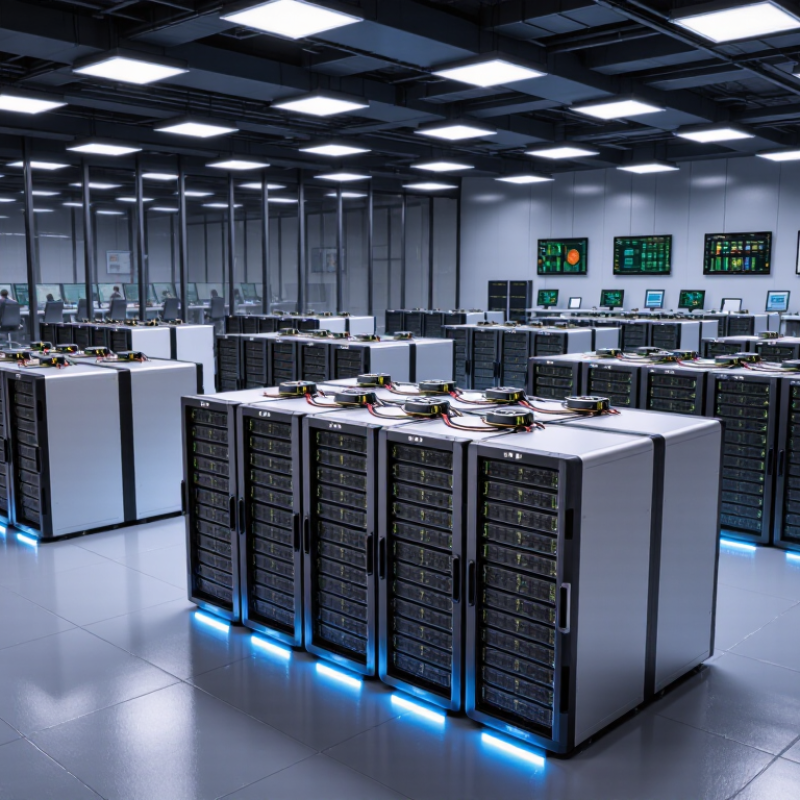
What Is a Machine Learning Server Manufacturer?

Definition of a Machine Learning Server Manufacturer

A machine learning server manufacturer is a company that engineers, assembles, and validates servers for training and running machine learning models. Its work goes beyond installing accelerator cards. Engineers balance accelerators with CPUs, high-bandwidth memory, fast storage, and network adapters. They also plan power delivery and airflow around the heat produced by dense components. Not just a box. The term is not perfectly standardized, so buyers should check what a manufacturer actually designs and tests.

IDC’s 2024 Worldwide AI and Generative AI Spending Guide projects global AI spending will reach $632 billion by 2028, with a 29% compound annual growth rate from 2024. That figure includes hardware, software, and services; it is not a server-sales estimate. The IEA’s Electricity 2024 report estimated that data centres, AI, and cryptocurrency used about 460 terawatt-hours worldwide in 2022, with demand potentially exceeding 1,000 terawatt-hours by 2026. This makes power and cooling important parts of server design, not optional extras. A useful evaluation looks at workload testing, component compatibility, service access, and documented thermal limits. A system may perform well in a short demo, then throttle during long training runs. That gap deserves scrutiny.

Core Responsibilities in Server Design and Production

What Is a Machine Learning Server Manufacturer?
Core Responsibilities in Server Design and Production

A machine learning server manufacturer turns computing requirements into systems that can run demanding workloads reliably. Its work starts with workload analysis: model size, accelerator count, memory bandwidth, storage speed, and expected operating hours. These details shape the chassis, motherboard layout, and power delivery. Heat is unforgiving. Engineers use airflow testing and temperature sensors to find hot spots around processors and memory. A few millimeters can change the result.

Production teams coordinate component sourcing, assembly procedures, and inspection standards. They check cable routing, firmware settings, and cooling performance on completed units. Burn-in tests can reveal unstable memory or power behavior before shipment. Small details matter. Clear records also help trace a fault to a component batch or assembly step, rather than relying on guesswork.

A capable manufacturer supports integration, not just hardware delivery. It may validate compatibility with operating systems, drivers, networking, and cluster management tools, then document service access and replacement steps. Reliability also depends on realistic limits: a server rated for high power still needs suitable facility cooling and electrical capacity. Even careful testing cannot predict every workload. That gap deserves honest discussion, and sometimes the first design needs revision. That is part of responsible engineering.

What Is a Machine Learning Server Manufacturer?

PCIe Bandwidth: A Key Server Design Consideration

Machine learning server manufacturers design and produce systems that integrate accelerators, memory, storage, and networking. PCIe bandwidth helps determine how efficiently these components exchange data. Values shown are approximate per-lane bandwidth in one direction, before protocol overhead.

Key Hardware Components of Machine Learning Servers

A machine learning server manufacturer brings together components designed to process large datasets and demanding workloads. The accelerator is often the most visible part. GPUs or other compute accelerators handle parallel calculations used in training and inference. Their memory capacity matters, too: a model that exceeds available accelerator memory may need smaller batches or a different configuration.

The CPU coordinates tasks, moves data, and supports system operations. Fast system memory helps keep active data close to the processors, while solid-state storage can shorten dataset loading times. Capacity still matters; a fast drive cannot compensate for a dataset that does not fit. High-speed network adapters connect servers to shared storage or other machines, which is important for distributed training. More GPUs aren’t magic.

Power delivery and cooling deserve equal attention. Several accelerators can draw substantial power and release significant heat, so a server needs suitable power supplies, airflow, and rack capacity. In practice, component choices depend on model size, workload, and data movement. A specification sheet can look impressive while missing a bottleneck. It is worth checking how parts work together, not just counting processors.

Manufacturing, Testing, and Quality Standards

A machine learning server manufacturer turns a system design into equipment that can run demanding compute workloads. Manufacturing quality starts with controlled assembly: technicians seat processors and memory carefully, route power cables away from airflow paths, and check that cooling hardware is firmly attached. Small details matter. A loose connection can interrupt testing or cause inconsistent results under load.

Testing should reflect real operating conditions, not just a brief power-on check. Engineers may run sustained processor and accelerator workloads while monitoring temperatures, fan speeds, power use, and error logs. They can also test memory, storage, network links, and firmware updates. A thermal camera or a simple inspection of airflow may reveal a hot spot that software does not explain. No test catches every edge case.

Quality standards need clear records. Manufacturers should document component revisions, inspection steps, test results, and corrective actions so buyers can trace how a unit was built. Electrical safety and electromagnetic compatibility checks should match the product configuration and intended market. Standards are useful, but paperwork alone cannot prove reliability. Test methods can miss unusual workload patterns, and that limitation deserves honest attention during evaluation.

Industries and Applications Served by These Manufacturers

Machine learning server manufacturers serve organizations that train models, analyze large datasets, or run predictions in real time. Their customers include hospitals, factories, banks, research laboratories, and online services. McKinsey’s 2024 global survey found that 72% of respondents’ organizations had adopted AI in at least one business function. That adoption creates varied workloads: a hospital may process medical images, while a factory monitors vibration sensors on a production line. Different tasks need different balances of accelerators, memory, storage, and network speed. One configuration rarely fits all.

The International Energy Agency’s Electricity 2024 report estimated that data centers used about 460 terawatt-hours of electricity in 2022. It projected consumption could exceed 1,000 terawatt-hours by 2026, partly due to AI growth. For manufacturers, power draw and cooling matter alongside computing performance. A research lab may need tightly connected servers for model training; a retailer may prioritize reliable systems for frequent, smaller predictions. These details shape equipment choices. They can also complicate them. Forecasts do not reveal every customer’s actual workload, and deployment plans often change. A careful manufacturer should explain performance claims, thermal requirements, and upgrade limits in terms buyers can verify. That fit is not always neat.

FAQS

What does a machine learning server manufacturer do?

It designs, assembles, and tests servers for training or running machine learning models. Its work includes balancing processors, memory, storage, networking, power, and cooling. The term is not fully standardized.

Which components matter most in a machine learning server?

Accelerators handle parallel calculations, while CPUs coordinate tasks and move data. System memory, solid-state storage, and network adapters support data access and transfers. More GPUs aren’t magic.

Why does accelerator memory capacity matter?

A model may exceed available accelerator memory. Smaller batches or another configuration may then be needed. A large processor count alone does not solve that problem.

How important are power and cooling?

Very important. Several accelerators can draw substantial power and release considerable heat. Buyers should check power supplies, airflow, rack capacity, and documented thermal limits.

Which industries use these servers?

Hospitals may process medical images, while factories can monitor production-line vibration sensors. Research laboratories may train models across connected systems. Online services may prioritize frequent predictions.

How can I assess a server’s real performance?

Ask for workload tests that resemble your planned use. Check whether performance holds during long training runs, not just short demonstrations. Throttling can change the picture.

Does one server configuration suit every organization?

Usually not. Model size, data movement, and workload shape the right balance of accelerators, memory, storage, and network speed. Plans can change, which complicates the choice.

What should buyers verify before choosing a manufacturer?

Check component compatibility, service access, upgrade limits, and cooling requirements. Ask how performance claims were tested. I’d still want to inspect the details; a polished specification sheet can miss bottlenecks.

Conclusion

A machine learning server manufacturer designs and produces computing systems built to handle demanding workloads such as model training, data analysis, and inference. Its responsibilities may include selecting compatible components, planning system architecture, managing production, and tailoring configurations to different performance, capacity, and energy requirements. These servers typically combine powerful processors, accelerators, high-speed memory, fast storage, and networking components to move large datasets efficiently.

Manufacturers also test systems for stability, cooling effectiveness, compatibility, and sustained performance before delivery, following appropriate quality and safety standards. Their solutions serve industries including research, healthcare, finance, manufacturing, and technology, where organizations use machine learning to uncover patterns, automate tasks, and support informed decisions. By coordinating hardware design, production, and validation, a machine learning server manufacturer helps provide reliable infrastructure for evolving computational needs.

Sophia

Sophia

Sophia is a dedicated marketing professional with an exceptional depth of knowledge about her company's products and services. With a keen understanding of market trends and customer needs, she crafts insightful blog posts that not only inform but also engage readers, enriching the company’s online......