Korvion
Why Choose a Deep Learning Server Manufacturer?
Training a deep learning model is rarely just a software task. It depends on GPUs, memory, storage, networking, cooling, and reliable system integration. A poorly matched component can slow training or cause instability. Small details matter: airflow through a dense rack, cable placement, and whether power supplies can handle sustained workloads.
A deep learning server manufacturer can help align these parts with a team’s actual workloads. That support may include hardware configuration, compatibility checks, deployment guidance, and maintenance. Andrew Ng, computer scientist and AI educator, has described the wider shift this way: “AI is the new electricity.” His observation is not about server purchasing specifically, but it highlights why dependable computing infrastructure matters as AI becomes part of everyday operations.
The right manufacturer should explain trade-offs clearly, not simply recommend the most expensive configuration. Ask how the system handles thermal limits, future GPU upgrades, and component replacement. Request concrete specifications and support terms. Then compare them with your software, budget, and facility constraints.
No vendor can guarantee better research or business results. That part is easy to forget. A powerful server may still be a poor fit if it exceeds the available power capacity or sits idle between projects. Manufacturer expertise can reduce avoidable integration problems, but buyers still need to verify claims and plan for real workloads. A careful choice starts with practical requirements, not impressive-looking specifications.
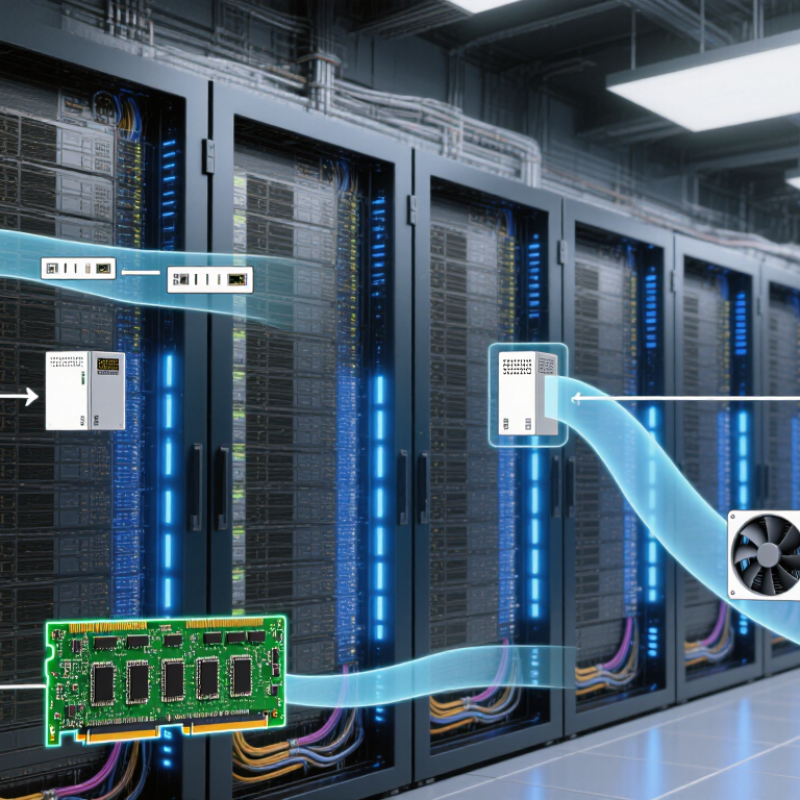
Deep learning servers must fit the model, dataset, and training schedule—not just a target accelerator count. Stanford’s 2024 AI Index reports that training compute for notable AI models doubled roughly every five months from 2010 onward. This trend makes memory capacity, fast accelerator interconnects, and room for future expansion practical concerns. A server that runs one benchmark well may still struggle with a larger dataset or a different model.
A qualified manufacturer should explain how components work together under sustained loads. Check accelerator memory, host RAM, storage throughput, network bandwidth, power delivery, and cooling as one system. For example, slow storage can leave expensive processors waiting while batches load. Ask for workload-based validation, thermal details, firmware support, and clear service options. These details matter in a real machine room, where airflow, rack space, and power limits can constrain deployment. Specifications alone are not enough. I would also question any performance claim that lacks a stated model, dataset, and test method.
Tips: Share your actual training workload before requesting a configuration. Test a representative job, not only a short benchmark. Leave headroom for growth, but verify that the added capacity fits your power and cooling budget.
A deep learning server manufacturer does more than fit accelerators into a chassis. It coordinates GPU placement, memory bandwidth, power delivery, cooling, and firmware. These choices shape whether a system runs sustained workloads reliably, not just whether it passes a short benchmark. Stanford’s AI Index 2024 reports that training compute for notable AI models has doubled roughly every five months. That pace puts pressure on server designs.
A specialized manufacturer can tailor rack layouts, airflow paths, and service access to a customer’s workload and data center. Small details matter: a blocked intake, awkward cable route, or difficult-to-replace fan can complicate maintenance. The International Energy Agency’s Electricity 2024 report estimates data center electricity use could rise from about 460 terawatt-hours in 2022 to more than 1,000 terawatt-hours in 2026. Efficient power and thermal design are therefore practical concerns, not showroom features.
Good engineering includes clear validation records, realistic workload testing, and support for future upgrades. Ask how the system behaves under sustained load, not only peak performance. A custom chassis is not automatically better. It may add complexity, and real facilities rarely match ideal test conditions. That part deserves scrutiny.
A deep learning server is more than a box filled with accelerators. Manufacturers start by understanding the workload: model size, training data, and expected job duration. These details guide choices in GPU count, memory capacity, storage, and network bandwidth. A vision model processing large image batches may need fast local storage, while distributed training depends heavily on low-latency connections between servers.
Balance matters. Adding accelerators can increase compute capacity, but it also raises power and cooling demands. Engineers plan airflow around the chassis, check power delivery under sustained loads, and select memory configurations that avoid unnecessary data bottlenecks. Heat matters. A poorly matched system may throttle during long training runs, even if its specifications look impressive on paper.
Manufacturers can validate configurations with workload tests, monitoring temperatures, memory use, and performance over time. They may also adjust firmware settings and arrange components for easier service. Results still depend on software, data pipelines, and the customer’s environment. A benchmark is useful, not a promise. And some trade-offs remain: quieter cooling, lower power use, and maximum throughput do not always align. That balance deserves a second look before deployment.
Choosing a deep learning server manufacturer means evaluating more than accelerator speed. Reliability begins with documented thermal limits, validated component combinations, and clear burn-in procedures. Ask how each system is tested under sustained workloads, not just brief benchmark runs. A full rack running hot can reveal problems that a desk-side demo will miss. Request sample test reports and details about failure handling. Specific evidence is more useful than broad promises.
Support and lifecycle services matter after installation. Confirm who handles hardware faults, how replacement parts are stocked, and what response targets appear in writing. Ask whether firmware updates are tested against your software stack before release. A useful service plan should also cover spare capacity, warranty terms, and upgrade paths as models or power demands change. Even a careful checklist can miss a local constraint, such as limited cooling or a narrow maintenance window. Revisit assumptions with the people who operate the system daily.
Tips: Record serial numbers, firmware versions, and service contacts in one accessible inventory. Test the escalation process before a production outage. Don’t assume every repair is simple. A spare power supply helps, but it cannot replace trained support.
A deep learning server is a long-term investment, so compare manufacturers beyond the purchase price. Ask for component-level specifications: accelerator support, memory capacity, power draw, cooling requirements, and expansion options. These details affect whether a system can handle new workloads without a costly rebuild. Request a sample configuration and check that its stated performance matches your intended models and data sizes. Small differences matter. A rack that runs hot or draws more power than expected can raise operating costs every month.
Tips: Ask how firmware updates, replacement parts, and technical support are handled. Get response times in writing. Check whether common components can be serviced without removing the whole system.
Long-term value also depends on fit. Have the manufacturer explain how the server will integrate with your current storage, networking, and monitoring tools. During a pilot, measure actual training time, utilization, and cooling behavior—not just peak benchmark results. A tidy specification sheet can still hide a poor operational fit. It is easy to overlook maintenance effort when budgets are tight; that deserves a second look. Choose a supplier that answers difficult questions clearly and documents assumptions, limitations, and upgrade paths.
Match it to your model, dataset, and training schedule. A server that handles one benchmark may struggle with larger batches.
Review accelerator memory, host RAM, storage speed, network bandwidth, power delivery, and cooling. They affect one another.
Slow storage can leave accelerators waiting while data loads. Test with your real dataset, not a tiny sample.
Ask for the model, dataset, test method, and workload-based validation. A number without context tells you little.
Check power draw and cooling needs. A hot rack can increase monthly costs. I might overlook this when comparing purchase prices.
Request written response times, firmware update details, and replacement-part plans. Ask whether routine service requires removing the whole server.
Run a representative training job. Measure training time, utilization, and cooling behavior—not only peak benchmark results.
It shows whether the server fits existing storage, networking, and monitoring tools. It can expose awkward maintenance needs, too. Short tests can mislead.
Choosing a deep learning server manufacturer is an important step in building infrastructure that can handle demanding AI workloads. Deep learning servers must balance powerful processors, accelerators, memory capacity, storage, and high-speed networking. A specialized manufacturer can help match these components to an organization’s models, data volumes, and growth plans, rather than relying on a one-size-fits-all configuration.
Manufacturers also optimize hardware for performance, efficient cooling, and reliable operation under sustained workloads. Beyond the initial system, buyers should consider technical support, maintenance, replacement options, and lifecycle services that help keep servers productive over time. Comparing manufacturers on configuration expertise, reliability, service quality, and long-term costs can reveal which partner offers the greatest value as computing requirements evolve.