Korvion
Korvion
Korvion
Explore our core line of enterprise-grade compute platforms engineered to support dense real-time AV encoding, media rendering, and deep learning analytics.
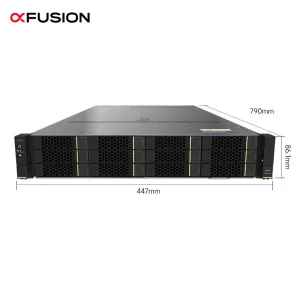
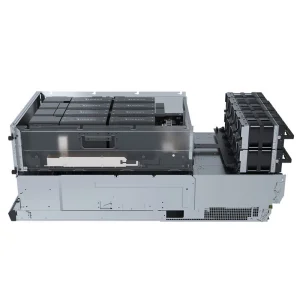
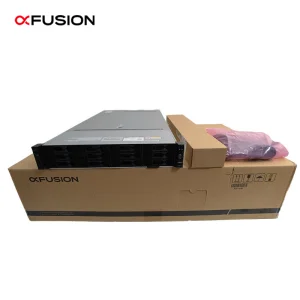
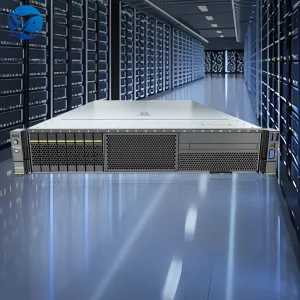
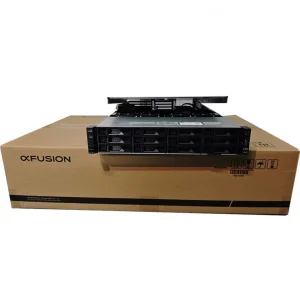
In the modern era of intelligent communications, the boundary between traditional audio-visual (AV) equipment and high-performance computing (HPC) has completely dissolved. Today's commercial AV ecosystems—ranging from AI-driven live-stream production, smart corporate conference rooms, and ultra-high-definition (UHD) video walls, to virtual production rendering farms—are powered behind the scenes by advanced GPU servers, high-density storage arrays, and robust network infrastructures. As a premier CE Certified Audio-Visual Equipment Supplier, Korvion Technology bridges this technological gap by providing the high-performance computing hardware that processes, stores, and delivers complex media streams globally.
Information Gain Insight: Unlike standard AV hardware suppliers that provide standalone display matrices or basic switchers, our solutions focus on the compute-intensive back-end. Real-time video processing, AV-over-IP encoding/decoding, and AI-driven media enhancement require robust GPU servers that conform to strict European safety standards (CE certification) and provide the processing power necessary for tomorrow's intelligent audio-visual networks.
China, particularly the Shenzhen technological hub, stands at the center of the global electronics supply chain. By combining state-of-the-art manufacturing facilities with access to top-tier semiconductor components and high-speed design methodologies, Chinese factories deliver unrivaled value, engineering expertise, and scalability.
Immediate proximity to critical component manufacturers (GPUs, CPUs, high-speed RAM, optical transceivers) allows us to reduce lead times, verify component pedigree, and optimize manufacturing pipelines dynamically.
Our engineering design team ensures compliance with crucial regulatory standards, including European EN 55032/EN 55035 for electromagnetic compatibility and EN 62368-1 for equipment safety, facilitating seamless global integration.
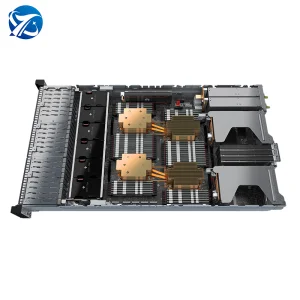
High-density AV and compute environments require precise thermal management. Our factories design multi-fan arrays, custom cooling shrouds, and liquid-cooling blocks to maintain performance in dense rack environments.
The trajectory of professional AV is moving toward software-defined ecosystems powered by intelligent servers. We closely monitor and pioneer hardware support for these industry developments:
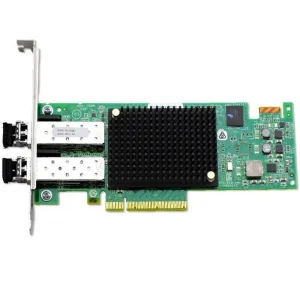
Traditional matrix switchers and proprietary copper cables are quickly being replaced by standard Ethernet networks running AV-over-IP protocols (such as SDVoE, SMPTE ST 2110, and NDI). This transition enables infinite scaling, long-distance signal routing, and software-based signal management. However, it requires highly reliable servers capable of processing huge network bandwidth, driving the demand for PCIe 4.0/5.0 Fiber HBA cards (e.g., Emulex LPE35000) and multi-gigabit network interfaces.
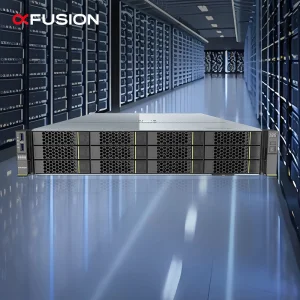
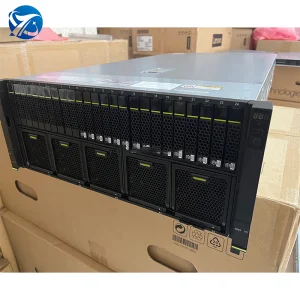
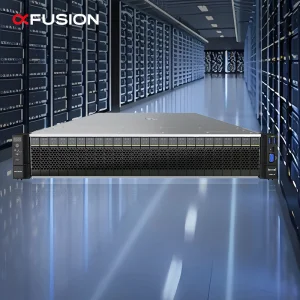
From automated noise cancellation and real-time transcription to AI-enhanced video upscaling (e.g., converting 1080p stream to 4K on the fly), AI algorithms are actively running inside modern AV pipelines. Our GPU deep learning servers, including the FusionServer G8600 V7 and xFusion 2288H V7, are uniquely positioned to serve as the computational backbone for running these intensive neural networks with minimum latency.
Virtual production environments utilizing Unreal Engine and LED volume walls demand high-speed local render nodes. Media production teams are adopting hybrid architectures where massive local storage arrays (NVMe & SATA enterprise drives) cache raw video footage while local GPU clusters handle real-time rendering. This is crucial for reducing latency and preventing frame drops during high-stakes live productions.
Where our CE Certified compute systems power modern AV infrastructures.
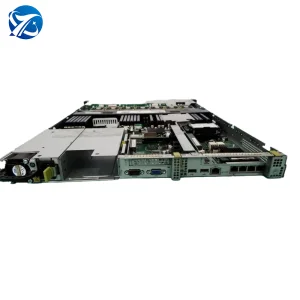
Providing hardware for high-density video transcoding farms. Our 2U dual-socket servers decode multi-channel camera feeds, inject real-time graphics overlays, and re-encode for global Content Delivery Networks (CDNs).
Powering video wall processors in municipal and corporate security centers. By hosting high-performance GPUs and multi-port capture cards, our hardware reliably displays hundreds of camera feeds simultaneously.
Driving multi-projection mapping systems in museums and themed spaces. Low latency synchronization between video nodes guarantees seamless panoramic visual art displays.
Compare configurations optimized for specific industry use cases.
| AV Solution Vertical | Key Infrastructure Component | Required Computing Features | Primary Standards Met |
|---|---|---|---|
| Enterprise AV-over-IP Matrix | 1U/2U Rackmount Servers (Intel Xeon) | Dual-socket PCIe 4.0 slots, multi-channel SFP28/SFP+ connectivity | CE Compliance, EN 55032 Class A, RoHS |
| AI Broadcasting & Transcoding | GPU Accelerated Servers (FusionServer G8600/2288H V6) | Support for multi-GPU configurations, high DDR4/DDR5 ECC RAM capacity | ISO 9001, CE Safety standard EN 62368-1 |
| UHD Media Servers & Rendering | Storage-optimized Rack Servers with NVMe/SATA SSDs | Ultra-low read latency, fast PCIe interface for direct storage access | CE EMC compliance, FCC, VCII |
| Virtual Event Hosting & Rendering | High Performance Computing (HPC) Clusters | InfiniBand network interfaces, GPU clustering capabilities | CB Certified, CE Standard Compliance |
Procuring high-performance computing hardware for international audio-visual systems requires rigorous validation of multiple technical layers. Large system integrators, government organizations, and enterprise IT planners must verify the following core properties before committing to bulk deployments:
Answers to common deployment, compatibility, and compliance questions.
Explore component-level and system-level platforms designed to expand memory bandwidth, maximize storage capacities, and compute heavy AI rendering loads.
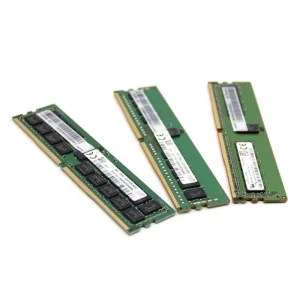
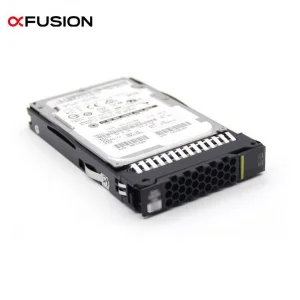
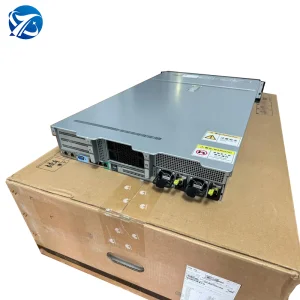
A Trusted Partner in Global AI Computing & Server Infrastructure Solutions
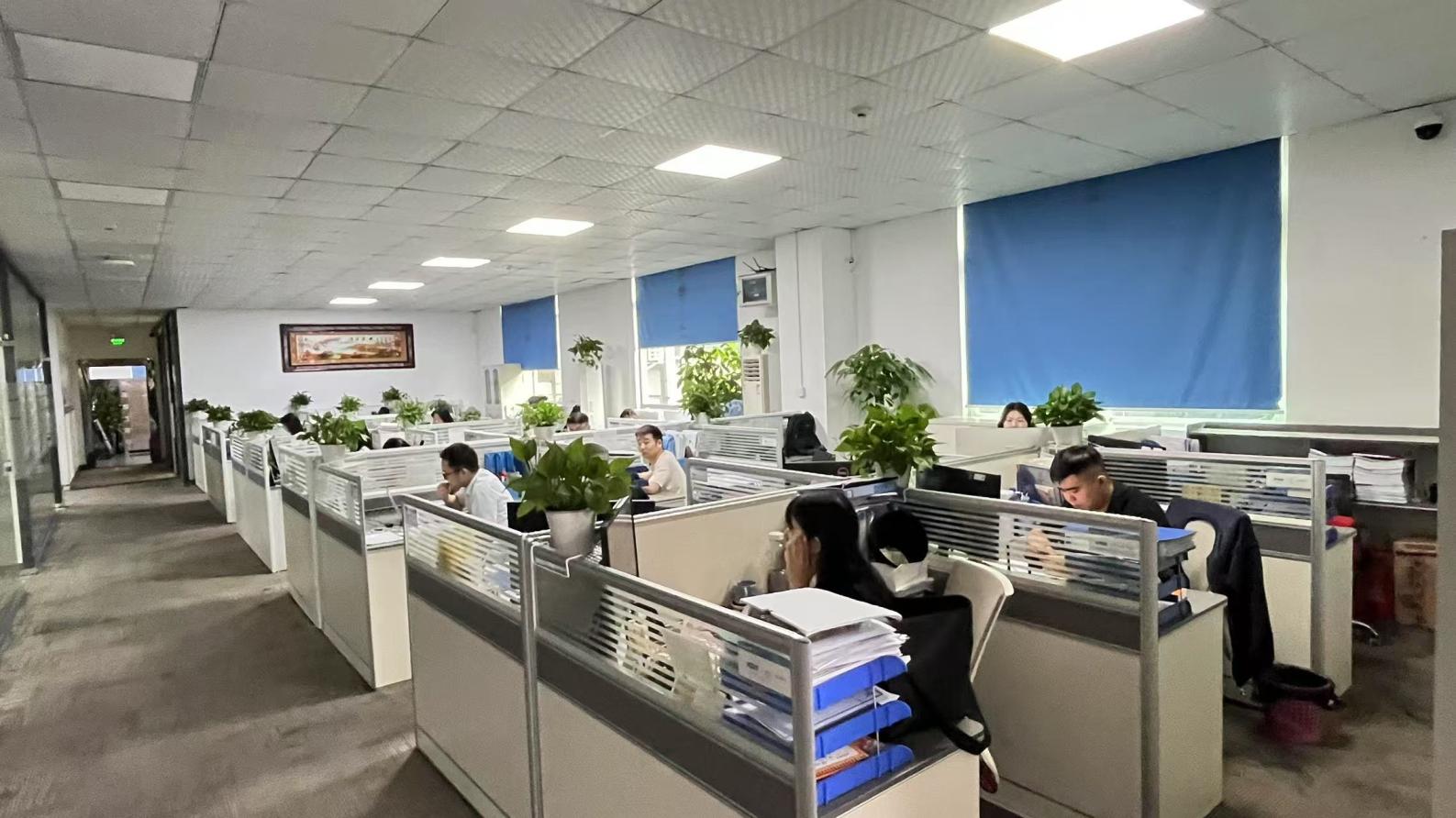
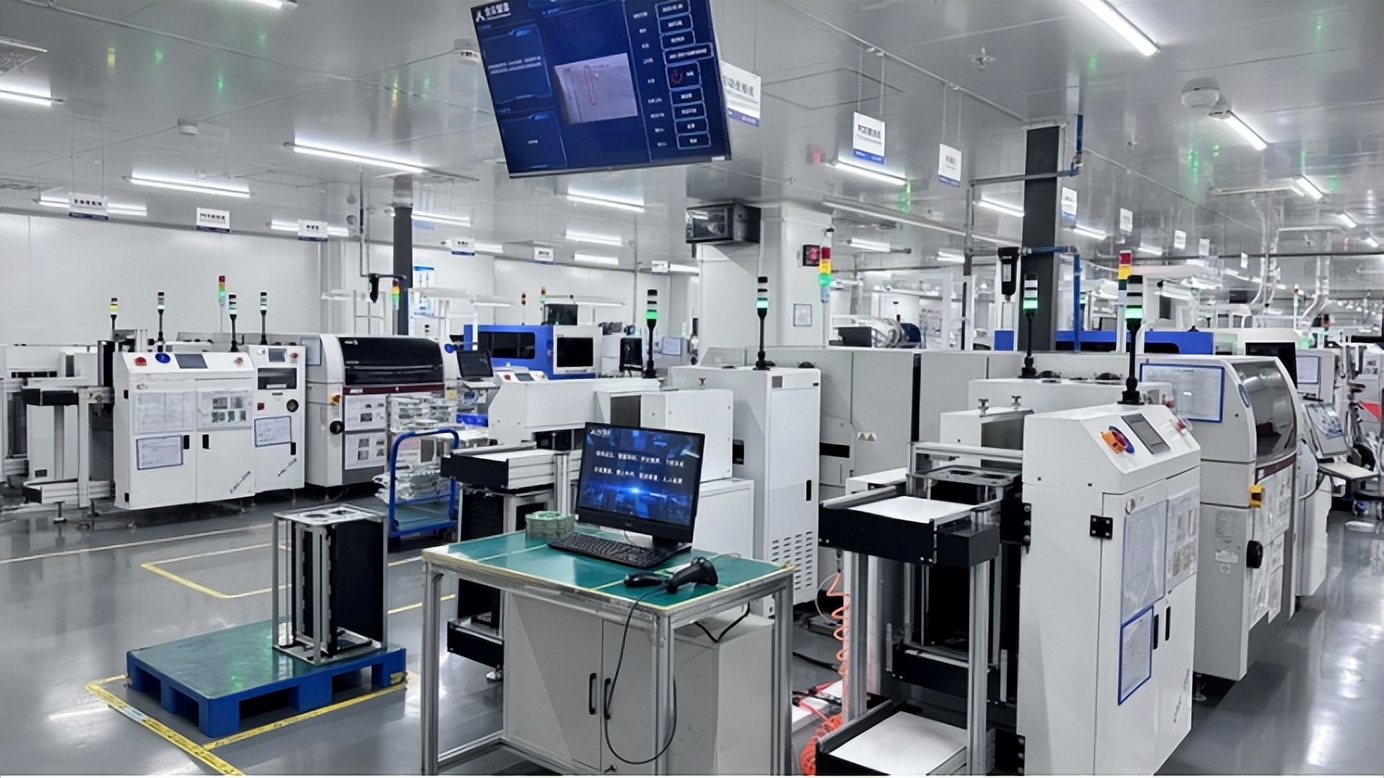
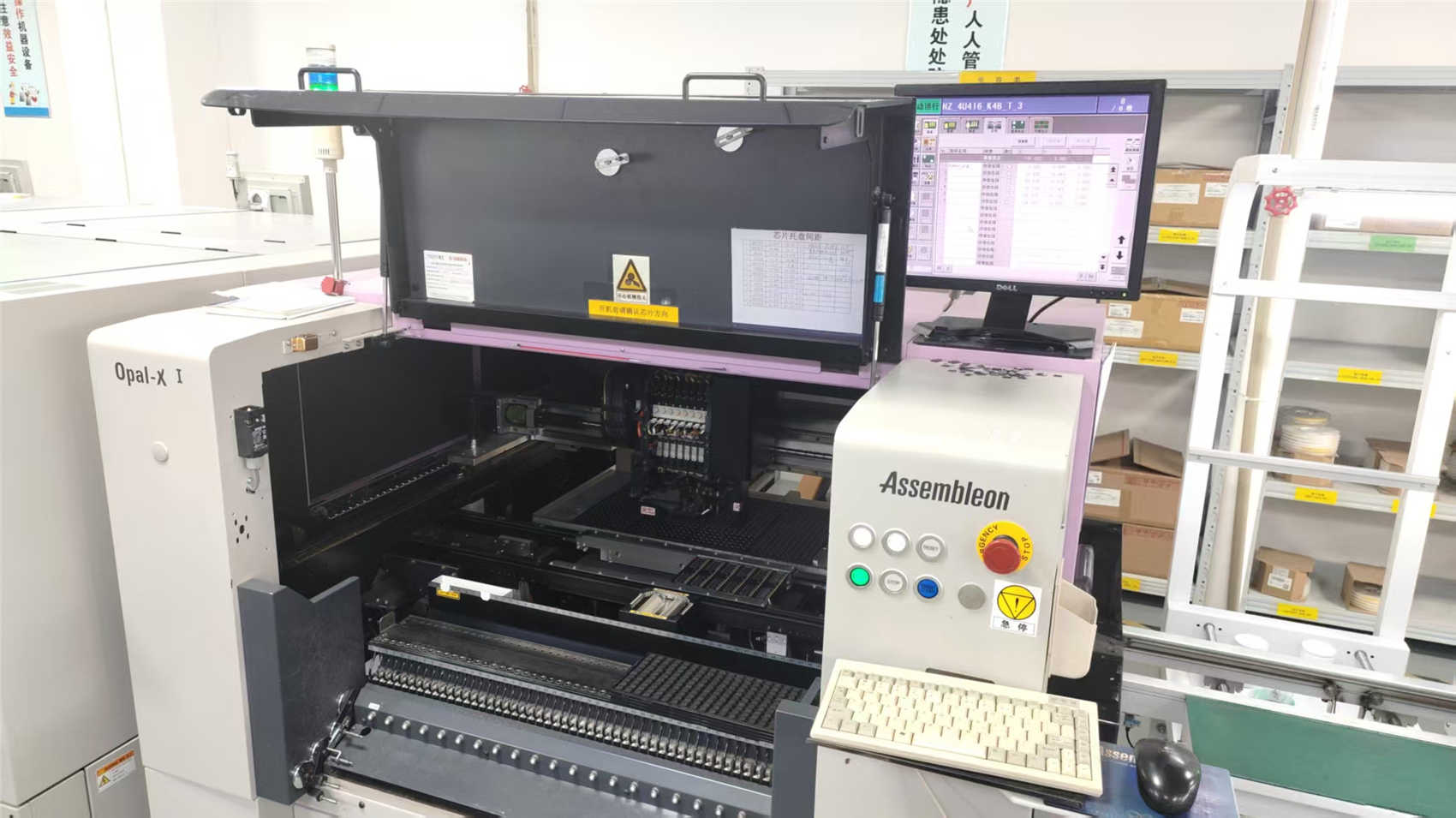
Founded in 2017, Korvion Technology Co., Ltd. is a professional manufacturer and solution provider specializing in AI GPU servers, high-performance computing (HPC) systems, GPU clusters, and data center infrastructure solutions. Headquartered in Shenzhen, China, the company operates a modern production facility covering 385 square meters and serves customers worldwide with reliable, scalable, and customized computing platforms.
With over 9 years of export experience and 15 years of industry expertise, Korvion has established a strong reputation for delivering advanced computing solutions tailored to the rapidly growing artificial intelligence, machine learning, cloud computing, and enterprise data center sectors. Our annual export revenue exceeds USD 18 million, supported by a robust global supply network of more than 1,250 supply chain partners. We work closely with leading component suppliers to ensure stable product quality, competitive pricing, and timely delivery.
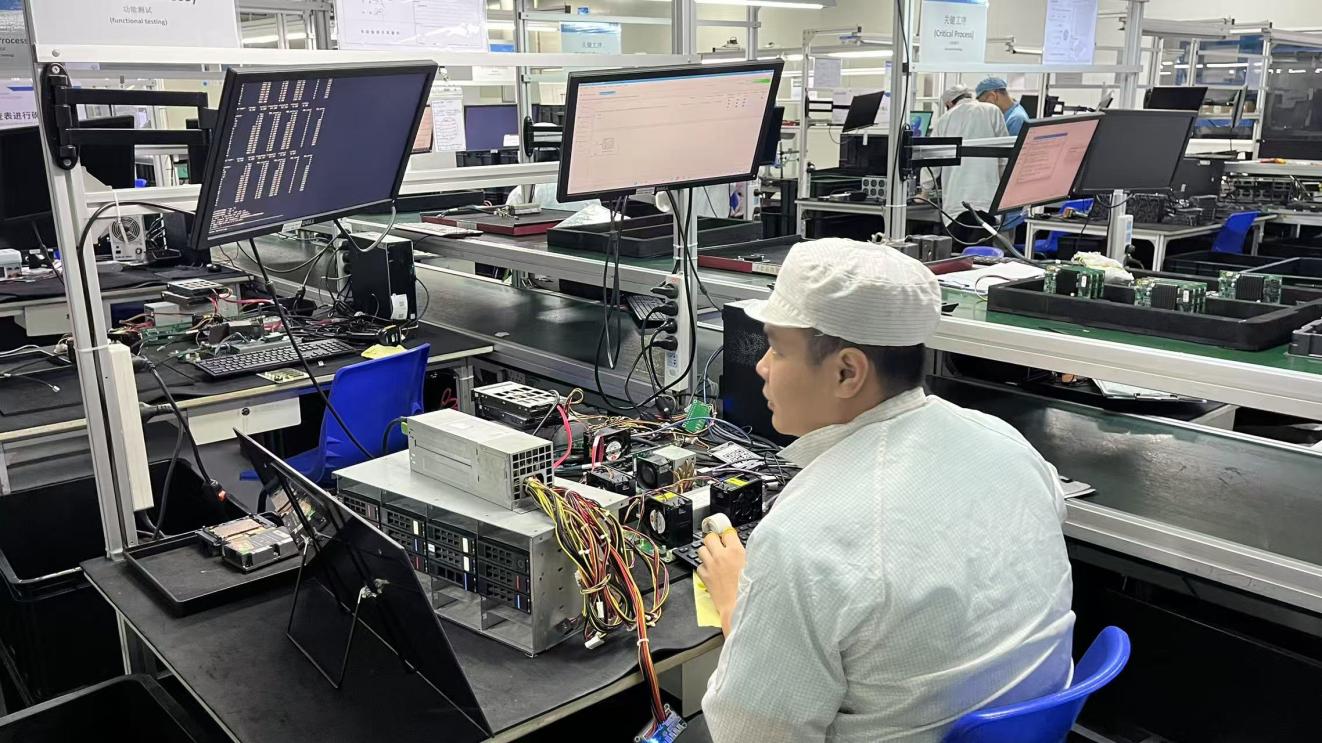
Quality is at the core of our operations. Korvion implements a comprehensive ISO 9001-based quality management system, supported by a dedicated team of 56 quality control professionals. Every product undergoes rigorous inspection procedures, including incoming material inspection, functional testing, burn-in testing, thermal performance verification, system stability validation, and final shipment inspection, ensuring dependable performance in mission-critical environments.
Innovation drives our growth. Our R&D department consists of 128 experienced engineers specializing in server architecture, thermal design, AI computing optimization, and customized hardware integration. Last year alone, Korvion introduced 86 new products and solution upgrades, helping customers stay competitive in the evolving AI infrastructure market.
We offer comprehensive OEM and ODM services, including chassis customization, branding, hardware configuration, rack integration, liquid cooling deployment, GPU cluster design, and turnkey AI infrastructure solutions. Our flexible customization capabilities allow customers to build solutions that precisely match their business and technical requirements.
Today, Korvion serves a diverse customer base, including AI startups, cloud service providers, system integrators, research institutions, universities, enterprise data centers, and GPU hosting companies across North America, Europe, Southeast Asia, the Middle East, and Latin America. Guided by our commitment to quality, innovation, and customer success, Korvion continues to empower organizations worldwide with cutting-edge AI computing infrastructure designed for the future of intelligent computing.