Korvion
Korvion
Korvion
Deploy certified computing infrastructure designed for continuous workload execution, optimized for DeepSeek, enterprise cloud, and deep learning platforms.
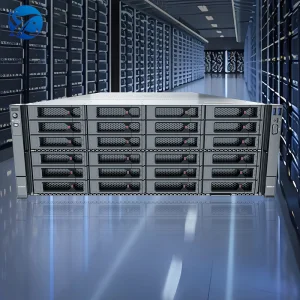
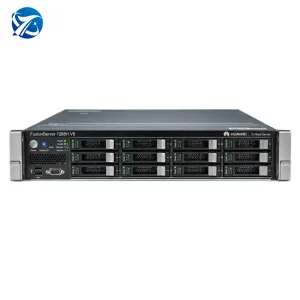
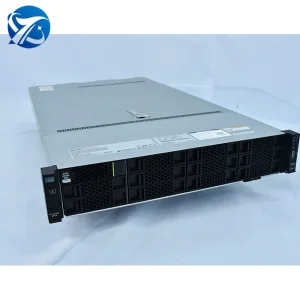
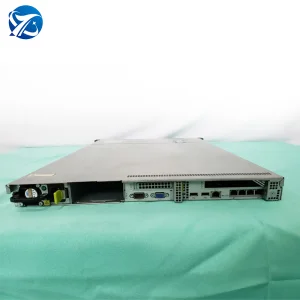
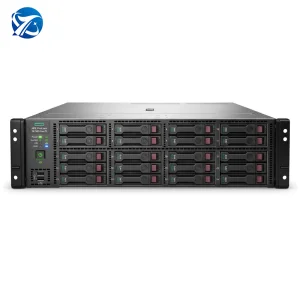
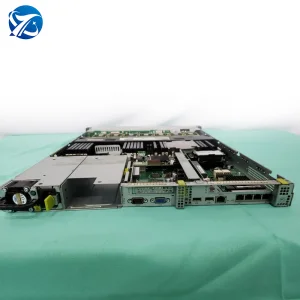
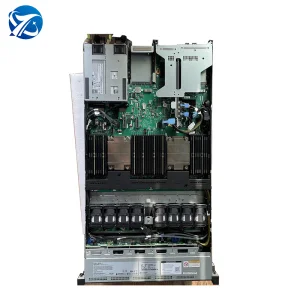
The global computation paradigm shift, sparked by Large Language Models (LLMs) such as DeepSeek-R1 and massive GPU clusters, has rendered conventional air cooling systems obsolete. Modern hardware clusters, housing multi-GPU nodes, easily exceed 40kW to 100kW per cabinet. At these thermal densities, the thermodynamic limits of air prevent reliable junction-temperature regulation. This introduces high-performance liquid cooling as a fundamental architectural pillar for modern infrastructure.
As a premier CE Certified Data Center Cooling Factory and Exporter, we build advanced thermal architectures that resolve these computing constraints. Our solutions range from Direct-to-Chip (D2C) liquid cooling plates to high-capacity Cooling Distribution Units (CDUs) and closed-loop liquid-to-air cooling systems. These systems maintain critical GPU junction temperatures while keeping Power Usage Effectiveness (PUE) below 1.15.
High-density compute nodes face thermal throttling at extreme temperatures, directly reducing execution efficiency. By implementing CE-certified Direct-to-Chip cold plate configurations, systems achieve optimal thermal dissipation, ensuring continuous floating-point performance across multi-GPU compute blocks.
Integrating industrial expertise with advanced thermodynamics, Korvion designs, builds, and exports certified hardware configurations for global enterprise clients.
Founded in 2017, Korvion Technology Co., Ltd. is a specialized manufacturer and solution provider for AI GPU servers, high-performance computing (HPC) systems, GPU clusters, and comprehensive data center infrastructure. Headquartered in Shenzhen, China, our advanced manufacturing facility covers 385 square meters of high-precision assembly, testing, and system integration space. We serve a global client base that requires reliable, scalable, and highly customized processing platforms.
Supported by 9 years of export experience and 15 years of industry-specific engineering expertise, Korvion delivers hardware options tailored to artificial intelligence, machine learning, public clouds, and intensive enterprise networks.
Our annual export revenue exceeds USD 18 million, sustained by a robust supply network of more than 1,250 certified supply chain partners. We coordinate with component suppliers to secure raw materials, maintain competitive pricing, and guarantee consistent delivery schedules.
Quality control anchors our operations. Korvion operates a comprehensive ISO 9001-based quality management system, run by a dedicated team of 56 quality assurance professionals. Every product undergoes strict validation, including incoming material verification, system-level functionality tests, high-temperature burn-in testing, thermal performance mapping, operational stability verification, and final dispatch inspection. These steps ensure reliability in mission-critical environments.
Innovation shapes our product trajectory. Our engineering department consists of 128 R&D specialists focusing on server architecture, thermal simulation, computing resource optimization, and custom hardware design. Last year, Korvion launched 86 product upgrades and new solutions, keeping our customers at the forefront of the AI infrastructure market.
We offer extensive OEM and ODM services, including custom chassis layouts, bespoke branding, tailored component selection, rack integration, liquid cooling loops, GPU cluster design, and ready-to-run computing setups. Our manufacturing capabilities allow clients to customize systems to their exact technical specifications.
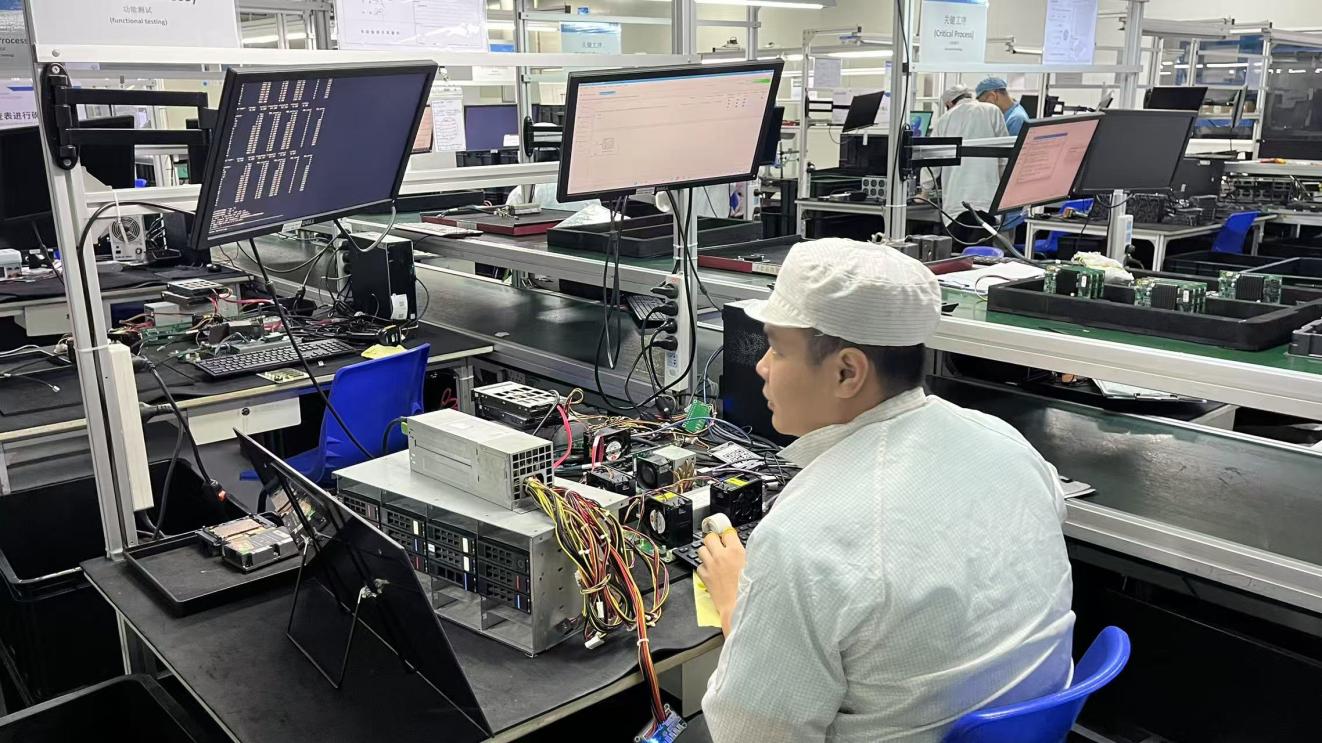
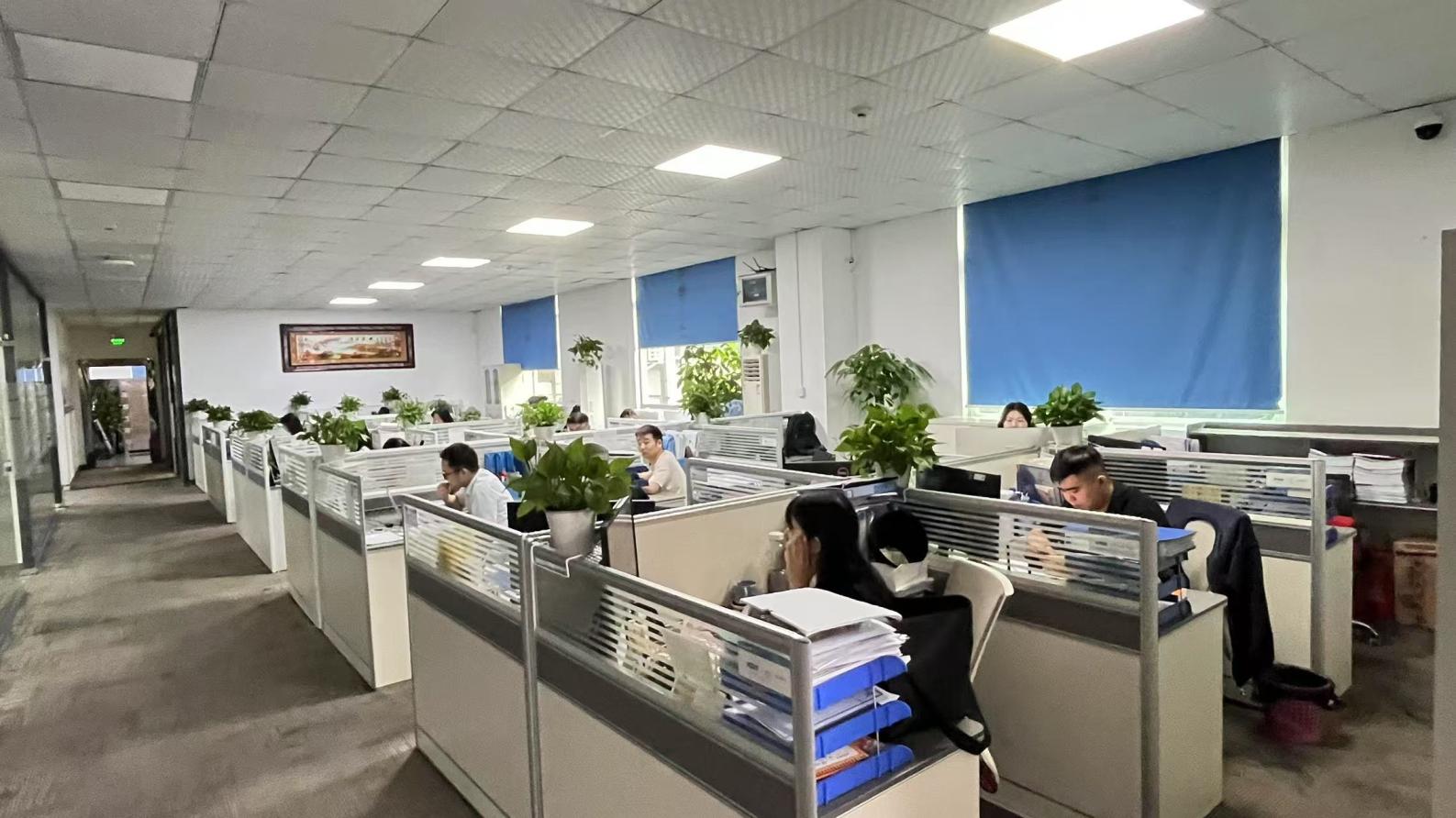
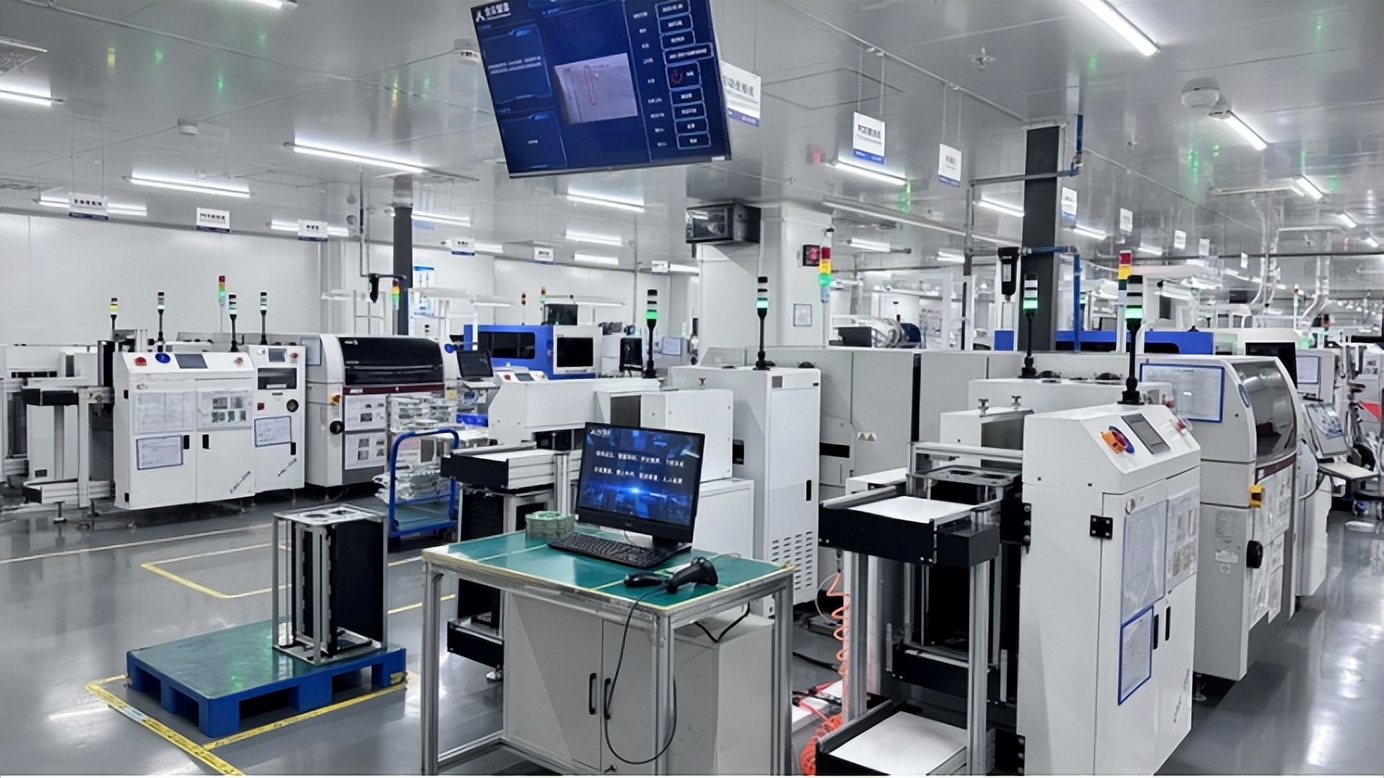
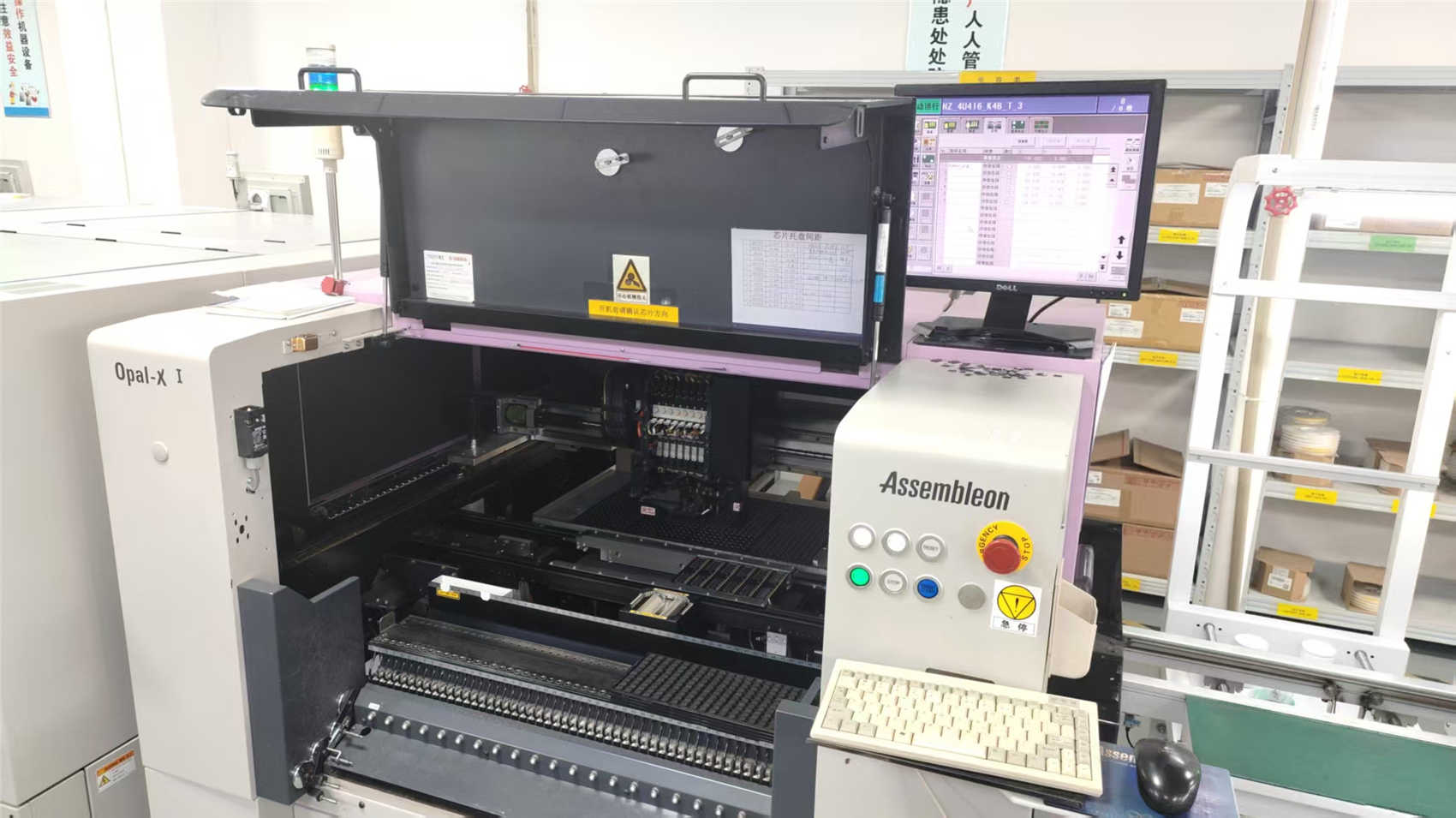
Shenzhen's industrial clusters enable rapid innovation, cost advantages, and component access for cooling technologies.
China, and specifically Shenzhen's industrial zone, produces a large share of the world's thermal management components. This localized manufacturing concentration provides several key advantages for global buyers sourcing data center cooling equipment:
Analyzing the transitions and regulatory directives shaping the future of enterprise data centers.
D2C cooling routes dielectric fluids or glycol-water mixtures through micro-channel cold plates mounted directly on the GPU/CPU. This layout captures over 80% of generated heat, bypassing the thermal limits of air.
Submerging entire server blades in dielectric fluid eliminates the need for fans. Single-phase systems use oil-like fluids, while two-phase systems utilize boiling and condensation cycles to transfer high heat loads.
Governments worldwide are implementing strict energy efficiency standards. The European Energy Efficiency Directive mandates detailed reporting and low PUE targets, driving operators to adopt liquid cooling.
Customized thermal architectures designed for hyperscale cloud facilities, AI hosting setups, and edge computing nodes.
| Deployment Model | Cooling Technology | Target Workload Density | Guaranteed PUE Range |
|---|---|---|---|
| Hyperscale Cloud Data Centers | Centralized CDU + Direct-to-Chip (D2C) Water/Glycol loops | 35 kW to 60 kW per rack | 1.12 - 1.15 |
| AI / GPU Clustering Hubs | Hybrid Rear-Door Heat Exchangers (RDHx) + Direct Liquid Cooling | 60 kW to 100 kW per rack | 1.08 - 1.13 |
| Edge Processing & Telecommunications | Closed-loop Liquid-to-Air cooling kits, no facility water required | 12 kW to 25 kW per rack | 1.20 - 1.25 |
| High-Performance Research Clusters | Single-Phase Immersion bath systems with non-conductive dielectric fluid | Up to 120 kW per tank | 1.03 - 1.05 |
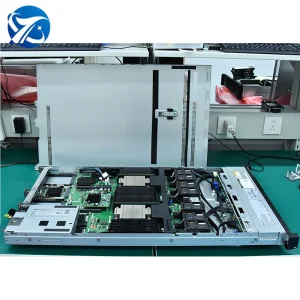
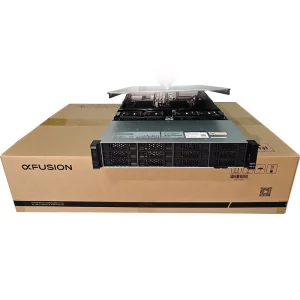
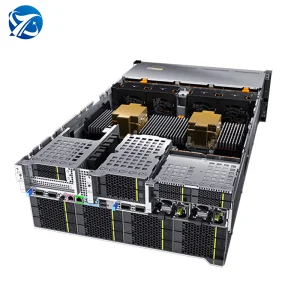
AI computing nodes optimized for models like DeepSeek-R1 run heavy matrix math workloads continuously. Our customized liquid-cooled server solutions, such as the xFusion G5500 V7 series, use targeted cold plates on both the processor and adjacent GPU accelerators to prevent thermal throttling and ensure stable processing times.
Ensuring structural integrity, fluid containment safety, and electromagnetic compliance across international jurisdictions.
Operating high-performance cooling systems requires strict adherence to safety standards. Our CE-certified systems comply with key European Directives:
Technical answers on engineering specifications, fluids compatibility, and deployment guidelines.
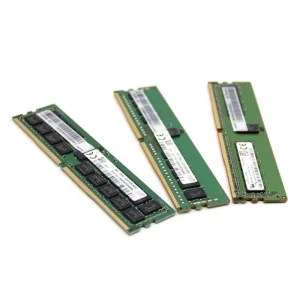
Configure high-density deployments with reliable components, memory options, and enterprise processing systems.