Korvion
Korvion
Korvion
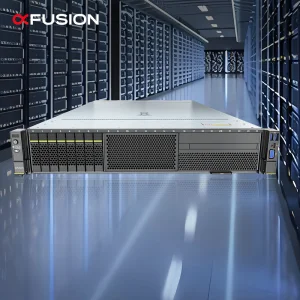
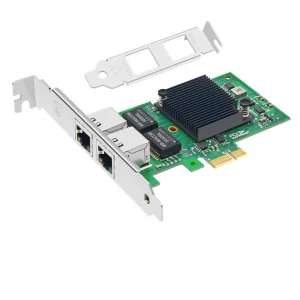
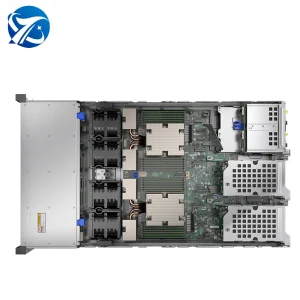
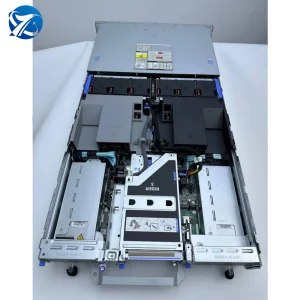
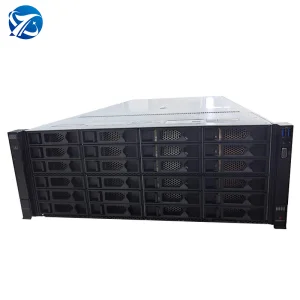
Core server platforms and hot-swappable components engineered for seamless redundant deployments.
Understanding the requirements of multi-region data centers and regulatory landscapes in an era of zero-tolerance downtime.
Modern enterprises operate in a global economy where database downtime translates to millions in lost revenue, compliance fines, and reputational damage. The demand for robust, certified hardware infrastructures capable of seamless failovers and sub-second disaster recovery replication has hit historic highs. Organizations deploying large language models, artificial intelligence neural networks, and high-frequency trading platforms cannot afford single points of failure.
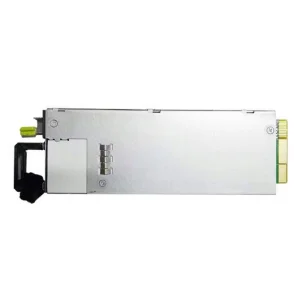
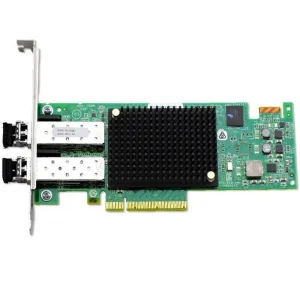
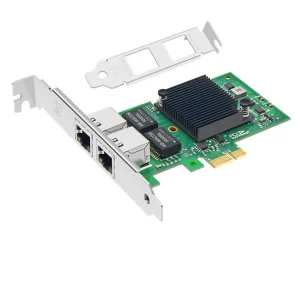
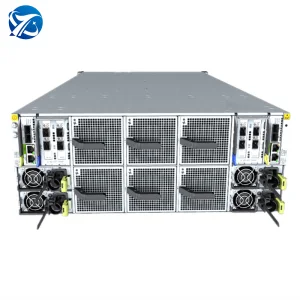
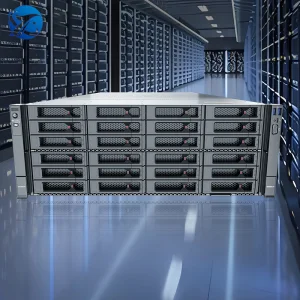
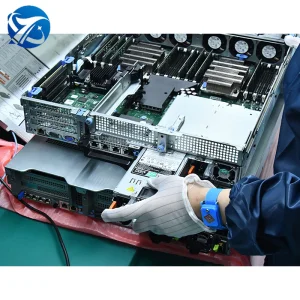
Procurement teams today prioritize hardware solutions that balance cost efficiency with extreme high-availability engineering. Main concerns include redundant power configurations (such as hot-swappable high-efficiency HVDC power modules), ultra-resilient SAS/SATA storage RAID cards with integrated cache protection to prevent data corruption, and robust server chassis built to handle continuous thermal stressors. Meeting these requirements demands manufacturers who deliver CE-certified systems built specifically to run in heavy enterprise environments.
Providing blueprint frameworks for mission-critical enterprise workloads and hybrid-cloud deployments.
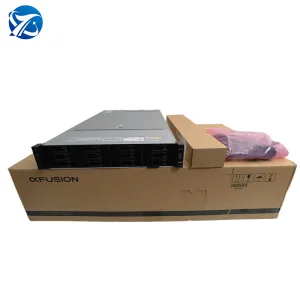
Deploying twin-node enterprise rack servers configured for mutual replication. If one node encounters dynamic memory degradation, the companion node absorbs 100% of the active database queries immediately without dropouts.
Leveraging high-bandwidth PCIe Gen4 expansion interfaces and intelligent hardware RAID controllers to stream continuous block-level differential backups into isolated, localized target storage pools.
Employing intelligent monitoring nodes that ping hardware metrics (temperature, voltage, bus speed) to predictively redirect routing paths before physical hardware fails.
The convergence of AI workloads, automated edge recovery, and hyper-converged hardware architectures.
As corporate workloads move towards high-density AI acceleration, disaster recovery paradigms must keep pace. Legacy system recovery systems depended on mechanical tapes and offline disk archives that yielded recovery times (RTO) measured in hours or days. The technical roadmap for the next decade centers on zero-RTO capabilities that operate autonomously at the hardware level.
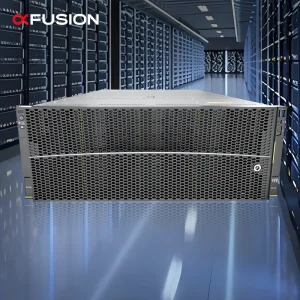
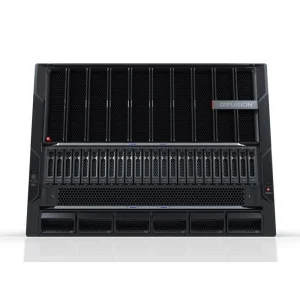
Modern servers optimized for AI training, like the 8U GPU architectures, require massive, uninterrupted memory pipelines. A failure in an AI training node can corrupt weeks of calculated weights. Next-generation disaster recovery systems leverage NVMe-oF (NVMe over Fabrics) and persistent optical interconnects to continuously cache active neural network layers across physical clusters. Should a primary server drop due to thermal overload, its exact execution state is hot-migrated to a standby cluster within milliseconds.
Simultaneously, the industry is shifting towards predictive diagnostics. Through onboard telemetry and smart Baseboard Management Controllers (BMCs), disaster recovery mechanisms can isolate a failing memory channel or faulty CPU socket, dynamically re-routing active processing lanes to redundant hardware components without interrupting the hypervisor. This hardware-level virtualization guarantees true zero-downtime reliability.
A Trusted Global Pioneer in High-Performance Computing and Data Center Infrastructure
Founded in 2017, Korvion Technology Co., Ltd. is a professional manufacturer and solution provider specializing in AI GPU servers, high-performance computing (HPC) systems, GPU clusters, and data center infrastructure solutions. Headquartered in Shenzhen, China, the company operates a modern production facility covering 385 square meters and serves customers worldwide with reliable, scalable, and customized computing platforms.
With over 9 years of export experience and 15 years of industry expertise, Korvion has established a strong reputation for delivering advanced computing solutions tailored to the rapidly growing artificial intelligence, machine learning, cloud computing, and enterprise data center sectors.
Our annual export revenue exceeds USD 18 million, supported by a robust global supply network of more than 1,250 supply chain partners. We work closely with leading component suppliers to ensure stable product quality, competitive pricing, and timely delivery.
Quality is at the core of our operations. Korvion implements a comprehensive ISO 9001-based quality management system, supported by a dedicated team of 56 quality control professionals. Every product undergoes rigorous inspection procedures, including incoming material inspection, functional testing, burn-in testing, thermal performance verification, system stability validation, and final shipment inspection, ensuring dependable performance in mission-critical environments.
Innovation drives our growth. Our R&D department consists of 128 experienced engineers specializing in server architecture, thermal design, AI computing optimization, and customized hardware integration. Last year alone, Korvion introduced 86 new products and solution upgrades, helping customers stay competitive in the evolving AI infrastructure market.
We offer comprehensive OEM and ODM services, including chassis customization, branding, hardware configuration, rack integration, liquid cooling deployment, GPU cluster design, and turnkey AI infrastructure solutions. Our flexible customization capabilities allow customers to build solutions that precisely match their business and technical requirements.
Today, Korvion serves a diverse customer base, including AI startups, cloud service providers, system integrators, research institutions, universities, enterprise data centers, and GPU hosting companies across North America, Europe, Southeast Asia, the Middle East, and Latin America.
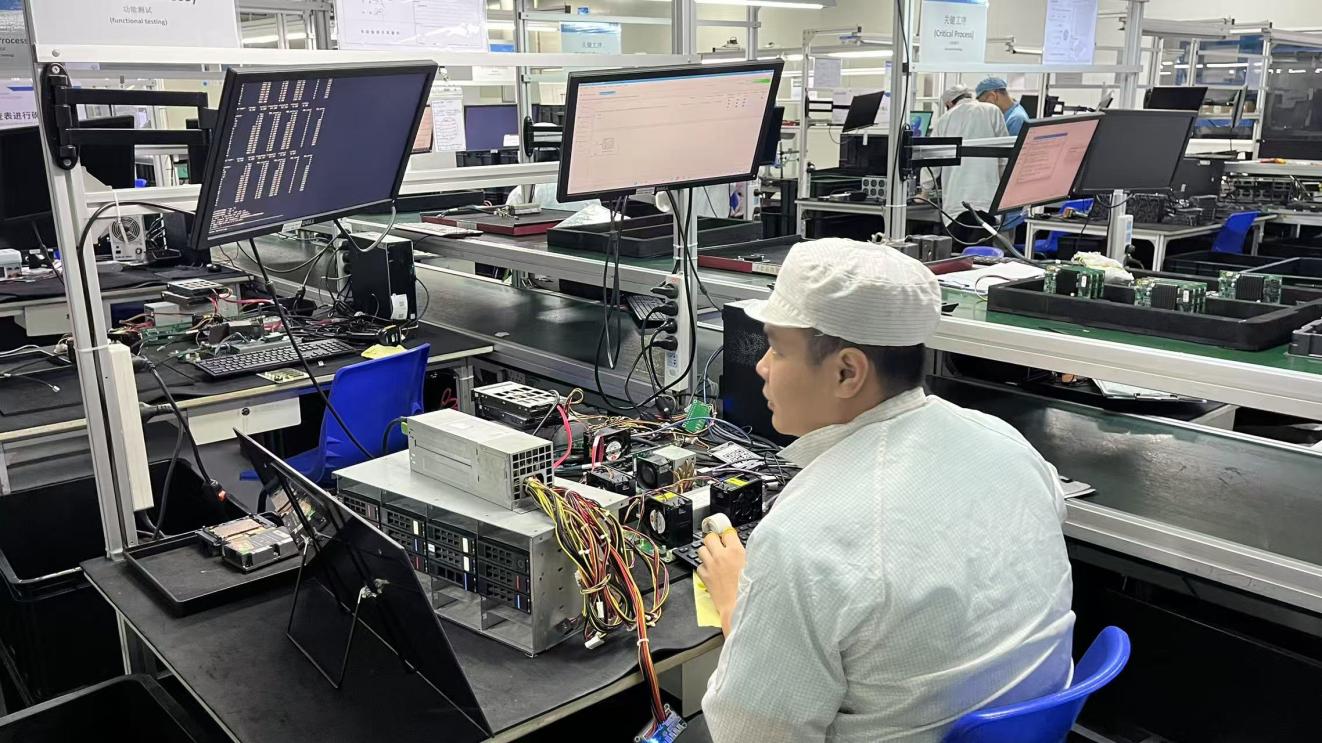
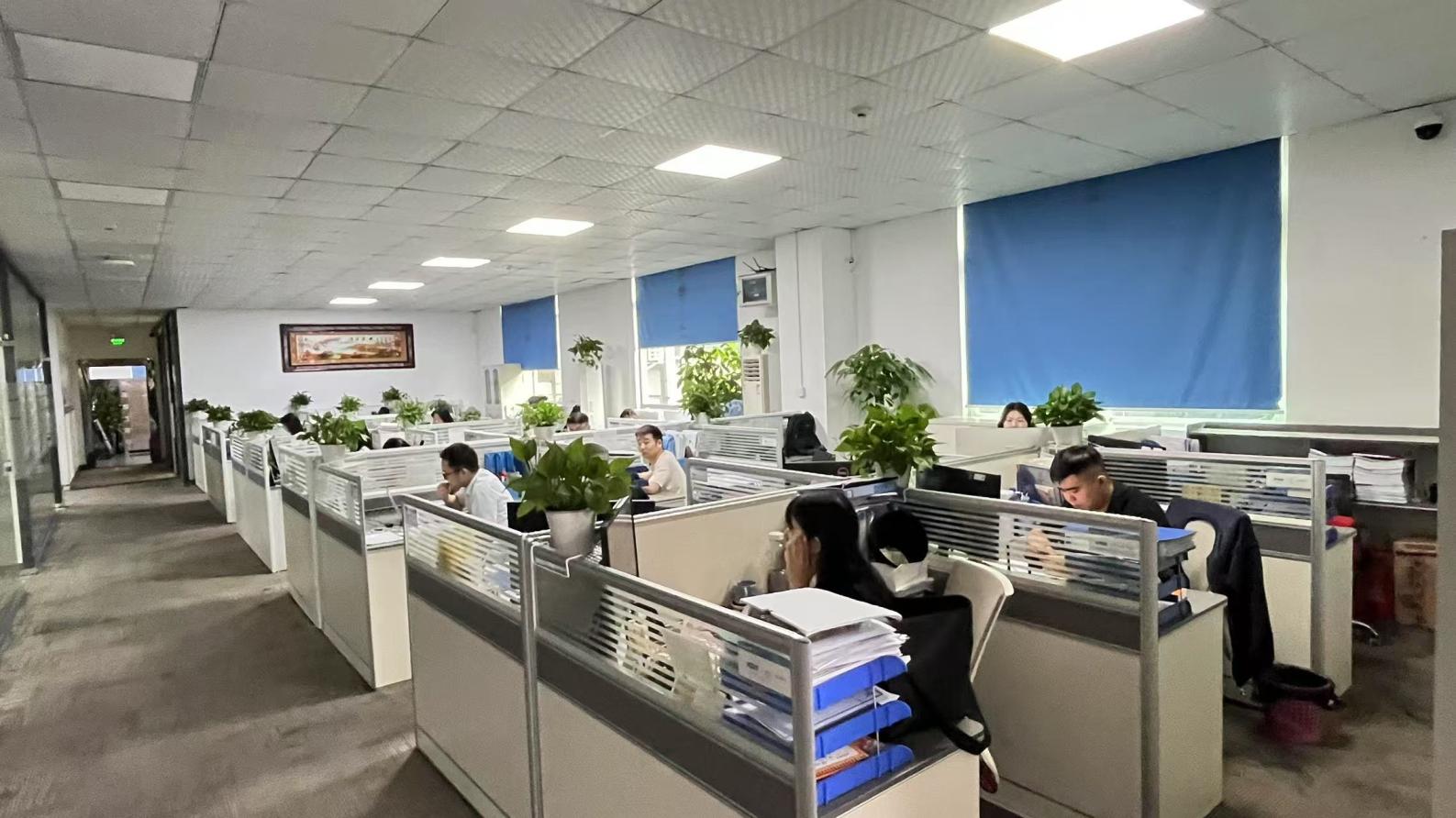
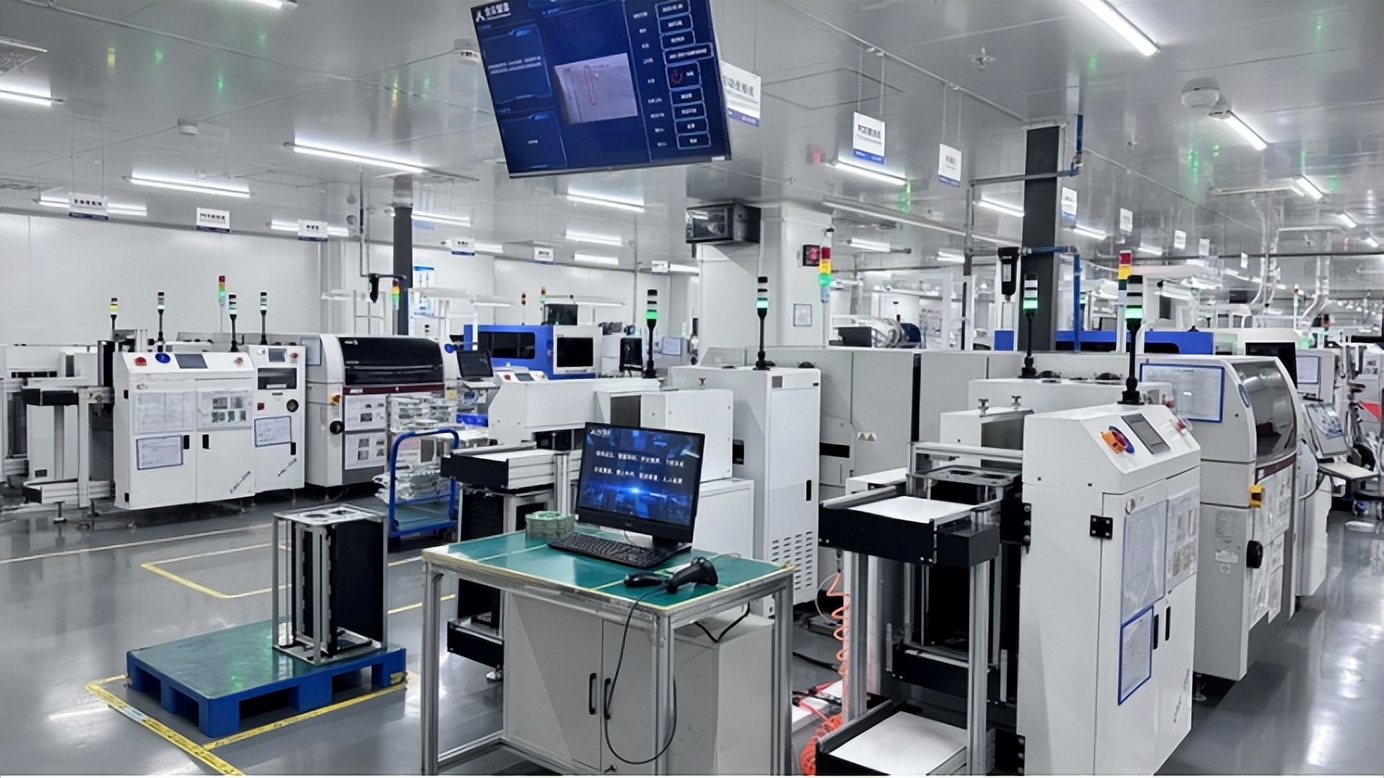
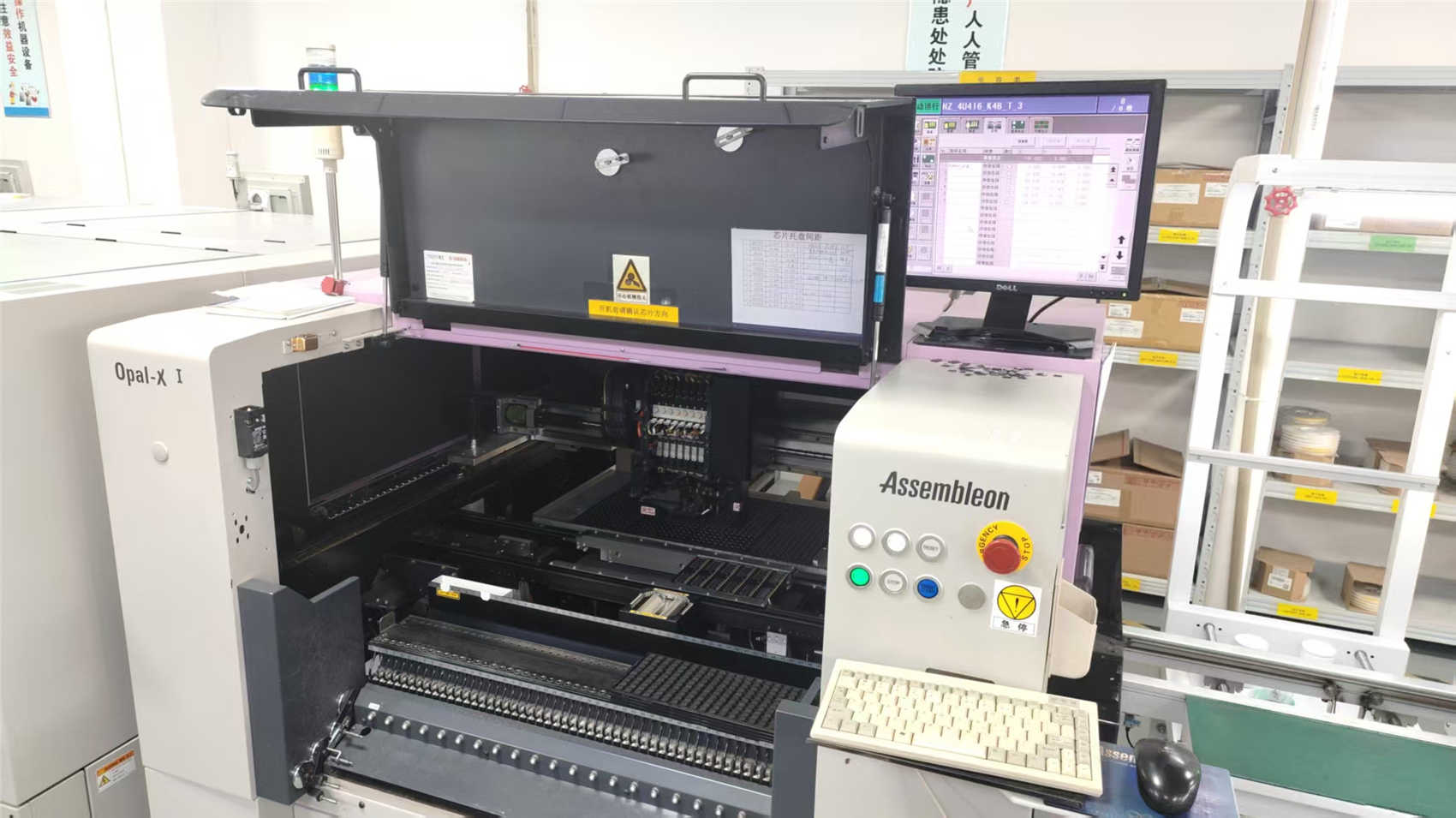
Guaranteeing absolute compliance with CE standards, safety directives, and local installation requirements.
Entering the European and international enterprise markets demands rigorous adherence to regional safety, electromagnetic compatibility, and environmental directives. As a premier manufacturer, all our disaster recovery and AI GPU server solutions carry authentic CE Certification, certifying full compliance with the European Economic Area (EEA) safety regulations.
Our regulatory framework includes:
In addition to manufacturing compliance, Korvion provides robust global localization support. We collaborate with domestic system integrators to facilitate local deployments, parts hot-swapping, and onsite engineers to support mission-critical high-availability cluster initialization.
Expert technical answers addressing hardware compatibility, system deployment, and reliability metrics.
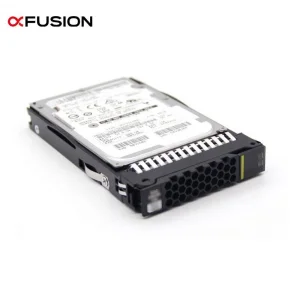
High-density GPU accelerators, custom storage controllers, and solid-state drives for rapid restore pipelines.