Korvion
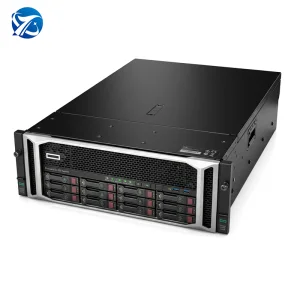
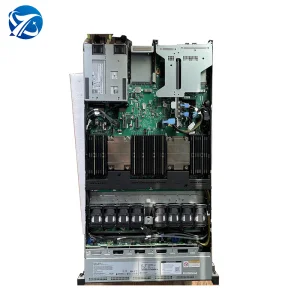
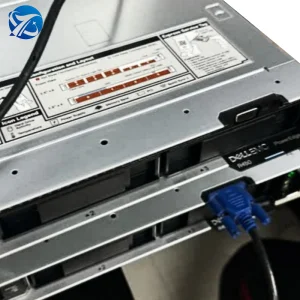
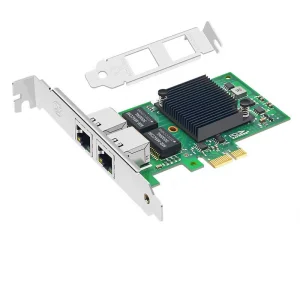
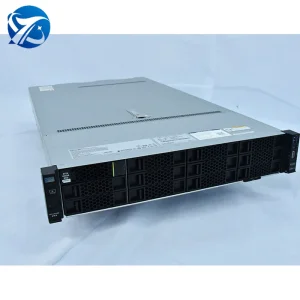
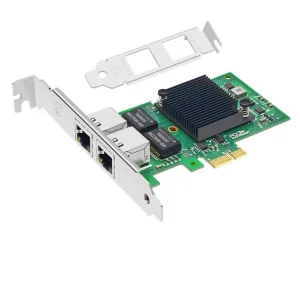
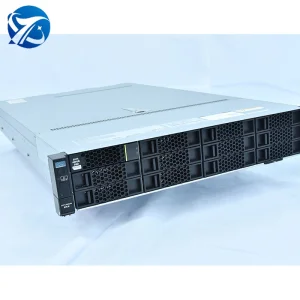
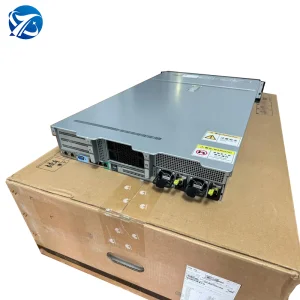
The banner products below are part of Korvion's factory-direct export range. They are selected because modern network automation stacks depend on compute, storage, acceleration, and reliability layers that must be validated before deployment. All images, original product URLs, and full product titles are preserved.
Most pages that target “CE Certified Network Automation Tools Factories & Exporter” repeat a short list of keywords. That is not enough for a buyer who is comparing a compliant factory, an export-ready supply chain, and a technical platform that must run automation workloads for years. This page takes a different approach: it explains how the category works, what to verify, where the hardware fits, and how Korvion's original capabilities support the claim.
In this category, a network automation tool is not only a controller or orchestration application. It is the complete deployment chain: a server that runs telemetry and automation services, a GPU node that accelerates inference and digital-twin simulation, a RAID controller that protects configuration and log data, and a rack platform that survives the target environment. Buyers searching for CE-certified network automation tools factories need this system view because a certificate attached to one component does not automatically cover the final configuration. The scope must match the chassis, power supply, cabling, and intended use.
Commercial investigation usually begins with supplier shortlists, but the decisive questions are technical and documentary: Which CE standard and test report apply to the exact SKU? Can the exporter provide material traceability, burn-in logs, thermal validation, and shipment inspection records? Is the factory able to support OEM/ODM branding, rack integration, liquid cooling, and GPU cluster design? Korvion answers these questions with a 128-engineer R&D team, 56 quality-control professionals, an ISO 9001-based system, and access to more than 1,250 supply-chain partners.
Transactional intent is where many keyword pages fail. A buyer does not simply need a server; they need a validated configuration, export documentation, and a delivery schedule that matches a data-center or network-automation rollout. The portfolio on this page includes in-stock HPE, xFusion, PowerEdge, RAID, and GPU platforms, with flexible customization and 3-year warranty options where stated. Final lead time, CE scope, and export terms should be confirmed at quotation because configuration changes can affect compliance and availability.
E-E-A-T is not a badge; it is the alignment of claims with verifiable operating evidence. Korvion was founded in 2017, operates a 385-square-meter production facility in Shenzhen, reports more than USD 18 million in annual export revenue, and has over 9 years of export experience backed by 15 years of industry expertise. The company serves AI startups, cloud providers, system integrators, universities, research institutions, enterprise data centers, and GPU hosting companies across North America, Europe, Southeast Asia, the Middle East, and Latin America.
These figures are drawn from Korvion's original company profile. They are presented as verifiable capability signals for buyers evaluating a CE-focused network automation tools factory and exporter, not as decorative marketing numbers.
Network automation has moved from a niche engineering practice to a core operating layer for cloud, enterprise, telecom, manufacturing, and AI infrastructure. The commercial question is no longer whether to automate, but how to deploy automation on hardware that is reliable, documented, and compliant for the destination market. This is where a CE-certified network automation tools factory and exporter becomes part of the strategic supply chain.
Network automation is shifting from rule-based scripts to AI-assisted operations that ingest telemetry, classify anomalies, and propose configuration changes. This increases demand for GPU-capable servers, fast local storage, and reliable RAID protection. It also changes compliance: a CE-certified network automation tools factory must understand how added accelerators, power supplies, and cabling affect the final system's EMC and safety scope. Buyers should ask for configuration-specific documentation rather than accepting a generic certificate claim.
Retail chains, factories, telecom edge sites, and branch offices now run containerized automation, inference, and observability close to the work. Short-depth servers, low-power processors, and remote management are more important than raw expansion. The 1288H V5 short-depth platform and compact 1U/2U servers in Korvion's portfolio illustrate this direction. Exporters must also support site-specific power standards, shipping protection, and spare-parts planning so that an edge rollout does not stall after installation.
AI training and inference clusters depend on east-west traffic, rail-optimized fabric, and predictable I/O. GPU servers such as the G5200 V5 and xFusion 2288H V7 platforms are therefore part of the network automation discussion, not separate from it. A factory exporter needs to coordinate NIC selection, PCIe topology, cooling, and rack-level power so that automation software can schedule workloads without hidden bottlenecks. This is where OEM/ODM engineering and burn-in validation create real information gain for buyers.
Automation logs, model checkpoints, boot images, and configuration backups all depend on stable storage. RAID controllers such as the XC170-M-8i, XP270-M2, and 9560-8i protect uptime through cache, boot, JBOD, and tri-mode NVMe options. The procurement question is not only speed; it is whether the controller is validated with the server, backplane, and firmware stack. A CE-focused exporter should document the exact storage configuration, because component changes can alter both compliance and support obligations.
High-density GPUs and multi-socket servers push rack power and cooling limits. Liquid cooling, high-efficiency power supplies, and thermal simulation are becoming normal parts of data-center planning. Korvion's OEM/ODM scope includes liquid cooling deployment and rack integration, which allows buyers to align server design with facility constraints. For network automation tools, thermal stability directly affects packet-processing consistency, telemetry collection, and failover behavior, so thermal validation should be treated as a functional requirement, not a checkbox.
In Europe and regulated markets, CE marking, RoHS documentation, safety files, and traceability influence whether a system can be deployed at all. Buyers should verify the exact standard, the tested configuration, and the party responsible for the declaration. Korvion's ISO 9001-based quality system, incoming-material inspection, burn-in testing, thermal verification, and final shipment inspection provide evidence that compliance can be managed as a process. The final CE scope remains configuration-specific and should be confirmed before purchase.
The industry is moving through a structural shift. Automation is becoming intent-aware, GPU-accelerated, rack-integrated, and compliance-driven. For buyers and search engines alike, the opportunity is to understand the relationships between these trends rather than treating “network automation tools” as an isolated product category.
Early network automation depended on CLI scripts and device-specific templates. The next layer is intent-based: operators declare outcomes, and the platform translates them into configuration, validation, and rollback. This requires compute nodes that can run controllers, observability pipelines, and AI inference side by side. It also favors exporters that can supply repeatable, validated server configurations rather than one-off hardware. The semantic shift matters for SEO and for buyers: the query is no longer only “automation software,” but “automation-ready infrastructure.”
GPU density is rising from single servers to rack-scale designs. Network automation must account for fabric topology, congestion control, and workload placement. Factories that understand rack integration can ship pre-integrated compute, switching, and storage, reducing on-site assembly risk. This trend favors suppliers with strong supply-chain access, thermal expertise, and the ability to validate complete clusters before shipment. It also raises the bar for CE documentation because rack-level power and EMC behavior differ from isolated server testing.
Organizations increasingly want private AI capacity for data sovereignty, latency, and cost control. Private clouds combine GPU servers, virtualization, storage, and automation. Exporters serving these projects need multilingual documentation, regional logistics, and flexible branding. Korvion's customer base includes cloud service providers, enterprises, universities, and research institutions across North America, Europe, Southeast Asia, the Middle East, and Latin America. That geographic spread is a practical advantage when projects require mixed configurations and staged delivery.
Inference at the edge is growing in manufacturing, retail, transportation, and telecom. Edge sites often lack dedicated cooling and trained on-site staff, so automation tools must be remotely managed and easy to replace. Compact servers, redundant storage, and clear service documentation become more valuable than maximum expansion. Exporters should provide spare-parts kits, remote-management guidance, and packaging that survives multi-leg logistics. The localized application scenario is therefore as important as the hardware specification.
Buyers increasingly avoid lock-in by mixing vendors and composing systems from validated components. This increases demand for RAID cards, memory, storage, and server platforms that integrate cleanly. It also makes documentation a competitive asset: firmware compatibility, rail kits, power cables, and certification scope must be clear. A factory that supports OEM/ODM customization without hiding integration risk is better positioned than a catalog-only exporter. The winning model is transparent configuration control, not opaque bundling.
Procurement teams now evaluate energy efficiency, repairability, warranty, and end-of-life planning alongside purchase price. Network automation tools may run for years, so firmware support and spare-parts availability matter. Korvion's quality process includes functional testing, burn-in, thermal verification, system stability validation, and final shipment inspection. Combined with 3-year warranty options on selected products, this lifecycle approach helps reduce unplanned downtime. Sustainability is not only a green claim; it is a reliability and total-cost-of-ownership strategy.
Network automation requirements change by region because power standards, compliance expectations, climate, logistics, and customer maturity differ. Korvion's original customer profile spans North America, Europe, Southeast Asia, the Middle East, and Latin America. The following localized scenarios show how a factory-direct exporter can convert configuration flexibility into deployment relevance.
AI startups, cloud providers, and GPU hosting companies in North America prioritize fast iteration, flexible configuration, and export speed. They often require OEM branding, rack integration, and mixed GPU/server shipments. Korvion's 9+ years of export experience and 1,250+ supply-chain partners support these demands. CE scope may matter for Canadian and multinational deployments, while UL or other local requirements may apply separately. Buyers should align compliance scope with the destination site and the final configuration.
European buyers place strong emphasis on CE documentation, EMC, safety, RoHS, and energy efficiency. Universities, research institutions, and enterprise data centers often require detailed technical files and traceable quality records. Korvion's ISO 9001-based quality management system and 56 quality-control professionals support this diligence. Because CE marking is configuration-specific, project teams should request the exact declaration scope, test evidence, and labeling plan before placing a production order.
Cloud expansion, digital banking, manufacturing, and smart-city projects are driving data-center growth across Southeast Asia. Buyers value cost-performance, fast delivery, and configurations that tolerate humid or unstable power environments. 2U multi-socket servers, RAID controllers, and GPU nodes can support both centralized and edge automation. Exporters should provide clear power-cable options, spare-parts planning, and remote technical support to reduce installation friction across islands and diverse sites.
Sovereign AI programs, smart infrastructure, and enterprise modernization are increasing demand for GPU servers and resilient data-center platforms in the Middle East. High ambient temperatures make thermal design and validation especially important. Liquid cooling, high-efficiency power supplies, and pre-shipment burn-in can reduce deployment risk. Exporters must also coordinate logistics, documentation, and after-sales support across the region. The right configuration is the one validated for the site's power, cooling, and compliance requirements.
Enterprise data centers, universities, system integrators, and cloud providers in Latin America need scalable infrastructure with practical lead times. Mixed-vendor environments are common, so RAID controllers, memory, and server platforms must integrate predictably. Spanish and Portuguese documentation, spare-parts availability, and clear warranty terms improve buyer confidence. Exporters with flexible OEM/ODM capability can support local branding and project-specific rack integration, helping integrators serve end customers without carrying excess inventory.
Shenzhen remains a deep electronics and server manufacturing ecosystem. Korvion's 385-square-meter facility, 128 engineers, and 1,250+ supply-chain partners allow rapid customization and component sourcing. Local access to server, RAID, GPU, and memory ecosystems supports quick prototyping and production follow-through. For international buyers, the advantage is not only cost; it is the ability to combine engineering feedback, quality inspection, and export logistics in one operating region. That integration shortens the path from requirement to validated shipment.
A credible roadmap is not a list of buzzwords. It connects compliance, engineering validation, factory capability, and deployment economics. Korvion's stated R&D strength and OEM/ODM scope provide a practical base for this outlook, while the exact timing and certification scope of any project remain subject to configuration and market requirements.
The first phase is configuration discipline: define CE-relevant boundaries for chassis, power, cabling, and installed components; maintain material and test records; and align labeling and documentation with the destination market. For network automation tools, this means treating compute, storage, and rack integration as one compliance object. Korvion's ISO 9001-based system, incoming-material inspection, and final shipment inspection provide the process foundation. Buyers should expect SKU-level confirmation rather than a generic certificate claim.
The next phase uses AI-assisted testing and digital-twin simulation to predict thermal, power, and I/O behavior before physical build. This can shorten customization cycles for GPU servers, RAID configurations, and rack integration. Engineers can compare firmware and component combinations against workload profiles, then validate the final system with burn-in and stability testing. The benefit is fewer late-stage surprises and better documentation for export compliance. It also creates richer technical content that supports semantic search and buyer education.
As GPU density rises, factories will compete on rack-scale integration: power distribution, liquid-cooling loops, leak detection, cable management, and cluster-level burn-in. Network automation will increasingly manage these physical and logical layers together. Korvion's OEM/ODM scope already includes rack integration, liquid cooling deployment, GPU cluster design, and turnkey AI infrastructure. The roadmap points toward validated reference architectures that can be localized for different power and cooling standards.
Longer-term, automation platforms will move toward closed-loop optimization: workload-aware power capping, predictive maintenance, and automated failover across compute and network domains. Success will depend on reliable telemetry, protected storage, and validated hardware behavior. Factories that maintain traceability and firmware discipline will be better able to support these autonomous operations. The future differentiator is not a single server model; it is the ability to deliver a documented, upgradeable, and compliant infrastructure stack.
A network automation project succeeds when compute, storage, networking, power, cooling, documentation, and logistics are designed together. Korvion's original profile lists AI GPU servers, HPC systems, GPU clusters, data-center infrastructure, OEM/ODM services, rack integration, liquid cooling deployment, and turnkey AI infrastructure. The following macro solutions translate those capabilities into buyer-relevant outcomes.
For AI factories, Korvion can combine GPU servers, high-performance rack servers, RAID/storage controllers, rack integration, and liquid-cooling deployment into a turnkey infrastructure blueprint. The goal is to align compute density, network fabric, power, cooling, and compliance before shipment. With 128 R&D engineers and 86 new products or solution upgrades introduced last year, the team can support customization across chassis, branding, hardware configuration, and cluster design. Final CE scope and site requirements are confirmed per project.
Cloud and GPU hosting providers need repeatable SKUs, fast replacement paths, and predictable performance. The portfolio includes xFusion 2288H V6/V7, HPE ProLiant DL380 Gen12, PowerEdge R450, and G5200 V5 GPU platforms, supported by RAID cards and storage options. OEM/ODM services can standardize branding, firmware baselines, and rack integration. Export documentation, burn-in testing, and final inspection help reduce the operational cost of distributed deployments.
Universities and research institutions often run mixed workloads: simulation, AI training, data processing, and teaching clusters. They need scalable servers, GPU nodes, and reliable storage with clear technical documentation. Korvion serves research institutions and universities across multiple regions, supported by 15 years of industry expertise and a broad supply network. Flexible configuration and 3-year warranty options on selected products can help institutions plan multi-year lifecycles. Compliance and procurement documentation should be defined at the project level.
System integrators need a factory partner that can absorb configuration complexity without creating support debt. Korvion offers chassis customization, branding, hardware configuration, rack integration, liquid cooling deployment, GPU cluster design, and turnkey AI infrastructure solutions. With 1,250+ supply-chain partners, the company can source components and manage quality through incoming inspection, functional testing, burn-in, thermal verification, and final shipment inspection. This model helps integrators serve enterprise, cloud, and public-sector customers with localized branding and documented quality.
The original company information is retained below because E-E-A-T depends on verifiable operating context. Korvion's factory, quality team, R&D resources, and export footprint are central to how a CE-focused network automation tools factory and exporter should be evaluated.
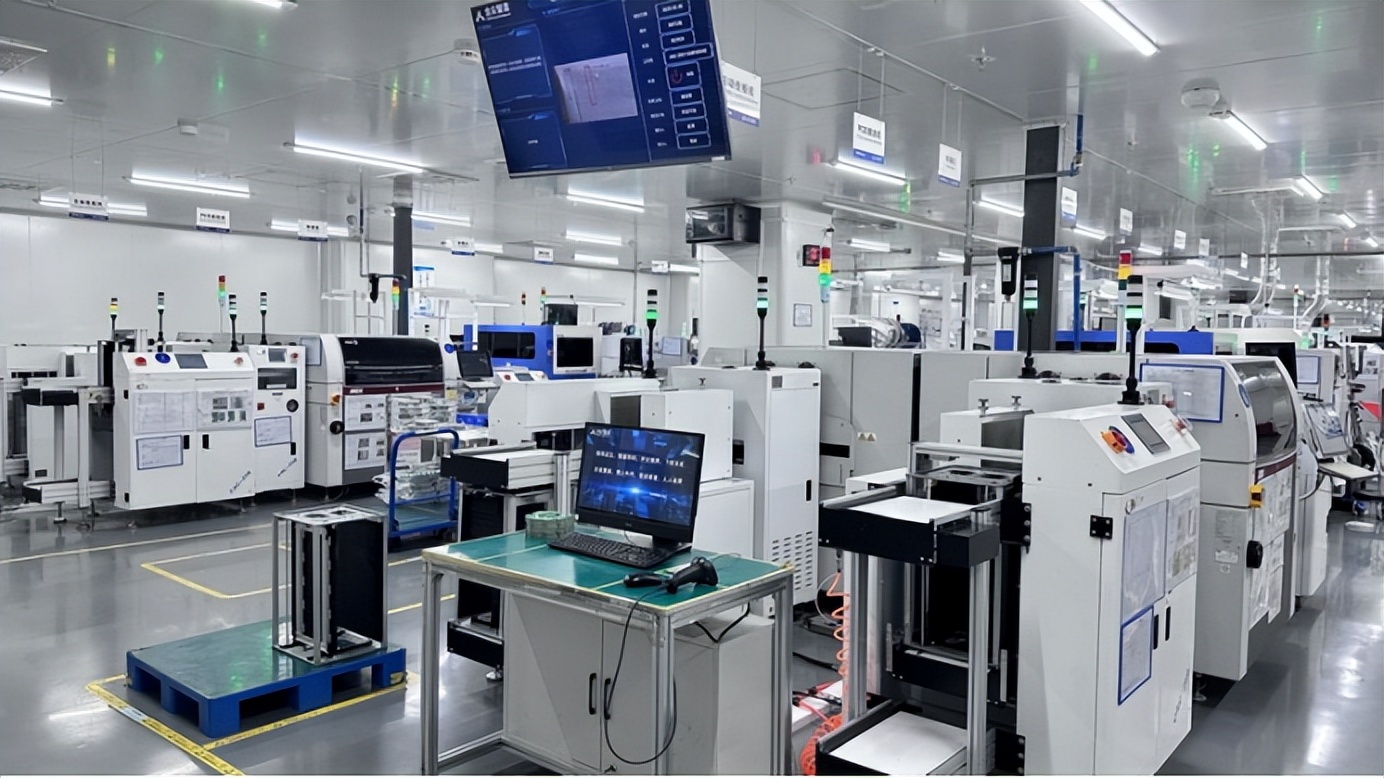
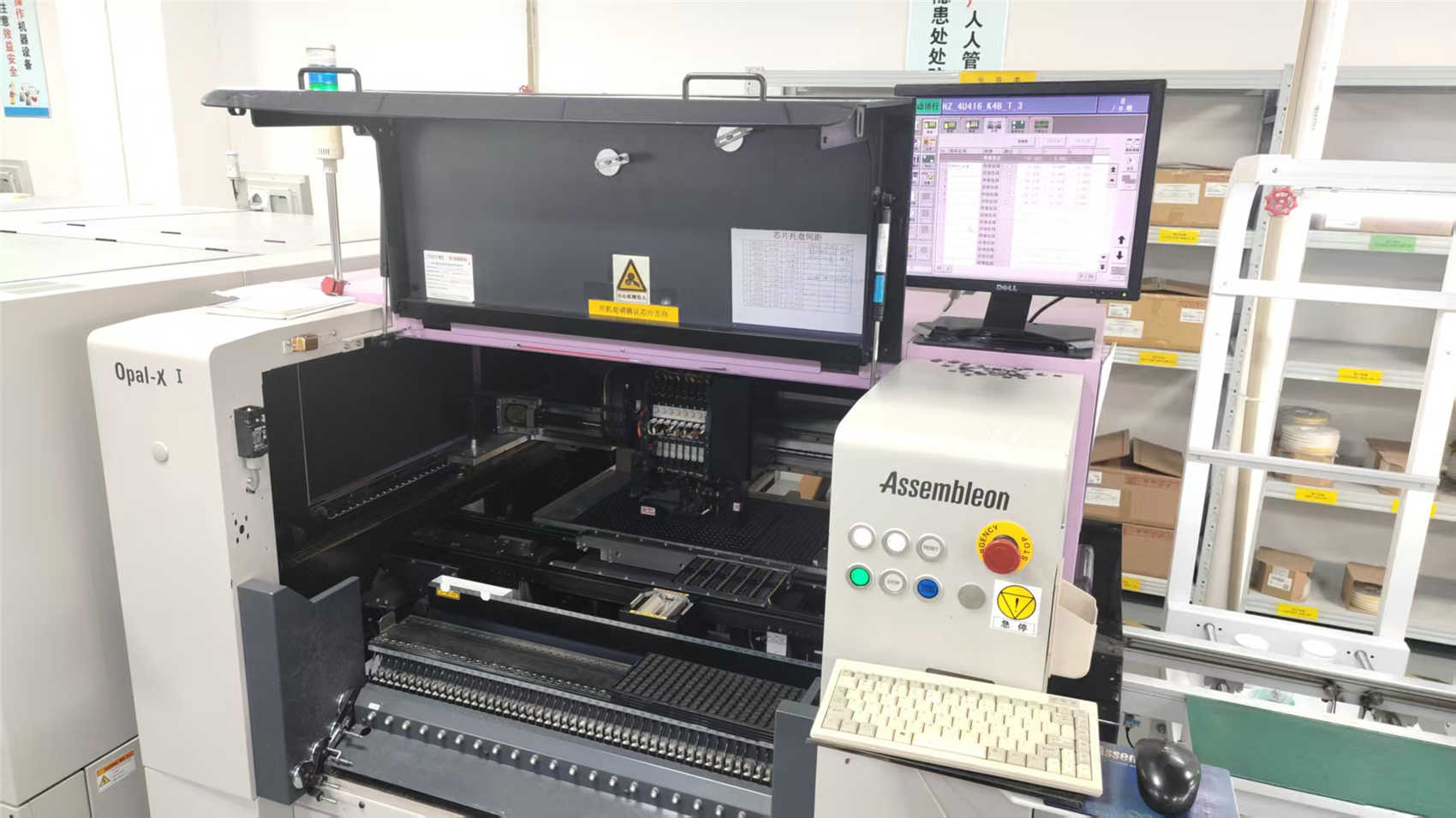
Founded in 2017, Korvion Technology Co., Ltd. is a professional manufacturer and solution provider specializing in AI GPU servers, high-performance computing (HPC) systems, GPU clusters, and data center infrastructure solutions. Headquartered in Shenzhen, China, the company operates a modern production facility covering 385 square meters and serves customers worldwide with reliable, scalable, and customized computing platforms.
With over 9 years of export experience and 15 years of industry expertise, Korvion has established a strong reputation for delivering advanced computing solutions tailored to the rapidly growing artificial intelligence, machine learning, cloud computing, and enterprise data center sectors.
Our annual export revenue exceeds USD 18 million, supported by a robust global supply network of more than 1,250 supply chain partners. We work closely with leading component suppliers to ensure stable product quality, competitive pricing, and timely delivery.
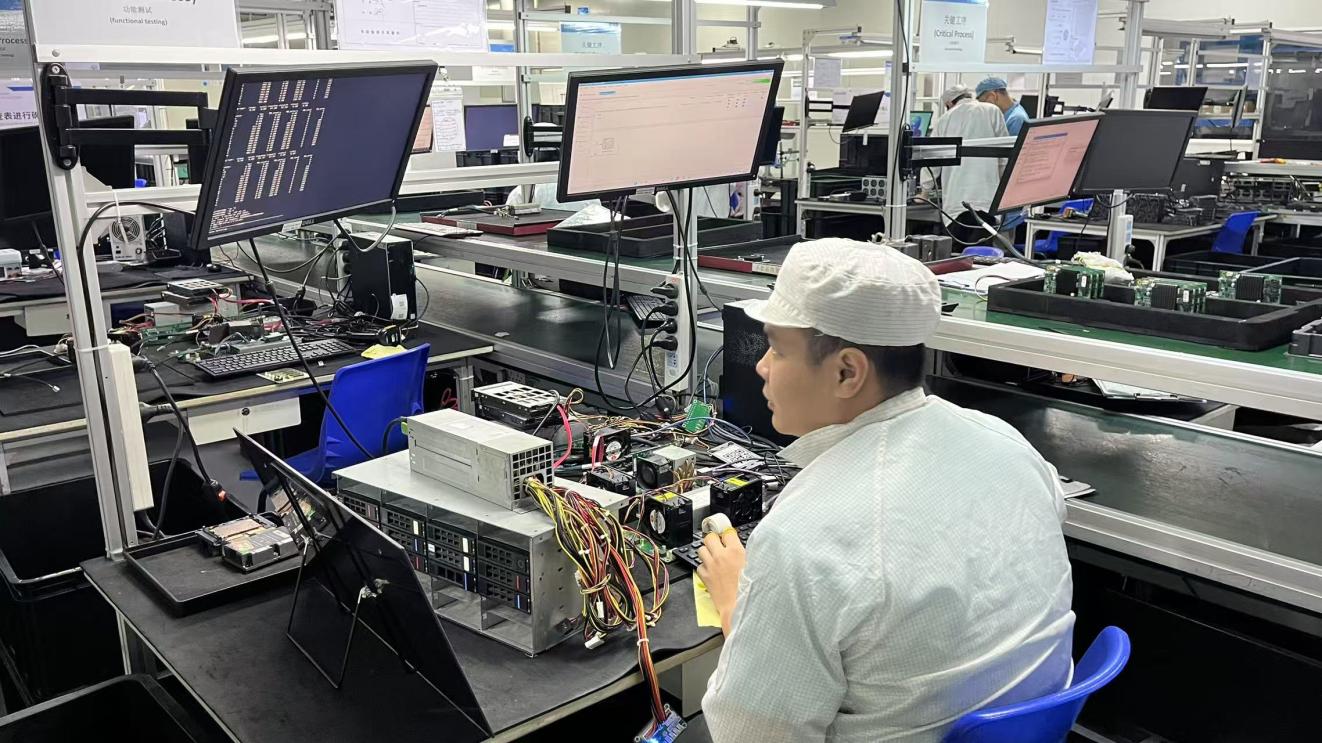
Quality is at the core of our operations. Korvion implements a comprehensive ISO 9001-based quality management system, supported by a dedicated team of 56 quality control professionals. Every product undergoes rigorous inspection procedures, including incoming material inspection, functional testing, burn-in testing, thermal performance verification, system stability validation, and final shipment inspection, ensuring dependable performance in mission-critical environments.
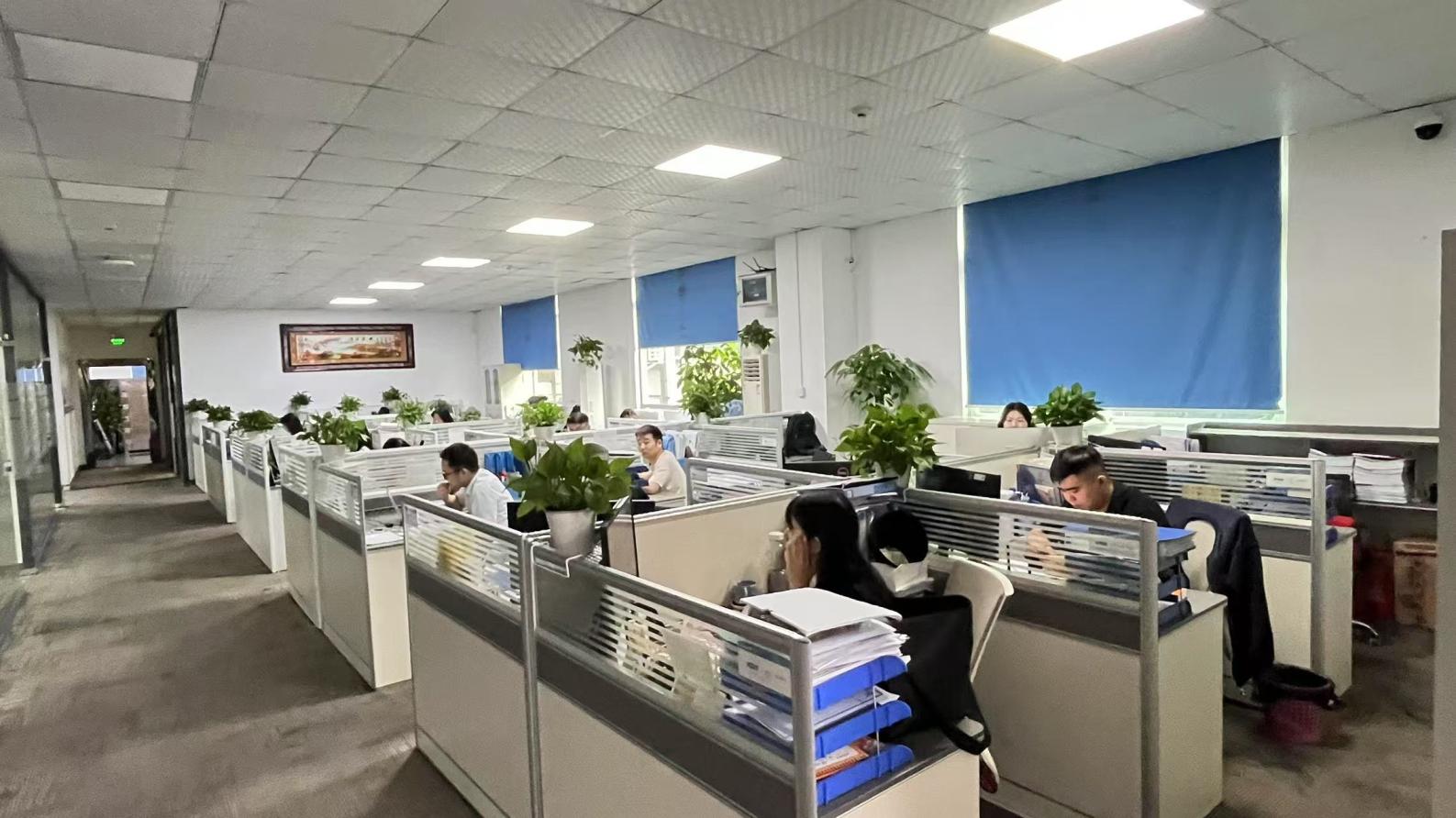
Innovation drives our growth. Our R&D department consists of 128 experienced engineers specializing in server architecture, thermal design, AI computing optimization, and customized hardware integration. Last year alone, Korvion introduced 86 new products and solution upgrades, helping customers stay competitive in the evolving AI infrastructure market.
We offer comprehensive OEM and ODM services, including chassis customization, branding, hardware configuration, rack integration, liquid cooling deployment, GPU cluster design, and turnkey AI infrastructure solutions. Our flexible customization capabilities allow customers to build solutions that precisely match their business and technical requirements.
Today, Korvion serves a diverse customer base, including AI startups, cloud service providers, system integrators, research institutions, universities, enterprise data centers, and GPU hosting companies across North America, Europe, Southeast Asia, the Middle East, and Latin America.
Guided by our commitment to quality, innovation, and customer success, Korvion continues to empower organizations worldwide with cutting-edge AI computing infrastructure designed for the future of intelligent computing.
These questions reflect real commercial investigation and transactional search intent. The answers are written to support procurement, engineering, and compliance teams without hiding the fact that CE marking is configuration-specific.
CE marking is not a universal label that covers every configuration automatically. For network automation tools, the applicable scope depends on the exact server, RAID controller, power supply, chassis, cabling, and intended environment. Korvion supports CE-focused engineering and configuration-specific documentation for EU-bound projects. Buyers should request the declaration, test evidence, and labeling plan for the exact SKU. This is especially important when GPUs, liquid cooling, or custom rack integration are added, because these changes can affect EMC, safety, and overall compliance.
Yes, when matched to the workload. Automation controllers, telemetry pipelines, and AI inference services may need different balances of CPU, GPU, memory, storage, and network I/O. The portfolio includes 1U/2U rack servers, multi-socket xFusion platforms, HPE and PowerEdge servers, GPU servers, and RAID controllers such as XC170-M-8i, XP270-M2, and 9560-8i. Korvion can configure, test, and integrate these components for the target rack and export destination.
The process normally starts with a technical requirement and destination market review, followed by configuration, compliance scope confirmation, quotation, production or stock allocation, inspection, packing, and shipping. Korvion's 9+ years of export experience and 1,250+ supply-chain partners support component availability and logistics planning. Final lead times depend on configuration and stock. Buyers should confirm Incoterms, warranty terms, spare-parts needs, and CE documentation requirements before ordering.
Yes. Korvion offers OEM and ODM services that include chassis customization, branding, hardware configuration, rack integration, liquid cooling deployment, GPU cluster design, and turnkey AI infrastructure solutions. The R&D team of 128 engineers specializes in server architecture, thermal design, AI computing optimization, and customized hardware integration. Projects should define performance targets, facility constraints, compliance scope, and acceptance testing early so that customization does not create hidden integration risk.
Korvion serves AI startups, cloud service providers, system integrators, research institutions, universities, enterprise data centers, and GPU hosting companies across North America, Europe, Southeast Asia, the Middle East, and Latin America. The company is headquartered in Shenzhen with a 385-square-meter production facility. Regional compliance, power standards, language requirements, and logistics should be confirmed for each project because export-ready does not mean one specification fits every market.
Korvion implements an ISO 9001-based quality management system with 56 quality-control professionals. Inspection can include incoming material inspection, functional testing, burn-in testing, thermal performance verification, system stability validation, and final shipment inspection. For network automation deployments, this process helps catch component mismatches, thermal issues, and early failures before the system reaches the site. Buyers can request relevant inspection records and test criteria as part of the purchase agreement.
The remaining export platforms are listed below with their original images, titles, and product URLs. They complement the featured systems above and support buyers who are comparing GPU servers, 2U rack servers, RAID controllers, and AI training nodes for regional automation projects.