Korvion
Korvion
Korvion
Highly optimized computing racks, high-speed direct-attach architectures, and GPU deep learning nodes selected for hyperscale environments.
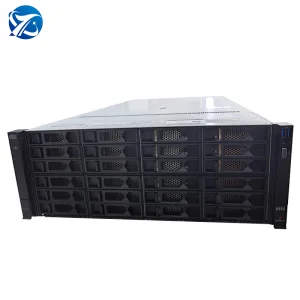
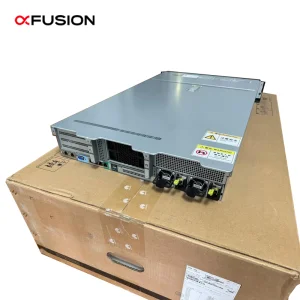
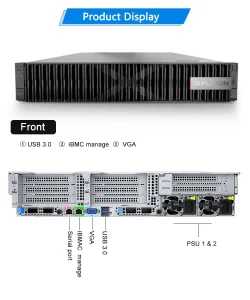
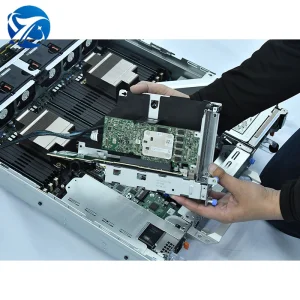
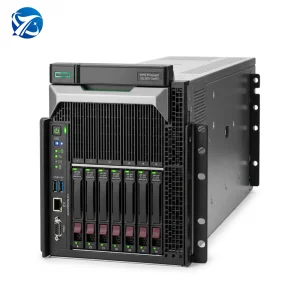
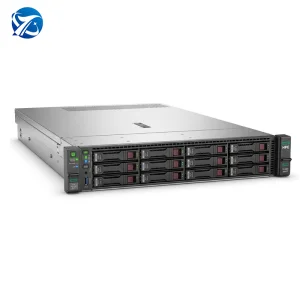
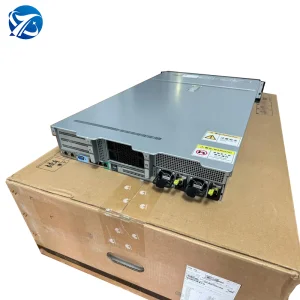
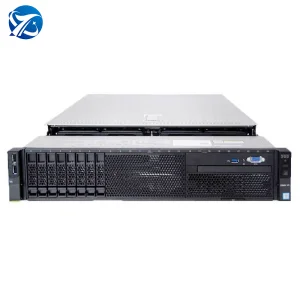
The global digital transformation has entered an era of rapid acceleration. At the epicenter of this transition lies the need for highly stable, scalable, and standardized compute layers. The demand for V5 cloud infrastructure and its modern evolution (including V6, V7, and Gen11/Gen12 architectures) spans across international boundaries, forcing manufacturers to meet rigorous quality marks. Among these certifications, the CE (Conformité Européenne) mark stands as the definitive regulatory passport for deployment within the European Economic Area (EEA) and beyond. For infrastructure equipment like the xFusion FusionServer 2288H V5 and HPE ProLiant platforms, CE certification indicates compliance with strict harmonized standards governing Electromagnetic Compatibility (EMC), Low Voltage safety guidelines (LVD), and Hazardous Substances Restrictions (RoHS).
Globally, enterprise computing facilities are migrating from legacy architectures to hybrid configurations that combine traditional Central Processing Unit (CPU) database environments with intense Graphic Processing Unit (GPU) acceleration grids. The market has witnessed an exponential surge in dense cluster deployments. Organizations require infrastructure components that guarantee not only high compute densities but also strict operating boundaries. The certification process verifies that hardware assemblies will operate harmoniously alongside adjacent telecommunications systems, minimizing electromagnetic interference and thermal hazards. For global exporters, this certification serves as a benchmark of reliability, indicating that products satisfy robust, standardized test parameters before entering the complex supply chain of worldwide data center networks.
Modern workloads demand infrastructure that can pivot rapidly between vastly different applications. System designers now build hyper-converged nodes capable of executing complex AI tasks and running massive virtualization layers. Enterprise solutions are broadly classified into three main pillars:
The rise of complex algorithms—such as DeepSeek architectures and other large language models—has shifted the hardware requirement from generic CPU power to highly parallelized tensor computing. System setups like the xFusion G5500 V7 and HPE ProLiant DL360 Gen12 are designed to support dense GPU configurations. By integrating multiple dedicated accelerator cards within a single 2U chassis, these platforms deliver the raw teraflops required to process billions of neural parameters. High-performance network cards and direct-attach cabling structures prevent local bus bottlenecks, ensuring that weights and gradients transfer seamlessly between adjacent clusters during execution.
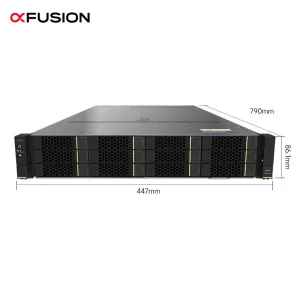
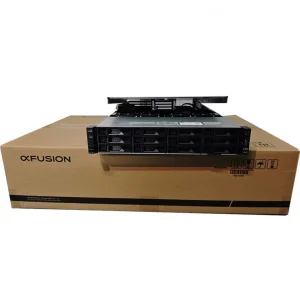
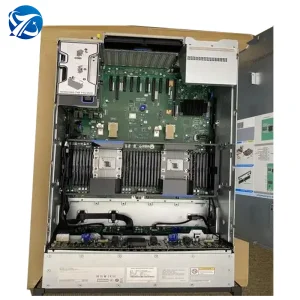
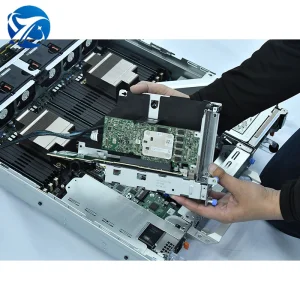
Standard business operations rely heavily on transaction processing and unstructured database management. Systems like the xFusion 2288H V5 and V6 series, configured with 12x3.5-inch drive arrays, balance high-density storage capacity with raw computational performance. Coupled with dedicated SAS/SATA RAID array cards (such as the XC170-M-8i matching SAS3808iMR silicon), these servers provide hardware-level redundancy, protecting critical database structures. These setups prevent I/O bottlenecks and minimize latency, allowing enterprise software packages to access and retrieve data at multi-gigabyte speeds.
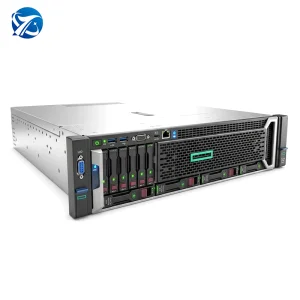
As organizations move computing nodes closer to the edge, short-depth OEM custom servers play an important role. These space-saving racks allow local telecommunication hubs and manufacturing environments to execute virtualization setups without requiring large, dedicated server rooms. Automated provisioning systems, like those found in HPE DL360 Gen11 series configurations, allow operators to deploy, manage, and scale thousands of virtual machines across diverse regional sites with minimal manual intervention.
To understand the performance benefits of V5 cloud infrastructure, it is helpful to analyze the technical trajectory of key hardware components: CPU sockets, PCIe slots, and networking fabrics.
The progression from V5 to V7 architectures, and from HPE Gen11 to Gen12 systems, highlights a steady increase in PCIe lane count and bus speeds. While V5 architectures leverage PCIe Gen3 buses, V7 and Gen12 designs utilize PCIe Gen5 and Gen6 buses. This shift increases the available bandwidth per lane, allowing high-performance GPUs and fast NVMe storage units to communicate directly with the host processors. This bandwidth expansion is essential for AI setups, where training data must be quickly loaded from storage arrays directly to GPU memory spaces.
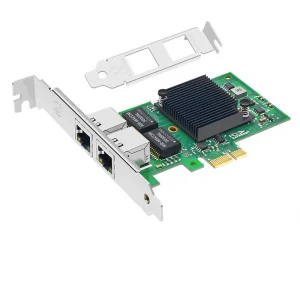
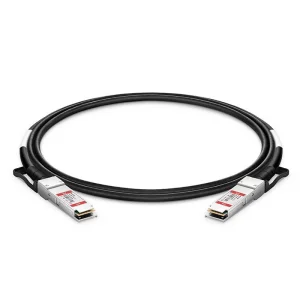
Furthermore, internal storage interconnect technology has evolved to support these faster data rates. The transition to advanced RAID controllers (such as the XC170-M-8i, operating at 12Gb/s) provides the processing power needed to handle high-speed read/write queues without taxing the main system CPU. This architecture relies on high-speed copper interconnect cables, like the QSFP+ 10G/40G direct-attach series. These cables provide low-power, low-latency links between top-of-rack switches and local servers, minimizing connection latencies across the network switch fabric.
Infrastructure demands differ significantly depending on regional operating environments and regulatory requirements:
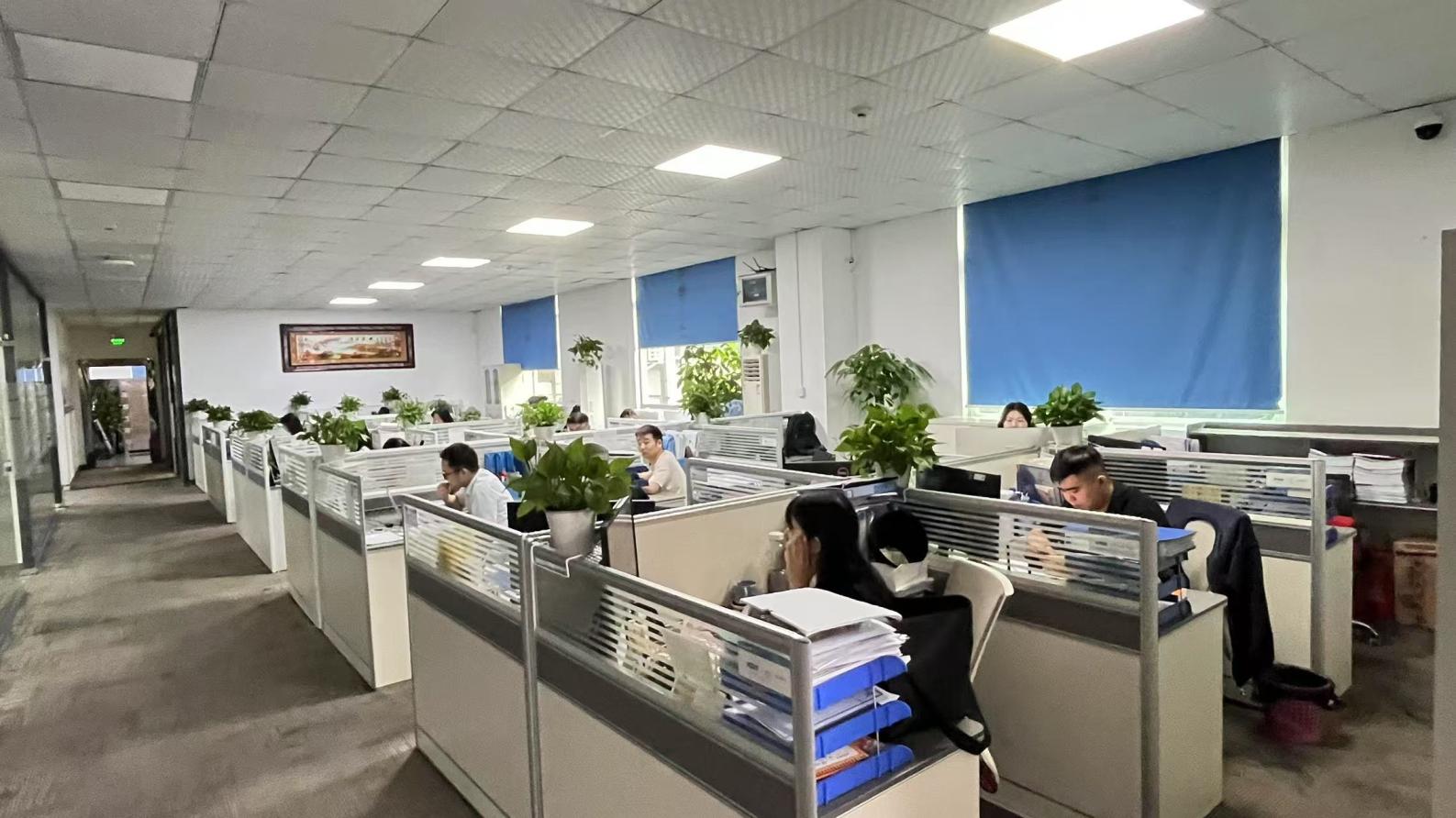
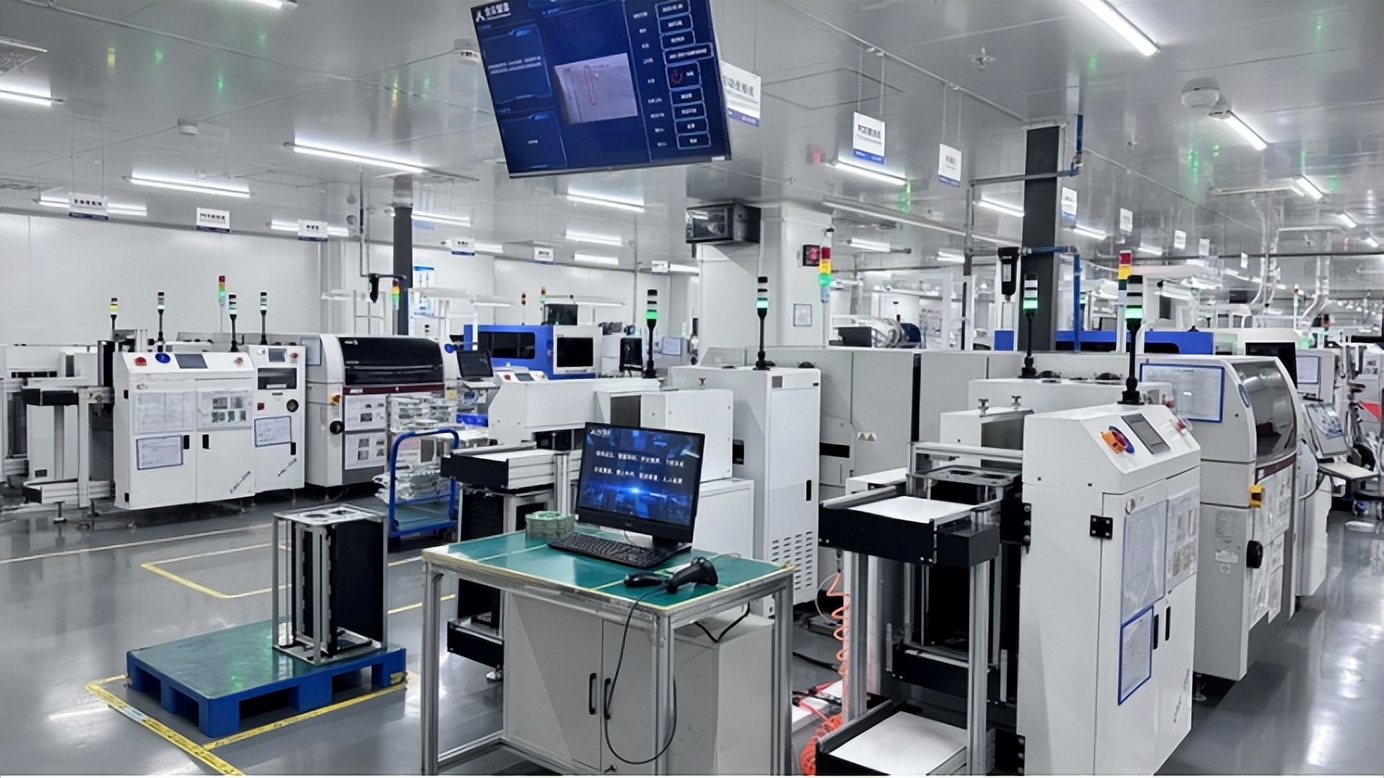
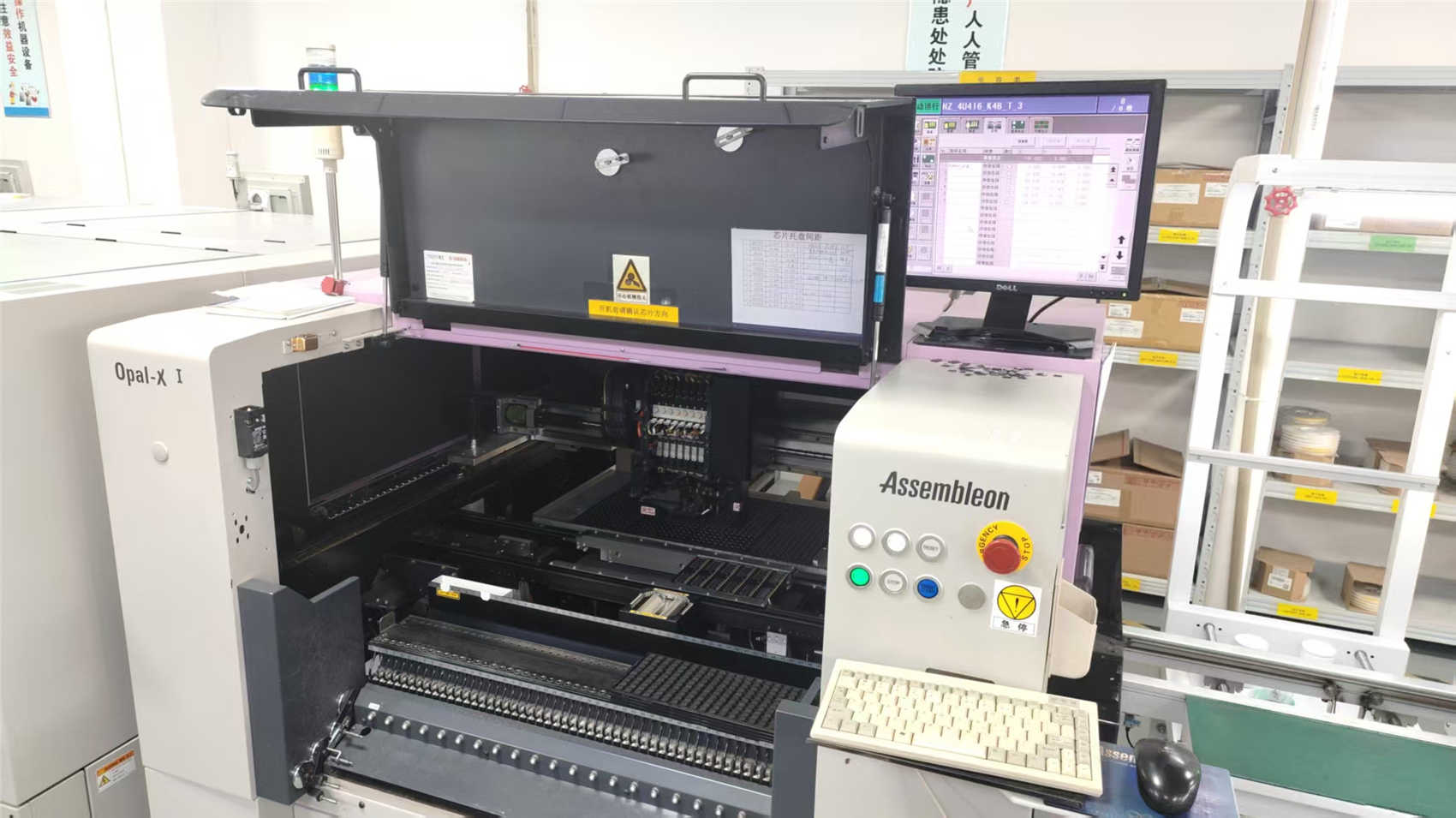
Founded in 2017, Korvion Technology Co., Ltd. is a specialized manufacturer and solution provider of AI GPU servers, high-performance computing (HPC) platforms, GPU clusters, and modern data center infrastructure. Headquartered in Shenzhen, China, we operate a production facility that supplies customers worldwide with reliable, scalable, and customized computing solutions.
With over 9 years of export experience and 15 years of industry expertise, Korvion has built a reputation for delivering custom computing platforms tailored to the needs of machine learning, cloud storage, and enterprise data centers. Our annual export revenue exceeds USD 18 million, backed by a supply network of more than 1,250 partners.
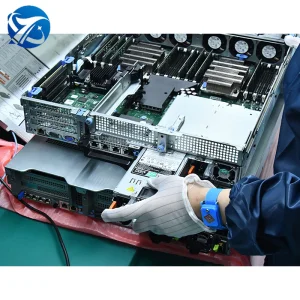
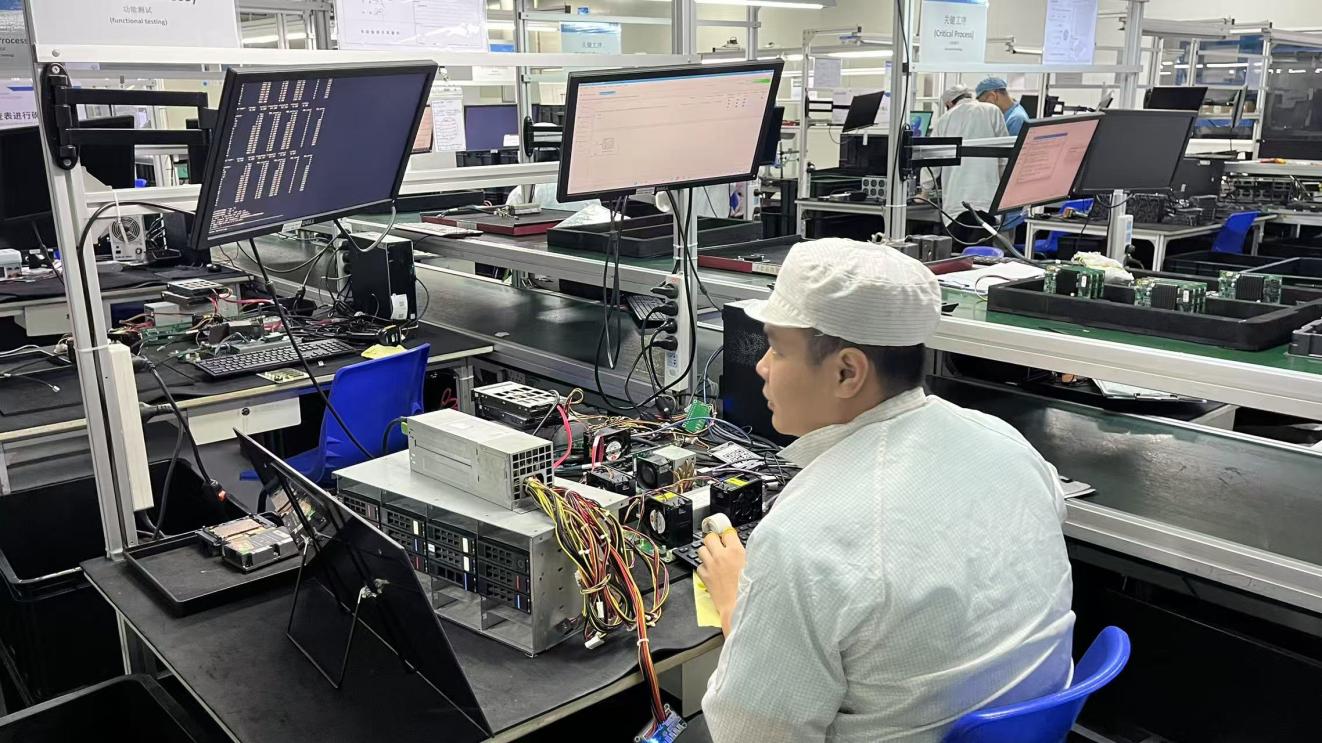
We operate an ISO 9001-certified quality management system, supported by 56 quality control professionals. Every server undergo a multi-stage testing process, including incoming component checks, functional validation, burn-in testing, thermal analysis, and final inspection. Our 128 R&D engineers focus on server design, cooling efficiency, and hardware integration, allowing us to support OEM and ODM projects from custom chassis branding to full liquid-cooled rack systems.
Expand capacity and maintain system throughput with high-bandwidth SAS RAID cards and multi-socket server nodes.