Korvion
Korvion
Korvion
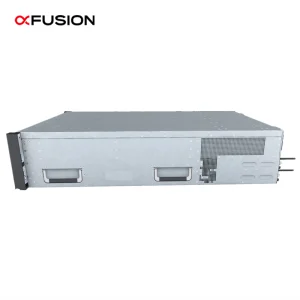
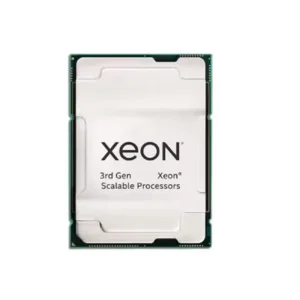
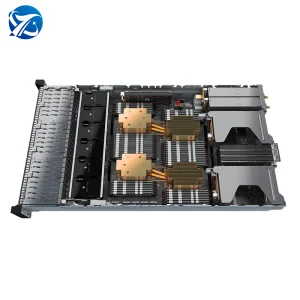
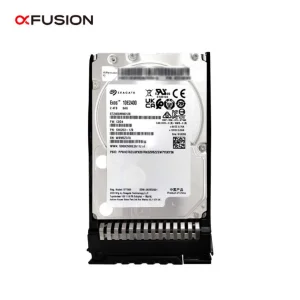
Modern computing environments require a transition from reactive data recovery programs to proactive hardware-level data resilience. As hyper-scale artificial intelligence models, virtualization, and massive non-structured data lakes emerge as centerpieces of global enterprise operation, hardware-level failures pose severe risks to corporate sustainability. High-performance computing demands have driven SSD capacity and read/write frequencies to historical highs, making robust chassis engineering, stable system cooling, and reliable controllers critical elements of data defense.
Next-generation storage clusters leverage end-to-end data path protection. This prevents "bit rot" and silent data corruption across NVMe SSD layers and physical system DRAM before failures escalate to logical corruption levels.
With hardware configurations shifting toward high-density NVMe drive bays, controller cards like the SAS3808 boot card deliver sub-millisecond failovers and predictive parity rebuilds to avoid raid breakdown hazards.
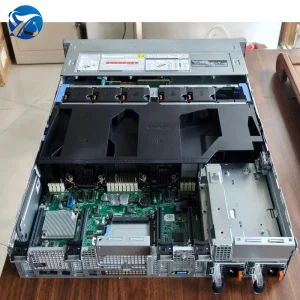
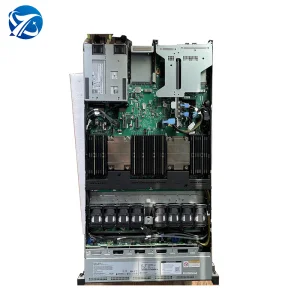
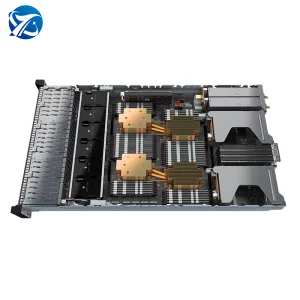
Thermal fatigue in enterprise servers directly contributes to drive degradation. High-capacity SSD chassis designs incorporate advanced heat sink arrays and optimized airflow paths to maintain operating temperatures within optimal safety parameters.
Procurement directors and Chief Information Officers evaluate IT hardware based on long-term data preservation guarantees, performance durability, and hardware recovery capabilities. Choosing the right server exporter involves assessing structural capabilities including:
IOPS & Bandwidth Maintenance: Ensuring consistent throughput levels during large-scale database recovery processes.
Controller Redundancy: Dual-port NVMe access paths and intelligent firmware recovery profiles.
Out-of-Band Management (OOB): IPMI and BMC functionalities to monitor disk health status and initiate remote backups before physical failures occur.
Deploying secure, fault-tolerant infrastructure involves a multi-tier physical and logical hardware configuration:
Enterprise NVMe SSD and hard drive modules integrated into the server chassis. By adopting SSD arrays with read-write hybrid architectures (e.g. EP600 NVMe Series), database operators achieve the latency benefits of flash storage while protecting data blocks from sudden wear-out failures.
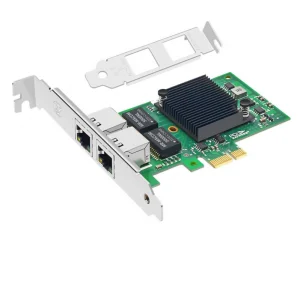
Incorporating dedicated hardware controllers, such as PCIe SAS/SATA standard RAID cards with out-of-band management interfaces. These systems coordinate multi-disk parity calculations (RAID 0, 1, 5, 6, 10), ensuring immediate read continuity even in the event of active drive failures.
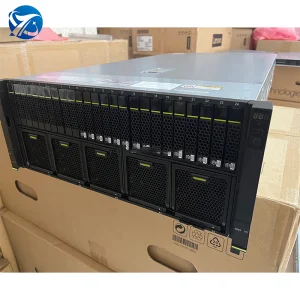
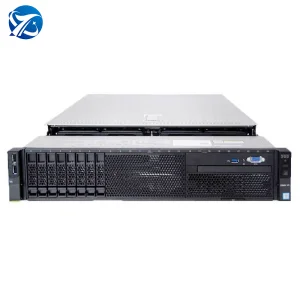
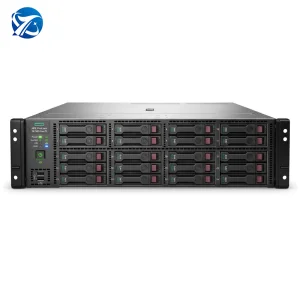
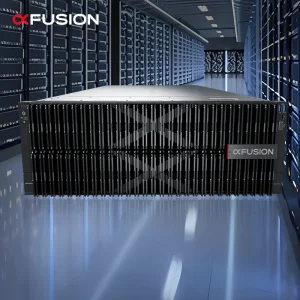
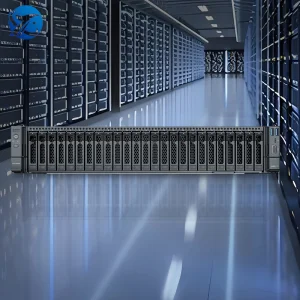
Consolidating regional storage into hybrid NAS systems and backup-optimized dedicated racks. Servers like the FusionServer 5288 V5 or xFusion 2U storage platforms are engineered to function as local cloud targets, syncing data arrays to distributed networks off-site.
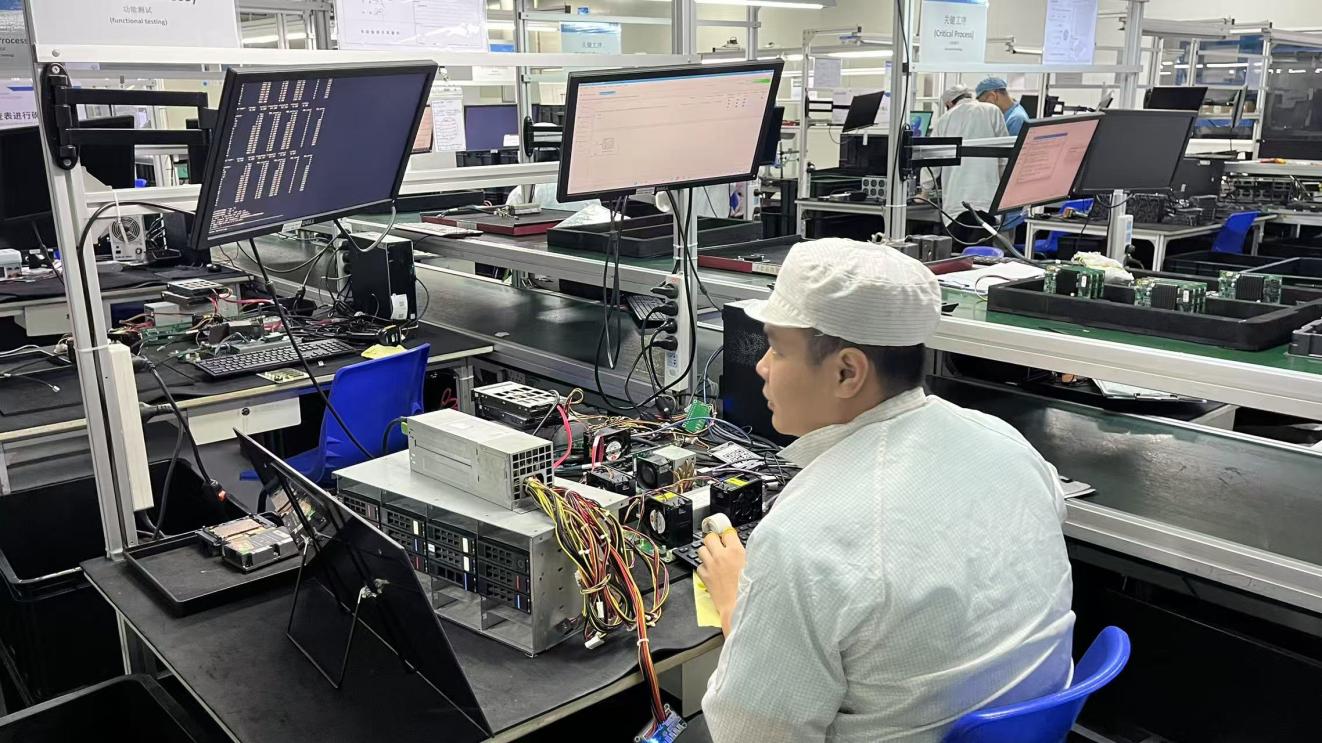
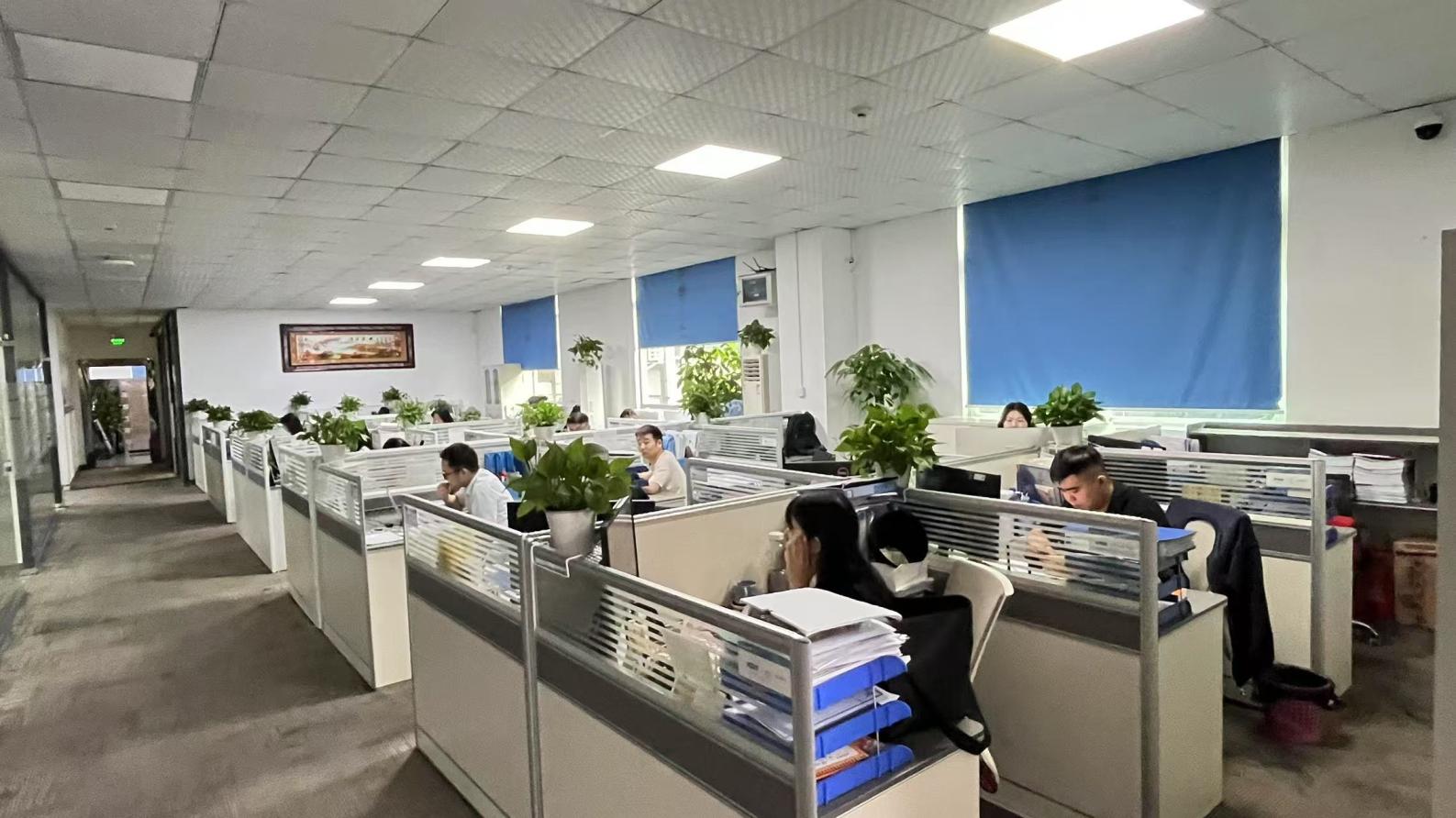
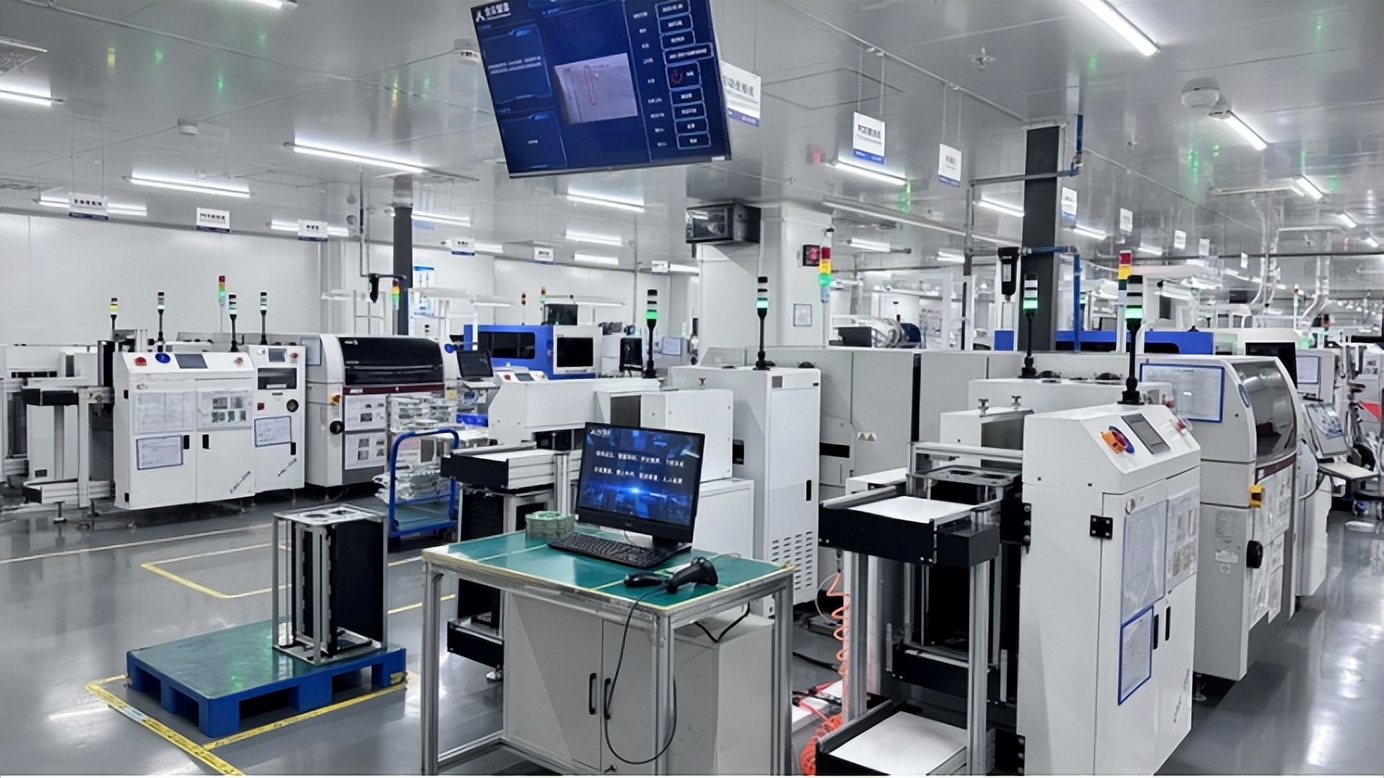
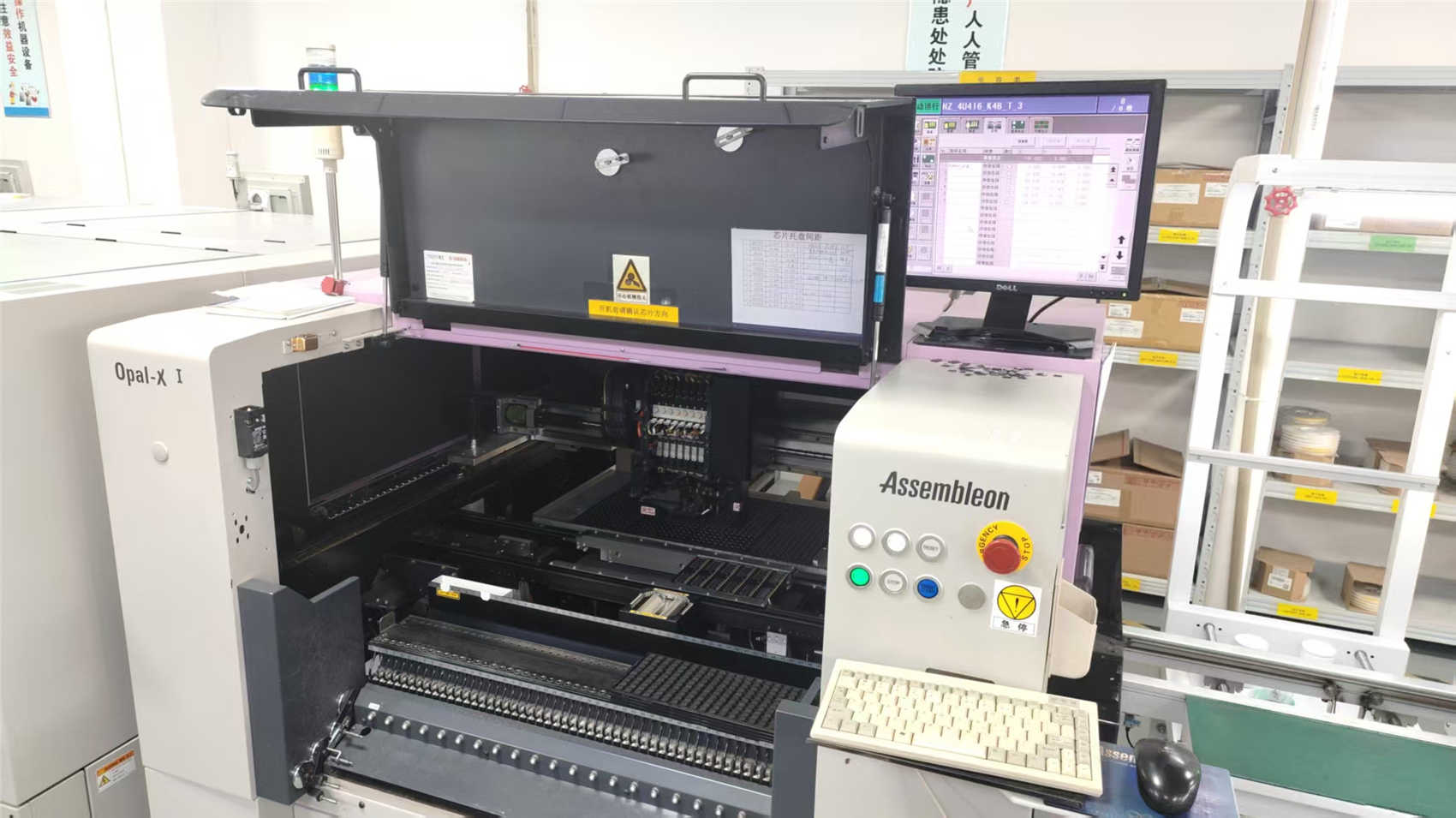
Founded in 2017, Korvion Technology Co., Ltd. is a professional manufacturer and solution provider specializing in AI GPU servers, high-performance computing (HPC) systems, GPU clusters, and data center infrastructure solutions. Headquartered in Shenzhen, China, the company operates a modern production facility covering 385 square meters and serves customers worldwide with reliable, scalable, and customized computing platforms.
Quality is at the core of our operations. Korvion implements a comprehensive ISO 9001-based quality management system, supported by a dedicated team of 56 quality control professionals. Every product undergoes rigorous inspection procedures, including incoming material inspection, functional testing, burn-in testing, thermal performance verification, system stability validation, and final shipment inspection, ensuring dependable performance in mission-critical environments.
Innovation drives our growth. Our R&D department consists of 128 experienced engineers specializing in server architecture, thermal design, AI computing optimization, and customized hardware integration. Last year alone, Korvion introduced 86 new products and solution upgrades, helping customers stay competitive in the evolving AI infrastructure market.
We offer comprehensive OEM and ODM services, including chassis customization, branding, hardware configuration, rack integration, liquid cooling deployment, GPU cluster design, and turnkey AI infrastructure solutions. Our flexible customization capabilities allow customers to build solutions that precisely match their business and technical requirements.
Today, Korvion serves a diverse customer base, including AI startups, cloud service providers, system integrators, research institutions, universities, enterprise data centers, and GPU hosting companies across North America, Europe, Southeast Asia, the Middle East, and Latin America.
Exporting high-density server configurations requires strict adherence to international regulatory standards and data governance frameworks. Korvion's data storage architectures are constructed to align with global security requirements, ensuring trouble-free integration within highly-regulated sectors like healthcare, finance, and cloud computing.
Our server hardware designs comply with CE, FCC, RoHS, and local environmental and energy-efficiency standards, easing customs processing and system integration across global regions.
Support for TPM 2.0 (Trusted Platform Modules) and self-encrypting drives (SED) ensures security compliance, shielding sensitive local storage nodes from hardware-level infiltration.
Direct assistance via our Shenzhen-based R&D department offers enterprise clients configuration support, custom BIOS adaptations, and prompt replacement part dispatching.
Integrating direct machine learning modules inside system bios levels to predict flash storage fatigue before catastrophic sector failures take place.
As data processing centers adapt to rapid model training computations (such as deep learning and neural network training operations), standard bus speeds can restrict data restoration rates. Korvion is actively positioning its hardware lineup to integrate new industry technologies:
Our systems feature comprehensive hardware protection, including dual-redundant power supplies (CRPS), server-level RAID cards with supercapacitor cache protection, multi-speed PWM fans for precise temperature regulation, and high-performance PCIe NVMe drives with built-in power-loss protection (PLP) circuitry.
Enterprise hardware platforms utilizing SAS3808 or comparable RAID controller cards configuration options enable online replacement of faulty hard disk drives. When a drive failure is detected, the card executes hot-spare disk reconstruction in the background without shutting down the server system.
Yes, as a specialized OEM/ODM hardware factory, Korvion maintains stock arrays of processors, memory boards, solid-state drives, system power modules, and controller cards for up to five years post-production, facilitating quick resolution of legacy server component failures.
Our NVMe SSD modules (such as the EP600 Series) are rated for high DWPD (Drive Writes Per Day) and are backed by a comprehensive warranty. Under standard data center operating temperatures, these storage drives offer a typical operational life of 3 to 5 years under constant read-write cycles.
Yes. Through our technical OEM/ODM server design service, we can pre-configure RAID groups, load customer-provided firmware versions, set specific power management profiles, and establish virtualization parameters prior to dispatch.