Korvion
Korvion
Korvion
Select hardware platforms optimized for containerized workflows, deep learning clusters, and high-performance computing datacenters.
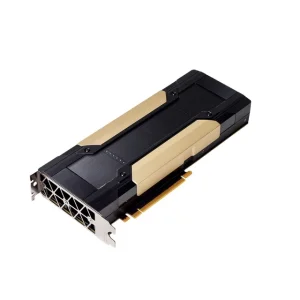
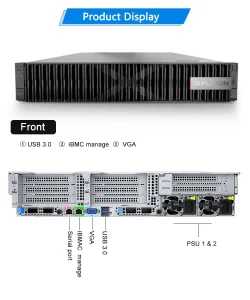
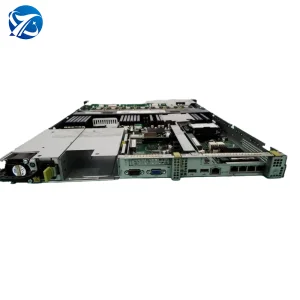
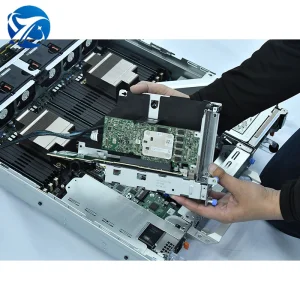
Modern workloads have moved decisively past general-purpose CPU processing. With the advent of Large Language Models (LLMs), such as DeepSeek-R1 (671B parametrics) and LLaMA-3, computing infrastructures demand a fundamental paradigm shift. High-Performance GPU Accelerators have emerged as the foundational layer of this new paradigm. By deploying hundreds of tensor cores in parallel, these accelerators handle dense matrix multiplications with several orders of magnitude more thermal and power efficiency than legacy CPU clusters.
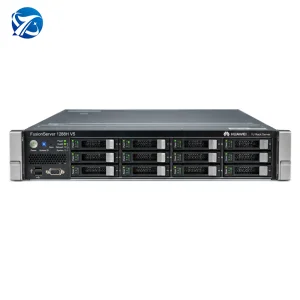
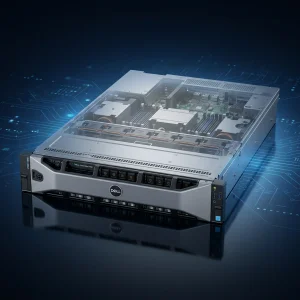
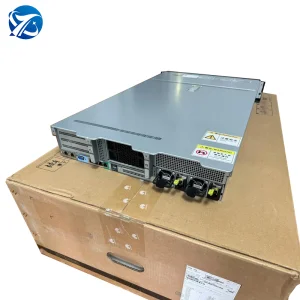
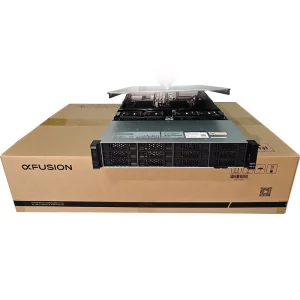
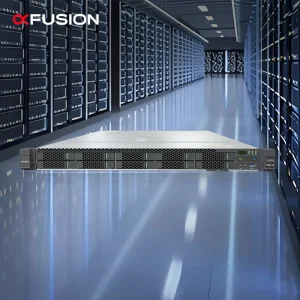
As standard enterprise data centers modernize, the deployment of heterogeneous architectures becomes critical. Leveraging GPU platforms, such as the PCIe V100 32GB GPU or high-density rack setups (like the xFusion Fusion 2288H V7 and Dell R760 AI servers), enables companies to balance raw processing throughput with system thermal envelopes. The critical metrics governing modern GPU selection are no longer restricted to FLOPS; system engineers evaluate aggregate memory bandwidth, inter-GPU bus speeds (e.g., PCIe Gen 5, NVLink, and RoCE v2 networks), and software ecosystem maturity, specifically compatibility with container systems and virtualized GPU partitions.
While SXM (Server System Infrastructure Open Accelerator Module) form factors offer maximum thermal limits and ultra-fast direct peer-to-peer communication, PCIe-based GPU Accelerators remain the dominant standard for customizable deployments. PCIe form factors allow enterprises to retrofit existing server cages, scale density incrementally, and control procurement overhead. This makes solutions like the V100 PCIe 32GB highly viable for targeted inference workloads and localized deep learning clusters.
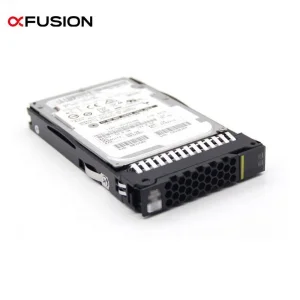
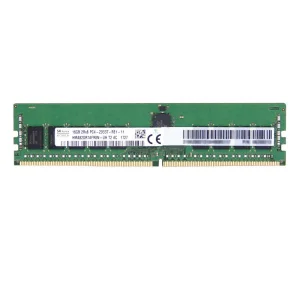
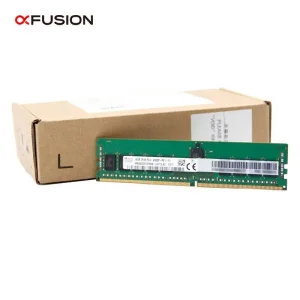
To run large models like DeepSeek-R1, hardware teams must look beyond the accelerator itself. Balanced IO pipelines require high-bandwidth host memories, such as DDR4 and DDR5 RDIMM ECC Server RAM, to keep the GPU pipeline fed. Inadequate system memory results in memory throttling, where expensive GPU cores remain idle waiting for host data. Additionally, high-speed storage configurations, utilizing SE005 series Read-Intensive NVMe/SATA SSDs, prevent write queues from becoming bottleneck points during checkpoint saving phases in deep training runs.
The supply density of the Shenzhen hardware cluster provides a distinct margin and technological edge for global enterprise buyers.
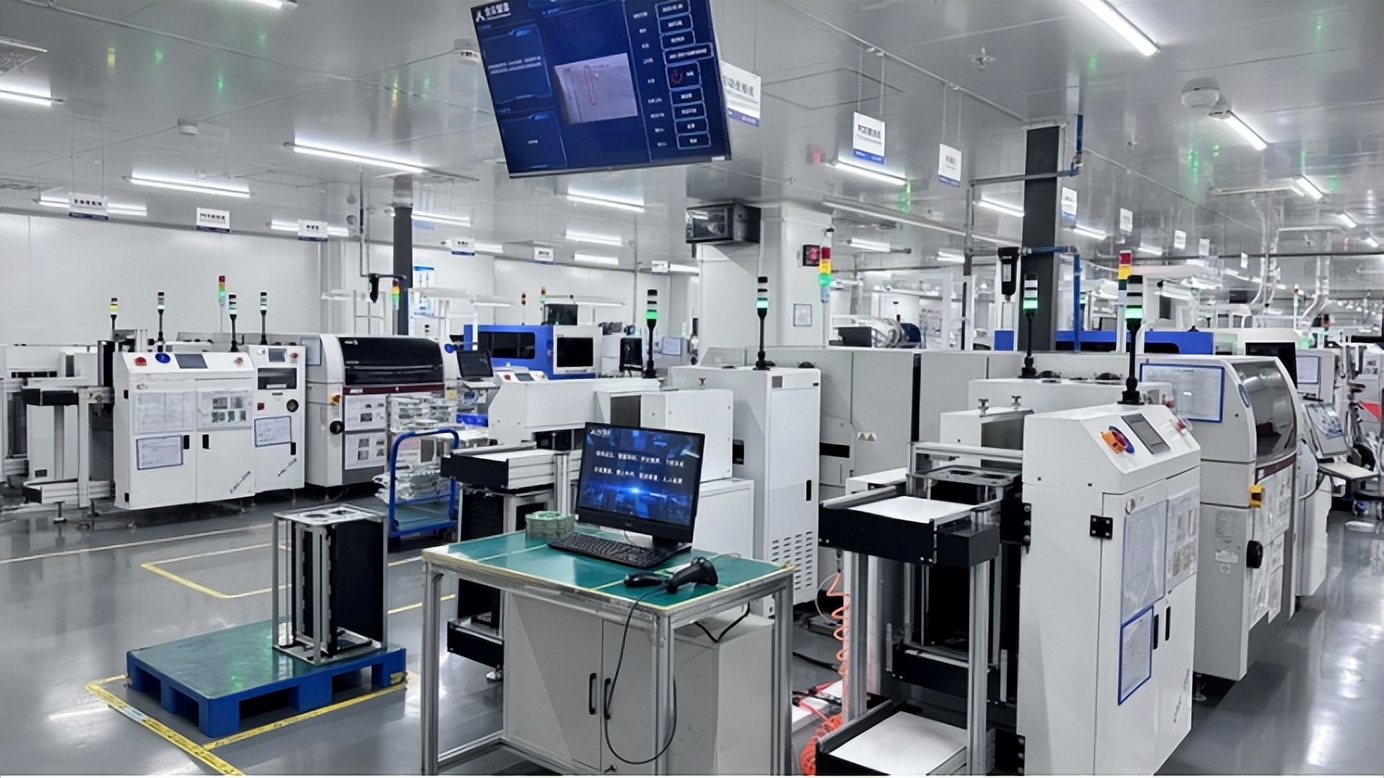
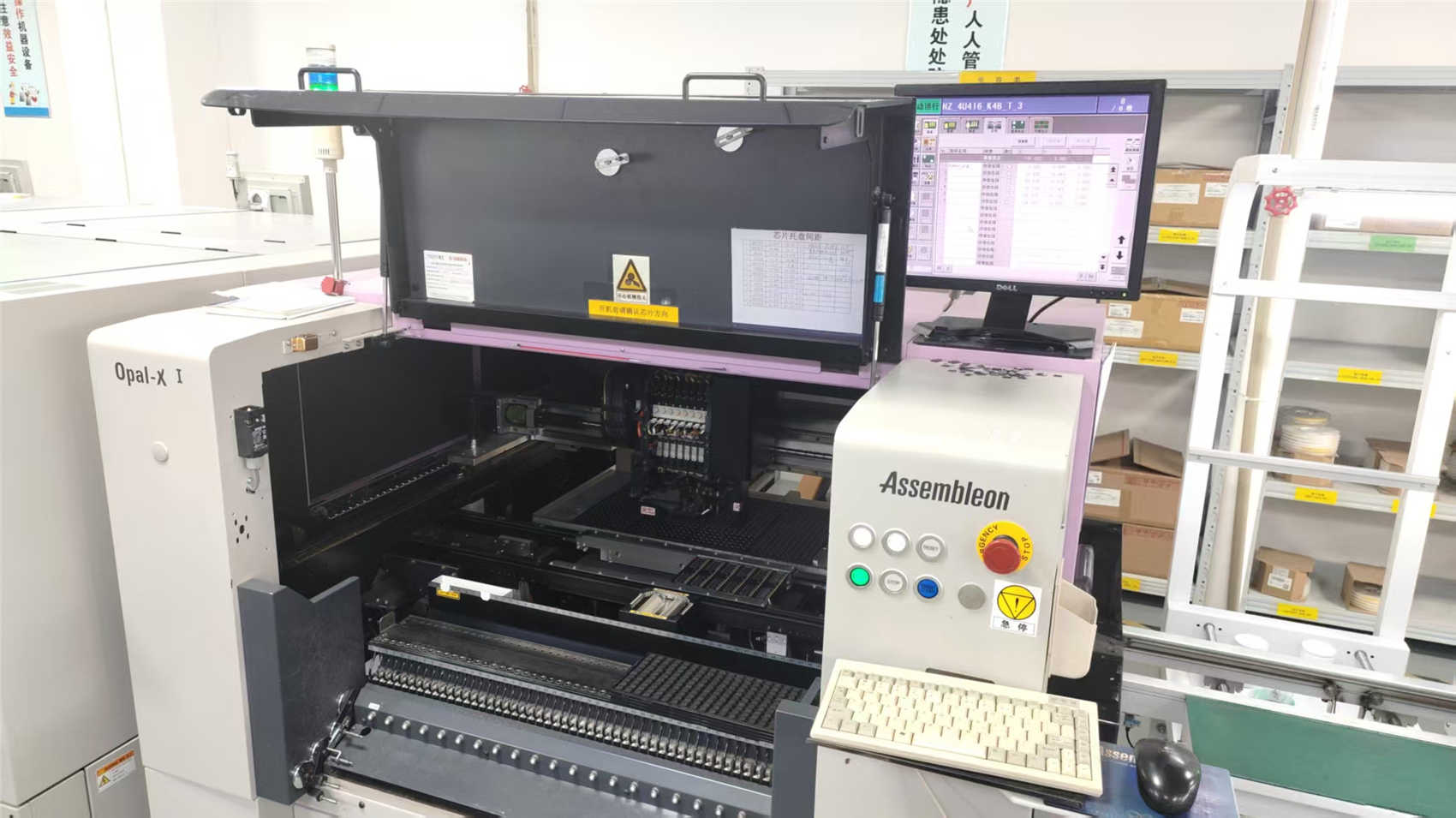
By leveraging an ecosystem of over 1,250 supply chain partners, manufacturers in Shenzhen can secure components, custom copper heat sinks, power distribution boards (PDBs), and custom chassis mounts with minimal lag. This eliminates international supply line bottlenecks and ensures short lead times for high-density servers.
Global data centers rarely rely on stock configurations. Our engineering teams perform board-level tuning, BIOS microcode optimization, and physical rack optimization. This ensures that memory matrices, such as DDR4/DDR5 pools, function at target clock rates with minimal latency spikes under peak load.
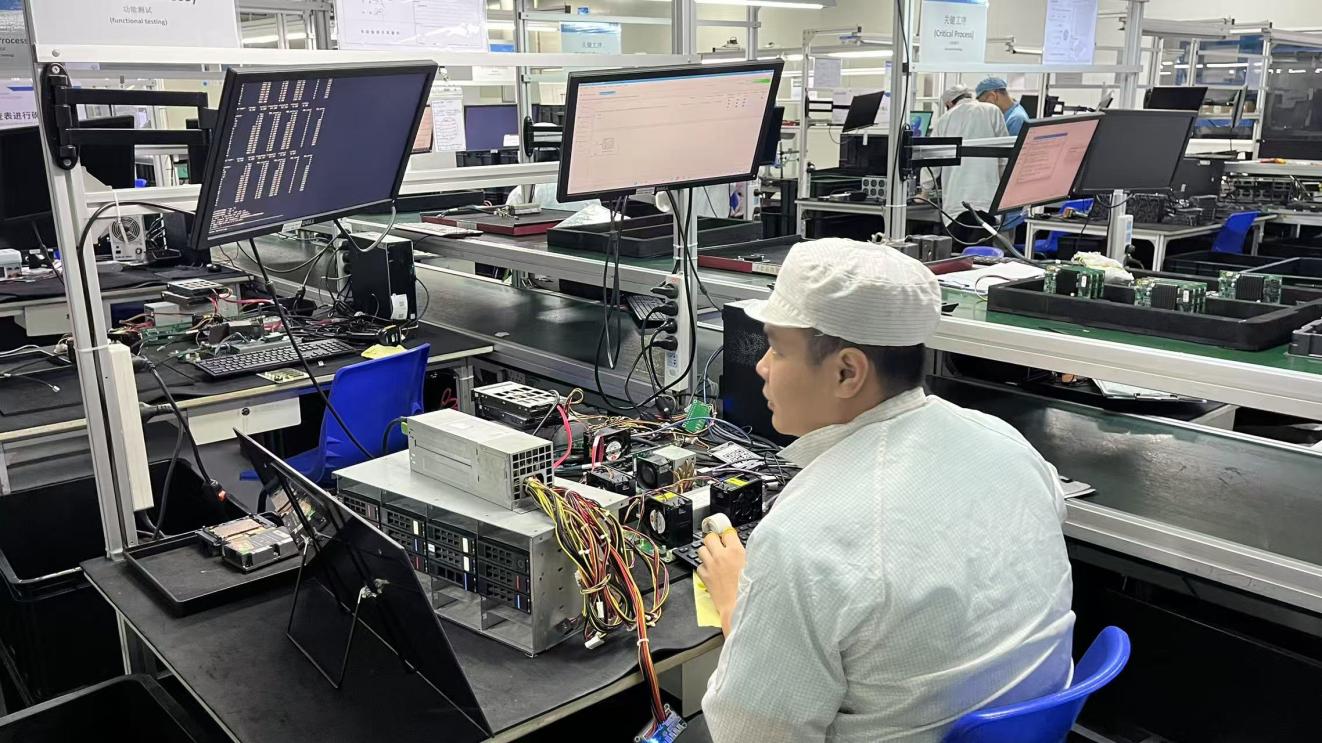
Thermal stability is the primary failure vector in high-density GPU nodes. Our manufacturing lines run extensive system validations. This includes multi-day burn-in phases under simulated maximum load, liquid cooling manifold verification, and thermal boundary checks to guarantee high operational reliability.
Verified operations infrastructure and supply networks powering custom GPU servers and system integration projects globally.
The accelerated computing market is undergoing massive structural changes. As AI models scale from billions to trillions of parameters, several engineering bottlenecks have moved to the forefront of server design:
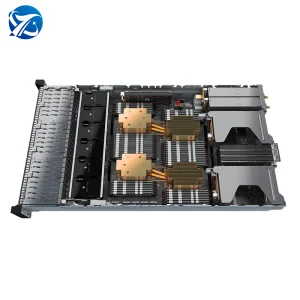
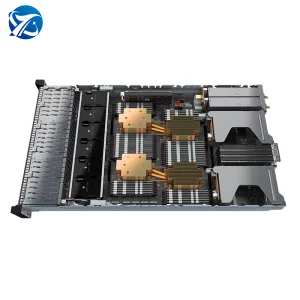
Modern GPU accelerators frequently run at high Thermal Design Power (TDP), pushing the physical limits of traditional air cooling loops. Direct-to-Chip (D2C) liquid cooling manifolds and full immersion cooling systems are transitioning from experimental deployments to standard production models. Liquid-to-air heat exchangers integrated directly into 2U and 4U chassis (like the 2288H V7 and 2488H V6 architectures) enable higher GPU clustering densities without thermal throttling.
Data transmission between nodes is often the main performance ceiling during large training tasks. To maintain high data throughput, systems are shifting to ultra-fast networking configurations using Remote Direct Memory Access (RDMA) over Converged Ethernet (RoCE v2) and InfiniBand. This enables direct memory transfer between GPU nodes, minimizing CPU overhead and network latency during distributed compute cycles.
To maximize resource utilization, enterprise clouds are adopting vGPU technologies to partition physical accelerators into multiple virtual instances. A physical card can be segmented to support concurrent workloads—such as running low-latency inference endpoints on one partition while executing general containerized jobs on another. This approach optimizes hardware ROI and energy consumption.
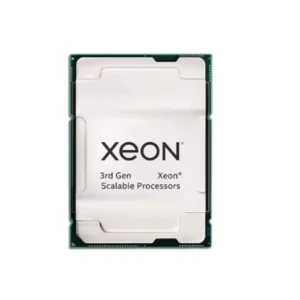
Running highly optimized inference for massive models like DeepSeek R1 requires multi-node clusters with high memory bandwidth. Sourcing servers equipped with modern multi-socket Intel Xeon Gold/Platinum or high-end processors, combined with high-capacity DDR5 64GB RDIMMs and fast PCIe NVMe storage arrays, ensures sufficient throughput to avoid latency bottlenecks during execution.
Founded in 2017, Korvion Technology Co., Ltd. is a professional manufacturer and solution provider specializing in AI GPU servers, high-performance computing (HPC) systems, GPU clusters, and data center infrastructure solutions. Headquartered in Shenzhen, China, the company operates a modern production facility covering 385 square meters and serves customers worldwide with reliable, scalable, and customized computing platforms.
With over 9 years of export experience and 15 years of industry expertise, Korvion has established a strong reputation for delivering advanced computing solutions tailored to the rapidly growing artificial intelligence, machine learning, cloud computing, and enterprise data center sectors.
Our annual export revenue exceeds USD 18 million, supported by a robust global supply network of more than 1,250 supply chain partners. We work closely with leading component suppliers to ensure stable product quality, competitive pricing, and timely delivery.
Quality is at the core of our operations. Korvion implements a comprehensive ISO 9001-based quality management system, supported by a dedicated team of 56 quality control professionals. Every product undergoes rigorous inspection procedures, including incoming material inspection, functional testing, burn-in testing, thermal performance verification, system stability validation, and final shipment inspection, ensuring dependable performance in mission-critical environments.
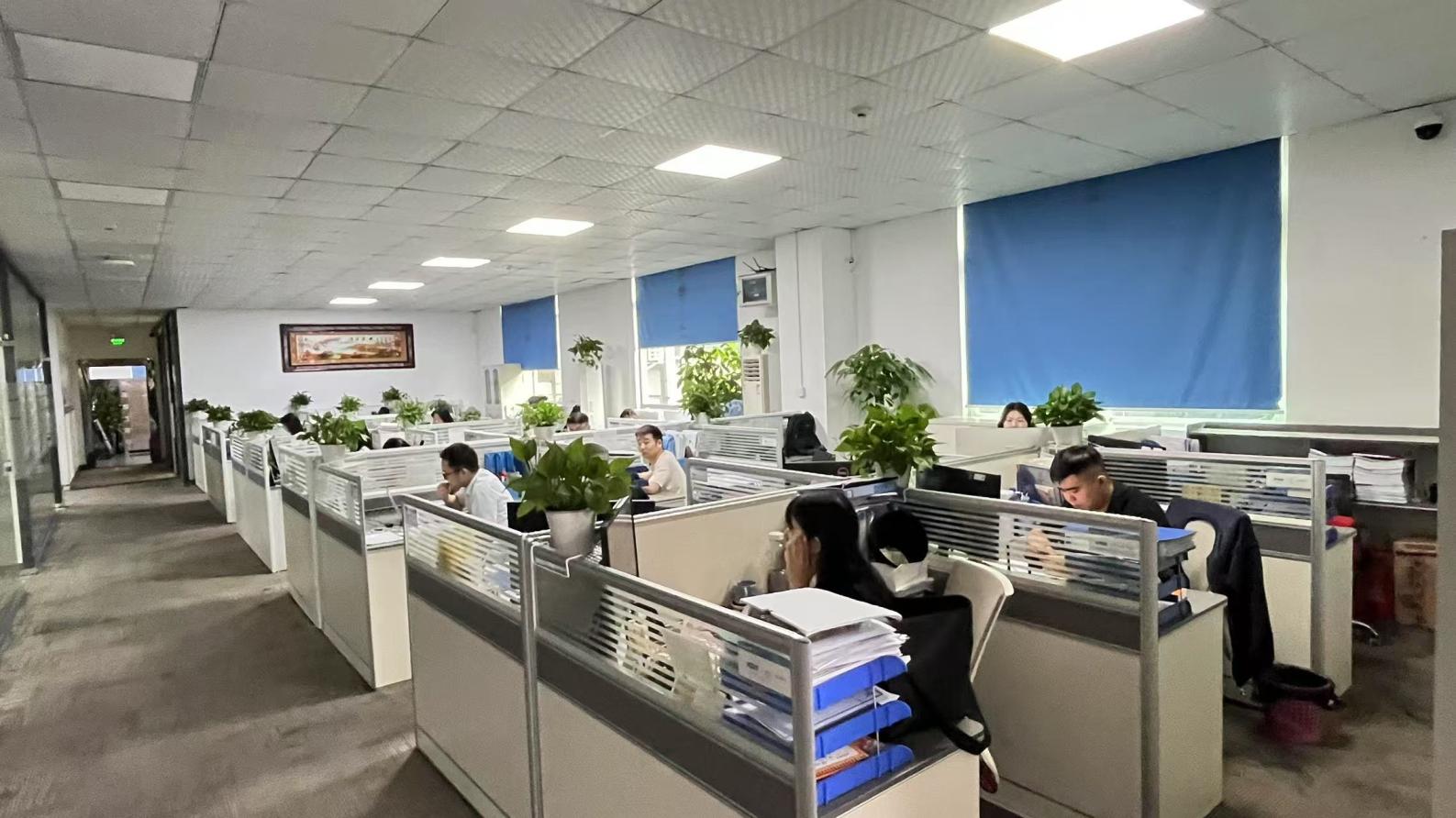
Innovation drives our growth. Our R&D department consists of 128 experienced engineers specializing in server architecture, thermal design, AI computing optimization, and customized hardware integration. Last year alone, Korvion introduced 86 new products and solution upgrades, helping customers stay competitive in the evolving AI infrastructure market.
We offer comprehensive OEM and ODM services, including chassis customization, branding, hardware configuration, rack integration, liquid cooling deployment, GPU cluster design, and turnkey AI infrastructure solutions. Our flexible customization capabilities allow customers to build solutions that precisely match their business and technical requirements.
Today, Korvion serves a diverse customer base, including AI startups, cloud service providers, system integrators, research institutions, universities, enterprise data centers, and GPU hosting companies across North America, Europe, Southeast Asia, the Middle East, and Latin America.
Key technical considerations and procurement workflows for global infrastructure leads and datacenter buyers.
We build our systems to comply with EIA-310 standards, ensuring compatibility with standard 19-inch server racks. During the design phase, our engineers verify power distribution requirements (AC/DC configurations, input voltage ranges, PDU plug configurations) and rail kit specs to ensure smooth integration into existing datacenter setups.
Every system undergoes a multi-phase testing process: incoming component screening (IQC), physical assembly validation, followed by a continuous 24-to-72 hour hardware burn-in phase. We run high-stress compute loads (such as CUDA matrix operations and prime number computations) while monitoring thermal limits and power consumption to filter out potential component failures before shipping.
Used GPU configurations, such as the V100 PCIe 32GB, offer a cost-effective alternative for inference tasks, model deployment testing, and academic research. They deliver solid double-precision computing performance at a fraction of the cost of new-generation enterprise cards. This helps lower barriers to entry for startups and R&D groups managing tight budgets.
Our customization options extend from physical modifications—such as custom rack handles, custom-designed chassis, and optimized fan arrays—to deep system integrations. These include tailored BIOS settings for specific hypervisors, custom power limits, and pre-integrated container runtimes. This ensures that the hardware arrives ready for immediate cluster deployment.
By maintaining close partnerships with over 1,250 upstream suppliers in the Shenzhen region, we keep a buffer stock of key server components (including power supply units, controller cards, thermal heat sinks, and server chassis). This local network allows us to quickly source components and scale production, minimizing the impact of global supply line disruptions.
We stand behind our builds with standard warranty coverage. This includes remote diagnostics, fast replacement parts dispatch, and direct access to our core systems engineering team for BIOS upgrades, hardware troubleshooting, and cluster expansion planning.
Reliable server components and high-density computing platforms configured for virtualization, data storage, and scalable AI workloads.