Korvion
Korvion
Korvion
In the era of decentralized operations and hybrid cloud structures, Virtual Desktop Infrastructure (VDI) has transitioned from a utility tool for remote access to a fundamental architectural design for enterprise data security and centralized management. Modern VDI technology decouples the desktop environment from the physical device, hosting operating systems and applications on centralized bare-metal servers. This shifts the computational, memory, and storage resource loads from local user endpoints directly onto high-density rack servers situated in centralized data centers or private cloud facilities.
Globally, the demand for enterprise desktop virtualization is scaling exponentially. According to market research, the global VDI market size is projected to expand significantly, driven by corporate cybersecurity initiatives, regulatory compliance frameworks (such as GDPR, HIPAA, and PCI-DSS), and the global shift toward flexible workplace arrangements. Enterprises no longer view VDI as a mere virtualization layer; it is treated as a core data protection mechanism that prevents local data leakage, simplifies patch management, and drastically reduces the Total Cost of Ownership (TCO) at the terminal management level.
Crucially, the performance footprint of VDI has evolved. While early VDI setups were limited to simple office productivity software, contemporary VDI configurations regularly handle complex AI deep learning processing, 3D CAD modeling, high-frequency financial modeling, and 4K stream decoding. Consequently, hosting modern virtual workloads demands underlying hardware capable of handling high I/O throughput, high memory bandwidth, and compute-dense architectures. This paradigm shift requires specialized server configurations, featuring optimized processor nodes, massive enterprise SSD storage capacities, and high-density RAM modules.
Designing hardware for VDI environments requires balancing different computational priorities. Unlike typical server workloads that favor single-threaded performance or sustained multi-threaded rendering, VDI is a highly volatile, highly concurrent environment. To prevent desktop lag, bottlenecks, and user complaints, systemic bottlenecks must be eliminated at the silicon and physical storage layers:
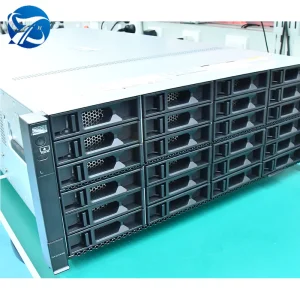
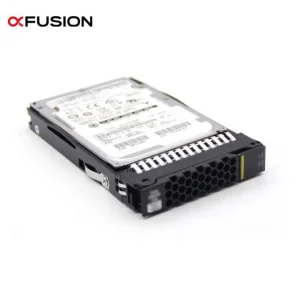
During "boot storms" (when hundreds of virtual desktops boot simultaneously at the start of a shift), read IOPS demand spikes. Standard storage arrays will crash under this weight. Solid-state drives utilizing enterprise-grade SATA or NVMe channels (like the S4520 or PM893 series) are critical to delivering persistent sub-millisecond response times, preventing latency spikes that freeze active user sessions.
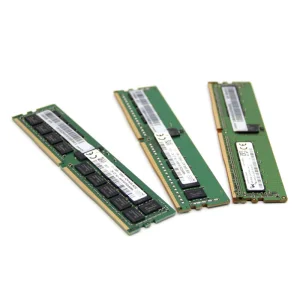
Operating hypervisors allocate dedicated slices of memory to each running virtual desktop. To maximize VM density per node, servers must be populated with high-speed, high-density system memory. Utilizing dual-rank, high-capacity DDR4 RDIMM modules (such as XFusion 32GB/64GB RAM running at 3200MHz) ensures stable memory allocation with Error-Correcting Code (ECC) capabilities to prevent system-wide memory faults.
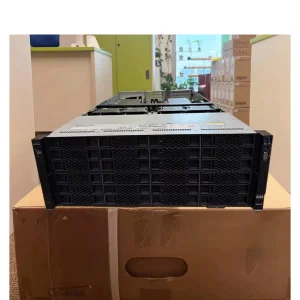
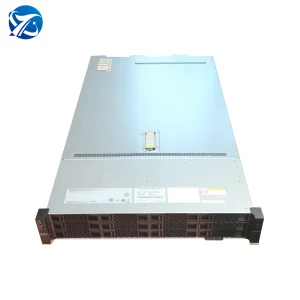
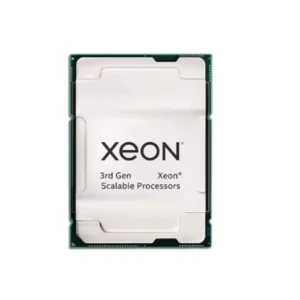
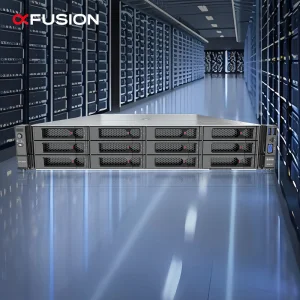
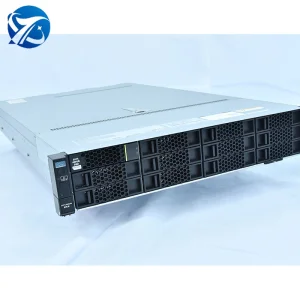
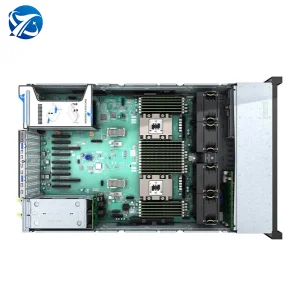
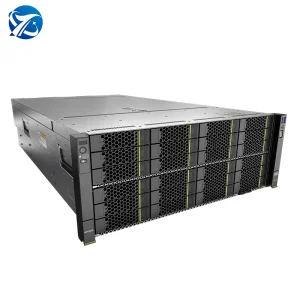
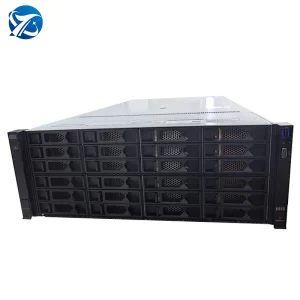
VDI host systems depend on high core counts to distribute vCPUs efficiently. Dual-socket rack servers (such as the FusionServer 2288H V6 or the high-capacity quad-socket 2488H V5) are engineered to support scalable multi-core Xeon processors, allocating physical computing threads to virtual machines without overcommitting cpu cycles.
Modern application interfaces rely on hardware-accelerated graphic engines. Deploying dedicated AI and GPU deep learning hardware nodes in a 2U or 4U rack format allows companies to leverage vGPU profiles. This enables heavy 3D rendering, CAD execution, and neural network modeling to run seamlessly in a virtual environment.
As global hardware demands migrate toward high-density computing platforms, the concentration of supply chain partners, raw material access, and mechanical engineering talent has made Shenzhen the world's capital for server manufacturing. Within this ecosystem, Korvion Technology Co., Ltd. (founded in 2017) has established itself as an innovative hardware force, engineering specialized system solutions that serve as the foundation of modern Virtual Desktop Infrastructures.
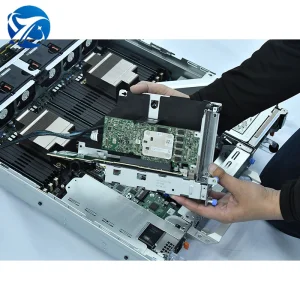
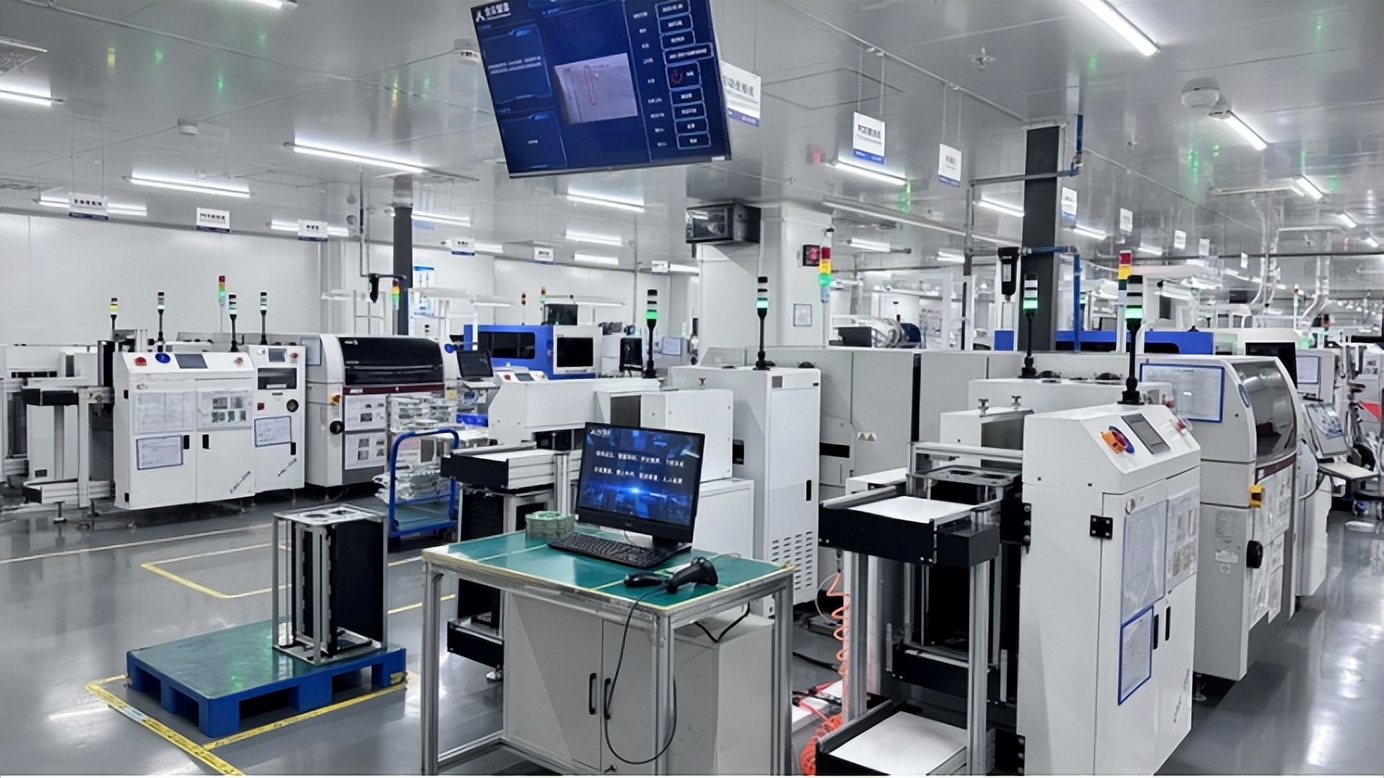
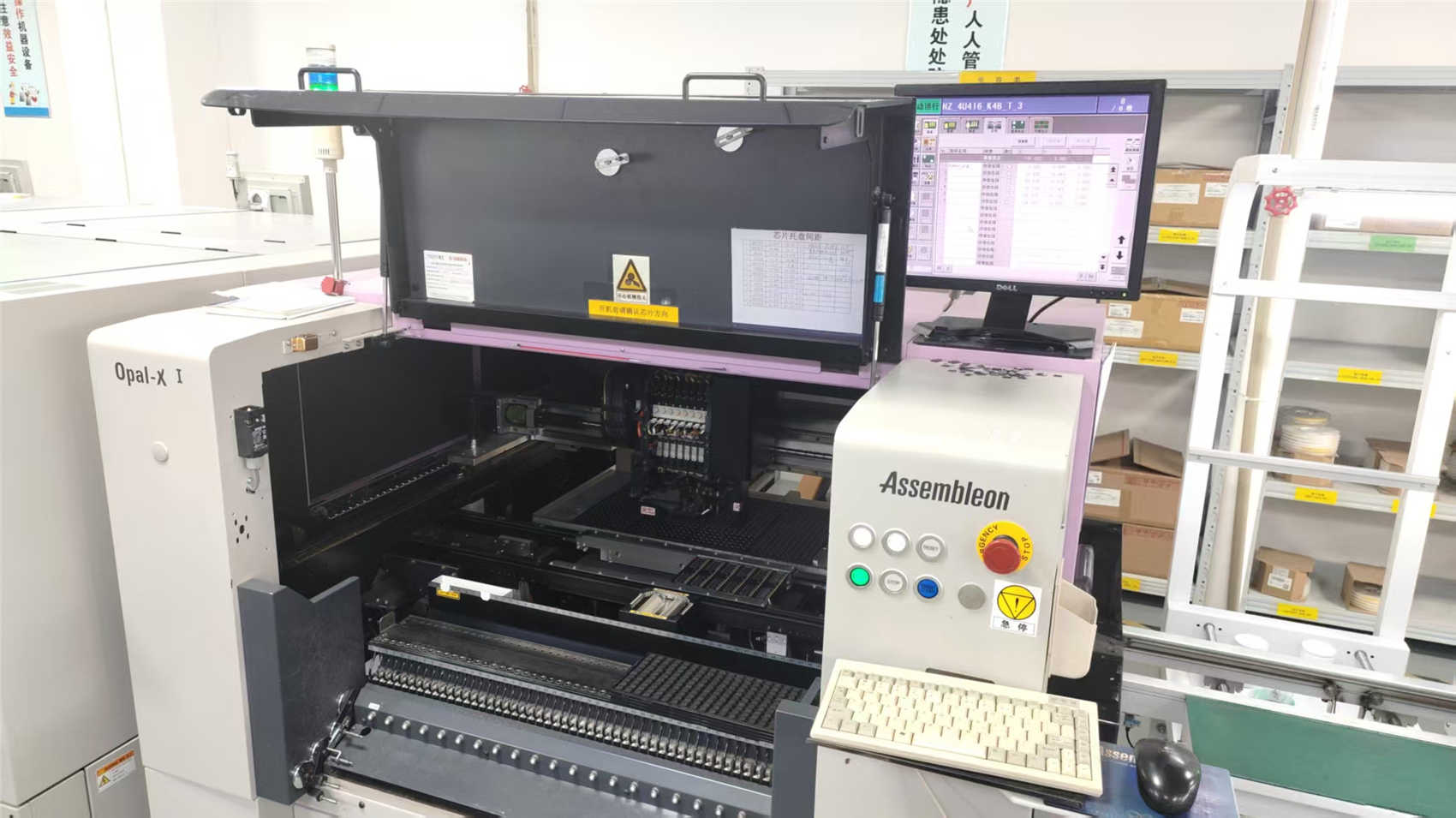
Korvion specializes in compiling custom AI GPU servers, HPC environments, storage arrays, and complete virtualization host server nodes. Our modern facility, supported by a network of over 1,250 supply chain partners, provides the rapid deployment, precise layout configuration, and component validation processes required to build custom-tailored VDI systems at scale.
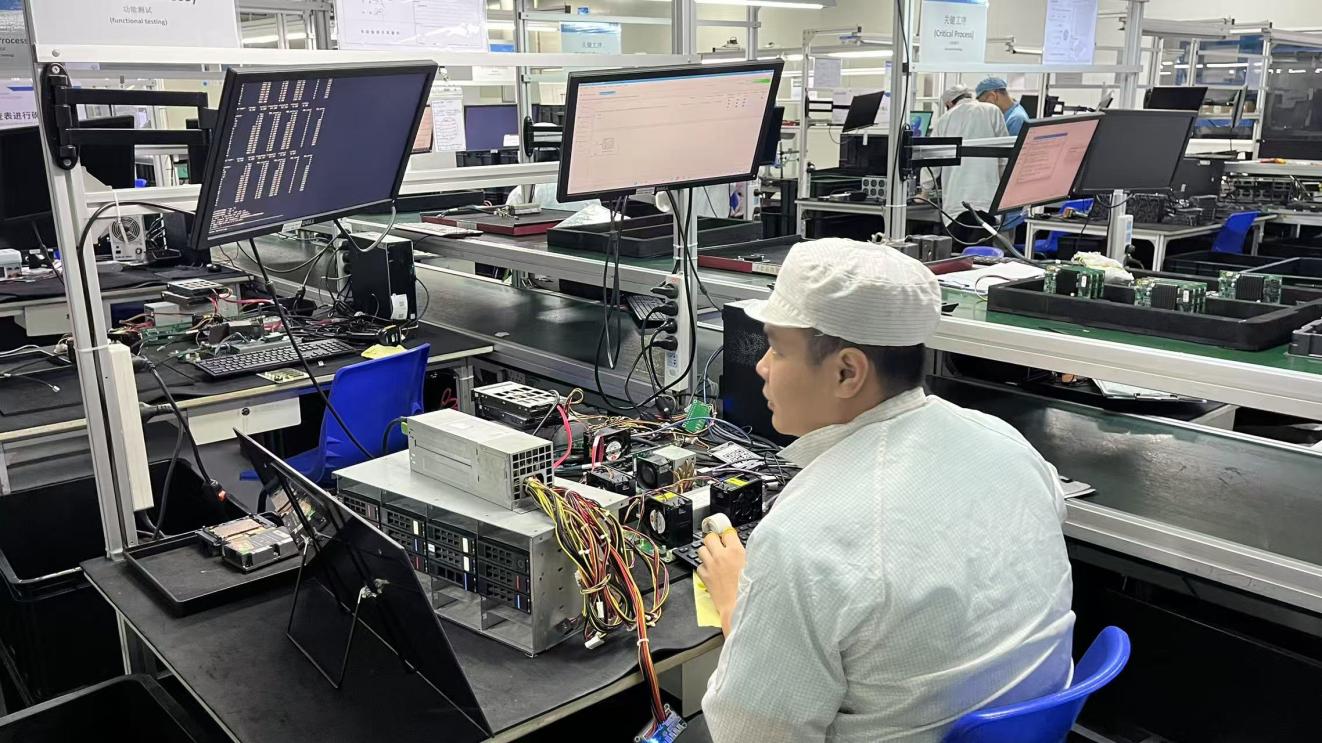
Every step of our process—from thermal simulation design of 2U chassis to multi-socket computational verification and enterprise SSD burn-in cycles—is aligned with our strict commitment to quality. Our active engineering and design divisions are continuously developing performance upgrades, ensuring that whether you deploy a private cloud, an education terminal network, or a secure financial workspace, your backend compute remains stable under load.

Virtual Desktop Infrastructure is not a one-size-fits-all product. Different industrial sectors place unique demands on storage protocols, network capacity, and processing power. Korvion's server hardware configurations are designed to optimize performance for these specific use cases:
Financial institutions manage highly confidential transaction records, customer accounts, and proprietary trading models. By deploying a centralized VDI model using dual-socket FusionServer 2288H V5 racks paired with high-performance PM893 enterprise SSDs, financial institutions can run thousands of isolated terminal interfaces without storing any data locally on endpoint client devices. This architecture helps mitigate cybersecurity risks, eliminates endpoint data leaks, and simplifies regulatory auditing processes.
Modern manufacturing facilities use VDI environments to share live telemetry data, design blueprints, and ERP software with operators on the factory floor. These setups require highly reliable compute platforms to support high-fidelity 3D modeling and rendering software. By utilizing AI GPU Rack Servers configured with virtualized graphics processors, engineers can run heavy CAD programs remotely on simple thin-client terminals directly from the factory floor.
University computer labs must adapt quickly to support a wide range of academic courses, from basic programming to complex graphic design. A VDI environment allows administrators to reset, reconfigure, and deploy custom software images across hundreds of terminal screens in seconds. Using high-density memory nodes, such as DDR4 RAM modules, VDI hosts can maintain consistent processing speeds for all students, even during peak class times.
Modern digital healthcare systems require medical staff to access high-resolution diagnostic images (like PACS data) and electronic health records quickly and securely. Implementing VDI networks backed by server systems with redundant heat pipe cooling and high-IOPS storage architectures ensures doctors and nurses can retrieve patient files instantly from any terminal in the facility, improving care delivery.
The future of Virtual Desktop Infrastructure is closely aligned with advancements in AI workloads, edge computing, and green energy management. Hardware manufacturers must continually evolve to meet these technological trends:
As generative AI, large language models (LLMs), and semantic search tools integrate into daily business workflows, VDI hosts must handle more than standard office software. Modern virtualized environments will need to support real-time, on-device AI assistants, voice-to-text systems, and local image generation. This requires VDI servers to integrate powerful GPU acceleration, shifting the standard CPU-heavy configuration toward heterogenous GPU-CPU compute platforms like the FusionServer G5500 V6.
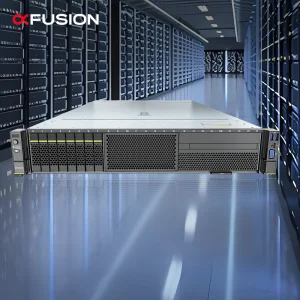
Traditional VDI architectures separated compute nodes, storage arrays, and network switches. The modern trend is toward Hyper-Converged Infrastructure, where compute, storage, and networking are integrated into a single, scalable appliance. This approach simplifies installation, reduces cabling complexity, and provides predictable scaling. By using high-density 2U servers equipped with Xeon processors (like the 2258 V7) and fast SATA/NVMe storage, enterprises can scale their VDI setups simply by adding more server nodes.
High-density server configurations generate significant heat, which can lead to thermal throttling and hardware degradation. To maintain system performance, manufacturers are adopting advanced thermal management designs, including multi-channel heat sinks, custom-designed chassis air ducts, and liquid cooling plates. These cooling innovations help keep high-capacity CPUs and GPUs operating at optimal temperatures, reducing energy consumption and extending system lifespans.
Founded in 2017, Korvion Technology Co., Ltd. is a professional manufacturer and solution provider specializing in AI GPU servers, high-performance computing (HPC) systems, GPU clusters, and data center infrastructure solutions. Headquartered in Shenzhen, China, the company operates a modern production facility covering 385 square meters and serves customers worldwide with reliable, scalable, and customized computing platforms.
With over 9 years of export experience and 15 years of industry expertise, Korvion has established a strong reputation for delivering advanced computing solutions tailored to the rapidly growing artificial intelligence, machine learning, cloud computing, and enterprise data center sectors.
Our annual export revenue exceeds USD 18 million, supported by a robust global supply network of more than 1,250 supply chain partners. We work closely with leading component suppliers to ensure stable product quality, competitive pricing, and timely delivery.
Quality is at the core of our operations. Korvion implements a comprehensive ISO 9001-based quality management system, supported by a dedicated team of 56 quality control professionals. Every product undergoes rigorous inspection procedures, including incoming material inspection, functional testing, burn-in testing, thermal performance verification, system stability validation, and final shipment inspection, ensuring dependable performance in mission-critical environments.
Innovation drives our growth. Our R&D department consists of 128 experienced engineers specializing in server architecture, thermal design, AI computing optimization, and customized hardware integration. Last year alone, Korvion introduced 86 new products and solution upgrades, helping customers stay competitive in the evolving AI infrastructure market.
We offer comprehensive OEM and ODM services, including chassis customization, branding, hardware configuration, rack integration, liquid cooling deployment, GPU cluster design, and turnkey AI infrastructure solutions. Our flexible customization capabilities allow customers to build solutions that precisely match their business and technical requirements.
Today, Korvion serves a diverse customer base, including AI startups, cloud service providers, system integrators, research institutions, universities, enterprise data centers, and GPU hosting companies across North America, Europe, Southeast Asia, the Middle East, and Latin America. Guided by our commitment to quality, innovation, and customer success, we continue to empower organizations worldwide with cutting-edge AI computing infrastructure designed for the future of intelligent computing.