Korvion Korvion

China Wholesale Business Continuity Solutions Suppliers & Exporter

High-Availability Enterprise Servers, Redundant Storage Systems & Hardware-Level Failover Technologies for Global Digital Resilience

Global Enterprise Business Continuity Frameworks

Architecting fail-safe data pathways and uninterrupted compute topologies for the modern digital era.

Zero-Latency Data Replication

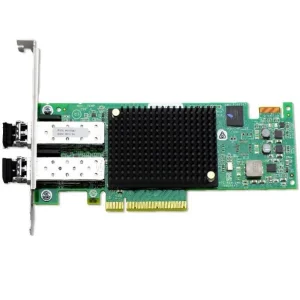
Utilizing high-speed Fibre Channel HBAs (e.g., Emulex 32Gb FC32) and SAS 12Gb/s infrastructures to ensure hot-standby nodes remain perfectly synchronized with master systems, guaranteeing a near-zero Recovery Point Objective (RPO).

Hardware-Level RAID Redundancy

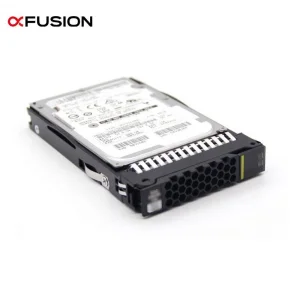
Implementation of next-generation PCIe Gen 4.0 Tri-Mode controllers to handle simultaneous NVMe/SAS/SATA arrays. Safeguards critical databases against dual-disk failures without experiencing degradation in write speeds.

Dynamic Workload Rescheduling

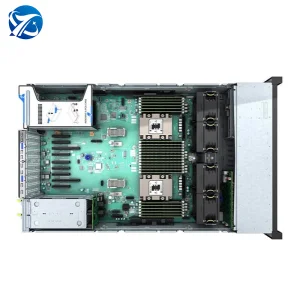
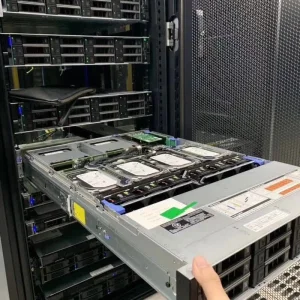
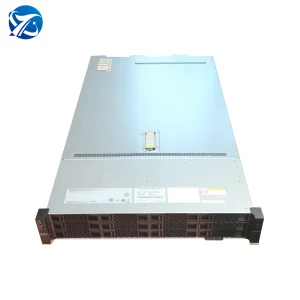
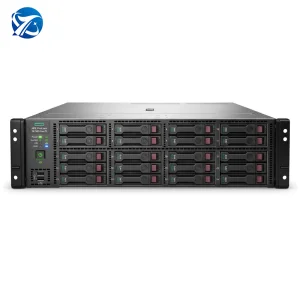
Leveraging high-capacity rack-mount systems (such as 1U/2U server platforms) paired with virtualization hypervisors to automatically migrate running virtual machines during localized hardware faults or thermal stress.

The Critical Imperative of Hardware-Centric Business Continuity

In the digital economy, enterprise downtime is measured in thousands of dollars per second. While software-defined resilience and cloud-first backups provide high-level abstractions, they ultimately depend on the physical layer. True business continuity begins at the metal: redundant energy systems, hot-swappable hard drives, robust caching mechanisms, and fast network links. Enterprise workloads require high-availability compute nodes that prevent data corruption during unexpected outages.

Understanding the Procurement Dynamics of Critical IT Infrastructure

When procurement officers, CTOs, and systems engineers scout for business continuity hardware, they balance capital expenditure (CapEx) against the potential costs of operational interruption. Securing reliable channels for server chassis, RAID array controllers, SSD caches, and host bus adapters (HBAs) is paramount. China has established itself as the premier manufacturing and customization hub for enterprise server building blocks. Through advanced economies of scale, strict compliance protocols, and deeply integrated semiconductor supply lines, Chinese exporters deliver high-tier computing solutions at accessible price-points.

Macro-Industry Solution Implementations

  • Banking & Financial Services: Financial institutions utilize real-time database mirroring across multi-tenant architectures. High-speed SAS HDDs, paired with enterprise-grade caching controllers (with integrated supercapacitors), prevent the loss of pending transactional registries during instantaneous power loss events.
  • Artificial Intelligence and LLM Development: Modern workloads running large-scale models require weeks of continuous computing. Interrupted jobs lead to lost progress. GPU-optimized multi-socket systems and fast NVMe cache storage prevent bottlenecks and keep training cycles uninterrupted.
  • Healthcare Data Systems: Electronic Health Record (EHR) databases demand zero-downtime, continuous replication. Virtualized cloud platforms running on redundant hardware systems facilitate concurrent data access and high system resilience.

About Korvion Technology Co., Ltd.

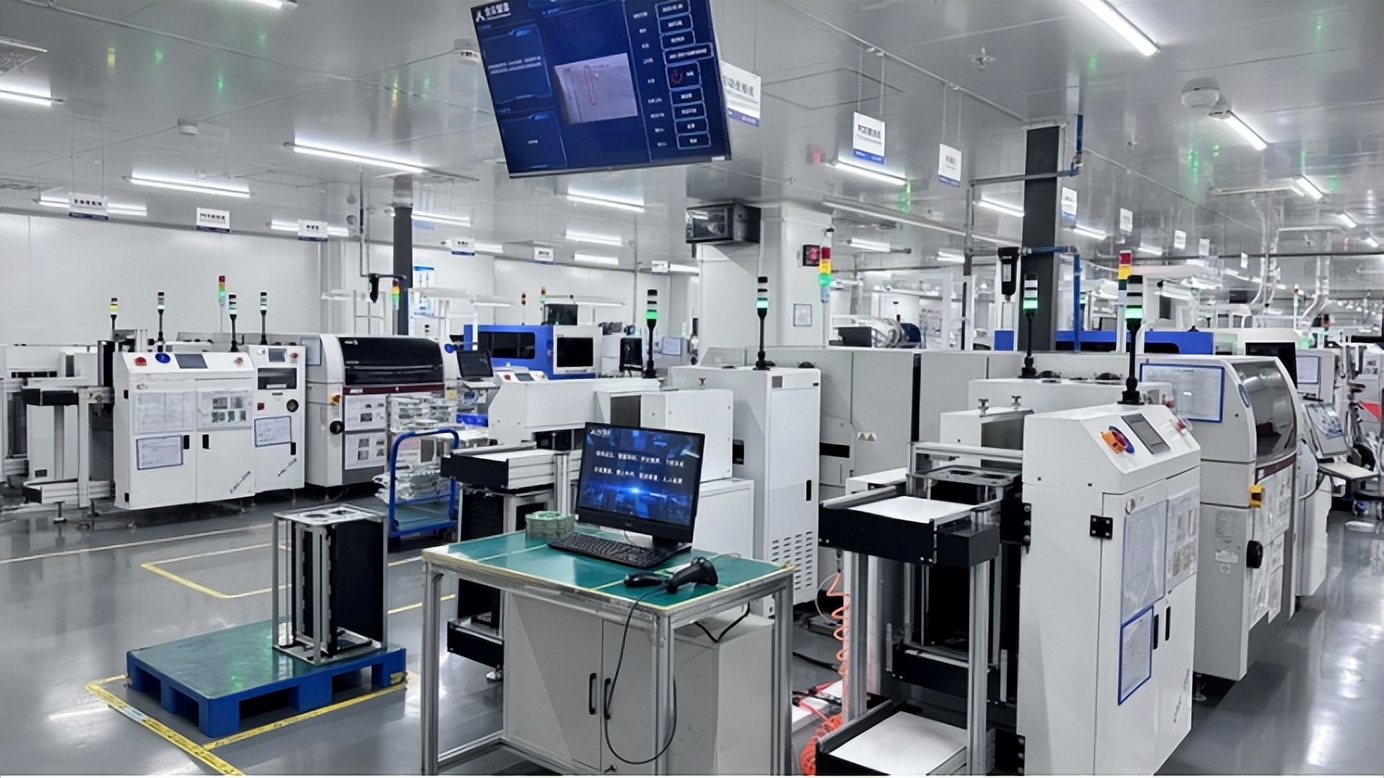
Founded in 2017, Korvion Technology Co., Ltd. is a professional manufacturer and solution provider specializing in AI GPU servers, high-performance computing (HPC) systems, GPU clusters, and data center infrastructure solutions. Headquartered in Shenzhen, China, the company operates a modern production facility covering 385 square meters and serves customers worldwide with reliable, scalable, and customized computing platforms.

With over 9 years of export experience and 15 years of industry expertise, Korvion has established a strong reputation for delivering advanced computing solutions tailored to the rapidly growing artificial intelligence, machine learning, cloud computing, and enterprise data center sectors.

Our annual export revenue exceeds USD 18 million, supported by a robust global supply network of more than 1,250 supply chain partners. We work closely with leading component suppliers to ensure stable product quality, competitive pricing, and timely delivery.

Quality is at the core of our operations. Korvion implements a comprehensive ISO 9001-based quality management system, supported by a dedicated team of 56 quality control professionals.

2017
Year Founded
$18M+
Annual Export Rev
128
R&D Engineers
1,250+
Supply Partners
Korvion Facility 1
Korvion Facility 2
Korvion R&D Lab
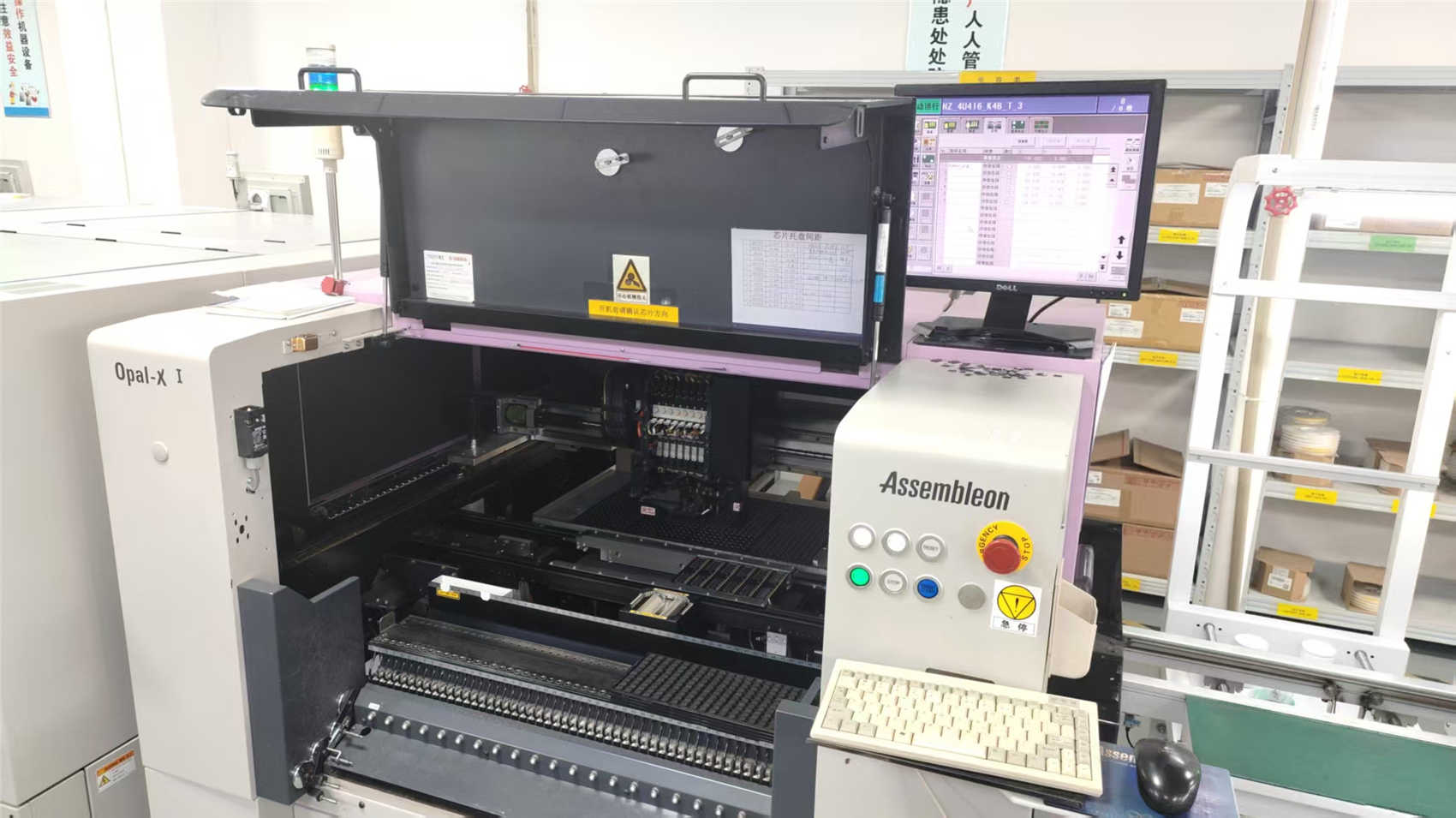
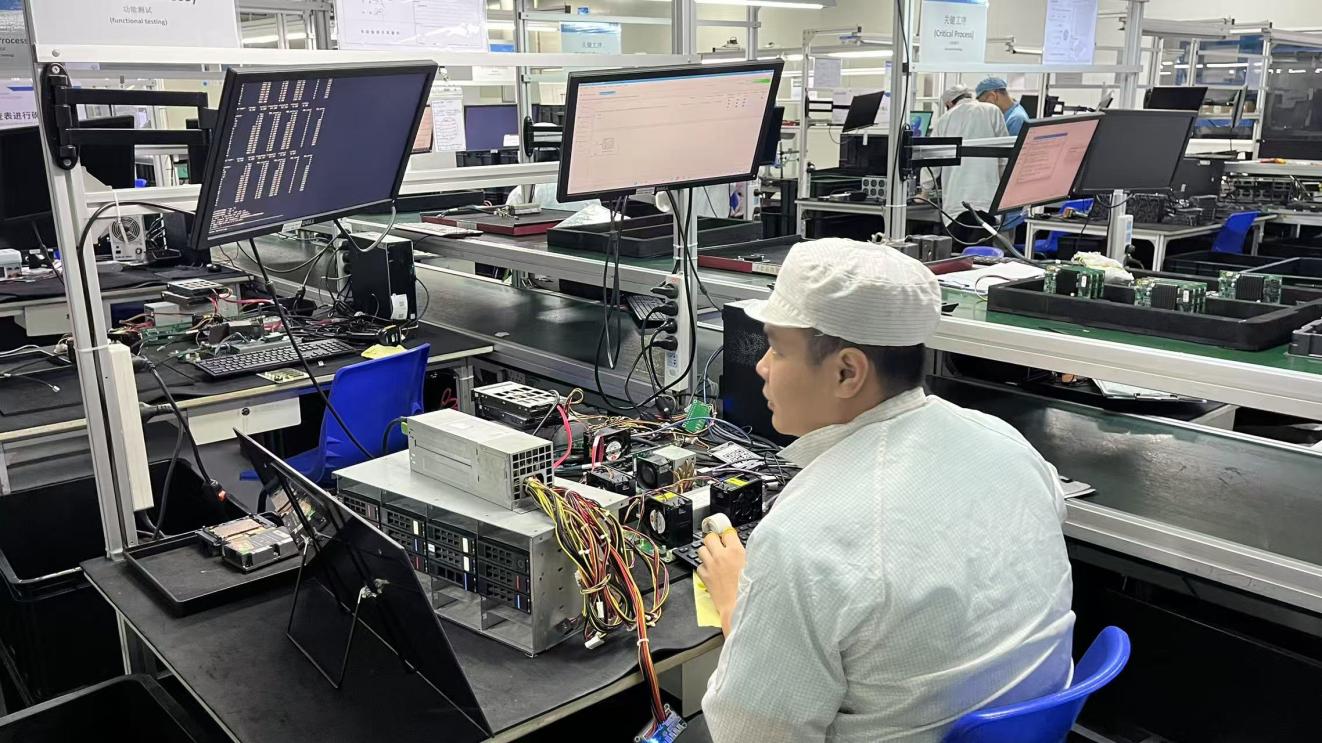
Korvion Assembly Line

Technological Roadmap & Future Outlook for High-Availability Storage

The roadmap for enterprise business continuity solutions is shaped by two major trends: PCIe Gen 5.0/6.0 bandwidth integration and predictive maintenance algorithms based on AI analytics. As processing cores multiply, traditional storage connections create bottlenecks. Adapting PCIe Gen 4.0 and Gen 5.0 Tri-Mode controllers allows networks to seamlessly combine ultra-fast NVMe storage with long-term SAS/SATA drives. The future lies in intelligent platforms that predict storage degradation before a sector fault occurs, initiating seamless automatic migration of critical workflows.

R&D Capability & Customization Focus (OEM/ODM)

Our engineering department consists of 128 experienced engineers specializing in server architecture, thermal design, AI computing optimization, and customized hardware integration. Last year alone, Korvion introduced 86 new products and solution upgrades, helping customers stay competitive in the evolving AI infrastructure market. We provide extensive design options, from custom chassis branding and tailored cooling setups to customized PCIe controller allocations and pre-integrated virtualization stacks.

Robust Quality Control and Mission-Critical Testing

Every server, hard drive, RAID card, and fiber transceiver undergoes rigorous testing to guarantee operation in high-stress environments. Our quality assurance workflow involves:

  • Incoming Material Inspection (IQC): Comprehensive screening of chipsets, PCB arrays, power regulators, and mechanical components from global semiconductor suppliers.
  • Environmental & Thermal Burn-In: Dynamic stress testing inside high-temperature chambers to replicate the environment of sealed server cabinets.
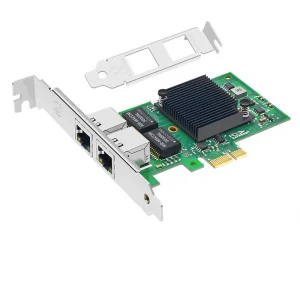
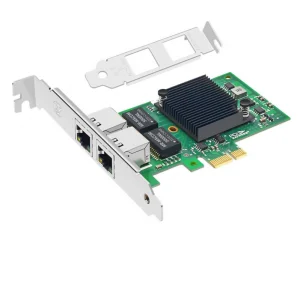
  • System Stability Validation: Simulating real-world traffic on dual-port configurations and checking failover capability under max capacity.
  • Pre-Shipment Verification (OQC): Final checks of bios configurations, firmware updates, and mechanical chassis integrity to ensure immediate field readiness upon delivery.

Technical Q&A: Architecting Resilient Infrastructures

Expert answers regarding critical hardware components, failover systems, and enterprise design strategies.

Q: What is the benefit of Tri-Mode RAID Cards (PCIe Gen 4.0) over legacy RAID controllers?
Tri-Mode RAID cards, such as the 9560-8I, allow simultaneous connections of NVMe, SAS, and SATA drives to a single host interface. Legacy RAID controllers limit users to SAS/SATA protocols. The transition to Tri-Mode technology enables data centers to run ultra-high-speed NVMe caching tiers alongside high-capacity SAS/SATA storage pools on a single controller, reducing overall power consumption, card complexity, and thermal dissipation needs.
Q: How do Fibre Channel (FC) HBAs improve Business Continuity plans?
Dual-port Fibre Channel HBA cards (e.g., Emulex LPe35002-M2) provide dedicated, high-speed connections to Storage Area Networks (SANs). By utilizing optical fiber loops, they allow hot-swappable host systems to access shared storage arrays over longer physical distances without data loss. If one pathway fails, the dual-port setup automatically switches to the alternative link, ensuring constant database access.
Q: Why are Read-Intensive enterprise SSDs chosen for high-availability cloud servers?
Read-Intensive SSDs (such as the PM893 Series) are engineered with high write-endurance metrics and consistent read performance profiles. For enterprise workloads that serve web applications, VM virtualization, or static files, read speeds dictate system responsiveness. Under heavy loads, these drives maintain consistent read latency metrics, which prevents system bottlenecks.
Q: How does Korvion handle international compliance for critical compute infrastructure?
Korvion aligns all hardware designs with international testing and regulatory standards, including CE, FCC, RoHS, and UL guidelines. Operating under ISO 9001 quality guidelines ensures that every enterprise platform meets global safety and operational requirements, allowing for smooth customs clearance and integration into critical enterprise environments worldwide.
Q: What parameters define the reliability of enterprise SATA HDDs compared to consumer drives?
Enterprise SATA HDDs feature rotational vibration (RV) sensors, higher Mean Time Between Failures (MTBF, typically 2.0 to 2.5 million hours), and specialized firmware with Time-Limited Error Recovery (TLER). While consumer drives may stall during a bad sector read, enterprise drives report errors back to the RAID controller promptly, preventing the array from marking the drive as failed.
Q: What custom configurations can Korvion engineer for OEM server clients?
Our engineering team offers complete hardware customization, including modifications to the chassis depth, server faceplates, customized power distribution boards, liquid cooling setups, and specialized configurations for RAID arrays and PCIe layout allocations.