Korvion
Korvion
Korvion
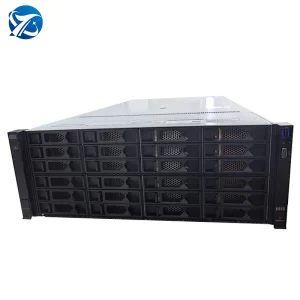
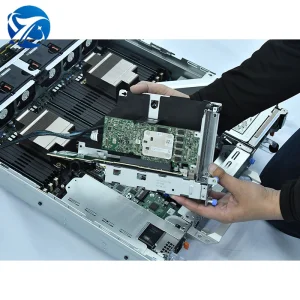
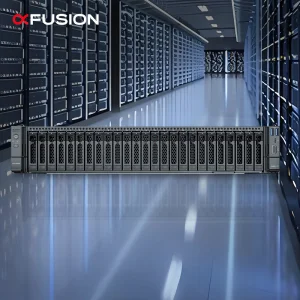
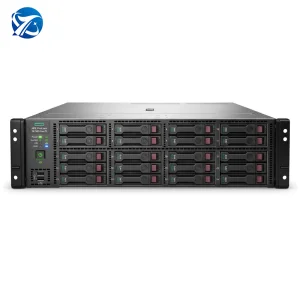
Enterprise Network Interface Cards, Acceleration Adapters, and Rack Computing Nodes Engineered for Mission-Critical Data Workloads
In-Depth Industry Insights into AI Datacenter Fabrics, High-Speed Connectivity, and Silicon-Level Optimization
As large language models (LLMs) grow exponentially, data transmission speeds have shifted from standard 10G/25G to 400G and 800G optical networking infrastructures. Deploying advanced Network Interface Cards (NICs) and Host Bus Adapters (HBAs) with RDMA over Converged Ethernet (RoCE v2) has become standard for minimizing node-to-node latency during parallel model training.
High TDP configurations exceeding 700W per GPU and 350W per CPU demand hybrid heat dissipation systems. Custom OEM enclosures now integrate complex manifold connections, direct-to-chip (D2C) cold plates, and rear-door heat exchangers (RDHx) to prevent thermal throttling and ensure optimal performance in dense server deployments.
Next-generation network nodes are equipped with root-of-trust hardware microcontrollers, secure boot sequences, and cryptographic processing components. Meeting regional requirements (like CE, FCC, RoHS, and UL) requires strict electromagnetic compatibility (EMC) isolation and high-efficiency power distribution units (PDUs) to protect critical enterprise data assets.
Modern enterprises are facing unprecedented data processing challenges. High-performance computing (HPC) clusters and deep learning workloads require continuous communication between CPU pools, GPU clusters, and high-speed NVMe storage fabrics. Standard off-the-shelf rackmount servers often create performance bottlenecks due to thermal limits, limited PCIe lane layouts, or suboptimal network interface cards.
To support next-generation workloads like deep learning model training, AI inference, and high-performance virtualization, platforms must be designed with PCIe Gen 5.0 and Gen 6.0 compatibility in mind. This allows high-performance storage arrays and network cards to operate at maximum capacity without compromising system reliability. Partnering with a specialized OEM manufacturer enables companies to design, test, and manufacture hardware that matches their exact software stack and datacenter specifications.
Comprehensive Integration Packages Designed for Cloud Service Providers, Researchers, and Global Corporates
| Infrastructure Layer | OEM Customization Capability | Target Workload & Use Cases |
|---|---|---|
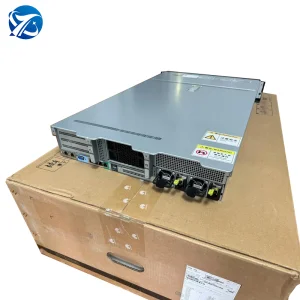
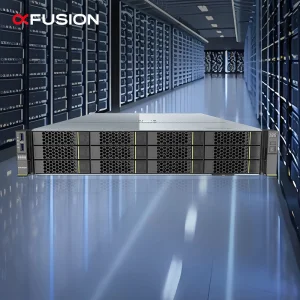
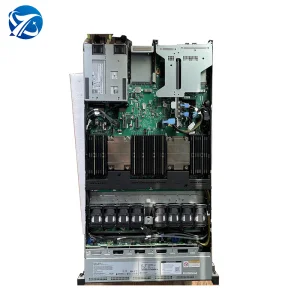
| High-Density Compute Nodes | Custom Multi-GPU chassis layout, specialized BIOS/UEFI firmware, customized high-wattage power supplies (up to 3000W redundant PSUs). | Deep learning LLM training (DeepSeek, GPT systems), complex scientific computations, and predictive modeling. |
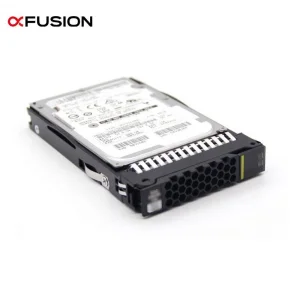
| High-Performance Storage (NAS/SAN) | Direct NVMe PCIe over Fabrics (PCIe-oF) architectures, hot-swappable U.2/U.3 backplane design, redundant controller interfaces. | Real-time big data processing, backup arrays for financial systems, and virtualization clusters. |
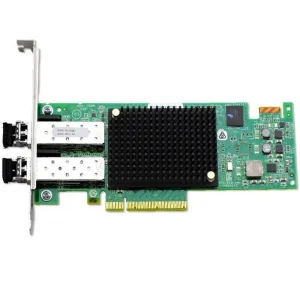
| HBA & Fiber Channel Networking | Single/Dual-port 32Gb/64Gb SFP28/SFP56 integration, active optical cable (AOC) validation, high-reliability transceiver configurations. | Storage area network (SAN) expansions, high-frequency transactional data storage, and zero-latency cluster communications. |
| Liquid Cooling & Power Modules | Direct-to-chip cold plates, custom dry-break couplings, integrated smart PDU wiring, smart rack configurations. | Green datacenters aiming for PUE values under 1.25, hyperscale edge nodes, and high-temperature environments. |
Strategic purchasing managers face several common challenges when sourcing custom hardware: component supply fluctuations, inconsistent production quality, and complex regional certifications. A reliable manufacturing partner addresses these issues through strict quality control, deep supply chain integration, and extensive testing procedures.
By establishing long-term partnerships with leading silicon manufacturers, component suppliers, and testing laboratories, we ensure that every assembly—from the smallest capacitor to high-density server motherboards—meets performance standards. This vertical integration allows for faster prototyping, reliable lead times, and stable production costs even during market shifts.
Founded in 2017, Korvion Technology Co., Ltd. is a professional manufacturer and solution provider specializing in AI GPU servers, high-performance computing (HPC) systems, GPU clusters, and data center infrastructure solutions. Headquartered in Shenzhen, China, the company operates a modern production facility covering 385 square meters and serves customers worldwide with reliable, scalable, and customized computing platforms.
With over 9 years of export experience and 15 years of industry expertise, Korvion has established a strong reputation for delivering advanced computing solutions tailored to the rapidly growing artificial intelligence, machine learning, cloud computing, and enterprise data center sectors.
Quality is at the core of our operations. Korvion implements a comprehensive ISO 9001-based quality management system, supported by a dedicated team of 56 quality control professionals. Every product undergoes rigorous inspection procedures, including incoming material inspection, functional testing, burn-in testing, thermal performance verification, system stability validation, and final shipment inspection, ensuring dependable performance in mission-critical environments.
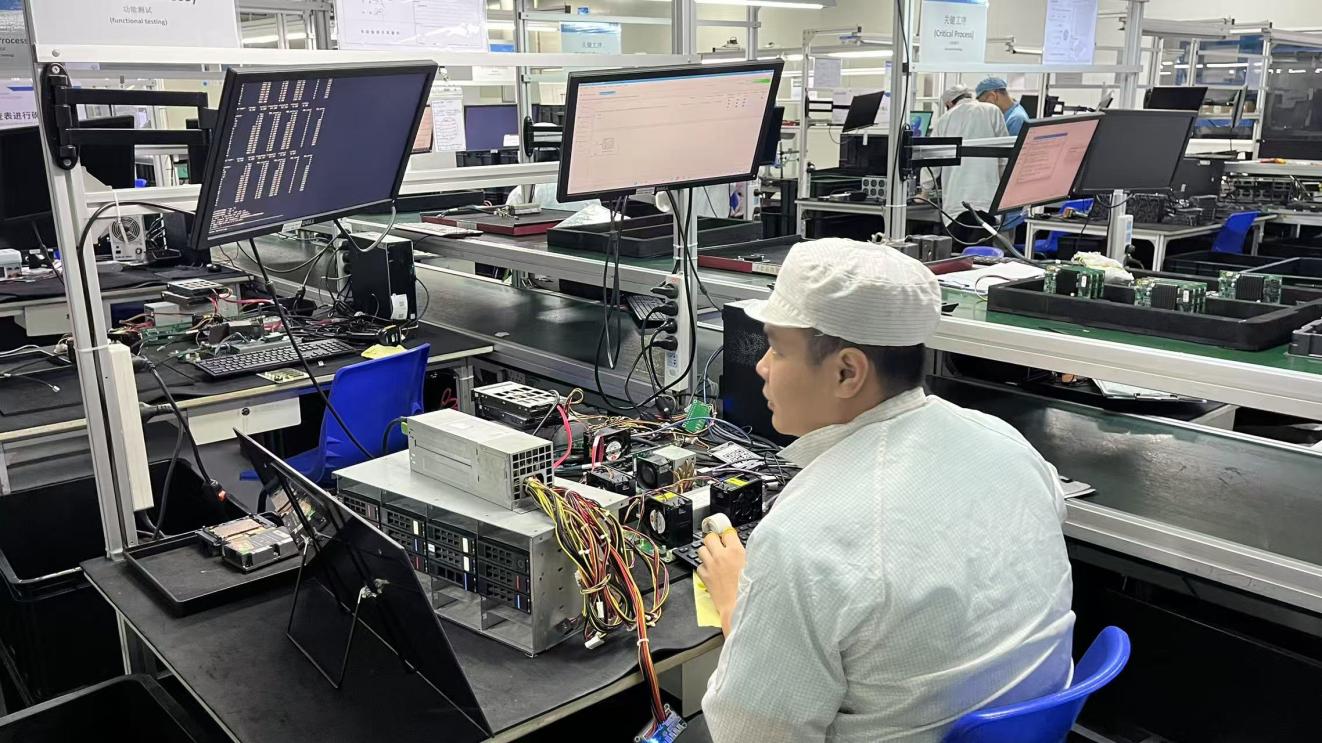
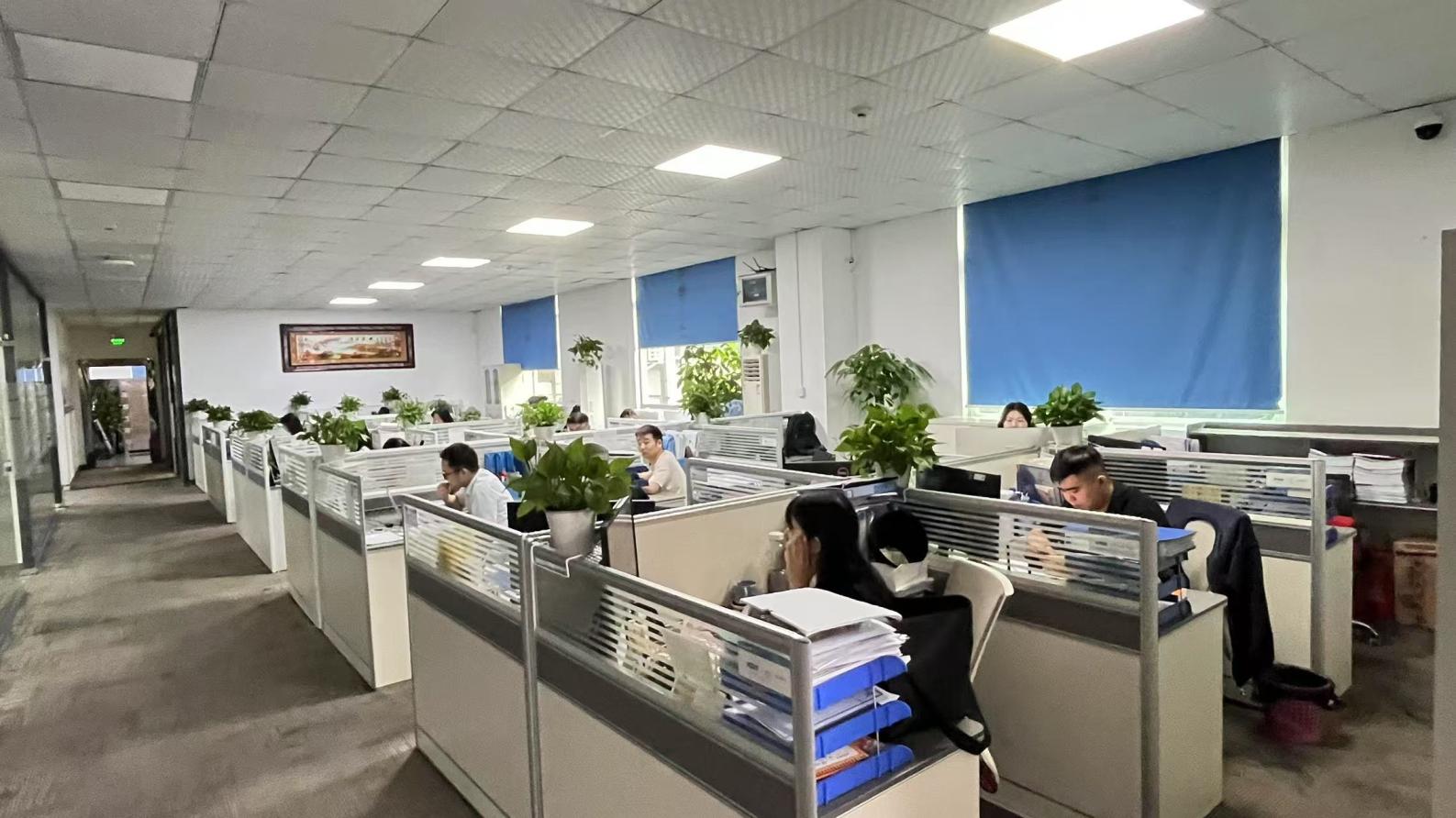
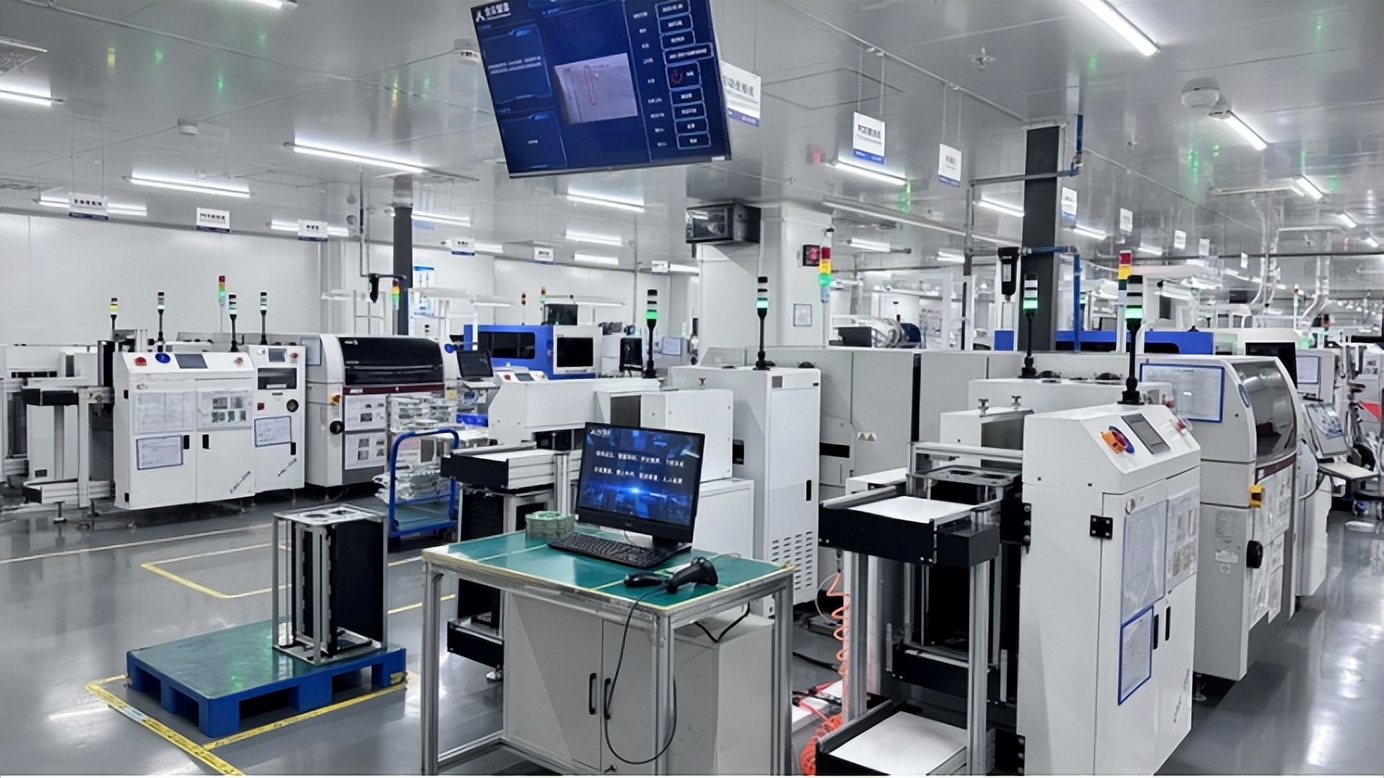
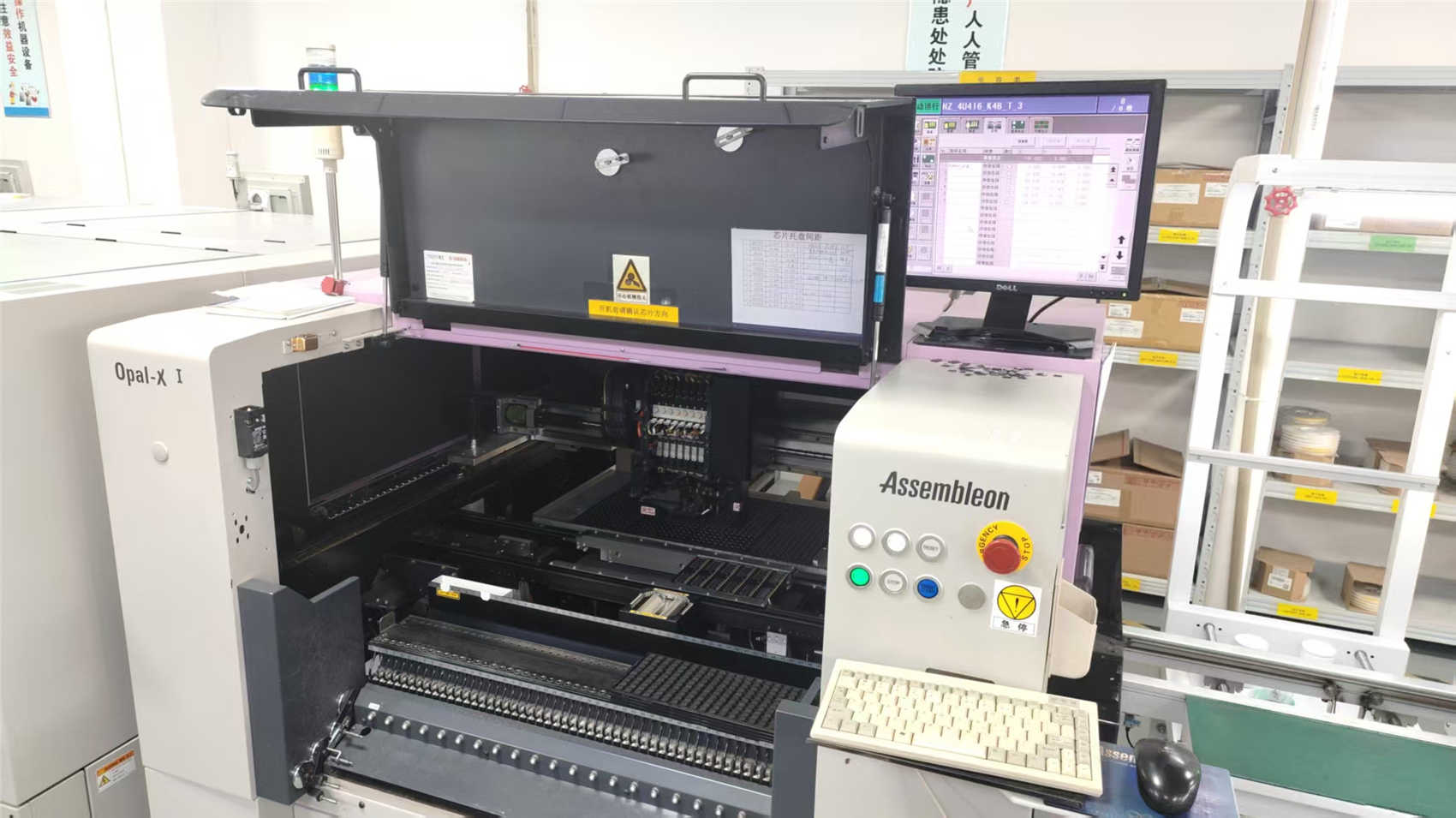
Inside our Production Lifecycle, Validating Every Component for Reliable Performance under High Workloads
All incoming materials—from motherboards and PCIe controller chips to capacitors and physical chassis components—undergo comprehensive screening. This includes visual checks, electrical tolerances testing, and key component verification to eliminate potential points of failure at the start of production.
Every server assembly undergoes a strict burn-in phase, running simulated compute workloads for 24 to 72 hours. We monitor temperature profiles across central processors, memory units, and voltage regulators to ensure the thermal design remains stable under maximum utilization.
Our validation process includes testing interface configurations, high-frequency signal paths, and data packet throughput. Fiber channel cards and PCIe expansion cards are verified under simulated multi-tenant loads to ensure consistent data rates and low latency.
As computing requirements evolve, Korvion is continuously expanding its research and development. We are focusing on adapting architectures to PCIe Gen 6.0 interfaces, integrating CXL (Compute Express Link) technologies to optimize memory access, and engineering energy-efficient liquid-cooling designs to help datacenters reduce overall power usage.
We work closely with clients to configure and adapt servers for specialized applications, containerized microservices, and deep learning platforms. This collaborative engineering approach ensures that our products meet the technical requirements of today while remaining adaptable for future hardware developments.
Technical Inquiries Regarding Custom OEM Configurations, Global Sourcing, and Integration Services
Reliable Storage Solutions, Accelerated Computing Hardware, and Multi-GPU Configurations for Demanding Datacenter Workloads