 Korvion
Korvion
Korvion
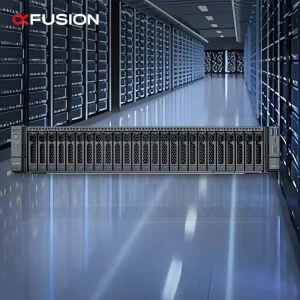
High-performance computational infrastructure designed to process complex facial recognition databases, access logs, and real-time security telemetry at the enterprise edge.
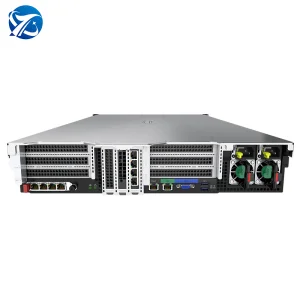
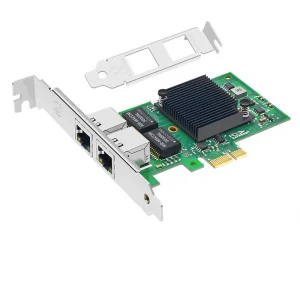
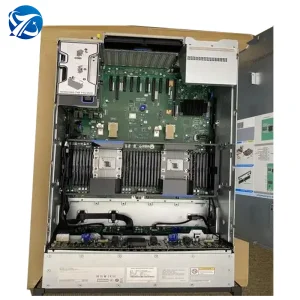
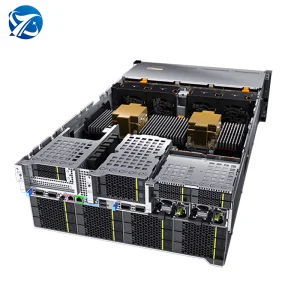
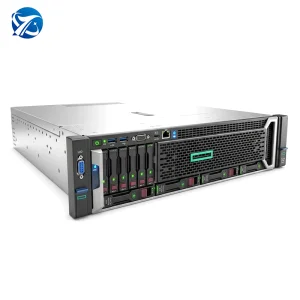
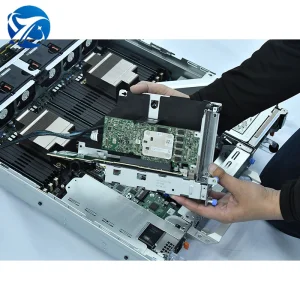
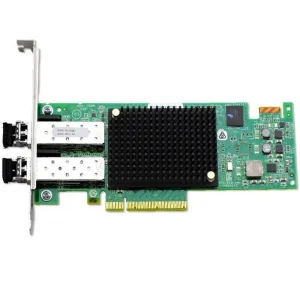
Modern physical security is no longer confined to isolated locks and simple keycards. Today's multinational enterprises require interconnected Access Control Systems (ACS) that function as central hubs for security management. In a post-COVID and compliance-driven environment, organizations demand systems that seamlessly merge physical identity access with digital zero-trust protocols.
Procurement requirements are rapidly shifting toward contactless authentication, such as 3D facial recognition, iris scanning, and mobile credentials (NFC/BLE). To deploy these, enterprises require significant backend server processing capacity and edge AI computing.
With stringent regulations governing biometric data capture (such as GDPR in Europe and CCPA in California), access control hardware must support decentralized local databases or zero-trust end-to-end encryption using OSDP v2.2 protocols.
Legacy hardware must integrate into cloud-native management platforms (ACaaS) alongside video management systems (VMS) and intrusion detection, requiring scalable server backplanes capable of handling millions of real-time events.
The front-end credentials (readers, smart locks, biometric gates) are only as fast as the processing architecture behind them. When thousands of employees swipe cards simultaneously during shift changes, database lookups must complete in under 200 milliseconds to avoid bottlenecks. This level of responsiveness requires enterprise-grade servers, optimized RAID controller arrays for low latency storage access, and AI inference accelerators to execute biometric validation algorithms on-site or in private clouds.
An authoritative evaluation of the industry's dominant global hardware suppliers, evaluating their core technologies, target deployment sectors, and exported security platforms.
| Manufacturer | Headquarters | Core Access Control Technology | Deployment Strengths | Export Scale |
|---|---|---|---|---|
| ASSA ABLOY | Sweden | Aperio wireless locks, HID Seos credentials | Multinational enterprises, hospitality, high-end commercial | Global distribution in 70+ countries |
| Honeywell Commercial Security | United States | Pro-Watch Integrated Management Software, OmniAssure readers | Critical infrastructure, aviation, pharmaceutical cleanrooms | Extensive global OEM supply networks |
| Bosch Security and Safety Systems | Germany | Access Engine (ACE) software, IP Access Controllers (AMC) | Video-verified access, industrial manufacturing, transit hubs | Europe, Americas, Asia-Pacific hubs |
| Johnson Controls (Software House) | Ireland / US | C•CURE 9000, iSTAR controller range | Massive enterprise campuses, government, military facilities | Global enterprise project networks |
| Hikvision | China | MinMoe face recognition terminals, IP controller networks | Cost-effective AI biometrics, high-throughput commercial access | Over 150 export markets globally |
| Dahua Technology | China | Deep-learning biometric terminals, cloud ACaaS hardware | SMB multi-tenant retail, integrated CCTV-access setups | Worldwide export and local service nodes |
| Dormakaba | Switzerland | Keyscan, E-plex electronic locks, physical turnstiles | Airport security, perimeter physical barriers, commercial offices | Active worldwide in over 130 countries |
| HID Global | United States | Seos credentials, Signo reader range, EDGE controllers | Global standard for card/mobile identification, zero-trust credentialing | Leading provider to global systems integrators |
| Axis Communications | Sweden | AXIS Camera Station Secure Entry, network door controllers | Open API integration, IP-based edge architecture, PoE readers | Global network camera & security exporter |
| Suprema | South Korea | BioEntry, BioStation biometrics, Suprema CoreStation | High-security fingerprint & face matching, hybrid cloud access | Major exporter to EU, Middle East, and US |
ASSA ABLOY represents the absolute gold standard in physical security hardware. Through their subsidiary, HID Global, they dictate identity credentialing standards worldwide. Their proprietary **Seos technology** uses high-security cryptography to store credentials on physical smart cards and mobile devices via NFC or Bluetooth. Their systems require high-performance database servers at the application tier to handle dynamic credential issuance and revocation across thousands of endpoints instantly.
Honeywell specializes in wide-scale integrated systems for industrial installations and complex facility footprints. The **Pro-Watch integrated platform** allows security operators to manage access control, video feeds, and fire systems through a single panel. Their system architecture demands robust computing platforms, frequently running clustered virtual machines with massive storage configurations to sustain decades of continuous security event logs.
Bosch's physical security systems are designed with high German engineering precision, focusing heavily on video integration and IP communication protocols. The Access Modular Controller (AMC) line processes decisions locally at the door even if communication with the server drops. This architecture requires edge servers that feature resilient flash storage configurations to guarantee no event loss during network interruptions.
Software House's **C•CURE 9000** system is the foundation of high-security access control for governments, critical infrastructure, and Fortune 500 networks. Known for its extensive failover capabilities and support for federal security standards (like FICAM in the US), C•CURE relies heavily on dedicated, high-performance physical server clusters equipped with multi-socket Xeon processors and redundant hardware backplanes.
As security operations converge with IT departments, the physical access landscape is undergoing a massive transformation toward intelligent, edge-computed ecosystems.
By 2026, over 70% of new enterprise physical access deployments will utilize Access Control as a Service (ACaaS). This architecture reduces the local hardware footprint by hosting administrative consoles in the cloud while retaining local edge nodes for door-level decisions.
Access control software will integrate AI models to analyze user behavior patterns. For instance, if an employee badge is swiped at a London facility and then 10 minutes later in New York, the system flags the conflict instantly. Running these anomaly detection engines requires powerful GPU accelerators in the enterprise cloud center.
Under Zero Trust Netork Access (ZTNA) models, physical location becomes a key policy variable. Swiping in at a specific door automatically grants corresponding digital access permissions to secure local servers, ensuring physical and cyber assets share unified policies.
The worldwide market for Access Control Systems is projected to grow from USD 9.8 Billion in 2024 to USD 14.2 Billion by 2029, representing a compound annual growth rate (CAGR) of over 8.2%. The driving force behind this acceleration is the construction of smart buildings, commercial real estate modernization, and the increasing stringency of workplace safety compliance across diverse industries.
Large-scale industrial sites require physical access control paired with time-and-attendance tracking. Heavy machinery zones require interlock control logic where only personnel with specific credentials and active safety training certifications can unlock access doors or power up machinery.
Data centers are the ultimate high-security commercial environments. Biometric integration (dual-fingerprint, iris, or facial recognition) is required at the perimeter, the computer room, and even at the individual rack cabinet level. Redundancy at the database level is non-negotiable, driving demand for high-reliability local servers with dual-socket CPUs, redundant power supplies (CRPS), and high-capacity storage controllers.
These regions lead the market in high-value deployments due to early adoption of cloud-managed security platforms and stricter regulatory frameworks (such as GDPR and HIPAA). Compliance requirements mandate that database storage solutions utilize encrypted RAID systems with reliable data reconstruction speed.
The Asia-Pacific region, led by supply hubs in Shenzhen, Seoul, and Taipei, serves as the primary manufacturer and exporter of the physical reader components, access control boards, and silicon chips that power global security networks.
For global deployment, Access Control Systems must comply with regional technical specifications. Physical security solutions that do not meet standard benchmarks present cyber-physical risks that can compromise an entire enterprise network.
The Open Supervised Device Protocol (OSDP) is the SIA standard for high-security access control communications. Unlike outdated Wiegand wiring, OSDP supports bidirectional communication and Secure Channel AES-128 encryption, preventing sniffing and man-in-the-middle attacks at the reader level.
UL 294 (Standard for Access Control System Units) in the United States and EN 60839 (Alarms and Electronic Security Systems) in the European Union define stringent electrical safety, environmental resilience, and functional reliability guidelines that every exporter must pass.
Any access control system collecting biometrics must comply with GDPR Article 9 rules for sensitive data. Hardware solutions must enable local data scrubbing, anonymized template hashing, and secure physical destruction methods within database servers.
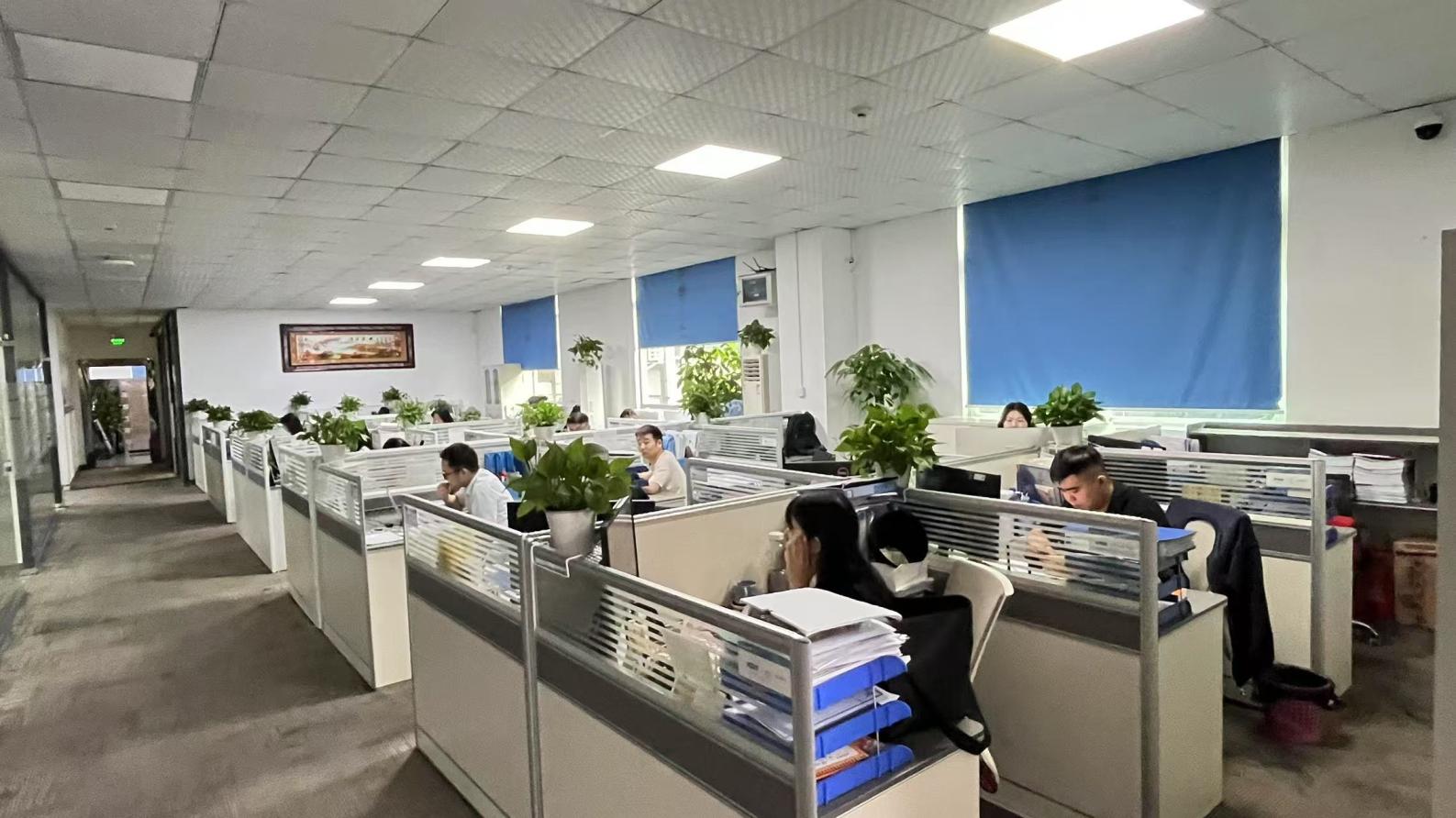
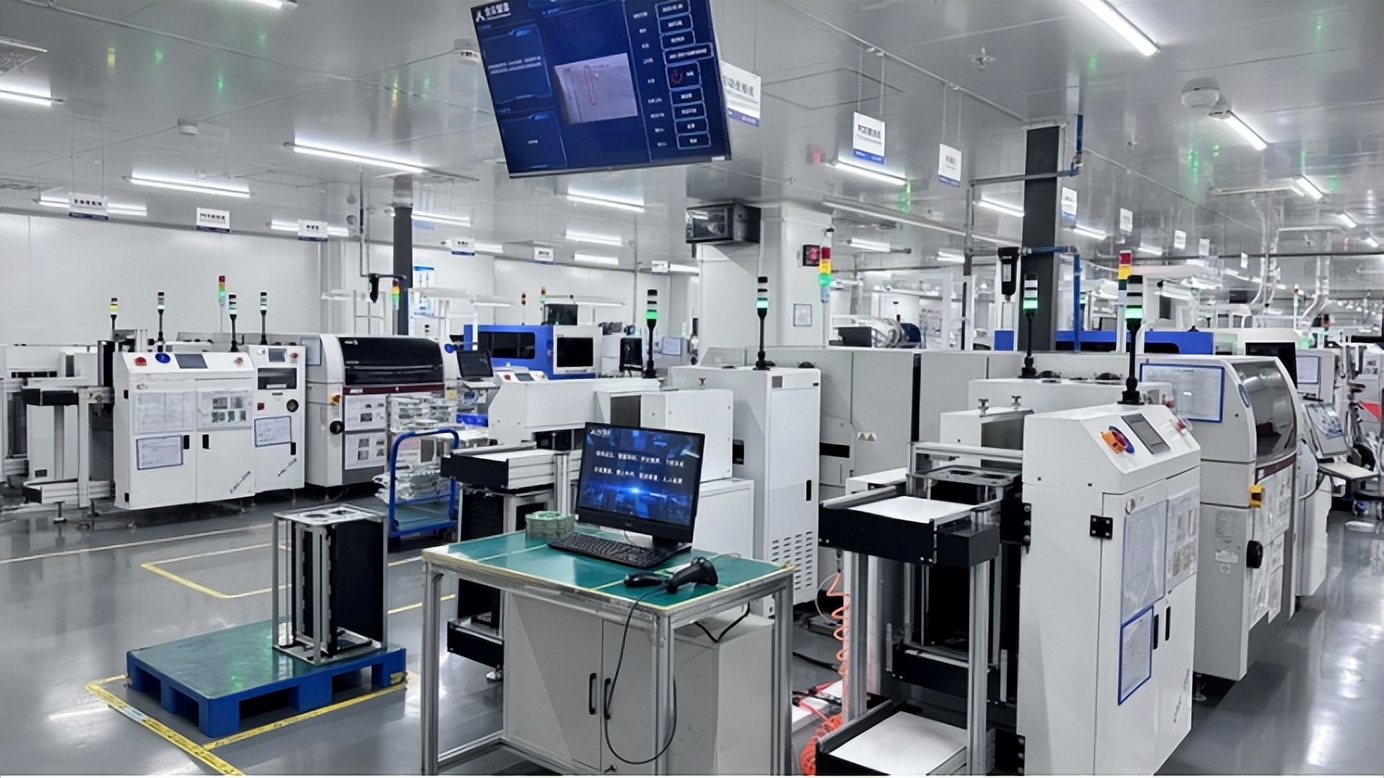
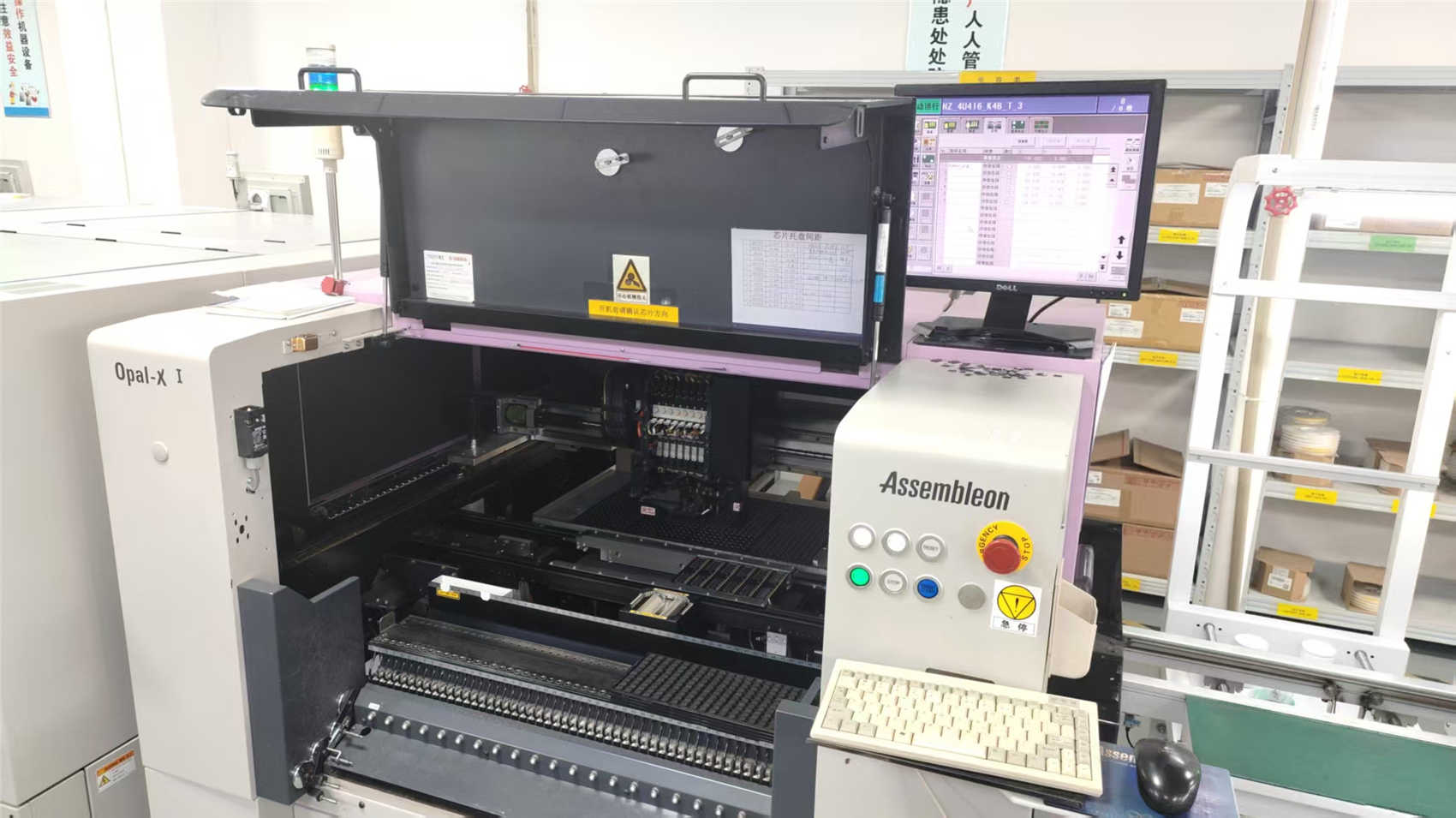
Founded in 2017, Korvion Technology Co., Ltd. is a professional manufacturer and solution provider specializing in AI GPU servers, high-performance computing (HPC) systems, GPU clusters, and data center infrastructure solutions. Headquartered in Shenzhen, China, the company operates a modern production facility covering 385 square meters and serves customers worldwide with reliable, scalable, and customized computing platforms.
With over 9 years of export experience and 15 years of industry expertise, Korvion has established a strong reputation for delivering advanced computing solutions tailored to the rapidly growing artificial intelligence, machine learning, cloud computing, and enterprise data center sectors.
Our annual export revenue exceeds USD 18 million, supported by a robust global supply network of more than 1,250 supply chain partners. We work closely with leading component suppliers to ensure stable product quality, competitive pricing, and timely delivery.
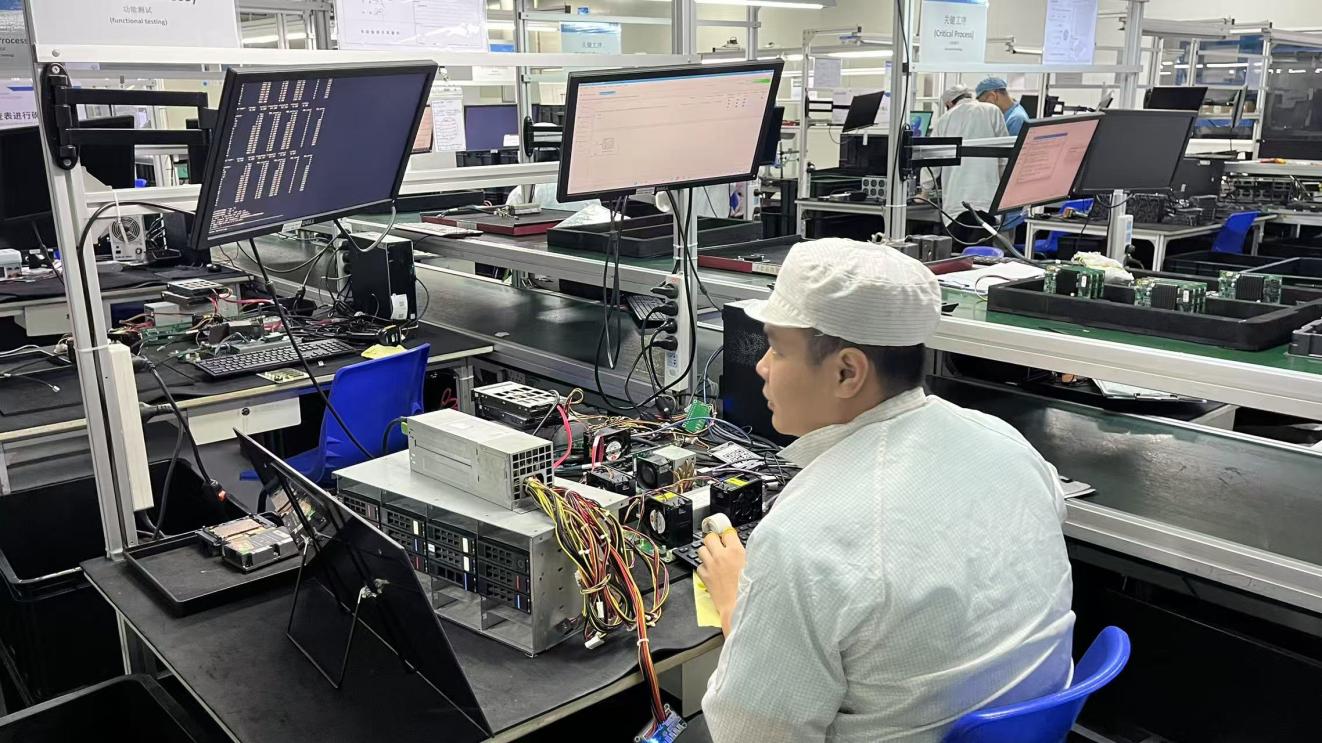
Quality is at the core of our operations. Korvion implements a comprehensive ISO 9001-based quality management system, supported by a dedicated team of 56 quality control professionals. Every product undergoes rigorous inspection procedures, including incoming material inspection, functional testing, burn-in testing, thermal performance verification, system stability validation, and final shipment inspection, ensuring dependable performance in mission-critical environments.
Innovation drives our growth. Our R&D department consists of 128 experienced engineers specializing in server architecture, thermal design, AI computing optimization, and customized hardware integration. Last year alone, Korvion introduced 86 new products and solution upgrades, helping customers stay competitive in the evolving AI infrastructure market.
We offer comprehensive OEM and ODM services, including chassis customization, branding, hardware configuration, rack integration, liquid cooling deployment, GPU cluster design, and turnkey AI infrastructure solutions. Our flexible customization capabilities allow customers to build solutions that precisely match their business and technical requirements.
Today, Korvion serves a diverse customer base, including AI startups, cloud service providers, system integrators, research institutions, universities, enterprise data centers, and GPU hosting companies across North America, Europe, Southeast Asia, the Middle East, and Latin America. Our advanced server nodes provide the critical high-performance computing required to process real-time access control databases, biometric templates, and unified physical security operations centers globally.
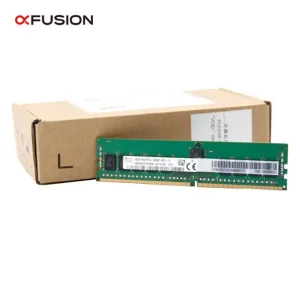
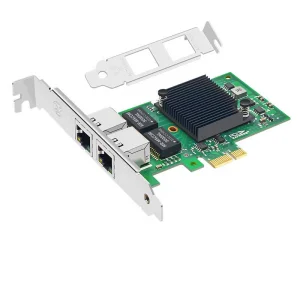
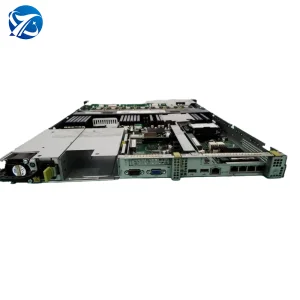
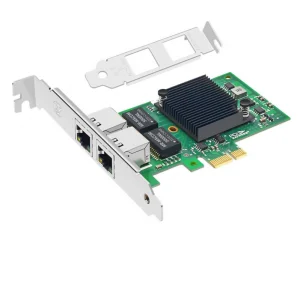
Enterprise components engineered for maximum reliability, guaranteeing zero data loss and uninterrupted power for mission-critical security hardware controllers.
Get detailed insights on architectural, operational, and commercial questions in enterprise physical security procurement.
Wiegand is an outdated one-way protocol developed in the 1970s that does not support encryption, rendering reader wires vulnerable to hardware tapping. Open Supervised Device Protocol (OSDP) is an industry-standard bidirectional protocol featuring AES-128 encryption. It continuously monitors reader status and prevents credential interception and diagnostic spoofing.
The backend server handles data synchronization, event parsing, video verification, and database search queries. When an employee swipes a card or passes a facial scanner, the system performs validation queries. If the server does not feature high-speed processing components, memory configurations (e.g., DDR5 RDIMM), and rapid storage controller arrays (such as PCIe 4.0 RAID), security events will experience processing lag, resulting in physical queue bottlenecks at doors.
Access Control as a Service (ACaaS) shifts the central management console from on-premise physical servers to secure cloud instances. It provides scalability, automated security patching, web-based control, and simplified multi-site management. Local decision-making remains at the physical edge controllers to ensure doors continue to function during internet drops.
Compliance requires biometric templates to be processed locally using irreversible hashing algorithms rather than storing raw photos. Furthermore, your computing systems must feature secure network segregation, zero-trust backend authorization, and localized database management paths that support fast data erasure processes.
Yes. Korvion's high-performance AI GPU servers, NAS solutions, and storage RAID cards are designed on open x86 architectures (compatible with Intel Xeon and AMD EPYC platforms). They are certified to support leading physical security and video management platforms, including C•CURE 9000, Honeywell Pro-Watch, Milestone XProtect, and Genetec Security Center.