Korvion
Korvion
Korvion
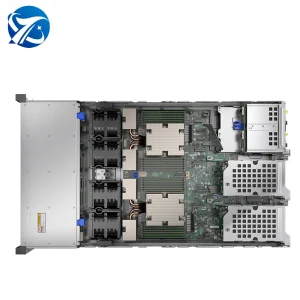
High-performance network modules, data center servers, and AI accelerator systems optimized for integrated load balancing workloads.

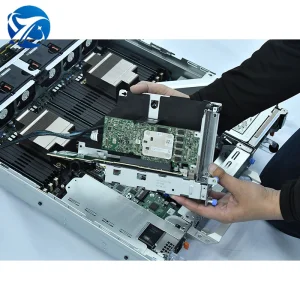
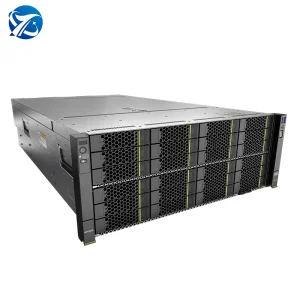
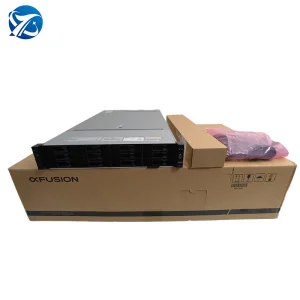
How modern load balancer factories design appliances to satisfy microsecond-latency traffic routing in global enterprises.
In modern hyperscale computing, the hardware load balancer is no longer just a passive traffic router. It serves as the intelligent gateway for distributed operations, dynamically distributing incoming L4/L7 traffic across complex server clusters. As businesses scale their compute infrastructures with technologies like DeepSeek-optimized GPU nodes, Xeon multi-socket servers, and high-speed QSFP+ optical backplanes, selecting a highly capable manufacturing partner becomes essential for reliability, throughput, and hardware-level stability.
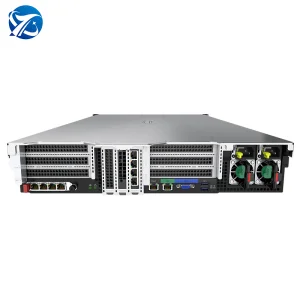
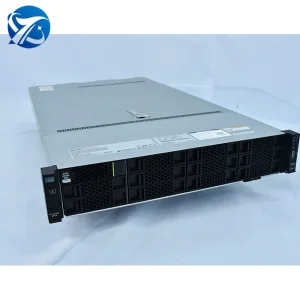
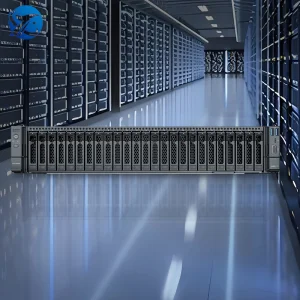
Built to manage petabytes of throughput with specialized hardware acceleration (ASIC/FPGA). Factory designs optimize thermal management for 24/7 continuous operation inside standard 1U/2U server racks.
Offloads compute-heavy SSL/TLS handshakes and TCP sessions directly at the hardware layer. This prevents server bottlenecks, freeing up GPU and CPU cycles for core machine learning workflows.
From custom bios configurations and proprietary ASIC integration to bespoke chassis branding. Top-tier load balancer factories deliver ready-to-deploy hardware configured to specific enterprise network parameters.
Analyzing production outputs, regional supply networks, and the geographical centers of ADC hardware manufacturing.
The manufacturing hubs of Shenzhen, Taiwan, and Seoul lead the production of hardware load balancers and system components. Leveraging highly integrated supply chains, these facilities source everything from high-density multi-layered PCBs and custom chassis to specialized optical connectors like QSFP+ modules. Proximity to component suppliers allows APAC factories to rapidly customize hardware platforms to meet evolving industry standards.
While high-volume manufacturing is concentrated in Asia, Western enterprises drive technical specifications for network safety, software integration, and system protocols. Many top load balancer factories work under joint-venture or ODM configurations, assembling systems that pair Western-developed software layers with robust, cost-effective hardware built in specialized facilities.
| Hardware Category | Throughput Limits | Primary Application Scenario | Common Interface Formats |
|---|---|---|---|
| Entry-Level Edge ADC | 10 Gbps - 40 Gbps | Branch offices, localized content delivery networks | SFP+, RJ45 Copper Ports |
| Enterprise Load Balancer | 40 Gbps - 100 Gbps | High-traffic e-commerce, cloud data centers, virtual hosting | QSFP+, SFP28 Modules |
| Hyperscale Carrier-Grade Node | 100 Gbps - 400 Gbps+ | Telecom service providers, large-scale AI clusters, deep learning node scaling | QSFP28, QSFP-DD, Optical Fiber backplanes |
An authoritative, structural overview of the key manufacturing sectors producing load balancing hardware worldwide.
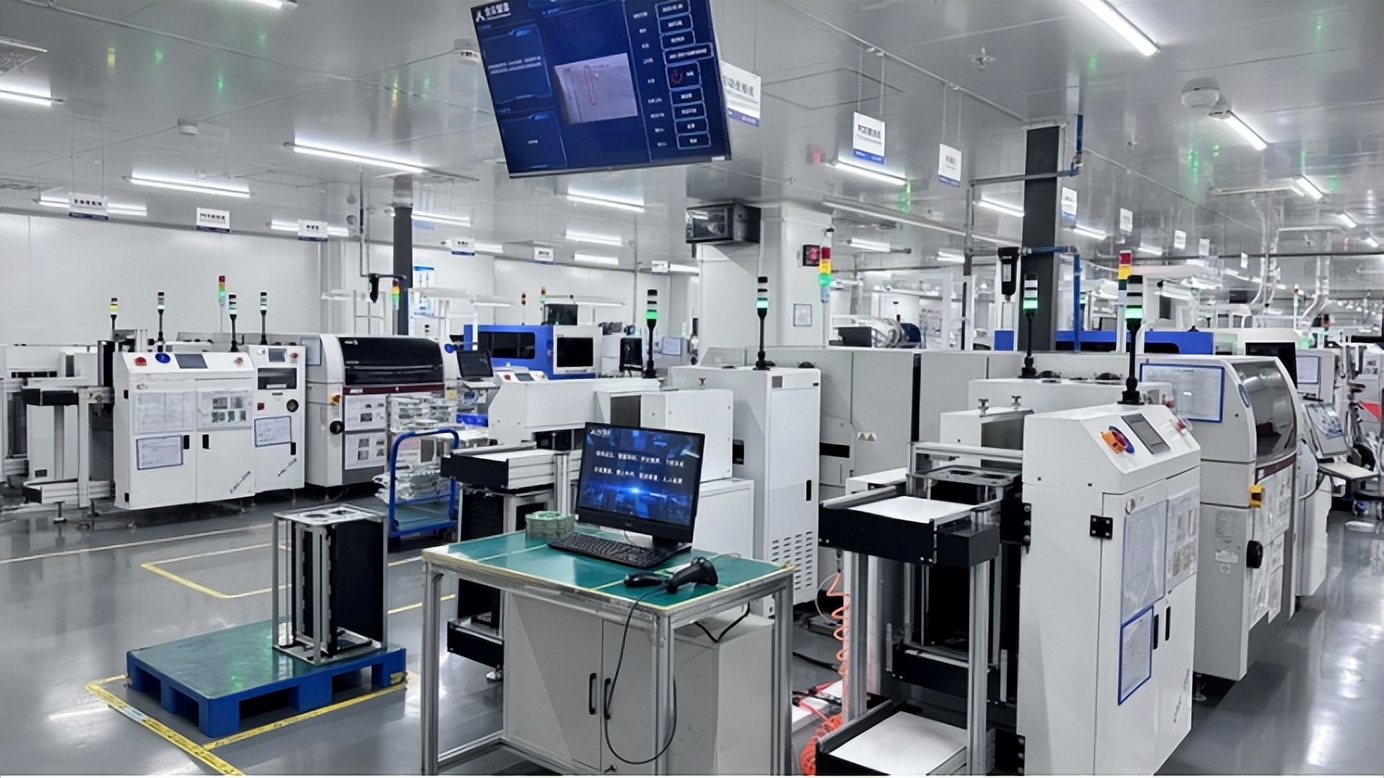
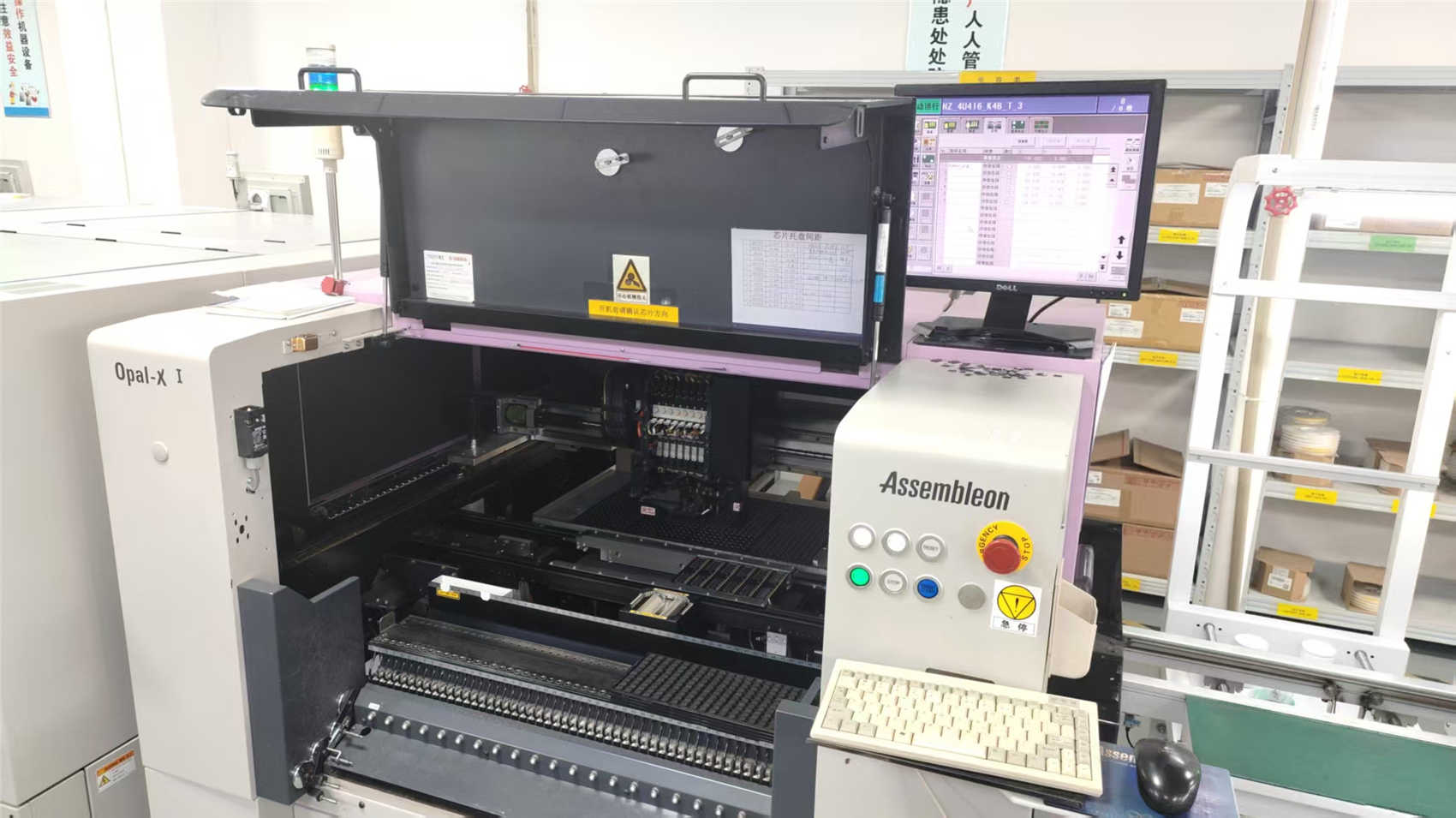
The leading global hub for high-volume network appliance manufacturing. These factories specialize in high-speed SMT assembly lines, producing enterprise-grade L4/L7 load balancer motherboards and integrating them with modern computing processors.
Famed for high-reliability manufacturing and ASIC customization. Taiwan's factories focus on producing premium, zero-fault network controllers and custom chassis for hyperscale cloud service providers.
Specialized in defense-grade, high-compliance hardware assemblies. These facilities focus on TAA-compliant sourcing, low-volume/high-complexity customization, and advanced hardware security module (HSM) integrations.
Focuses on industrial automation, automotive communications, and strict compliance with EU electrical and emissions standards. European production lines deliver robust hardware designed for long operational lifetimes.
An emerging hub for network hardware manufacturing. Driven by local development initiatives, these factories produce entry-level to mid-tier network infrastructure appliances for domestic and regional markets.
South Korean facilities specialize in network interfaces designed for ultra-high-speed domestic consumer and industrial optical fiber networks, leading the integration of next-gen memory components like DDR5 RDIMM into ADC structures.
Specializing in final system assembly, wire harness manufacturing, and chassis construction. These facilities serve as important secondary production bases to optimize supply chain resilience.
Japanese facilities focus on high-durability hardware, designed to operate in challenging environments like industrial automation plants, heavy machinery control centers, and outdoor telecom nodes.
Serving the South American trade zone, these factories focus on local final integration and testing of imported PCBs and components to provide localized distribution and support.
Specialized in deeply integrated hardware firewalls, encryption co-processors, and intelligent web application firewalls (WAF) running in tandem with L4/L7 load balancers.
How load balancer hardware matches specialized deployment scenarios from core server rooms to distributed edge environments.
Modern deep learning workloads rely on distributed GPU servers. Hardware load balancers act as traffic coordinators, routing massive data ingestion jobs across cluster nodes to optimize GPU utilization.
Dynamic session persistence and SSL decryption offloading handle traffic spikes seamlessly. Load balancers distribute web requests evenly across backend servers, protecting databases from overload.
Deploying network appliances at regional edge nodes ensures low-latency delivery. Combining load balancing with localized storage systems provides consistent access for branch offices and remote users.
Ensuring hardware reliability and regulatory compliance across global markets through standardized testing protocols.
Enterprise-grade network equipment must meet strict regional certification requirements. Top load balancer factories maintain certifications including CE, FCC, RoHS, and UL. Compliance with these standards ensures that devices meet electrical safety, electromagnetic interference, and environmental guidelines, allowing for seamless import and deployment worldwide.
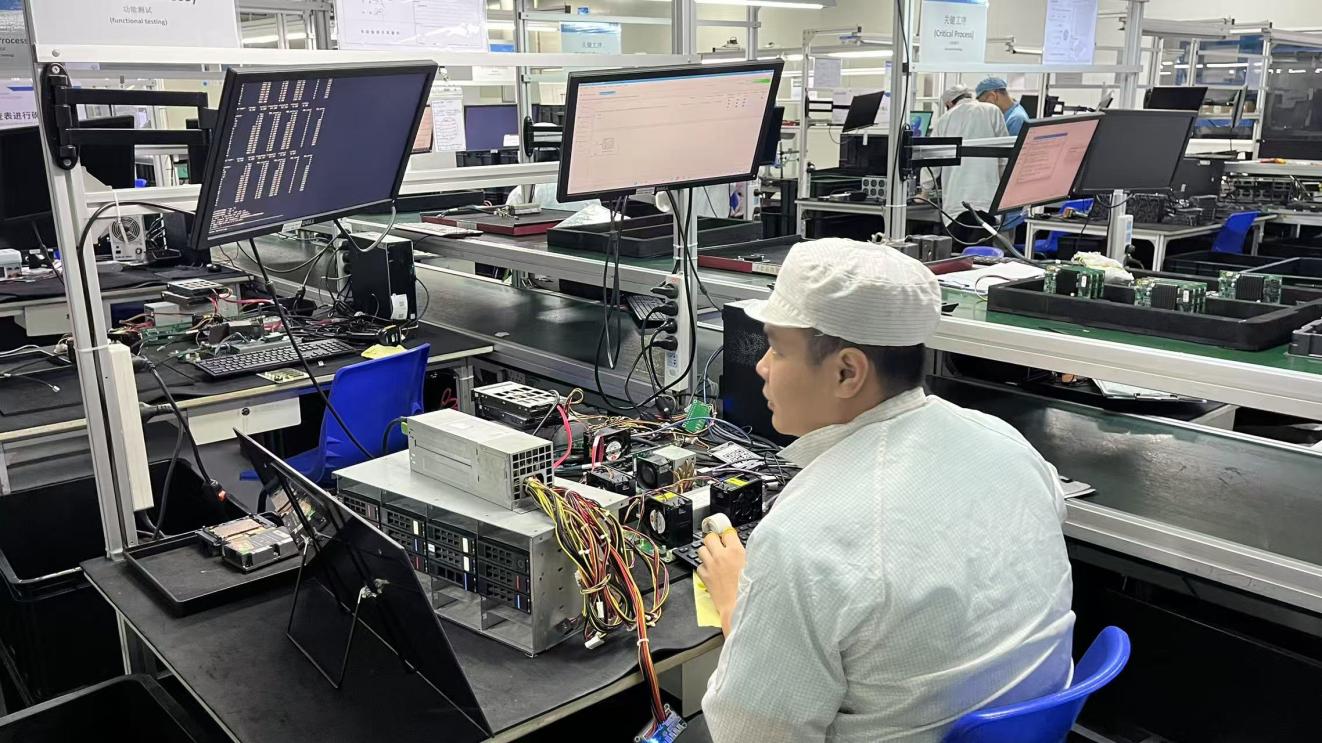
To guarantee reliability in mission-critical applications, hardware undergo rigorous testing. This includes component-level thermal imaging, high-vibration shipping simulations, and multi-day high-temperature burn-in tests. Real-world testing mimics typical data center environments to identify and resolve potential issues before shipment.
Your Global Manufacturing Partner for Advanced Computing Systems & Network Infrastructure
Founded in 2017, Korvion Technology Co., Ltd. is a professional manufacturer and solution provider specializing in AI GPU servers, high-performance computing (HPC) systems, GPU clusters, and data center infrastructure solutions. Headquartered in Shenzhen, China, the company operates a modern production facility covering 385 square meters and serves customers worldwide with reliable, scalable, and customized computing platforms.
Innovation drives our growth. Our R&D department consists of 128 experienced engineers specializing in server architecture, thermal design, AI computing optimization, and customized hardware integration. Last year alone, Korvion introduced 86 new products and solution upgrades, helping customers stay competitive in the evolving AI infrastructure market.
Quality is at the core of our operations. Korvion implements a comprehensive ISO 9001-based quality management system, supported by a dedicated team of 56 quality control professionals. Every product undergoes rigorous inspection procedures, including incoming material inspection, functional testing, burn-in testing, thermal performance verification, system stability validation, and final shipment inspection, ensuring dependable performance in mission-critical environments.
Comprehensive OEM & ODM Services: We provide end-to-end custom manufacturing including chassis customization, branding, custom hardware configuration, rack integration, liquid cooling deployment, GPU cluster design, and turnkey AI infrastructure solutions. Our flexible capabilities allow customers to build solutions that precisely match their business and technical requirements.
Key design developments and architectural trends shaping the next generation of load balancing hardware.
Traditional CPU-based packet processing is shifting to dedicated Data Processing Units (DPU). Integrating DPUs directly onto network interfaces allows hardware load balancers to route L4 traffic at wire speed with minimal latency.
As data center densities rise, network racks require advanced thermal management. Manufacturers are developing direct-to-chip liquid cooling systems for high-performance load balancers to maintain stable operating temperatures.
Future load balancers will feature built-in neural accelerators. These components analyze real-time network traffic patterns to predict spikes and automatically redirect data paths before congestion occurs.
Answers to common technical and sourcing questions regarding enterprise load balancer hardware.
Layer 4 load balancing operates at the transport level (TCP/UDP), routing packets based on IP address and port numbers without inspecting the payload, resulting in very high speed and low CPU utilization. Layer 7 balancing operates at the application level, parsing HTTP/HTTPS headers, cookies, and message content to make routing decisions, which requires higher processing power and hardware acceleration for SSL/TLS offloading.
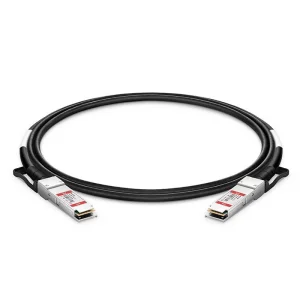
Hardware load balancers process high volumes of traffic that must be distributed to backend servers with minimal delay. High-speed, direct-attach QSFP+ copper and optical cables provide the wide bandwidth and low latency required to prevent physical cabling connections from becoming network bottlenecks.
Yes. Through our OEM/ODM services, Korvion provides comprehensive customization options. This includes customized chassis metalwork, custom branding, optimized bios configurations, and integration of specific network interfaces (NICs), storage, and accelerators to match your proprietary software requirements.
Korvion operates under a comprehensive ISO 9001-certified quality management system. Guided by a team of 56 QC professionals, every product goes through a series of testing phases: incoming material inspection, full functional testing, high-stress burn-in testing, thermal performance validation, and final quality checks before packaging.
High-performance storage modules, system memory, and compute chassis to expand network capabilities.
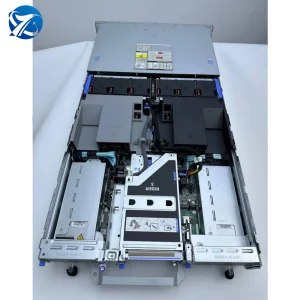
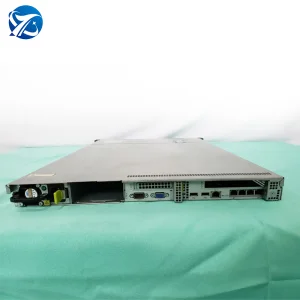
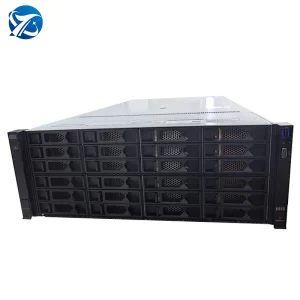
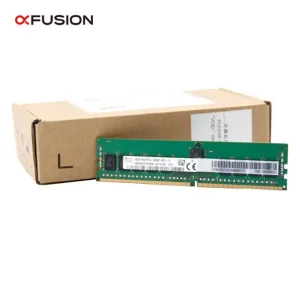
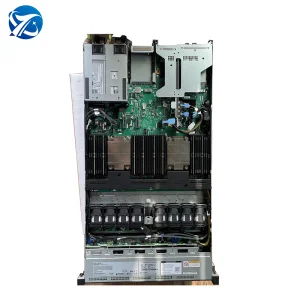
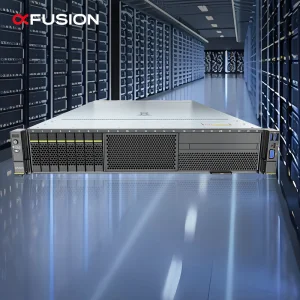
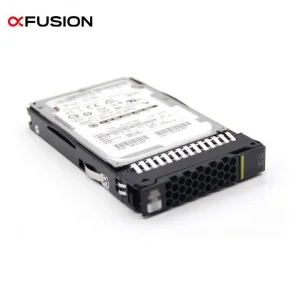
Inside our modern production facilities, assembly lines, and quality verification spaces in Shenzhen.