Korvion
Korvion
Korvion
Pre-configured server equipment engineered for advanced cooling design deployments
Why conventional air cooling falls short under the weight of generative AI loads
The global datascape is experiencing an unprecedented evolution driven by large language models (LLMs) like DeepSeek, GPT-4, and Llama 3. This rise in compute-intensive architecture has shifted server racks from standard 10kW densities to high-density environments exceeding 40kW to 100kW per rack. As a result, the thermal footprint of modern data centers has outpaced traditional thermodynamic strategies. Global server cooling solutions manufacturers are now at the center of infrastructure development, working to solve heat problems before they damage expensive hardware.
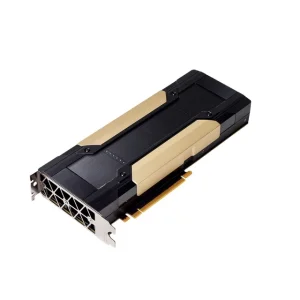
Thermal management is no longer just about preventing server failure. It is now a critical factor in driving down Power Usage Effectiveness (PUE) to comply with international carbon-neutral regulations. For high-performance computing (HPC) environments using high-end GPUs (such as NVIDIA H100, H200, or V100 arrays), heat output increases quickly. When GPU temperatures approach their junction thresholds, thermal throttling begins, reducing chip performance. Consequently, standard forced-convection air systems are being replaced by liquid-to-air, liquid-to-liquid, and direct-to-chip cooling systems.
Next-generation server chips operate with Thermal Design Power (TDP) levels of 350W to 700W+ per processor, requiring advanced liquid delivery to avoid thermal throttling.
Regulatory frameworks across North America, Europe, and Asia-Pacific mandate data center PUE targets below 1.25, forcing operators to phase out energy-heavy fan walls.
Thermal stresses accelerate silicon degradation. Maintaining stable cooling configurations directly extends the life of mission-critical GPU and NVMe storage clusters.
Navigating the transition from air-cooled systems to advanced thermodynamics
| Cooling Technology | Typical Rack Density (kW) | PUE Range Achieveable | Primary Coolant Media | Capital Expenditure (CAPEX) | Operating Expenditure (OPEX) |
|---|---|---|---|---|---|
| Legacy Forced Air (CRAC/CRAH) | 1kW - 15kW | 1.45 - 2.0 | Atmospheric Air | Low | High (due to fan energy) |
| Rear Door Heat Exchanger (RDHx) | 15kW - 45kW | 1.25 - 1.4 | Water / Glycol Blend | Moderate | Medium |
| Direct-to-Chip Liquid (Cold Plate) | 30kW - 100kW+ | 1.12 - 1.25 | Water-Glycol / Dielectric Fluid | High | Low |
| Single-Phase Immersion | 50kW - 100kW+ | 1.03 - 1.10 | Synthetic Hydrocarbons | Very High | Minimal |
| Two-Phase Immersion | 100kW - 200kW+ | < 1.02 | Fluorochemical Fluids | Extreme | Minimal to Low |
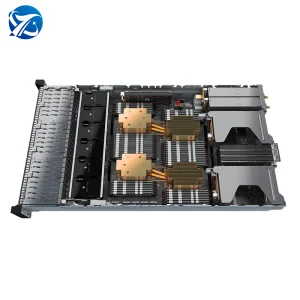
In this architecture, liquid coolants are delivered directly to the processor via closed-loop micro-channel copper cold plates. This allows heat to transfer directly from the silicon die. Since liquids conduct heat much better than air, this approach effectively removes heat at the source, allowing components to run cooler even during sustained computational loads.
Immersion cooling involves submerging entire server blades in tanks filled with dielectric fluid. This fluid conducts heat away from the electronics but does not conduct electricity. In single-phase systems, the fluid circulates via pumps to external heat exchangers. In two-phase systems, the fluid boils at a low temperature, vaporizes, condenses on a cold plate at the top of the chamber, and drops back down, creating a continuous heat-removal cycle.
Leading companies driving innovations in enterprise thermal management systems
Vertiv is a leader in large-scale data center infrastructure. They offer integrated thermal management systems, including Liquid-to-Air Coolant Distribution Units (CDUs) and advanced Rear Door Heat Exchangers (RDHx).
Rittal specializes in industrial enclosures and climate control. They manufacture advanced liquid cooling packages (LCP) designed for dense GPU environments, helping protect sensitive hardware from high temperatures.
Schneider Electric provides integrated physical infrastructure systems. Their cooling portfolio includes row-based cooling systems, chillers, and direct-to-chip liquid systems built for modern hyperscale facilities.
A specialist in Direct-to-Chip (D2C) liquid cooling, CoolIT manufactures high-density cooling solutions used by large OEMs. They design custom cold plates, manifolds, and CDUs for supercomputing setups.
Best known for its liquid cooling solutions in consumer and workstation computers, Asetek also supplies direct-on-chip cooling systems for enterprise servers and high-density data centers.
Submer is a pioneer in immersion cooling technology. They develop horizontal immersion tanks filled with biodegradable dielectric fluid, helping high-density compute facilities operate more efficiently.
Boyd produces thermal management solutions, including heat pipes, vapor chambers, and custom cold plates. They support server OEMs by fabricating key thermal interface components.
Focusing on two-phase immersion cooling systems, LiquidStack supplies thermal management setups for large-scale AI, blockchain, and high-performance computing centers.
Motivair designs and builds high-capacity chillers and Coolant Distribution Units (CDUs) capable of cooling high-performance supercomputing setups and large GPU arrays.
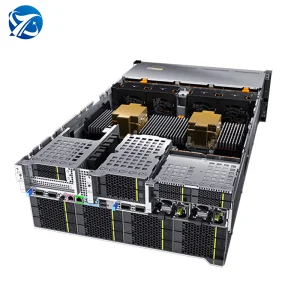
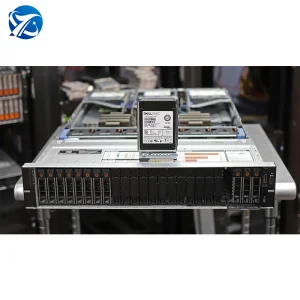
An innovative custom GPU hardware manufacturer, Korvion integrates high-density cooling solutions directly into custom AI and GPU servers, helping clients bridge the gap between cooling design and server deployment.
Your strategic OEM/ODM partner for custom AI GPU servers and thermal solutions
Founded in 2017, Korvion Technology Co., Ltd. is a professional manufacturer and solution provider specializing in AI GPU servers, high-performance computing (HPC) systems, GPU clusters, and data center infrastructure solutions. Headquartered in Shenzhen, China, the company operates a modern production facility covering 385 square meters and serves customers worldwide with reliable, scalable, and customized computing platforms.
With over 9 years of export experience and 15 years of industry expertise, Korvion has established a strong reputation for delivering advanced computing solutions tailored to the rapidly growing artificial intelligence, machine learning, cloud computing, and enterprise data center sectors.
Our annual export revenue exceeds USD 18 million, supported by a robust global supply network of more than 1,250 supply chain partners. We work closely with leading component suppliers to ensure stable product quality, competitive pricing, and timely delivery.
Quality is at the core of our operations. Korvion implements a comprehensive ISO 9001-based quality management system, supported by a dedicated team of 56 quality control professionals. Every product undergoes rigorous inspection procedures, including incoming material inspection, functional testing, burn-in testing, thermal performance verification, system stability validation, and final shipment inspection, ensuring dependable performance in mission-critical environments.
Innovation drives our growth. Our R&D department consists of 128 experienced engineers specializing in server architecture, thermal design, AI computing optimization, and customized hardware integration. Last year alone, Korvion introduced 86 new products and solution upgrades, helping customers stay competitive in the evolving AI infrastructure market.
We offer comprehensive OEM and ODM services, including chassis customization, branding, hardware configuration, rack integration, liquid cooling deployment, GPU cluster design, and turnkey AI infrastructure solutions. Our flexible customization capabilities allow customers to build solutions that precisely match their business and technical requirements.
Today, Korvion serves a diverse customer base, including AI startups, cloud service providers, system integrators, research institutions, universities, enterprise data centers, and GPU hosting companies across North America, Europe, Southeast Asia, the Middle East, and Latin America.
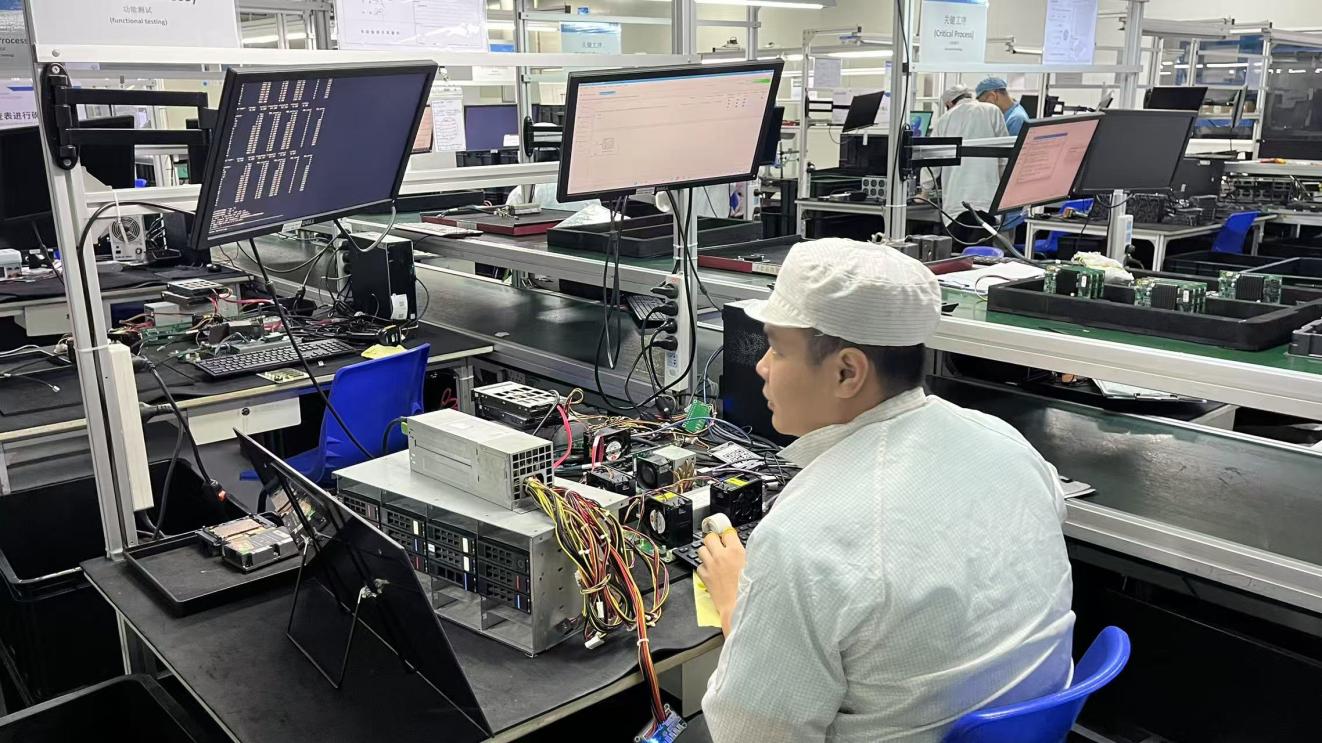
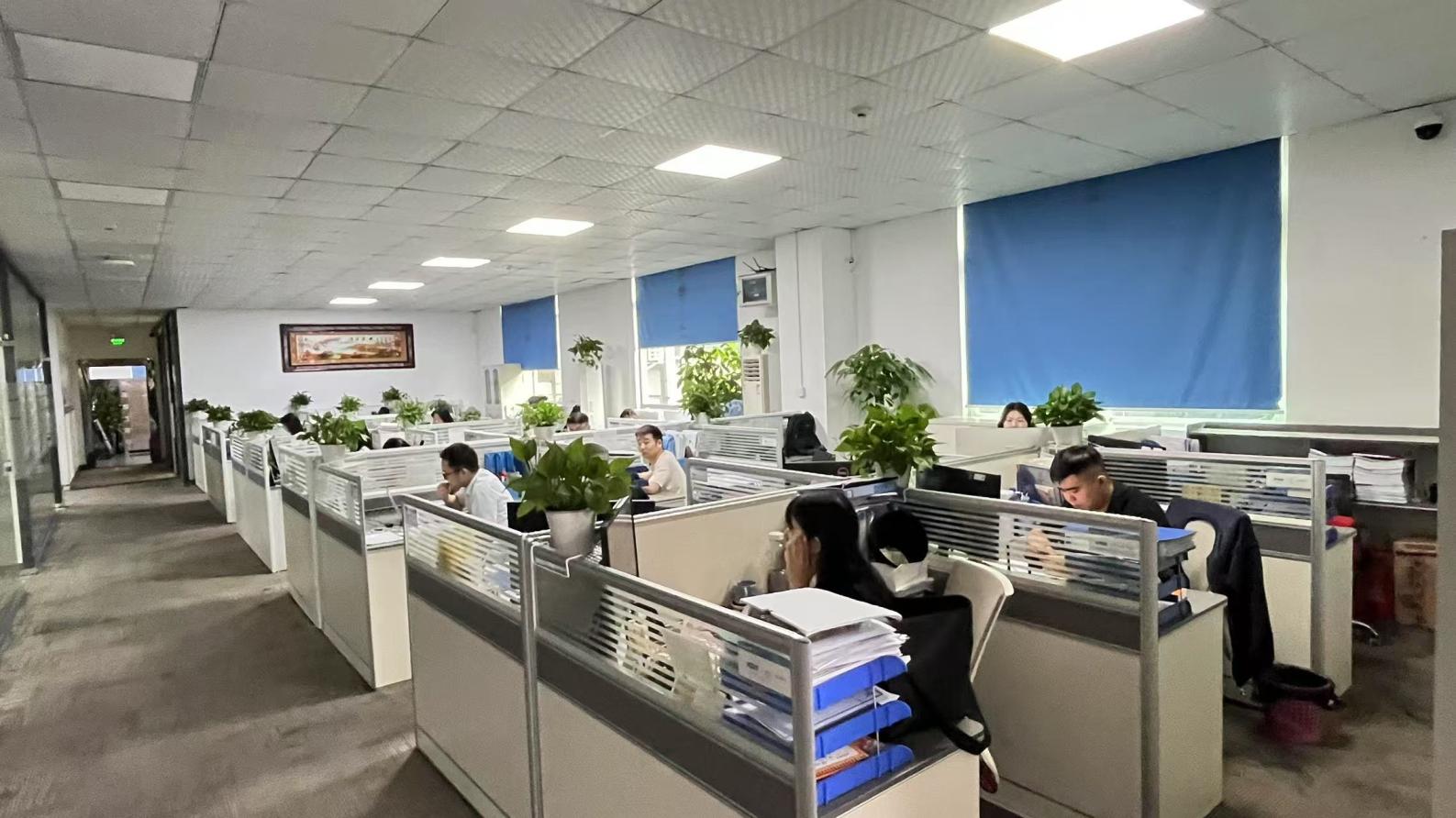
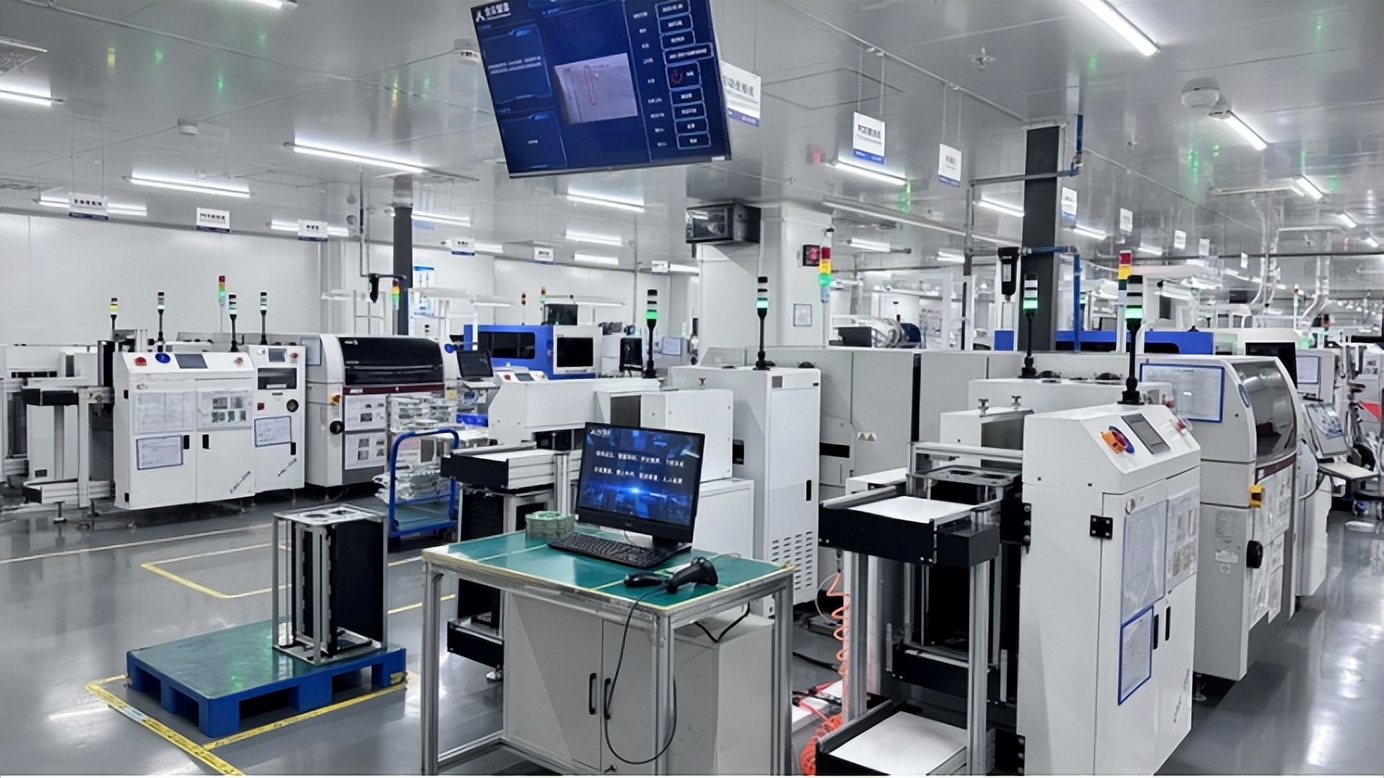
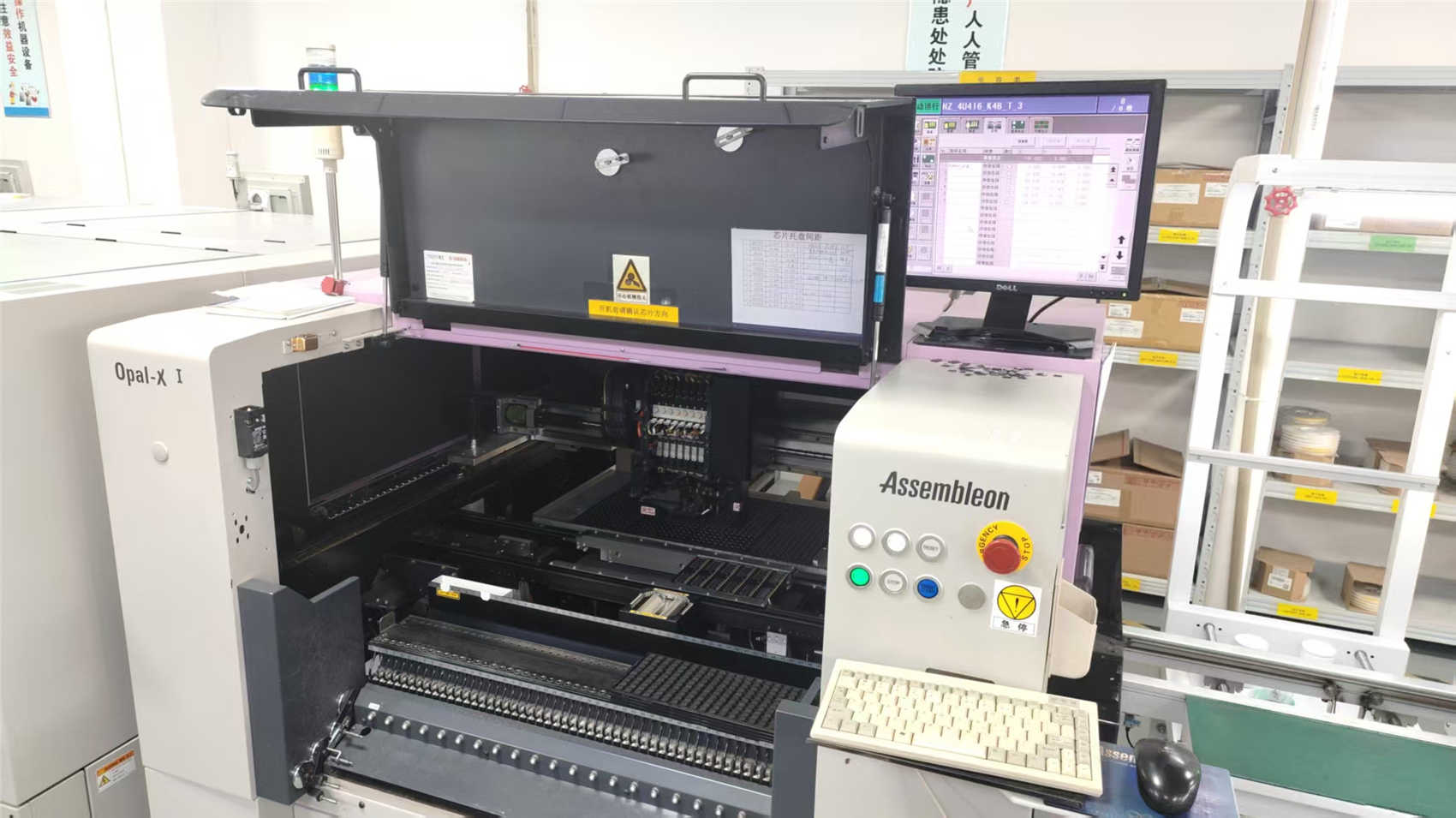
Strategic considerations when souring cooling hardware and high-density servers
When selecting server cooling hardware, look beyond initial purchasing costs (CAPEX). Liquid cooling installations often require larger upfront investments for fluid manifolds and plumbing, but their higher thermal efficiency reduces ongoing electricity costs (OPEX). This typically leads to a positive return on investment within 18 to 36 months.
Choosing between water-glycol mixes, synthetic oils, and fluorochemical fluids is critical. Corrosion inhibition, biocide treatments, and regular fluid testing are necessary to prevent mineral buildup and leaks that could compromise high-density configurations.
Large-scale projects must comply with regional environmental standards, such as ASHRAE guidelines in North America, CE marking in Europe, and RoHS restrictions globally. Working with manufacturers who adhere to ISO 9001 and ISO 14001 helps ensure both performance stability and environmental compliance.
Answers to common technical and operational questions regarding server cooling solutions
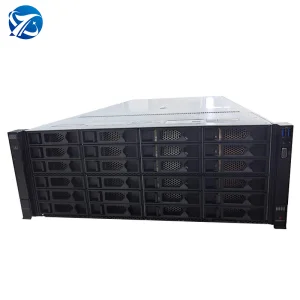
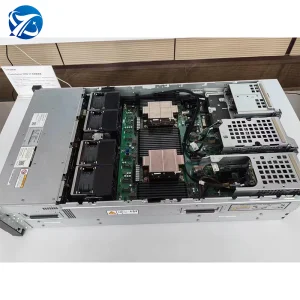
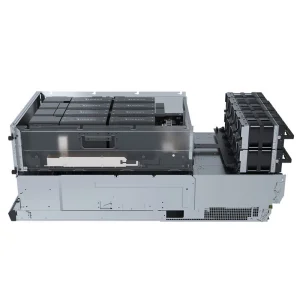
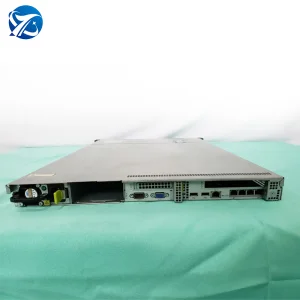
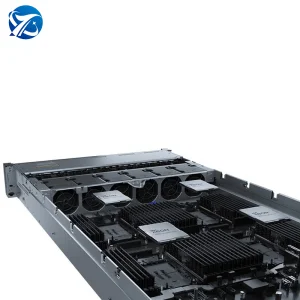
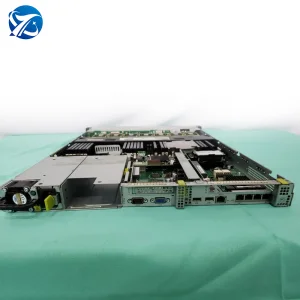
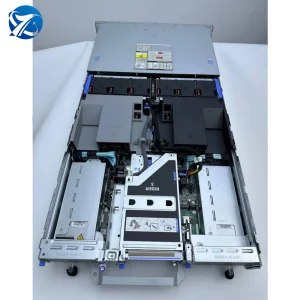
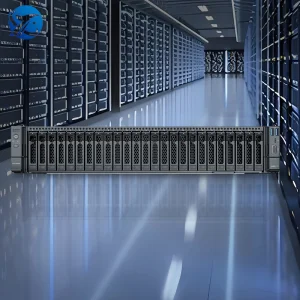
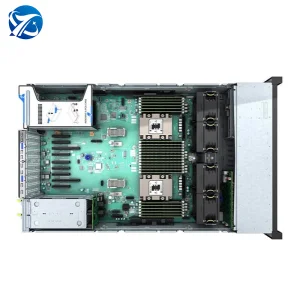
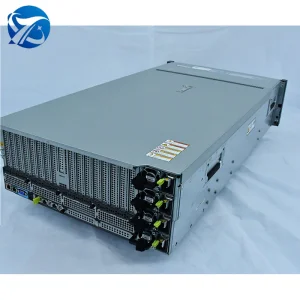
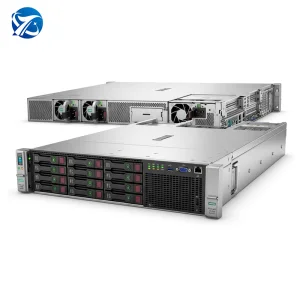
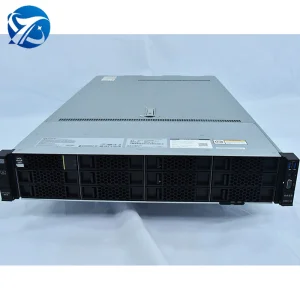
Robust rack servers and component accessories optimized for high-performance workloads