Korvion
Korvion
Korvion
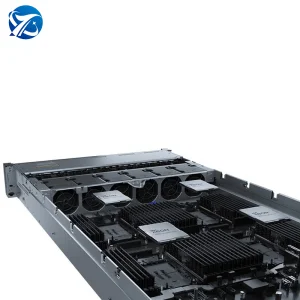
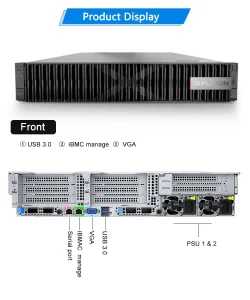
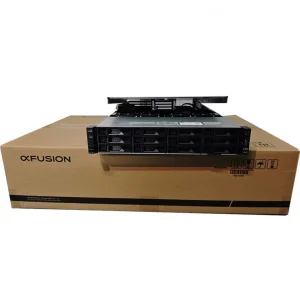
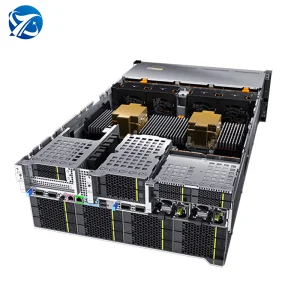


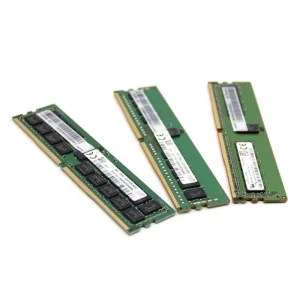
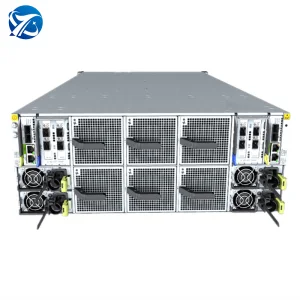
Virtualization has expanded far beyond simple hardware partitioning. In today's hybrid cloud ecosystems, software-defined computing functions as the backbone of modern enterprise operations, artificial intelligence (AI) scaling, and automated smart manufacturing. Rather than running applications directly on host hardware, bare-metal hypervisors (Type 1) and containerization frameworks abstract critical CPU, storage, memory, and networking resources. This optimization enables enterprises to maximize utilization rates from a typical 15% on bare metal to over 85% in virtualized clusters.
With the emergence of large language models (LLMs) like DeepSeek, Llama, and complex deep learning structures, virtualization has transformed. It is no longer just about hypervisors; it now encompasses advanced GPU Virtualization (vGPU) and Multi-Instance GPU (MIG) partitioning. This allows physical hardware accelerators to be dynamically divided, allocated, and provisioned to isolated sandbox training networks. This software-driven agility, combined with hardware engineered by Tier-1 OEM suppliers, forms the core of modern digital infrastructure.
In standard terminology, "Virtualization Software Factory" refers to the highly systematic assembly, pre-configuration, and bare-metal orchestration of virtualization layers onto custom enterprise servers during manufacturing. Instead of purchasing hardware and manually deploying hypervisors, global enterprise procurers rely on integrated system deployment. Hardware manufacturers co-engineer bios settings, SR-IOV configurations, and NUMA node tuning directly inside the factory walls.
This hardware-software co-design ensures that when a multi-node GPU cluster leaves the production line, it is pre-configured and optimized to run enterprise hypervisors, container management networks, or private cloud partitions. This optimization eliminates deployment delays and limits hardware-software incompatibility issues in mission-critical operations.
Pre-loading type-1 hypervisors directly onto redundant internal M.2 SSDs or boot drives with automated scripts, optimizing boot times and minimizing physical attack surfaces.
Configuring PCIe root complexes and SRIOV technologies directly at the BIOS level to enable immediate virtualization of high-performance GPU nodes.
Adjusting Dynamic Voltage and Frequency Scaling (DVFS) parameters within the chassis controller to fit virtualized workloads with high burst rates.
Selecting the appropriate hypervisor is critical for maintaining infrastructure performance, scalability, and security. Below, we analyze the top 10 virtualization software systems deployed globally, outlining their architectural strengths and hardware design requirements.
| Software Name | Architecture Type | Primary Use Case | Hardware Optimization Requirement |
|---|---|---|---|
| VMware vSphere (ESXi) | Bare-metal Type 1 Hypervisor | Enterprise Data Centers & Hybrid Cloud | Highly specific HCL compatibility, Intel VT-x/AMD-V |
| KVM (Kernel-based Virtual Machine) | Open-source Type 1 (Integrated in Linux) | Hyperscalers, AWS EC2 backend, OpenStack | Strong CPU core density, NUMA node balance |
| Proxmox VE | Debian-based open-source (KVM/LXC) | SMEs, Homelabs, Localized Edge Clusters | Consumer/Enterprise SSDs with high write endurance |
| Microsoft Hyper-V | Type 1 (Windows Server Native) | Active Directory & Windows-centric Enterprise | Compatible storage spaces direct (S2D) architectures |
| Nutanix AHV | Enterprise Hyperconverged Infrastructure (HCI) | Multi-cloud application hosting & storage scaling | Fast NVMe arrays & high-bandwidth 25GbE+ NICs |
| Citrix Hypervisor (XenServer) | Type 1 Hypervisor | Virtual Desktop Infrastructure (VDI) | Dedicated GPU accelerators for high-density vGPU allocation |
| Red Hat Virtualization (RHV) | KVM-based Enterprise platform | Enterprise Linux mission-critical workloads | Redundant storage systems, native Ceph clustering support |
| OpenStack | IaaS Cloud Computing Orchestration | Private & Public Telco/Cloud Infrastructures | Multi-node network architectures & VLAN-optimized NICs |
| Harvester (Rancher/SUSE) | Kubernetes-native Hyperconverged Infrastructure | Modern Cloud-native container & VM co-existence | High RAM capacities per node & container-ready storage |
| SmartOS | Illumos (Solaris) based hypervisor (zones/KVM) | High-performance multitenant services | Enterprise SAS/SATA drives utilizing ZFS configurations |
Each software option requires matching hardware configurations. For example, deploying *VMware vSphere* requires server platforms from qualified suppliers that comply with VMware's Hardware Compatibility List (HCL). Conversely, open-source solutions like *Proxmox VE* or *KVM* offer more hardware flexibility but require careful configuration of hardware bios, storage controller queues, and network bridging to ensure high availability and prevent performance bottlenecks.
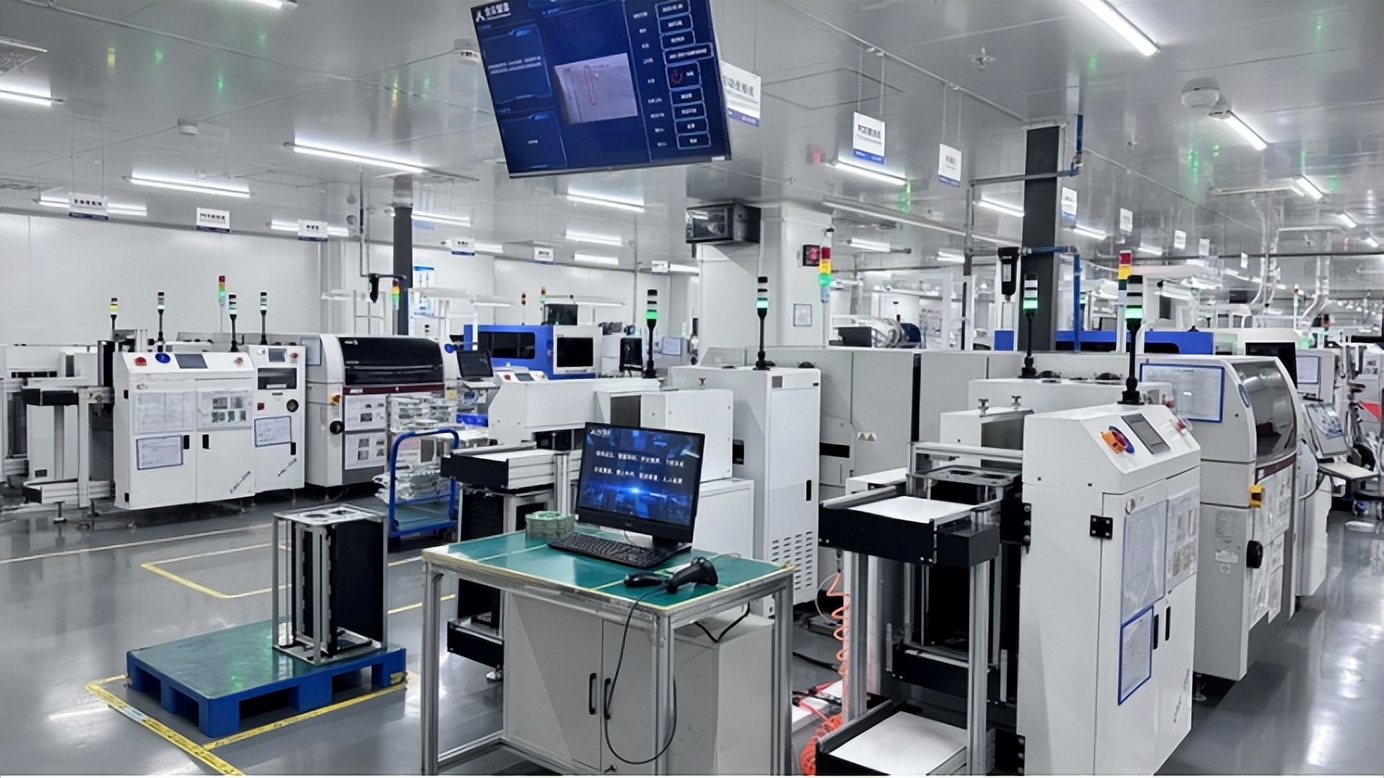
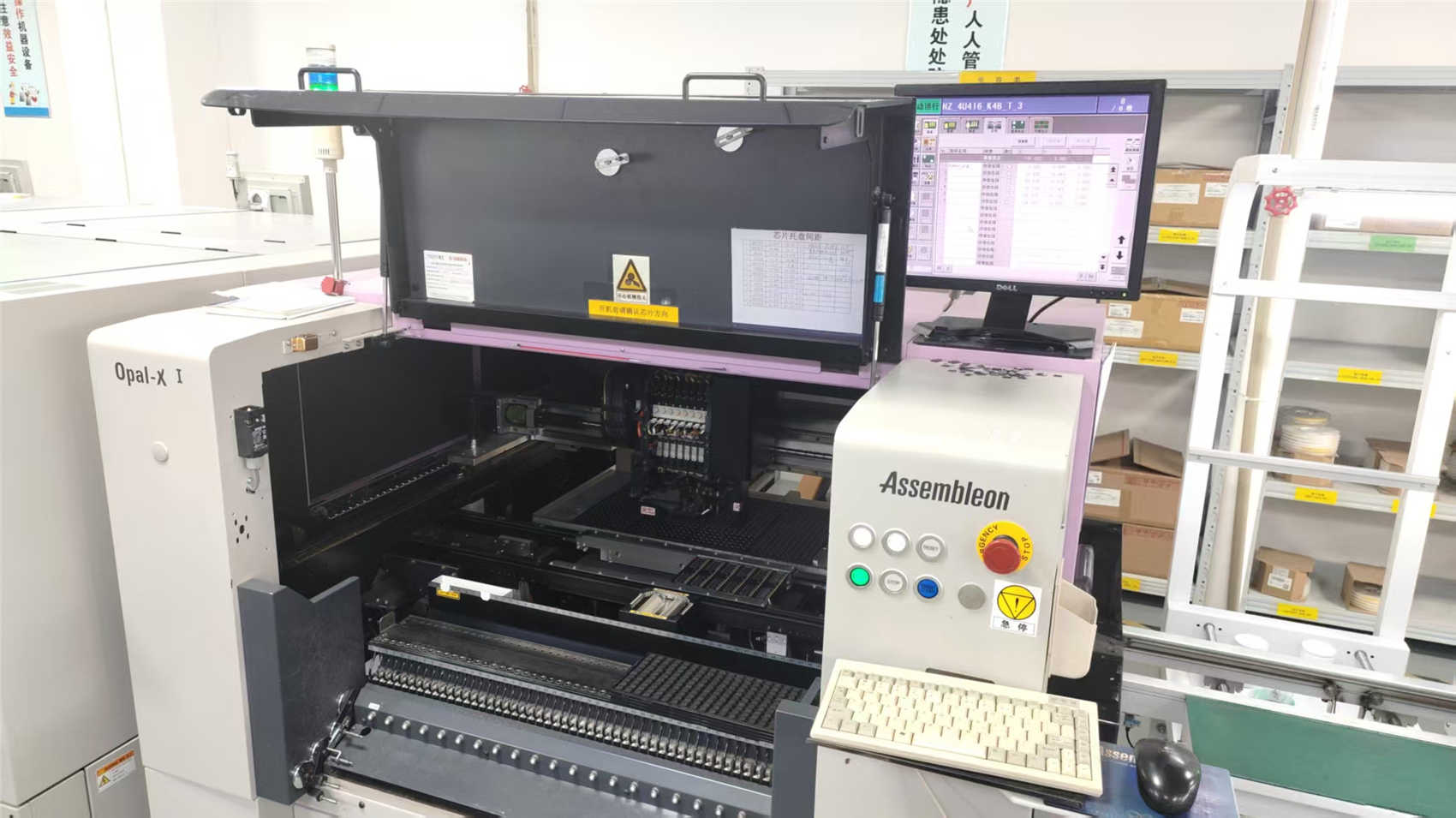
China's Industry 4.0 initiative has transformed hardware manufacturing from traditional component assembly to custom server engineering and validation. This is particularly critical for virtualization hosts, where minor hardware components or bios errors can compromise the stability of hundreds of virtual machine environments.
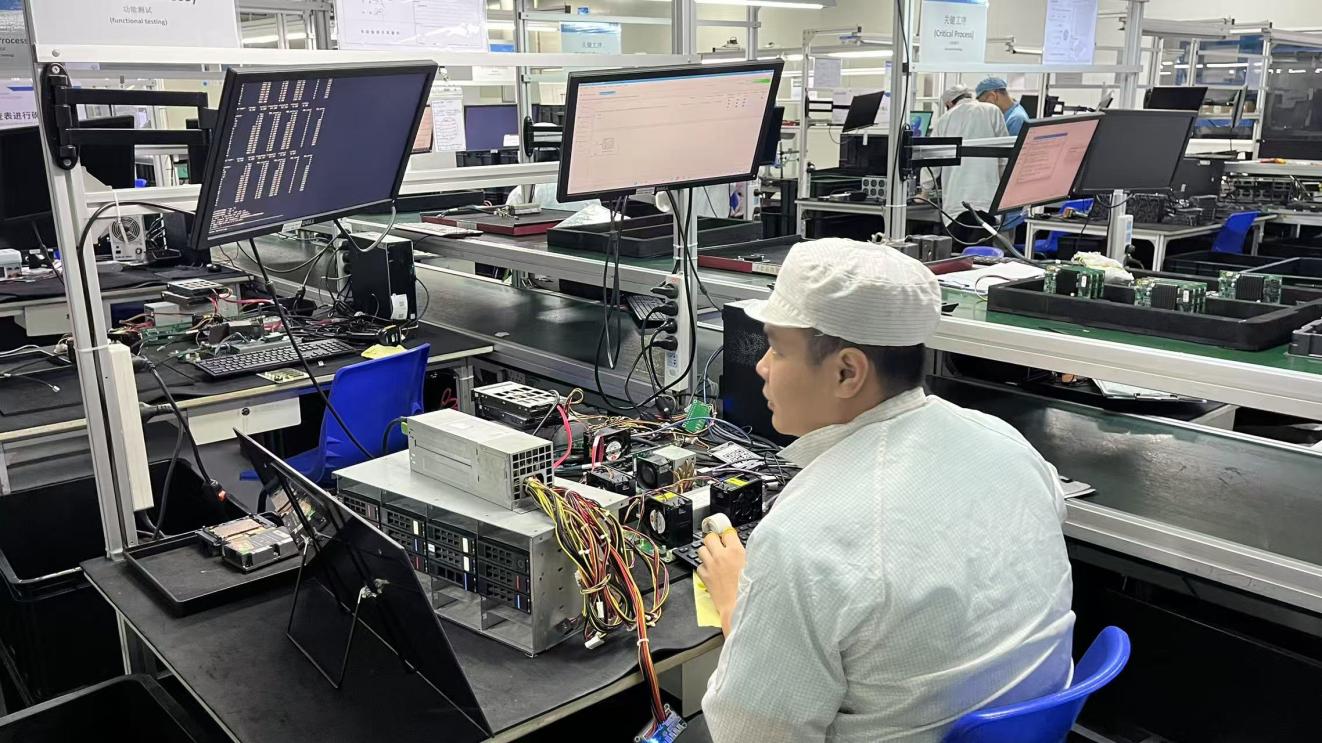
Operating in Shenzhen, China's tech capital, factories like Korvion design hardware systems optimized for virtualization workloads. By using automated production technology and testing environments, engineers can simulate heavy system loads, thermal spikes, and drive failures. This ensures that memory channels, PCIe configurations, and storage controllers function reliably under virtualization stress.
Furthermore, custom manufacturing allows for hardware modifications designed for virtualization. This includes installing dual internal boot devices for hypervisor redundancy, customizing PCIe risers to accommodate multiple low-latency vGPU accelerators, and configuring custom baseboard management controllers (BMCs) for remote bare-metal orchestration.
When purchasing hardware for virtualization environments, international procurement teams assess several key system parameters. Selecting the right hardware requires balancing CPU cores, memory bandwidth, network speed, and system security features:
Virtualization technologies are deployed differently depending on the specific operational environment. Below are three key scenarios where hardware-software integration is essential:
In modern smart factories, local edge servers run virtualization hypervisors to host control software, environmental monitoring systems, and local database servers on a single physical host. This setup reduces hardware footprint, simplifies maintenance, and provides system isolation for safety-critical control tasks.
AI development teams require flexible resource allocation. Using GPU virtualization, engineering teams can segment a high-capacity GPU server (like the xFusion 2288H V7 or G5500 V7) into multiple smaller virtual environments. This allows developers to run model testing, data prep, and model training tasks simultaneously without resource conflicts.
Financial institutions rely on virtual desktop infrastructures (VDIs) to secure remote access. Standardizing on virtualization servers allows them to host hundreds of isolated desktop environments in a secure central datacenter, protecting sensitive data while providing high-performance desktop access.
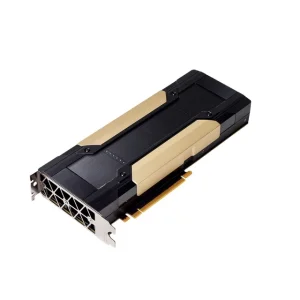
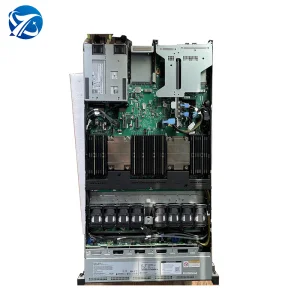
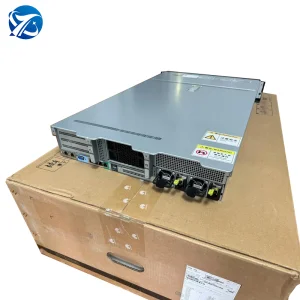

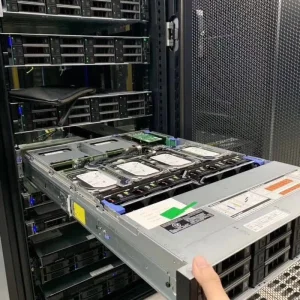


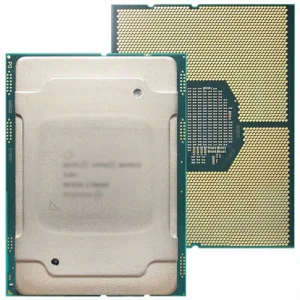
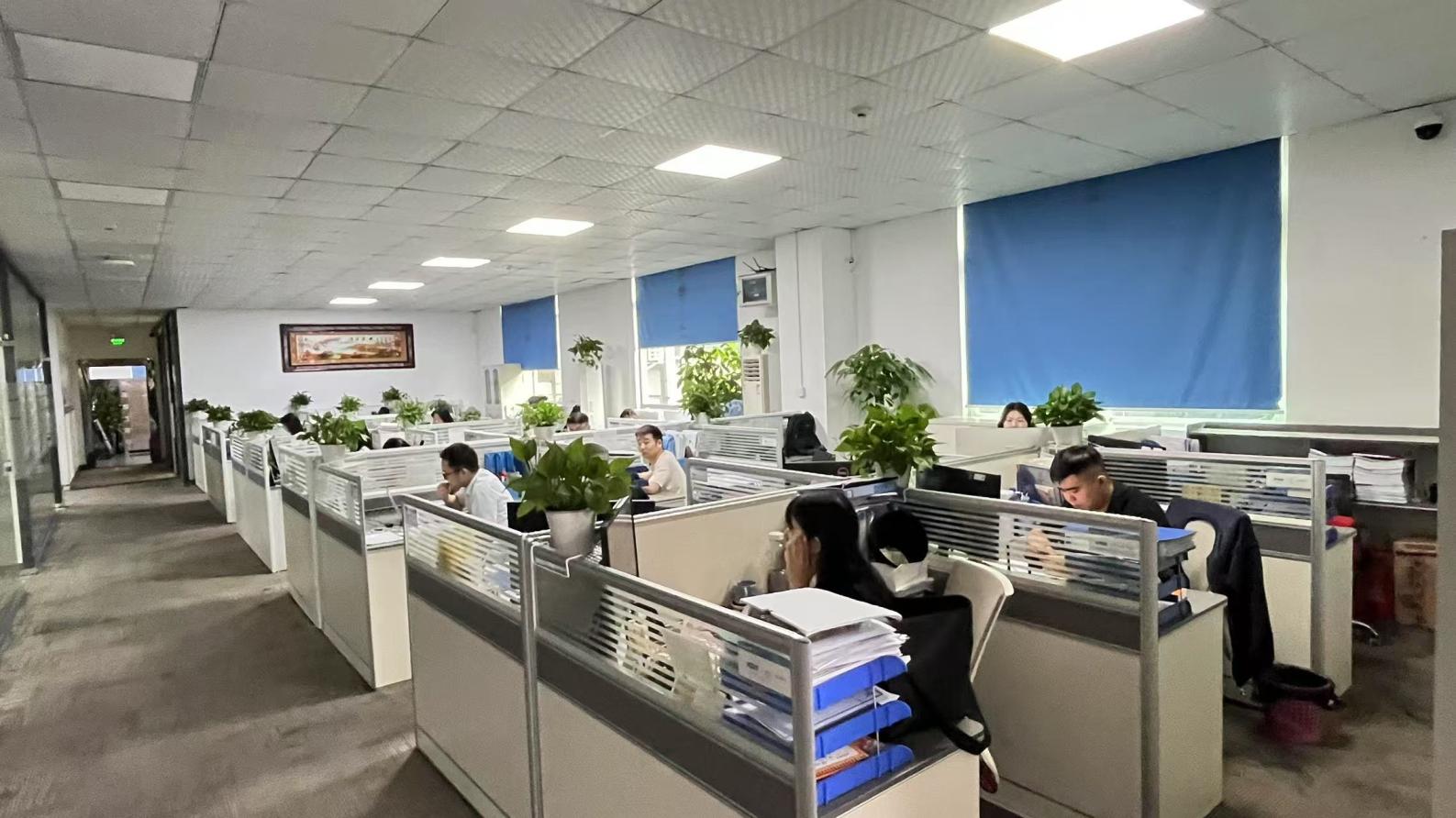
Founded in 2017, Korvion Technology Co., Ltd. is a professional manufacturer and solution provider specializing in AI GPU servers, high-performance computing (HPC) systems, GPU clusters, and data center infrastructure solutions. Headquartered in Shenzhen, China, the company operates a modern production facility covering 385 square meters and serves customers worldwide with reliable, scalable, and customized computing platforms.
With over 9 years of export experience and 15 years of industry expertise, Korvion has established a strong reputation for delivering advanced computing solutions tailored to the rapidly growing artificial intelligence, machine learning, cloud computing, and enterprise data center sectors.
Our annual export revenue exceeds USD 18 million, supported by a robust global supply network of more than 1,250 supply chain partners. We work closely with leading component suppliers to ensure stable product quality, competitive pricing, and timely delivery.
Quality is at the core of our operations. Korvion implements a comprehensive ISO 9001-based quality management system, supported by a dedicated team of 56 quality control professionals. Every product undergoes rigorous inspection procedures, including incoming material inspection, functional testing, burn-in testing, thermal performance verification, system stability validation, and final shipment inspection, ensuring dependable performance in mission-critical environments.
Innovation drives our growth. Our R&D department consists of 128 experienced engineers specializing in server architecture, thermal design, AI computing optimization, and customized hardware integration. Last year alone, Korvion introduced 86 new products and solution upgrades, helping customers stay competitive in the evolving AI infrastructure market.
We offer comprehensive OEM and ODM services, including chassis customization, branding, hardware configuration, rack integration, liquid cooling deployment, GPU cluster design, and turnkey AI infrastructure solutions. Our flexible customization capabilities allow customers to build solutions that precisely match their business and technical requirements.
Today, Korvion serves a diverse customer base, including AI startups, cloud service providers, system integrators, research institutions, universities, enterprise data centers, and GPU hosting companies across North America, Europe, Southeast Asia, the Middle East, and Latin America. Guided by our commitment to quality, innovation, and customer success, Korvion continues to empower organizations worldwide with cutting-edge AI computing infrastructure designed for the future of intelligent computing.