Korvion
Korvion
Korvion
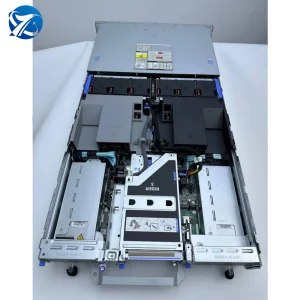
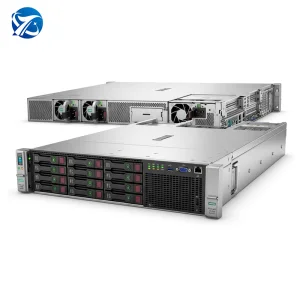
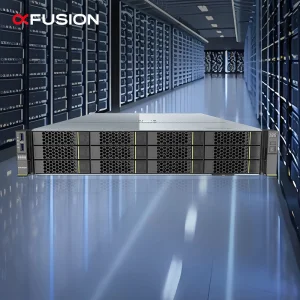
Explore our highly integrated core data center infrastructure hardware components, optimized for AI workloads, virtualization platforms, and high-throughput networking environments.

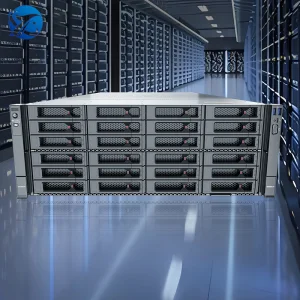
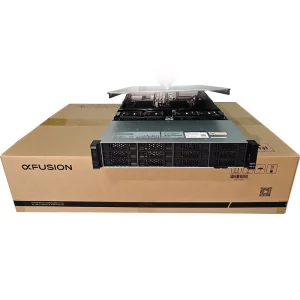
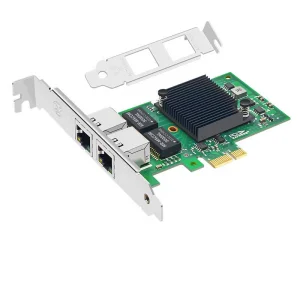
How the Rise of Large Language Models (LLMs) and Ultra-Low Latency Standards are Redefining Modern Connectivity Infrastructures.
Traditional three-tier network designs (Access, Aggregation, Core) are giving way to flat, two-tier Spine-Leaf topologies. This structural transition guarantees predictable east-west traffic latency—a critical requirement for distributed deep learning operations (such as DeepSeek-R1 and similar LLM cluster communications) where GPU nodes constantly exchange gradients and weights.
While InfiniBand remains a high-performance standard, RoCEv2 (RDMA over Converged Ethernet) is gaining significant market share due to its cost-efficiency and compatibility with legacy Ethernet infrastructure. By bypassing the OS kernel and enabling direct memory access across hosts, RoCEv2 delivers sub-microsecond latency, optimizing the interconnectivity of clusters without expensive proprietary fabric investments.
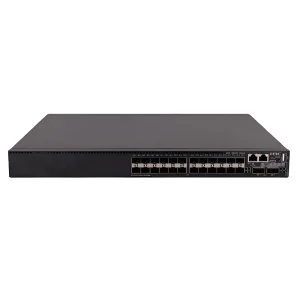
Hyperscale infrastructure demands bandwidth transitions from standard 10G/40G/100G configurations to 400Gbps and 800Gbps optical interfaces. The inclusion of high-density QSFP-DD interfaces on core switches allows for massive aggregate throughput, preventing networking bottlenecks during high-capacity data ingestion and database query processing.
Modern IT directors, procurement officers, and network architects from enterprises, cloud service providers, and telecommunications companies look beyond basic hardware specifications. To secure sustainable ROI and high availability, global procurement processes evaluate suppliers on a multidimensional matrix:
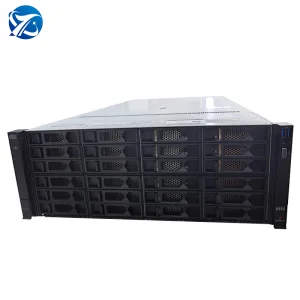
At Korvion, we translate technical complexity into ready-to-deploy, robust infrastructure. Whether it is configuring multi-port high-speed H3C switches with customized transceivers or building massive clusters with xFusion and Dell PowerEdge platforms, our hardware configurations align with contemporary global standards.
By integrating enterprise-grade components, robust BIOS configurations, and tailored firmware settings, we guarantee that all network adapters, RAID controller cards (e.g. LSI 9560-16I), and storage systems maintain uptime under heavy network loads.
A Professional Manufacturer and Solutions Provider for AI GPU Servers, High-Performance Computing, and Data Center Infrastructure.
Headquartered in Shenzhen, China, Korvion Technology Co., Ltd. operates a modern, technologically integrated production facility. Backed by 9 years of export experience and 15 years of deep industry expertise, our engineering teams build scalable, tailored computing configurations.
We collaborate with over 1,250 certified supply chain partners worldwide. This extensive matrix enables us to procure components directly from Tier-1 manufacturers, guaranteeing stable product availability, competitive export pricing, and minimized lead times even during global component shortages.
Quality control is integrated into every phase of our operations. Korvion implements a strict ISO 9001-based quality management system run by a dedicated group of 56 quality control professionals.
Our R&D department features 128 experienced engineers specializing in server system architecture, fluid thermodynamics, high-frequency PCB layouts, and custom hardware integrations. Last year, we launched 86 product upgrades and new solutions, keeping our clients at the forefront of the AI infrastructure sector.
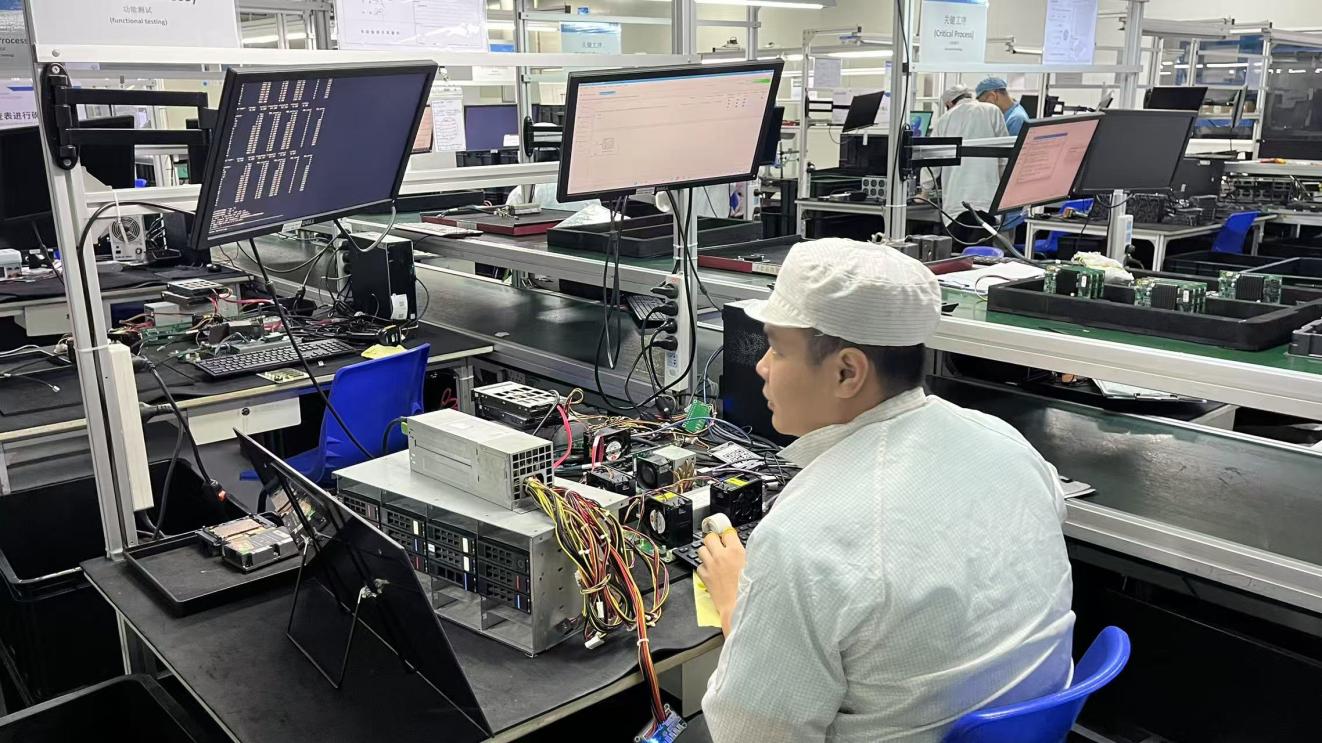
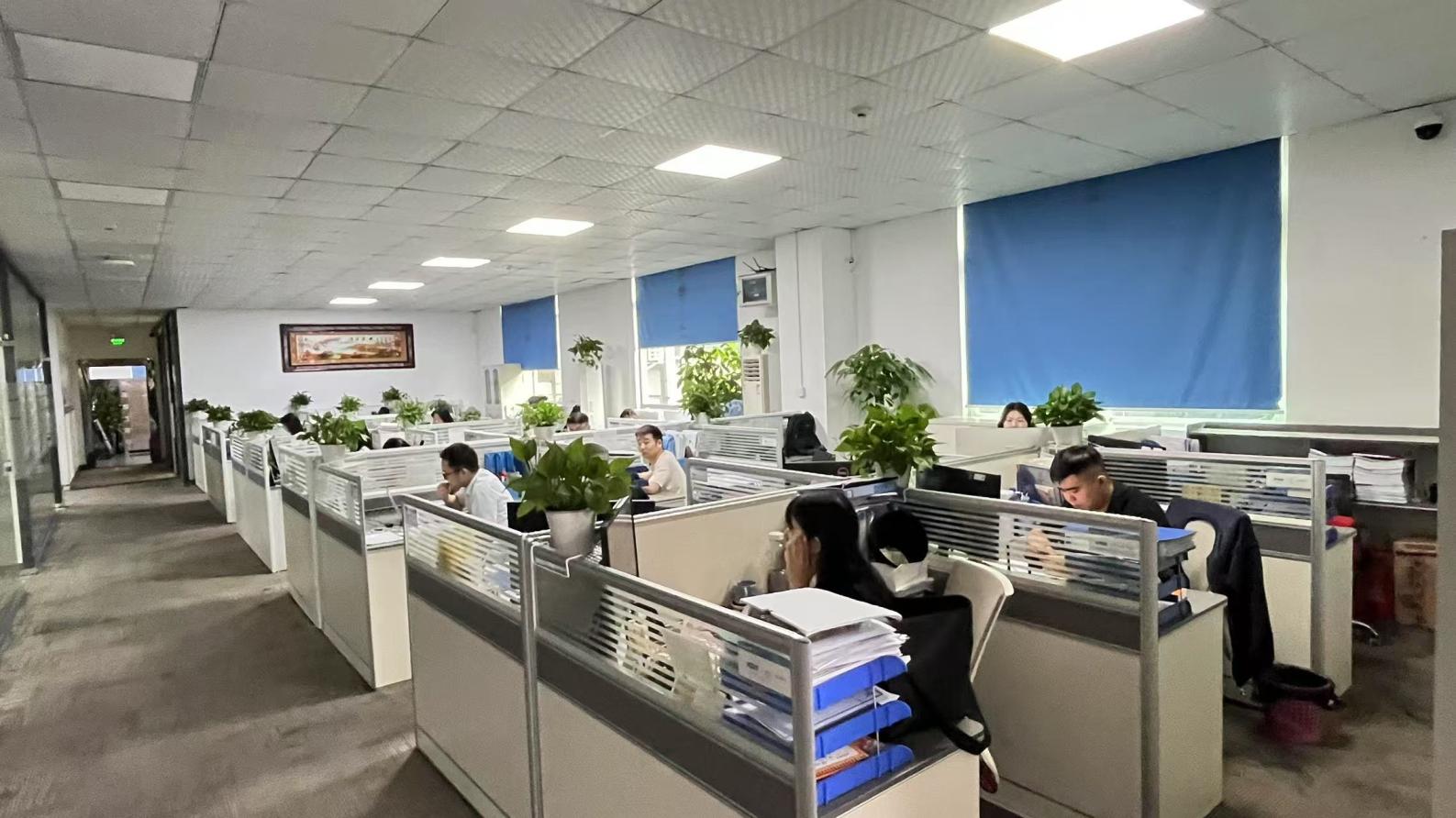
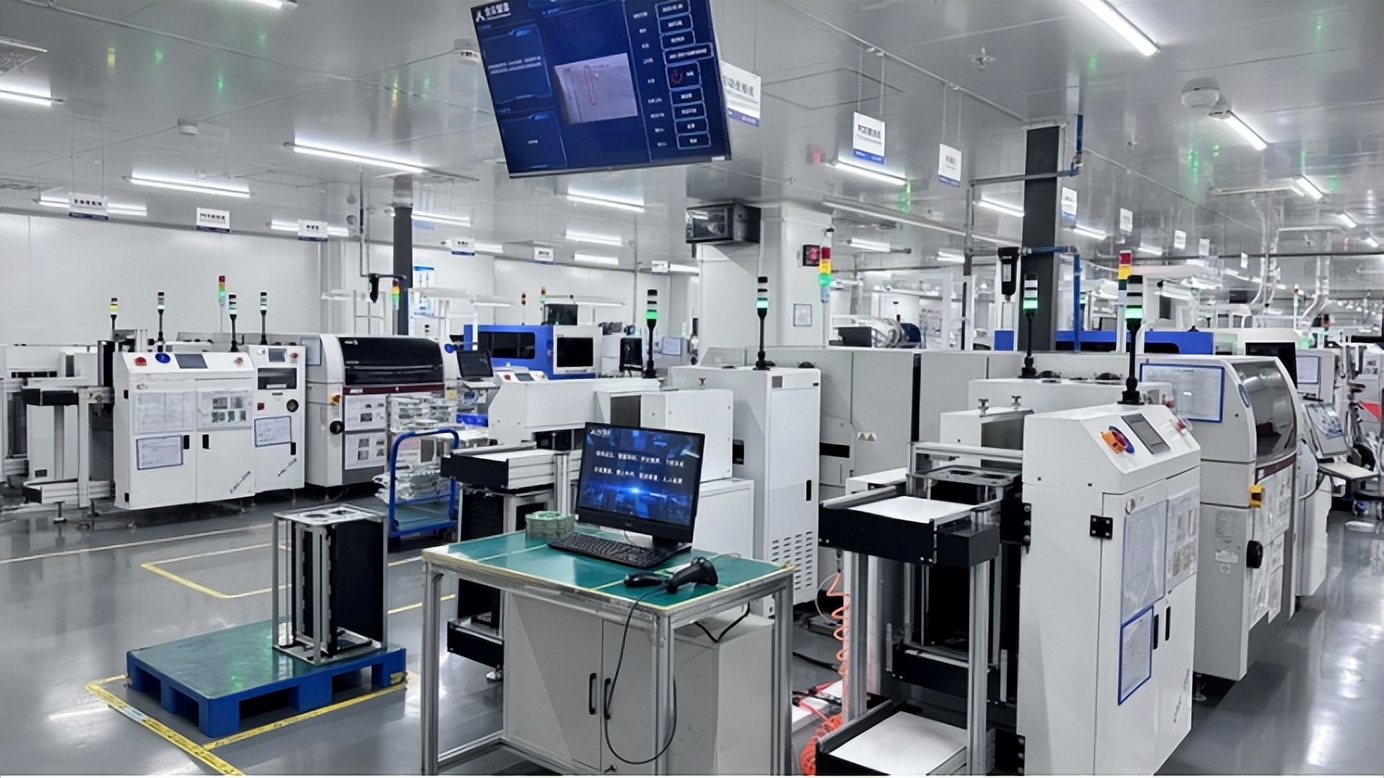
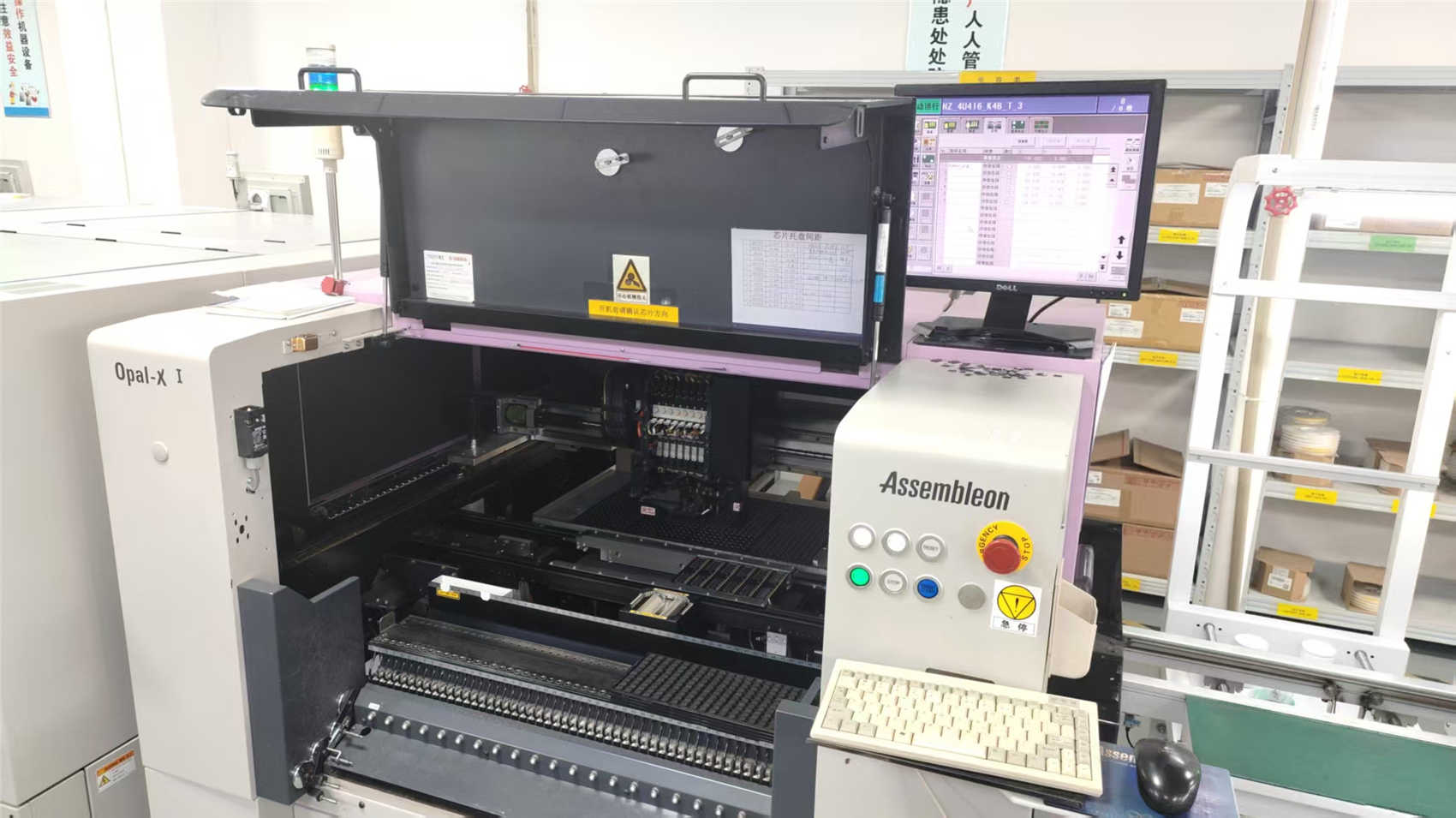
Combining advanced industrial manufacturing automation with strategic geographical and logistical advantages.
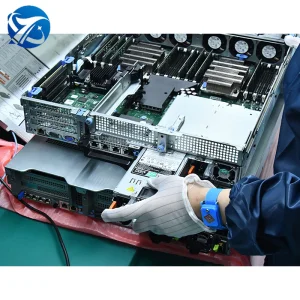
Our manufacturing lines incorporate automated optical inspection (AOI), X-ray validation, and high-frequency wave soldering. Automated processes remove human error from complex system assemblies, ensuring each server node and switch backplane performs reliably under continuous workloads.
Every node undergoes customized burn-in cycles. This includes thermal chamber stressing up to 45°C, high-stress packet transmission testing on network interfaces, and storage input/output (I/O) stressing to isolate early component failures before shipment.
We provide full-spectrum OEM/ODM solutions, from custom bios styling and silk-screened chassis branding to complete internal rack configurations. We tailor motherboard layouts, PCIe expansion settings, and custom high-speed network mezzanine cards to meet precise hardware specifications.
Providing custom networking solutions engineered to match specific regional demands and operational environments.
The Objective: Rapid deployment of deep learning nodes to support SaaS-based AI inference APIs.
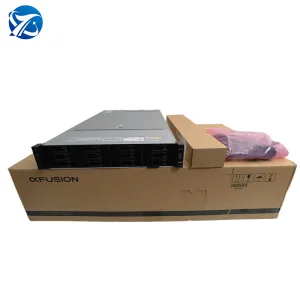
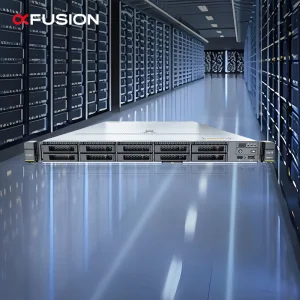
The Solution: Deploying high-density 1U rack servers, such as the xFusion FusionServer 1288H V7, linked via high-speed 24-port 10G/40G H3C core switches. This approach balances compute power with network bandwidth, keeping latency minimal and deployment times fast.
The Objective: Build GDPR-compliant, high-performance computing clusters with optimized power usage.
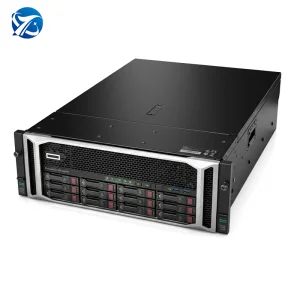
The Solution: Utilizing HPE ProLiant DL380 Gen11 & Gen12 servers integrated with NVMe SSD configurations for fast local caching. High-efficiency power supply units (PSUs) and customizable cooling profiles ensure compliance with regional efficiency and noise limits.
The Objective: Secure transaction handling with low network jitter and low physical space footprint.
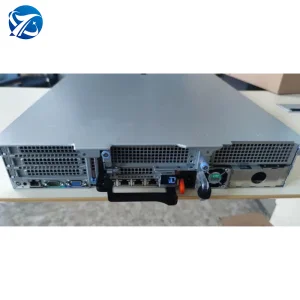
The Solution: Installing Dell PowerEdge R650/R750 server topologies equipped with dual-port 10G Ethernet network interface cards and LSI PCIe RAID controller cards, securing data integrity and high availability during localized traffic peaks.
The Objective: Build out resilient regional hosting centers capable of enduring temperature fluctuations.
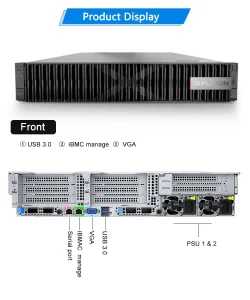
The Solution: Utilizing xFusion FusionServer 2288H V5/V6 platforms configured with optimized chassis airflows and high-durability power components. This ensures reliable operation and reduces maintenance overhead in distributed Edge locations.
Addressing core technical, custom manufacturing, logistics, and operational queries from enterprise buyers.
Our platforms support RDMA over Converged Ethernet (RoCEv2) through integrated network interfaces and host bus adapters (HBAs). RoCEv2 requires Congestion Notification packets (ECN) and Priority Flow Control (PFC) configured on both the network switches (such as our high-speed optical switch arrays) and server NICs to prevent packet loss. Our engineering team assists with switch configuration settings (such as setting up DSCP trust maps and QoS priorities) to guarantee loss-free network operations for distributed GPU clusters.
Yes. Korvion provides complete OEM/ODM options. We can pre-configure BIOS/UEFI settings, setup custom SRIOV, virtualization flags, adjust PCIe lane allocation (e.g. configuring Gen 4/Gen 5 lanes for high-speed NVMe storage or network accelerators), and pre-install specific hypervisors or OS kernels. We can also pre-flash firmware versions to match your existing network infrastructures.
Our quality control process is based on ISO 9001 standards. Every server, switch, and storage expansion goes through incoming material qualification, in-line assembly validation, and a 24-to-72-hour thermal burn-in stress test. We use specialized testing suites to exercise all storage sectors, memory channels, and network ports under heavy load, ensuring reliability in mission-critical environments.
We build our network architectures and server platforms on open x86 and industry-standard networking structures. Our equipment is tested to integrate with major vendors like Cisco, Arista, Juniper, Dell, and HPE. By supporting standard protocols (such as BGP, LACP, EVPN-VXLAN, and IPMI 2.0/Redfish management APIs), our hardware integrates easily into existing management consoles and monitoring systems.
Standard lead times for configured hardware vary from 2 to 4 weeks depending on the order size. Due to our location in Shenzhen, we ship via major ports (Shekou/Yantian) and utilize direct air routes from Hong Kong/Shenzhen international airports. We work with major global freight forwarders to handle customs clearances, providing DDP/CIF/FOB shipping terms to suit your logistics needs.
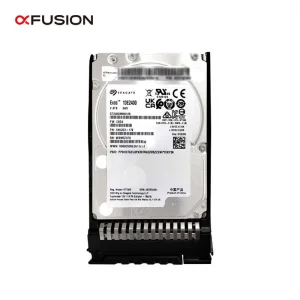
Complete your deployment with enterprise-grade server hardware, high-end storage arrays, and network expansion cards.