Korvion
Korvion
Korvion
Explore our high-performance rackmount servers, active controllers, and enterprise-grade storage fabrics engineered for non-stop performance.
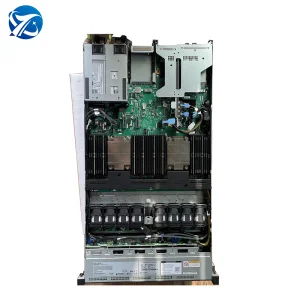
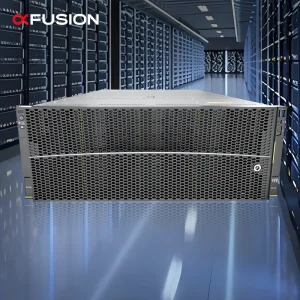
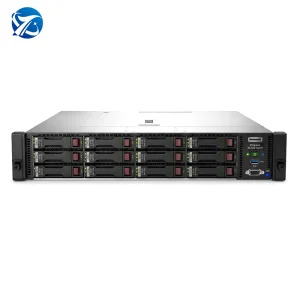
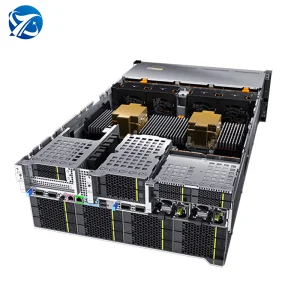
In the modern hyper-converged data ecosystem, data is not just an asset; it is the core transactional foundation of global commerce. As workloads transition from relational databases to unstructured media processing and highly complex Deep Learning model parameters, traditional Network Attached Storage (NAS) configurations often present significant architectural limitations. This bottleneck has accelerated the global adoption of dedicated, high-speed, high-density Storage Area Network (SAN) topologies.
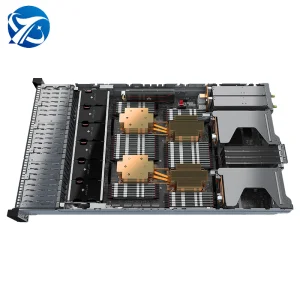
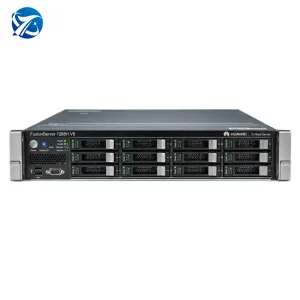
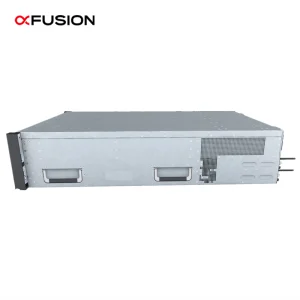
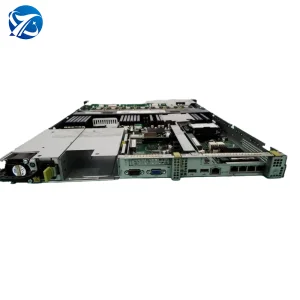
Historically, Fibre Channel SANs (FC-SAN) dominated enterprise data centers, offering deterministic performance through dedicated 8Gb/s, 16Gb/s, and 32Gb/s fabrics. However, the paradigm is rapidly pivoting toward IP-SAN technologies and next-generation NVMe over Fabrics (NVMe-oF) configurations. By leveraging Remote Direct Memory Access (RDMA) over Converged Ethernet (RoCEv2) or iWARP, modern storage systems bypass standard OS kernel protocol stacks, allowing servers like the FusionServer 5288 V6 or the HPE ProLiant DL360 Gen12 to write directly to remote NVMe flash arrays with latency figures that mimic local PCIe lanes.
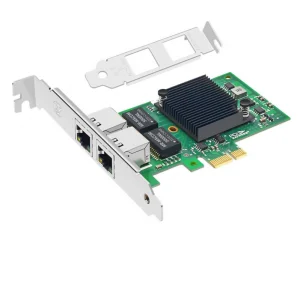
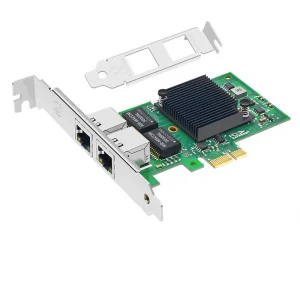
As a premier China Storage Area Network manufacturer and exporter, Korvion Technology partners with leading semiconductor designers and global component vendors to produce hardware platforms that support these advanced protocols out-of-the-box. The integration of high-bandwidth PCIe Gen 5.0 lanes, intelligent SAS/SATA RAID cards (such as the XP270-M2 and XC170-M-8i), and high-throughput network adapters ensures that raw disk arrays are converted into resilient, high-speed shared blocks accessible across enterprise datacenters.
Storage architectures must adapt dynamically to the industries they serve. Our technical solutions bridge the gap between high-capacity hardware and software-defined orchestrations:
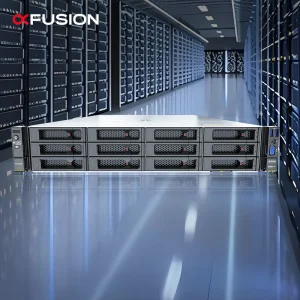
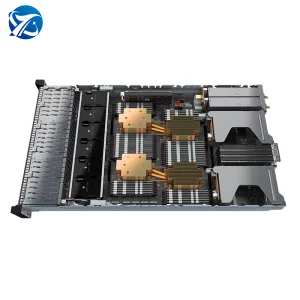
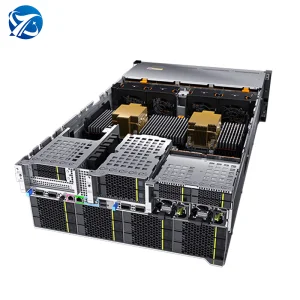
In financial institutions, milliseconds determine the profitability of transactional operations. Legacy file systems cannot cope with the sheer volume of synchronous writes. An optimized IP-SAN built around active-active controllers, leveraging dual-socket servers such as the xFusion FusionServer 2288H V7, allows banks and payment gateways to isolate read/write activities. The use of specialized RAID controllers with zero-cache boot configurations ensures system integrity, enabling rapid recovery from power outages or network interruptions without data loss.
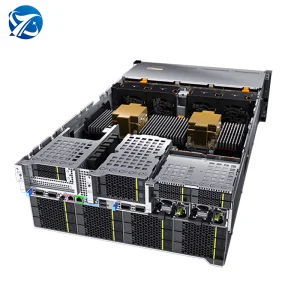
AI training clusters consume terabytes of check-point data. If the computing node experiences I/O wait times during training iterations, precious GPU resources sit idle. Deploying storage configurations with dedicated high-density computing servers, like the FusionServer G5200 V5 or the multi-GPU G5500 V6, creates a parallel file system storage pool (e.g., Lustre or GPFS) linked via NVMe-oF. These setups serve as fast ingest layers, buffering data and maintaining high IOPS even when scanning millions of micro-files.
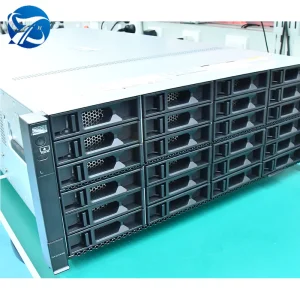
Modern hospitals require instant access to Picture Archiving and Communication Systems (PACS). The storage system must balance hot tiering for current active patient records and cold tiering for archive compliance. A hybrid SAN node incorporating 36 LFF drives (via platforms like the FusionServer 5288 V6) provides high storage density in a single 4U chassis, coupled with intelligent SAS/SATA RAID expanders, allowing hospitals to minimize rack footprints while ensuring continuous patient record access.
Founded in 2017, Korvion Technology Co., Ltd. is a professional manufacturer and solution provider specializing in AI GPU servers, high-performance computing (HPC) systems, GPU clusters, and data center infrastructure solutions. Headquartered in Shenzhen, China, our company operates a modern production facility covering 385 square meters, strategically serving enterprise customers across North America, Europe, Southeast Asia, the Middle East, and Latin America.
Backed by over 9 years of export experience and 15 years of industry expertise, Korvion has established a reputation for manufacturing reliable, scalable, and customized computing platforms. Our annual export revenue exceeds USD 18 million, sustained by a robust global supply network of more than 1,250 supply chain partners. We collaborate with tier-one component providers to guarantee parts availability, stable product quality, and rapid turnaround times.
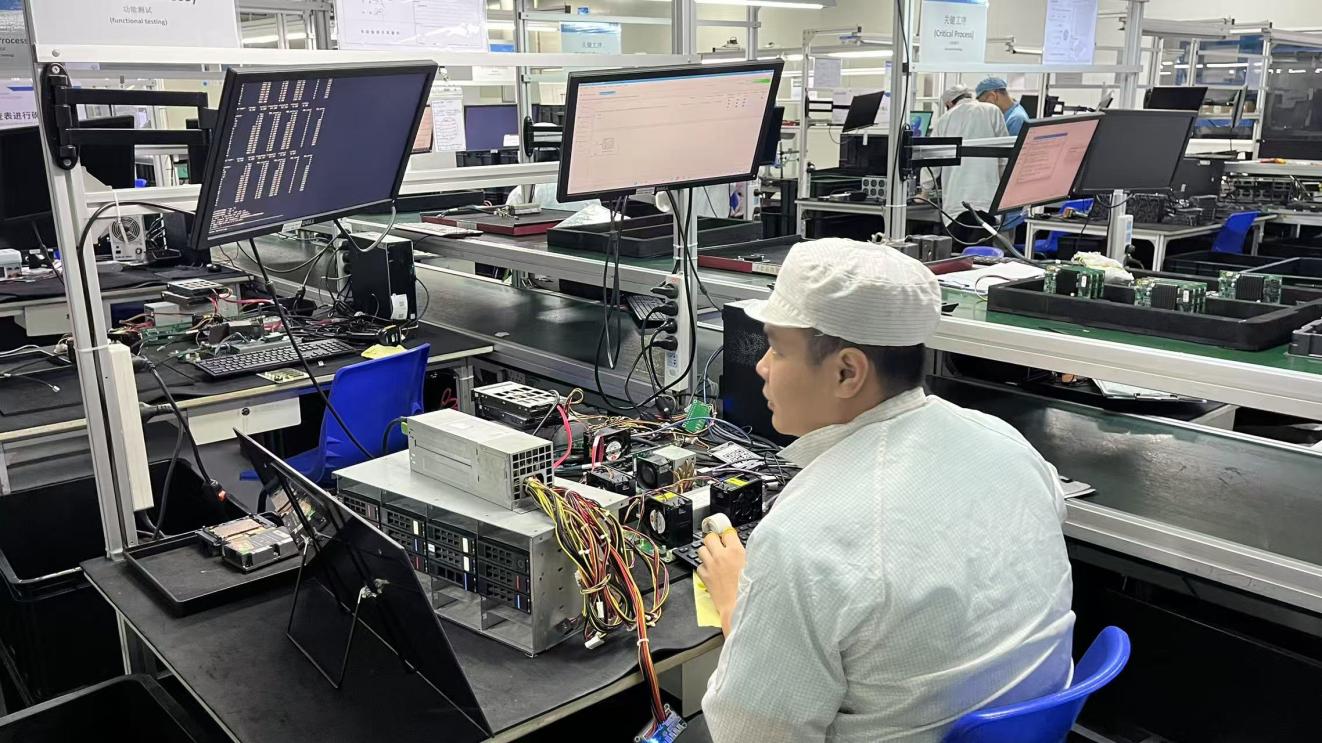

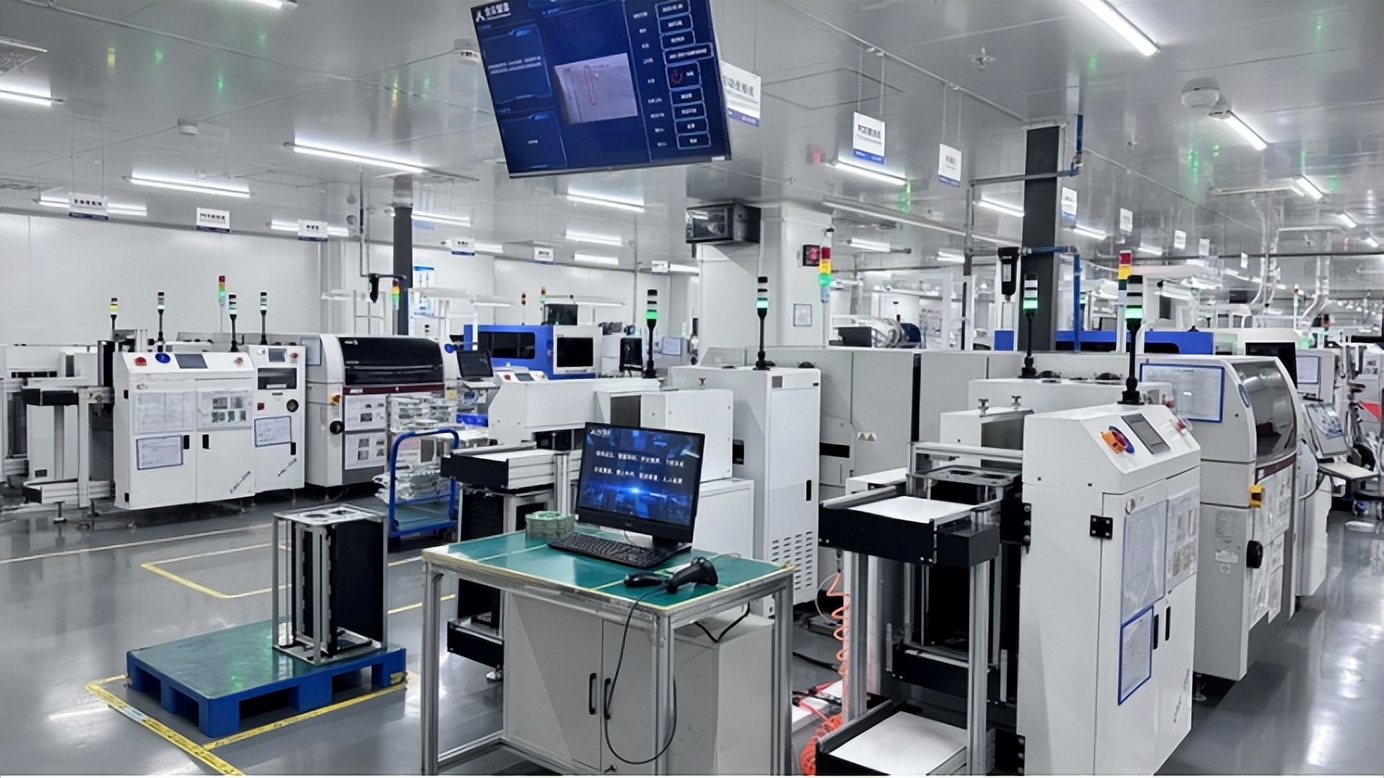
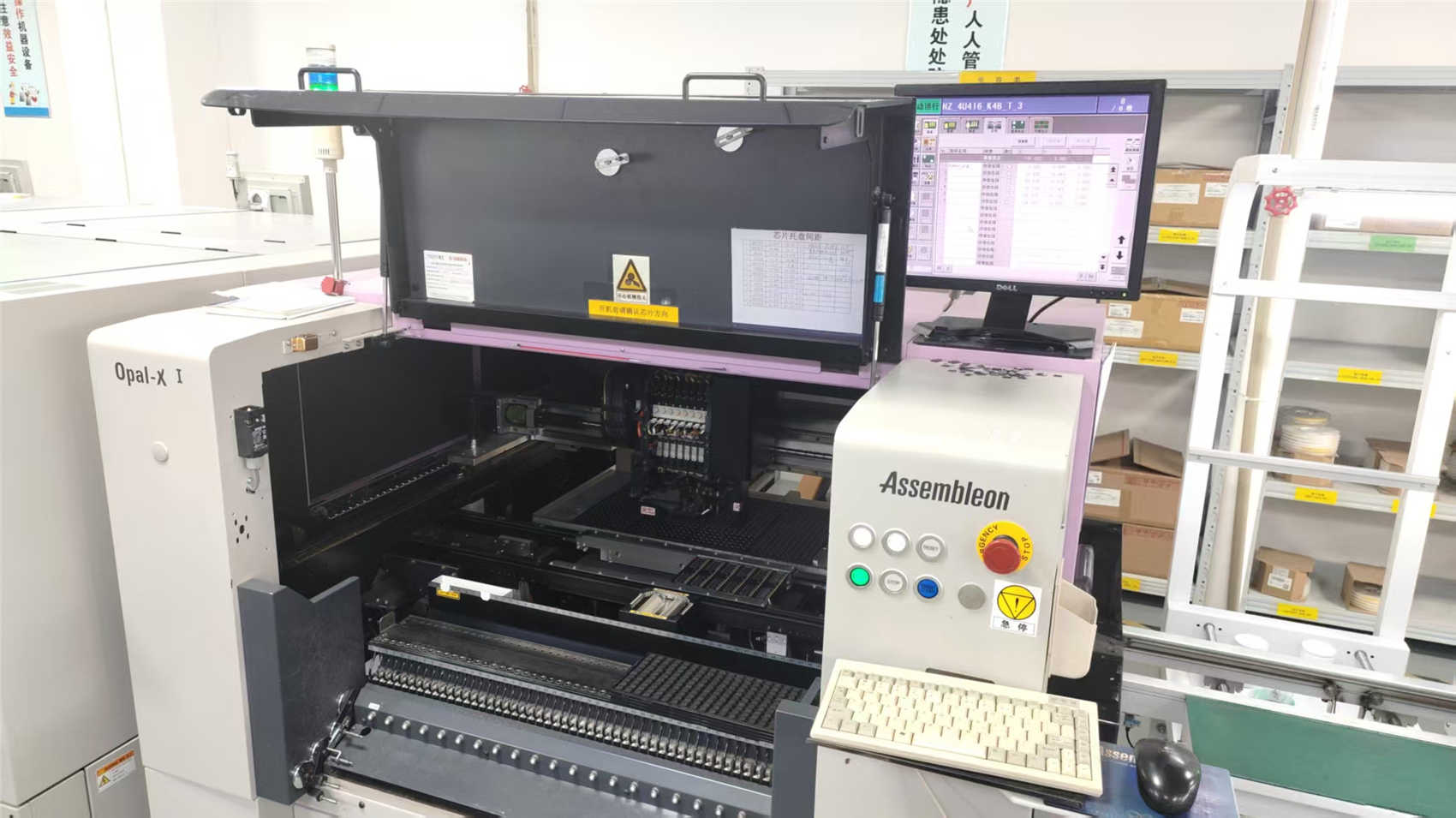
Quality is at the core of our operations. Korvion implements a comprehensive ISO 9001-based quality management system, supported by a dedicated team of 56 quality control professionals. Every system undergoes strict inspection procedures, including:
Innovation drives our product lifecycle. Our R&D department consists of 128 experienced engineers specializing in server architecture, thermal design, AI computing optimization, and customized hardware integration. Last year alone, Korvion introduced 86 new products and solution upgrades, helping customers maintain their competitive edge in a fast-paced market.
Global enterprise operations demand strict compliance with international security and data sovereignty protocols. Storage systems cannot be deployed without satisfying stringent standards like Europe's GDPR, the United States' HIPAA, and various national cyber security guidelines.
Korvion-engineered SAN nodes address these challenges through hardware-embedded security controls:
Furthermore, our OEM and ODM integration services allow regional cloud integrators to custom-brand the chassis, configure dedicated management ports, and preload specific distributions of Ceph, TrueNAS, or VMware ESXi. This guarantees compatibility with local enterprise frameworks and meets localized IT sourcing standards.
The velocity of technological change in data centers continues to accelerate. As we look toward the horizon, storage architecture will experience several shifts:
Traditional SAN separates memory domains from storage pools, introducing latency. The introduction of CXL allows memory-mapped storage to be shared directly between processors over PCIe Gen 5.0 and Gen 6.0 lanes. This convergence will soon enable near-zero latency storage pools, blurring the lines between system RAM and high-speed NVMe block storage.
Power and thermal constraints are the primary limiters of modern datacenter growth. High-density storage arrays generate substantial heat that traditional air cooling struggles to manage. Liquid-cooling setups, such as the direct-to-chip cooling loops integrated in the HPE ProLiant Compute DL360 Gen12, represent the future. By replacing standard heat sinks with liquid cold plates, operators can reduce cooling energy footprints by up to 40% while maintaining thermal stability.
Modern storage management is transitioning from static algorithms to active AI inference models. By analyzing write patterns in real time, the system automatically migrates critical data blocks between high-speed NVMe tiers and high-capacity SAS arrays, anticipating computational requirements and optimizing performance before latency bottlenecks occur.
Expert insights on Storage Area Network architectures, deployment protocols, and custom server hardware selection.
While NAS operates on a file-level protocol (such as NFS or SMB) over standard TCP/IP networks, SAN provides block-level access, presenting virtualized disk volumes directly to server operating systems. SAN eliminates the protocol overhead of file serialization, enabling lower latencies, higher random IOPS, and dedicated bandwidth channels. This structure prevents storage traffic from competing with user application traffic on the local area network.
Standard software RAID consumes host CPU resources and can introduce latency during write operations. Hardware controllers like the XC170-M-8i (using SAS3808iMR) offload calculation overhead entirely. They feature dedicated processors to manage disk redundancy (RAID 0, 1, 10) and handle disk hot-swaps smoothly. Boot cards like the XP270-M2 provide a reliable, isolated boot layer for server operating systems, keeping primary storage bays available for high-capacity SAN data traffic.
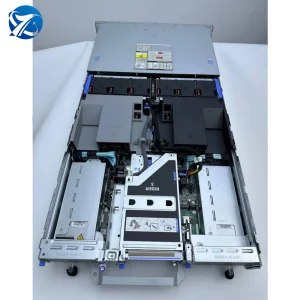
Virtualization platforms demand high memory density and processing capacity to run hundreds of Virtual Machines (VMs) simultaneously. The 4-socket configuration of the FusionServer 2488H V6 offers substantial core density and PCIe expandability in a 2U footprint. This density allows for multiple redundant Fibre Channel or 100GbE HBA connections, ensuring that virtual machines maintain constant high-speed links to the backend SAN without encountering compute bottlenecks.
NVMe-oF is a protocol specification that enables NVMe command sets to run over network fabrics like RDMA (RoCEv2) or Fibre Channel. While traditional FC-SAN relies on SCSI commands translation, which adds overhead, NVMe-oF uses native NVMe commands. This eliminates translation layers, reduces end-to-end latency to microsecond levels, and delivers high parallel processing efficiency, making it ideal for real-time analytics and deep learning platforms.
Yes. Korvion specializes in comprehensive OEM and ODM solutions. Our capabilities include custom chassis sheet metal design, custom-branded bezels, liquid cooling integration, unique server backplane modifications, and tailoring specific BIOS/UEFI profiles. This flexibility allows global system integrators to roll out turn-key storage appliances optimized for their proprietary software stacks.
Explore high-density storage expansions, array management controllers, and server units designed to power modern data infrastructures.