Korvion
Korvion
Korvion
Industrial-Grade Processing Systems, Solid-State Drives, and Precision Interfaces

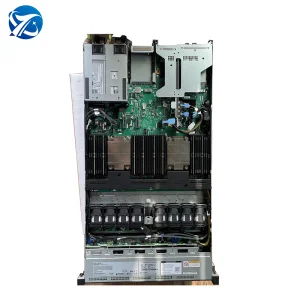

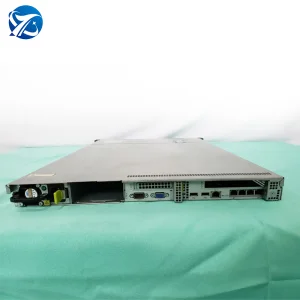
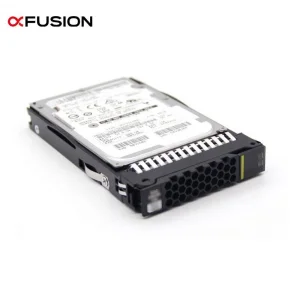
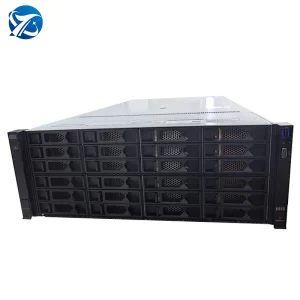
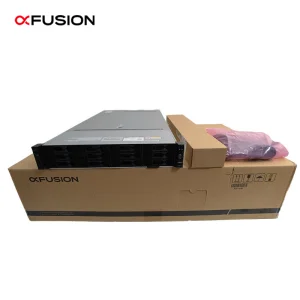
The modern global landscape is driven by massive data consumption, low-latency transmission, and the rapid assimilation of artificial intelligence. High-density servers, GPU arrays, edge nodes, and hardware interface cards form the biological backbone of global telecom services. As global communication systems transition from 5G to 5G-Advanced and 6G blueprints, manufacturers in China have evolved from basic component assemblers to global architects of enterprise-class computation and networking solutions.
Telecommunications hardware requires extreme reliability, high system efficiency, and structural configuration customization. Globally, telecom data centers, network service providers, and enterprise cloud campuses demand high-density compute nodes like the 1U/2U server units. These servers process continuous operations for communication exchanges, DeepSeek deployment architectures, and real-time AI modeling. China's industrial parks house the world's most concentrated clusters of circuit layout, heat mitigation architecture, and chip-to-chassis systems. This unique setup provides the international market with standard-setting products at highly optimized scale economics.
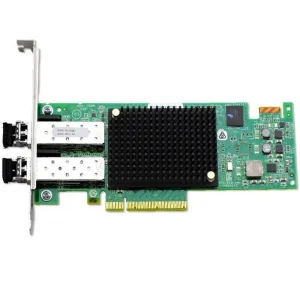
Hardware optimization is moving towards hybrid computing models where CPUs process base operations while co-processors (GPUs and specialized FPGAs) handle high-performance data processing. The integration of high-bandwidth storage arrays (such as Enterprise SATA & NVMe SSDs) with low-latency network interconnect cards (such as PCIe 4.0 FC HBAs and 10G/40G QSFP+ transceivers) ensures that telecom infrastructures can handle massive data streams. Additionally, liquid-assisted architectures and micro-cooling server designs are replacing standard air cooling. These new systems reduce structural carbon footprints and optimize Power Usage Effectiveness (PUE) in hyperscale data centers.
Technical Insiders: Sourcing high-performance compute chassis from Chinese export houses yields massive technological gain. The convergence of ready-assembled barebones servers with highly scalable configurations allows telecom operators to structure deployments without long custom design loops.
Founded in 2017, Korvion Technology Co., Ltd. stands as a premier manufacturer and integrated solution provider specializing in AI GPU servers, high-performance computing (HPC) platforms, GPU clusters, and data center infrastructure solutions. Operating out of Shenzhen, China—the silicon heartland of Asian hardware innovation—we manage a modern specialized production facility spanning 385 square meters. We serve global telecom networks, enterprise facilities, and researchers with reliable, scalable server platforms.
With more than 9 years of export experience and 15 years of industry expertise, our engineering teams understand how to resolve complex compute issues. Our annual export operations exceed USD 18 million, driven by a robust supply chain network consisting of over 1,250 certified global supply chain partners. We maintain strategic alliances with top-tier component designers and raw material fabricators to secure consistent product quality, stable pricing, and rapid delivery schedules.
Quality and stability are fundamental to our engineering process. Korvion implements a rigorous ISO 9001-based quality management system. This is managed by a team of 56 quality control professionals who test every product stage. Our quality program includes incoming component verification, full functional verification, extreme thermal performance stress testing, system stability validation under heavy loads, and pre-shipment inspections. This process ensures uninterrupted operation in mission-critical environments.
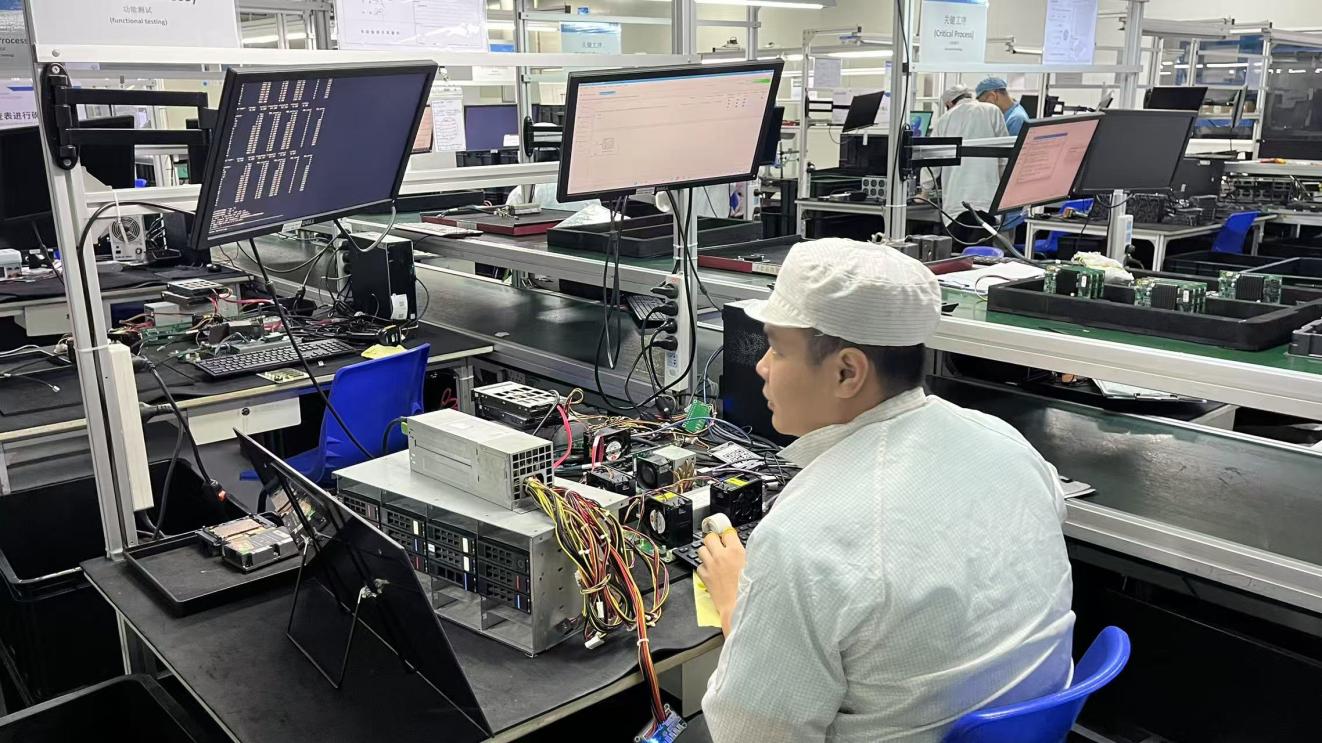
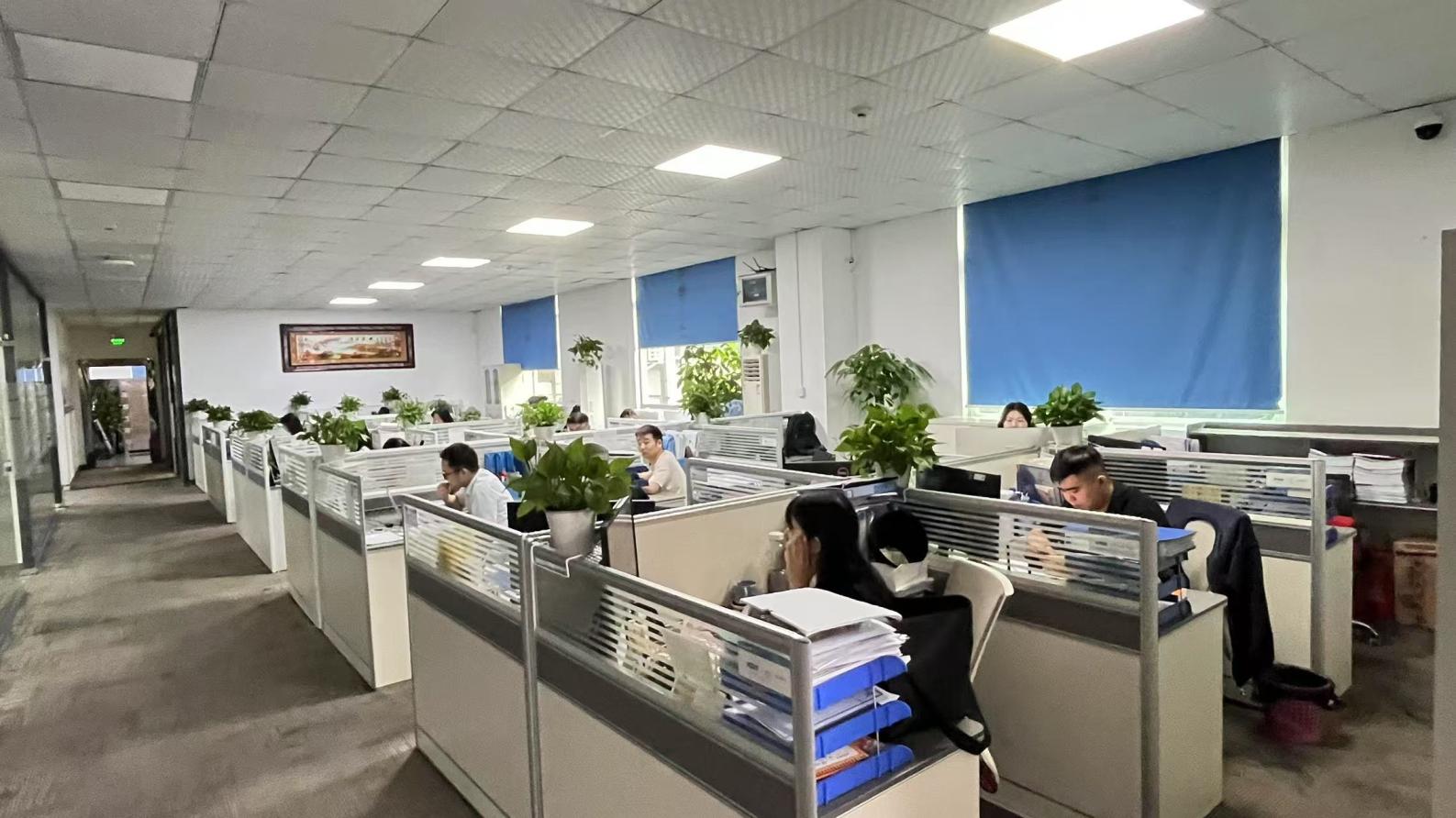
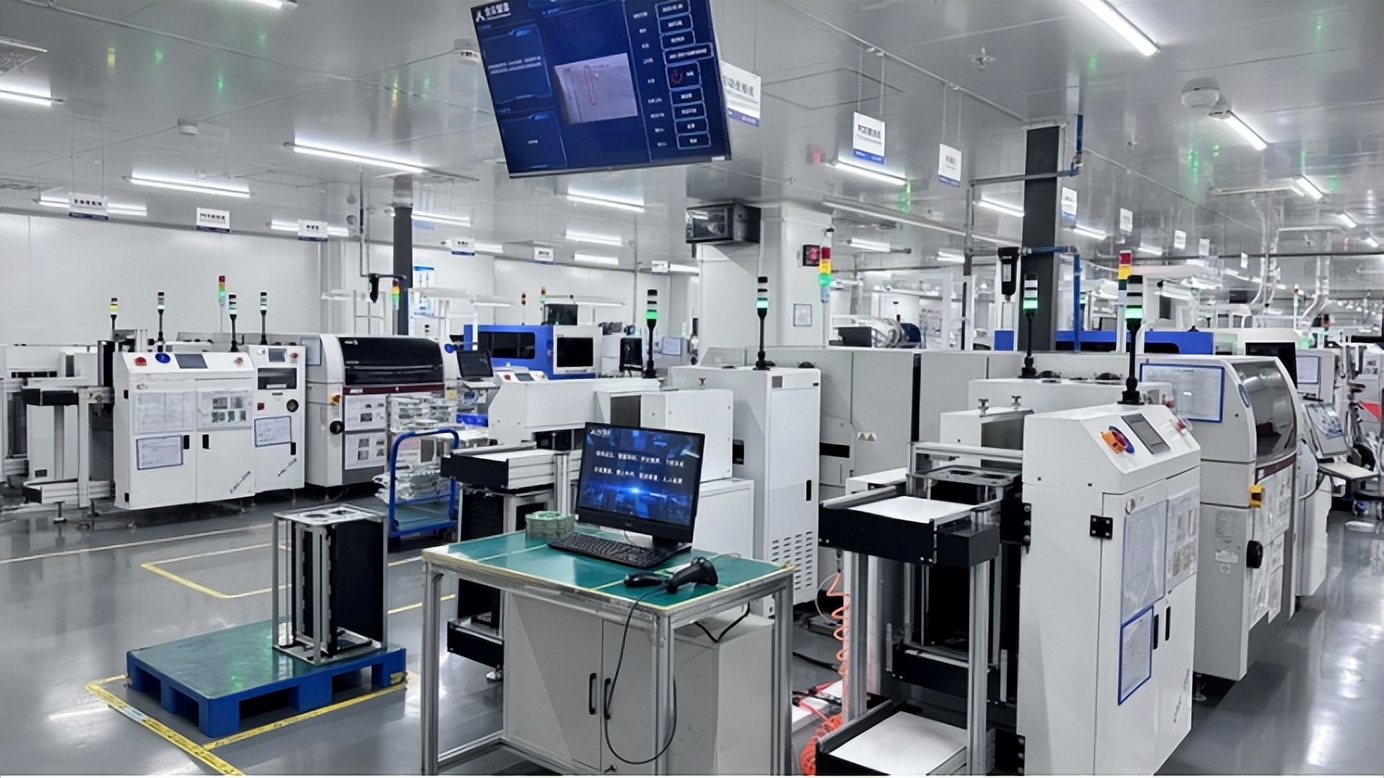
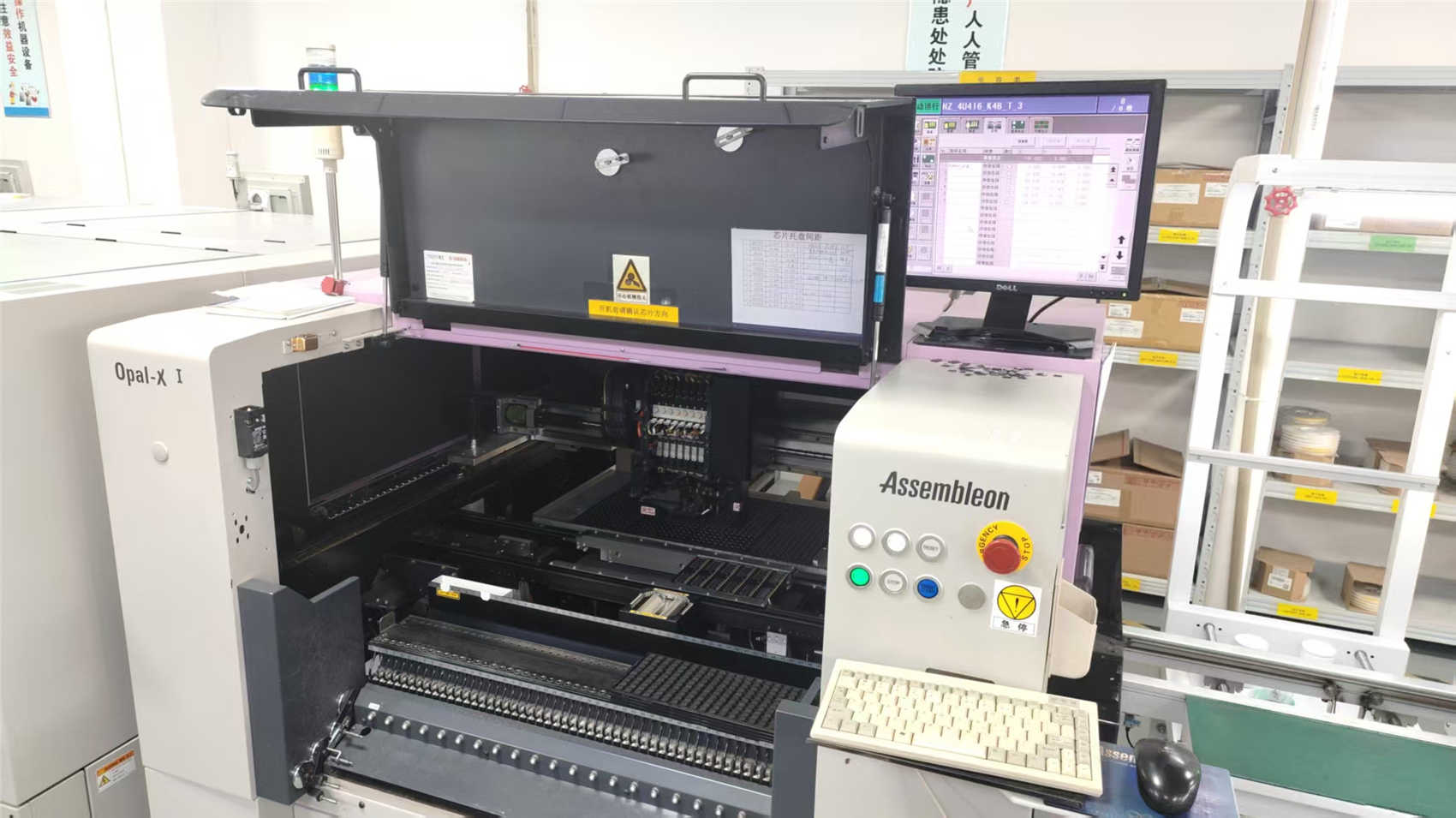
Innovation powers our ongoing growth. Our R&D department houses 128 experienced engineers specializing in advanced system layout, thermal airflow optimization, low-latency transmission channels, and customized system integration. Last year alone, Korvion launched 86 new products and solution upgrades. This helped our global customers keep pace with shifting hardware requirements.
We provide comprehensive OEM and ODM services, covering custom chassis layout, unique branding and aesthetics, internal hardware matching, complex rack assembly, liquid-cooling system installation, and custom GPU cluster configuration. Our design flexibility allows global customers to source configurations built precisely to their technical and business requirements.
Providing high-performance, integrated digital solutions for telecommunications, smart industries, and compute-heavy facilities.
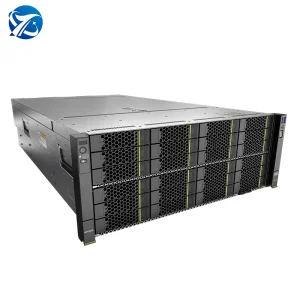
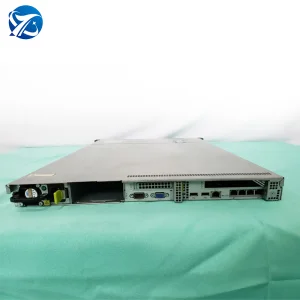
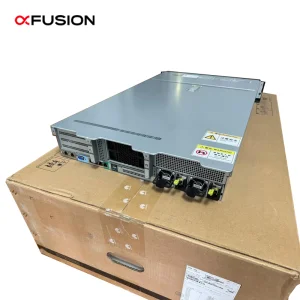
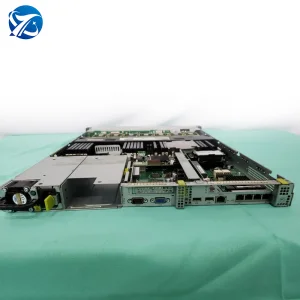
Flexible system designs based on high-density 1U and 2U rack setups. These support continuous virtualization workloads, software-defined storage systems, and carrier-grade databases.
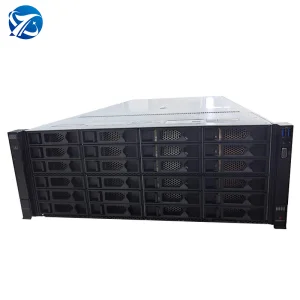
Engineered server clusters containing multi-bus GPU structures designed to handle large language models, automated image identification, and complex pattern processing.
Short-chassis computing platforms designed for remote sub-stations and localized environments. They process IoT data flows quickly without overwhelming core networks.
Telecommunications hardware operates in diverse environmental and structural conditions. Our hardware platforms are designed to address the specific performance needs of these varied use cases:
As telecom networks transition to Terabit-speed optical systems, our development pipeline is focused on three main research areas:
1. Photonic-Silicon Integration: Developing optical interfaces directly integrated into high-density motherboards. This reduces signal latency and energy consumption at the server board level.
2. Machine Learning Thermal Management: Developing automated systems that control fan performance and liquid coolant flows based on predicted computational loads.
3. Open Computing Architectures: Designing systems compatible with OpenRAN and open-source data center projects. This gives global network operators freedom to build systems without hardware lock-in.
Answering common engineering and logistics questions from enterprise buyers.
Our OEM/ODM services cover everything from structural chassis modification (like short-depth chassis for wall racks) and custom branding to component selection. Clients choose specific CPU architectures, memory configurations, and PCIe accessories. We assemble the system, configure the BIOS, run full functional testing, and ship complete systems ready for integration.
We use a multi-phase testing framework. Every system is tested through: 1) Incoming component screening; 2) Voltage testing; 3) Long-duration heat chamber tests (simulating hot environments); 4) High-volume data throughput testing. This process ensures all components work reliably under constant operational stress.
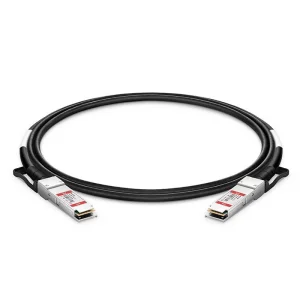
Our platforms support standard network interfaces, from gigabit copper configurations to 10G, 25G, 40G, and 100G optical options. We support QSFP+ and SFP28 direct-attach copper cables (DAC) and optical transceivers. This makes our hardware compatible with modern routing and switching equipment.
Our systems feature zoned cooling layouts, multi-speed automated fan systems, and balanced air paths. Our high-density server cases separate heat-producing chips from storage units, preventing hot spots and keeping component temperatures within optimal operating limits.
Standard configuration servers ship within 10 to 15 working days. Large custom orders or OEM designs generally ship in 3 to 5 weeks, depending on component availability and custom work. We ship from major logistics hubs in Shenzhen and Hong Kong to ensure fast delivery globally.
High-Throughput Optical Connections, Enterprise Interface Cards, and Advanced Computing Platforms