Korvion
Korvion
Korvion
Explore our elite portfolio of high-density computing servers, AI accelerators, and high-performance network configurations designed for containerized architecture deployments.
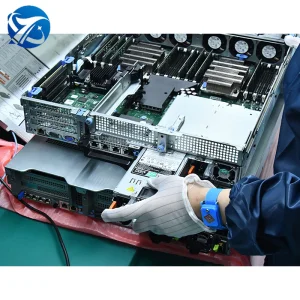
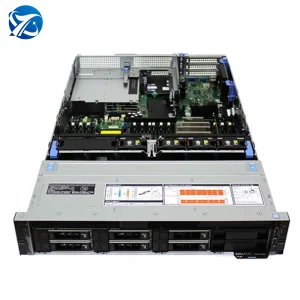
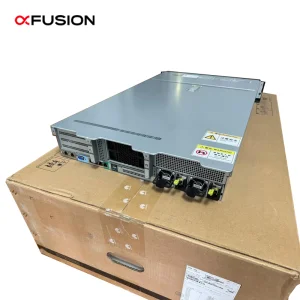
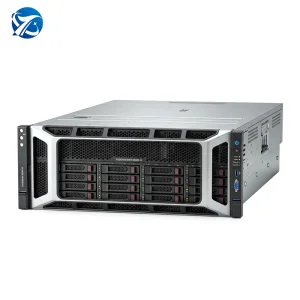
The landscape of global data center infrastructure is undergoing a seismic shift. As generative AI architectures, distributed container orchestration (like Kubernetes, Docker, and OpenShift), and heavy deep-learning loads mature, traditional stick-built brick-and-mortar data centers struggle to match the dynamic agility required by modern enterprises. Container solutions—both in terms of software-defined bare-metal container hosting nodes and macro-level physical modular containerized data centers (MDCs)—have become the primary methodology for deploying high-density compute nodes rapidly, reliably, and cost-effectively.
Today, hardware container solutions serve as the core physical shell for massive GPU arrays, Edge AI hubs, and fast-deploy high-performance computing systems. By pre-integrating racks, liquid cooling loops, uninterruptible power supplies (UPS), and fire suppression within structural shipping container formats (ISO standard 20ft/40ft styles or custom modular structures), container suppliers provide global hyperscalers and private enterprise operators the ability to establish functioning IT hubs in weeks instead of years. The demand is driven by the explosive growth of artificial intelligence applications, massive model training configurations, and localized real-time data processing nodes.
Traditional data center infrastructure constructions require significant lead times. Pre-engineered physical container solutions slash implementation schedules by up to 70%, arriving on-site pre-tested and ready to plug in.
MDC platforms run dynamically on standard industrial footprints. They can be repositioned, scaled in a modular fashion, and combined to handle elastic enterprise capacity needs seamlessly.
Engineered layout optimizations inside localized container compartments allow for closed-loop airflows and integrated liquid cooling, keeping Power Usage Effectiveness (PUE) close to 1.15.
The container solution industry is pivoting rapidly to handle the enormous power footprints of modern accelerators. With processors operating at 300W to 1000W per unit, standard air cooling is no longer viable for high-density setups. Liquid-to-chip direct cooling (DLC) and immersive liquid cooling systems are being natively engineered into 20-foot and 40-foot modular shipping containers. This ensures high-density setups, containing server systems configured with hundreds of GPU cores, run within safe thermal ranges.
Additionally, the rise of sovereign AI models and the localized implementation of networks like the DeepSeek open-source AI architecture require regional organizations to possess independent, localized AI training and inference facilities. Instead of routing processing to centralized cloud structures that pose regulatory and latency hurdles, corporations deploy private modular computing containers immediately adjacent to their power and communication entries. By utilizing pre-integrated computing power with dedicated rack configurations, enterprises enjoy unprecedented security, low latency, and deterministic compute environments.
Container computing architectures are utilized in diverse physical terrains and regulatory frameworks globally. Here are the core real-world deployments of modern containerized technology systems:
Deploying containers at base station compounds allows for ultra-low latency compute processing, serving complex AI visual computing workloads, regional cell traffic optimizations, and near-field client services.
By situating containerized computing clusters right within smart city corridors, traffic management operations, real-time analytics networks, and urban monitoring nodes can aggregate data instantly without cloud overheads.
Academic hubs and pharmaceutical development centers deploy modular GPU server arrays inside mobile containers to handle deep-learning structures, simulation dynamics, and genetic sequencings without altering building grids.
The future of container infrastructure rests on three technological pillars: absolute modularity, environmental sustainability, and hardware-software co-design. Over the next five years, Container Solutions Suppliers will heavily integrate AI-driven telemetry software within server chassis components. This allows structural modules to predict fan failure rates, adjust coolant fluid velocity based on processing workloads, and reroute power grids autonomously.
Additionally, the integration of solid-state storage (NVMe SSD arrays) and PCIe Gen6/Gen7 buses will demand container solutions that prevent electromagnetic interference (EMI) and dampen micro-vibrations that occur under heavy thermal stress. Container suppliers are also developing ecological closed-loop water circulation networks that utilize ambient outside air for heat exchange, keeping environmental water consumption down to zero.
We deliver integrated platforms matching specialized workloads from deep learning loops to micro-edge container deployment setups.
Integration of multi-node GPU systems with NVLink topologies, leveraging dedicated airflow configurations and liquid distribution lines to sustain continuous deep learning training workloads.
Highly dense configurations optimized for compute clusters, combining multi-core processors with ultra-low latency InfiniBand switches to deliver maximum petascale processing capabilities.
Compact 10ft/20ft weatherized container options designed to operate under harsh outdoor temperature thresholds, bringing local execution capacity to micro-datacenter setups.
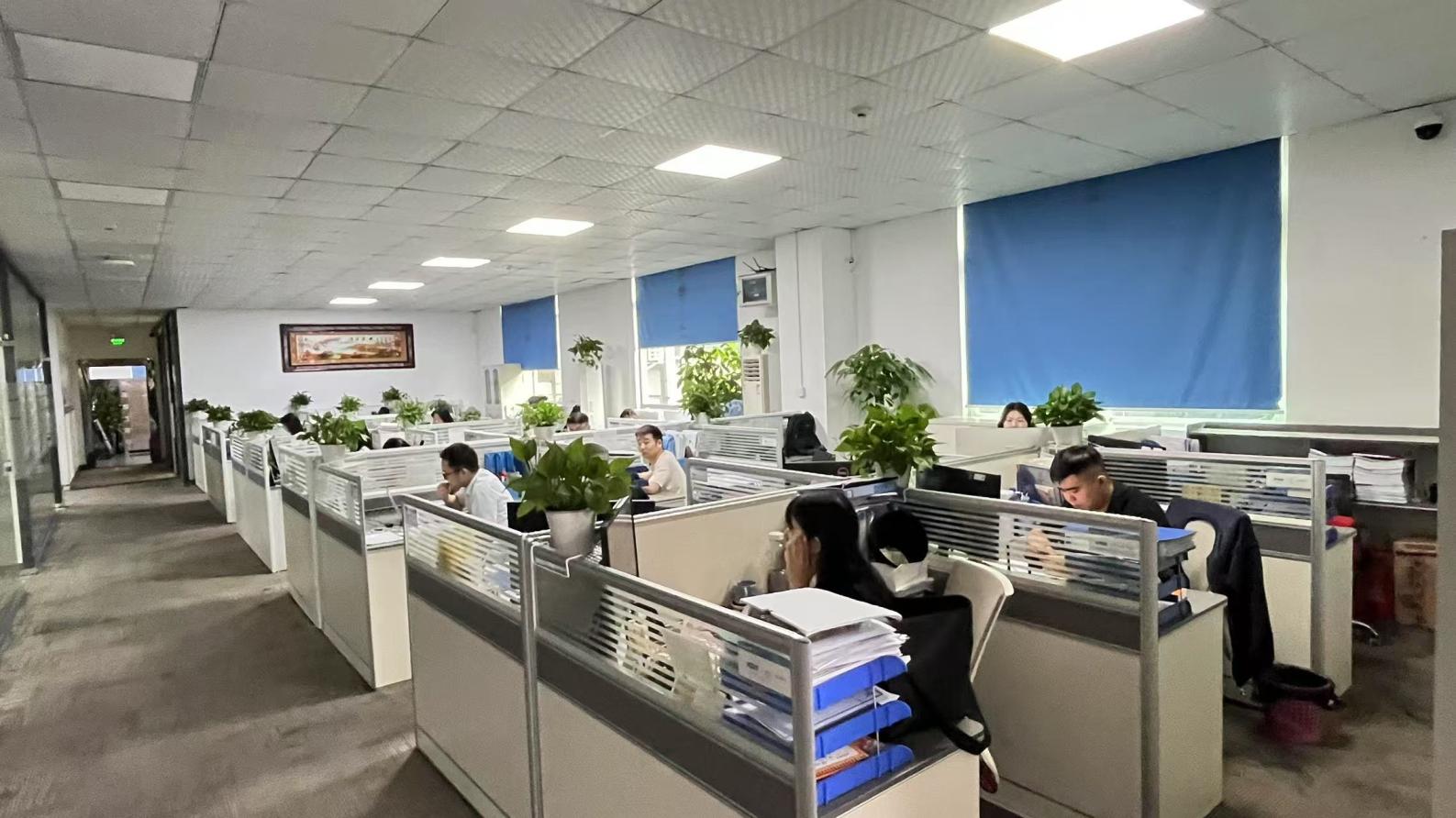
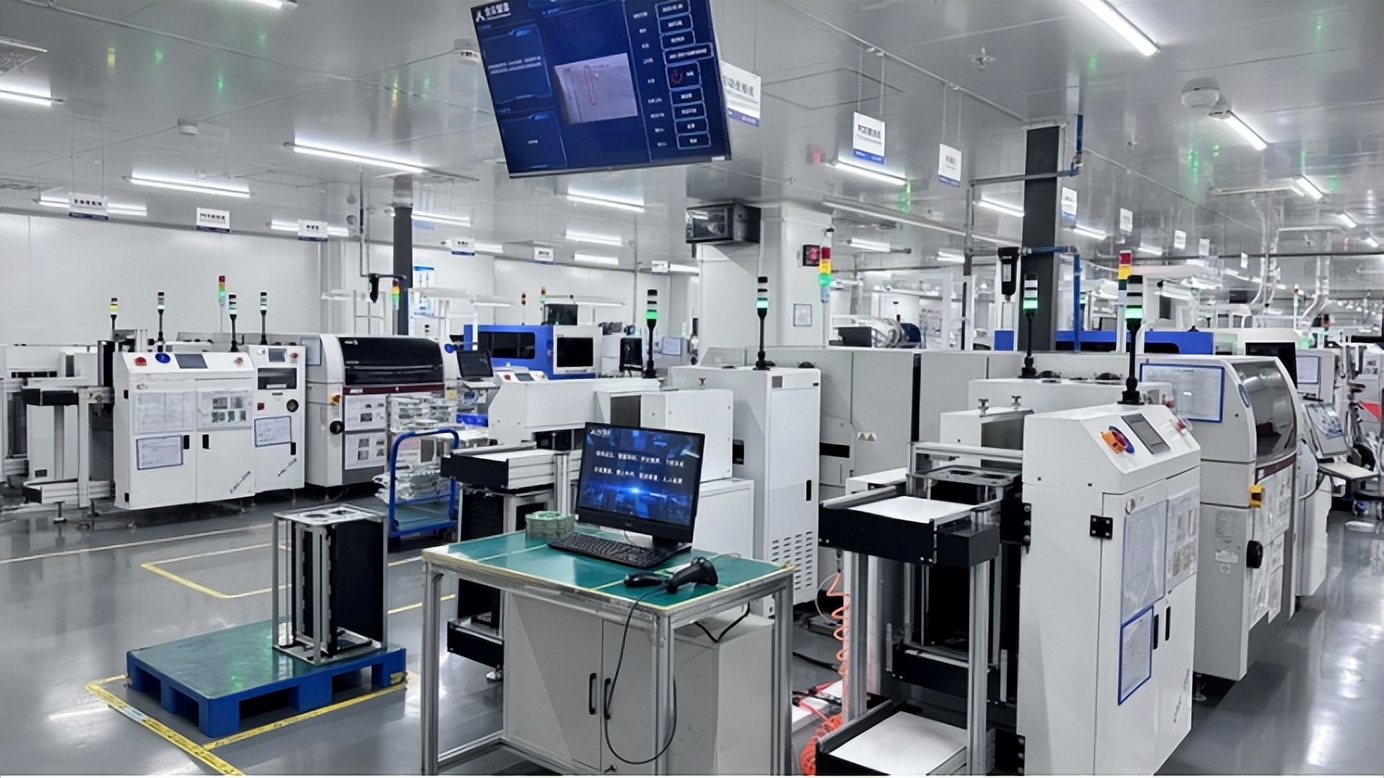
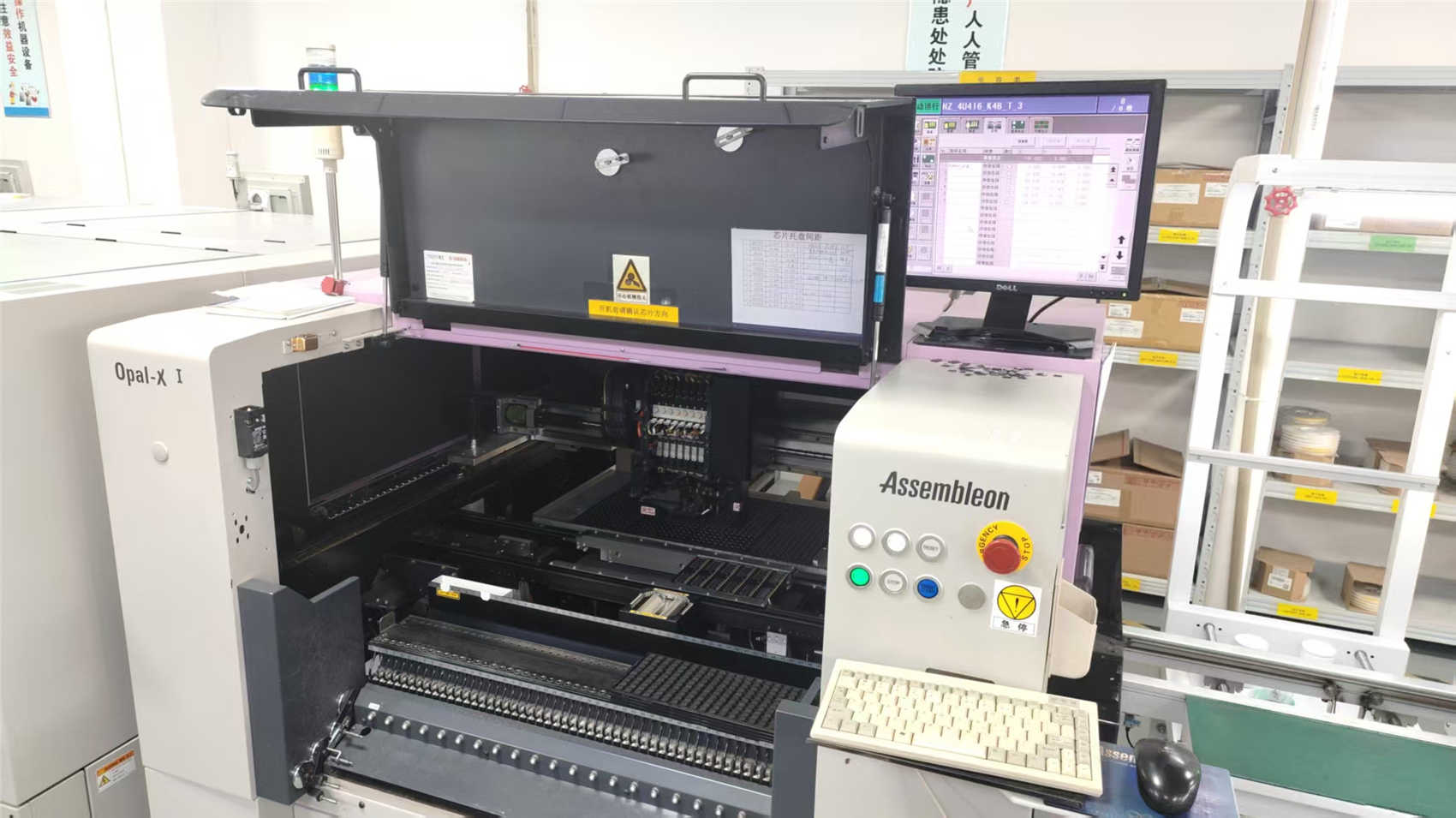
Founded in 2017, Korvion Technology Co., Ltd. is a professional manufacturer and solution provider specializing in AI GPU servers, high-performance computing (HPC) systems, GPU clusters, and data center infrastructure solutions. Headquartered in Shenzhen, China, the company operates a modern production facility covering 385 square meters and serves customers worldwide with reliable, scalable, and customized computing platforms.
With over 9 years of export experience and 15 years of industry expertise, Korvion has established a strong reputation for delivering advanced computing solutions tailored to the rapidly growing artificial intelligence, machine learning, cloud computing, and enterprise data center sectors.
Our annual export revenue exceeds USD 18 million, supported by a robust global supply network of more than 1,250 supply chain partners. We work closely with leading component suppliers to ensure stable product quality, competitive pricing, and timely delivery.
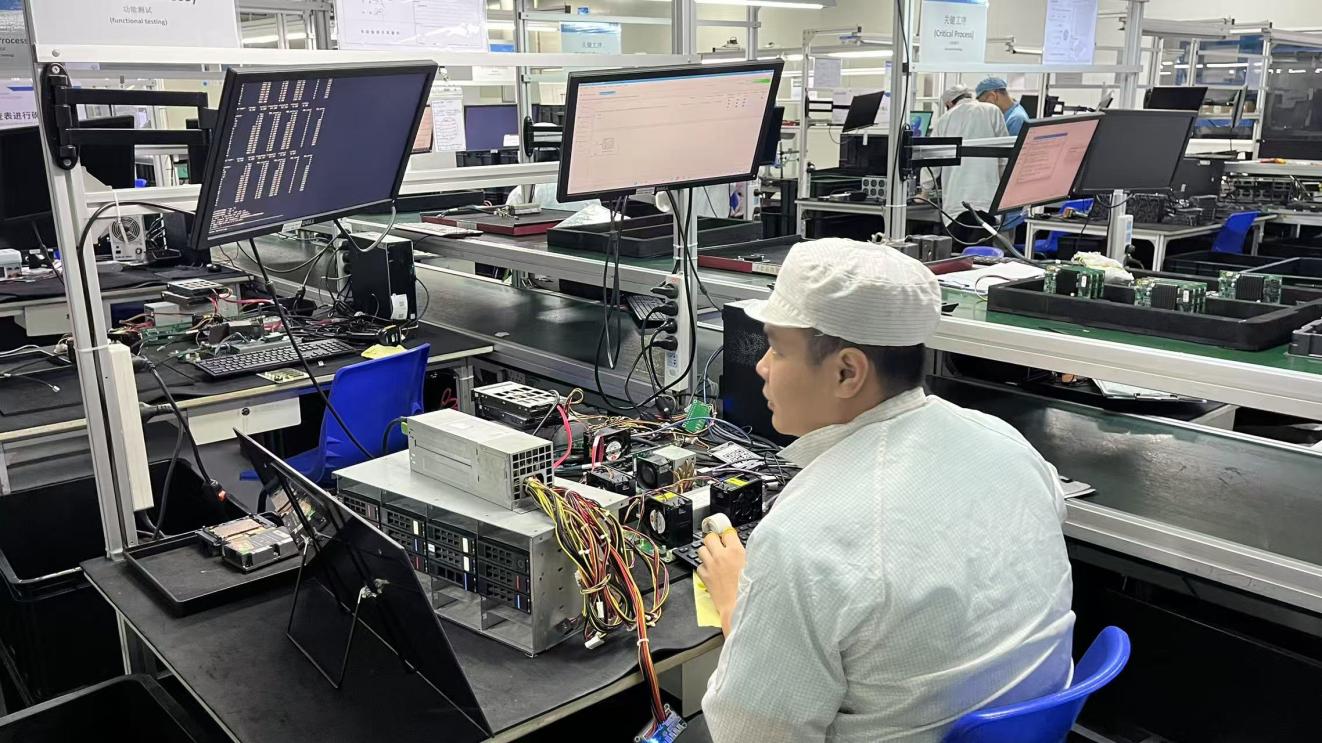
Quality is at the core of our operations. Korvion implements a comprehensive ISO 9001-based quality management system, supported by a dedicated team of 56 quality control professionals. Every product undergoes rigorous inspection procedures, including incoming material inspection, functional testing, burn-in testing, thermal performance verification, system stability validation, and final shipment inspection.
Innovation drives our growth. Our R&D department consists of 128 experienced engineers specializing in server architecture, thermal design, AI computing optimization, and customized hardware integration. Last year alone, Korvion introduced 86 new products and solution upgrades, helping customers stay competitive in the evolving AI infrastructure market.
We offer comprehensive OEM and ODM services, including chassis customization, branding, hardware configuration, rack integration, liquid cooling deployment, GPU cluster design, and turnkey AI infrastructure solutions. Our flexible customization capabilities allow customers to build solutions that precisely match their business and technical requirements.
Today, Korvion serves a diverse customer base, including AI startups, cloud service providers, system integrators, research institutions, universities, enterprise data centers, and GPU hosting companies across North America, Europe, Southeast Asia, the Middle East, and Latin America.
Find expert answers to common queries regarding container server deployments, cluster infrastructure scaling, and customization options.
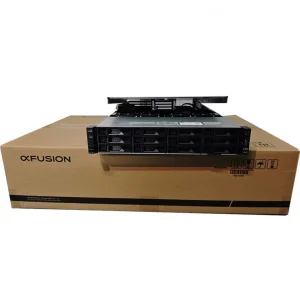
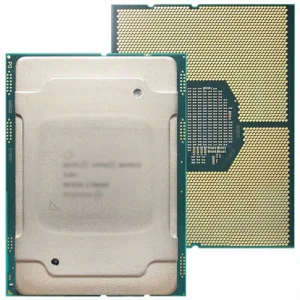
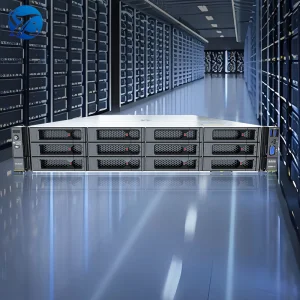
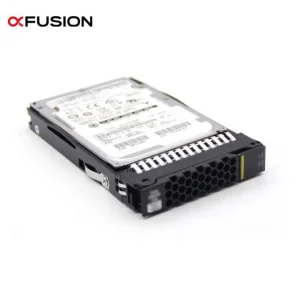
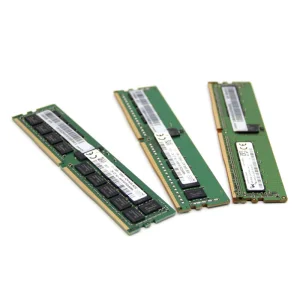
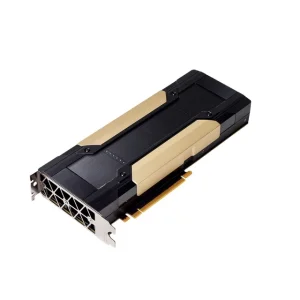
Complete your container configuration with premium expansion options, high-density storage drives, GPU nodes, and high-performance processing components.