Korvion
Korvion
Korvion
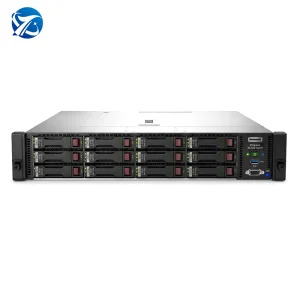
High-density processing units and high-performance server architectures engineered to run modern artificial intelligence and enterprise-level virtualization workloads.
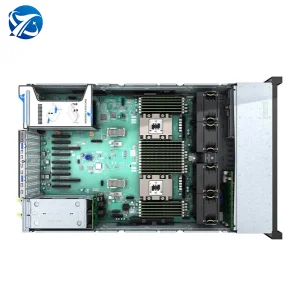
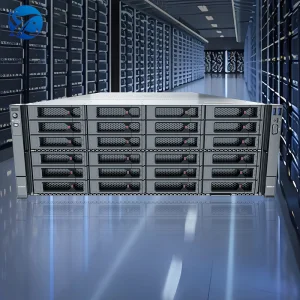
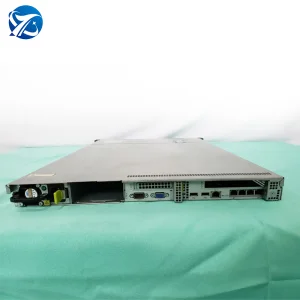
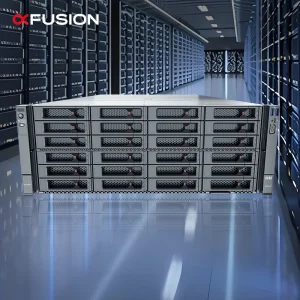
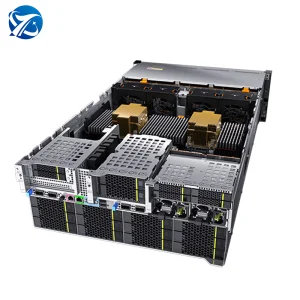
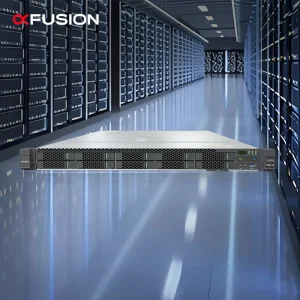
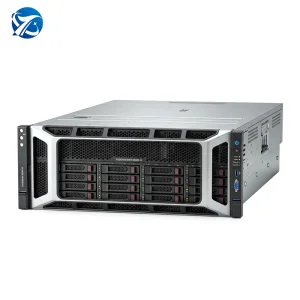
Modern enterprise compute demands have transitioned from basic virtualization to massive parallel processing workloads driven by Large Language Models (LLMs), neural network training, and deep analytics. This architectural shift places CPUs at the core of orchestrating compute systems, managing memory buses, coordinating high-speed PCIe lanes, and acting as the central nexus for massive GPU clusters. As enterprises scale their global data footprints, procuring CPUs is no longer just about clock speed; it is a complex negotiation of Thermal Design Power (TDP) scaling, PCIe lane availability, socket architecture (Single vs. Multi-socket), and total ownership cost.
In this dynamic landscape, systemic issues such as component allocation constraints, wafer fabrication bottlenecks, and supply chain volatility compel procurement officers and IT architects to seek reliable, long-term relationships with verified system integrators and supply-chain facilitators. Secure hardware-level security (such as AMD Secure Encrypted Virtualization or Intel Software Guard Extensions) has also become a non-negotiable procurement standard to mitigate hardware-level vulnerability exploits in multi-tenant cloud ecosystems.
Integration of specialized vector instructions (AVX-512, AMX) directly on x86 architectures to accelerate tensor operations before offloading to dedicated GPUs.
PCIe Gen 5.0 and Compute Express Link (CXL 1.1/2.0) interfaces enabling unified memory pools between host CPUs, system DDR5 pools, and accelerator cards.
Balancing operating thermal thresholds (350W+ TDP per socket) with active server liquid-cooling blocks to maximize computational density per rack unit.
Across scale-out cloud environments, industrial manufacturing nodes, and deep learning platforms, compute requirements vary wildly. High-Performance Computing (HPC) environments prioritize raw double-precision floating-point operations (FP64), which require multi-channel memory configurations to prevent memory starvation at high core counts. Conversely, cloud service hosting providers look for maximized core densities (such as vCPU provisioning ratios) and low idle power consumption states to satisfy environmental compliance objectives.
In complex AI clusters, the CPU guides workload distribution, coordinates data ingress from NVMe arrays via high-speed interfaces, and handles network protocol overhead. Our integration platforms minimize host-to-accelerator bottlenecks, allowing neural networks to train uninterrupted without I/O stalls.
For factory floor automation and remote edge deployments, thermal boundaries require lower TDP processors with rugged chassis footprints. Hardware systems configured with customized arrays and edge band management modules ensure continuous run times under unstable temperatures.
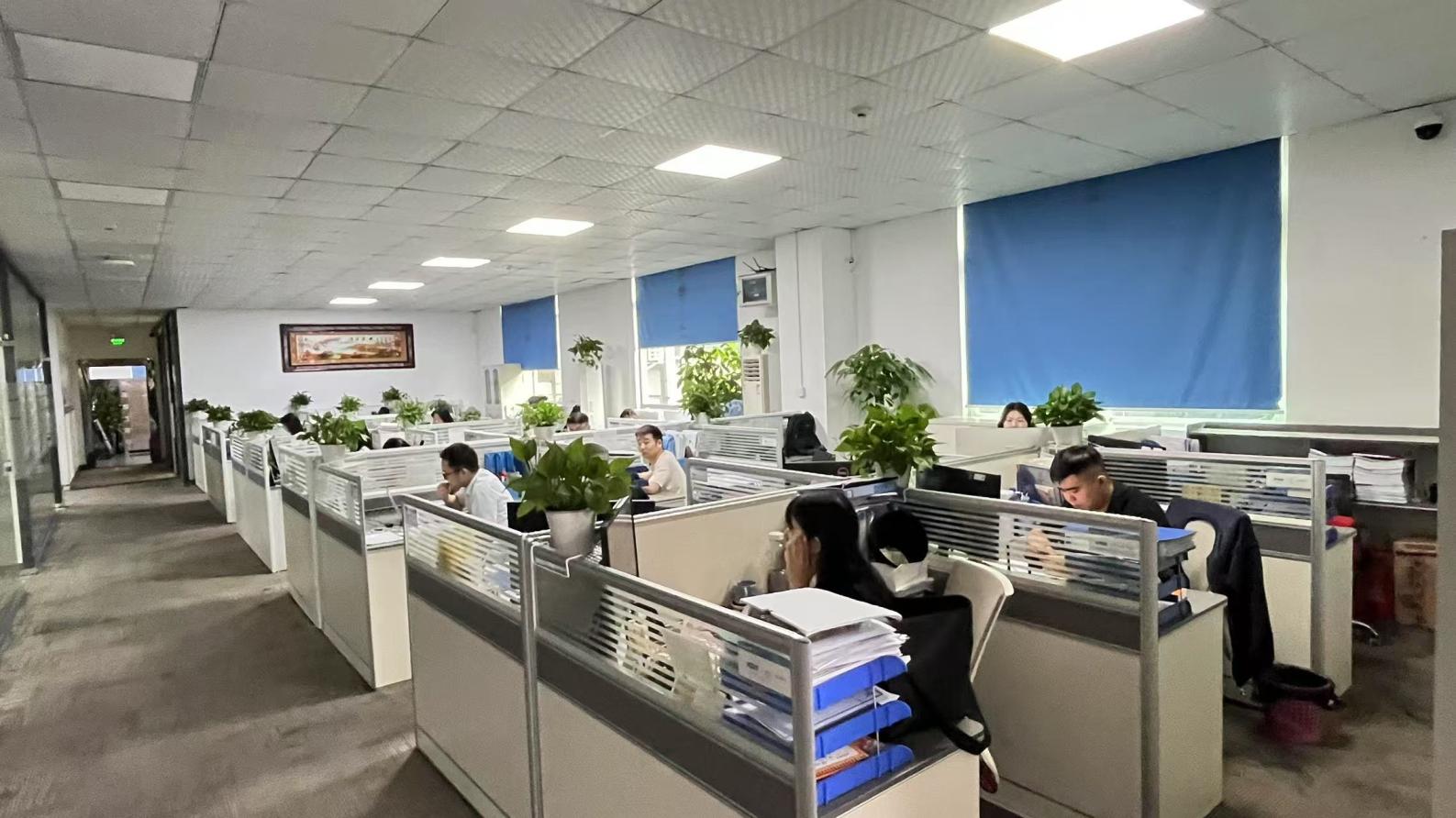
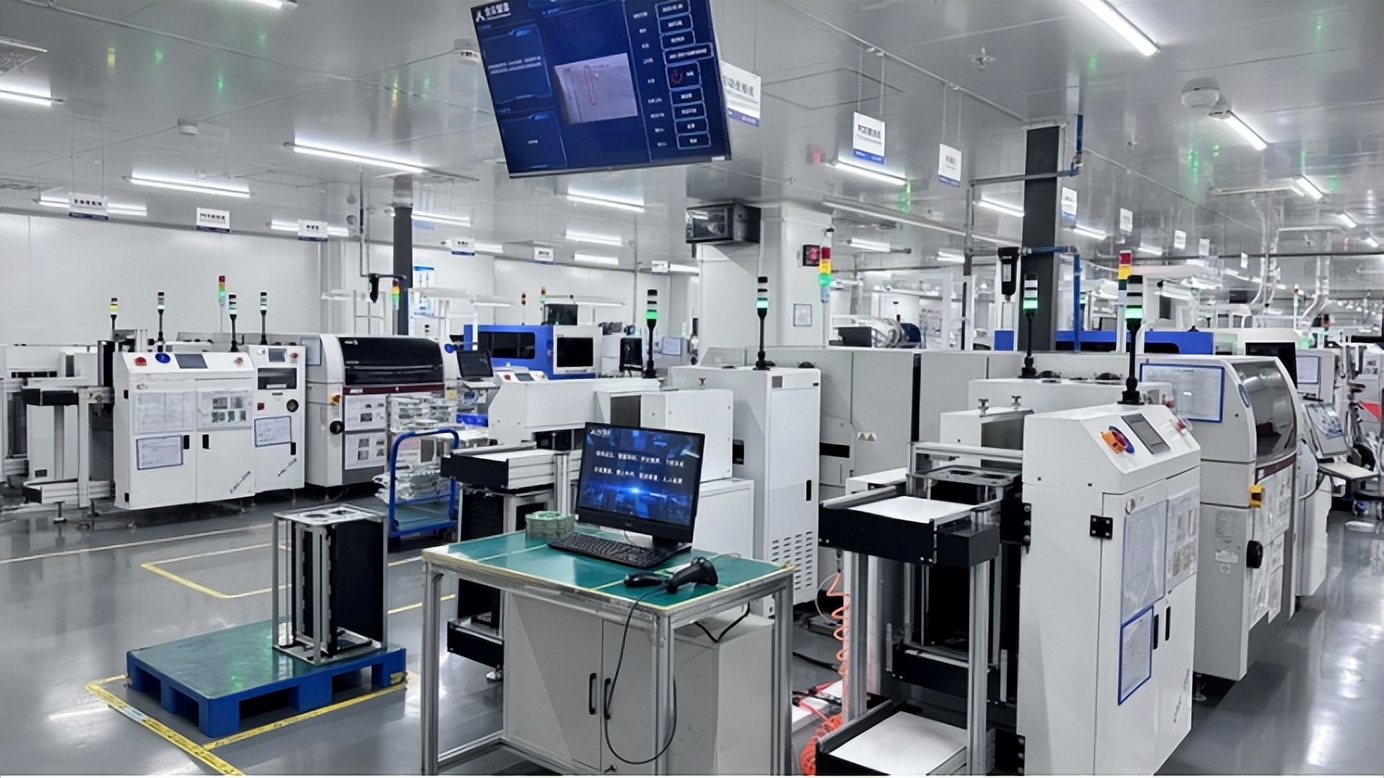
Founded in 2017, Korvion Technology Co., Ltd. is a professional manufacturer and solution provider specializing in AI GPU servers, high-performance computing (HPC) systems, GPU clusters, and data center infrastructure solutions. Headquartered in Shenzhen, China, the company operates a modern production facility covering 385 square meters and serves customers worldwide with reliable, scalable, and customized computing platforms.
With over 9 years of export experience and 15 years of industry expertise, Korvion has established a strong reputation for delivering advanced computing solutions tailored to the rapidly growing artificial intelligence, machine learning, cloud computing, and enterprise data center sectors.
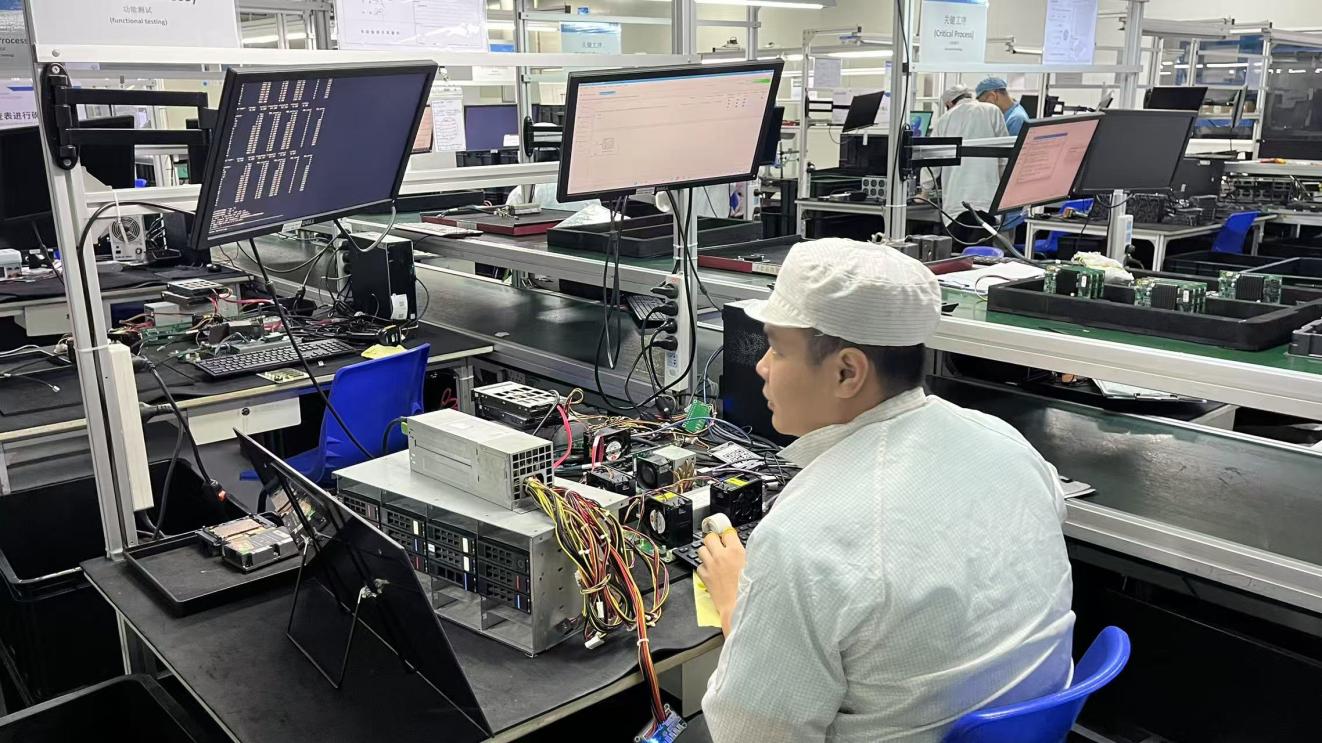
Quality is at the core of our operations. Korvion implements a comprehensive ISO 9001-based quality management system, supported by a dedicated team of 56 quality control professionals. Every product undergoes rigorous inspection procedures, including incoming material inspection, functional testing, burn-in testing, thermal performance verification, system stability validation, and final shipment inspection, ensuring dependable performance in mission-critical environments.
Innovation drives our growth. Our R&D department consists of 128 experienced engineers specializing in server architecture, thermal design, AI computing optimization, and customized hardware integration. Last year alone, Korvion introduced 86 new products and solution upgrades, helping customers stay competitive in the evolving AI infrastructure market.
We offer comprehensive OEM and ODM services, including chassis customization, branding, hardware configuration, rack integration, liquid cooling deployment, GPU cluster design, and turnkey AI infrastructure solutions. Our flexible customization capabilities allow customers to build solutions that precisely match their business and technical requirements.
Our system-level verification processes ensure zero-defect integration before shipment to global enterprise datacenters.
Rigorous material sourcing checks.
Socket power & pin integrity.
High thermal workload simulation.
Liquid cooling and airflow delta.
Continuous memory bus stress.
Standard packaging validation.
The microarchitecture landscape is moving beyond monolithic silicon designs to advanced Chiplet packaging. By separating logic blocks, memory controllers, and I/O channels into specialized dies bonded on high-density interconnect substrates, CPU manufacturers can scale processing yields while bypassing the reticle limits of optical lithography systems. Over the next five years, we anticipate compute topologies to align around three core principles:
System architects can pool global DDR5 memory resources across racks, allowing multiple host processors to scale computational spaces dynamic-on-demand.
As CPU-GPU platforms hit 500W+ thermal thresholds per socket, modern server architecture integrates custom manifold water cooling circuits directly.
Integrated cryptographic keys built directly on-die to verify BIOS signature integrity and shield secure virtual machines against execution exploits.
Shipping complex computing clusters across international borders requires stringent regulatory compliance. System builders and suppliers must manage CE, FCC, RoHS, and UL safety directives. Additionally, dual-use technology classifications governed by export control authorities require precise trade compliance protocols to prevent transit issues. Korvion leverages 9 years of export experience to navigate customs pathways, minimize storage delays, and secure critical hardware deployments across North America, Europe, Southeast Asia, the Middle East, and Latin America.
Below are the primary queries raised by enterprise IT directors and server procurement agents regarding hardware architecture, compatibility, and supply chains.
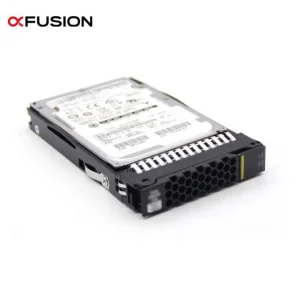
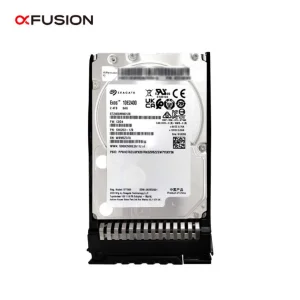
High-speed storage modules and specialized interfaces to optimize server data processing and I/O efficiency.
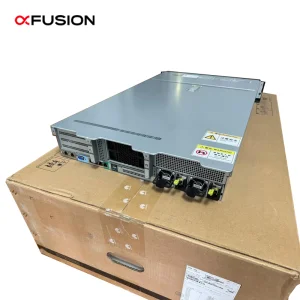
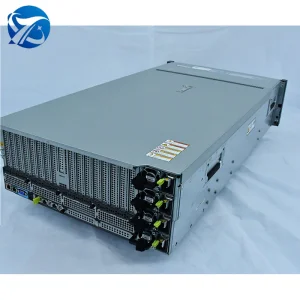
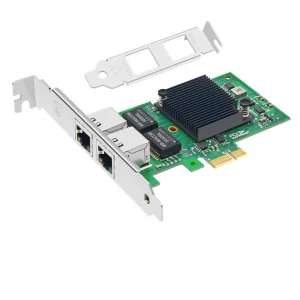
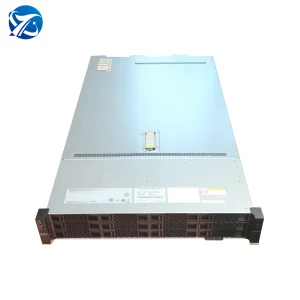
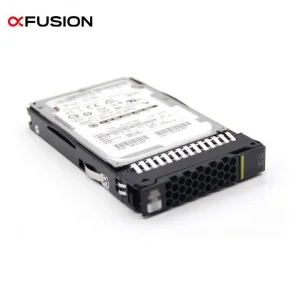
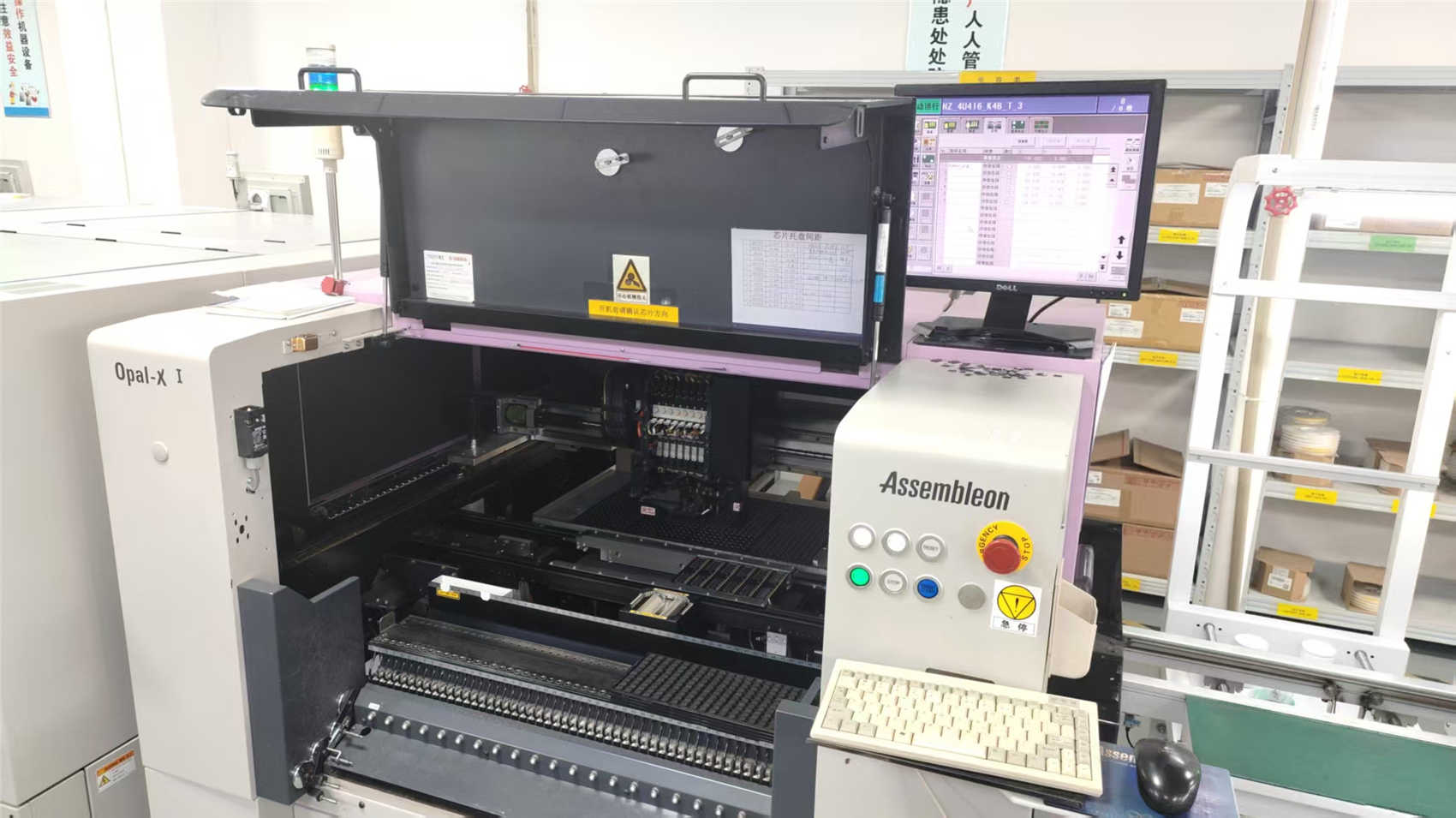
A window into Korvion's Shenzhen factory, showcasing cleanroom setups, SMT production lines, thermal testing chambers, and final system integration facilities.