Korvion
Korvion
Korvion
In the digital era, data center hardware acquisition has transitioned from simple, transactional procurement to highly engineered, workload-optimized architectural design. Modern enterprises no longer seek generic hardware configurations. Instead, they demand optimized infrastructure tailored for deep learning inference, high-density visualization, scale-out databases, and mission-critical cloud deployments. As an expert Dell equipment supplier and exporter, we analyze complex semantic search intents to deliver solutions that precisely align compute density, thermal design power (TDP) thresholds, and high-speed network integration.
With the explosive growth of large language models (LLMs) such as DeepSeek R1, computing architectures require extreme memory bandwidth and seamless PCIe channel routing. Choosing the right hardware foundation involves balancing system bottlenecks. A high-performance storage array card, such as the LSI 9560-16I with PCIe Gen 4.0 connectivity, ensures that data pathways remain clear, preventing the system starvations common in complex computational projects.
Aligning Intel Xeon and AMD EPYC thermal architectures with modern micro-architectural requirements to unlock peak processing throughput.
Providing customized multi-GPU server topologies designed to scale deep learning training workloads efficiently.
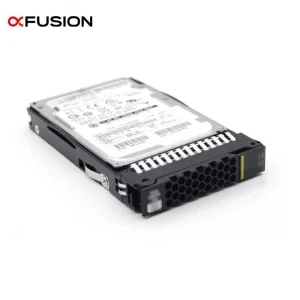
Integrating enterprise SAS/NVMe solid-state storage with advanced hardware RAID protection for high reliability.
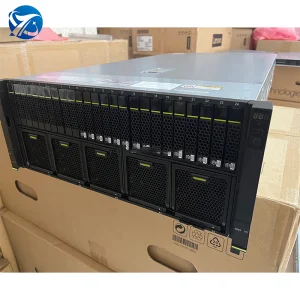
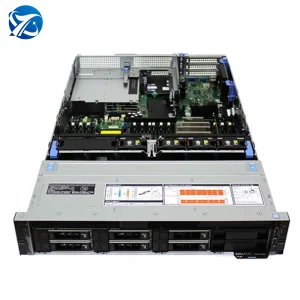
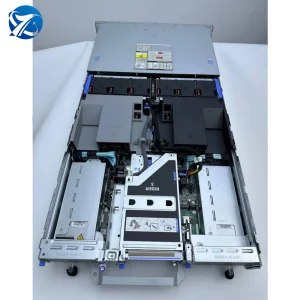
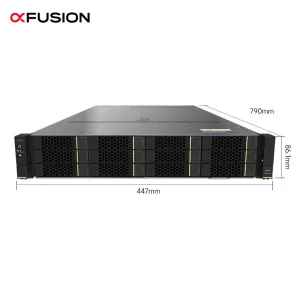
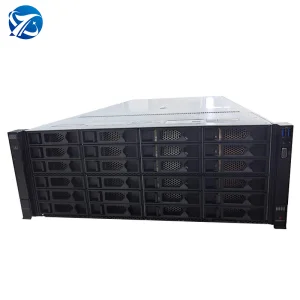
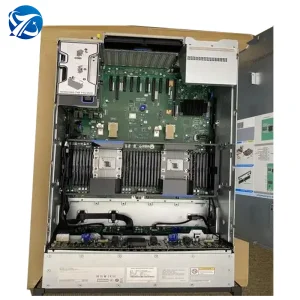
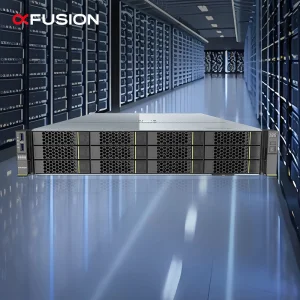
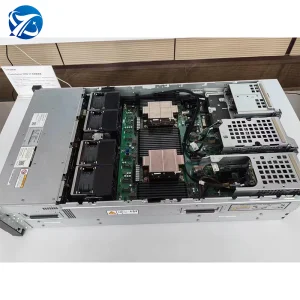
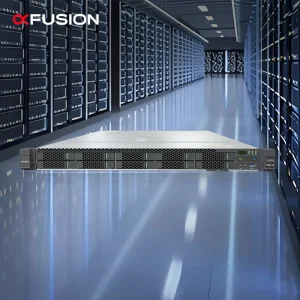
The Dell PowerEdge server lineup remains a global standard for enterprise reliability and processing capacity. From the flexible 2U dual-socket PowerEdge R750 and R760 platforms to the space-saving 1U PowerEdge R640 systems, these servers are engineered to handle dense virtualization, SQL databases, and high-performance computing (HPC) workflows.
Our deep understanding of server architectures allows us to configure and export bespoke systems that maximize workload-specific efficiency. For example, the Dell PowerEdge R750 utilizes 3rd Gen Intel Xeon Scalable Processors, supporting up to 64 PCIe Gen 4 lanes to provide direct-attach NVMe storage with minimal latency. For machine learning deployment, these configurations support multiple double-wide accelerator cards, enabling direct data ingestion and real-time inference at the edge.
Dell's iDRAC9 (Integrated Dell Remote Access Controller) provides out-of-band management systems that allow administrators to deploy, update, and monitor servers securely from anywhere. This reduces maintenance overhead and minimizes unplanned downtime.
Additionally, Dell's multi-vector cooling designs dynamically adjust fan speeds based on component temperatures. This ensures maximum efficiency and optimal power usage effectiveness (PUE) in demanding data center environments.
The global demand for high-performance computing is growing rapidly, driven by the commercialization of large language models, computer vision applications, and complex predictive analytics. Modern data centers are transitioning from general-purpose CPUs to heterogeneous compute layouts, where accelerators like GPUs and FPGAs process parallel computing tasks while high-core CPUs manage system coordination and storage operations.
This shift has driven new demands for high-capacity power distribution units (PDUs), advanced thermal management, and reliable storage controllers. High-speed array controllers like the LSI 9560-16I 8GB RAID card deliver the bandwidth required to prevent storage bottlenecks in multi-GPU configurations, supporting fast, uninterrupted data delivery to GPU memory.
Deploying pre-configured containers, like DeepSeek R1, on specialized GPU systems reduces onboarding times from weeks to hours.
As CPU and GPU thermal outputs exceed 350W and 700W respectively, direct-to-chip liquid cooling loops are replacing traditional air cooling.
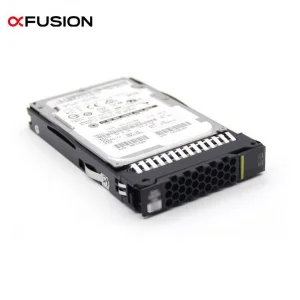
Enterprises are utilizing hybrid storage pools, combining high-speed SAS SSDs with high-capacity SATA HDDs, to optimize both performance and cost.
The global server market depends on responsive and agile supply chains. Based in Shenzhen, China's premier technology and hardware hub, our Factory 4.0 operational framework ensures rapid component sourcing, system assembly, and thorough quality verification. Our extensive logistics network enables us to source premium components, assemble systems, and deliver fully tested configurations faster than conventional distribution channels.
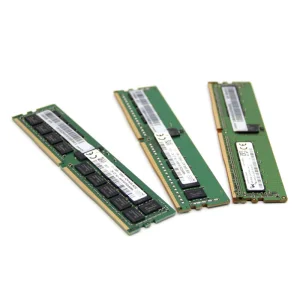
By maintaining close relationships with component manufacturers, we secure allocations of high-demand items, including DDR4/DDR5 RDIMMs, SAS/SATA enterprise storage drives, and high-performance RAID cards. This supply chain stability protects our partners from sudden market shifts and component shortages, ensuring consistent delivery times and stable project schedules.
Founded in 2017, Korvion Technology Co., Ltd. is a professional manufacturer and solution provider specializing in AI GPU servers, high-performance computing (HPC) systems, GPU clusters, and data center infrastructure solutions. Headquartered in Shenzhen, China, the company operates a modern production facility covering 385 square meters and serves customers worldwide with reliable, scalable, and customized computing platforms.
With over 9 years of export experience and 15 years of industry expertise, Korvion has established a strong reputation for delivering advanced computing solutions tailored to the rapidly growing artificial intelligence, machine learning, cloud computing, and enterprise data center sectors.
Our annual export revenue exceeds USD 18 million, supported by a robust global supply network of more than 1,250 supply chain partners. We work closely with leading component suppliers to ensure stable product quality, competitive pricing, and timely delivery.
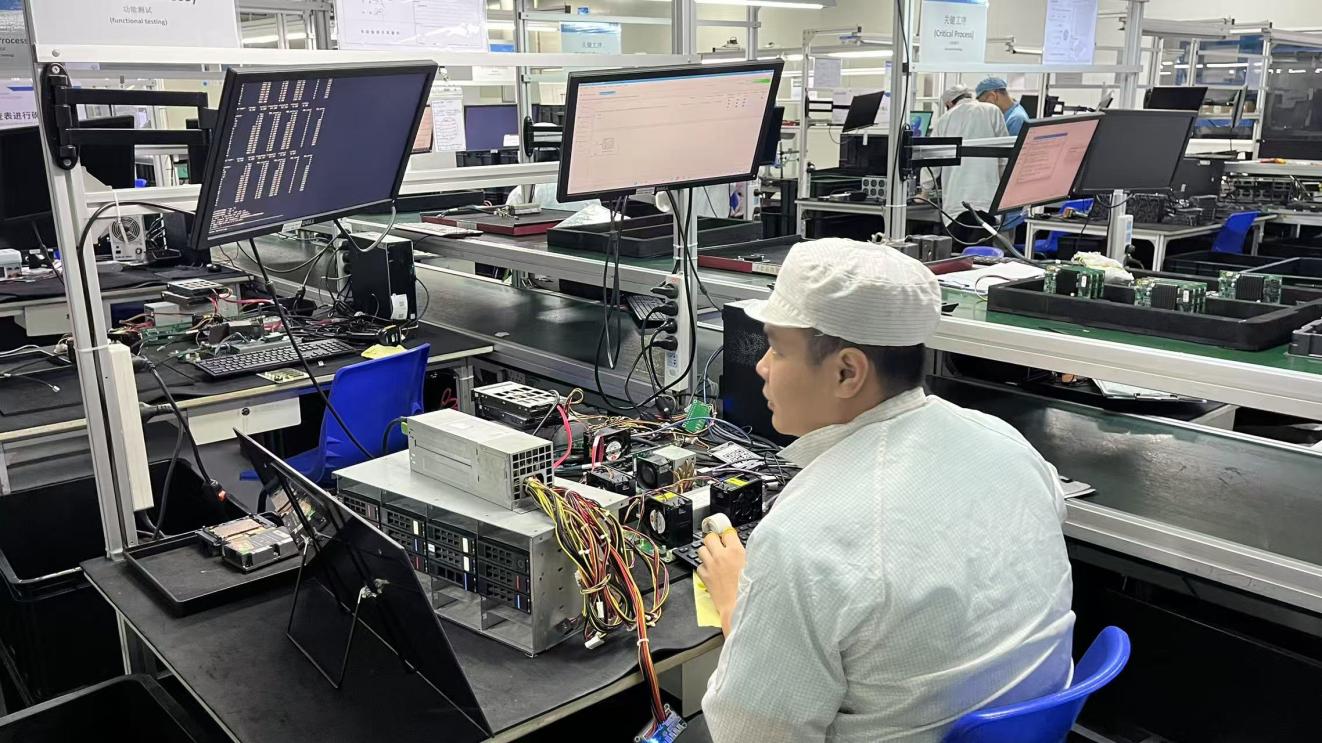

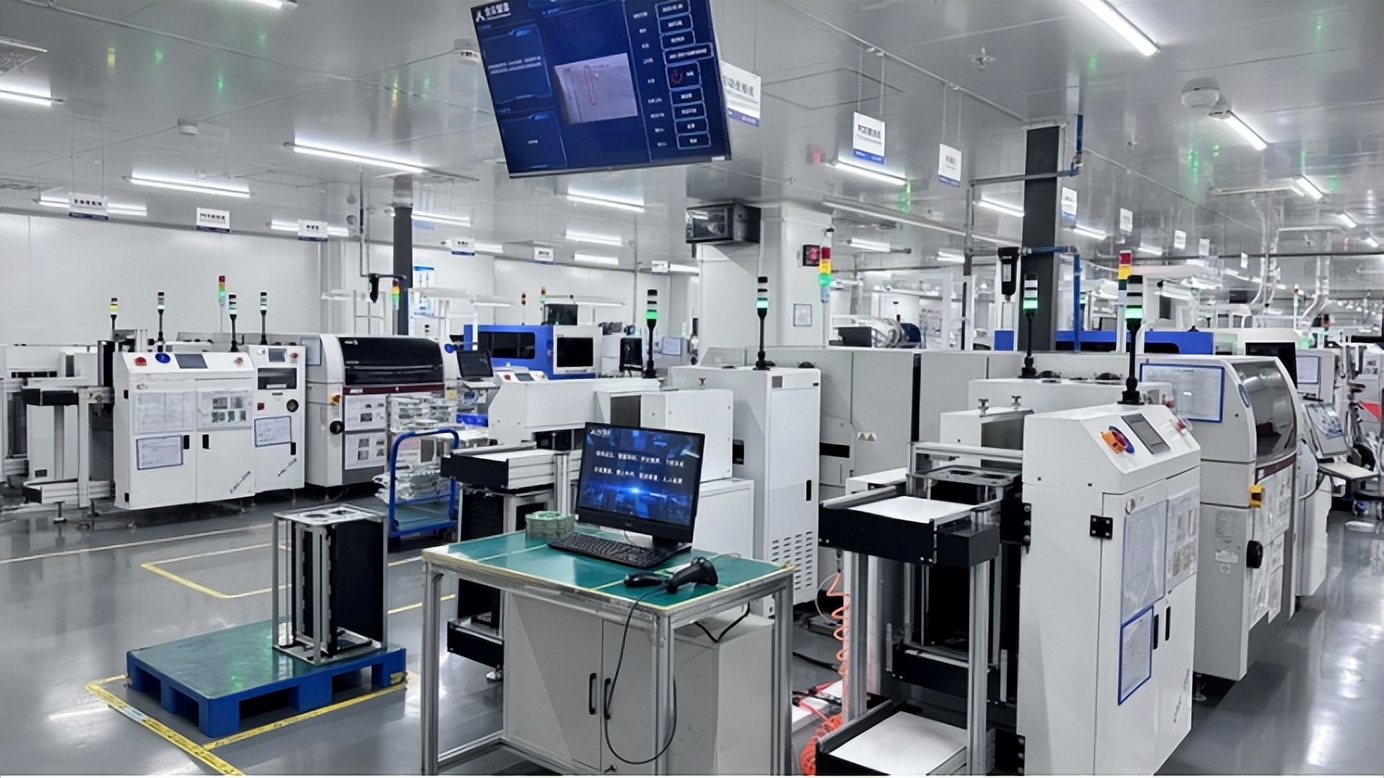
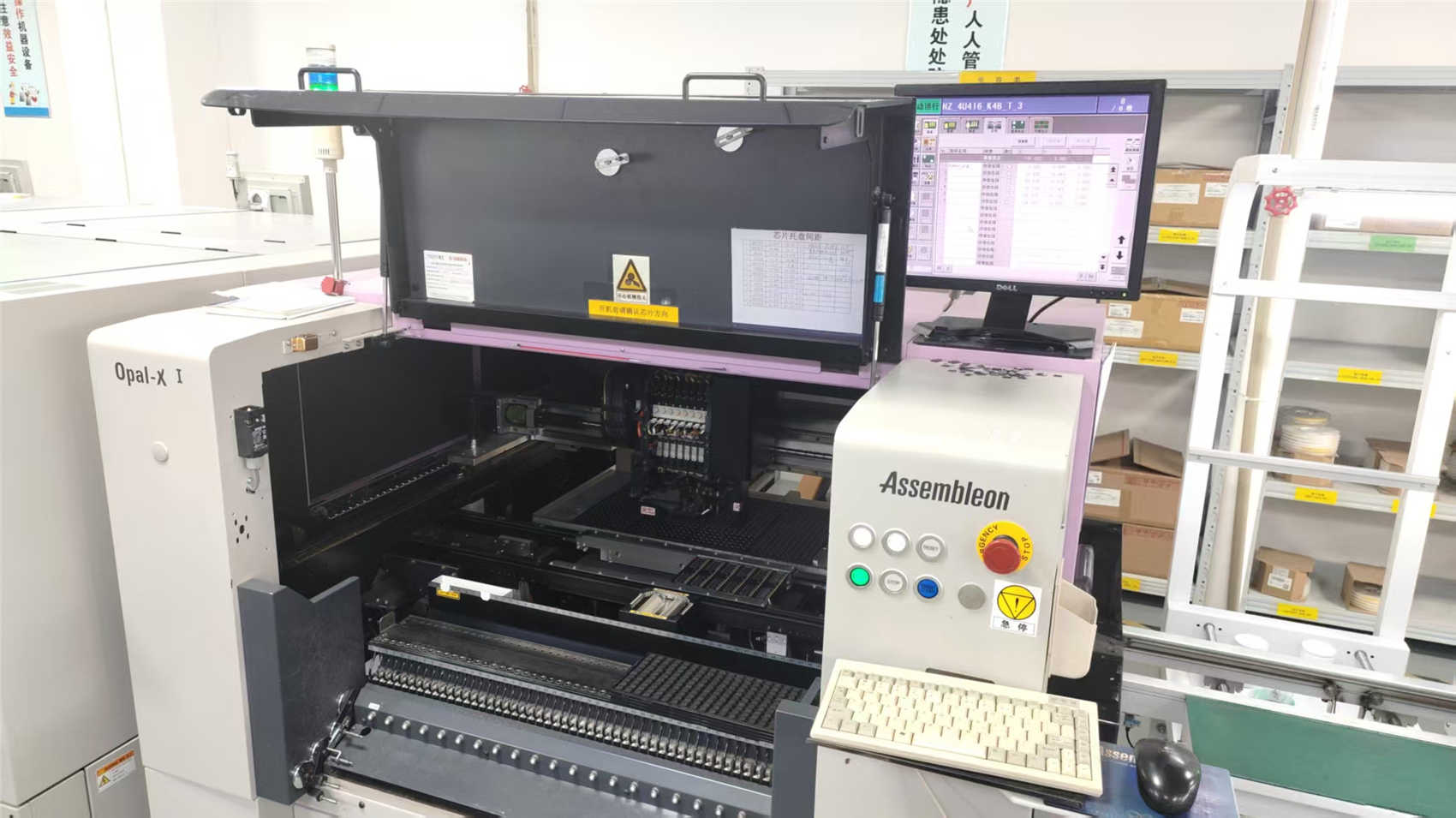
Quality is at the core of our operations. Korvion implements a comprehensive ISO 9001-based quality management system, supported by a dedicated team of 56 quality control professionals. Every product undergoes rigorous inspection procedures, including incoming material inspection, functional testing, burn-in testing, thermal performance verification, system stability validation, and final shipment inspection, ensuring dependable performance in mission-critical environments.
Innovation drives our growth. Our R&D department consists of 128 experienced engineers specializing in server architecture, thermal design, AI computing optimization, and customized hardware integration. Last year alone, Korvion introduced 86 new products and solution upgrades, helping customers stay competitive in the evolving AI infrastructure market.
We offer comprehensive OEM and ODM services, including chassis customization, branding, hardware configuration, rack integration, liquid cooling deployment, GPU cluster design, and turnkey AI infrastructure solutions. Our flexible customization capabilities allow customers to build solutions that precisely match their business and technical requirements.
Today, Korvion serves a diverse customer base, including AI startups, cloud service providers, system integrators, research institutions, universities, enterprise data centers, and GPU hosting companies across North America, Europe, Southeast Asia, the Middle East, and Latin America.
Enterprise hardware requirements vary significantly across different industries and localized environments. By tailoring server builds to specific business contexts, we help organizations optimize their infrastructure investment. Below are four key deployment scenarios where specialized configurations deliver measurable performance advantages:
Healthcare providers require low-latency inference systems to analyze high-resolution MRI and CT scans. Using customized dual-socket 2U platforms, medical institutions run predictive analytics models locally. This allows radiologists to receive AI-assisted diagnoses in minutes while maintaining strict compliance with local patient data privacy regulations.
Financial institutions rely on rapid data processing to model risks and execute trades. By deploying systems configured with LSI hardware RAID controllers, PCIe NVMe storage pools, and ultra-high-frequency CPUs, firms can process market variables with minimal storage latency. This enables faster execution and more accurate real-time risk assessment.
Universities and scientific laboratories require massive computing power for atmospheric modeling, physics simulations, and genomic sequencing. We design and integrate multi-node GPU clusters using high-speed network fabrics (such as InfiniBand or 100GbE). This allows researchers to distribute heavy computing tasks across multiple nodes with minimal interconnect latency.
For software developers and AI startups running containers (like Docker or Kubernetes) to deploy large language models like DeepSeek R1, hardware stability is critical. By configuring platforms with high-speed DDR5 memory and optimized thermal profiles, we ensure stable training and inference workloads, allowing teams to prototype and scale new software features without hardware interruptions.
Large Language Models (LLMs) like DeepSeek R1 require high memory bandwidth and significant GPU memory capacity. Standard enterprise servers are typically optimized for general CPU compute and storage operations. AI-optimized configurations, however, maximize PCIe lanes to prevent GPU-to-CPU communication bottlenecks, feature high-wattage power supplies (often redundant 2000W+ PSUs), and utilize custom cooling configurations to manage the heat generated by multiple high-TDP accelerator cards.
The LSI 9560-16I is a PCIe Gen 4.0 tri-mode storage adapter that supports NVMe, SAS, and SATA drives. By offloading RAID computations from the host CPU to its onboard 8GB DDR4 cache, it minimizes read/write latencies and protects data integrity during power interruptions. This is crucial for high-transaction databases where disk I/O bottlenecks can limit overall system performance.
Our quality control process is based on ISO 9001 standards and managed by 56 QC specialists. Every server undergoes a multi-phase testing process: incoming component inspection, initial assembly functional tests, extended thermal chamber burn-in testing under maximum load (typically lasting 24-72 hours), and final packaging verification. This process helps ensure that both standard configurations and custom builds perform reliably in mission-critical environments.
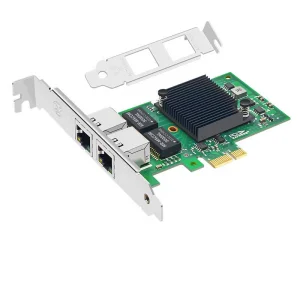
Our OEM and ODM capabilities include custom chassis sheet metal design, custom branding and bezel silk-screening, custom BIOS logo integration, custom cooling loops (including closed-loop liquid systems), specific network interface card (NIC) selections, and pre-configured rack integration. This allows cloud providers and system integrators to receive turn-key hardware platforms tailored to their software requirements.
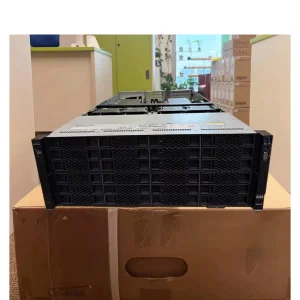
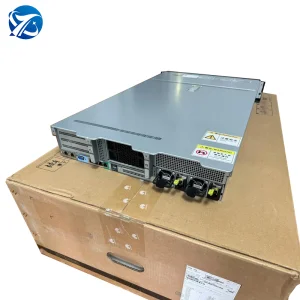
We use custom-designed packaging materials to protect equipment during transport. Servers are packed with high-density anti-static foam inserts, placed inside multi-layered double-wall corrugated cardboard containers, and secured onto reinforced wooden pallets for international shipping. For sea and air shipping, we also include humidity-absorbent desiccant packs and impact indicators to monitor handling quality.