Korvion
Korvion
Korvion
Deploy localized high-throughput deep learning and matrix acceleration servers built to withstand sub-Saharan power profiles and climate dynamics.
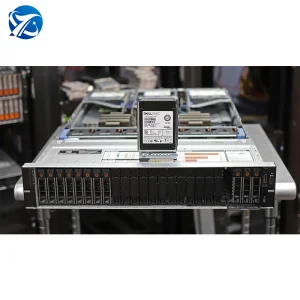
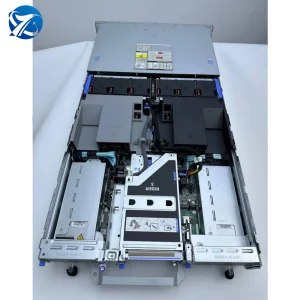
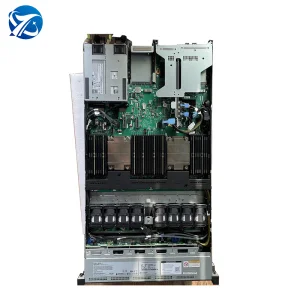
Establishing digital sovereignty through high-density compute nodes built for local environments, fintech institutions, and resource-heavy industrial operations.
The Republic of Ghana is undergoing a rapid, structural digital transformation driven by the "Digital Ghana Agenda." Across Accra, Kumasi, and Takoradi, private and public sectors are integrating artificial intelligence (AI) to optimize financial technologies (FinTech), agricultural yields, mining processes, and public administration. However, relying purely on offshore cloud resources introduces high latency, sovereign data risks, and recurring foreign exchange costs. As a result, the demand for on-premise, high-performance AI GPU servers in Ghana has surged exponentially.
Developing local AI capability requires hardware capable of handling massive matrix multiplication and parallel execution workloads. This hardware must also withstand local operational challenges, such as electrical supply variations and tropical climate humidity. Standard off-the-shelf servers cannot support large-scale deep learning models (such as DeepSeek, Llama-3, or custom localized LLMs). These workloads require specialized GPU acceleration, redundant power setups, and optimized airflow routing to prevent thermal throttling.
Deploying local AI GPU server architectures reduces model inference latency from 180-250ms (common when querying European or North American cloud data centers) to under 15ms. This performance jump enables real-time transaction monitoring, high-frequency fraud detection for mobile money (MoMo) networks, and private dataset training in compliance with the Ghana Data Protection Act, 2012 (Act 843).
Our custom hardware configurations address the unique compute needs of West Africa's leading industries, providing optimized solutions across key sectors:
Founded in 2017, Korvion Technology Co., Ltd. is a professional manufacturer and solution provider specializing in AI GPU servers, high-performance computing (HPC) systems, GPU clusters, and data center infrastructure solutions. Headquartered in Shenzhen, China, the company operates a modern production facility covering 385 square meters and serves customers worldwide with reliable, scalable, and customized computing platforms.
With over 9 years of export experience and 15 years of industry expertise, Korvion has established a strong reputation for delivering advanced computing solutions tailored to the rapidly growing artificial intelligence, machine learning, cloud computing, and enterprise data center sectors.
Our annual export revenue exceeds USD 18 million, supported by a robust global supply network of more than 1,250 supply chain partners. We work closely with leading component suppliers to ensure stable product quality, competitive pricing, and timely delivery.
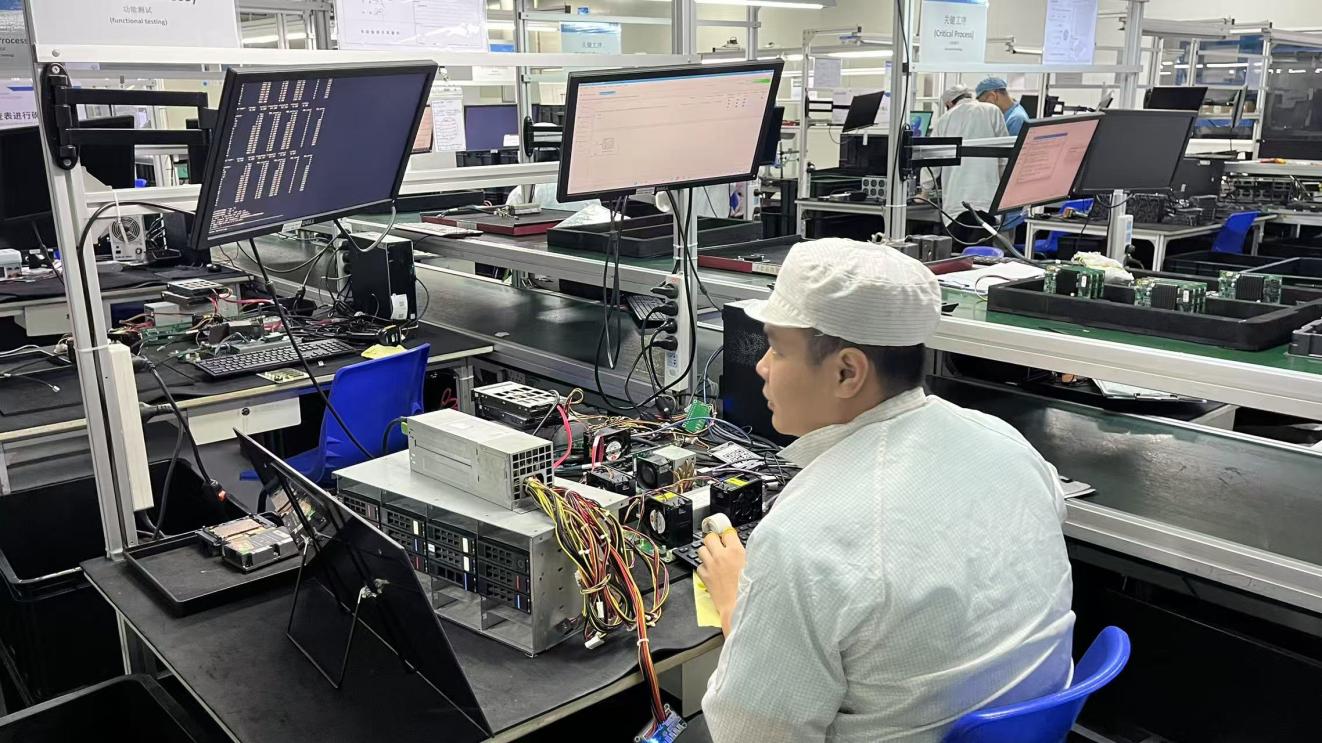
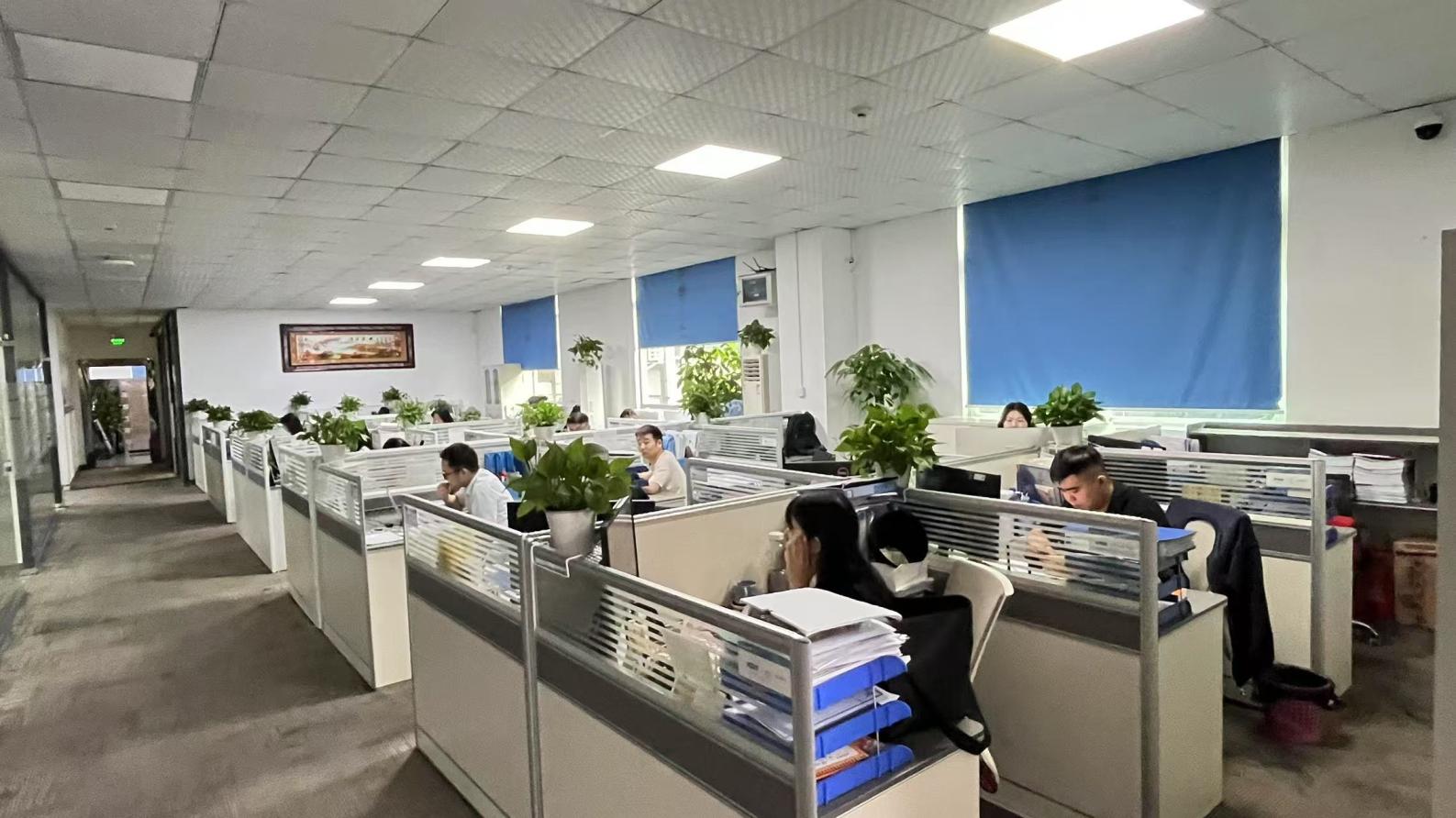
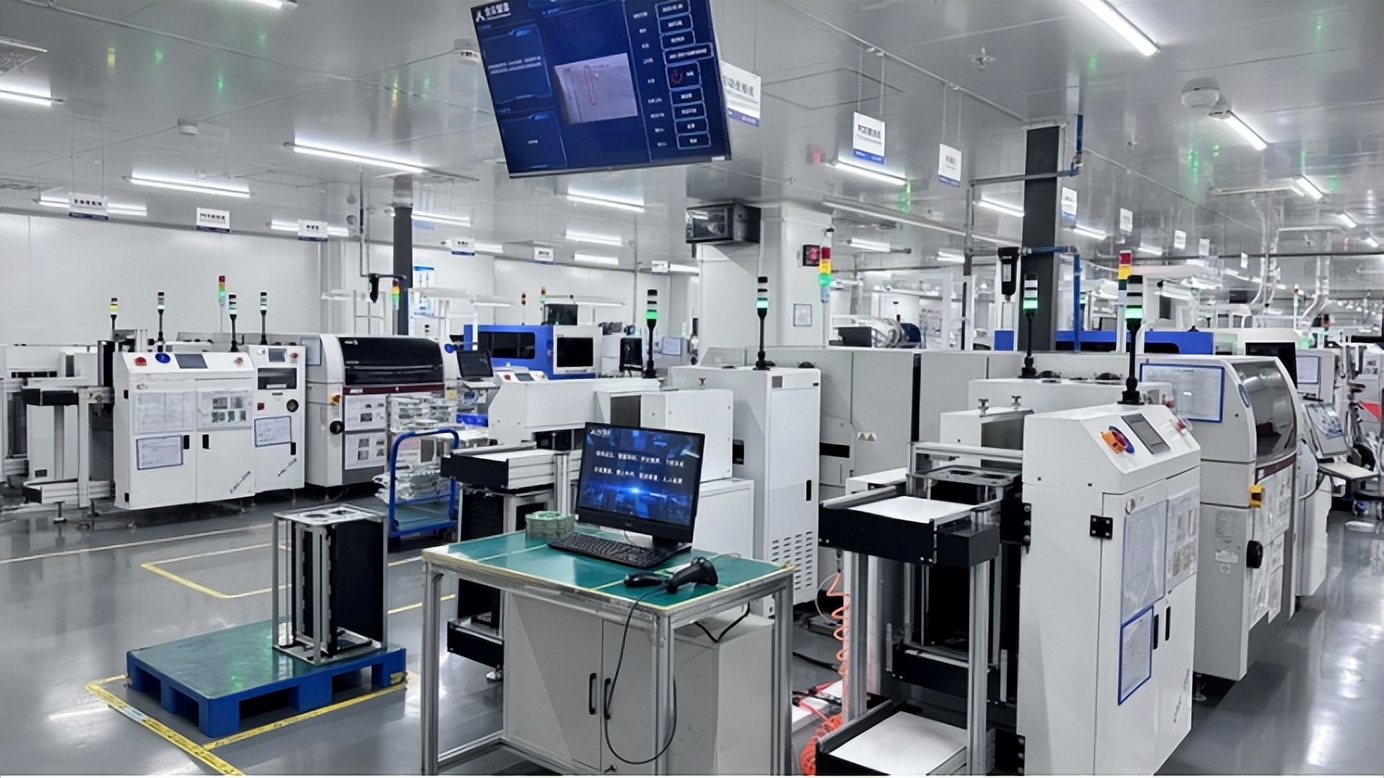
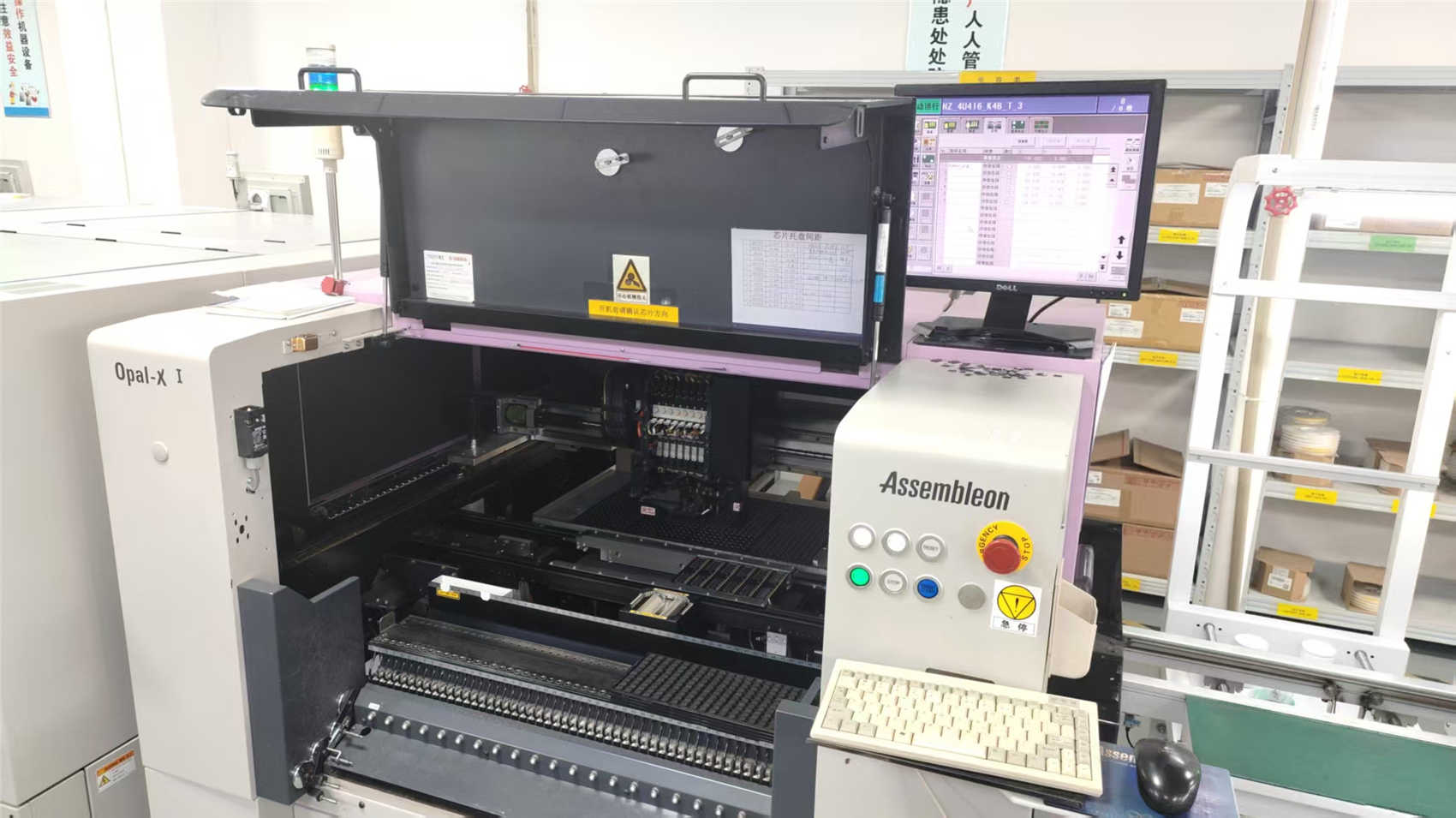
Quality is at the core of our operations. Korvion implements a comprehensive ISO 9001-based quality management system, supported by a dedicated team of 56 quality control professionals. Every product undergoes rigorous inspection procedures, including incoming material inspection, functional testing, burn-in testing, thermal performance verification, system stability validation, and final shipment inspection, ensuring dependable performance in mission-critical environments.
Innovation drives our growth. Our R&D department consists of 128 experienced engineers specializing in server architecture, thermal design, AI computing optimization, and customized hardware integration. Last year alone, Korvion introduced 86 new products and solution upgrades, helping customers stay competitive in the evolving AI infrastructure market.
We offer comprehensive OEM and ODM services, including chassis customization, branding, hardware configuration, rack integration, liquid cooling deployment, GPU cluster design, and turnkey AI infrastructure solutions. Our flexible customization capabilities allow customers to build solutions that precisely match their business and technical requirements.
How we modify our GPU servers to maintain 99.999% uptime in tropical and fluctuating electrical environments.
Power quality is a primary concern for data centers in Ghana. In response, our server designs incorporate 80 Plus Titanium redundant power supplies (1+1 or 2+2 configurations). These units operate with over 96% efficiency, reducing waste heat and protecting internal components from input voltage fluctuations. Additionally, our PMBus 1.2 integration allows for real-time telemetry, enabling administrators to set power caps that prevent system failures during grid transitions.
Accra's ambient temperatures and coastal humidity demand robust cooling designs. Our hardware features N+1 redundant, hot-swappable counter-rotating fan walls with intelligent speed control. For high-density systems, we provide custom direct-to-chip (D2C) liquid cooling loops and anti-corrosion conformal coatings on motherboards. This protection prevents humidity-induced micro-arc tracks and extends the hardware's lifespan in coastal environments.
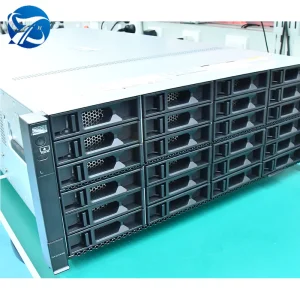
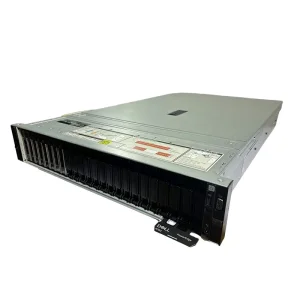
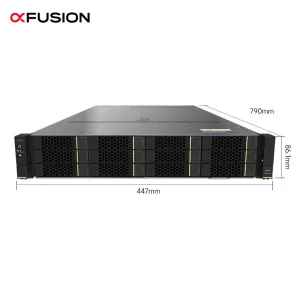
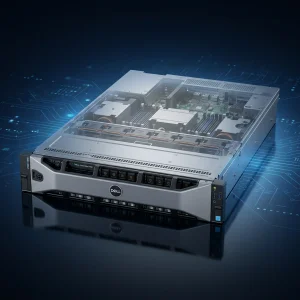
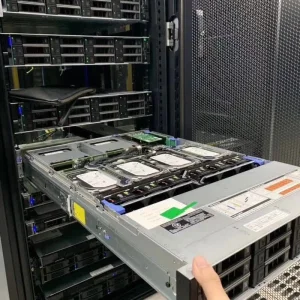
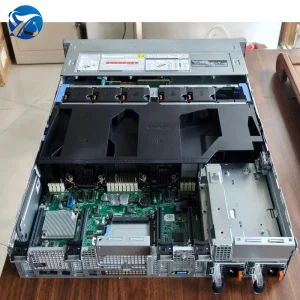
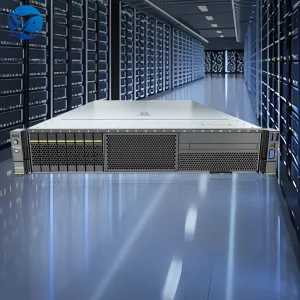
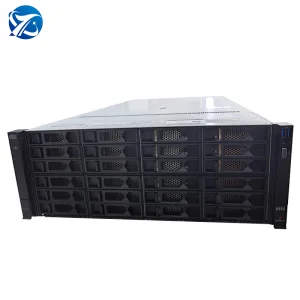
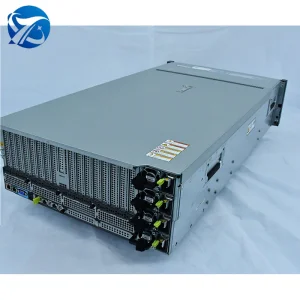
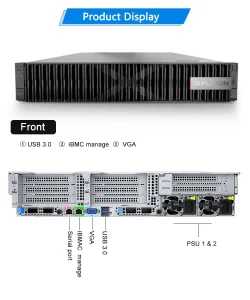
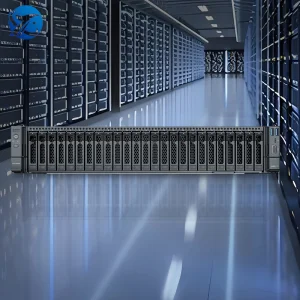
Deploy scalable cloud, virtualization, and deep learning compute nodes across your local networks. Fully customizable and optimized for standard server racks.

Anticipating the technological demands of the next generation of regional workloads.
Transitioning deployment pipelines to support PCIe Gen 5 architectures, enabling double the bandwidth of previous configurations. This supports high-frequency algorithmic operations for regional digital commerce hubs.
Deploying ruggedized edge GPU hardware outside city centers. These units are built to run automated analysis on agricultural and hydrological data in real time, even over limited-bandwidth networks.
Integrating closed-loop liquid cooling designs directly with regional solar micro-grids. This setup lowers the power footprint of high-performance computing centers in tropical climates.
Common questions about purchasing, custom configuring, and deploying high-performance GPU hardware in West Africa.