Korvion
Korvion
Korvion
Optimized accelerator hardware configuration designed for Portuguese enterprise colocation datacenters and high-performance engineering workloads.
Portugal is rapidly emerging as a primary digital and high-performance computing (HPC) hub in Southern Europe. Strategically positioned with extensive submarine fiber cable landings in Sines, Lisbon, and Carcavelos, the country serves as a vital intercontinental data bridge connecting Europe, the Americas, and Africa. Initiatives under the AI Portugal 2030 national strategy have spurred a massive demand for localized, high-density computing infrastructure.
From the burgeoning tech startup hubs in Lisbon and Porto to the ambitious green data center projects (such as the multi-billion-euro Sines Start Campus), Portuguese enterprises and government agencies are transitioning away from high-latency public cloud infrastructure. The local imperative is clear: build and scale sovereign computing infrastructure that secures intellectual property while optimizing operational expenditure. AI GPU servers represent the core engine of this digital sovereign transformation.
As deep learning, large language models (LLMs like DeepSeek), and computer vision applications find roots within Portuguese logistics, viticulture, oceanographic research, and public administration, procuring high-performance server hardware has become complex. Supply chain bottlenecks, fluctuating lead times for enterprise GPU chipsets, and thermal footprint considerations pose challenges for local buyers.
In response, Portuguese system integrators and CTOs are seeking direct-to-manufacturer relationships that guarantee hardware customization (OEM/ODM), rigorous performance testing (ISO 9001 systems), and localized technical compliance (GDPR and CE compatibility). Direct sourcing from advanced manufacturer facilities in Shenzhen offers an agile, cost-effective channel to secure high-performance computing components without dealing with multi-layer distribution markups.
Discover how custom GPU server architectures are fueling research, public infrastructure, and key industries across the Portuguese economic landscape.
Under strict GDPR compliance regulations, Portuguese financial institutions and public administration sectors are migrating from public API models to local, air-gapped instances of open-source architectures like DeepSeek-V3/R1. This requires custom GPU hardware that supports high-bandwidth FP8/BF16 memory architectures for low-latency inferencing.
Portugal’s extensive Exclusive Economic Zone (EEZ) requires advanced remote sensing and marine monitoring. Research institutes in Lisbon, Porto, and the Azores deploy multi-GPU nodes to analyze satellite imagery, model maritime thermal currents, and run real-time predictive analytics on offshore wind farm structural health.
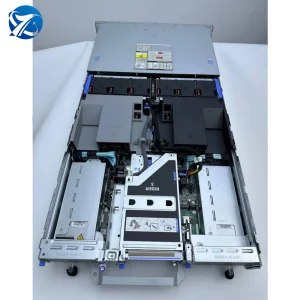
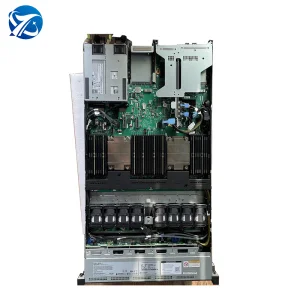
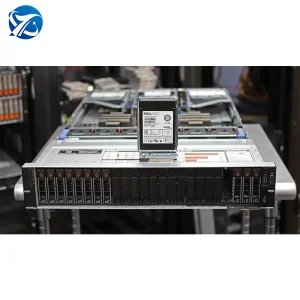
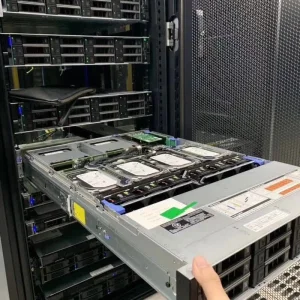
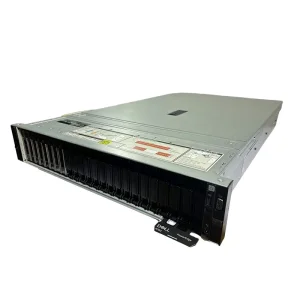
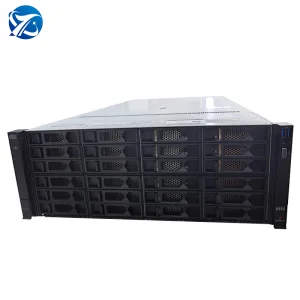
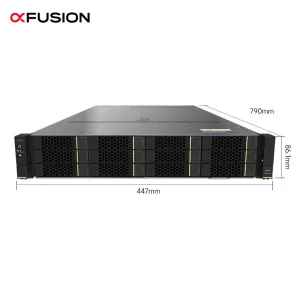
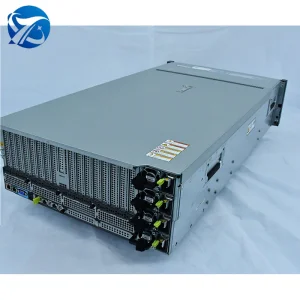
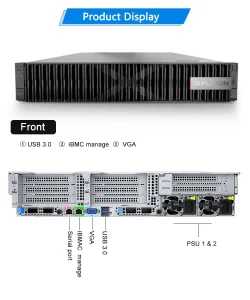
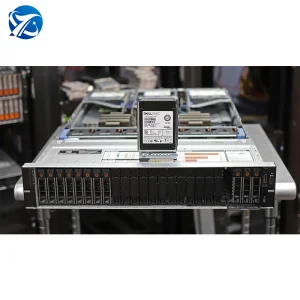
The industrial hubs of Porto and Aveiro, along with the deepwater Port of Sines, use AI computer vision models running at the edge. Dedicated 2U and 4U GPU servers process high-frequency video streams for manufacturing quality control, automated container routing, and predictive maintenance schedules on port machinery.
Engineered for high thermal tolerance, low power consumption, and maximum compute density in regional European colocation facilities.
The engineering principles guiding the next generation of Portuguese AI compute infrastructure.
As modern GPU TDP (Thermal Design Power) requirements exceed 700W per accelerator (e.g., in NVIDIA H100, H200, and upcoming B200 architectures), standard air cooling is reaching its physical limits in warm climate zones like central and southern Portugal. Our engineering roadmap prioritizes Direct-to-Chip (D2C) liquid cooling integrations and dedicated Coolant Distribution Units (CDUs).
By leveraging custom liquid-cooled manifolds, Portuguese data centers can drastically reduce their PUE (Power Usage Effectiveness) down to 1.15, aligning with EU sustainability mandates and the European Green Deal. The integration of high-grade copper cold plates directly over high-performance ASICs ensures stable operations without thermal throttling, even under 100% computational load.
To support massive parameters in deep learning models, local training infrastructures require high-speed interconnect interfaces. Our newer motherboard integration designs support full PCIe Gen 5.0 lanes, doubling the data rate of PCIe 4.0 to 32 GT/s per lane. This enables high-speed data transfers between GPUs and NVMe SSD arrays. Furthermore, we optimize design layouts for multi-card clusters using advanced interconnect bridges, bypassing PCIe bottlenecking to allow high-throughput GPU peer-to-peer communication.
To shield clients from vendor lock-in and supply chain shortages, our hardware designs are built on open-architecture standards. This flexibility allows Portuguese clients to integrate varied accelerator chipsets:
Future industrial IoT deployments require computing power situated directly on-site (e.g., inside paper mills, assembly lines, or marine ports). We are expanding our 1U/2U short-depth server lineups to allow placement in standard rack cabinets without requiring specialized, deep-chassis data center racks.
Founded in 2017, Korvion Technology Co., Ltd. delivers high-performance compute solutions designed to withstand global supply chain pressures.
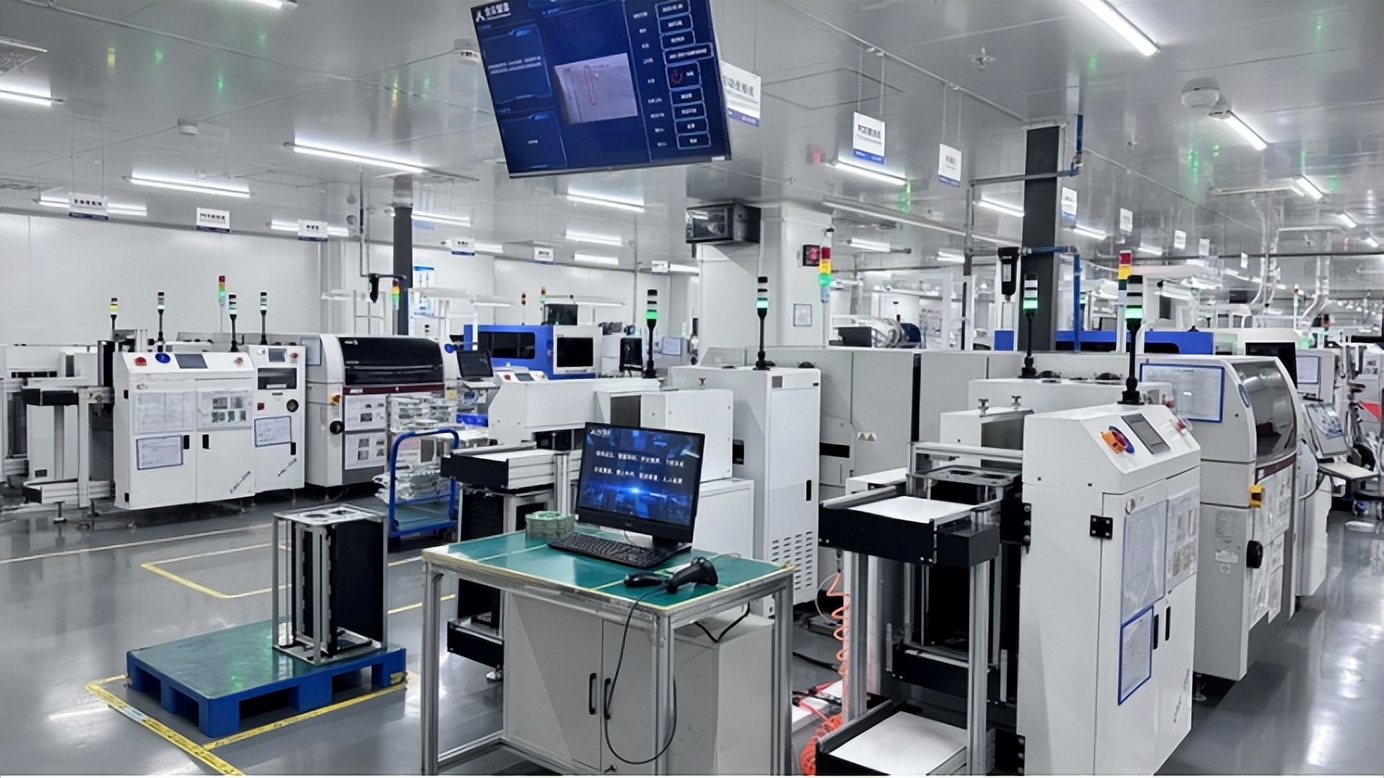
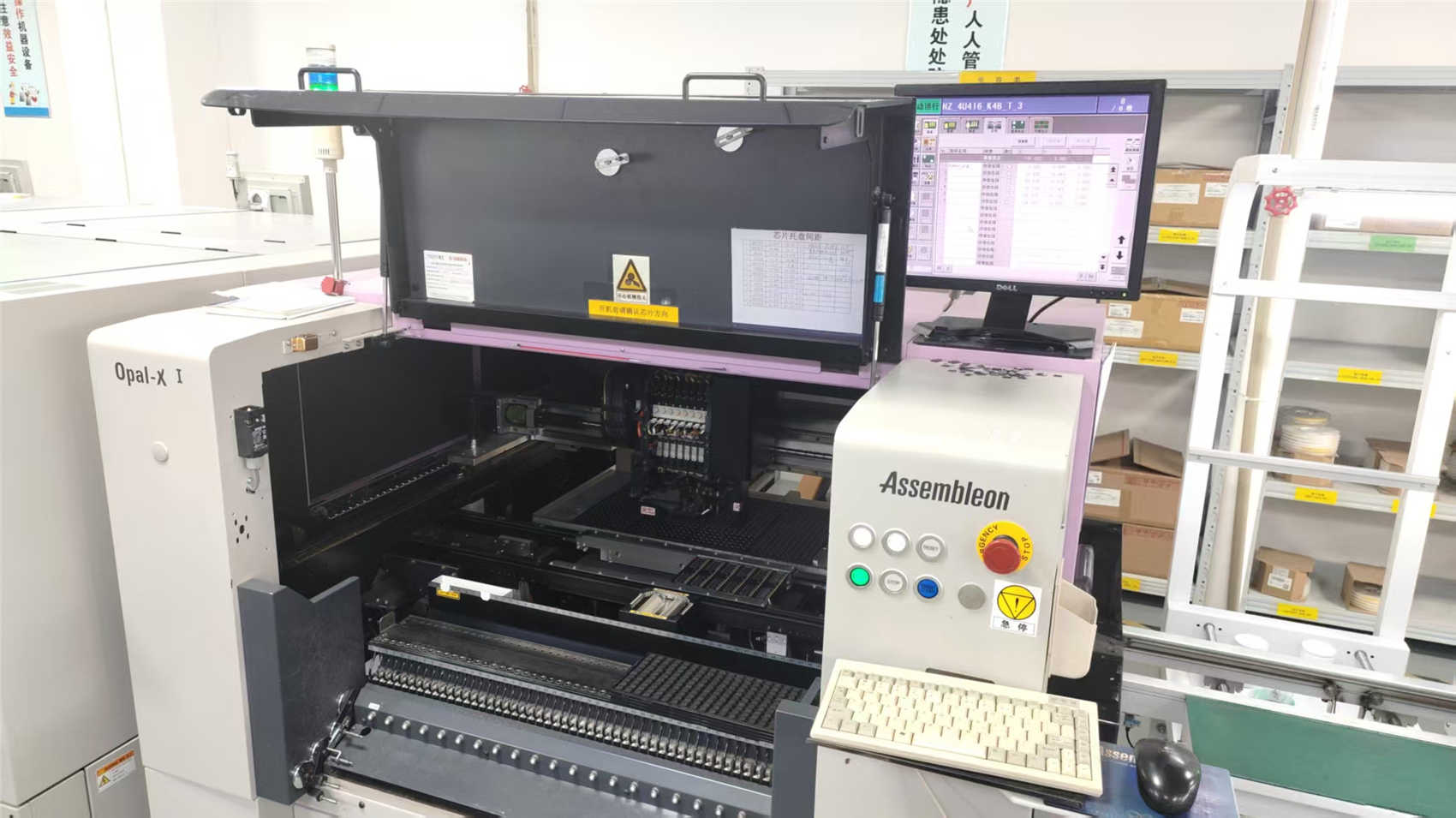
Headquartered in Shenzhen, China, the global epicenter of electronic and computing hardware, Korvion operates a modern, highly optimized 385 square meter production, integration, and quality-testing facility. By utilizing our geographic proximity to tier-1 semiconductor raw material providers, high-density PCB manufacturers, and high-efficiency cooling assembly fabricators, we streamline components sourcing to reduce lead times to a fraction of the market standard.
Our network of 1,250+ supply chain partners ensures that even during global component shortages, we maintain steady stocks of critical components, including PMICs, voltage regulator modules (VRMs), and high-frequency connectors. This resilience enables us to guarantee hardware delivery schedules for Portuguese infrastructure deployments.
Quality and server uptime are critical for high-performance computing environments. Under our comprehensive ISO 9001-based quality management system, a dedicated team of 56 quality control professionals oversees every production phase. Every AI GPU server undergoes a mandatory testing procedure before shipment:
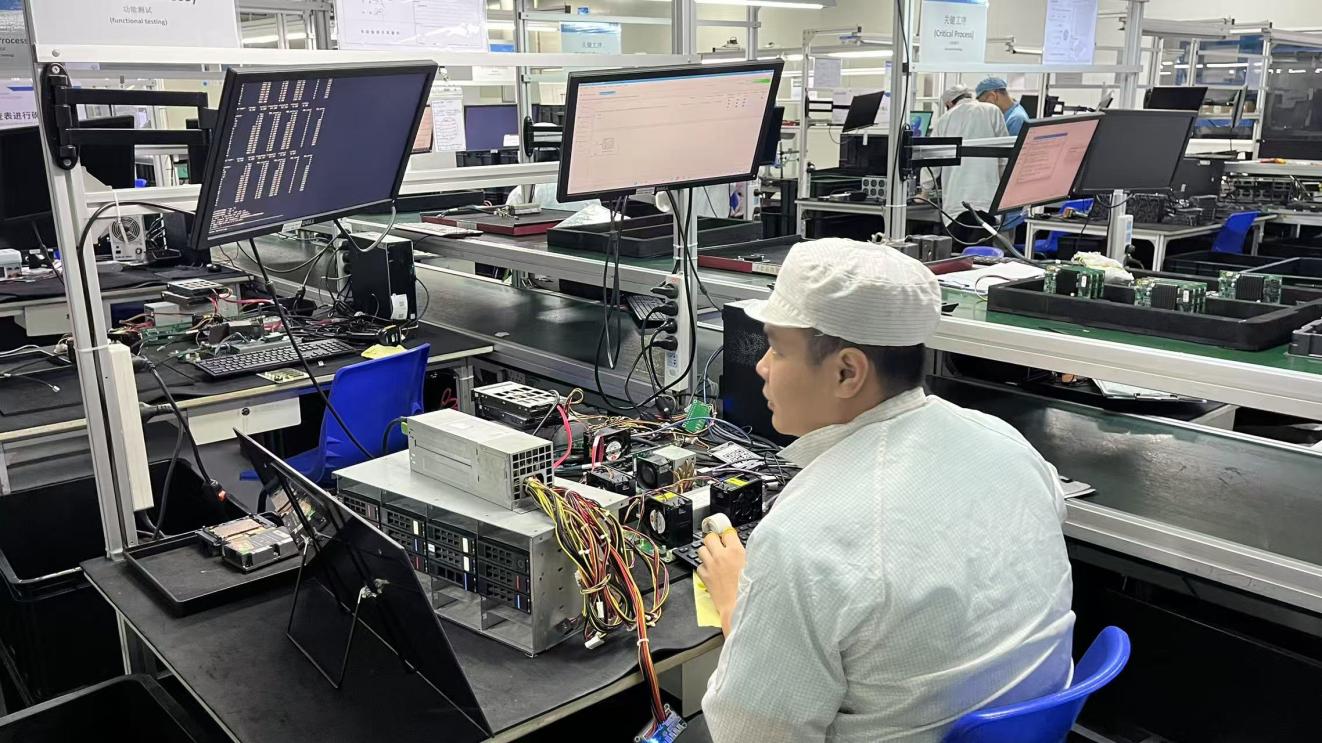

Deploying AI GPU servers within Portugal requires adherence to rigorous European Union directives. All Korvion servers exported to EU markets carry standard CE Markings, certifying compliance with EU health, safety, and environmental protection standards. Furthermore, our manufacturing processes are aligned with the RoHS (Restriction of Hazardous Substances) directive to ensure environmental safety.
Our server hardware architecture supports secure boot, TPM 2.0 (Trusted Platform Modules), and hardware-level root-of-trust configurations. These security protocols ensure that our servers can be integrated into environments compliant with GDPR (General Data Protection Regulation) frameworks, maintaining strict control over data access and preventing unauthorized firmware-level access.
We recognize that standard hardware configurations do not fit every enterprise workload. Through our comprehensive OEM and ODM services, we provide tailored hardware configurations, including custom branding, specialized rack-level chassis adjustments, redundant high-efficiency power supplies (CRPS), liquid-cooling plumbing configurations, and tailored OS/hypervisor pre-loading.
For Portuguese clients, we offer responsive post-sales assistance, including replacement component shipping, remote BIOS/firmware update support, and coordination with local engineering partners in Lisbon and Porto for complex, rack-level deployments. This ensures minimal system downtime for mission-critical enterprise environments.
Enterprise and datacenter-grade multi-GPU architectures configured for high-throughput model training and scalable AI model inference.
Expert insights on importing, configuring, and maintaining high-performance GPU server infrastructure in the Portuguese market.