Korvion
Korvion
Korvion
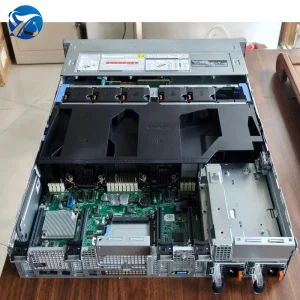
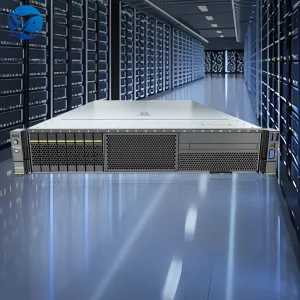
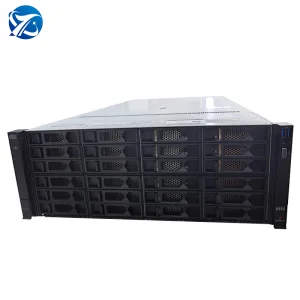
High-efficiency processing nodes designed to support advanced Deep Learning, LLM workloads, and localized Cloud deployments in Brazil's industrial and corporate sectors.
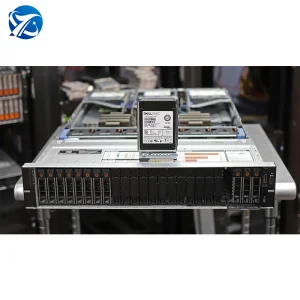
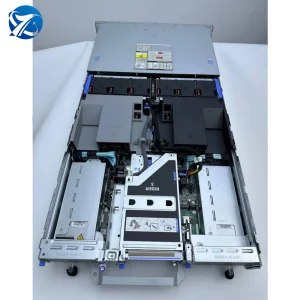
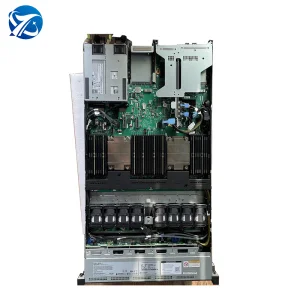
As the largest digital economy in Latin America, Brazil is undergoing a monumental shift towards cognitive computing and advanced AI processing. Driven by digital transformation programs, telecommunications expansion (specifically 5G infrastructure), and localized cloud storage requirements, the demand for enterprise computing hardware has surged. The Brazilian government's investments in data sovereignty and local tech manufacturing have created a unique landscape where global OEMs, localized factories, and custom system integrators intersect.
Deploying AI GPU servers and datacenter arrays in Brazil requires navigating complex tax frameworks, including the Processo Produtivo Básico (PPB) and local ICMS tax benefits, which heavily favor domestic assembly or strategic import structures. Understanding Dell’s localized manufacturing presence alongside high-efficiency export channels is essential for optimizing procurement costs.
Dell's manufacturing facility in Hortolândia, São Paulo state, serves as the primary assembly hub for enterprise server lines (like PowerEdge) destined for the Mercosur region, enabling tax exemptions under PPB laws.
High-power density servers housing NVIDIA H100, A100, and AMD EPYC architectures require custom configuration, liquid-cooling solutions, and specialized power management to thrive in localized tropical server rooms.
All active network interfaces and server products must meet the strict regulatory guidelines of the Agência Nacional de Telecomunicações (ANATEL) to ensure lawful operations and network integration.
Dell Technologies operates a robust manufacturing plant in Hortolândia, São Paulo. Opened to serve the Latin American market directly, this facility manufactures desktop computers, notebooks, and critically, a wide variety of enterprise servers, including 1U and 2U PowerEdge systems. By utilizing local manufacturing, Dell mitigates the high import tariffs (often reaching over 60% cumulative duty) that Brazil applies to fully assembled foreign electronics.
The Processo Produtivo Básico (PPB) is a regulatory framework defined by the Brazilian government that specifies the minimum step-by-step manufacturing or assembly processes that must be performed locally to qualify for tax incentives. For enterprise servers, this generally means assembling motherboards, incorporating locally sourced memory chips (when viable), configuring the chassis, and executing system-level testing on Brazilian soil. Dell's Hortolândia facility uses this compliance framework to offer competitive pricing on mainstream models (e.g., R640, R740, R750, R760) to government bodies, educational institutes, and local conglomerates.
While standard dual-socket compute nodes are easily sourced from local Brazilian factories, ultra-high-end AI GPU clusters (incorporating multiple NVIDIA H100, L40S, or A100 GPUs) often hit local supply limitations. High-end AI components are highly sensitive, low-yield semiconductors subject to strict export controls. Consequently, local manufacturers in Brazil often rely on overseas supply networks, such as Shenzhen's advanced technology manufacturing hubs, to acquire verified server platforms, custom water-block assemblies, and specialized multi-GPU chassis that are not yet assembled under the PPB rules. This makes a hybrid supply chain—leveraging both Dell's local base and global ODM partners like Korvion—highly advantageous.
Implementing enterprise computing clusters in Brazil requires aligning technical capabilities with regional industrial trends. Our customizable server configurations are deployed across several key macro industries in the country:
Logistical and operational complexity is one of the primary obstacles for companies deploying datacenters in Latin America. To guarantee operational continuity, server deployments must satisfy rigorous localized parameters:
Brazil's tax system involves multiple layers, including II (Import Tax), IPI (Industrialized Products Tax), PIS, COFINS, and state-level ICMS. Navigating these taxes requires working with experienced global logistics partners. By choosing the right mix of locally assembled commodity hardware and imported high-performance GPU engines, companies can achieve a balanced total cost of ownership (TCO).
No networking or server equipment can legally connect to public networks in Brazil without ANATEL homologation. This process tests electromagnetic compatibility, electrical safety, and radio frequency interference. All our server networking interfaces (specifically 10GbE/100GbE network cards, InfiniBand adapters, and Wi-Fi modules) are certified or utilize components from pre-approved global manufacturers to guarantee seamless local licensing.
Enterprise systems require quick response times. Utilizing global footprints like Dell's ProSupport service combined with custom hardware guarantees means that technical teams in major hubs (São Paulo, Campinas, Curitiba) can receive replacement parts (CPUs, enterprise SSDs, memory kits) within 4 to 24 hours, reducing operational downtime for mission-critical clusters.
Connecting global high-efficiency hardware supply chains with localized server integration needs.
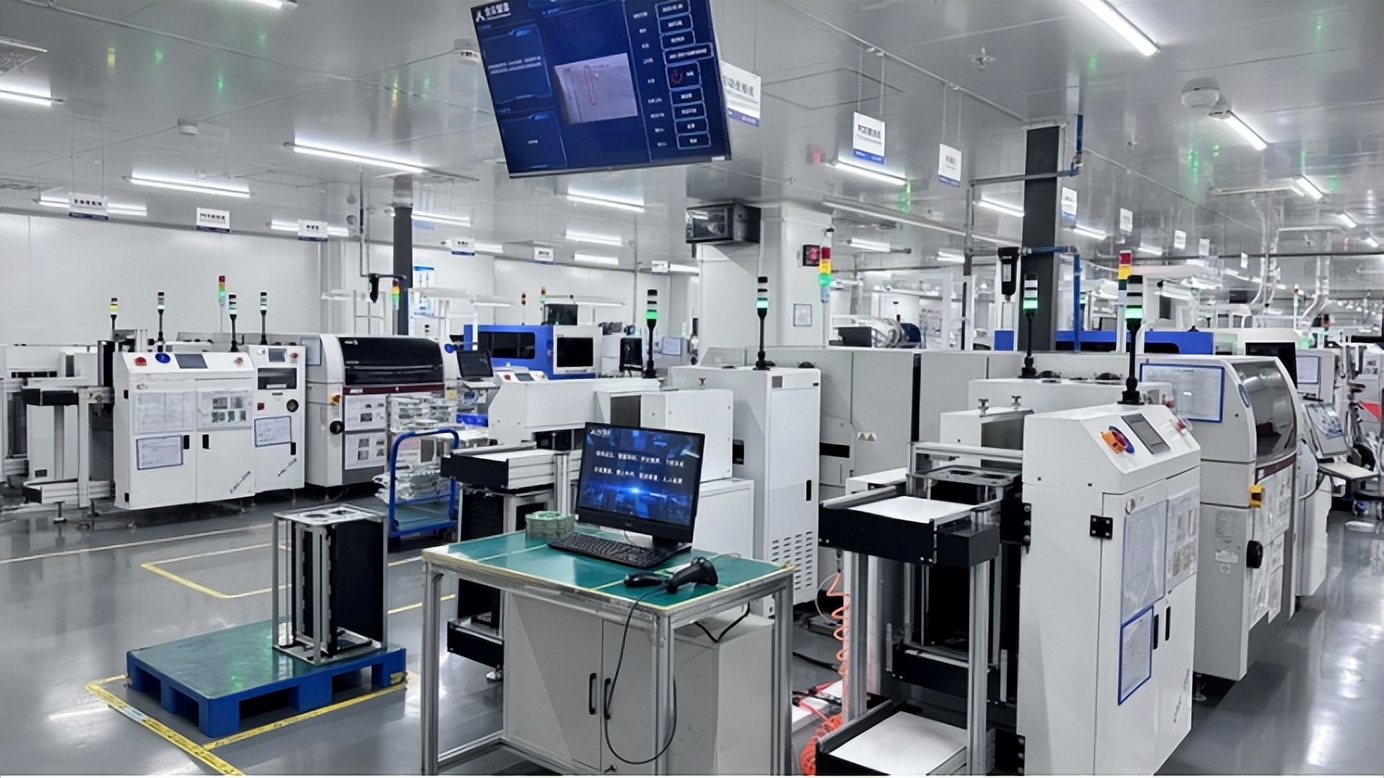
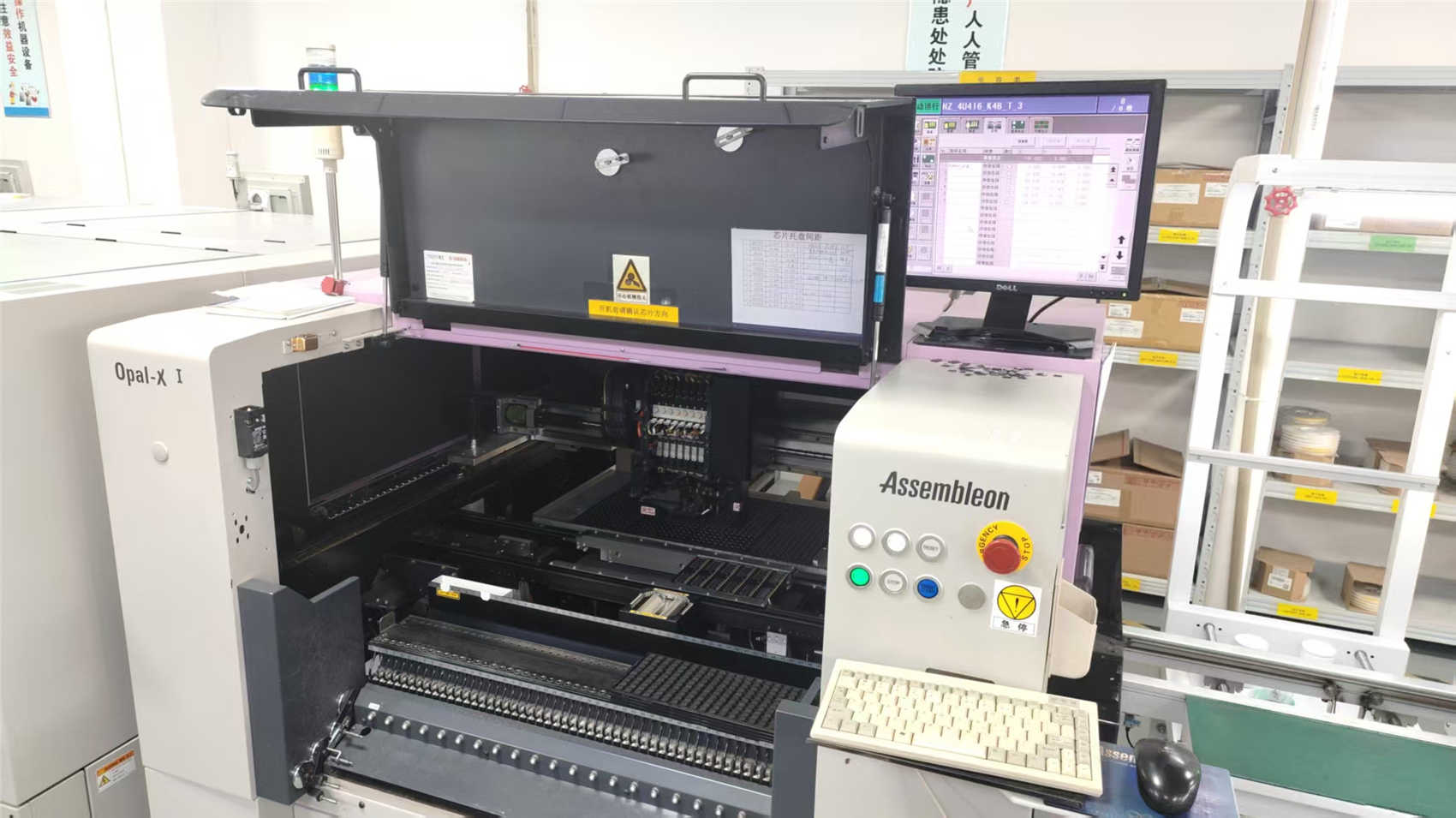
Founded in 2017, Korvion Technology Co., Ltd. is a professional manufacturer and solution provider specializing in AI GPU servers, high-performance computing (HPC) systems, GPU clusters, and data center infrastructure solutions. Headquartered in Shenzhen, China, the company operates a modern production facility covering 385 square meters and serves customers worldwide with reliable, scalable, and customized computing platforms.
With over 9 years of export experience and 15 years of industry expertise, Korvion has established a strong reputation for delivering advanced computing solutions tailored to the rapidly growing artificial intelligence, machine learning, cloud computing, and enterprise data center sectors.
Our annual export revenue exceeds USD 18 million, supported by a robust global supply network of more than 1,250 supply chain partners. We work closely with leading component suppliers to ensure stable product quality, competitive pricing, and timely delivery.
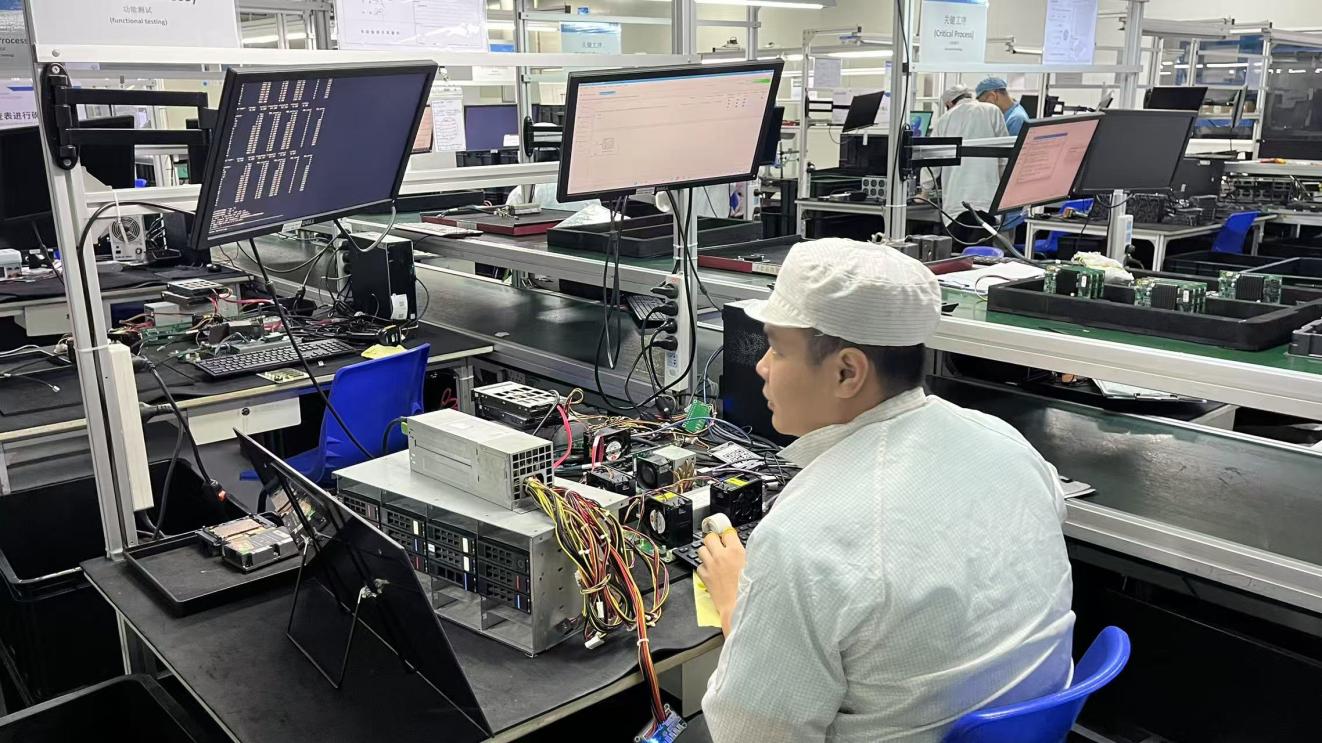
Quality is at the core of our operations. Korvion implements a comprehensive ISO 9001-based quality management system, supported by a dedicated team of 56 quality control professionals. Every product undergoes rigorous inspection procedures, including incoming material inspection, functional testing, burn-in testing, thermal performance verification, system stability validation, and final shipment inspection, ensuring dependable performance in mission-critical environments.
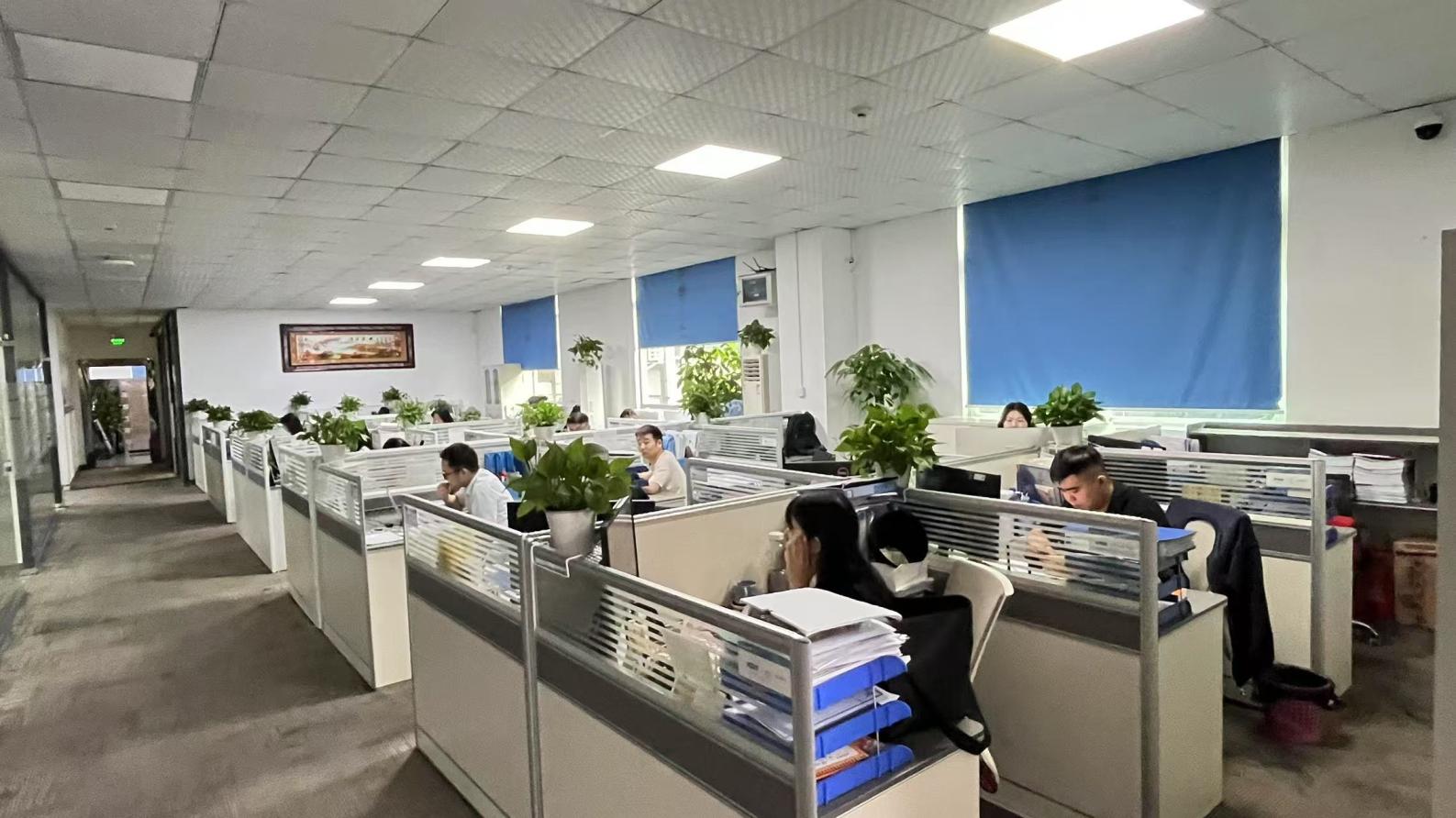
Innovation drives our growth. Our R&D department consists of 128 experienced engineers specializing in server architecture, thermal design, AI computing optimization, and customized hardware integration. Last year alone, Korvion introduced 86 new products and solution upgrades, helping customers stay competitive in the evolving AI infrastructure market.
We offer comprehensive OEM and ODM services, including chassis customization, branding, hardware configuration, rack integration, liquid cooling deployment, GPU cluster design, and turnkey AI infrastructure solutions. Our flexible customization capabilities allow customers to build solutions that precisely match their business and technical requirements.
Today, Korvion serves a diverse customer base, including AI startups, cloud service providers, system integrators, research institutions, universities, enterprise data centers, and GPU hosting companies across North America, Europe, Southeast Asia, the Middle East, and Latin America.
As workload demands grow, server architectures are shifting towards higher density and greater efficiency. Our technical roadmap focuses on addressing heat, energy, and density concerns specifically suited for emerging economies:
Given Brazil's warm tropical climates, cooling datacenters using standard air conditioning consumes high amounts of electricity. Our development roadmap integrates Direct-to-Chip (D2C) liquid cooling loops directly into dual-socket chassis. This allows datacenters in São Paulo and Rio de Janeiro to lower their Power Usage Effectiveness (PUE) from an average of 1.8 down to 1.25, significantly cutting operational utility bills.
Modern workloads require high data bandwidth. Integrating PCIe Gen 5 technology into our newest server builds ensures that next-generation GPUs can communicate with system memory at ultra-high speeds, reducing latency for complex neural network operations.
Instead of delivering standalone nodes, we offer turnkey rack solutions pre-wired with 400Gb/s switches and InfiniBand layouts. This structural approach allows organizations to quickly deploy large clusters for massive computing tasks, saving months of manual configurations.
Common inquiries from CIOs, system integrators, and infrastructure directors regarding procurement and compliance.
Yes. All networking cards, storage controllers, and motherboard components used in our server designs are sourced from certified global manufacturers holding ANATEL certifications or are compatible with local import licensing parameters. We guarantee testing documentation alignment during custom import processes.
Dell's local Hortolândia assembly allows them to qualify for PPB tax benefits. This eliminates import-related taxes like IPI and reduces ICMS in several states. Consequently, standard commodity servers assembled in Brazil are cheaper than fully assembled units imported directly, though specialized GPU clusters might still require custom import clearance.
We offer comprehensive OEM/ODM customization services. We can customize physical chassis dimensions, rail kits, cooling configurations, and branding options to match existing server racks, ensuring consistency with Dell or other standard systems in your server room.
Depending on custom clearance routes, standard air shipping and customs processing through São Paulo (GRU) or Campinas (CPQ) airports takes between 15 to 30 days. We manage logistics pipelines carefully with qualified customs brokers to avoid unnecessary warehouse delays.
Browse our comprehensive list of high-availability enterprise servers compatible with Latin American data infrastructures. Standard models and custom configurations are ready for shipment.