Korvion
Korvion
Korvion
Deploy state-of-the-art enterprise nodes designed for ultra-low latency hybrid storage, edge analytics, and sovereign deep learning compute.
Aligning advanced global server manufacturing with Japanese requirements for high precision, environmental sustainability, and low latency.
Japanese enterprises demand absolute reliability. Our server manufacturing incorporates the principles of Monozukuri (the Japanese craft of manufacturing), integrating components tested extensively under continuous thermodynamic stress to eliminate hardware failures at the source.
Under the Ministry of Economy, Trade and Industry (METI) directives, data centers throughout Japan must prioritize energy efficiency. Our solutions support high-efficiency titanium redundant power units and direct-to-chip liquid cooling setups that optimize power utilization effectiveness (PUE).
From the smart automotive factories of Nagoya to the FinTech giants in Tokyo Otemachi, processing high-volume localized datasets securely requires robust, compliant Dell PowerEdge compatible bare-metal and custom GPU configurations.
A comprehensive examination of hardware compatibility, local environmental tuning, and structural design optimization.
Modern enterprises in Japan face challenges such as high land cost (meaning dense server clustering is required), stringent seismic standards, and strict grid requirements. Our specialized manufacturing facility delivers custom server architectures that directly address these regional demands. We configure compute platforms that seamlessly execute demanding modern workloads such as DeepSeek LLMs, Kubernetes clustering, real-time IoT processing, and complex database workloads.
Japan is seismically active, which means data centers require secure, structurally resilient server cages and inner chassis frameworks. Our manufacturing processes utilize precision CNC machines to create double-reinforced steel slide rails and server chassis brackets. This minimizes harmonic resonance within the rack cabinet, reducing component fatigue and mechanical failure risk of critical systems, including SAS and SATA drive arrays, under high-vibration conditions.
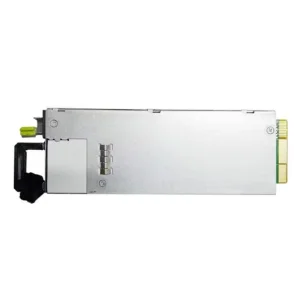
While global servers are typically built to standard 220V inputs, Japanese environments utilize 100V (single phase) and 200V (three-phase) electrical configurations at dual grid frequencies (50Hz in Eastern Japan including Tokyo, and 60Hz in Western Japan including Osaka). Our server power supplies (900W, 1500W, and 2000W Platinum-certified models) are engineered with adaptive auto-switching rectifiers. This ensures high energy efficiency (up to 96% efficiency under typical load) and minimal heat dissipation under different regional grid specifications.
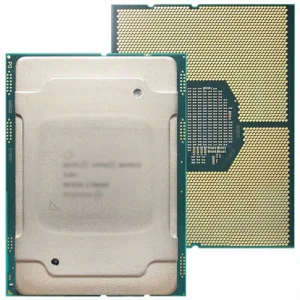
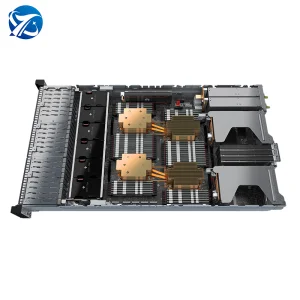
Cooling limits are a critical bottleneck in urban Japanese data centers due to space limitations. By integrating custom vapor-chamber copper heat sinks and providing options for direct-to-chip (D2C) liquid cooling manifolds, we allow high TDP processors (such as dual Intel Xeon Scalable or AMD EPYC platforms) to operate at stable peak performance without thermal throttling. This cooling efficiency is essential for the continuous execution of generative AI architectures and high-density deep learning workflows.
Our commitment to exporting servers that meet the strict requirements of the Japanese corporate and legal infrastructure.
All our imported computer systems and components are engineered and tested to comply with the Voluntary Control Council for Interference (VCCI) standards, preventing electro-magnetic disruption of adjacent communication lines inside dense urban data environments.
Internal AC/DC power adapters, distribution boards, and cooling fan assemblies meet the strict provisions of Japan’s Electrical Appliance and Material Safety Act (PSE), ensuring electrical fire safety at all times.
We comply fully with RoHS and J-Moss (Japan's green marking system for chemical substances), limiting hazardous lead, mercury, and cadmium content in our main system board soldering, capacitors, and chassis coatings.
In accordance with Japan’s Energy Conservation Act, our custom bare-metal configurations are optimized to meet the target efficiency parameters, reducing standby consumption down to the absolute minimum.
Global GPU Server Manufacturer & Hybrid Compute Infrastructure Solutions Provider.
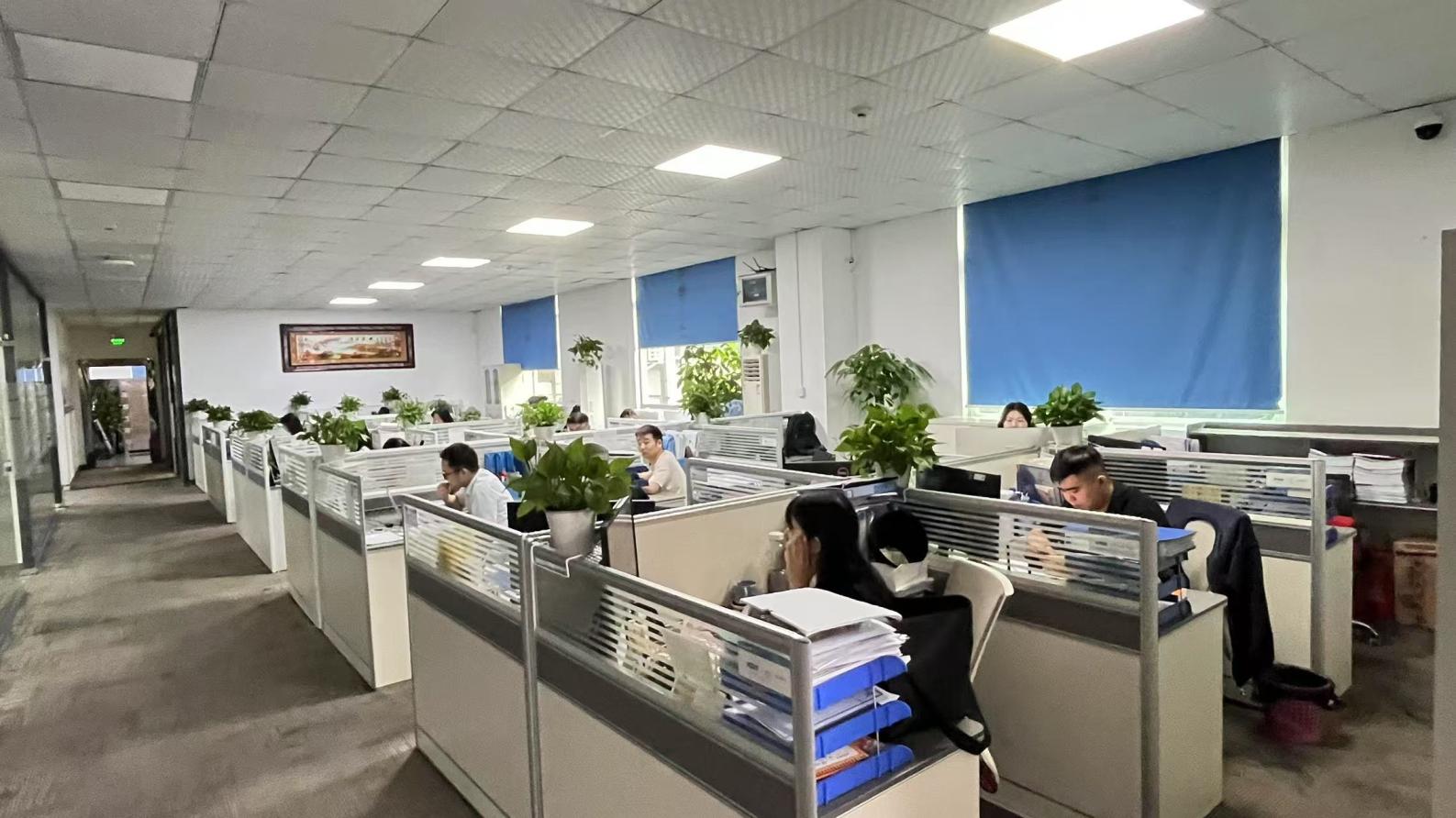
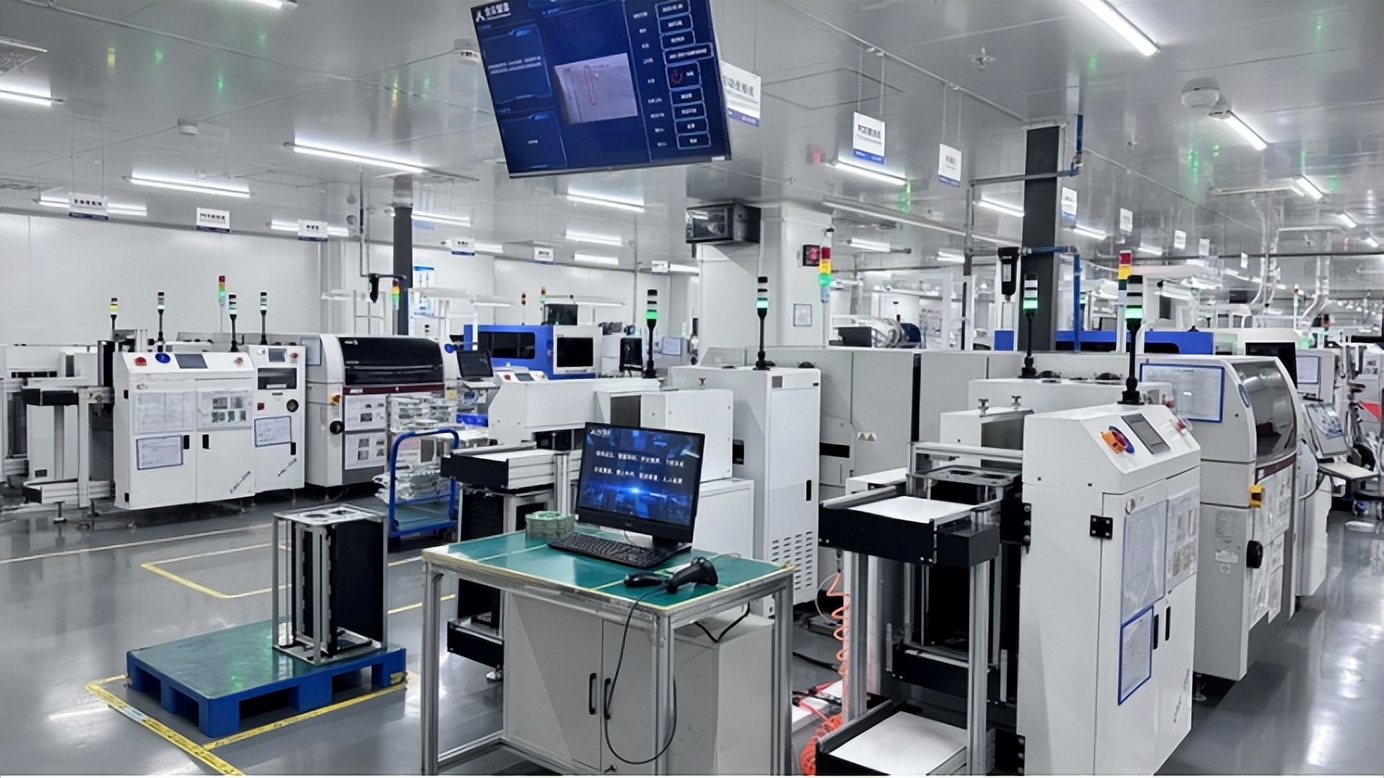
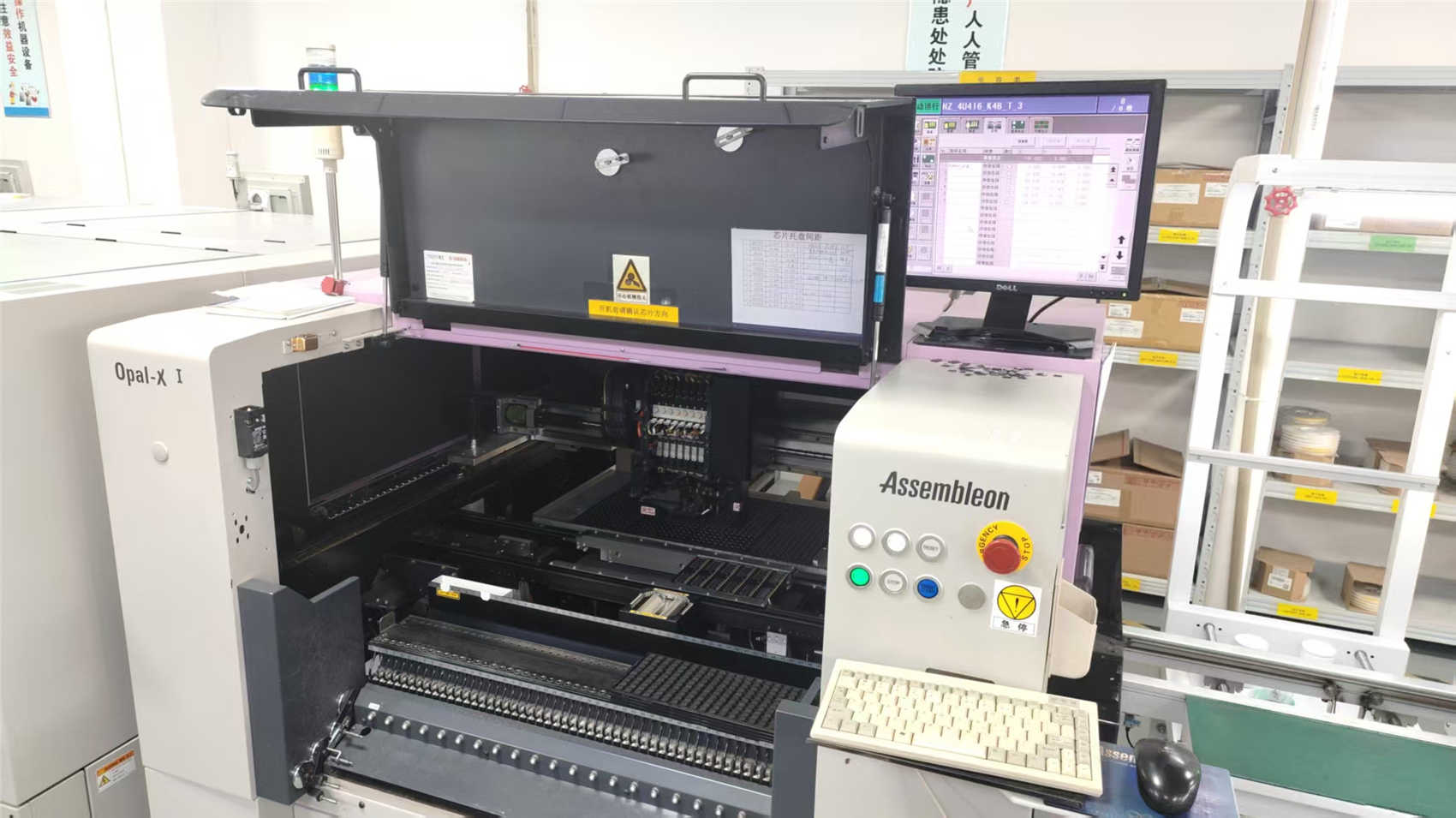
Founded in 2017, Korvion Technology Co., Ltd. is a professional manufacturer and solution provider specializing in AI GPU servers, high-performance computing (HPC) systems, GPU clusters, and data center infrastructure solutions. Headquartered in Shenzhen, China, we operate a modern production facility covering 385 square meters, serving enterprise customers globally with reliable, scalable, and customized computing platforms.
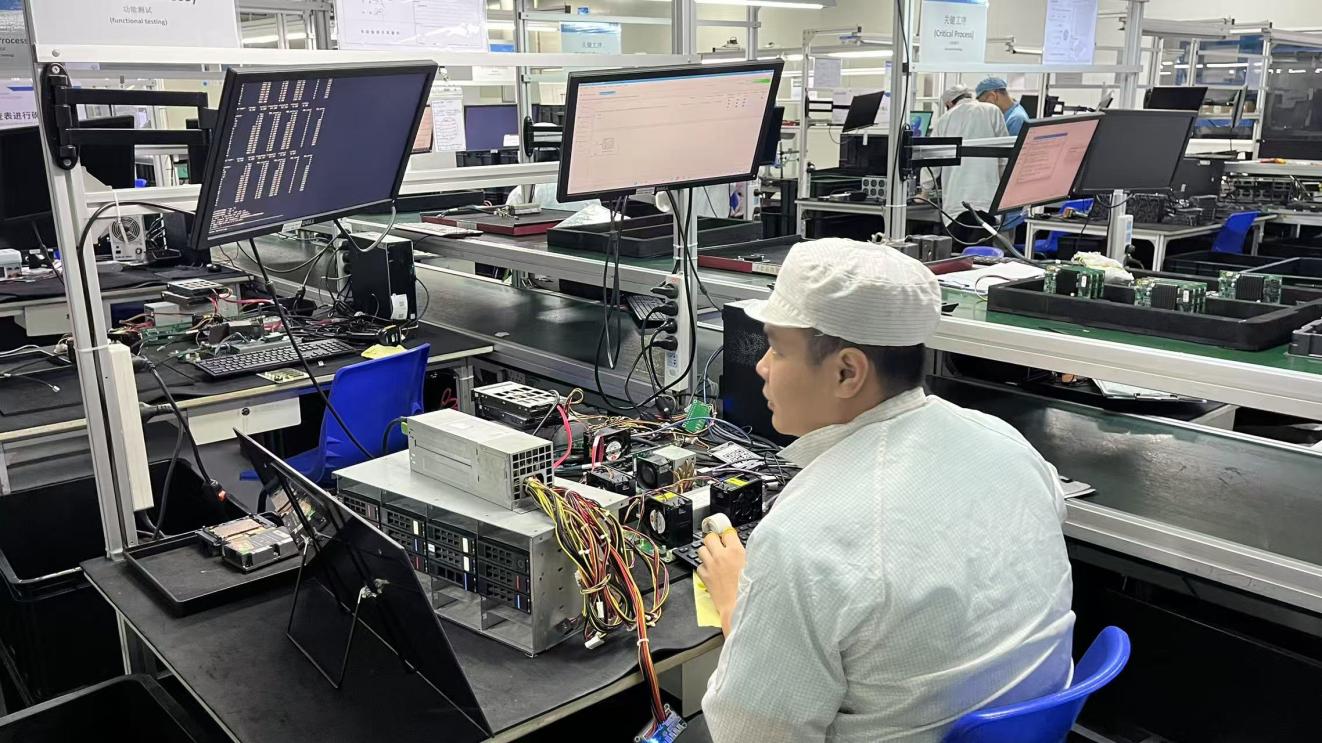
Quality is the cornerstone of our global supply operation. Korvion implements a comprehensive, ISO 9001-based quality management system, supported by a dedicated team of 56 quality control professionals. Every product goes through rigorous testing procedures, including incoming material inspection, functional testing, burn-in testing, thermal performance verification, system stability validation, and final pre-shipment inspection, ensuring dependable performance in mission-critical environments.
Innovation drives our growth. Our R&D department consists of 128 experienced engineers specializing in server architecture, thermal design, AI computing optimization, and customized hardware integration. In the last year, Korvion introduced 86 new products and solution upgrades, helping customers stay competitive in the evolving AI infrastructure market.
We offer comprehensive OEM and ODM services, including chassis customization, branding, hardware configuration, rack integration, liquid cooling deployment, GPU cluster design, and turnkey AI infrastructure solutions. Our flexible customization capabilities allow customers to build solutions that precisely match their business and technical requirements.
Deploying tailored computing configurations to solve complex computational problems across Japanese industry segments.
A Japanese AI research startup integrated our high-density GPU platforms to train Large Language Models optimized for Japanese grammar. Utilizing PCIe Gen 5 configurations, they achieved high-throughput matrix calculations while remaining fully compliant with Tokyo Metropolitan energy usage rules.
A genomic research department utilized our multi-socket rack nodes to run complex DNA sequencing software. The high memory bandwidth and custom thermal fan arrays allowed for continuous 72-hour computation tasks without overheating or system interruption.
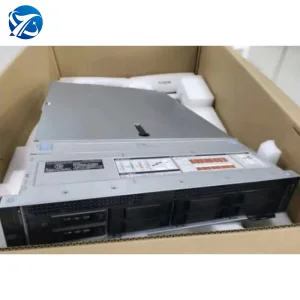
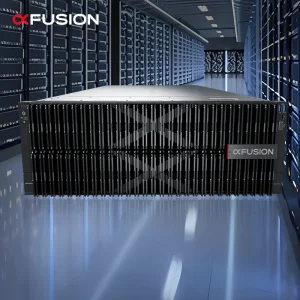
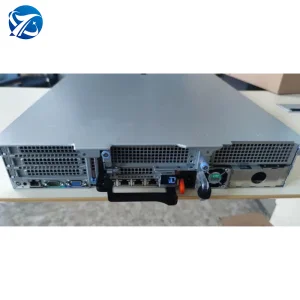
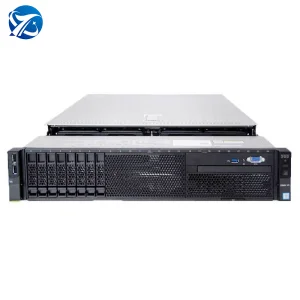
For a leading automotive components manufacturer, we supplied robust, vibration-resistant 2U server nodes to collect, filter, and process real-time factory floor telemetry, enabling predictive maintenance models that minimize downtime.
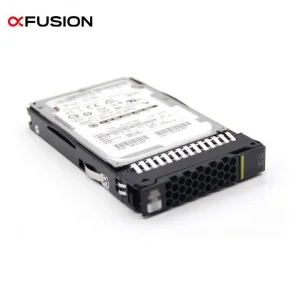
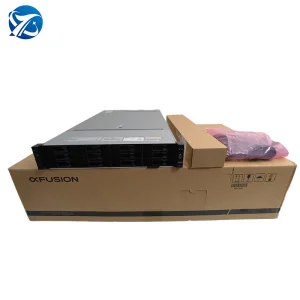
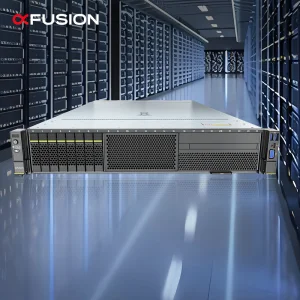
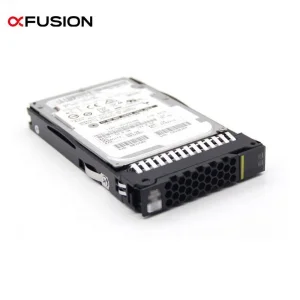
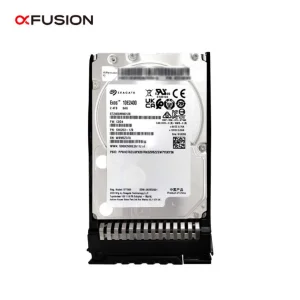
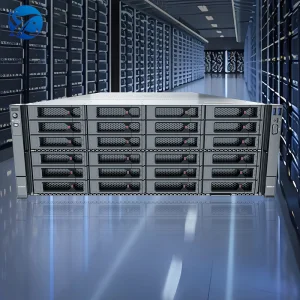
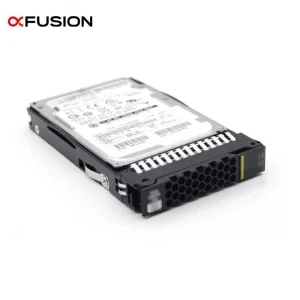
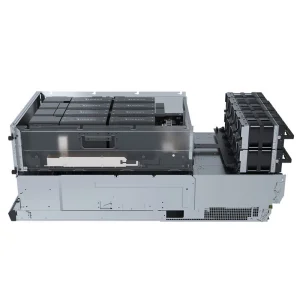
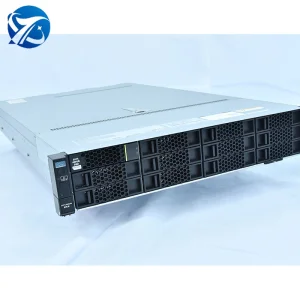
Browse our catalog of custom server platforms, high-performance solid-state storage, and performance components optimized for continuous enterprise workloads.
Deploying advanced server developments designed to meet upcoming computing needs.
To support high-volume calculations, we are planning compute platforms integrated with Compute Express Link (CXL) architectures. This allows dynamic memory sharing between CPUs and accelerators, lowering total hardware cost.
As green energy standards tighten in Japan, we are optimizing server chassis architectures to support complete fluorochemical fluid immersion cooling systems, targeting operational power savings of up to 40%.
Recognizing the growing need for data privacy, our upcoming systems will feature unified UEFI security firmware, ensuring on-premises LLM processing clusters remain insulated from external network vulnerabilities.
Answers to key logistics, customization, compatibility, and compliance questions for Japanese procurement managers.
Q: Do you support custom BIOS and UEFI localization for Japanese system management tools?
A: Yes. During the manufacturing process, we can flash custom BIOS/UEFI firmware tailored to support Japanese localization parameters, custom hardware asset tags, and integration with specific BMC and iDRAC configuration protocols.
Q: How do you ensure the server power supply units work reliably under 100V electrical inputs common in older Japanese structures?
A: Our Platinum and Titanium-certified power modules are equipped with wide-range auto-switching power circuitry. They run safely across voltages ranging from 90V up to 264V, ensuring high efficiency even under 100V low-voltage conditions without risking system instability.
Q: What quality control processes are conducted before shipping to Japan?
A: Every custom system undergoes testing by our team of 56 quality control experts. This includes comprehensive functional tests, 24 to 72-hour thermal chamber burn-in testing, and detailed component-level diagnostic sweeps before secure export packaging.
Q: What is the typical lead time for custom OEM server production and delivery to Tokyo or Osaka ports?
A: Standard customized configurations typically require 2 to 3 weeks for manufacturing and testing. Air freight transit to Narita or Kansai International Airport takes approximately 3 to 5 business days, while container shipping takes approximately 10 to 14 days.