Korvion
Korvion
Korvion
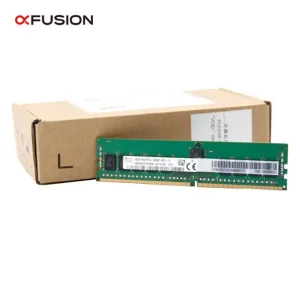
Enterprise SSD arrays and high-capacity RAM solutions optimized for Dell PowerEdge platforms and custom mission-critical system architectures.
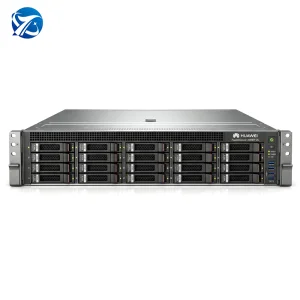
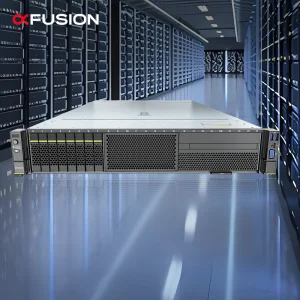
An Industrial Overview of Enterprise Computing Requirements, Supply Chain Resilience, and Thermal Management Challenges.
The digital landscape of Pakistan is undergoing a monumental shift. Underpinned by initiatives such as the China-Pakistan Economic Corridor (CPEC) infrastructure and the Pakistan Telecommunication Authority's (PTA) data sovereignty frameworks, local enterprises are accelerating their transition from legacy workloads to modern, cloud-native environments. High-performance computing (HPC) nodes, dense virtualization clusters, and high-capacity database systems are no longer exclusive to Tier-1 financial institutions in Karachi; they have become critical operational assets for e-commerce, telecommunications, healthcare networks, and manufacturing complexes in Lahore, Faisalabad, and Islamabad.
This massive digital deployment requires highly dependable hardware. Sourcing systems that match the robust build of global flagships—like the Dell PowerEdge series, HPE ProLiant platforms, and high-efficiency xFusion FusionServers—is vital to local enterprise stability. As organizations scale up their reliance on SAP HANA ERP systems and DeepSeek-derived artificial intelligence models, they require a localized technology channel capable of delivering custom configurations, certified component spares, and optimized thermal configurations suited for local facilities.
Operating server hardware in South Asia, specifically within Pakistan’s industrial zones, presents unique engineering and operating environmental hazards. Navigating these requires precise hardware configurations and experienced local knowledge:
Full regulatory alignment for secure BMC, remote-management channels, and hardware imports.
Custom-tuned airflow profiles, high-efficiency heatsinks, and ambient thermal tolerance designs.
Redundant hot-plug power supply units rated up to 96% efficiency to shield critical computing layers.
Pakistan's proximity to China provides a critical advantage in terms of hardware sourcing and logistics. While traditional procurement routes from Western markets suffer from extended shipping lead times, customs barriers, and high freight markups, the China-Pakistan land-and-sea logistics network offers a streamlined alternative. Having direct transit pipelines from major technological production centers in Shenzhen allows hardware system integrators to guarantee rapid delivery. Sourcing certified component alternatives—whether compatible NVMe SSD arrays, ECC DDR5 RAM, or xFusion server motherboards—dramatically reduces deployment times.
By bypassing multi-layered intermediary distributor networks, Pakistani enterprises can leverage direct factory-to-port logistics. Shipping to Karachi via regular container vessels requires only 18 to 22 days, while critical components can be air-freighted to Lahore or Islamabad in less than a business week. This logistical efficiency is vital for maintaining uptime in high-performance computing centers and large-scale enterprise deployments.
Delivering high-end system integration, customized computing configurations, and global supply chain reliability since 2017.
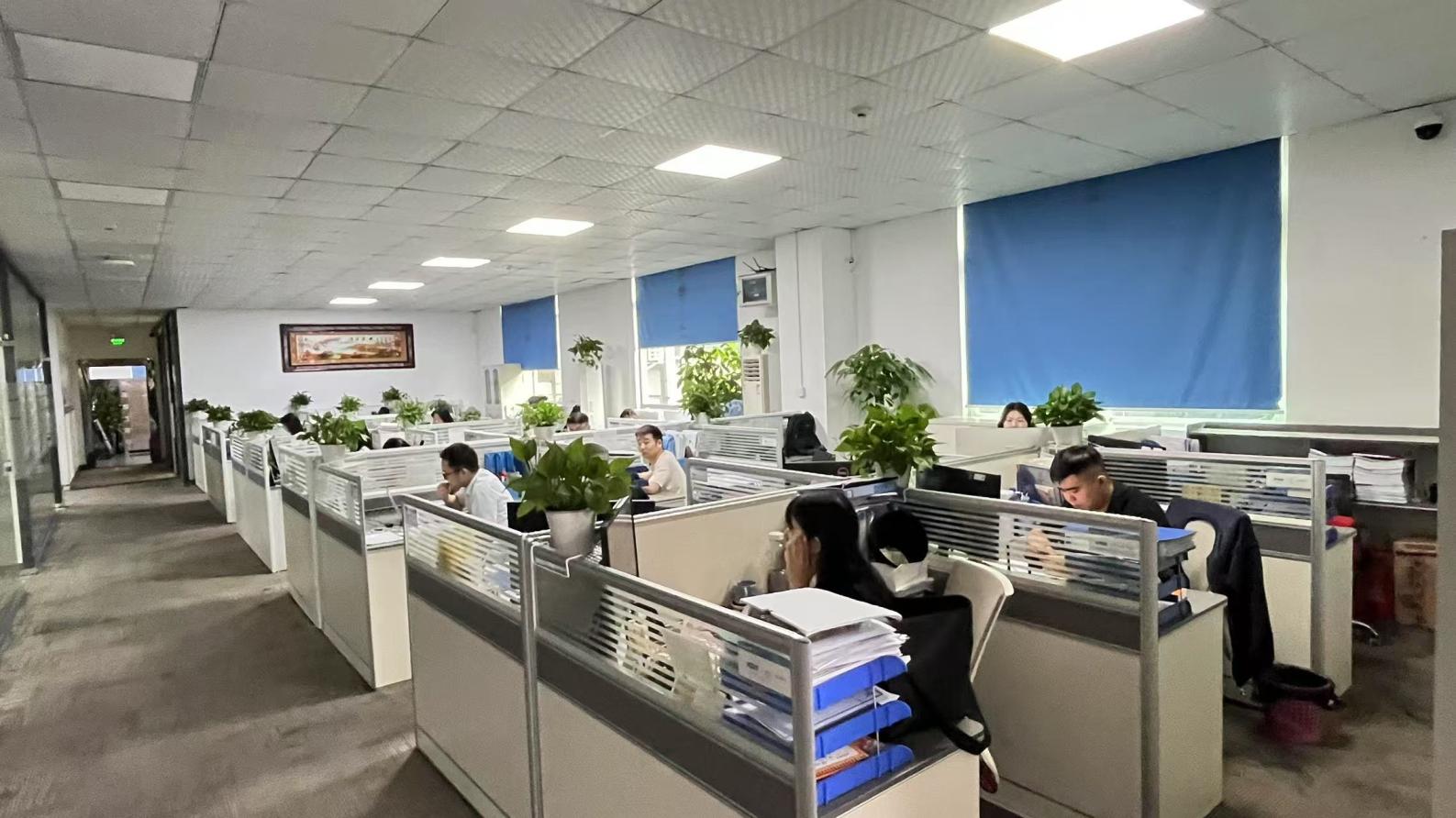
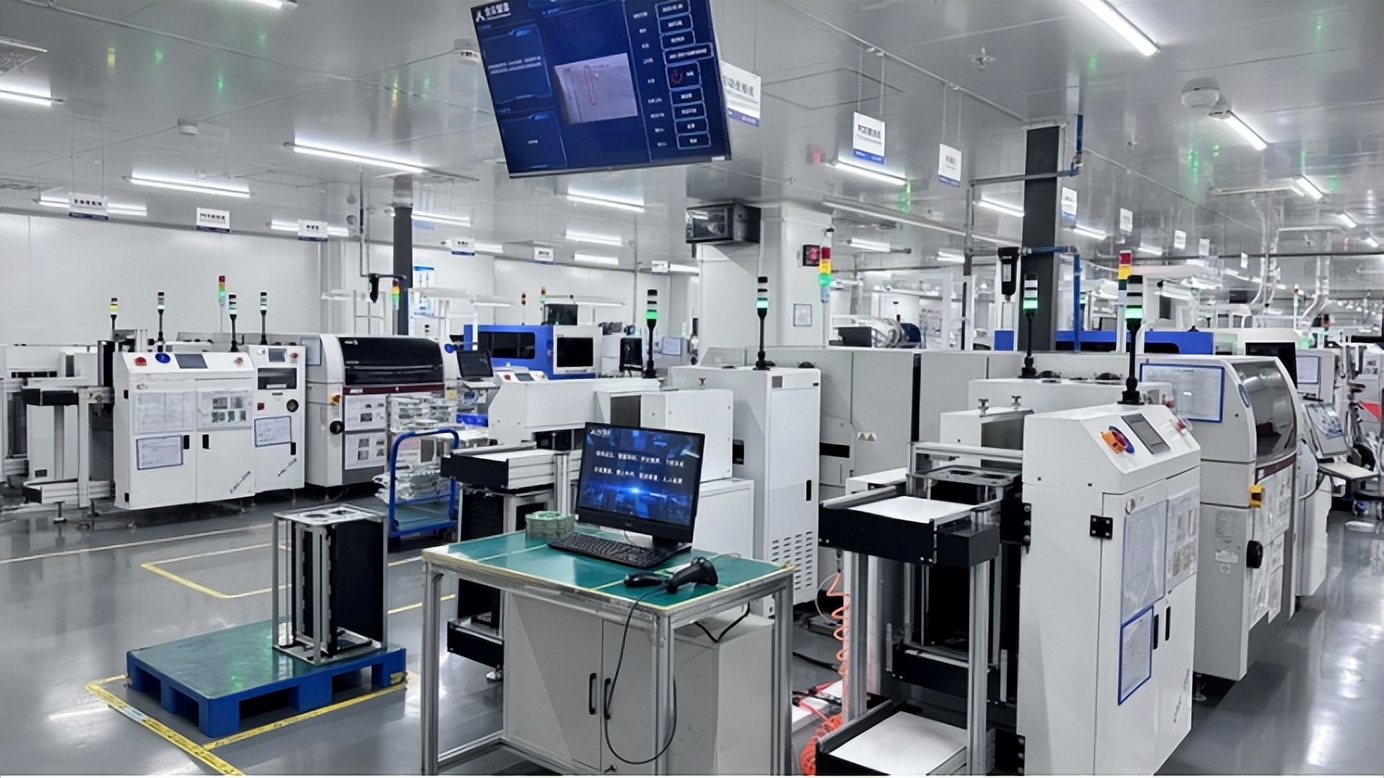
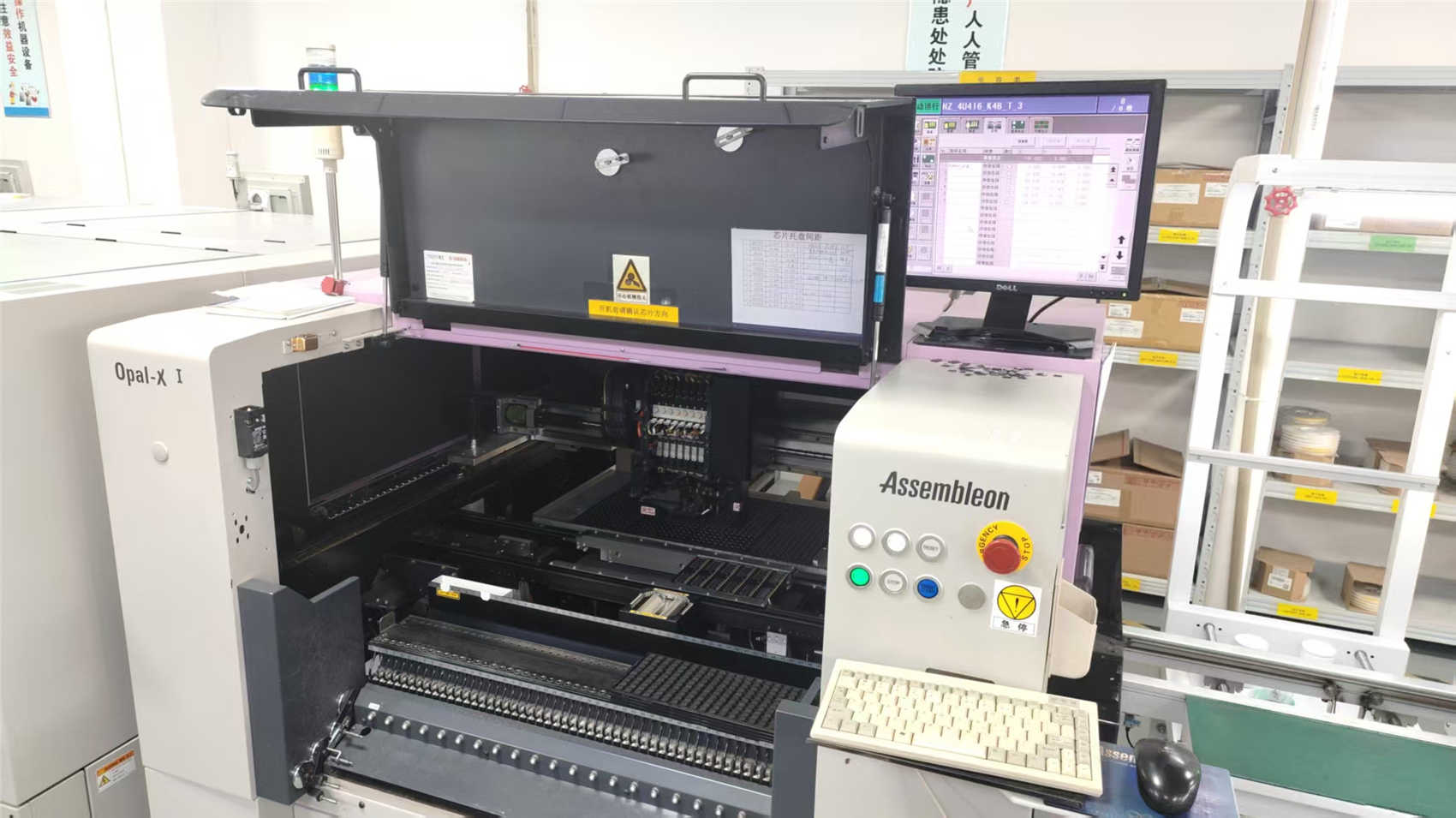
Founded in 2017, Korvion Technology Co., Ltd. is a professional manufacturer and solution provider specializing in AI GPU servers, high-performance computing (HPC) systems, GPU clusters, and data center infrastructure solutions. Headquartered in Shenzhen, China, the company operates a modern production facility covering 385 square meters and serves customers worldwide with reliable, scalable, and customized computing platforms.
With over 9 years of export experience and 15 years of industry expertise, Korvion has established a strong reputation for delivering advanced computing solutions tailored to the rapidly growing artificial intelligence, machine learning, cloud computing, and enterprise data center sectors.
Our annual export revenue exceeds USD 18 million, supported by a robust global supply network of more than 1,250 supply chain partners. We work closely with leading component suppliers to ensure stable product quality, competitive pricing, and timely delivery.
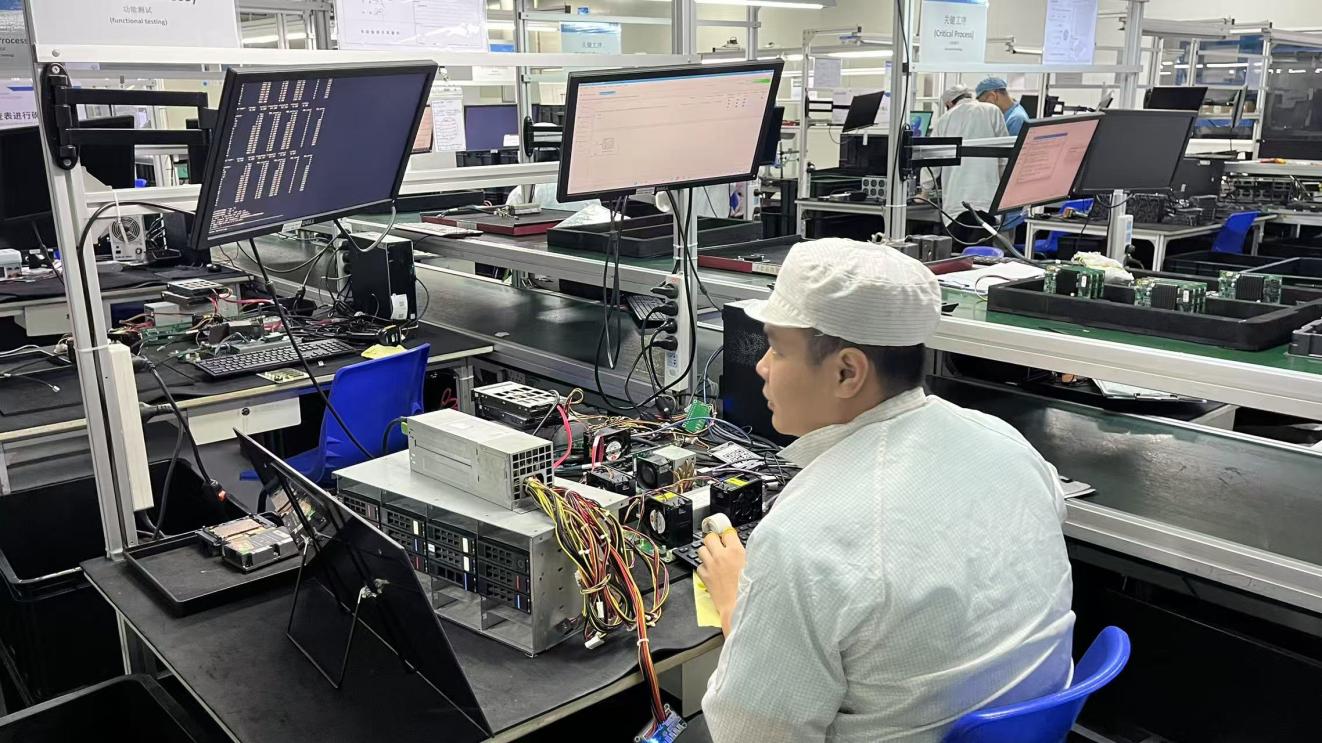
Quality is at the core of our operations. Korvion implements a comprehensive ISO 9001-based quality management system, supported by a dedicated team of 56 quality control professionals. Every product undergoes rigorous inspection procedures, including incoming material inspection, functional testing, burn-in testing, thermal performance verification, system stability validation, and final shipment inspection, ensuring dependable performance in mission-critical environments.
Innovation drives our growth. Our R&D department consists of 128 experienced engineers specializing in server architecture, thermal design, AI computing optimization, and customized hardware integration. Last year alone, Korvion introduced 86 new products and solution upgrades, helping customers stay competitive in the evolving AI infrastructure market.
We offer comprehensive OEM and ODM services, including chassis customization, branding, hardware configuration, rack integration, liquid cooling deployment, GPU cluster design, and turnkey AI infrastructure solutions. Our flexible customization capabilities allow customers to build solutions that precisely match their business and technical requirements.
Today, Korvion serves a diverse customer base, including AI startups, cloud service providers, system integrators, research institutions, universities, enterprise data centers, and GPU hosting companies across North America, Europe, Southeast Asia, the Middle East, and Latin America.
High-density processing units, customized cooling arrays, and high-performance server options optimized for localized enterprise workloads in Pakistan.
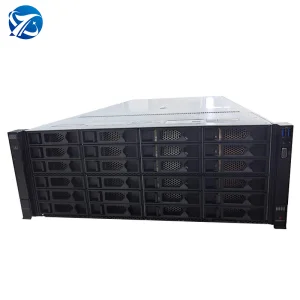
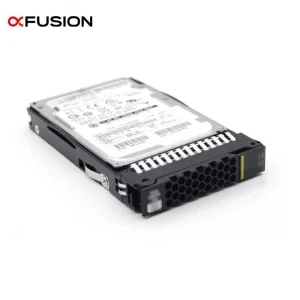
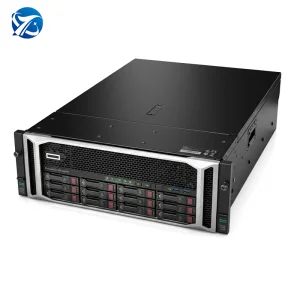
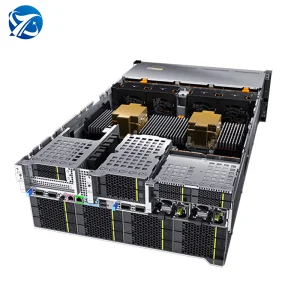
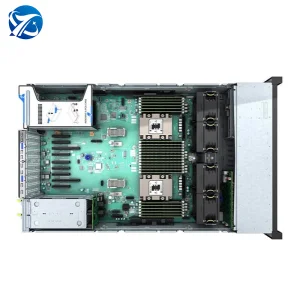
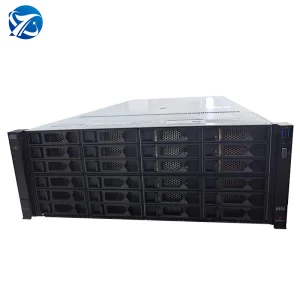
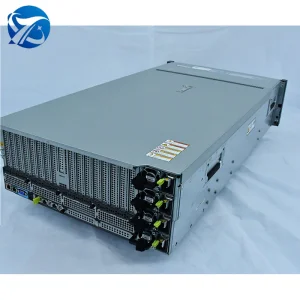
The global surge in generative AI, powered by modern large language models like DeepSeek, has redefined processing requirements in localized enterprise nodes. Standard single-socket layouts struggle with the massive memory bandwidth required for high-concurrency model inference. In response, modern platforms utilize dual-socket Intel Xeon Scalable architectures combined with dense PCIe expansion backplanes. This enables the direct alignment of multiple enterprise accelerators within a single chassis.
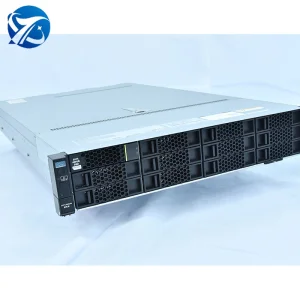
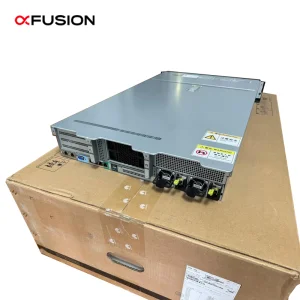
For organizations within Pakistan deploying local AI solutions, selecting GPU-dense racks like the FusionServer G5500 series ensures high performance. When integrating these platforms alongside existing Dell PowerEdge rack configurations, several design factors are crucial:
Standard out-of-the-box servers do not always meet the unique operational budgets or spatial requirements of regional hosting providers in Pakistan. That is why custom system configuration (OEM/ODM integration) is highly valuable. Customization capabilities allow system administrators to modify server configurations to fit their specific environments:
This includes adjusting the physical server footprint for short-depth server cabinets, optimizing component choices to maximize CPU performance, or configuring liquid-cooling modules to reduce reliance on energy-intensive air conditioning. Working directly with manufacturing partners in Shenzhen gives Pakistani IT departments access to customized systems designed to meet their precise operational goals and performance requirements.
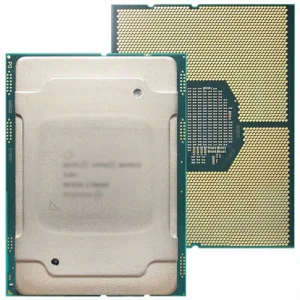
High-end Xeon CPUs, AI deep learning systems, and computing upgrades to maximize raw processing power.
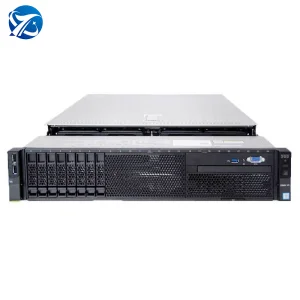
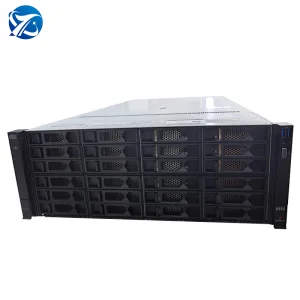
Enterprise data centers cannot afford hardware failures. A single bad memory block or controller error on an NVMe SSD can cause data corruption and disrupt critical services. Minimizing these risks requires strict quality control processes at the manufacturing level. Hardware must undergo thorough, multi-phase validation before being cleared for shipment:
This level of quality assurance is essential for systems deployed in locations with limited local repair networks. Rigorous testing before export ensures that servers arrive ready for immediate, reliable deployment in critical enterprise environments.
Key information regarding imports, hardware compatibility, and operational support to help you make informed procurement decisions.