 Korvion
Korvion
Korvion
Pre-validated components engineered to align with local regulatory frameworks, telecom guidelines, and advanced computing configurations.
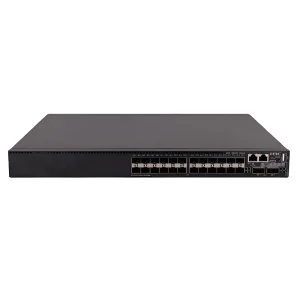
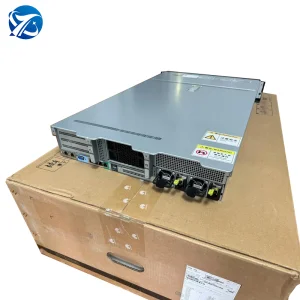
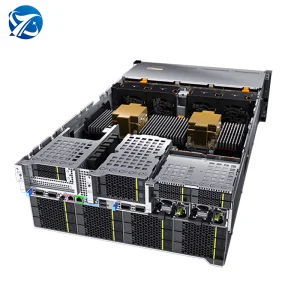
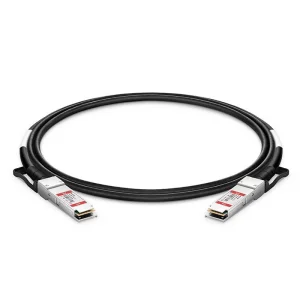
Turkey's geographic and economic position as a bridge between Europe, the Middle East, and Central Asia has accelerated its development as a major hub for data storage, cloud services, and advanced manufacturing. High-capacity, low-latency network infrastructure is essential to support these industries. With major investments in data centers in Istanbul, Izmir, and Ankara, Turkish enterprises are transitioning from legacy networking standards to high-density, multi-layer switching platforms.
From the banking sectors of Levent and Maslak to the logistics networks in Mersin and industrial complexes across Gebze, local operators demand reliable and scalable ethernet solutions. Deploying hardware that can support intense data rates, software-defined networking (SDN), and rigorous local data protection regulations is critical to maintaining operational continuity and competitiveness.
Consult Our Turkey Project EngineersMajor hyperscale deployments in Istanbul require non-blocking switching architectures capable of processing petabytes of cross-border data with minimal packet loss.
Organized Industrial Zones (OSB) in Kocaeli and Bursa rely on ruggedized Layer 2 and Layer 3 switches with ERPS (Ethernet Ring Protection Switching) to ensure high network availability on factory floors.
Ankara's public institutions and defense grids require secure, managed switching equipment that aligns with local cyber security regulations and information classification guides.
Optimized network topologies designed to meet the demands of local finance, high-volume production, and high-performance computing.
Istanbul’s financial institutions require low-latency network connections to support high-frequency trading and secure transaction routing. Our high-performance Layer 3 switches provide sub-microsecond latency, advanced traffic prioritization (QoS), and hardware-level packet filtering to support continuous trading operations.
As Turkey expands its transit routes, logistics hubs in Izmir and Mersin need smart, rugged network configurations to manage port operations and automated warehouses. These locations utilize our Layer 2 managed switches to maintain connectivity for thermal cameras, tracking systems, and field terminals.
Local telecommunications companies are expanding their fiber-to-the-home (FTTH) and 5G services. Our multi-gigabit switches support standard carrier-grade protocols like MPLS, QinQ, and optical transport interfaces. This enables high-density service aggregation and efficient bandwidth management across metropolitan networks.
A technical guide to implementing non-blocking spine-leaf configurations and RDMA over Converged Ethernet (RoCEv2) to support AI and high-performance computing.
Traditional three-tier network designs (Access, Distribution, Core) can introduce latency and bandwidth constraints for modern east-west data center traffic. For local hosting facilities in Istanbul and Ankara, we recommend a two-tier spine-leaf architecture.
When clustering advanced hardware like the XFusion GPU Server or FusionServer AI Platforms to run large language models, network throughput is critical. Implementing RDMA over Converged Ethernet (RoCEv2) allows servers to read and write directly to each other's memory without passing through their respective operating systems. This reduces latency, lowers CPU utilization, and helps maximize the efficiency of GPU compute clusters.
| Parameter | Recommendation |
|---|---|
| Switching Capacity | Minimum 2.4 Tbps for core layers |
| Forwarding Rate | > 720 Mpps (Million Packets Per Second) |
| Congestion Control | PFC (Priority Flow Control) and ECN |
| Software Architecture | SONiC or Programmable Open-source OS |
| Port Density | Minimum 24x 10G/25G + 2x 40G/100G SFP28/QSFP28 |
Ensuring data integrity, secure configurations, and engineering assistance across local manufacturing hubs.
Under Turkey's Personal Data Protection Law (KVKK No. 6698), processing financial and user records on local servers requires secure network isolation. Our switches feature hardware-enforced Access Control Lists (ACLs), dynamic VLAN allocation, and secure management interfaces to keep sensitive data within local boundaries.
We provide documentation and support that align with the Information and Communication Security Guide (Bilgi ve İletişim Güvenliği Rehberi) issued by the Digital Transformation Office of the Presidency of the Republic of Turkey. This simplifies procurement and compliance audits for government networks.
We partner with system integrators throughout major cities like Istanbul, Ankara, and Izmir to offer on-site configuration, firmware upgrades, and hardware replacement services. This ensures local technicians can resolve network issues and minimize downtime.
Founded in 2017, Korvion Technology Co., Ltd. is a professional manufacturer and solution provider specializing in AI GPU servers, high-performance computing (HPC) systems, GPU clusters, and data center infrastructure solutions. Headquartered in Shenzhen, China, the company operates a modern production facility covering 385 square meters and serves customers worldwide with reliable, scalable, and customized computing platforms.
With over 9 years of export experience and 15 years of industry expertise, Korvion has established a strong reputation for delivering advanced computing solutions tailored to the rapidly growing artificial intelligence, machine learning, cloud computing, and enterprise data center sectors.
Our annual export revenue exceeds USD 18 million, supported by a robust global supply network of more than 1,250 supply chain partners. We work closely with leading component suppliers to ensure stable product quality, competitive pricing, and timely delivery.
Quality is at the core of our operations. Korvion implements a comprehensive ISO 9001-based quality management system, supported by a dedicated team of 56 quality control professionals. Every product undergoes rigorous inspection procedures, including incoming material inspection, functional testing, burn-in testing, thermal performance verification, system stability validation, and final shipment inspection, ensuring dependable performance in mission-critical environments.
Innovation drives our growth. Our R&D department consists of 128 experienced engineers specializing in server architecture, thermal design, AI computing optimization, and customized hardware integration. Last year alone, Korvion introduced 86 new products and solution upgrades, helping customers stay competitive in the evolving AI infrastructure market.
We offer comprehensive OEM and ODM services, including chassis customization, branding, hardware configuration, rack integration, liquid cooling deployment, GPU cluster design, and turnkey AI infrastructure solutions. Our flexible customization capabilities allow customers to build solutions that precisely match their business and technical requirements.
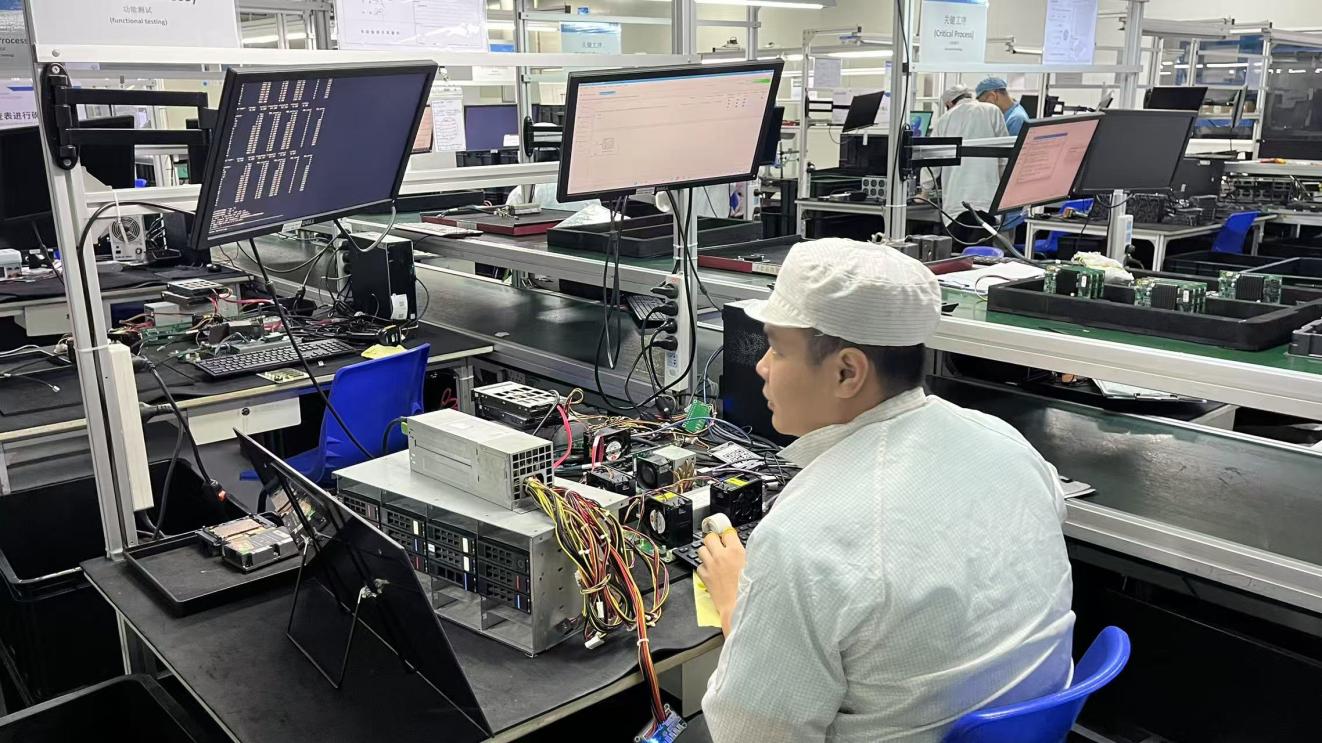
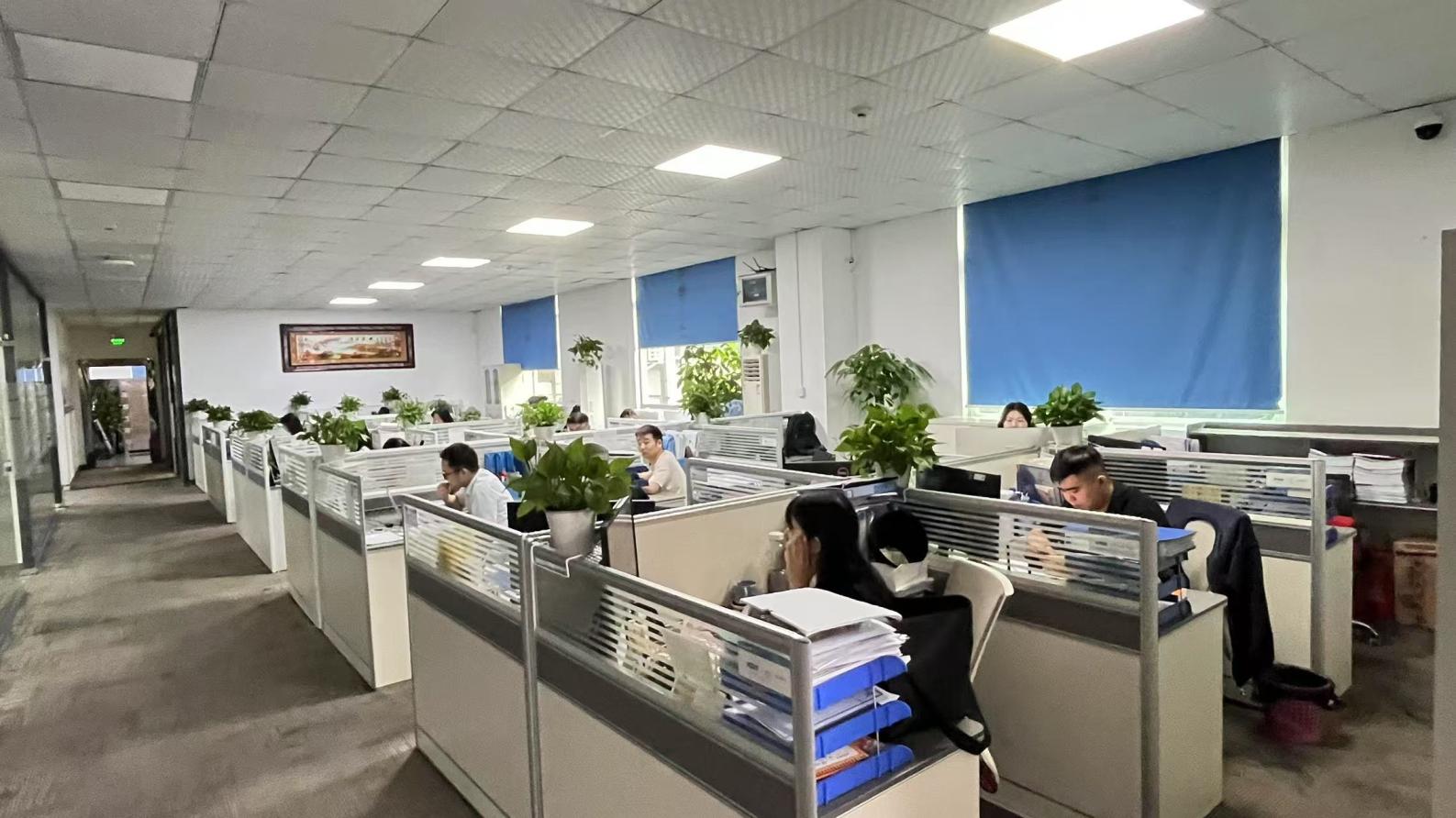
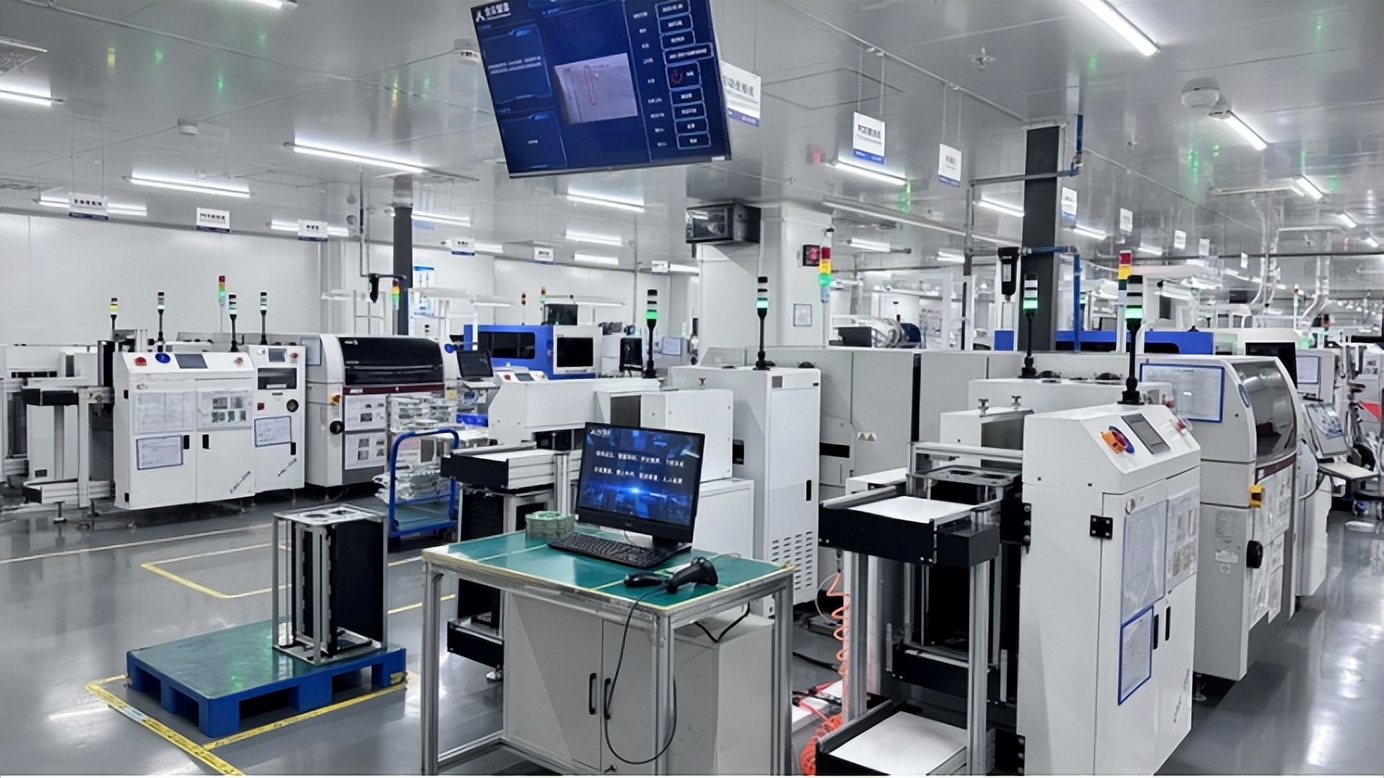
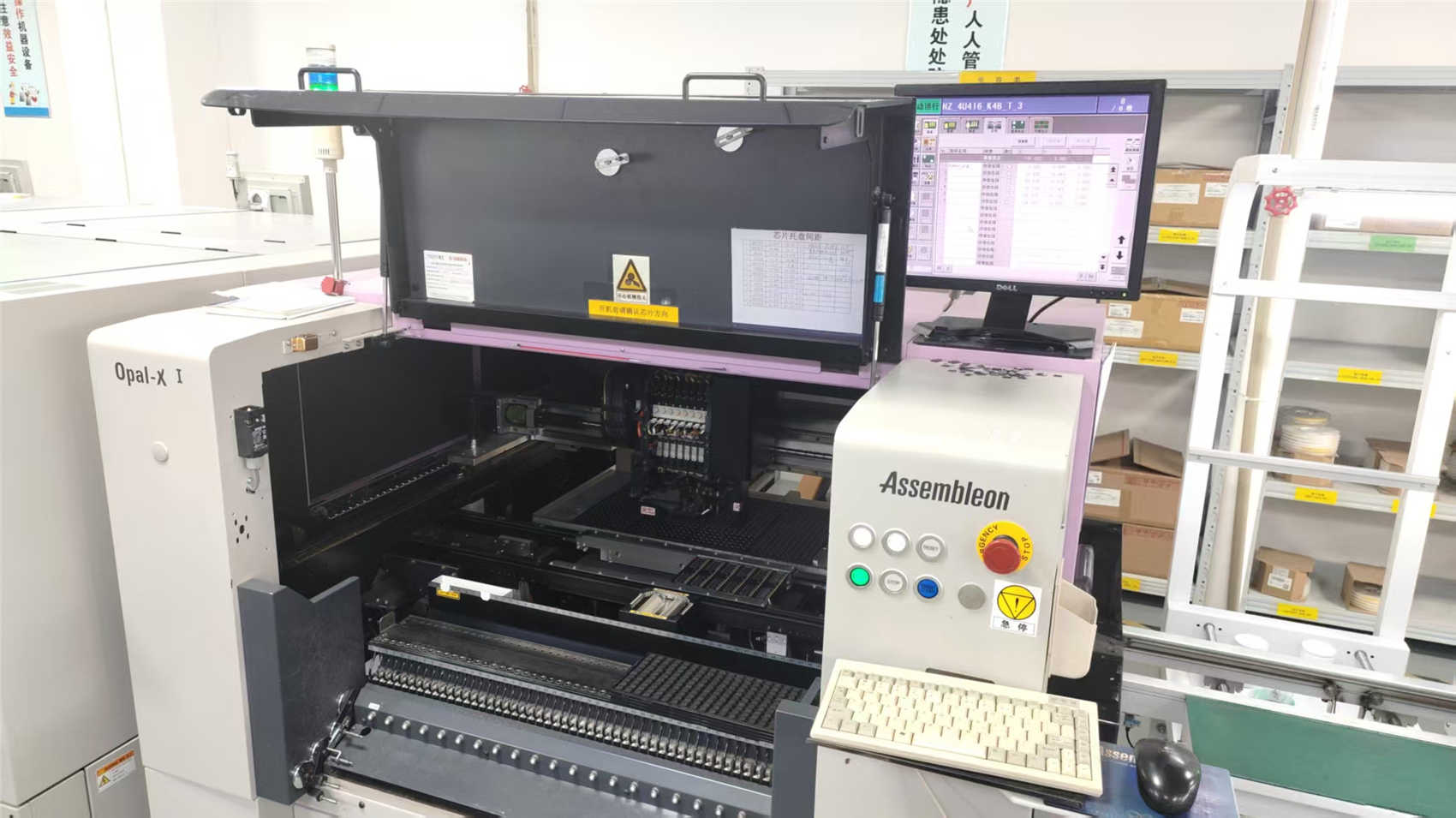
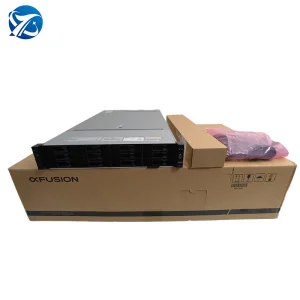
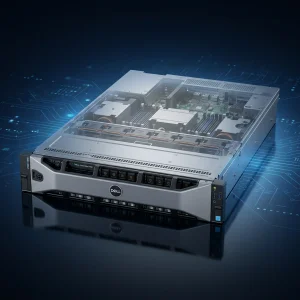
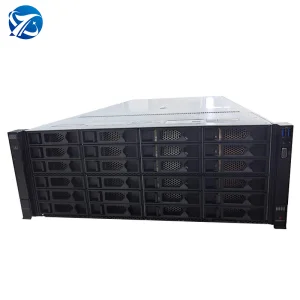
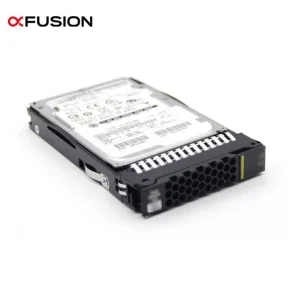
Enterprise servers, rack nodes, high-density storage drives, and high-performance network components for data center deployments.
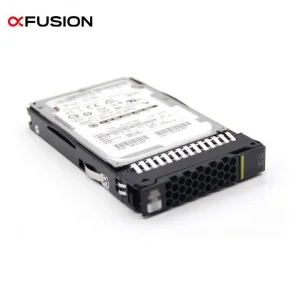
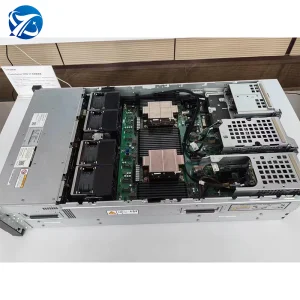
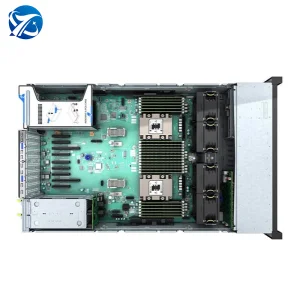
Key technologies shaping local network architectures to support high-density workloads, edge processing, and sustainable power management.
As internet exchange points (IXPs) in Istanbul expand, core networks are transitioning from 100G interfaces to 400G and 800G platforms. This transition is essential to support high-density fiber routing, carrier network aggregation, and distributed cloud computing.
Industrial organizations operating across multiple provinces are utilizing software-defined networking (SDN) to manage branch connections centrally. SD-Branch configurations integrate routing, security, and wireless networks into a unified management plane, reducing configuration overhead for IT teams.
With local emphasis on energy efficiency and sustainability in manufacturing, modern hardware must minimize power consumption. Implementing energy-efficient ethernet standards (IEEE 802.3az) and utilizing high-efficiency power supplies helps data centers reduce cooling overhead and control operational costs.
Common questions regarding regulatory standards, technical support, and product availability for local installations.