Korvion
Korvion
Korvion
Engineered to meet the stringent latency, bandwidth, and computational density parameters required by Cambridge & Boston enterprise server frameworks.
The Greater Boston metropolitan area, anchored by academic research giants like MIT, Harvard, and Boston University, alongside the biotech powerhouse of Kendall Square, has emerged as a global epicentre for compute-heavy technologies. Unlike standard commercial operations, Boston’s industrial infrastructure is deeply focused on high-performance computing (HPC) clusters, structural biological modeling, genomic sequencing, and artificial intelligence.
These processing-intensive workloads demand server environments characterized by zero latency and high memory reliability. In application environments like Route 128's tech corridor or the financial institutions located in the Financial District, data integrity is paramount. Hardware failure or a single non-correctable memory error can compromise critical drug discovery pipelines or disrupt millisecond-level quantitative trading algorithms.
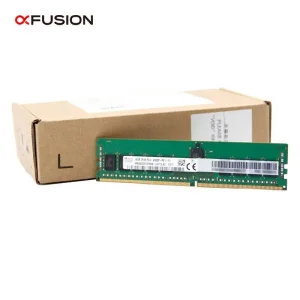
Consequently, the sourcing of server RAM for Boston-based enterprises has evolved past standard shelf purchases. It now requires partnerships with high-tier manufacturers that understand the mechanical and thermoelectrical parameters of modern multi-socket server architectures, ensuring absolute compliance with rigorous industrial metrics.
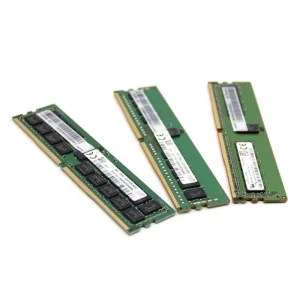
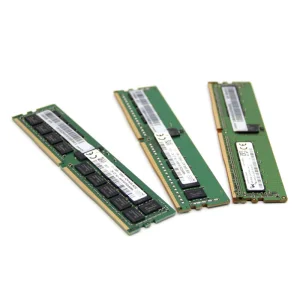
All Korvion-manufactured server RAM modules integrate original DRAM silicon dies (A-grade DRAM ICs) subjected to custom testing patterns mirroring Boston’s unique application workloads.
An authoritative analysis of enterprise-grade memory architecture, helping systems engineers optimize memory subsystem layouts for modern CPU structures.
Standard consumer memory lacks the parity bits required to prevent soft errors. Enterprise server environments rely on ECC architectures to detect and correct single-bit memory faults dynamically, eliminating system crashes and silent data corruption within Boston's sensitive cloud matrices.
While DDR4 remains a reliable, cost-efficient standard operating at 3200MHz, DDR5 shifts power management onto the DIMM itself via a Power Management IC (PMIC). This transfer reduces host motherboard routing complexity, improves power efficiency, and scales bandwidth past 4800MHz.
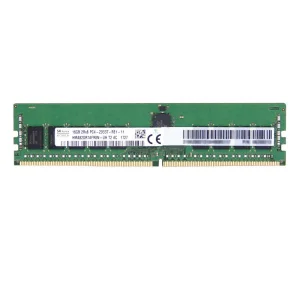
Registered DIMMs (RDIMMs) add an onboard register to buffer command and address signals, reducing the load on the system memory controller. Load-Reduced DIMMs (LRDIMMs) go further by buffering data lines, allowing enterprise centers to maximize RAM configurations per CPU socket.
| Memory Type | Data Transfer Rate | Standard Operating Voltage | Power Management Location | Burst Length |
|---|---|---|---|---|
| DDR4 RDIMM | 2133 to 3200 MT/s | 1.2V | Host Motherboard | BL8 |
| DDR5 RDIMM | 4800 to 6400+ MT/s | 1.1V | Onboard PMIC | BL16 / BC8 |
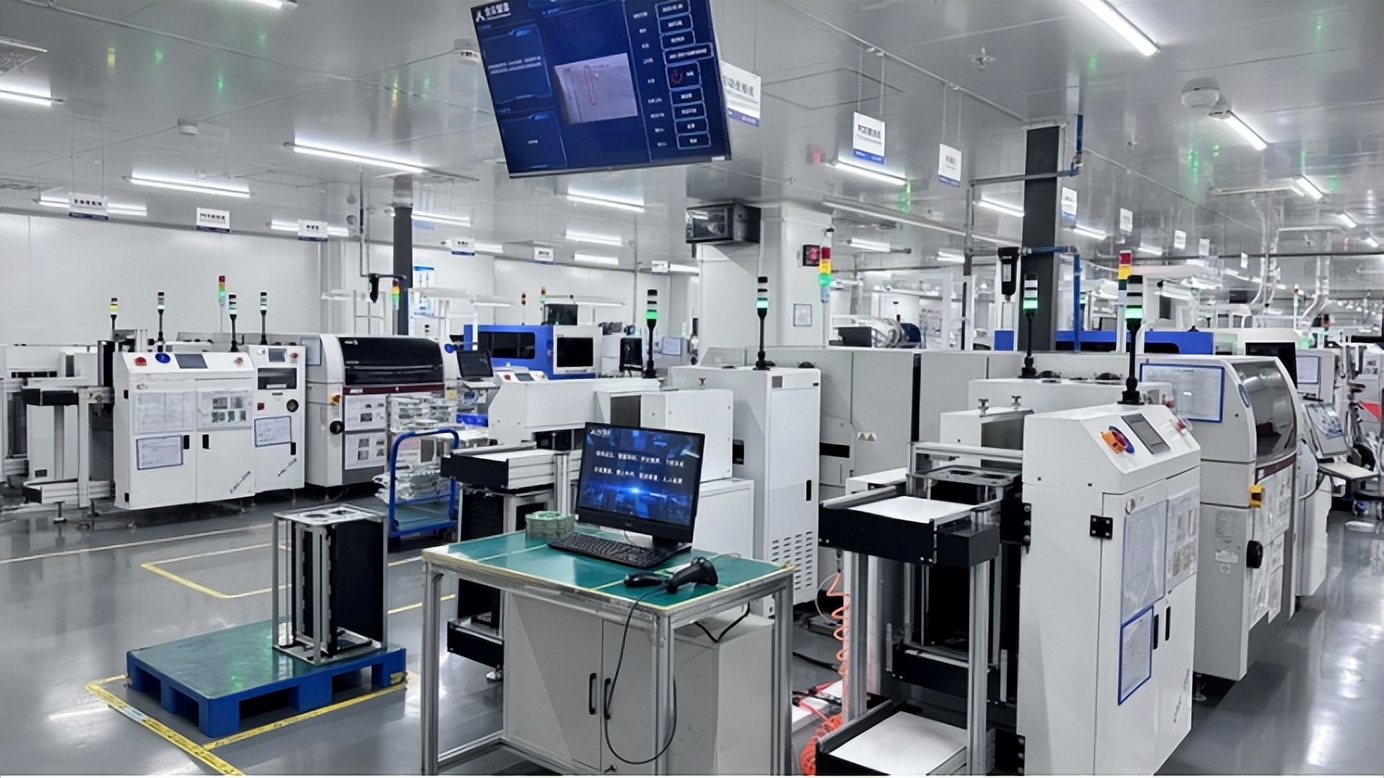
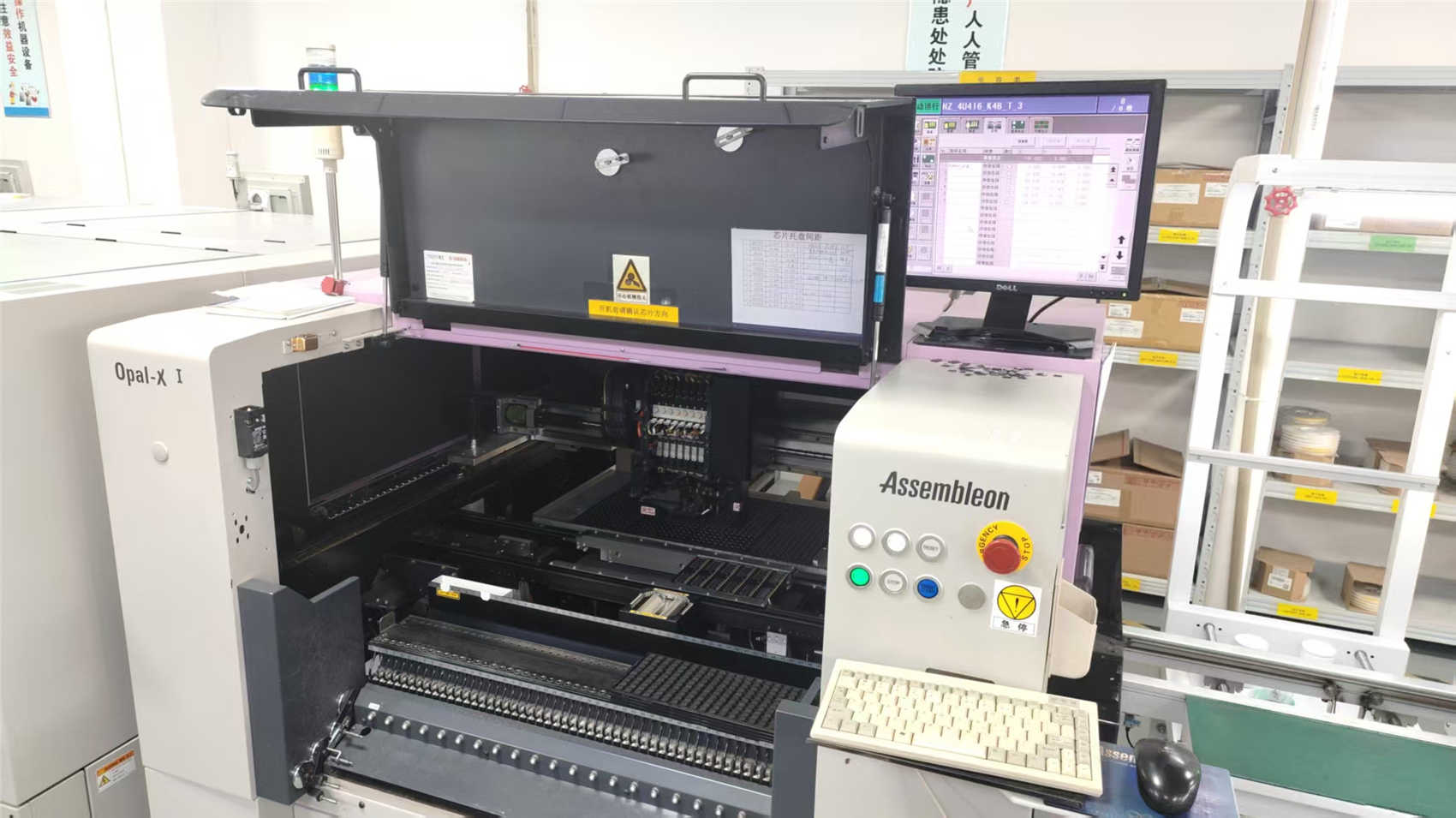
The global hardware supply chain relies on speed, manufacturing precision, and resilient material procurement. Our Factory 4.0 ecosystem in Shenzhen leverages advanced automated production methods to deliver high-density, reliable server RAM to the Boston enterprise market. By utilizing smart SMT (Surface Mount Technology) assembly lines, electronic component placement achieves high levels of precision, minimizing component-level variations.
Operating within this mature industrial cluster enables direct sourcing of quality sub-components, such as capacitors, registers, and printed circuit boards (PCBs). This geographical layout reduces standard production lead times and provides stable supply continuity, buffering clients against global logistic disruptions.
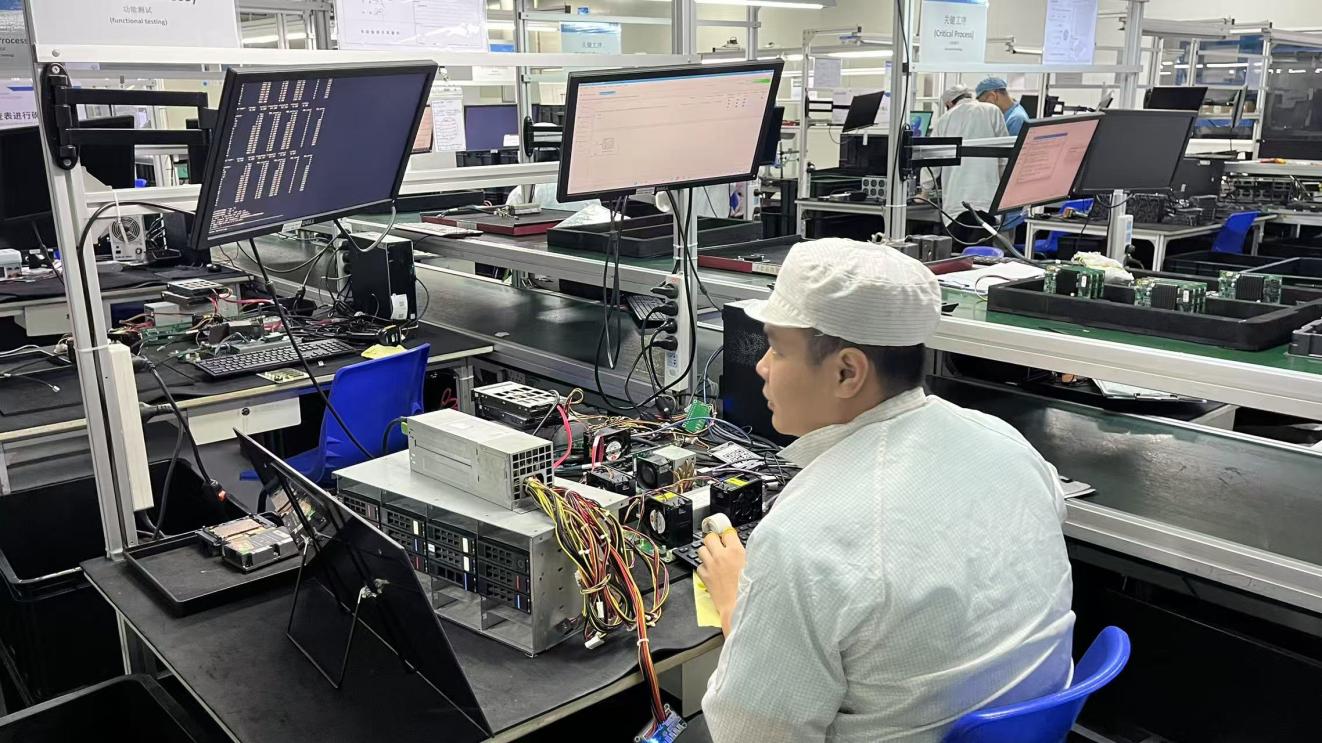
Every batch of server memory modules undergoes automated quality checks, including AOI, X-ray physical verification, and long-cycle burn-in testing under simulated system load environments. This complete design-to-delivery pipeline ensures that all systems installed in Boston's server racks meet critical operating guidelines.
How local industries deploy high-density, fault-tolerant memory subsystems to support regional computational demands.
Life sciences enterprises in Cambridge require massive database capacities to assemble gene maps. Our 64GB RDIMMs provide the memory density needed to host large alignment tables in-memory, accelerating sequencing timelines.
High-frequency trading firms in Downtown Boston rely on memory arrays with low latency to execute trades quickly. Custom BIOS timing configurations on our memory lines help reduce computational delay.
University laboratories run complex climate models and physics simulations. Implementing high-density server configurations with integrated ECC memory ensures calculation stability over long computational periods.
Get answers to critical sourcing, architectural compatibility, and logistics questions from our hardware engineering division.
UDIMMs (Unbuffered) lack register circuitry, placing a direct load on the processor's memory controller. This limits physical memory expansion. RDIMMs (Registered) utilize an onboard register to buffer command and address signals, allowing for higher density. LRDIMMs (Load-Reduced) add buffers to the data lines, minimizing electrical loads to allow the highest memory density per socket, which is critical for dense virtualization pools.
Our quality management workflow integrates incoming material inspection, automated optical checking (AOI), and dynamic thermal burn-in tests. Memory modules are run at elevated temperatures under system loads on Intel Xeon and AMD EPYC motherboards to identify and isolate component failures before shipping.
DDR4 remains widely used and cost-effective, supporting many legacy systems. DDR5 is standard for new server configurations using modern processors (such as 4th/5th Gen Intel Xeon Scalable or AMD EPYC 9004 series) to support higher data speeds, lower power consumption via on-DIMM PMIC, and improved memory bandwidth.
We provide full customs compliance documentation, including FCC, CE, and RoHS certifications. Shipping is managed via direct air cargo links to Boston Logan International Airport (BOS) or through regional distribution networks to ensure fast delivery.
Yes. Our R&D department configures SPD (Serial Presence Detect) parameters to ensure compatibility with major server brands, including HPE ProLiant, Dell PowerEdge, Lenovo ThinkSystem, and xFusion FusionServer lines, enabling direct integration into existing setups.
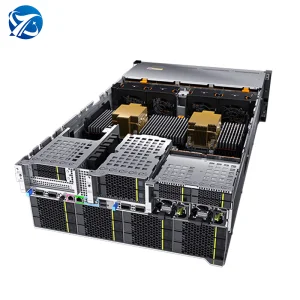
High-performance rack servers and components configured for large-scale data applications in academic research and corporate environments.
A professional manufacturer and solution provider specializing in AI GPU servers, high-performance computing (HPC) systems, and memory configurations.
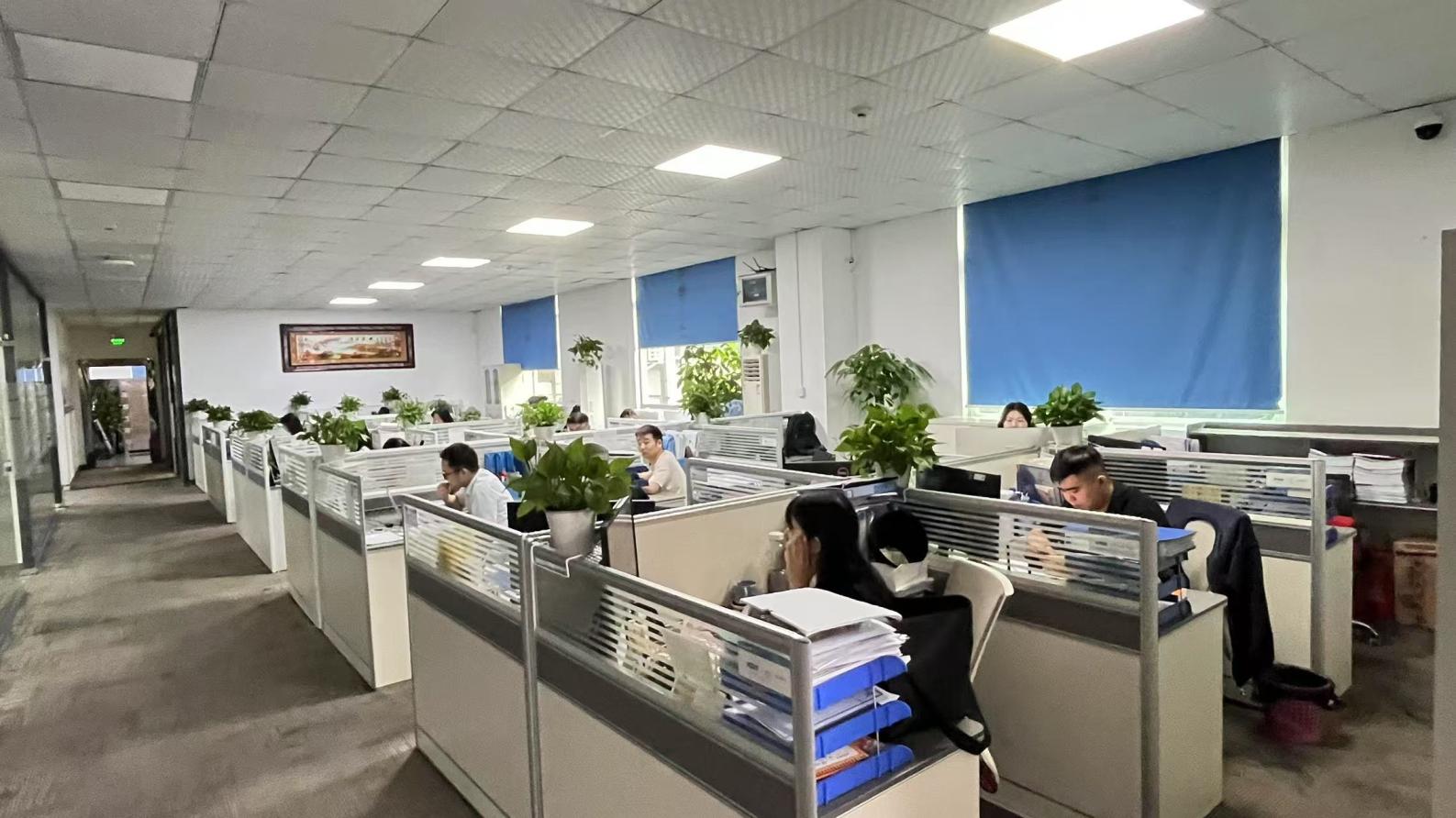
Founded in 2017, Korvion Technology Co., Ltd. is a specialized developer and solution provider of high-capacity hardware configurations. Headquartered in the hardware technology hub of Shenzhen, China, we operate a production facility covering 385 square meters. We design, manufacture, and distribute computing solutions tailored for artificial intelligence pipelines, machine learning models, cloud systems, and enterprise data centers worldwide.
Backed by 9 years of export experience and 15 years of industry expertise, Korvion has established a reliable supply network of more than 1,250 partners. This ecosystem ensures component access, consistent build standards, and reliable logistics for complex projects in North America, Europe, and Asia-Pacific markets.
Our quality control division features 56 professionals implementing an ISO 9001-based quality management system. We conduct thorough inspections, including incoming component testing, functional verification, dynamic thermal stress testing, and final system validations. Our engineering division, comprising 128 specialists, drives hardware development, introducing 86 new products and upgrades last year alone to meet evolving industry standards.
We offer full OEM and ODM services, including chassis configuration, custom branding, structural board layouts, advanced liquid cooling integration, and rack assemblies. Korvion products are deployed across a diverse user base, including research laboratories, university facilities, cloud providers, and system integrators globally, supporting high-density computational workflows.
"Our manufacturing methodologies prioritize physical material tracking and design validation. By maintaining strict control over component sourcing, we supply memory modules that deliver consistent performance under continuous, heavy application workloads."
- Lead System Architect, Korvion Quality Assurance
Seeking custom DDR4/DDR5 RDIMM configurations for Boston-based servers or research clusters? Send a message to receive detailed pricing and configuration suggestions within 24 hours.
Send Inquiry Now