Korvion
Korvion
Korvion
Engineered to bypass performance bottlenecks in enterprise network nodes across Colombo, Gampaha, and local virtualized data hubs.
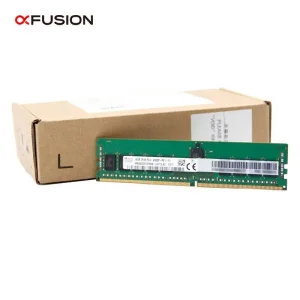
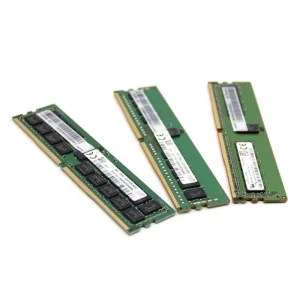
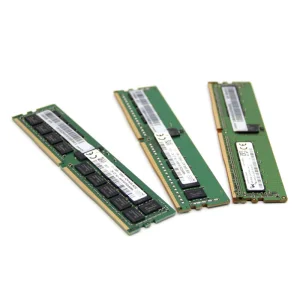
As Sri Lanka moves forward with national digitization initiatives, including the development of Colombo Port City as an international technology hub, the country is witnessing an unprecedented transition from fragmented legacy systems to unified, high-performance colocation centers and hybrid clouds.
Sri Lanka’s central financial institutions, along with private banks like Commercial Bank of Ceylon, Hatton National Bank, and Sampath Bank, are continuously upgrading their core banking systems to accommodate real-time transaction processing. These mission-critical systems run on enterprise servers that demand absolute uptime. In parallel, large manufacturing enterprises in apparel, agriculture, and exports require stable Enterprise Resource Planning (ERP) databases. A single memory parity error can corrupt data arrays and cause costly operational standstills, driving the local demand for enterprise ECC (Error-Correcting Code) RDIMMs.
Telecom giants like SLT-MOBITEL and Dialog Axiata have spearheaded tier-3 certified data centers in locations like Malabe and Pitipana. Because Sri Lanka sits strategically on global undersea fiber cable routes (including SEA-ME-WE 5 and the upcoming SEA-ME-WE 6), local data hosting is growing fast. To keep hypervisor clusters running efficiently, data center operators are packing virtualization hosts with high-density server RAM (32GB, 64GB, and 128GB modules) to maximize memory-to-vCPU ratios and optimize resource utilization.
The global server memory landscape is defined by rapid architectural transitions, shifting production methodologies, and complex supply chains. Sourcing reliable server memory requires a granular understanding of these factors.
| Architecture & Feature | DDR4 Server Memory (RDIMM) | DDR5 Server Memory (RDIMM) | Primary Enterprise Impact |
|---|---|---|---|
| Data Rates & Bandwidth | 1600 MT/s to 3200 MT/s | 4800 MT/s to 8400+ MT/s | Up to 1.63x bandwidth boost, accelerating data pipeline operations for SQL workloads. |
| Operating Voltage | 1.2V | 1.1V | Lower overall energy utilization per DIMM, significantly scaling down PUE ratios in large-scale installations. |
| Power Management | On-Motherboard Regulation | On-DIMM PMIC (Power Management IC) | Translates to cleaner voltage delivery, reduced noise, and better local granularity of power management. |
| ECC Architecture | Standard Sideband ECC | On-Die ECC + Sideband ECC | Detects and corrects single-bit errors at the DRAM cell level before sending data to the CPU, minimizing system crashes. |
| Max Density per Module | Up to 64GB / 128GB (LRDIMM) | Up to 256GB / 512GB (3DS) | Enables massive memory pooling in fewer server slots, reducing physical cabinet and chassis footprint requirements. |
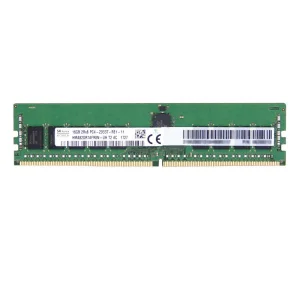
Unlike consumer-grade UDIMMs, server-grade RDIMMs utilize a dedicated parity chip. In critical processing arrays, even a minor cosmic ray impact or a thermal fluctuation can cause a bit flip. Standard servers without ECC will experience a Blue Screen or Kernel Panic. ECC dynamically handles single-bit errors in real-time, registering them in system event logs, while notifying the operating system of multi-bit faults.
Registered DIMMs (RDIMMs) contain an on-module register chip placed between the system memory controller and the DRAM chips. This register buffers the command and address signals. By offloading these electronic loads from the CPU memory controller, servers can host substantially more modules per channel without losing signal stability.
With the adoption of PCIe 5.0 and Compute Express Link (CXL), the industry is shifting toward disaggregated memory pools. CXL allows servers to access DRAM over high-speed PCIe lanes with cache-coherent latency. This ensures that unused memory on one host can be shared dynamically with an adjacent high-load node, changing standard capacity provisioning.
Why do global enterprise purchasers rely on Chinese manufacturing plants for server RAM? It comes down to industrial clusters, state-of-the-art testing equipment, and robust supply chain integration.
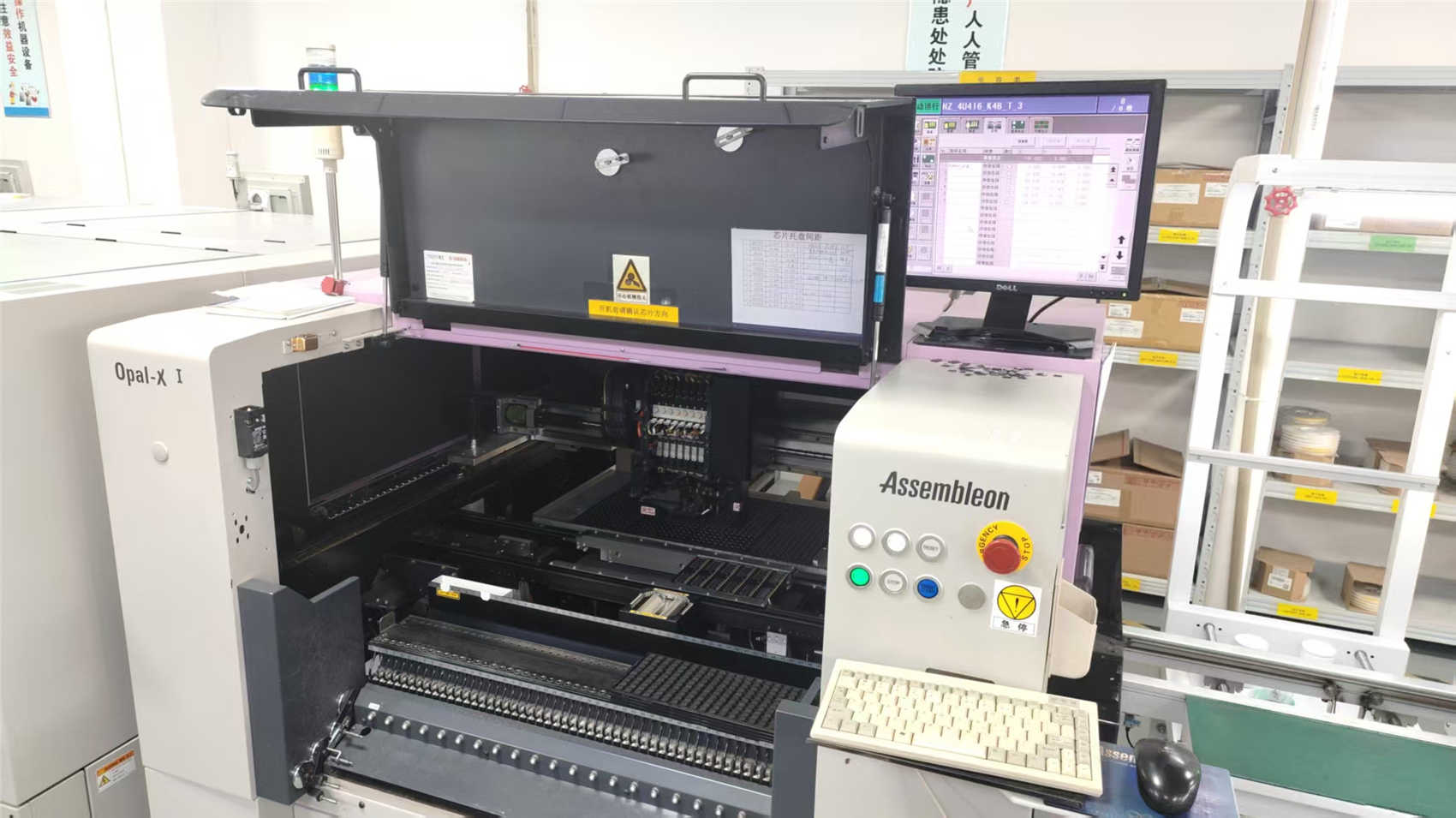
Our manufacturing facility leverages Shenzhen's unmatched electronic components ecosystem. From advanced multi-layer PCB fabrication to high-speed surface mount technology (SMT) assembly, every stage of production is optimized. Automated optical inspection (AOI) machines check every solder joint, ensuring micro-components are perfectly placed to withstand high operating temperatures inside server chassis.
Reliability in enterprise computing is non-negotiable. Our QA workflow does not simply sample production runs; we subject modules to comprehensive diagnostic checks before they leave the factory floor.
Standard, off-the-shelf components often struggle with localized physical and networking conditions. Our server RAM is optimized for deployment in diverse Sri Lankan industries.
The digitization of the Colombo Port and new logistics hubs in Hambantota requires continuous operations. Modern terminal operating systems (TOS) manage scheduling, shipping crane movement, and customs databases in real-time. High-reliability ECC memory ensures database queries run without system-wide interruption, maintaining logistics throughput.
Sri Lanka's tea, rubber, and spice export operations rely on advanced manufacturing execution systems. To coordinate between growers, auction houses, and global distributors, enterprise resource planning (ERP) suites require high-speed memory modules. This guarantees swift data analysis, prompt dispatching, and accurate invoice generation.
Operating hardware in high humidity and warm ambient temperatures poses distinct challenges. While datacenters are air-conditioned, unexpected power shifts can strain cooling systems. Our server memory modules feature industrial-grade PCBs, high thermal-conductivity aluminum heat spreaders, and heat-resistant DRAM packages to prevent thermal throttling.
Keeping pace with technical advancements prevents rapid hardware obsolescence. Here are the key trends shaping memory architectures over the next decade.
The server industry is accelerating its transition to DDR5. Because newer server architectures (like Intel's Emerald Rapids/Granite Rapids and AMD's Genoa/Bergamo EPYC processors) feature increased core counts, they require higher memory bandwidth to avoid bottlenecking. DDR5 memory delivers the necessary data rates and divides the DIMM into two independent 32-bit subchannels, drastically improving overall memory access efficiency.
The global rise of Artificial Intelligence, large language models, and deep learning neural networks (like DeepSeek) has shifted computational requirements. While GPUs do much of the heavy lifting, high-speed system memory handles dataset staging, model loading, and checkpoint operations. High-capacity RDIMMs are essential to keep host CPUs feeding data to GPU accelerators without latency spikes.
Sourcing server hardware requires balancing budget, capacity, compatibility, and vendor stability. Keep these best practices in mind during procurement.
To achieve peak bandwidth, memory modules must populate server channels uniformly. If your server motherboard features an 8-channel architecture, populate RAM in multiples of 8. Mixing memory speeds or unbalanced rank configurations on the same channel can force the system to run at a lower clock speed, degrading database and virtualization performance.
Single-Rank (1R) memory modules present a single 64-bit chunk of data to the system, whereas Dual-Rank (2R) modules contain two distinct 64-bit blocks. Dual-rank memory can increase throughput by overlapping memory access cycles (rank interleaving). However, populating too many ranks on a single channel can lower overall operating speed due to bus loading. Align your rank selection with the server's CPU architecture guidelines.
Major server brands often lock BIOS profiles to brand-labeled memory, charging a significant premium. By purchasing directly from compatible manufacturers like Korvion, enterprises receive modules built with the same top-tier DRAM chips (Samsung, SK Hynix, or Micron), fully certified to run reliably on major server motherboards, while reducing procurement costs by 35% to 50%.
Founded in 2017, Korvion Technology Co., Ltd. is a professional manufacturer and solution provider specializing in AI GPU servers, high-performance computing (HPC) systems, GPU clusters, and data center infrastructure solutions. Headquartered in Shenzhen, China, the company operates a modern production facility covering 385 square meters and serves customers worldwide with reliable, scalable, and customized computing platforms.
With over 9 years of export experience and 15 years of industry expertise, Korvion has established a strong reputation for delivering advanced computing solutions tailored to the rapidly growing artificial intelligence, machine learning, cloud computing, and enterprise data center sectors.
Quality is at the core of our operations. Korvion implements a comprehensive ISO 9001-based quality management system. Every product undergoes rigorous inspection procedures, including incoming material inspection, functional testing, burn-in testing, thermal performance verification, system stability validation, and final shipment inspection, ensuring dependable performance in mission-critical environments.
Innovation drives our growth. Our R&D department specializes in server architecture, thermal design, AI computing optimization, and customized hardware integration. Last year alone, Korvion introduced 86 new products and solution upgrades, helping customers stay competitive in the evolving AI infrastructure market.
We offer comprehensive OEM and ODM services, including chassis customization, branding, hardware configuration, rack integration, liquid cooling deployment, GPU cluster design, and turnkey AI infrastructure solutions. Our flexible customization capabilities allow customers to build solutions that precisely match their business and technical requirements.
Today, Korvion serves a diverse customer base, including AI startups, cloud service providers, system integrators, research institutions, universities, enterprise data centers, and GPU hosting companies across North America, Europe, Southeast Asia, the Middle East, and Latin America.
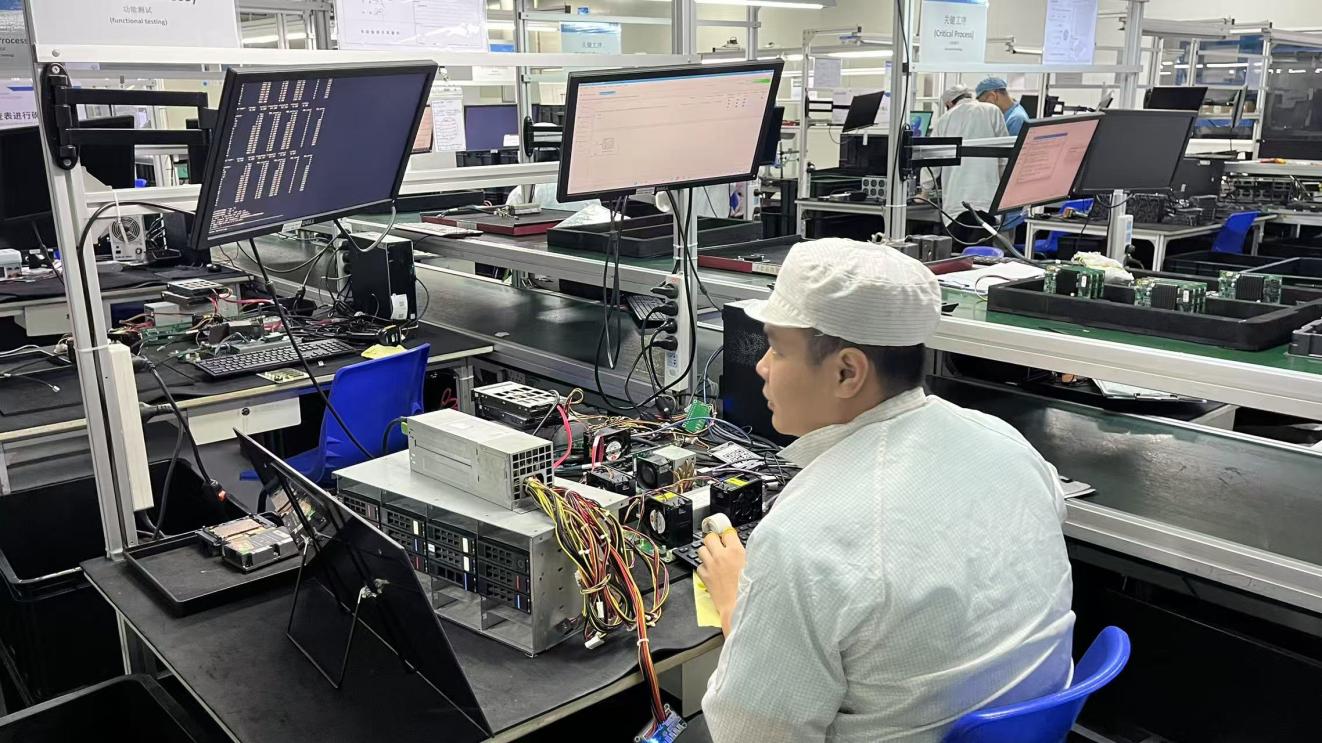
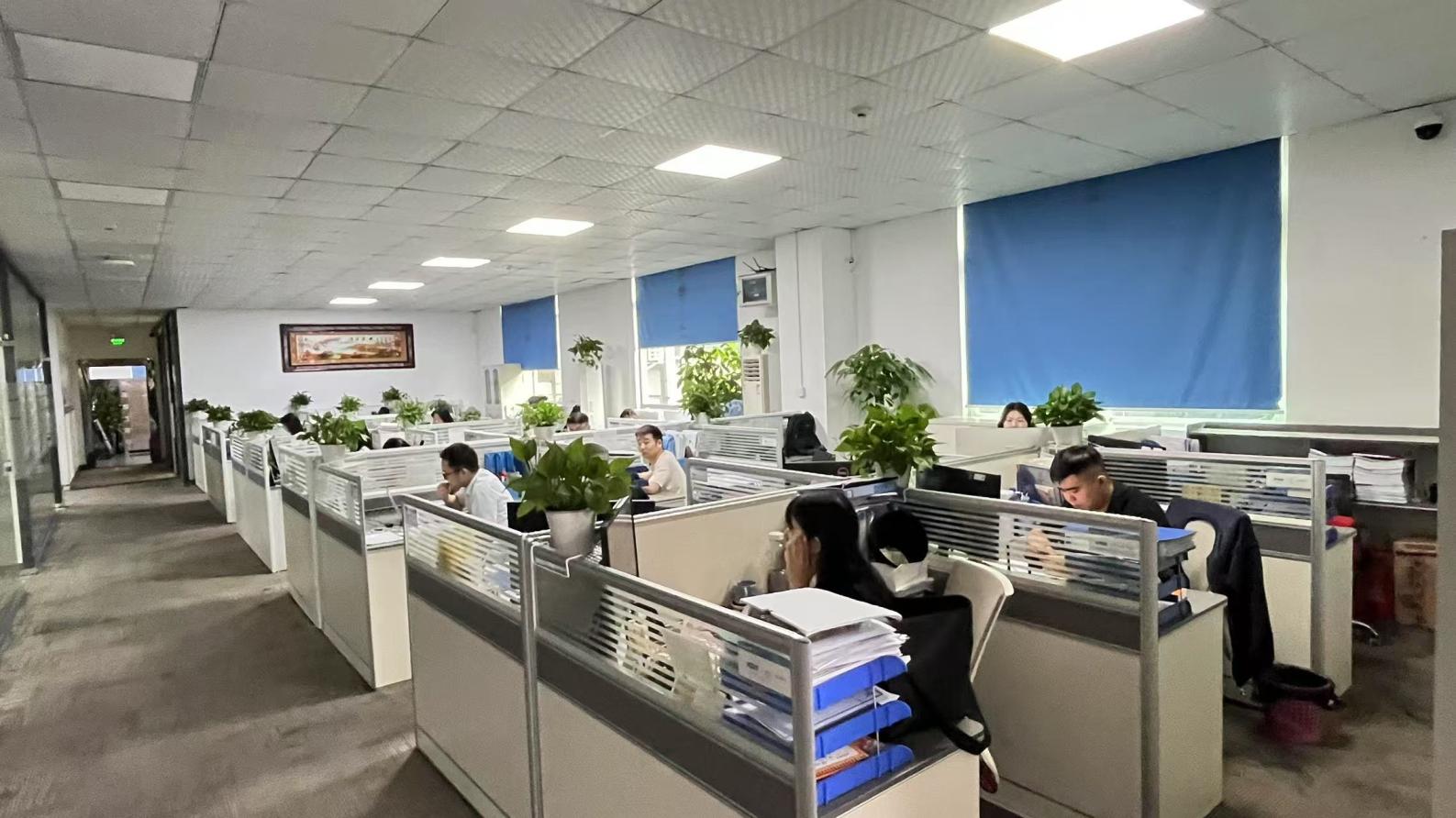
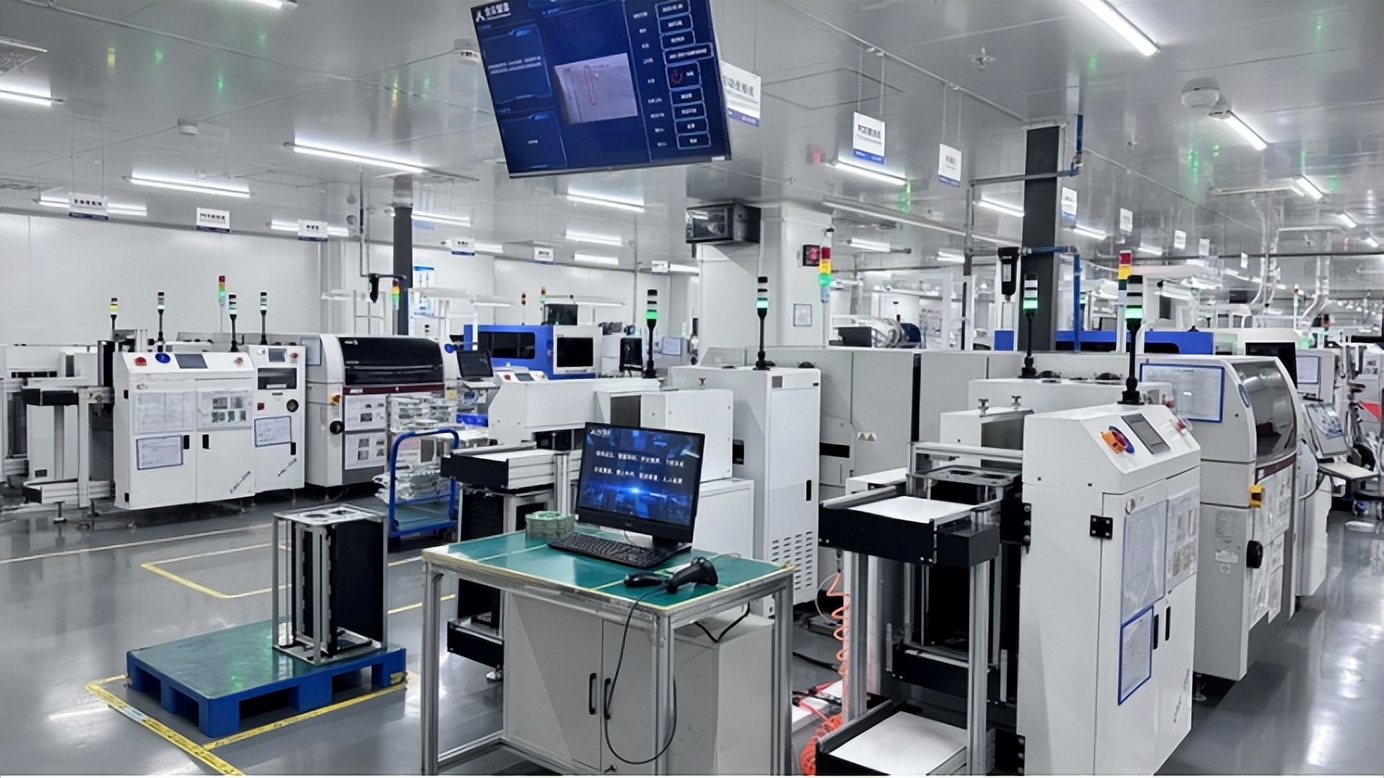
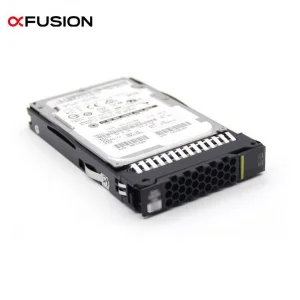
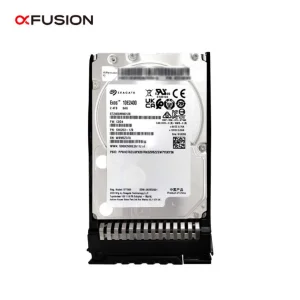
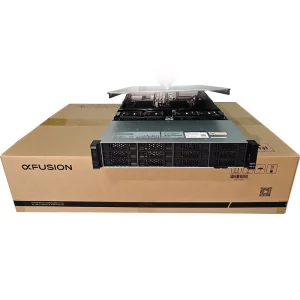
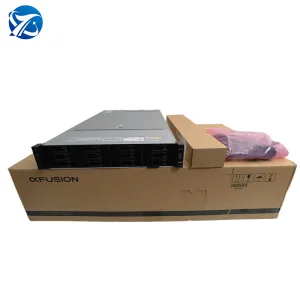
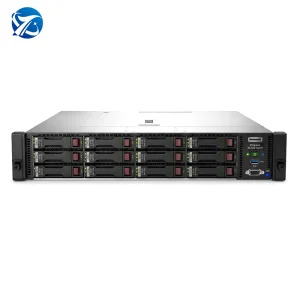
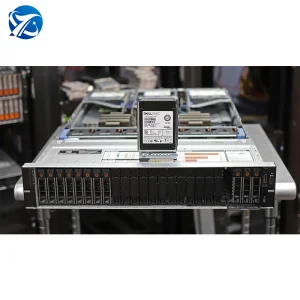
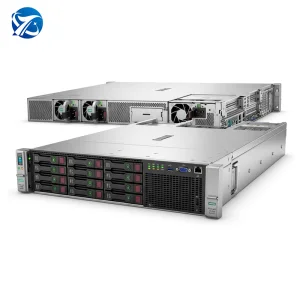
We support Sri Lankan operations with comprehensive server memory, enterprise storage drives, and high-performance computation nodes.
Get answers to critical technical questions regarding server RAM deployment, optimization, and logistics for the Sri Lankan market.
Connect with Korvion's enterprise technical consultants today. Whether you are running complex virtualization setups in Colombo or configuring GPU arrays for AI development, we can design the appropriate memory layout for your hardware.