Korvion
Korvion
Korvion
Explore our top-performing components designed to integrate with high-density server configurations, guaranteeing signal integrity and seamless scalability.
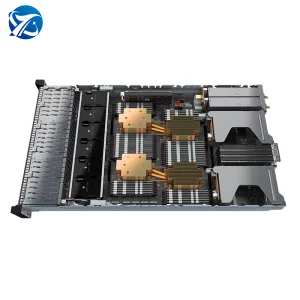
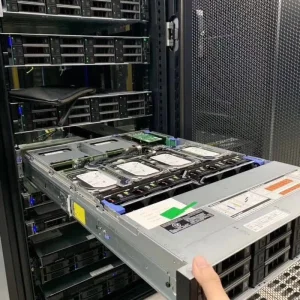
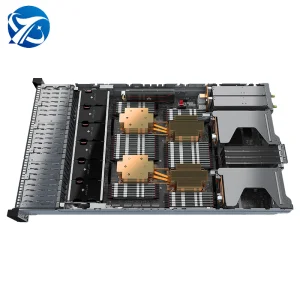
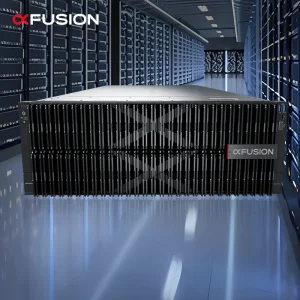
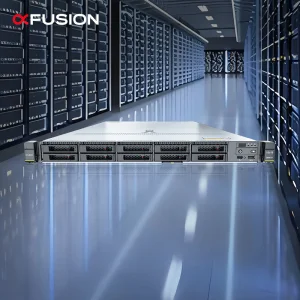
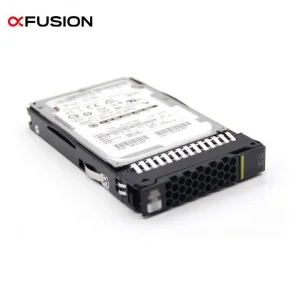
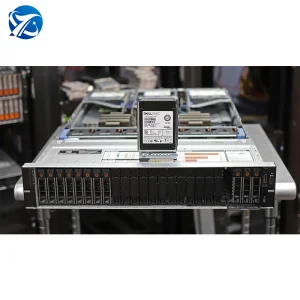
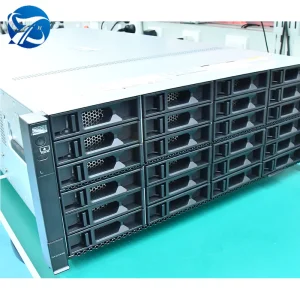
In the modern era of hyperscale cloud infrastructures, multi-socket servers (such as the xFusion FusionServer 2488H V6 or Dell PowerEdge R760 executing DeepSeek AI models), the performance of data centers is no longer bottlenecked solely by GPU raw compute or SSD write endurances. Instead, physical network transport latency, inter-switch packet loss, and electromagnetic interference (EMI) are increasingly recognized as the primary limiters of system-wide processing capacity. As network bandwidth transitions from 10G to 400G and 800G, the physical layer (Layer 1) structural network connection point—epitomized by the CE Certified Patch Panel—acts as the foundational gatekeeper of signal integrity.
Uncertified or low-grade patch panels can introduce severe Return Loss (RL), Near-End Crosstalk (NEXT), and high insertion attenuation. In high-density installations, these imperfections result in packet retransmissions, degrading the efficiency of high-performance computing (HPC) systems and AI clusters utilizing GPUDirect RDMA (Remote Direct Memory Access). Consequently, sourcing premium, certified cabling distribution components is critical for enterprise network reliability.
High-end CE patch panels incorporate optimized PCB traces and gold-plated contact pins to reduce NEXT and FEXT, keeping insertion loss below 0.2dB at peak operating frequencies.
Integrated STP (Shielded Twisted Pair) metal enclosures provide complete 360-degree EMI isolation, essential for dense server racks populated with noisy power supplies and high-frequency CPUs.
Modular keystone designs allow networks to seamlessly mix and match Cat6A, Cat8, and fiber optic modules (LC/SC/MPO) within a single 1U or 2U structural space.
How Fortune 500 infrastructure teams, system integrators, and telecom carriers evaluate network interconnect hardware.
Enterprise buyers in 2025 are shifting away from localized sourcing to strategic global partnerships with manufacturers who provide certified compliance, engineering customization, and robust logistics pipelines. For high-density systems, key criteria include:
A rapid evaluation standard used by lead infrastructure purchasing engineers to qualify patch panel suppliers:
| Specification Type | Industry Benchmark |
|---|---|
| Contact Gold Plating | 50 micro-inches (50u") |
| Insertion Life cycles | > 750 mating cycles (RJ45) |
| IDC Blocks | Dual IDC (Krone & 110 compatible) |
| Fluke Channel Test | 99.8% first-pass pass rate |
A look inside the mechanical and electrical features of Korvion's CE Certified Patch Panels.
| Feature / Parameter | Shielded (STP) Patch Panels | Unshielded (UTP) Patch Panels | Optical Fiber Patch Panels |
|---|---|---|---|
| Common Speed Applications | 10Gbps (Cat6A), 40Gbps (Cat8) | 1Gbps (Cat6), 10Gbps (Cat6A) | 40G / 100G / 400G / 800G Multi-mode/Single-mode |
| EMC Shielding Level | High (Full metal rear shielding caps) | Standard (Designed for low EMI environments) | Absolute (Optical transmission has zero EMI) |
| Grounding Wire Assembly | Yes, heavy-duty green grounding wire included | No (Insulated casing design) | No (Optical fiber is non-conductive) |
| Keystone Options | Shuttered Toolless keystones | Dual type punch-down / Toolless keystones | LC Duplex, MTP/MPO adapters |
| Best For | Enterprise server racks alongside GPU servers | Office LAN distribution & standard storage racks | HPC Backbone routing & core switch links |
To understand performance degradation, network engineers look at *Alien Crosstalk* (ANEXT)—the noise introduced by adjacent ports in high-density installations. Unlike standard near-end crosstalk, ANEXT cannot be compensated for by active network transceivers. The CE certification standards (specifically EN 60603-7 series) guarantee that patch panel terminal blocks are physically structured with precise spatial separation. Premium panels utilize staggered contact layouts or physical internal partitions to keep ANEXT levels at least 15dB below the noise floor, ensuring high-speed transmission with near-zero bit error rate (BER).
Deploying certified patch panels within modern network typologies for AI training and large enterprise campuses.
In clusters housing GPU servers (e.g., Dell PowerEdge, FusionServer G5500 V6), the top-of-rack (ToR) switches interface with hundreds of network nodes. We deploy 1U 24-port Cat6A Shielded Patch Panels linked to active server interfaces. The shielding grounds all high-frequency static fields generated by high-power server fans, preventing packet drops during heavy AI model training.
In smart factories and logistics hubs, electromagnetic noise from heavy machinery is constant. Here, 48-port Shielded Patch Panels with isolated grounding rods are critical. Dual IDC blocks are used for secure punch-down connections, ensuring the physical infrastructure survives industrial vibration.
Edge centers require space-saving solutions. A 0.5U high-density patch panel is used to maximize U-space. Toolless keystone designs allow field engineers to quickly service ports without specialized punch-down tools, reducing mean-time-to-repair (MTTR).
Adapting network connection points for the next decade of data rates and sustainable materials.
Traditional patch panels are passive. The industry is moving toward Automated Infrastructure Management (AIM). Smart patch panels utilize integrated micro-sensors or optical sensors near each port. When a patch cord is inserted or removed, the panel communicates with a central management software, automatically updating network maps and tracking asset locations.
While fiber optics handle long-range backbone routing, copper remains the preferred medium for short-range Top-of-Rack connections. Cat8 patch panels, operating at 2000 MHz, support speeds up to 25GBASE-T and 40GBASE-T over distances up to 30 meters. Manufacturing these panels requires extreme precision to control balance and return loss.
Sustainable sourcing is a key pillar of corporate social responsibility. Future structural products utilize recycled metals, environmentally stable plastics, and Halogen-Free LSZH (Low Smoke Zero Halogen) materials. This ensures that in the event of a fire, toxic gas output is minimized, satisfying strict EU building regulations.
Empowering organizations worldwide with cutting-edge data center hardware and AI computing infrastructure.
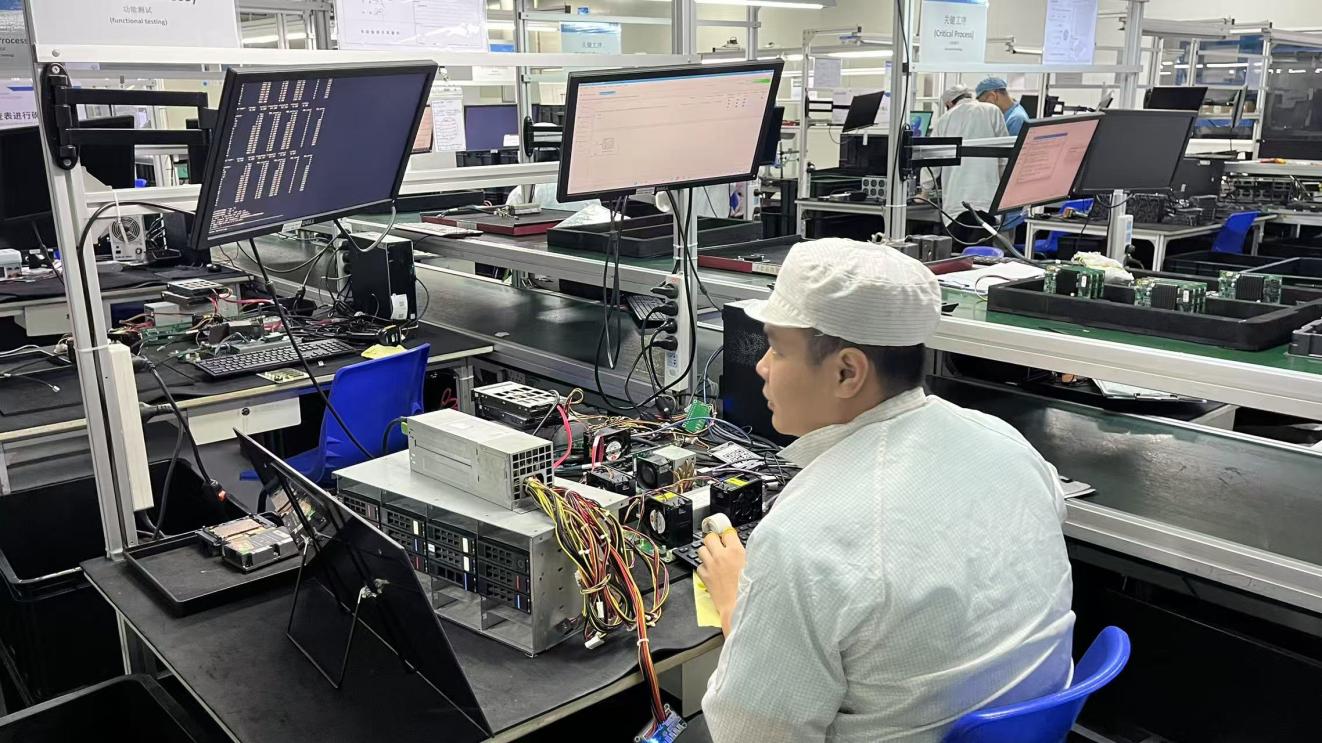
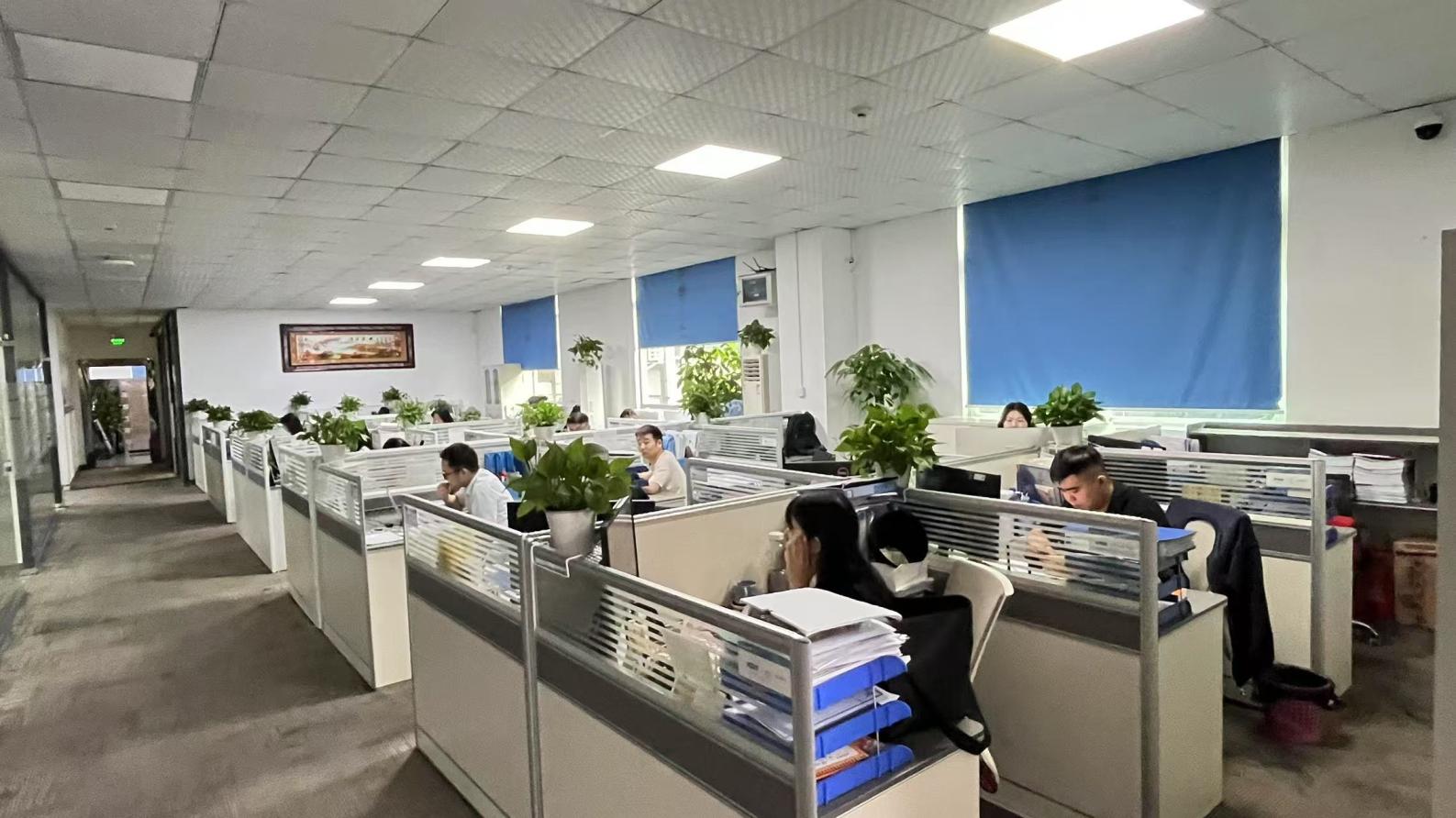
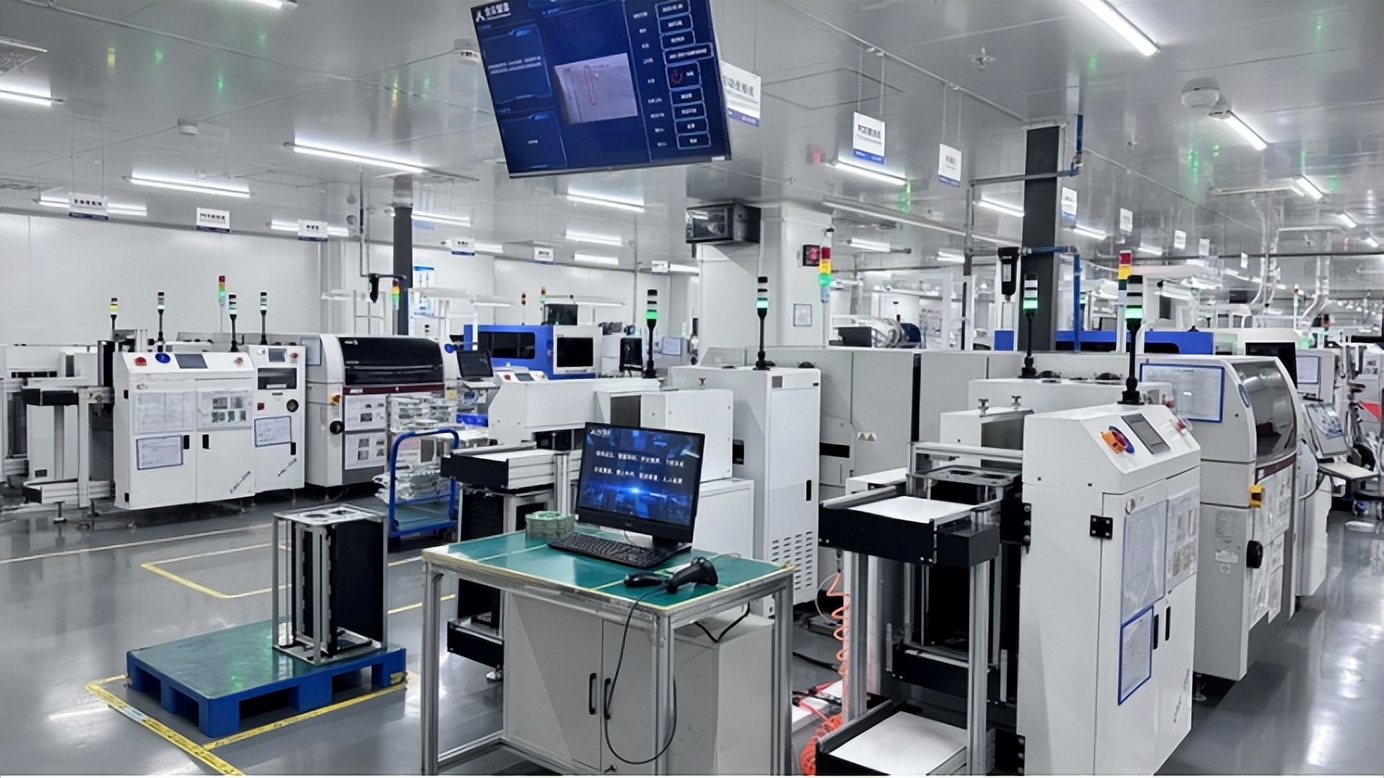
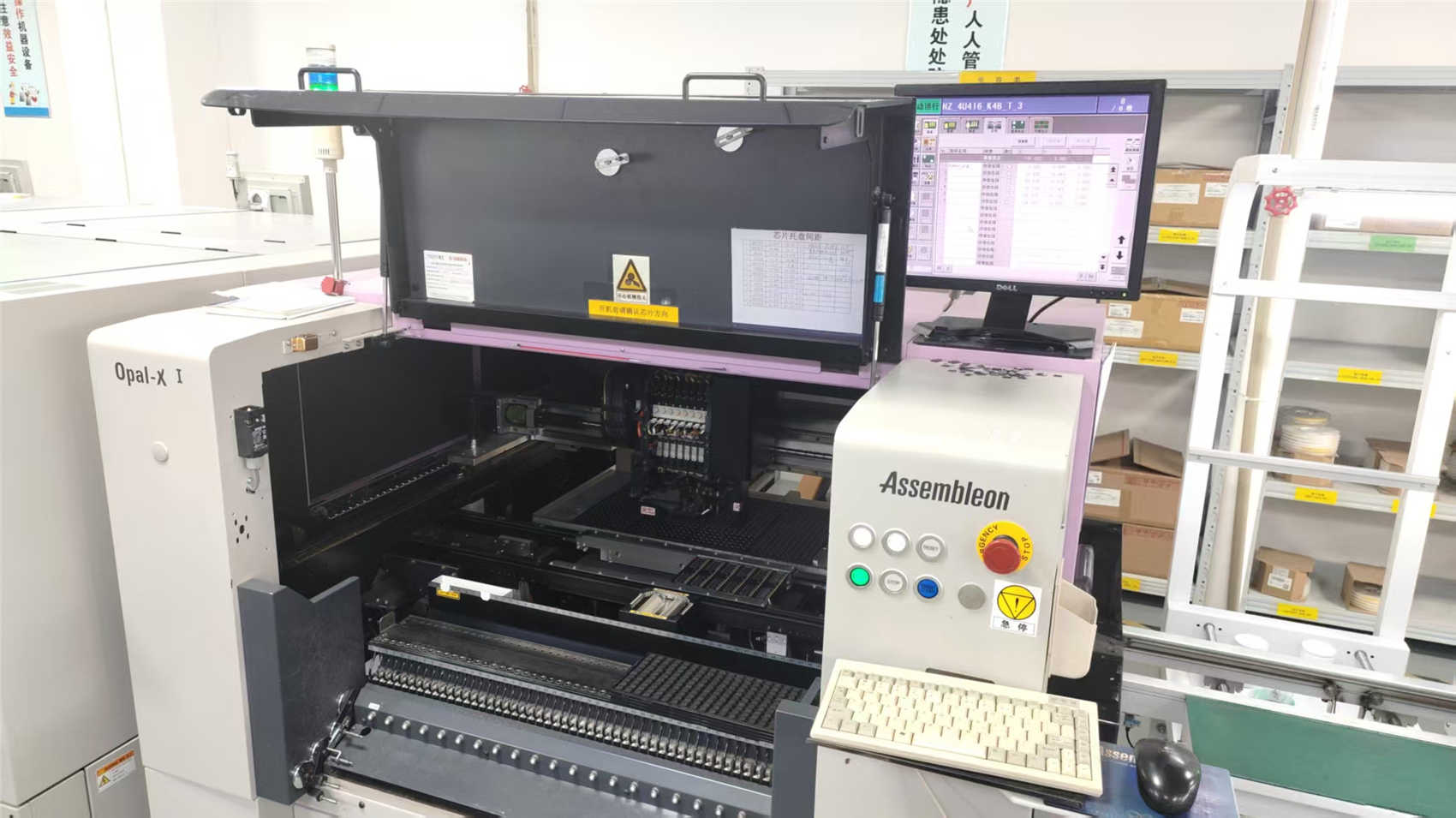
Founded in 2017, Korvion Technology Co., Ltd. is a professional manufacturer and solution provider specializing in AI GPU servers, high-performance computing (HPC) systems, GPU clusters, and data center infrastructure solutions. Headquartered in Shenzhen, China, the company operates a modern production facility covering 385 square meters and serves customers worldwide with reliable, scalable, and customized computing platforms.
With over 9 years of export experience and 15 years of industry expertise, Korvion has established a strong reputation for delivering advanced computing solutions tailored to the rapidly growing artificial intelligence, machine learning, cloud computing, and enterprise data center sectors.
Our annual export revenue exceeds USD 18 million, supported by a robust global supply network of more than 1,250 supply chain partners. We work closely with leading component suppliers to ensure stable product quality, competitive pricing, and timely delivery.
Quality is at the core of our operations. Korvion implements a comprehensive ISO 9001-based quality management system, supported by a dedicated team of 56 quality control professionals. Every product undergoes rigorous inspection procedures, including incoming material inspection, functional testing, burn-in testing, thermal performance verification, system stability validation, and final shipment inspection, ensuring dependable performance in mission-critical environments.
Innovation drives our growth. Our R&D department consists of 128 experienced engineers specializing in server architecture, thermal design, AI computing optimization, and customized hardware integration. Last year alone, Korvion introduced 86 new products and solution upgrades, helping customers stay competitive in the evolving AI infrastructure market.
We offer comprehensive OEM and ODM services, including chassis customization, branding, hardware configuration, rack integration, liquid cooling deployment, GPU cluster design, and turnkey AI infrastructure solutions. Our flexible customization capabilities allow customers to build solutions that precisely match their business and technical requirements.
Today, Korvion serves a diverse customer base, including AI startups, cloud service providers, system integrators, research institutions, universities, enterprise data centers, and GPU hosting companies across North America, Europe, Southeast Asia, the Middle East, and Latin America.
Get answers to the most common questions regarding CE certification, installation options, and structural performance.
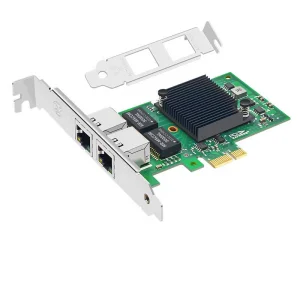
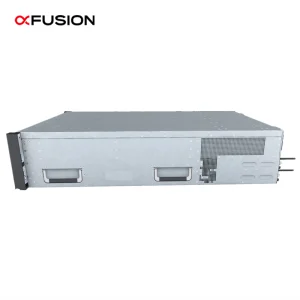
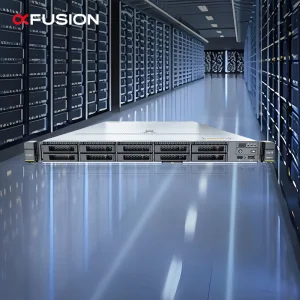
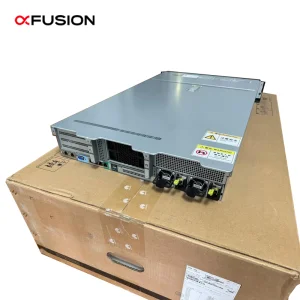
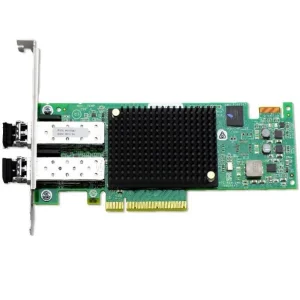
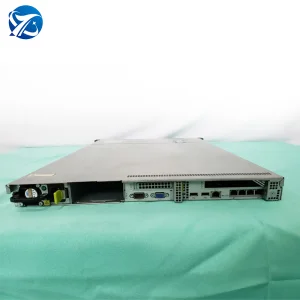
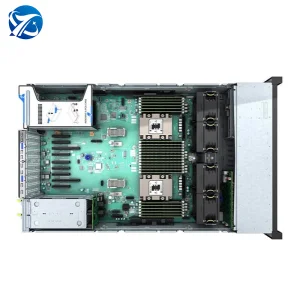
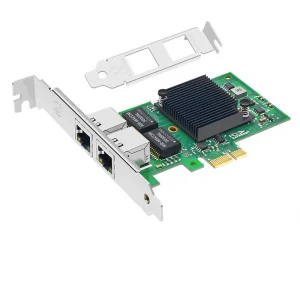
Complete your network topology with our range of high-bandwidth controllers, network adapters, and AI server systems.