Korvion
Korvion
Korvion
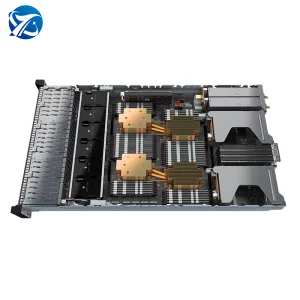
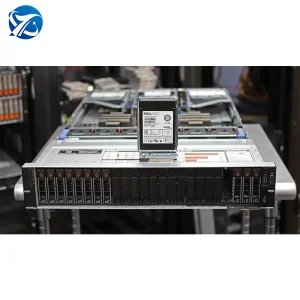
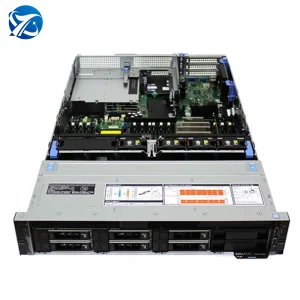
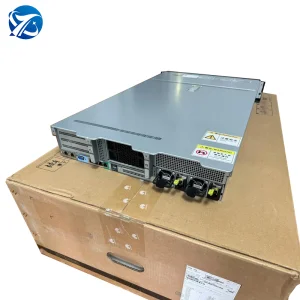
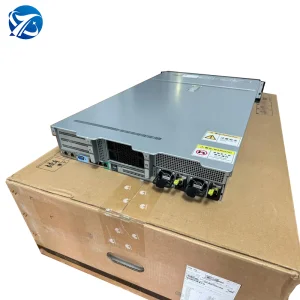
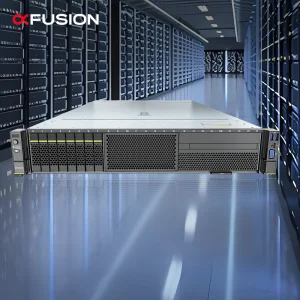
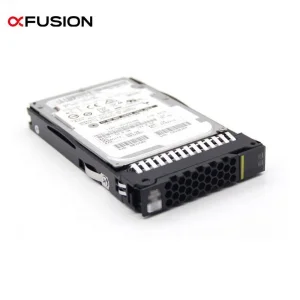
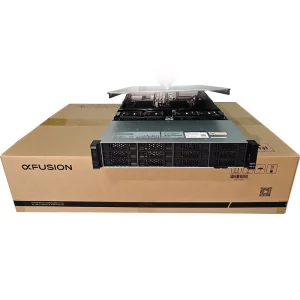
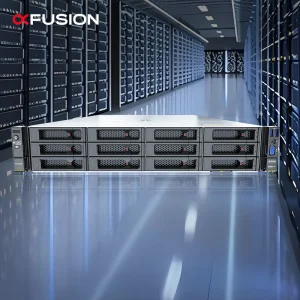
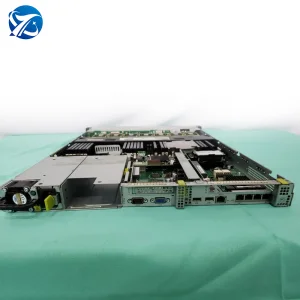
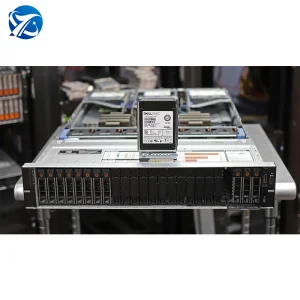
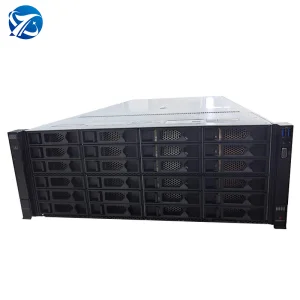
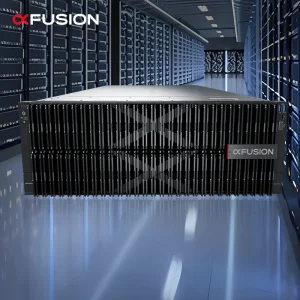
As workloads shift heavily toward Artificial Intelligence (AI), Machine Learning (ML), and Deep Learning systems, modern data center power demand has reached unprecedented density thresholds. Rack power requirements that formerly hovered around 5 kW to 10 kW have surged to 30 kW, 60 kW, and even 100 kW per rack to accommodate power-dense GPU clusters (such as Dell PowerEdge and xFusion server environments running AI processing units).
For enterprise procurement officers, purchasing reliable power distribution components is no longer simply about basic power routing. It centers on three primary constraints:
Modern servers dissipate immense quantities of heat. Power Distribution Units (PDUs) must operate continuously in hot-aisle containment systems where temperatures frequently reach 60°C (140°F) without experiencing performance degradation or triggering false circuit trips.
Global operations require standardization. Compliance with the European Union's CE Certification (Low Voltage Directive 2014/35/EU and EMC Directive 2014/30/EU) guarantees that PDU hardware maintains strict electrical insulation, flame retardancy (UL94-V0 compliance), and electromagnetic compatibility parameters.
Enterprises require real-time tracking of parameters such as current (A), voltage (V), power factor, active power (kW), and energy consumption (kWh). High-precision monitoring (±1% billing-grade accuracy) enables precise tenant billing and dynamic load balancing within high-density server racks.
A power distribution unit does not operate in isolation. It forms the backbone of complete hardware compute topologies. Enterprise environments deployment pathways require custom-engineered integration:
| Compute Workload Category | PDU Configuration Requirement | Key Technical Challenge Addressed | Applicable Server Models |
|---|---|---|---|
| AI / Deep Learning Clusters | Three-Phase 32A / 63A Input, C13/C19 High-Retention Outlets | Unbalanced phase currents & high in-rush current profiles | xFusion GPU Servers, Dell PowerEdge R760/R750 GPU servers |
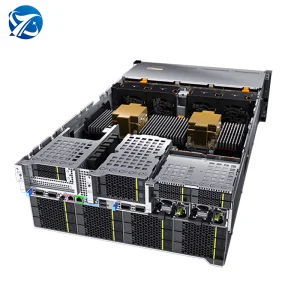
| High-Performance Computing (HPC) | Smart Rack PDU with Outlet-level Switching & Environmental Monitoring | Localized thermal runaway protection in high-ambient-temp aisles | FusionServer 5288 V6, FusionServer G5200 V7 Workstations |
| Hyperconverged Cloud Storage | Redundant Dual-Feed A/B PDU Integration (Basic or Metered-by-Outlet) | Zero downtime during input feed updates/maintenance cycles | xFusion 2288H V7 HCI, Dell PowerEdge 2U R760XS Storage Servers |
| Edge Datacenters | Compact 1U/2U Horizontal PDUs with Remote Network Interfaces | Remote management and physical access limitations at edge nodes | 1U/2U short depth rack servers, network switches, and NAS units |
Selecting the correct structural layout (vertical 0U vs. horizontal 1U/2U) directly impacts rack airflow dynamics. By utilizing 0U vertical PDUs mounted in the rear utility pocket of server racks, operators prevent cable-clutter blockages. This optimizes air throughput for front-to-back chassis cooling systems found in dense rack deployments.
The transformation of basic PDU strip systems to advanced, network-connected smart units represents a significant shift in data center physical layers. The following key developments define the technological path forward for power distribution architectures:
Legacy monitored PDUs required complete power disconnections to replace communication controllers. Next-generation smart units implement hot-swappable network management modules. Maintenance teams can replace display screen control components without interrupting critical power supply to downstream compute systems.
These communication architectures support dual-gigabit network ports (10/100/1000 Mbps) to daisy-chain up to 32 units under a single IP address, reducing structured cabling costs.
As direct-to-chip liquid cooling and immersion systems gain market share, PDUs must integrate with coolant distribution units (CDUs). The next wave of power distribution relies on sensors that measure rack-level humidity, ambient air temperature, and fluid leakage, communicating via SNMP, Modbus, or RESTful APIs directly to Data Center Infrastructure Management (DCIM) software.
By correlating server power draw from the PDU with liquid cooling flow rates, facilities achieve optimum Power Usage Effectiveness (PUE).
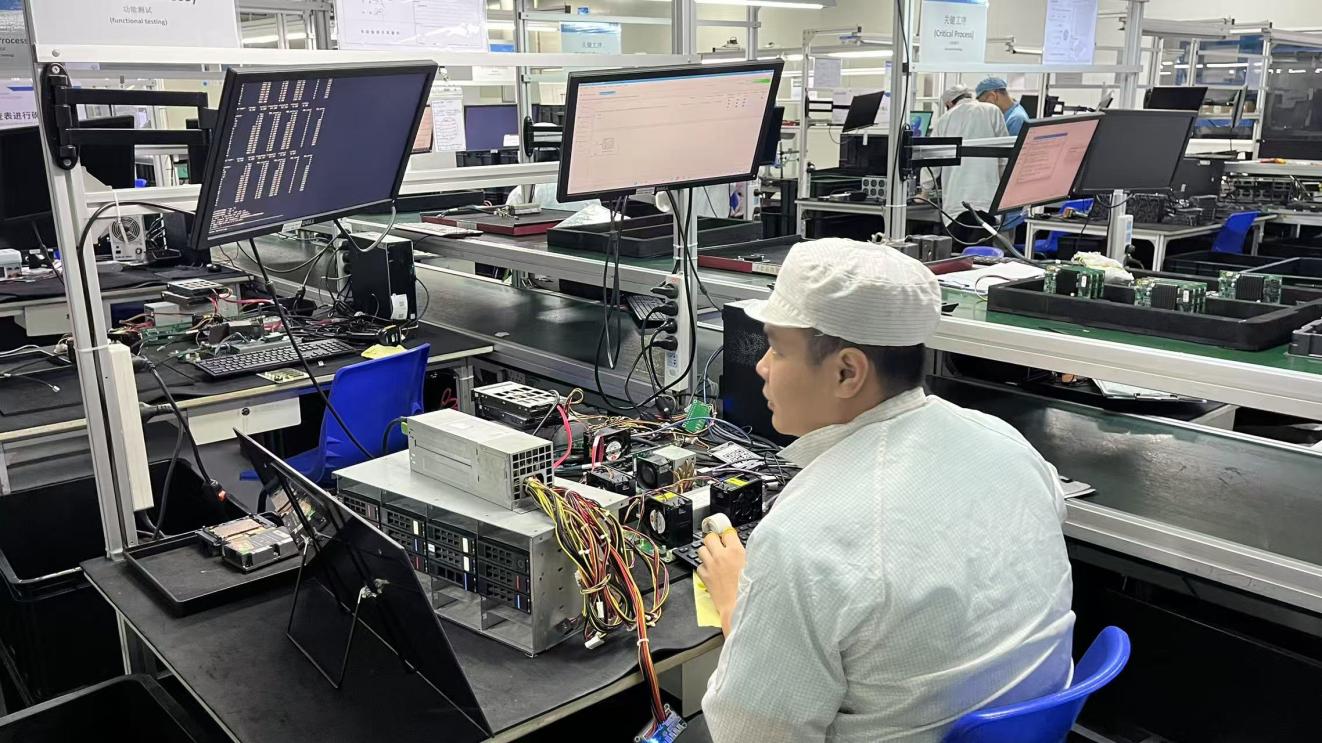
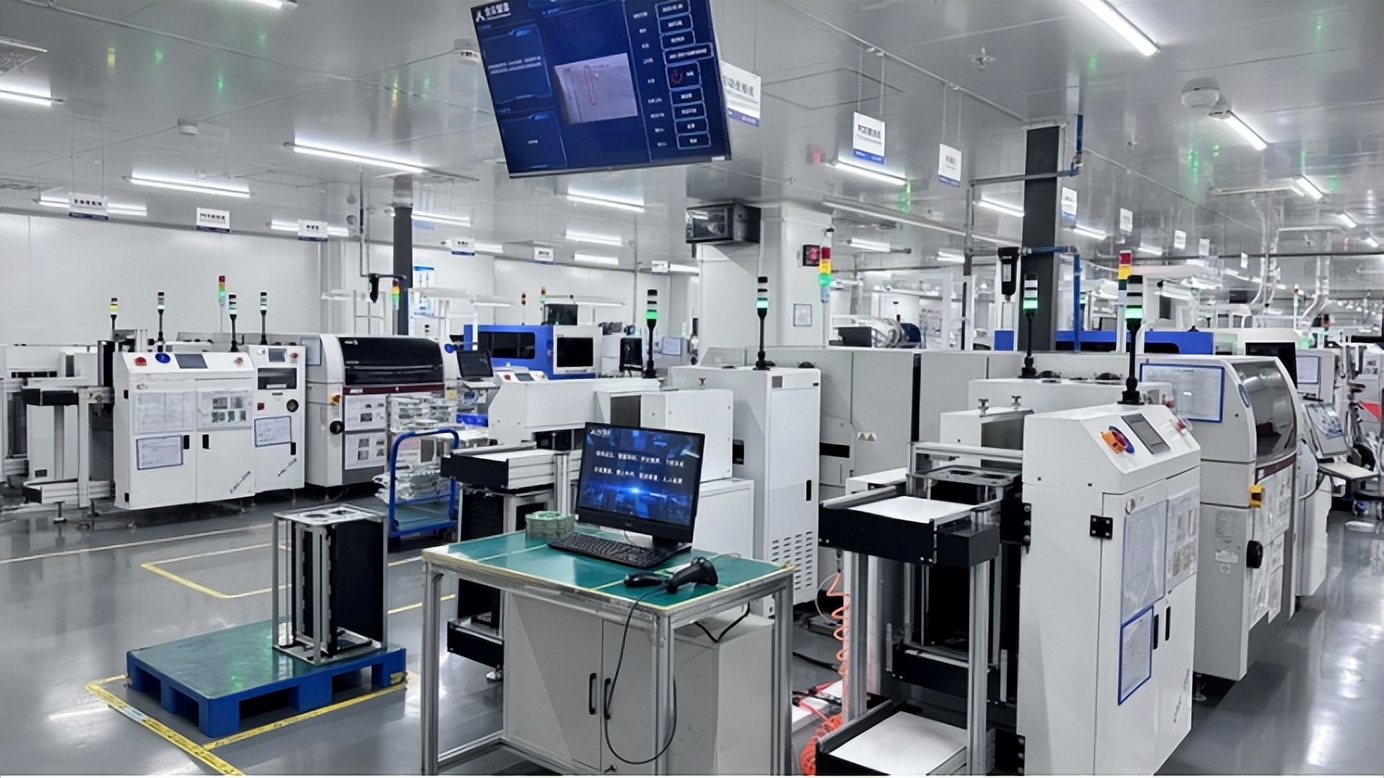
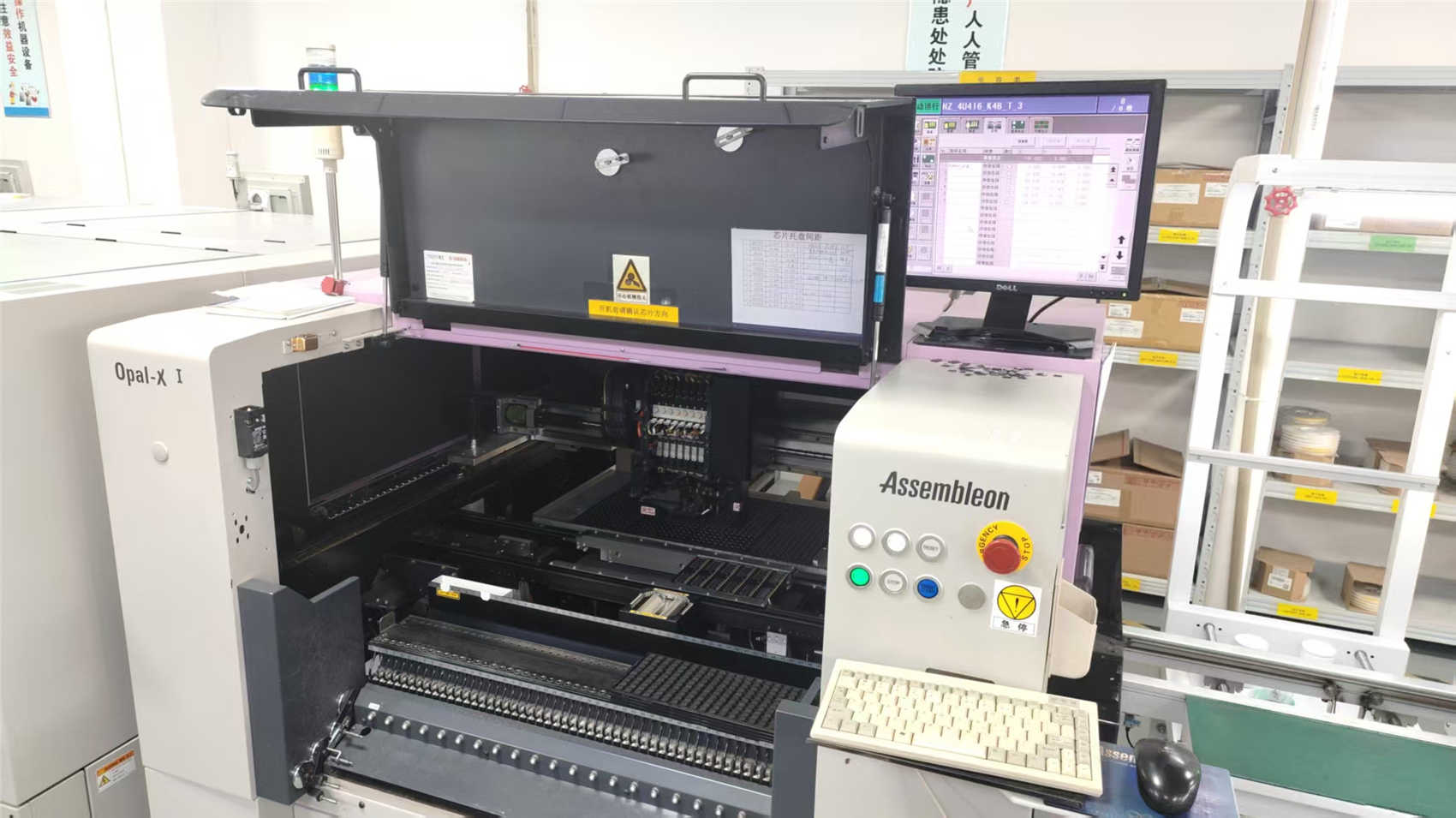
Founded in 2017, Korvion Technology Co., Ltd. is a professional manufacturer and solution provider specializing in AI GPU servers, high-performance computing (HPC) systems, GPU clusters, and data center infrastructure solutions. We integrate power distribution engineering directly with high-performance computing system assemblies.
Korvion operates under a comprehensive, ISO 9001-based quality control standard. We deploy 56 quality control professionals overseeing our production assets. Each item undergoes strict testing:
Our dedicated research unit features 128 experienced engineers focusing on system architecture design, thermals, and power control algorithms. We introduce custom configurations based on client requests, offering OEM/ODM custom chassis services, customized power socket placements, distinct cord length assemblies, and specialized breaker integration.

Deploying hardware internationally requires strict alignment with region-specific electrical mandates, safety frameworks, and physical standards.
Our CE-marked power distribution systems undergo exhaustive laboratory certifications confirming adherence to EN 62368-1 (Audio/video, information, and communication technology equipment safety requirements) and EN 55032/EN 55035 for electromagnetic immunity. This ensures compliance with essential parameters:
Whether deploying in European networks (typical 230/400V AC architectures) or North American three-phase grid systems (120/208V, 277/480V AC), we construct units built to local electrical configurations. From standard NEMA inputs to IEC 60309 industrial plugs, our setups prevent configuration mismatches during data center system initialization.