Korvion
Korvion
Korvion
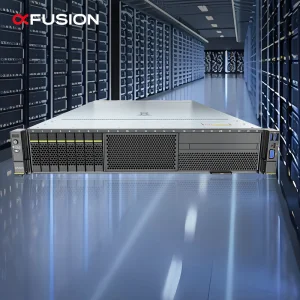
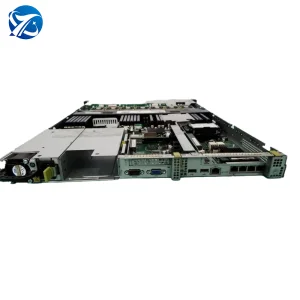
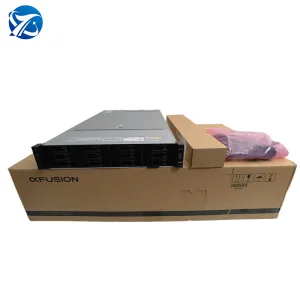
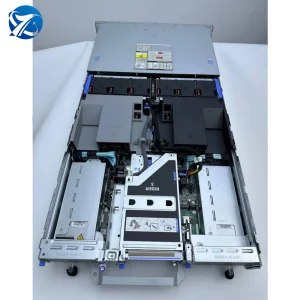
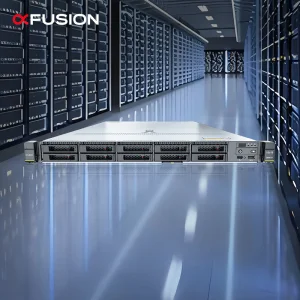
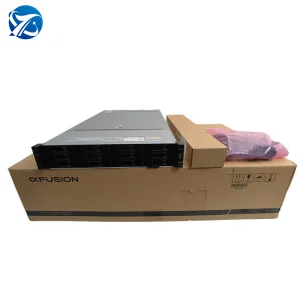
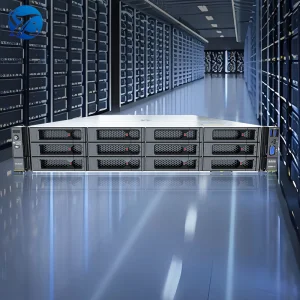
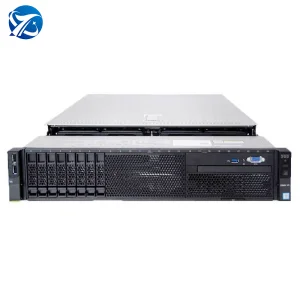
Deploy enterprise firewalls, unified threat gateways, and virtualized security engines on robust, highly redundant xFusion and Dell server nodes engineered for zero downtime.
Modern enterprise networks face an unprecedented volume of complex cyber threats. Traditional legacy firewalls are no longer sufficient to secure distributed hybrid clouds, remote work environments, and resource-heavy operational technologies. As a result, Unified Threat Management (UTM) architectures have transitioned from simple all-in-one packet filter gateways to highly cognitive, multi-core computational engines.
The latest development trends in UTM hardware focus heavily on accelerating Deep Packet Inspection (DPI) and SSL/TLS decryption at line-rate. Unlocking and scanning modern encrypted payloads (which now account for over 90% of global web traffic) requires massive computing power. Without hardware-integrated acceleration, enabling full antivirus, IDS/IPS, and content filtering on a gateway can degrade network throughput by up to 75%.
Furthermore, the convergence of AI models, such as machine learning-driven threat classification at the edge, is reshaping hardware architectures. Next-generation UTM solutions require specialized CPUs, SmartNICs, and high-performance NVMe storage configurations to process telemetry data in micro-seconds, preventing zero-day exploits before they cross the perimeter.
Utilizing dedicated hardware execution pipelines (such as Intel QuickAssist Technology) to offload heavy cryptographic workloads, preserving core CPU resources for traffic routing and policy enforcement.
Integrating low-latency AI processing cores to identify behavior anomalies and execute localized heuristic scanning without relying entirely on remote cloud lookup latency.
Enterprises, cloud service providers, and telecommunications operators look for specific baseline hardware characteristics when procuring UTM systems from China.
Global systems integrators demand multi-port interfaces (10G SFP+, 25G SFP28, and 100G QSFP28) with bypass capabilities to ensure high availability and prevent single points of network failure.
Flexible BIOS settings (including UEFI/Legacy boot compatibility, watchdog timers, custom branding, and pre-configured hypervisors) allow buyers to deploy customized firewalls instantly.
High-reliability power supplies (1+1 redundant hot-swappable PSUs) and active or chassis-integrated cooling ensure continuous packet processing under severe industrial server room heat loads.
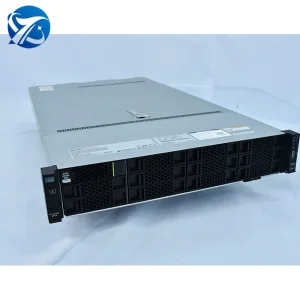
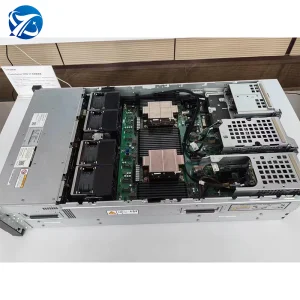
Deploying virtualized security services across branch offices, corporate headquarters, and regional data centers requires a highly cohesive hardware infrastructure. Hardware platforms must support high storage density, processing capabilities, and fast memory read/write cycles.
Cloud-Edge UTM Virtualization: Modern system integrators use rack-optimized servers to deploy multi-tenant virtualized UTM instances. These physical servers function as hypervisors (supporting VMware ESXi, Proxmox, or KVM) hosting virtual firewalls that isolate corporate departments, cloud tenants, and remote IoT nodes.
High-Throughput Deep Packet Inspection (DPI) Clusters: For telecommunication networks and huge processing hubs, clustering multiple server nodes provides parallel computation. By implementing load balancers alongside rackmount platforms, network architects scale threat detection capability linearly as bandwidth requirements grow.
Verified Industry Excellence
Founded in 2017, Korvion Technology Co., Ltd. is a professional manufacturer and solution provider specializing in AI GPU servers, high-performance computing (HPC) systems, GPU clusters, and data center infrastructure solutions. Headquartered in Shenzhen, China, the company operates a modern production facility covering 385 square meters and serves customers worldwide with reliable, scalable, and customized computing platforms.
With over 9 years of export experience and 15 years of industry expertise, Korvion has established a strong reputation for delivering advanced computing solutions tailored to the rapidly growing artificial intelligence, machine learning, cloud computing, and enterprise data center sectors.
Our annual export revenue exceeds USD 18 million, supported by a robust global supply network of more than 1,250 supply chain partners. We work closely with leading component suppliers to ensure stable product quality, competitive pricing, and timely delivery.
Quality is at the core of our operations. Korvion implements a comprehensive ISO 9001-based quality management system, supported by a dedicated team of 56 quality control professionals. Every product undergoes rigorous inspection procedures, including incoming material inspection, functional testing, burn-in testing, thermal performance verification, system stability validation, and final shipment inspection, ensuring dependable performance in mission-critical environments.
Innovation drives our growth. Our R&D department consists of 128 experienced engineers specializing in server architecture, thermal design, AI computing optimization, and customized hardware integration. Last year alone, Korvion introduced 86 new products and solution upgrades, helping customers stay competitive in the evolving AI infrastructure market.
We offer comprehensive OEM and ODM services, including chassis customization, branding, hardware configuration, rack integration, liquid cooling deployment, GPU cluster design, and turnkey AI infrastructure solutions. Our flexible customization capabilities allow customers to build solutions that precisely match their business and technical requirements.
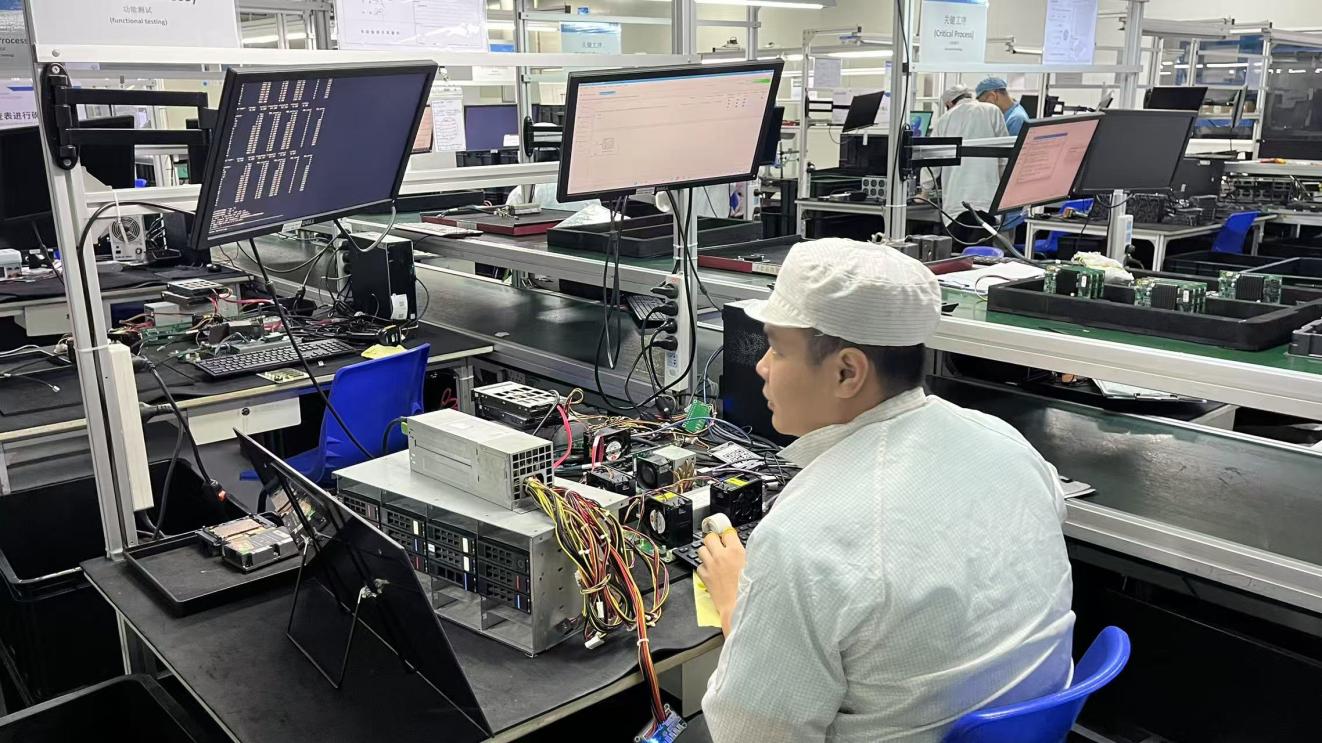
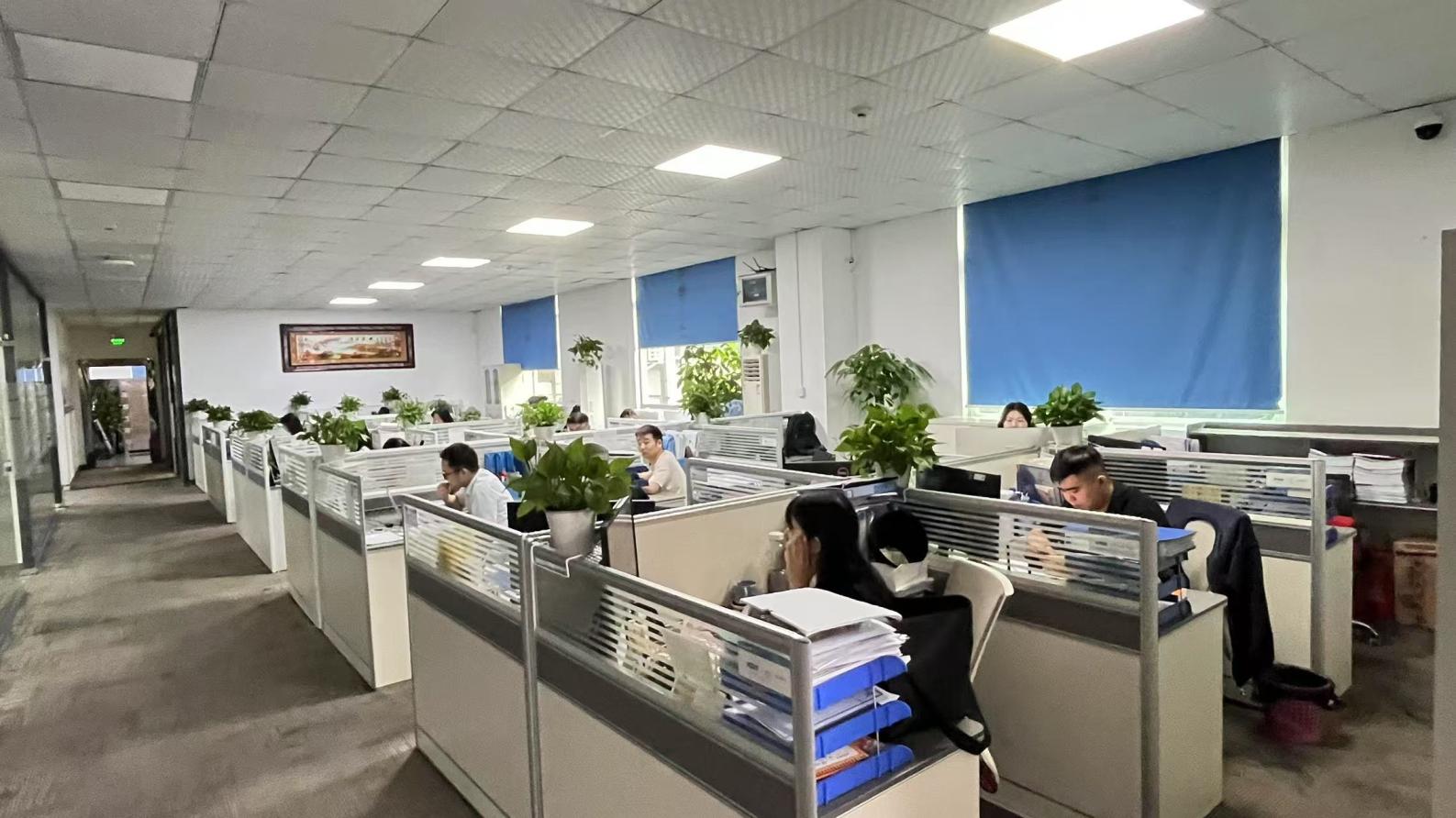
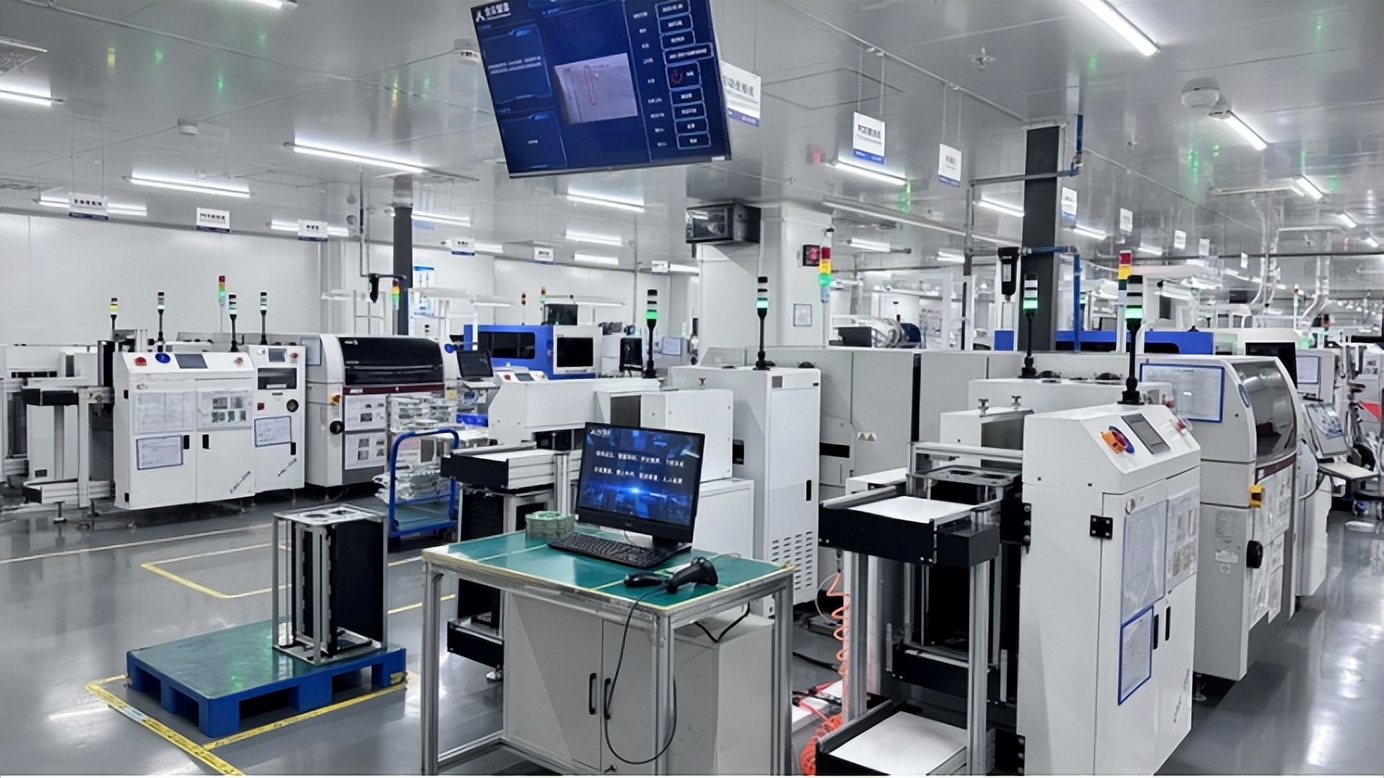
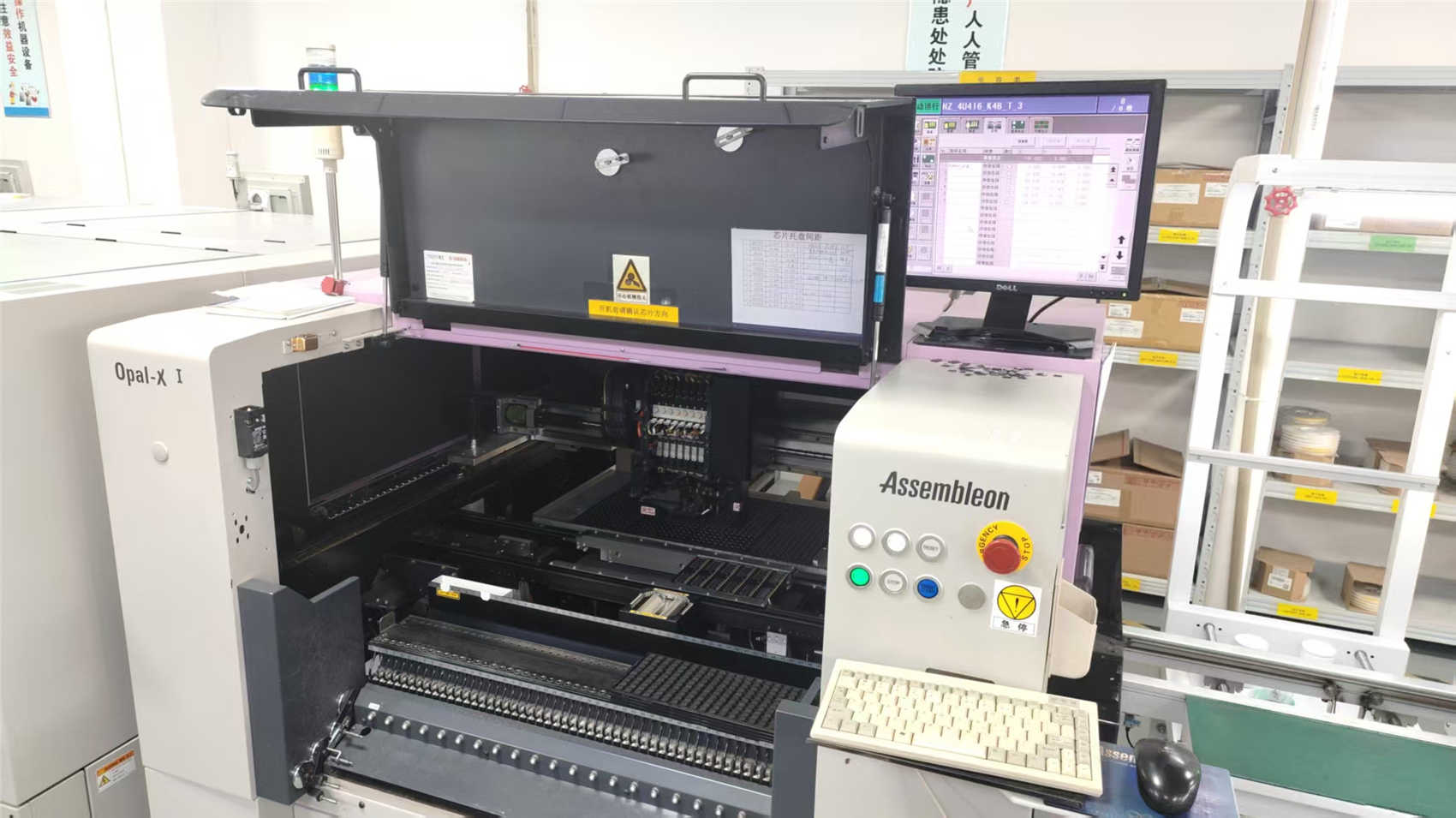
Staying ahead of the security curve requires constant product evolution. Below is Korvion's strategic technical direction for hardware platforms optimized for security payloads.
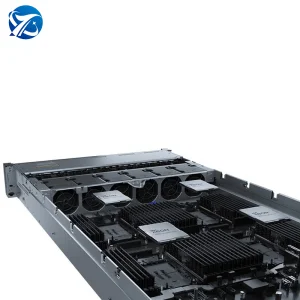
Deploying advanced cold-plate liquid cooling solutions inside server infrastructures to accommodate high-density server computing chips, decreasing datacenter PUE from 1.6 to less than 1.15.
Migrating physical network traffic management tasks to dedicated Data Processing Units (DPUs), protecting physical CPU pipelines from being interrupted by basic network routing operations.
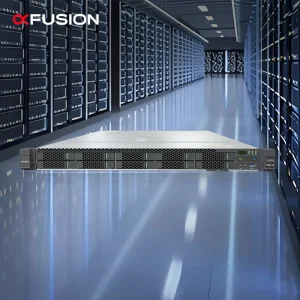
Enabling compact 1U footprint hardware to maintain complete server-level threat defense configurations, facilitating seamless deployments in restricted branch offices or remote cabinet stations.
Understand the hardware, component, and performance benchmarks critical for sourcing the best platforms for modern network security applications.
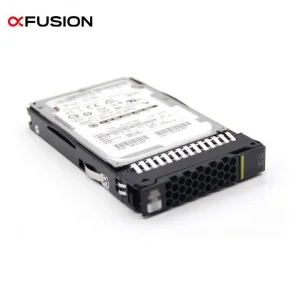
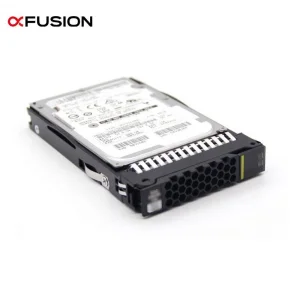
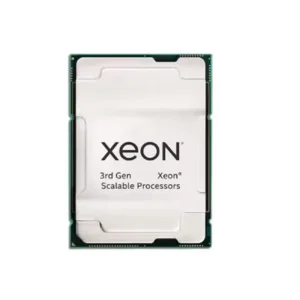
Complete your security architecture with high-speed SSDs, scalable multi-socket host computers, and massive CPU engines that handle logging workloads efficiently.