Korvion
Korvion
Korvion
Wholesale hardware solutions optimized for parallel computing, large language model training, and deep learning neural networks.
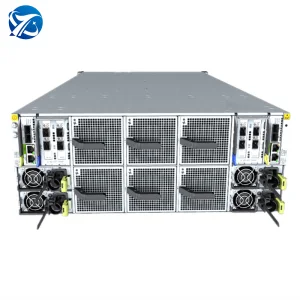
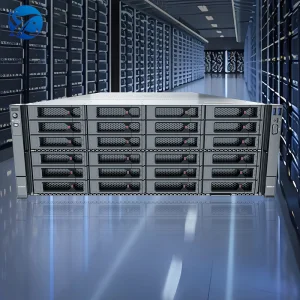
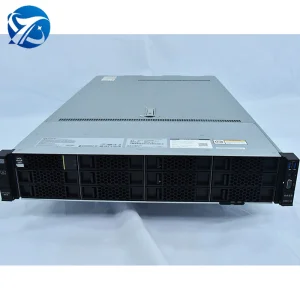
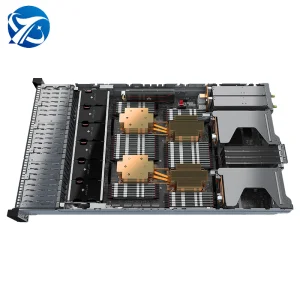
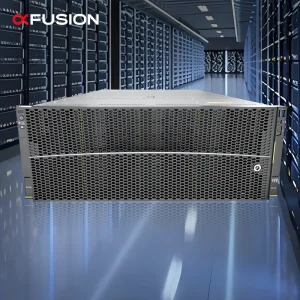
The rapid acceleration of generative artificial intelligence, foundational models, and deep learning architectures (such as GPT-4, Llama-3, and DeepSeek-R1) has transformed the requirements of enterprise data centers. Standard general-purpose central processing units (CPUs) no longer possess the parallel computation capabilities needed to handle billion-parameter neural networks efficiently. Instead, modern AI workloads dictate massive hardware clusters built on high-density GPU platforms, ultra-fast memory interconnects, and scalable power management structures.
To meet these challenges, global enterprises, tier-1 hyper-scalers, and research laboratories are turning to specialized original equipment manufacturers (OEMs) and original design manufacturers (ODMs) in China. Sourcing AI training systems wholesale directly from professional factories allows enterprises to bypass long product-development cycles, customize hardware components to match specific model frameworks, and capture significant unit-cost efficiency. These modern hardware systems are engineered specifically to run high-performance AI frameworks, ensuring minimal latency, massive floating-point operations per second (FLOPs), and strict adherence to strict thermal thresholds.
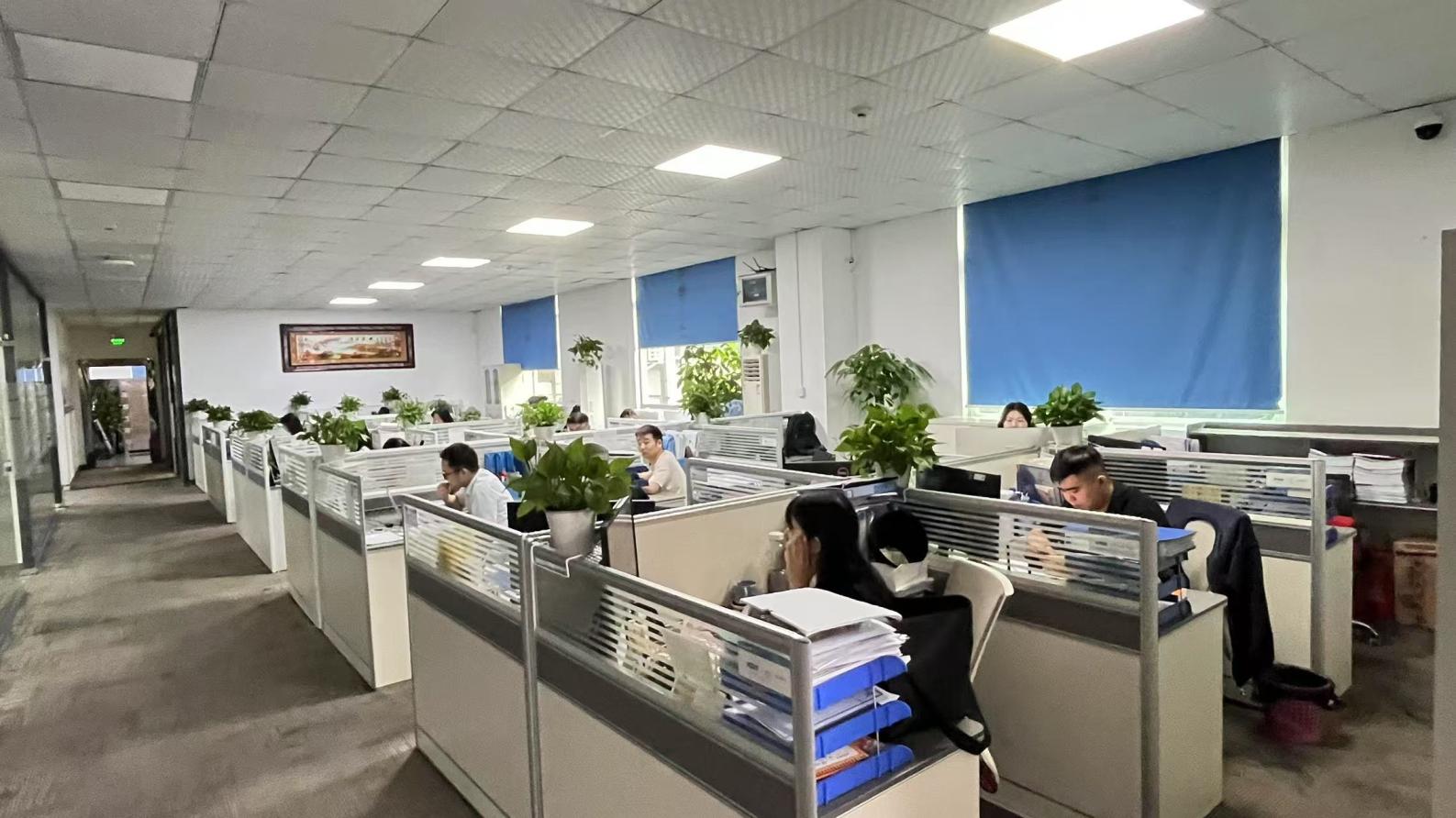
Founded in 2017, Korvion Technology Co., Ltd. is a professional manufacturer and solution provider specializing in AI GPU servers, high-performance computing (HPC) systems, GPU clusters, and data center infrastructure solutions. Headquartered in Shenzhen, China, the company operates a modern production facility covering 385 square meters and serves customers worldwide with reliable, scalable, and customized computing platforms.
With over 9 years of export experience and 15 years of industry expertise, Korvion has established a strong reputation for delivering advanced computing solutions tailored to the rapidly growing artificial intelligence, machine learning, cloud computing, and enterprise data center sectors. Our annual export revenue exceeds USD 18 million, supported by a robust global supply network of more than 1,250 supply chain partners. We work closely with leading component suppliers to ensure stable product quality, competitive pricing, and timely delivery.
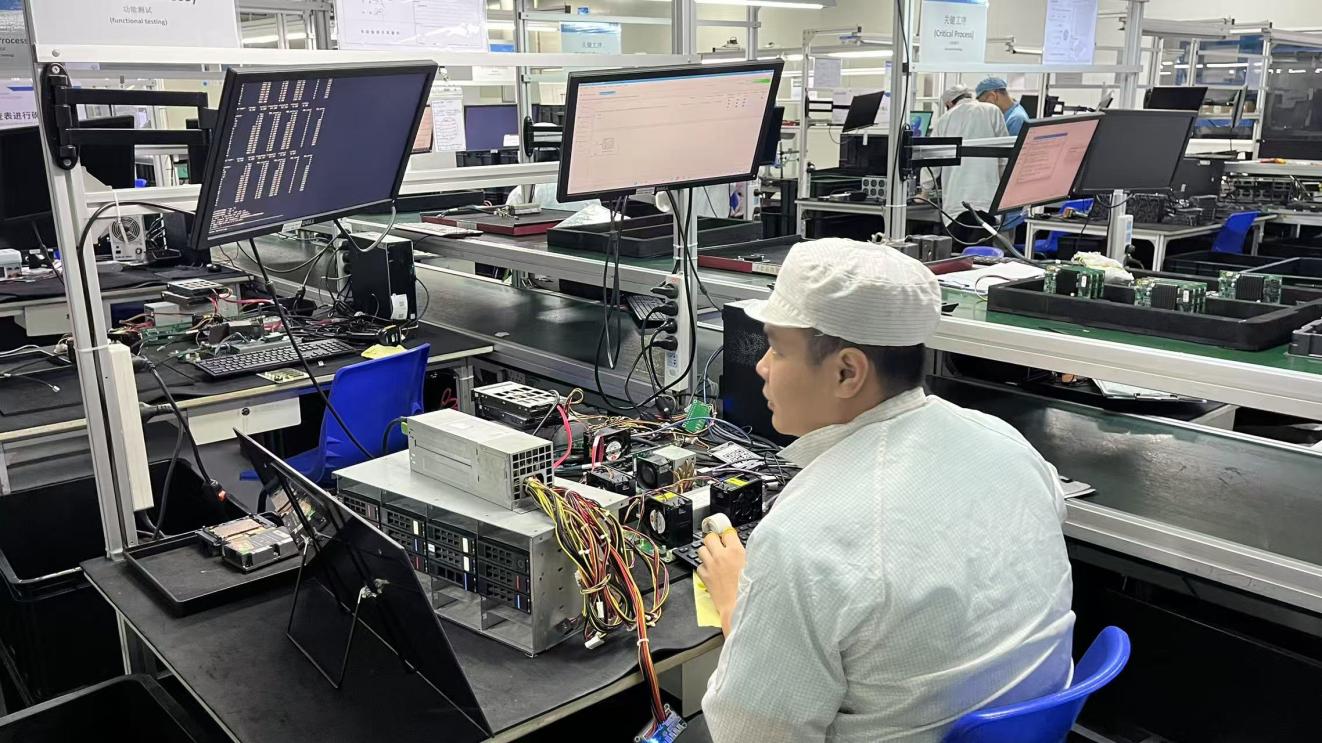
Quality is at the core of our operations. Korvion implements a comprehensive ISO 9001-based quality management system, supported by a dedicated team of 56 quality control professionals. Every product undergoes rigorous inspection procedures, including incoming material inspection, functional testing, burn-in testing, thermal performance verification, system stability validation, and final shipment inspection, ensuring dependable performance in mission-critical environments.
Innovation drives our growth. Our R&D department consists of 128 experienced engineers specializing in server architecture, thermal design, AI computing optimization, and customized hardware integration. Last year alone, Korvion introduced 86 new products and solution upgrades, helping customers stay competitive in the evolving AI infrastructure market.
We offer comprehensive OEM and ODM services, including chassis customization, branding, hardware configuration, rack integration, liquid cooling deployment, GPU cluster design, and turnkey AI infrastructure solutions. Our flexible customization capabilities allow customers to build solutions that precisely match their business and technical requirements. Today, Korvion serves a diverse customer base, including AI startups, cloud service providers, system integrators, research institutions, universities, enterprise data centers, and GPU hosting companies across North America, Europe, Southeast Asia, the Middle East, and Latin America.
The global landscape of AI training systems is experiencing a paradigm shift driven by hardware innovation and algorithm scaling. As large models grow in depth and operational parameters, several engineering trends have emerged as standard criteria for wholesale enterprise purchasing:
When global hyper-scalers, cloud hosting companies, and regional system integrators seek reliable AI hardware suppliers in China, the evaluation process extends far beyond simple GPU specifications. Procurement directors prioritize three main criteria to ensure high system availability, longevity, and structural return on investment (ROI):
A. High-Yield Burn-In and Stress Verification: High-density servers running AI training workloads frequently run at maximum power capacity for consecutive weeks. Standard server testing is insufficient. Reliable manufacturers like Korvion deploy specialized burn-in chambers that subject nodes to full-load compute, extreme thermal cycles, and stability checks. This reduces field-failure rates to negligible margins.
B. OEM/ODM Customization & IPMI Remote Management: System integrators often require custom-branded metal chassis, specialized internal air ducts, custom firmware, and OpenBMC integration. These systems must support secure, out-of-band remote administration via IPMI 2.0, allowing operators to power-cycle, monitor temperatures, and configure BIOS settings without needing physical data center access.
C. Regulatory Standards & Certification Compliance: To deploy globally, systems must carry certifications such as CE, FCC, RoHS, and UL. These documents verify the electromagnetic compatibility (EMC), low toxicity levels, and electrical safety profiles expected by tier-1 server hosting facilities.
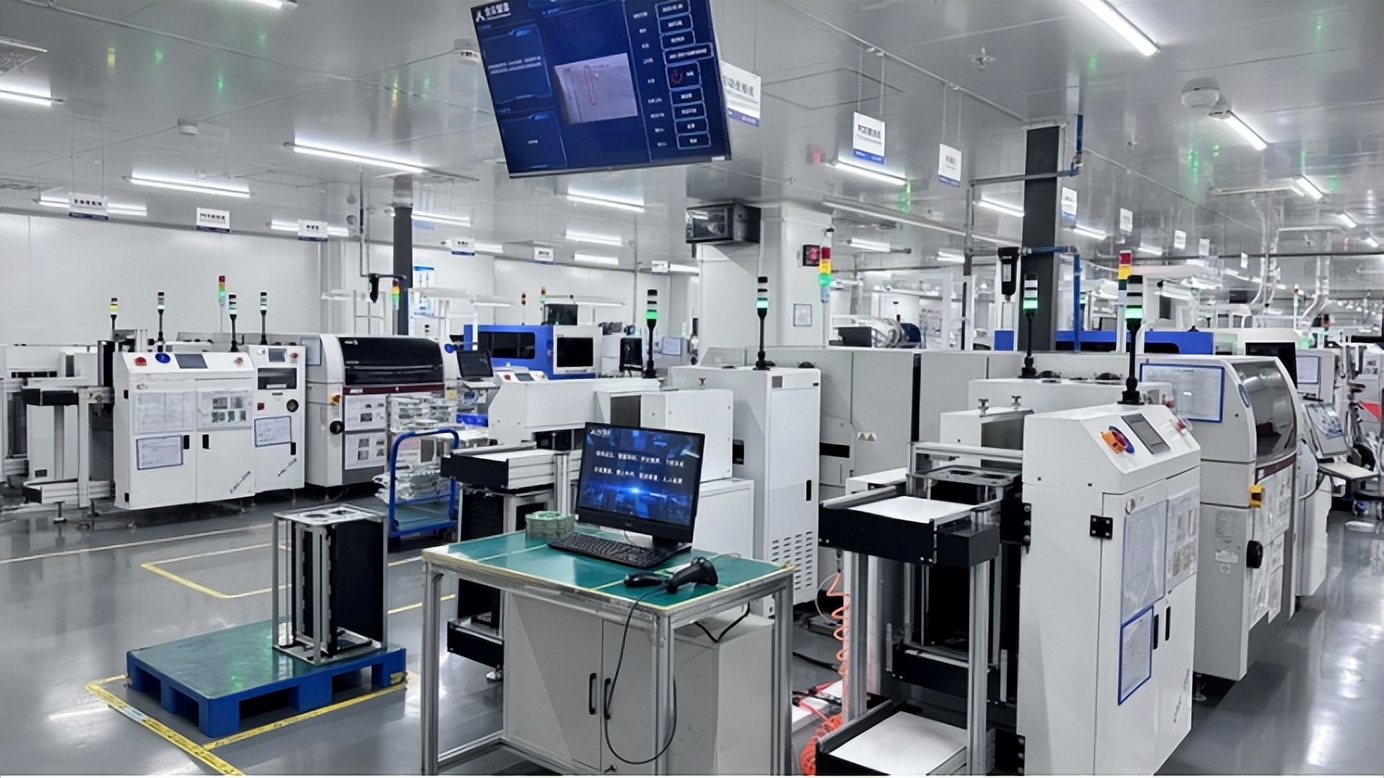
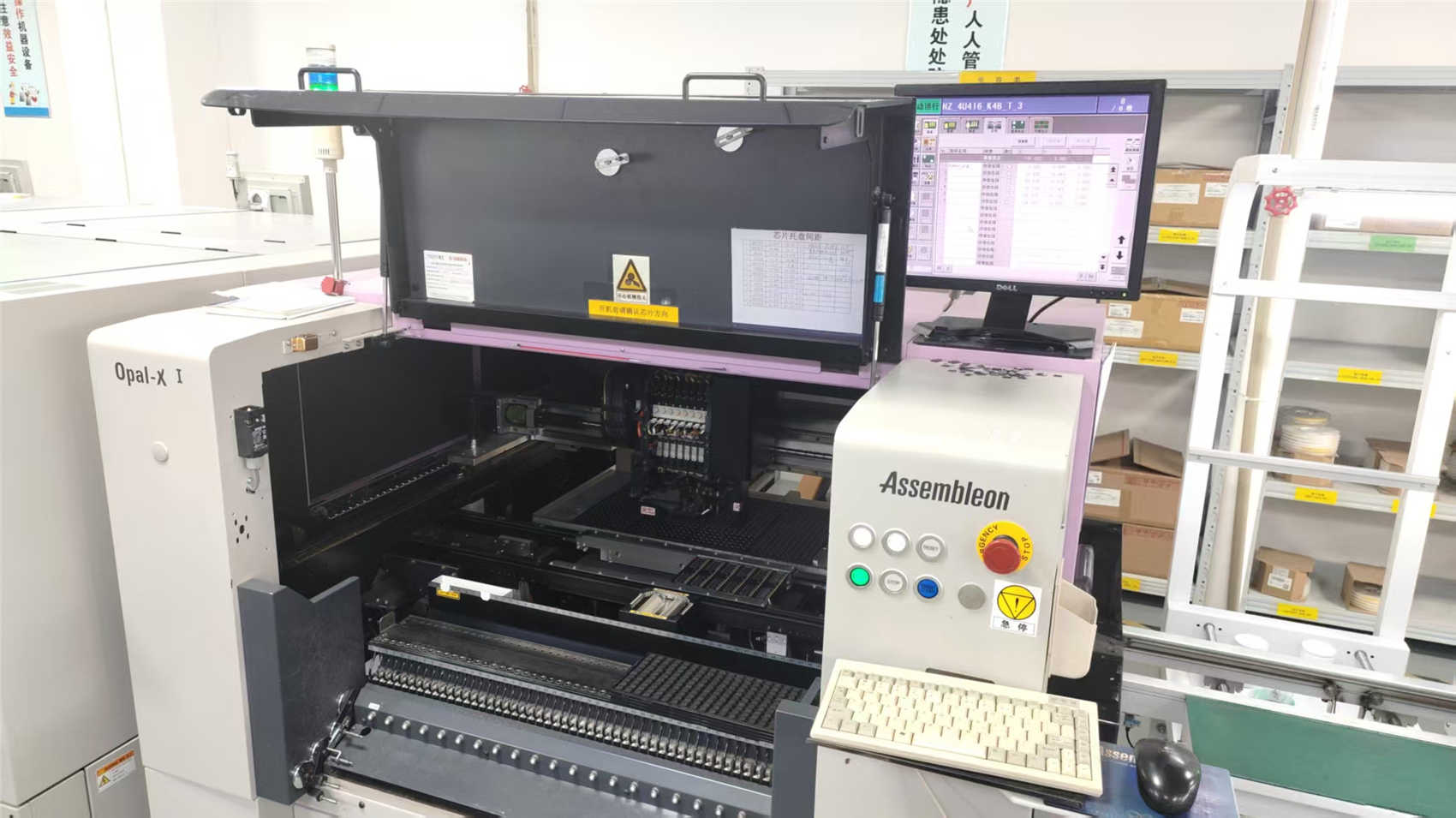
Shenzhen, China, has solidified its position as the global capital for high-technology hardware manufacturing. The local industrial ecosystem integrates mechanical, electrical, and thermal engineering components, allowing factories to source, assemble, test, and package complex multi-GPU systems at unmatched speeds. China's Factory 4.0 infrastructure utilizes automated optical inspection (AOI), high-precision Surface Mount Technology (SMT) lines, and automated X-ray analysis to verify the integrity of thousands of micro-solder connections on high-density PCBs.
This dense localization of manufacturing means that Korvion’s supply network of 1,250 partners can source everything from heavy copper heat sinks to custom-engineered power backplanes within a very short distance. By minimizing transit lag for raw materials, manufacturing timelines are reduced from months to a few weeks. For global wholesale buyers, this represents superior supply chain resilience, shielding them against structural component shortages and geopolitical transport bottlenecks.
Furthermore, custom chassis design, sheet metal fabrication, and painting are handled locally. This enables OEM customers to receive rapid-prototype proof-of-concept units within days, accelerating product time-to-market.
Modern high-density AI servers are deployed across a broad spectrum of commercial, scientific, and enterprise environments. By matching hardware configurations to specific compute requirements, organizations optimize system efficiency and total cost of ownership:
Authoritative, engineer-reviewed answers to common technical inquiries regarding AI hardware procurement and deployment.
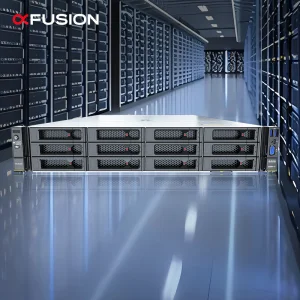
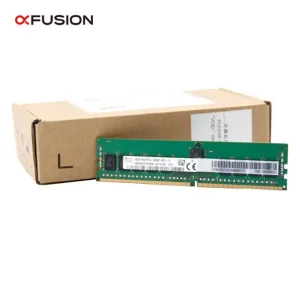
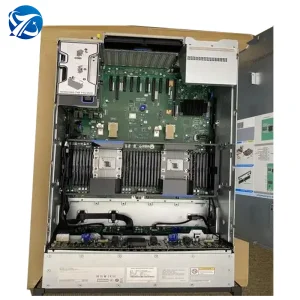
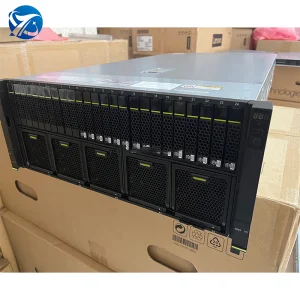
Explore our full line of rack servers, high-density computing platforms, and DDR5 enterprise memory modules.
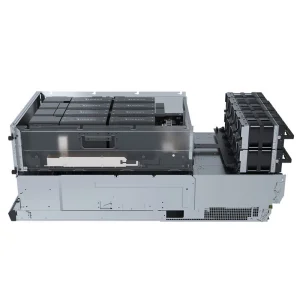
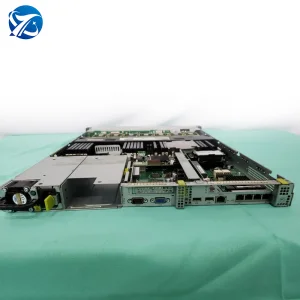
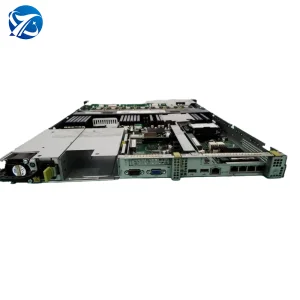
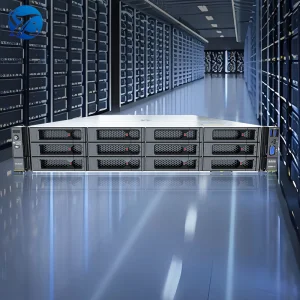
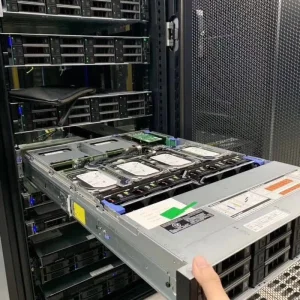
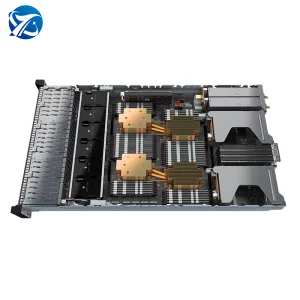
Take a look inside our modern assembly and QC testing facilities located in Shenzhen, China.