Korvion
Korvion
Korvion
Explore our premium range of scalable rack servers, memory modules, and processing controllers designed for critical workloads.
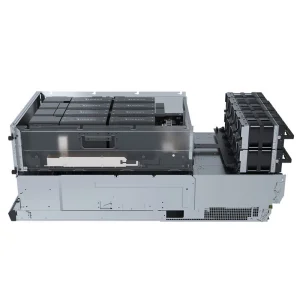
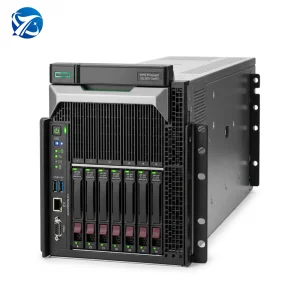
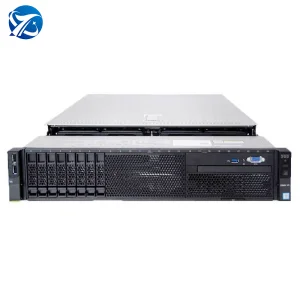
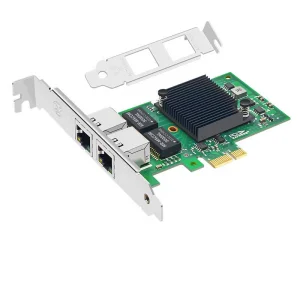
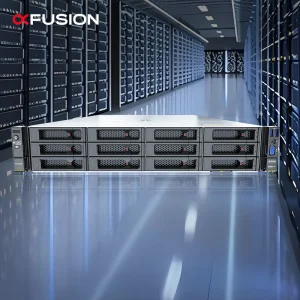
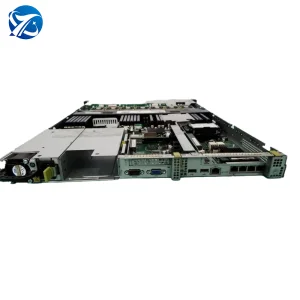
Analyzing the macro-economic forces shaping compute density, thermal dynamics, and workload placement across global data centers.
The global digital economy is undergoing a structural transition. The exponential growth of Large Language Models (LLMs), deep learning inference pipelines, generative AI applications (like DeepSeek, Llama, and GPT variants), and high-frequency trading platforms has exposed critical bottlenecks in standard enterprise computing architecture. Standard "one-size-fits-all" rack systems no longer meet the localized heat dissipation, energy efficiency, and high-speed data transmission demands required by modern hyperscalers.
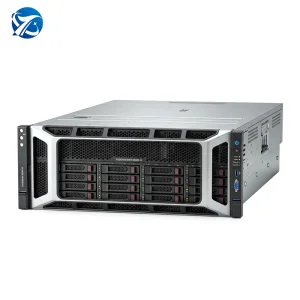
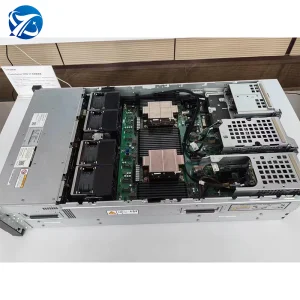
Consequently, there is a global pivot toward Custom OEM Rack Mount Servers. Enterprise hardware procurement managers, research institutions, and cloud providers now prioritize custom-engineered solutions. They seek setups with flexible layouts (1U, 2U, 4U, or 8U), highly optimized motherboard configurations, and direct-to-chip liquid cooling or optimized airflow designs. These measures help keep Power Usage Effectiveness (PUE) below strict local regulatory thresholds.
In addition, supply chain resilience has become a core business requirement. By establishing strong partnerships with leading silicon manufacturers, major distributors, and specialized chassis fabrication units, premier server suppliers ensure that critical components (such as Intel® Xeon® Scalable, AMD EPYC™, and high-end AI GPU acceleration boards) can be configured, tested, and exported reliably. This protects clients from prolonged deployment delays.
Engineered for CE, FCC, RoHS, and UL compliance, ensuring swift deployment across North America, EMEA, and APAC.
Custom architectures maximize compute output per watt, significantly lowering long-term operating costs.
Bridging hardware capability and application-specific parameters to maximize computational performance.
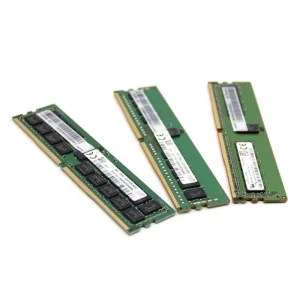
Scientific modeling, genetic research, structural analysis, and fluid dynamics require intense mathematical processing capabilities. Our custom-designed rack setups support dual-socket Intel® Xeon® or AMD EPYC™ processor motherboards, alongside multi-channel ECC DDR4/DDR5 RDIMMs. This architecture prevents data corruption during long-running computational simulations.
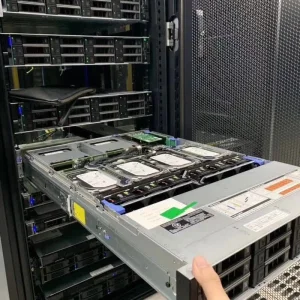
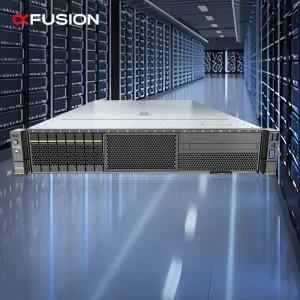
For organizations deploying virtualized environments, database systems, or container orchestrations (such as Kubernetes), computing densification is vital. Integrating fast system architectures like the 2288H series offers a balanced ratio of computing power, storage capabilities, and memory density. This simplifies the management of complex, hyper-converged enterprise workloads.
Modern data security relies on stable storage options. Our customized OEM rack systems feature high-speed PCIe Gen 4.0/5.0 SAS/SATA/NVMe backplanes. Managed by reliable RAID controllers like the LSI 9560 series, these systems deliver high-speed reading and writing capabilities, data redundancy, and protection against sudden power drops.
From custom structural blueprints to thermal layout simulations, discover the process behind our custom solutions.
At the center of our corporate operations is a highly structured product development lifecycle managed by our specialized engineering divisions. When a client requests a custom OEM rack configuration, our hardware design teams begin by evaluating the specific target environment. This evaluation covers factors such as rack depth limits, electrical load profiles, external temperature ranges, and expected software workloads.
Our OEM/ODM customization services include:
Every component is subjected to extensive validation. Our testing routine includes incoming material inspections, full-load burn-in tests, thermal cycle verification, and rigorous vibration tests to ensure long-term stability in enterprise environments.
To verify system reliability before shipment, our quality control team runs an intensive hardware validation protocol on every unit:
| Phase | Objective |
|---|---|
| Burn-In Testing | 72 hours under 100% CPU and GPU load in environmental chambers. |
| Power Cycles | Multiple hardware reboot cycles at various input voltages. |
| PCIe Signal Integrity | High-frequency analysis to ensure reliable communication on Gen 4.0/5.0 links. |
How we ensure seamless global delivery and localized product support.
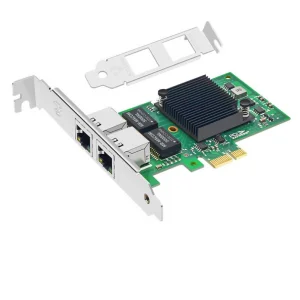
Exporting high-performance servers requires meeting a complex set of regional compliance rules and import policies. Our logistics and compliance teams ensure that all custom rack mount servers, network cards, and components meet local standards, including CE, FCC, RoHS, and UL requirements. By managing these certification processes, we help clients avoid unexpected custom clearance delays, allowing for faster deployment in regional offices and hosting facilities.
Furthermore, our supply network (consisting of over 1,250 certified partners) provides consistent access to essential components. We work directly with major memory manufacturers, storage controller producers, and chassis fabricators to build reliable component reserves. This procurement network protects our clients from market shortages and price swings, ensuring predictable pricing and timely deliveries.
For large enterprise implementations, we offer localized maintenance programs, technical documentation, and spare parts packages. This ensures local technicians have the resources needed to keep systems running smoothly, minimizing potential downtime.
Meets FCC Part 15 subpart B standards, UL 62368-1 safety guidelines, and conforms to regional energy regulations.
CE marking verified under EMC Directive 2014/30/EU and LVD 2014/35/EU, with complete RoHS-compliant material usage.
Tailored shipping documentation, certified custom declarations, and regional distribution agreements to streamline local custom clearances.
Our commitment to developing energy-efficient architectures, high-speed interfaces, and next-generation compute platforms.
As computing requirements continue to expand, our R&D team remains focused on emerging technology trends. Over the next two years, our engineering pipeline will focus on three main areas:
Through these design improvements, we aim to lower system power requirements while delivering high compute density, helping our clients control long-term data center operating costs.
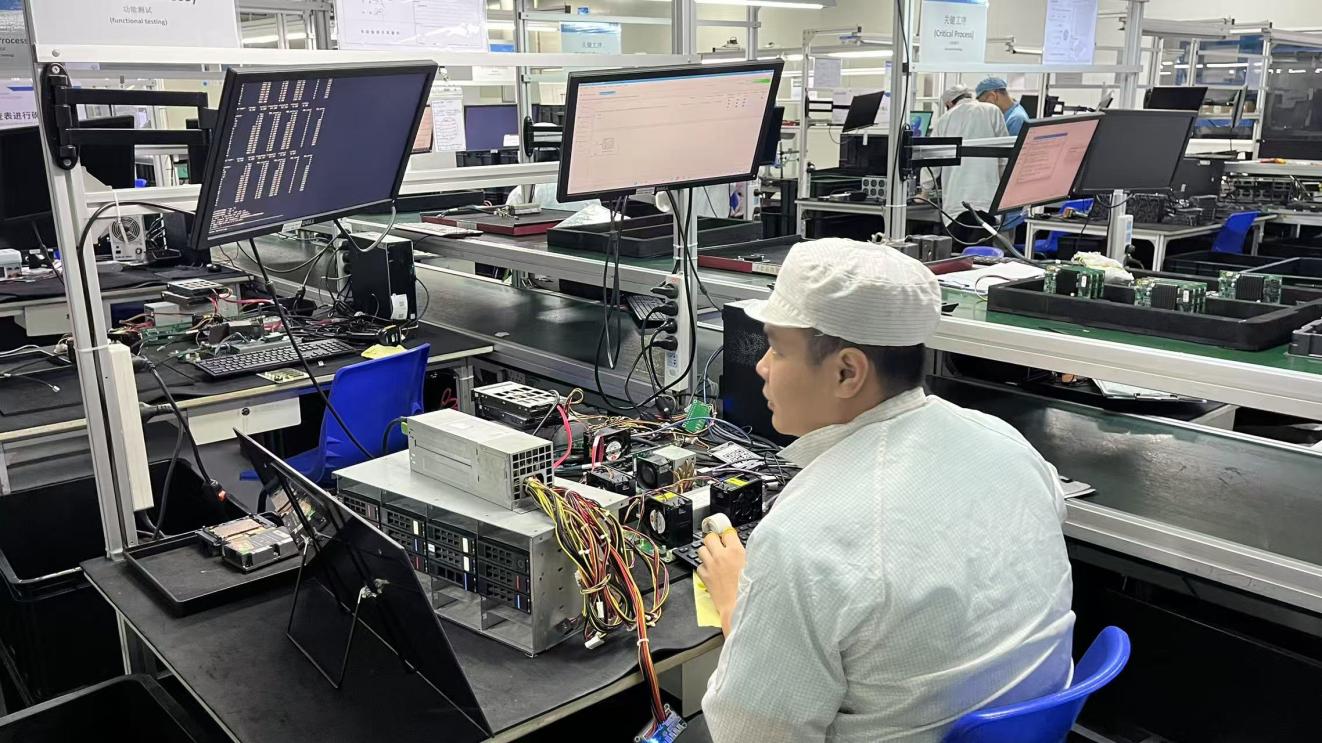
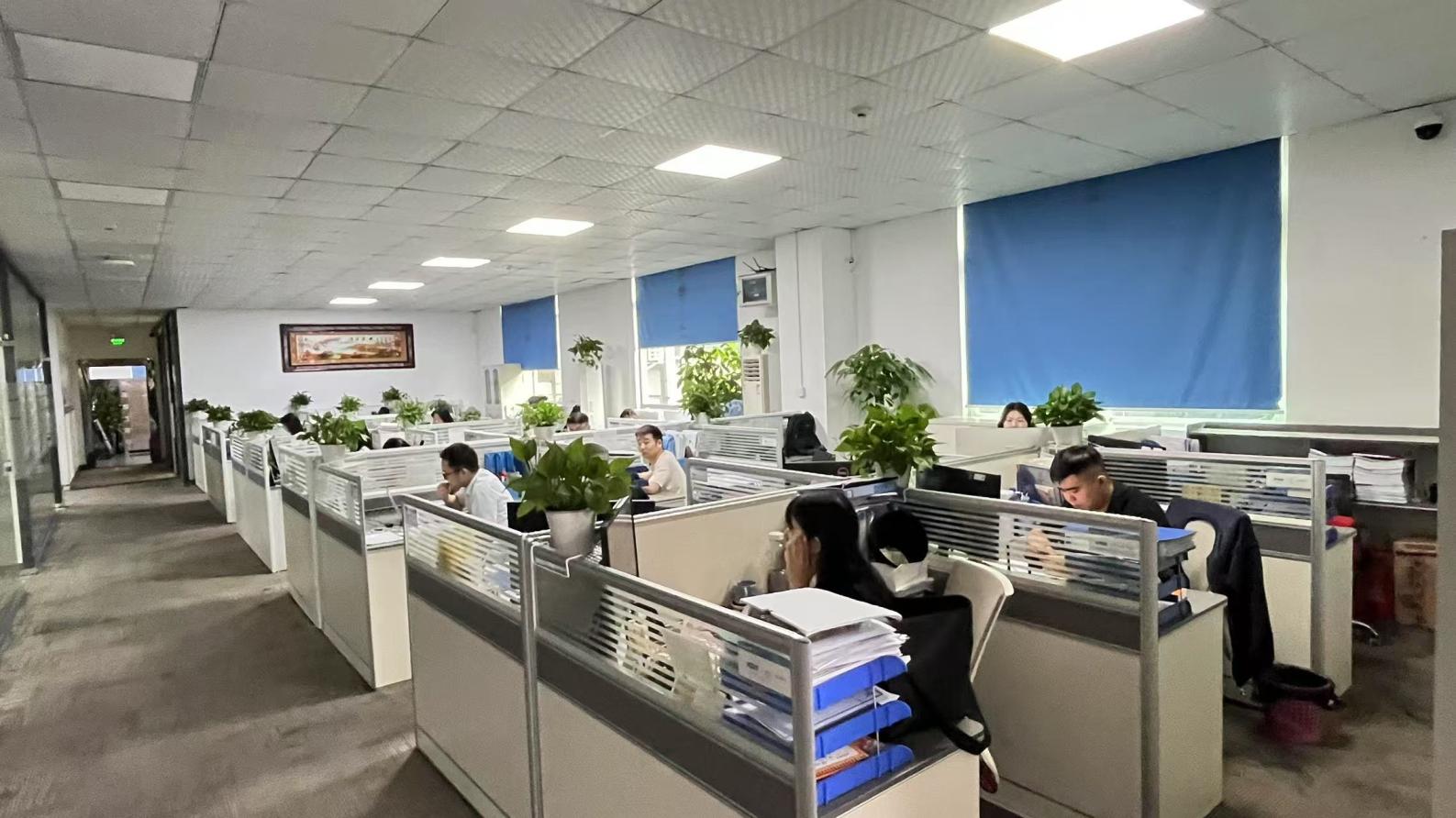
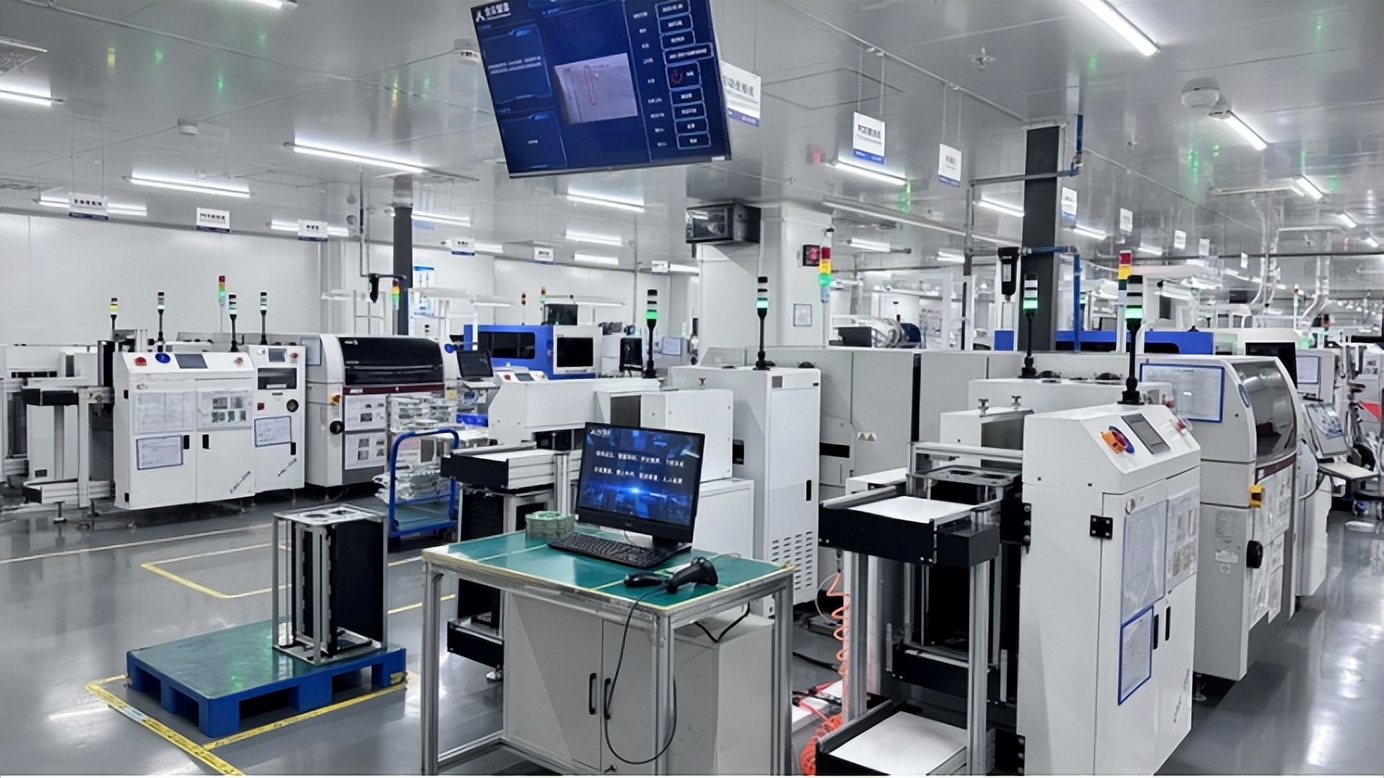
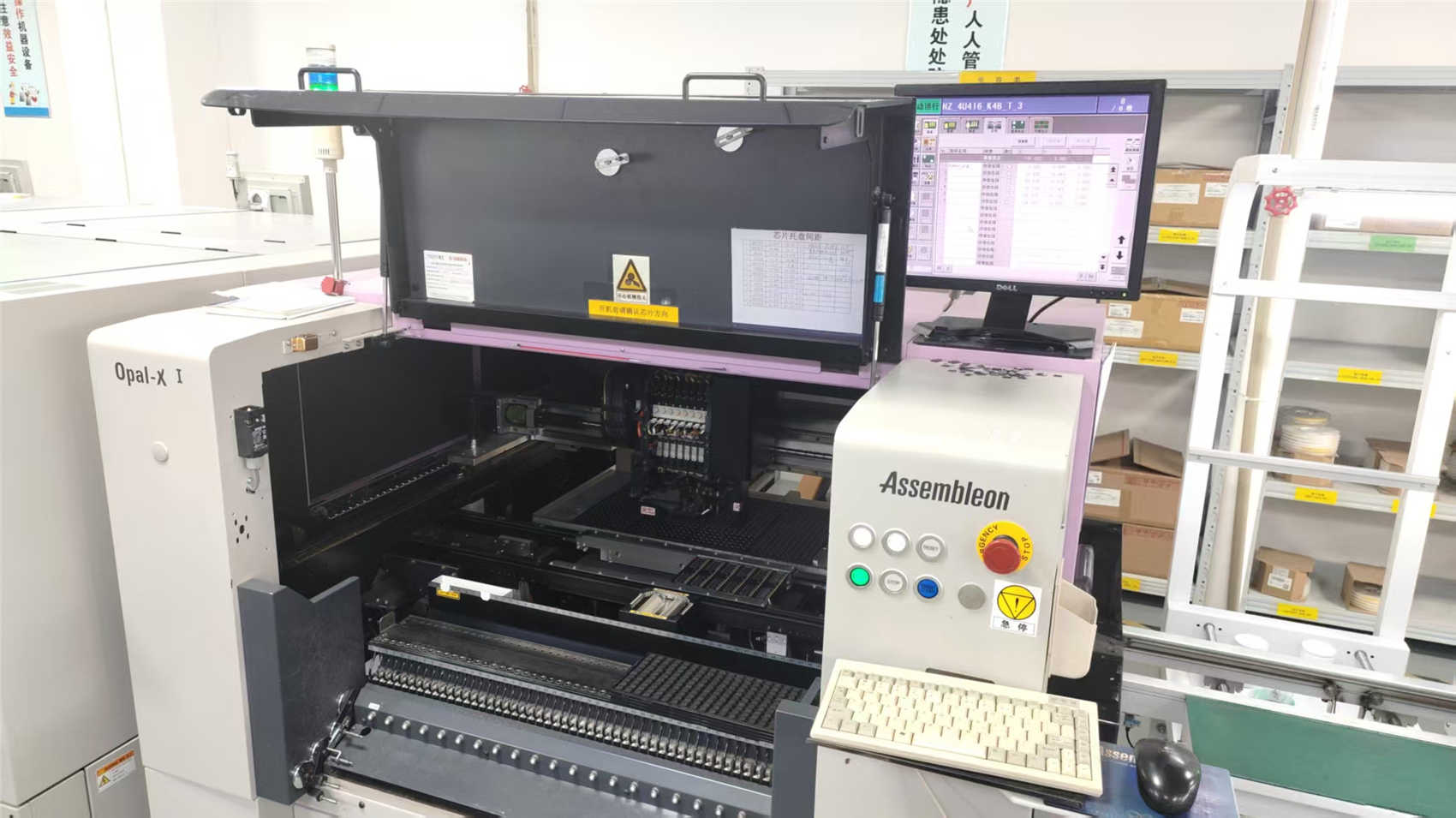
A trusted manufacturing partner for AI GPU servers, high-performance computing systems, and data center infrastructure.
Founded in 2017, Korvion Technology Co., Ltd. is a professional manufacturer and solution provider specializing in AI GPU servers, high-performance computing (HPC) systems, GPU clusters, and data center infrastructure solutions. Headquartered in Shenzhen, China, the company operates a modern production facility covering 385 square meters and serves customers worldwide with reliable, scalable, and customized computing platforms.
With over 9 years of export experience and 15 years of industry expertise, Korvion has established a strong reputation for delivering advanced computing solutions tailored to the rapidly growing artificial intelligence, machine learning, cloud computing, and enterprise data center sectors.
Our annual export revenue exceeds USD 18 million, supported by a robust global supply network of more than 1,250 supply chain partners. We work closely with leading component suppliers to ensure stable product quality, competitive pricing, and timely delivery.
Quality is at the core of our operations. Korvion implements a comprehensive ISO 9001-based quality management system, supported by a dedicated team of 56 quality control professionals. Every product undergoes rigorous inspection procedures, including incoming material inspection, functional testing, burn-in testing, thermal performance verification, system stability validation, and final shipment inspection, ensuring dependable performance in mission-critical environments.
Innovation drives our growth. Our R&D department consists of 128 experienced engineers specializing in server architecture, thermal design, AI computing optimization, and customized hardware integration. Last year alone, Korvion introduced 86 new products and solution upgrades, helping customers stay competitive in the evolving AI infrastructure market.
We offer comprehensive OEM and ODM services, including chassis customization, branding, hardware configuration, rack integration, liquid cooling deployment, GPU cluster design, and turnkey AI infrastructure solutions. Our flexible customization capabilities allow customers to build solutions that precisely match their business and technical requirements.
Addressing the common design, compliance, and logistics questions from data center administrators and infrastructure managers.
Enterprise storage modules, specialized RAID cards, and AI acceleration servers built for continuous operation.