Korvion
Korvion
Korvion
Deploy agile, scalable cloud datacenters using our OEM-customized whitebox servers optimized for software-defined orchestration and GPU processing workloads.
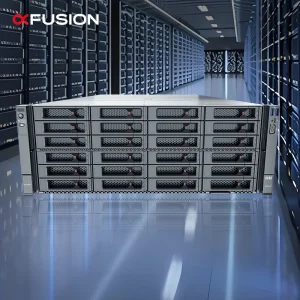
Modern B2B datacenters, hyperscale cloud environments, and specialized industrial networks are rapidly transitioning from legacy, hardware-bound switching systems to dynamic, flexible Software-Defined Networking (SDN) topologies. In traditional networking, the control plane (the intelligence that decides how traffic is routed) and the data plane (the physical forwarding engine) are locked within proprietary ASIC microchips. SDN breaks this architectural coupling. By decoupling control algorithms from the underlying physical switches and routers, enterprises can programmatically manage traffic, dynamically allocate bandwidth, and scale computing infrastructure on demand.
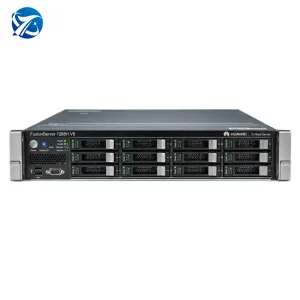
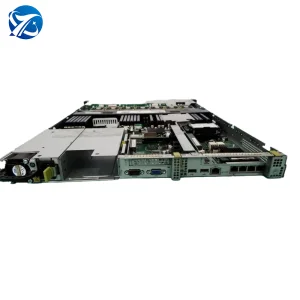
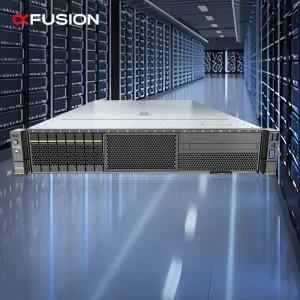
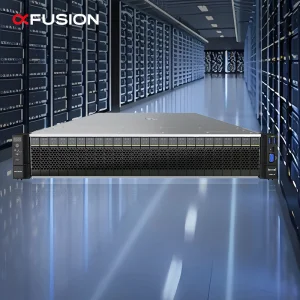
As a premier OEM Software-Defined Networking factory, Korvion designs, manufactures, and integrates the robust hardware engines required to run complex SDN topologies. Modern network virtualization requires host controllers with massive multi-threaded processing capacities, high-speed interfaces (PCIe Gen 5/Gen 6), and OCP (Open Compute Project) 3.0 network cards. Our rackmount server line serves as the physical backbone for SDN controllers, open-source hypervisors, and software-defined WAN (SD-WAN) gateways, allowing data center operators to implement flexible packet-forwarding engines like OpenFlow, P4, and NetConf.
Centralize orchestration of physical topologies through robust controllers, minimizing latency and eliminating manual switch configuration errors.
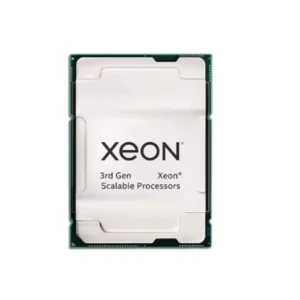
Adopt commodity whitebox hardware platforms powered by Intel Xeon Scalable processors to drive cost down and scaling efficiency up.
Utilize RESTful APIs, NetConf/YANG, and gRPC interfaces to achieve full automation, rapid telemetry, and software-driven service provisioning.
From hyper-scale service providers in North America and Western Europe to Smart City deployments in Southeast Asia, SDN hardware has evolved from an experimental datacenter architecture into the baseline standard for mission-critical IT infrastructure. Large enterprise datacenters face unprecedented data throughput challenges due to the surge of Artificial Intelligence, Large Language Model (LLM) training, and decentralized edge computing.
Our core B2B clients, including system integrators, public cloud operators, and high-frequency trading firms, rely on our OEM network and computing platforms to build high-performance GPU clusters. By optimizing server PCIe lanes to interface natively with ultra-fast SmartNICs and DPUs (Data Processing Units), Korvion's server hardware eliminates input/output (I/O) bottlenecks, ensuring seamless packet flow during massive parallel compute processes.
Cloud computing architectures demand high-density compute nodes that can rapidly handle multi-tenant network partitioning. Utilizing VLANs, VxLANs, and Geneva tunneling protocols on our custom 1U/2U server platforms enables cloud providers to support millions of virtual machines per cluster without performance degradation.
At the edge, localized processing nodes need to configure themselves dynamically to handle variable IoT traffic. SDN allows centralized control centers to push immediate routing upgrades to remote gateways. Korvion's custom industrial chassis systems are designed to operate reliably under variable thermal environments typical of industrial edge installations.
The future of software-defined infrastructure is shifting towards inline hardware acceleration and deep programmability. As network data speeds escalate from 100Gbps to 400Gbps and 800Gbps, traditional CPU-based packet forwarding becomes inefficient. To resolve this, Korvion's engineering team is developing custom OEM hardware that supports emerging network paradigms.
Offloading vxLAN encapsulation, network security policies (micro-segmentation), and load balancing from the host CPU directly to PCIe-mounted SmartNICs. This recovers up to 30% of host CPU overhead, reserving valuable cycles for guest VMs and AI workloads.
Transitioning to P4-programmable silicon pipelines. This allows engineers to define how data packets are parsed and modified on the fly using standard code, rendering static, rigid ASIC switching hardware obsolete.
Integrating localized AI inference models directly at the SDN controller level to predict traffic spikes, dynamically route around network failures, and proactively mitigate cyber threats in microseconds.
Understanding the practical application of SDN hardware across various physical spaces is critical for optimizing system deployment. Our customized server lines target highly demanding local scenarios:
By utilizing hardware-accelerated SDN switches coupled with our Xeon-based servers, financial firms implement localized network pathways that reduce jitter and latency to sub-microsecond levels, ensuring rapid order execution.
Training deep learning systems like DeepSeek requires massive GPU interconnectivity. Our server architecture supports RDMA over Converged Ethernet (RoCE v2), managed via SDN controllers, to optimize data distribution across hundreds of GPUs.
High-bandwidth 4K/8K video editing and live streaming require dynamic traffic balancing. Software-defined networks dynamically reallocate network ports to handle bursty media payloads without dropping frames.
Located in Shenzhen, the global hub of electronics manufacturing, Korvion Technology Co., Ltd. leverages a highly concentrated supply chain to deliver high-quality, cost-effective computing hardware. Our strategic location permits direct access to raw materials, PCB manufacturers, cooling component designers, and semiconductor packagers. This spatial consolidation reduces lead times from months to weeks.
Our annual export revenue exceeds USD 18 million, which highlights our extensive capacity to scale production for large international enterprise projects. Over the past 9 years, we have optimized our network of more than 1,250 supply chain partners, ensuring that even during global chip shortages, we maintain access to essential server components, motherboard capacitors, and specialized server heat sink kits.
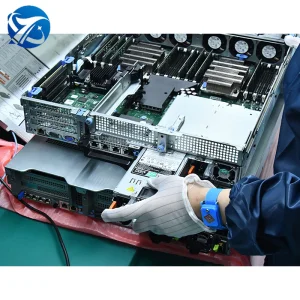
At Korvion, reliable performance is non-negotiable. Our facility implements an ISO 9001-based quality control protocol managed by 56 certified quality control specialists. Every server chassis, network card interface, and processor assembly undergoes comprehensive checks, including:
No two corporate networks are identical. We provide deep hardware customization to ensure optimal integration with your software platform:
Exporting high-performance computing hardware requires strict adherence to international safety and electronic standards. Korvion's hardware platforms are fully compliant with global import regulations, including CE, FCC, RoHS, and UL listings. We ensure that our systems meet electromagnetic compatibility (EMC) standards to minimize interference in high-density data center racks.
Furthermore, our technical support is structured for global scale. We offer localized Field Application Engineering (FAE) support, multi-language technical consulting, and component replacement programs to minimize downtime. With a strong presence across North America, Europe, Southeast Asia, and the Middle East, our clients receive timely shipping updates and dependable technical support.
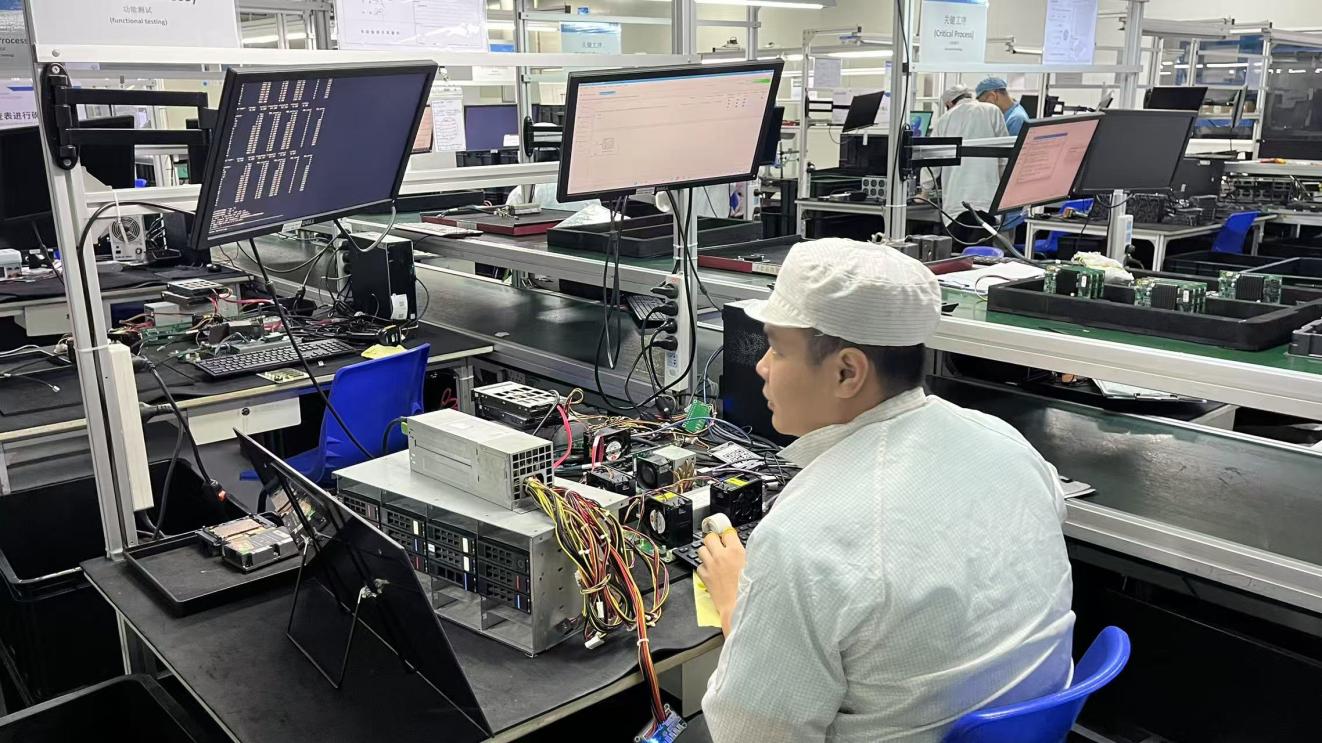
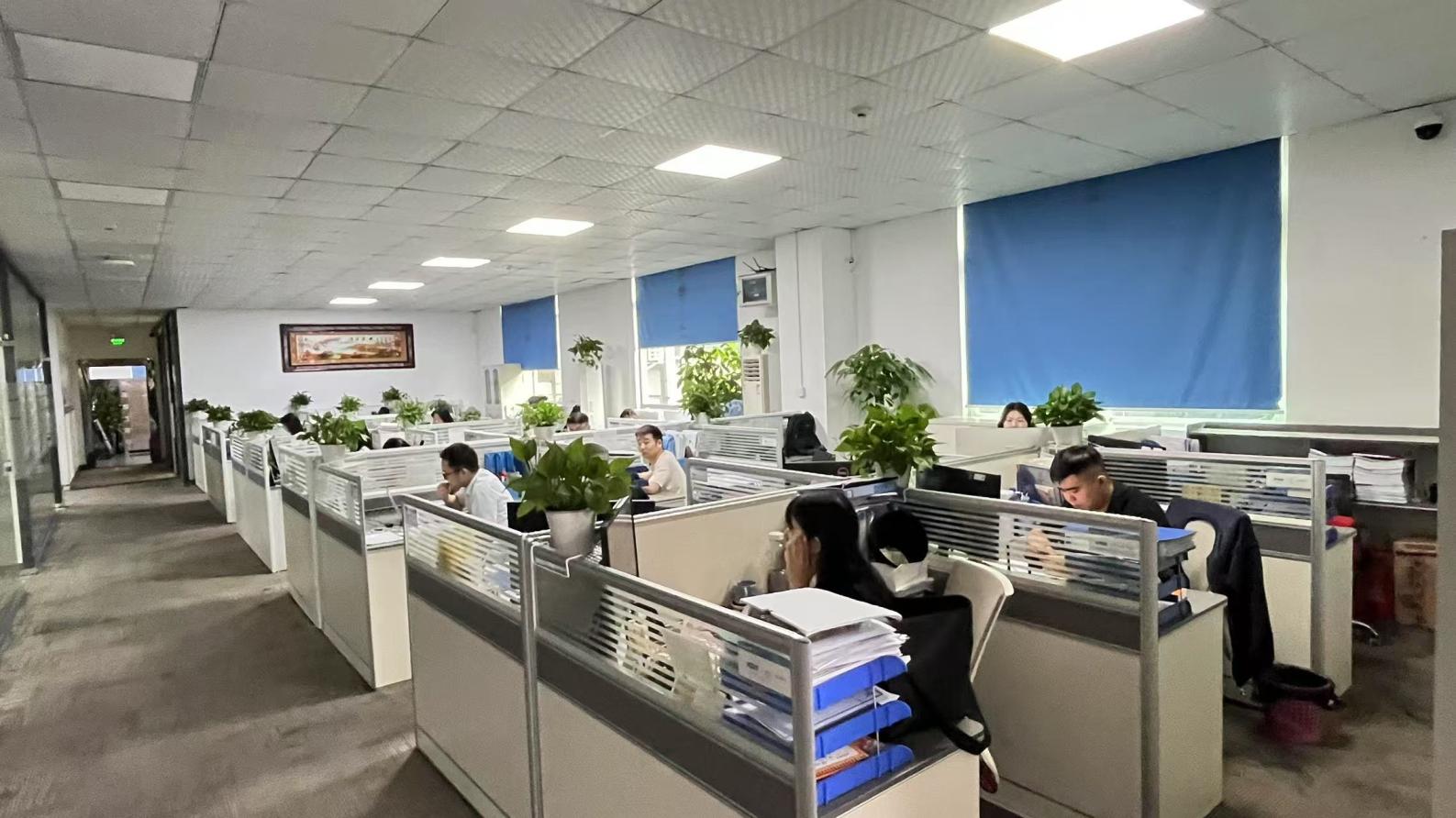
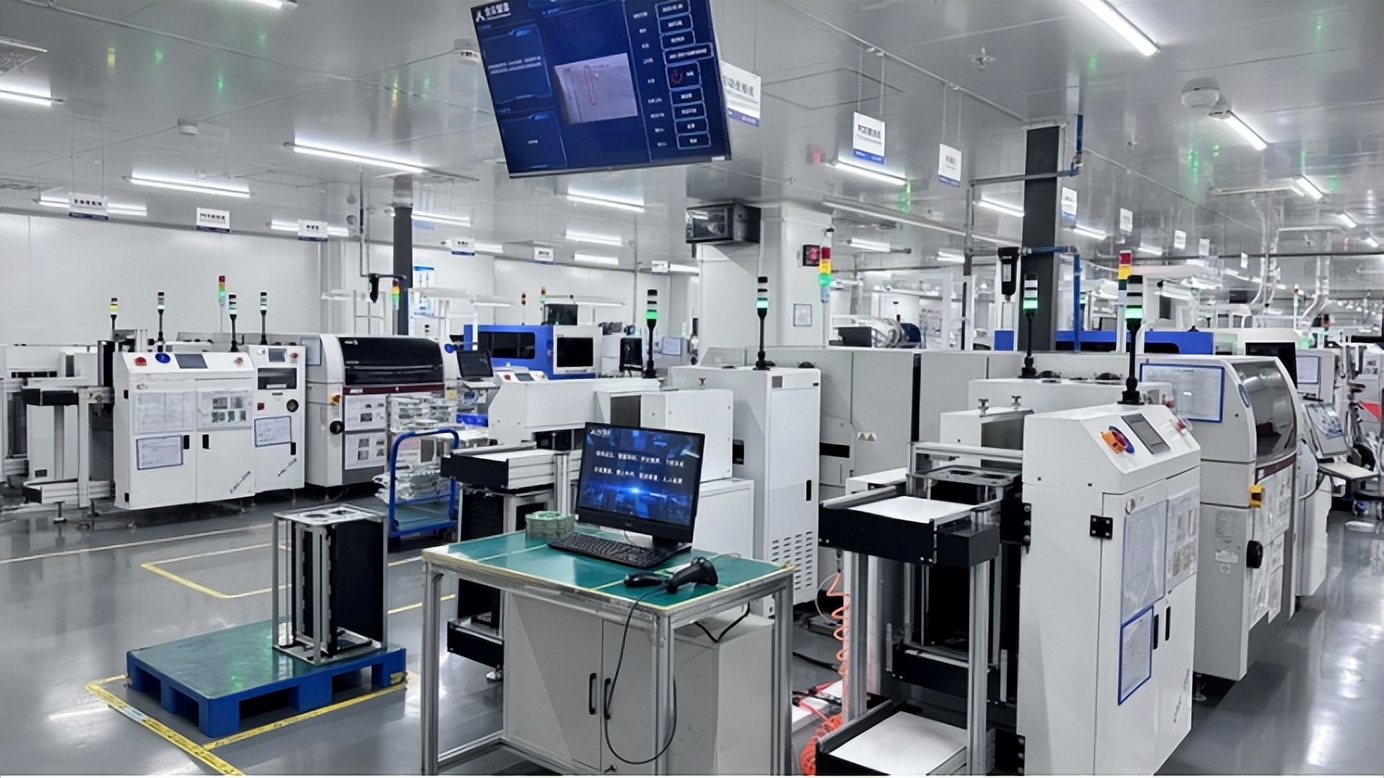
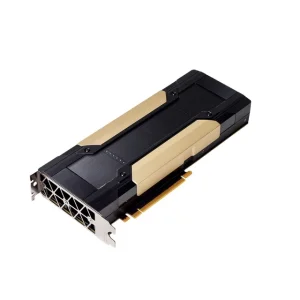
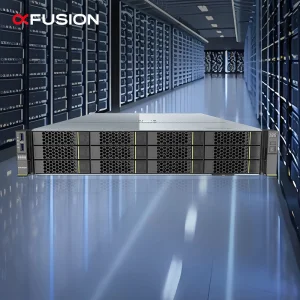
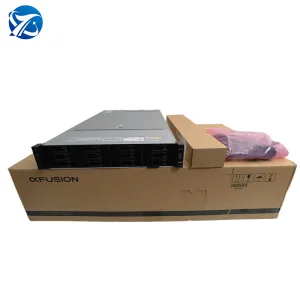
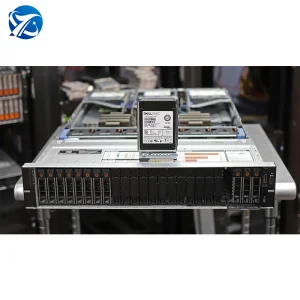
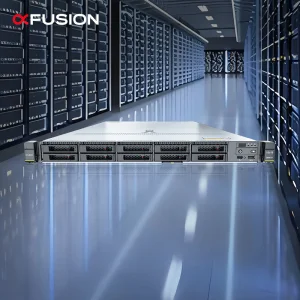
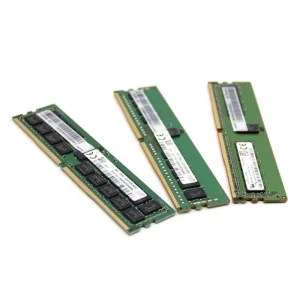
Select from our range of enterprise GPU accelerators, high-speed RAM modules, and highly scalable server chassis optimized for software-defined clusters.
Explore technical answers related to Software-Defined Networking deployments and OEM hardware capabilities.