Korvion
Korvion
Korvion
Reliable computing clusters, GPU processors, and robust storage solutions powering real-time CMS distribution, video walls, and edge analytics rendering engines.
Why modern display networks demand high-performance GPU clustering and resilient server backends.
Historically, digital signage consisted of static media players looping compressed video feeds over HDMI. Today, the global commercial and industrial landscape has transitioned to real-time generative content, high-density LED micro-displays, AI-driven customer analytics, and 8K synchronized multi-screen video walls. This transition means the frontend display is only as powerful as the backend infrastructure managing the distribution, rendering, and processing of programmatic assets.
A comprehensive digital signage system depends on Content Management System (CMS) platforms, real-time transcoding hardware, Edge AI processing blocks, and high-performance server grids. Without enterprise-grade server infrastructure capable of sub-millisecond network queries, real-time programmatic ad insertion (DOOH) fails to render relevant assets to users, defeating the primary intent of active audience customization.
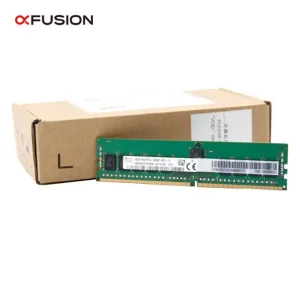
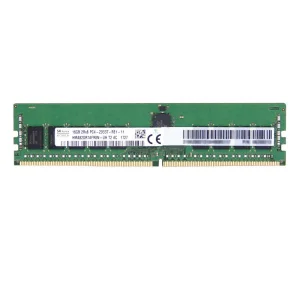
Deploying reliable databases, high-speed RAM buffers, and enterprise-grade servers ensures CMS schedules run perfectly across millions of distributed edge devices globally.
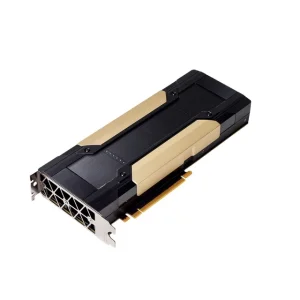
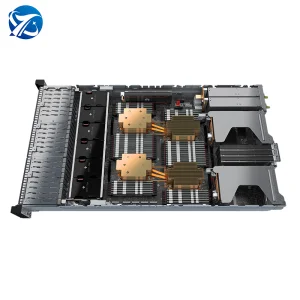
Leveraging high-end PCIe GPUs (like NVIDIA V100/H100) allows the deployment of local computer vision algorithms, measuring audience age, gender, and interaction dwell time instantly.
Running global visual displays in retail, aviation, medical, and public transits requires system platforms certified with strict safety, electromagnetic emission, and data residency (GDPR) codes.
A comprehensive assessment of the world’s leading display engineers, hardware fabricators, and integration partners.
| Manufacturer Name | Headquarters | Primary Strengths & Product Verticals | Target Industries |
|---|---|---|---|
| Samsung Electronics | South Korea | SMART Signage, MagicINFO CMS, microLED (The Wall), Outdoor IP56 Displays | Retail, Corporate, Hospitality, Transit |
| LG Business Solutions | South Korea | webOS Signage, Ultra-Stretch Displays, Transparent OLED, Direct View LED (DVLED) | Control Rooms, Airports, QSR, Corporate |
| Sony Professional | Japan | Crystal LED Video Walls, BRAVIA Professional 4K Displays, TEOS Workspace Manage | High-end Retail, Broadcast, Architecture |
| Planar Systems (Leyard) | United States / China | Fine-Pitch LED, Interactive Touch Screens, LCD Video Walls | Defense, Security, Control Rooms, Retail |
| NEC Display Solutions (Sharp/NEC) | Japan | Active ePaper Displays, High-Brightness LCD, Large Format Displays, Projectors | Education, Airports, Public Infrastructure |
| Daktronics | United States | Large-scale Outdoor LED, Digital Billboards, Scoreboards, Sports Video Systems | Stadiums, DOOH, Transport, Urban Centers |
| Scala (Stratacache) | United States | CMS, Linux-based Media Players, AI-driven Predictive In-Store Advertising Systems | Retail, Dining, Supermarkets |
| Barco | Belgium | High-end projection systems, ClickShare, Image Processing Hardware, LED Displays | Command & Control, Cinema, Meeting Spaces |
| Absen LED | China | Rental LED, Commercial Display Screens, DOOH Billboards, Virtual Production Stages | Concerts, Events, Retail, Studios |
| Korvion / ZhiCloud | Shenzhen, China | Custom GPU servers, Edge compute nodes, high-density memory platforms for digital signage networks | Data Centers, Large Integrators, Cloud Signage |
Samsung remains the undisputed market leader in commercial signage, driven by its proprietary Tizen OS platform and MagicINFO CMS software. Its marquee product, "The Wall", utilizes next-generation MicroLED technology to deliver deep blacks and exceptional contrast ratios. With integrated security powered by Samsung Knox, their solutions are highly favored by financial institutions and corporate lobbies requiring high reliability and network protection.
LG has capitalized on its display technology to introduce unique form factors such as Transparent OLED (T-OLED) and high-aspect-ratio Ultra-Stretch displays. Powered by LG webOS, their digital signage ecosystem allows developers to deploy HTML5 apps easily. LG's outdoor solutions feature specialized anti-reflection coatings and IP56 ratings, making them optimal for drive-thrus and urban information kiosks.
Sony's BRAVIA Professional range stands out for its high-performance image processing chips, delivering rich color accuracy and deep contrast. Sony's TEOS ecosystem integrates workspace management, enabling corporate offices to control hundreds of displays from a centralized portal. Furthermore, Sony’s modular Crystal LED walls provide immersive experiences for high-end automotive studios and broadcast facilities.
Planar, backed by Leyard's massive manufacturing operations, is a leading provider of fine-pitch LED video walls. Their solutions are highly modular, allowing front-serviceability and seamless physical installation. Planar focuses heavily on high-stakes command centers, military briefing rooms, and corporate broadcast studios where failure is not an option.
Sharp NEC Display Solutions specializes in highly durable commercial-grade LCD and ePaper displays. Their ePaper line is revolutionary, drawing almost zero power while displaying static menus or schedules. Sharp/NEC’s open-modular platform architecture (using Raspberry Pi Compute Modules or Intel SDM slots) allows system integrators to upgrade media player systems without swapping out the entire display panel.
When it comes to large stadiums, digital billboards, and massive highway signage, Daktronics is the global leader. Headquartered in South Dakota, USA, their manufacturing facilities build giant outdoor LED structures engineered to survive extreme weather conditions, high wind loads, and intense UV exposure, backed by custom cooling architectures and real-time sensor diagnostics.
Scala, a division of Stratacache, excels in the digital signage software space while engineering custom media players designed for heavy compute workloads. Scala’s platforms specialize in predictive digital signage, analyzing real-time data feeds—like weather, local stock levels, and camera demographic profiling—to adjust menu boards dynamically, driving maximum conversion at retail points of sale.
Barco is an industry leader in complex image rendering, projection mapping, and signal routing. Their image processors, such as the E2 series, manage millions of pixels across dozens of screens with zero frame latency. They are the preferred manufacturer for large theater complexes, multi-screen command centers, and corporate auditoriums requiring pixel-perfect presentation scaling.
Absen is highly regarded in the live events and virtual production markets. Their products feature high refresh rates, high grayscale depths, and HDR support. This makes them exceptional for television studios and virtual production spaces, where digital displays replace traditional green screens for realistic, real-time background rendering.
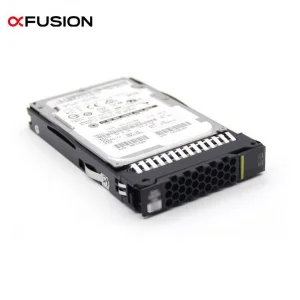
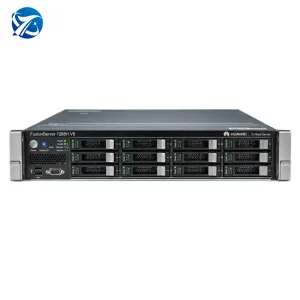
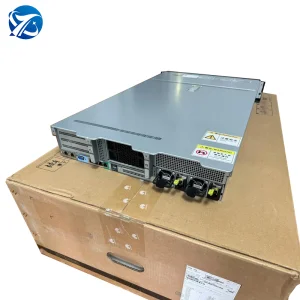
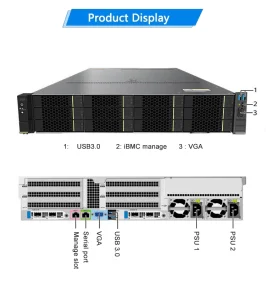
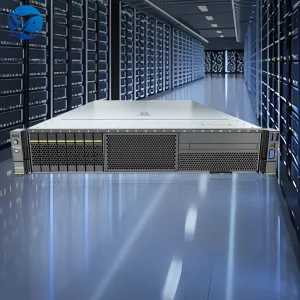
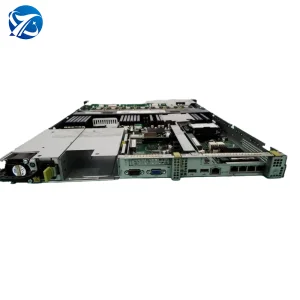
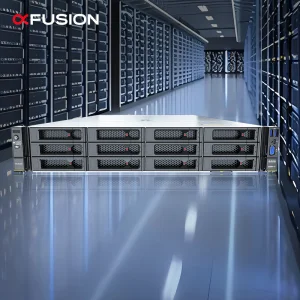
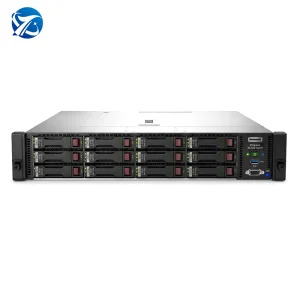
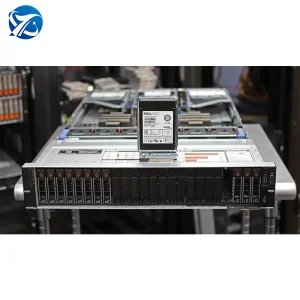
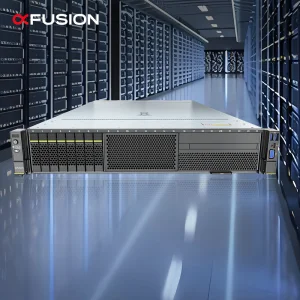
While the top 9 focus on visual outputs, Korvion represents the backend processing power. Massive digital signage networks require robust server infrastructure to transcode 4K videos, host databases, run virtual CMS containers, and handle AI telemetry. Korvion designs custom AI GPU servers, high-capacity SAS/SATA storage modules, and virtualization rack servers that power cloud CMS clusters globally.
Founded in 2017, Korvion Technology Co., Ltd. is a professional manufacturer and solution provider specializing in AI GPU servers, high-performance computing (HPC) systems, GPU clusters, and data center infrastructure solutions. Headquartered in Shenzhen, China, the company operates a modern production facility covering 385 square meters and serves customers worldwide with reliable, scalable, and customized computing platforms.
With over 9 years of export experience and 15 years of industry expertise, Korvion has established a strong reputation for delivering advanced computing solutions tailored to the rapidly growing artificial intelligence, machine learning, cloud computing, and enterprise data center sectors.
Our annual export revenue exceeds USD 18 million, supported by a robust global supply network of more than 1,250 supply chain partners. We work closely with leading component suppliers to ensure stable product quality, competitive pricing, and timely delivery.
Without high-density storage arrays, media playback databases cannot serve high-bitrate media files reliably. Furthermore, local video analysis algorithms (used to count visitors or detect viewer engagement) require dedicated GPU computing servers. Korvion provides the fundamental computing blocks to system integrators globally, ensuring uninterrupted performance for high-traffic public installations.
Take a look inside our high-tech testing laboratories, fabrication lines, and structural integration units.
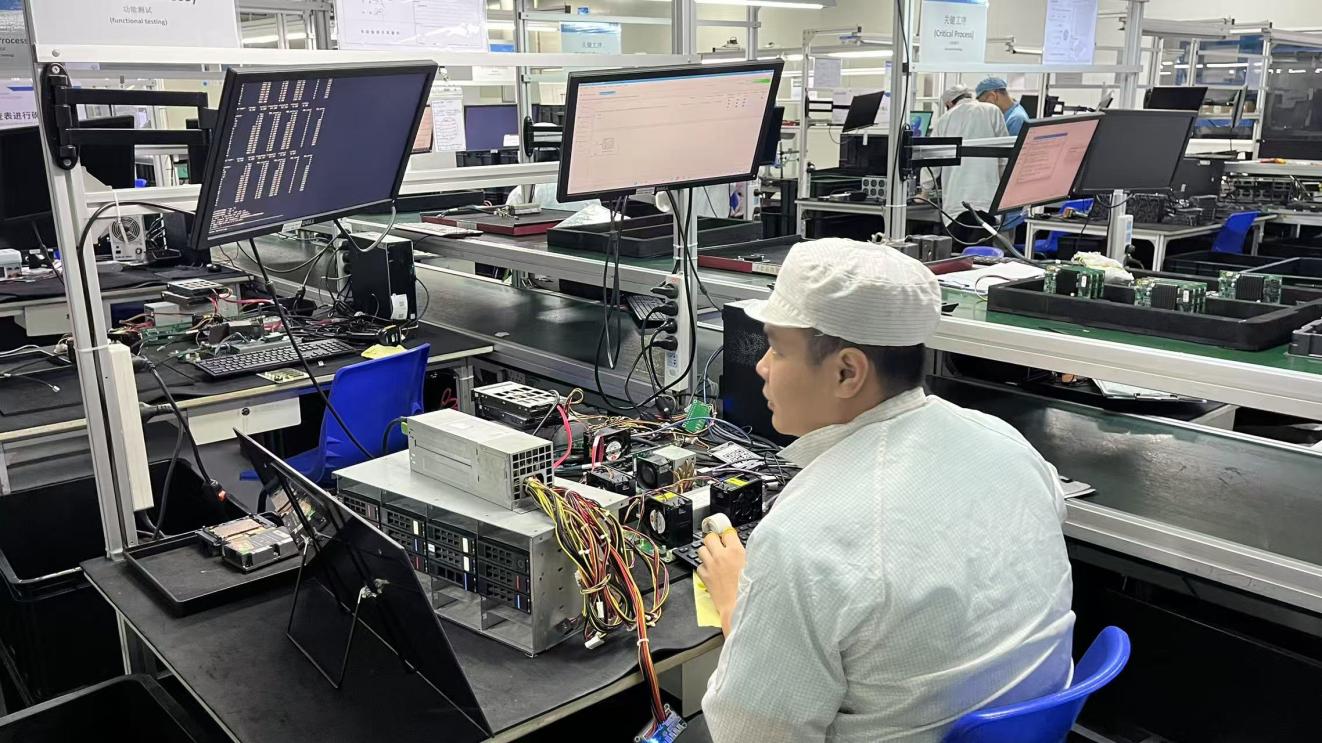
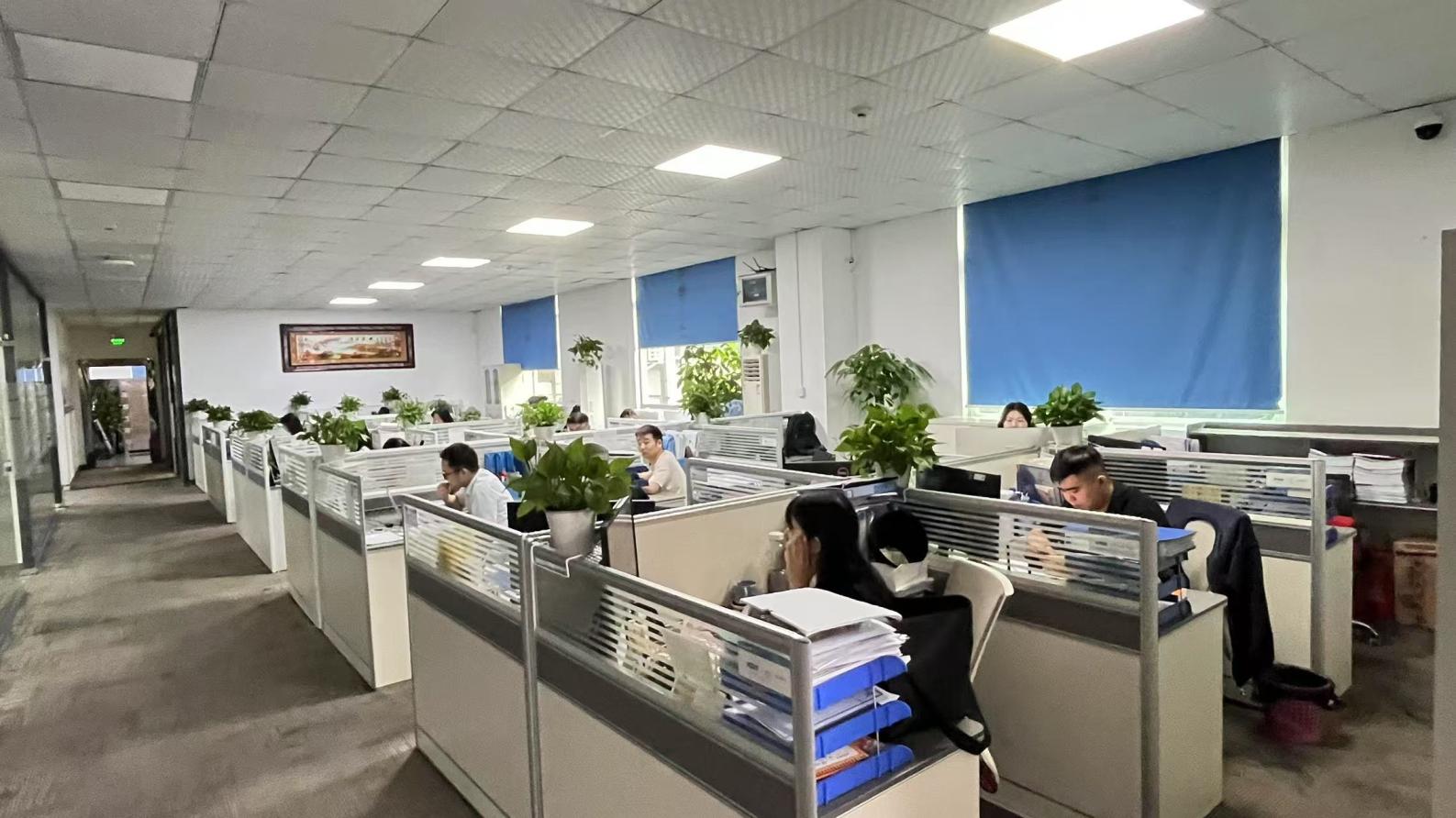
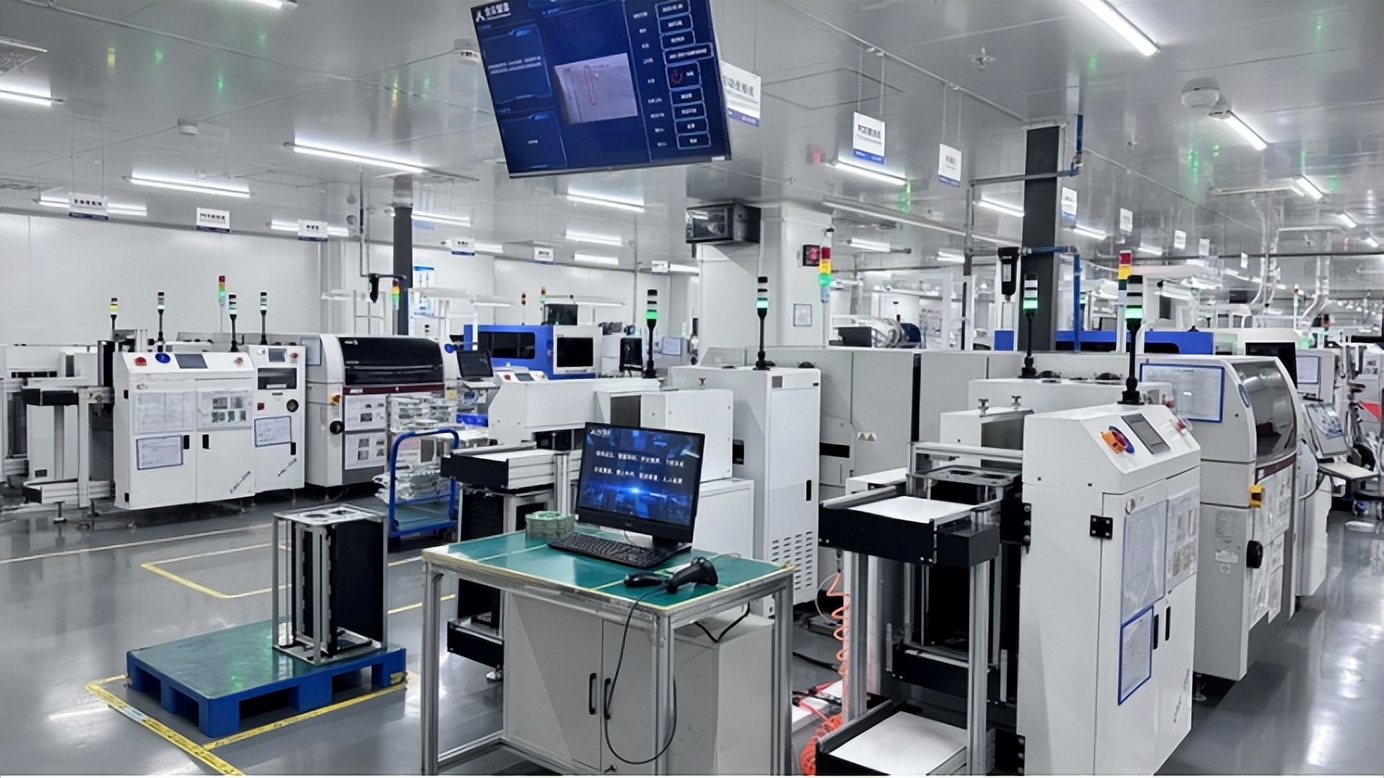
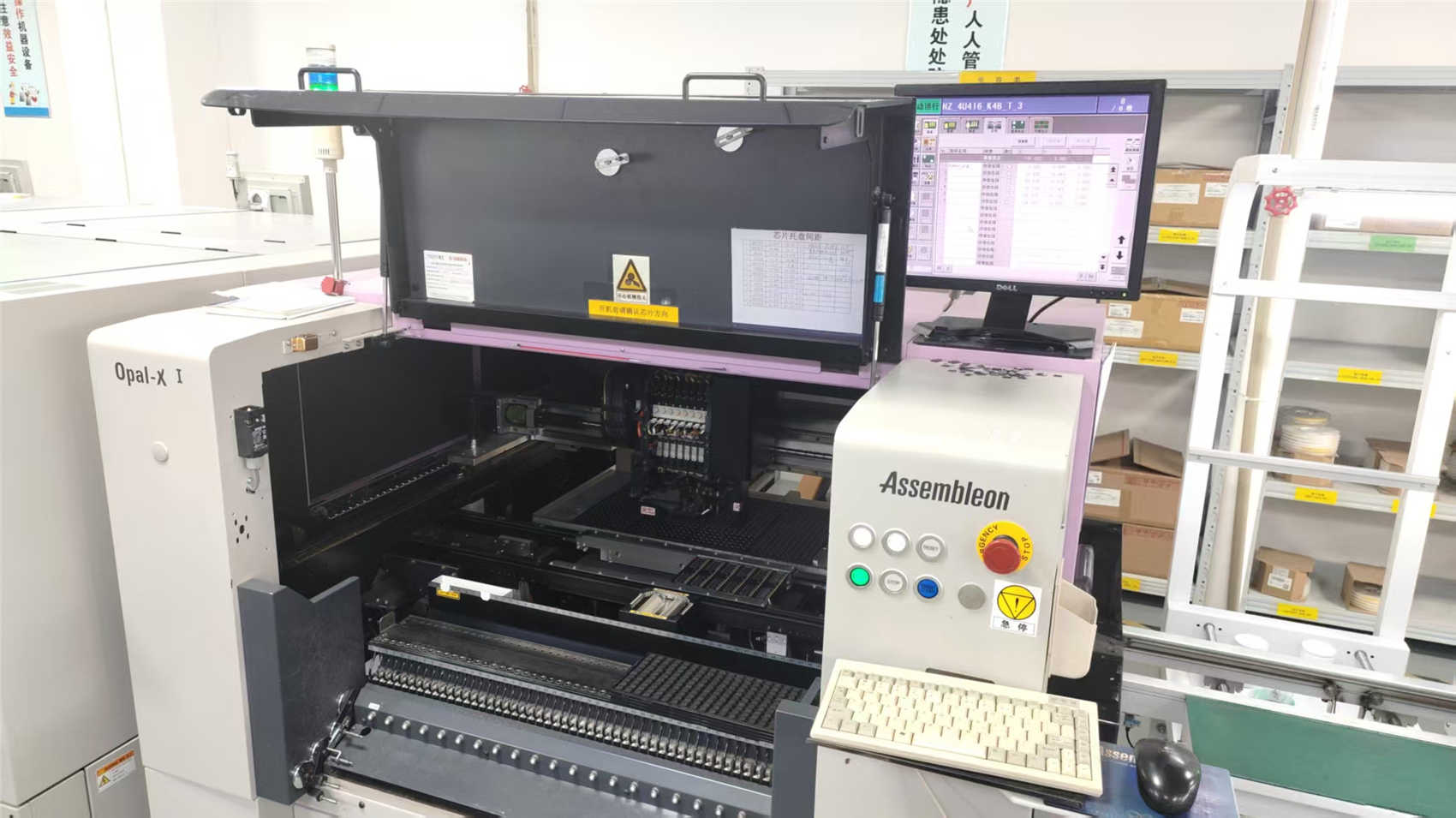
Innovation drives our growth. Our R&D department consists of 128 experienced engineers specializing in server architecture, thermal design, AI computing optimization, and customized hardware integration. Last year alone, Korvion introduced 86 new products and solution upgrades, helping customers stay competitive in the evolving AI infrastructure market.
We offer comprehensive OEM and ODM services, including chassis customization, branding, hardware configuration, rack integration, liquid cooling deployment, GPU cluster design, and turnkey AI infrastructure solutions. Our flexible customization capabilities allow customers to build solutions that precisely match their business and technical requirements.
Today, Korvion serves a diverse customer base, including AI startups, cloud service providers, system integrators, research institutions, universities, enterprise data centers, and GPU hosting companies across North America, Europe, Southeast Asia, the Middle East, and Latin America.
Analyzing key technological shifts shaping the next generation of dynamic digital displays.
Chip-On-Board (COB) technology encapsulates LEDs directly on the PCB, providing higher physical impact resistance, dust protection, and water resistance, while shrinking the pixel pitch below 0.7mm.
Future displays will not play pre-rendered videos. Content will be generated in real-time by edge computing nodes using local LLM engines like DeepSeek, adapting context based on demographic shifts.
The complete migration from matrix switchers and HDBaseT to standard 10Gb ethernet structures, allowing point-to-point uncompressed 4K video streams to route with zero latencies over existing IT lines.
Addressing critical engineering questions asked by procurement directors and enterprise IT architects.
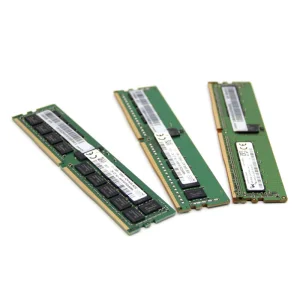
Complete your deployment with our range of performance server memory, computing nodes, and cloud storage systems.