Korvion
Korvion
Korvion
Premium server nodes, high-density architecture, and hardware array controllers optimized for high-bandwidth networks, hybrid cloud storage, and AI processing environments.
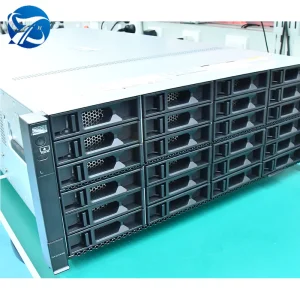
Global enterprise IT departments are moving rapidly past single-layer public cloud dependencies. Modern enterprise data strategy demands hybrid architectures combining local high-performance hardware with localized cloud nodes. This shift is driven by three core priorities: latency reduction for artificial intelligence models, extreme read/write optimization for distributed databases, and strict localization requirements.
To support next-generation workloads like large language model (LLM) training, real-time analytics, and enterprise ERP systems, procurement managers are sourcing advanced, multi-socket storage arrays, high-speed RAM, and specialized PCIe controller cards directly from premium China-based manufacturers. By controlling physical hardware configurations, global enterprises achieve up to a 40% reduction in total cost of ownership (TCO) compared to legacy cloud storage models.
Direct component selection from PCIe Gen 4/5 controller configurations down to RAM clock speeds.
Self-encrypting drives (SED), enterprise-grade RAID cache protection, and TPM 2.0 modules.
Shenzhen represents the epicenter of global server development and high-density semiconductor assembly, ensuring immediate access to cutting-edge compute innovations.
Shenzhen's industrial clusters ensure that the lag time between a component launch (such as DDR5 RDIMM or PCIe Gen 5 controllers) and server rack integration is virtually non-existent. Factories enjoy direct interfaces with global semiconductor packaging centers.
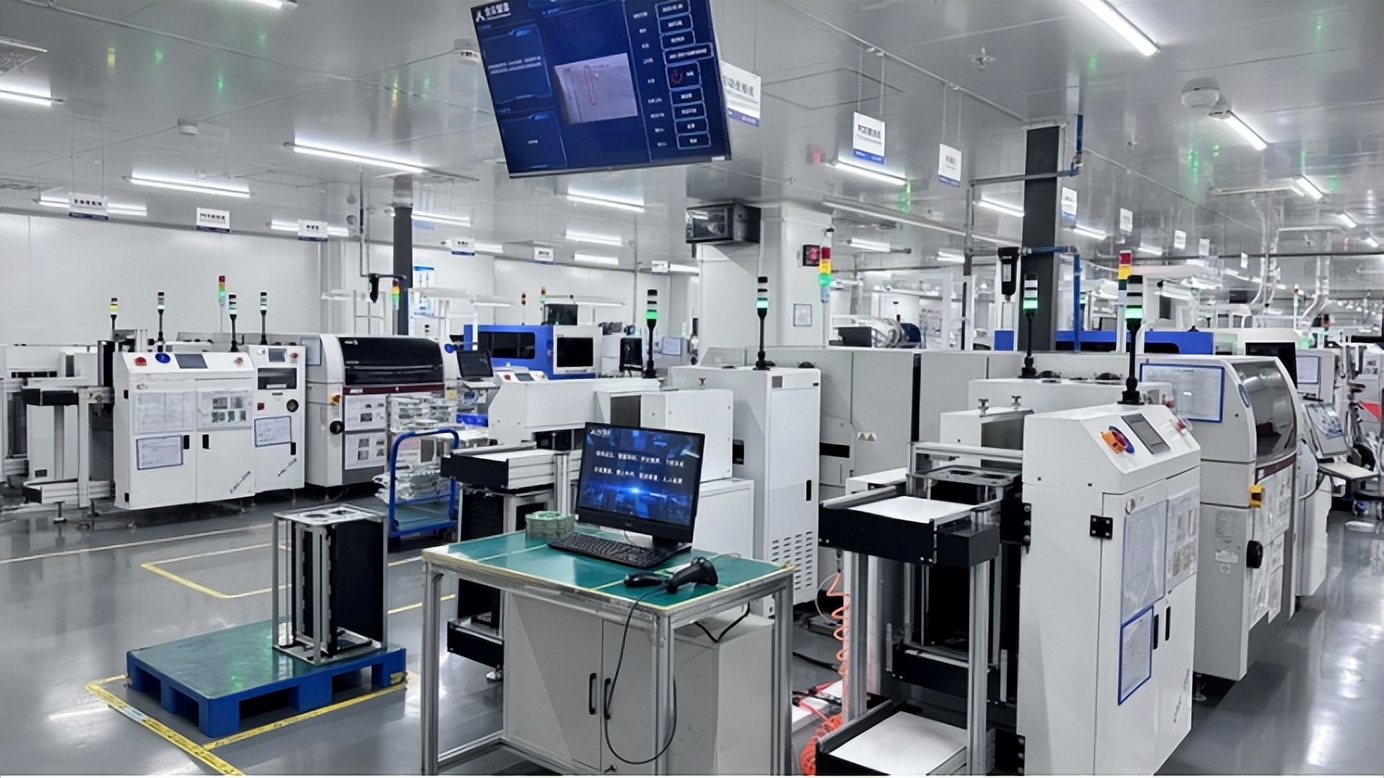
Due to decades of manufacturing experience, local facilities operate on highly refined lean processes. This translates to lower defect rates, high signal integrity across motherboard traces, and lower manufacturing unit costs.
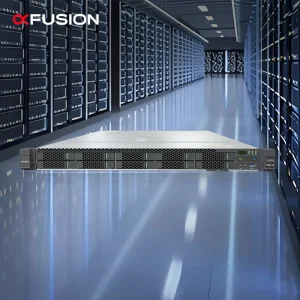
OEM/ODM services are built directly into the assembly line. Whether configuring a 1U short-depth server node or deploying high-performance liquid cooling setups for GPU clusters, engineering adjustments happen in real time.
In the current regulatory climate, physical storage hardware cannot be detached from local compliance standards. Procurement specialists must ensure that deployed systems respect strict global requirements including:
Our exported server solutions incorporate multi-layered hardware level security protocols, dual redundant power suppliers (CRPS), and firmware structures that allow for secure boot parameters. This ensures that when your systems are configured within a private cloud network, they pass rigorous external cybersecurity audits with ease.
A trusted, high-performance computing manufacturer supplying advanced hardware configurations to system integrators, scientific institutions, and global cloud data centers.
Founded in 2017, Korvion Technology Co., Ltd. is a professional manufacturer and solution provider specializing in AI GPU servers, high-performance computing (HPC) systems, GPU clusters, and data center infrastructure solutions. Headquartered in Shenzhen, China, the company operates a modern production facility covering 385 square meters and serves customers worldwide with reliable, scalable, and customized computing platforms.
With over 9 years of export experience and 15 years of industry expertise, Korvion has established a strong reputation for delivering advanced computing solutions tailored to the rapidly growing artificial intelligence, machine learning, cloud computing, and enterprise data center sectors.
Our annual export revenue exceeds USD 18 million, supported by a robust global supply network of more than 1,250 supply chain partners. We work closely with leading component suppliers to ensure stable product quality, competitive pricing, and timely delivery. Quality is at the core of our operations. Korvion implements a comprehensive ISO 9001-based quality management system, supported by a dedicated team of 56 quality control professionals.
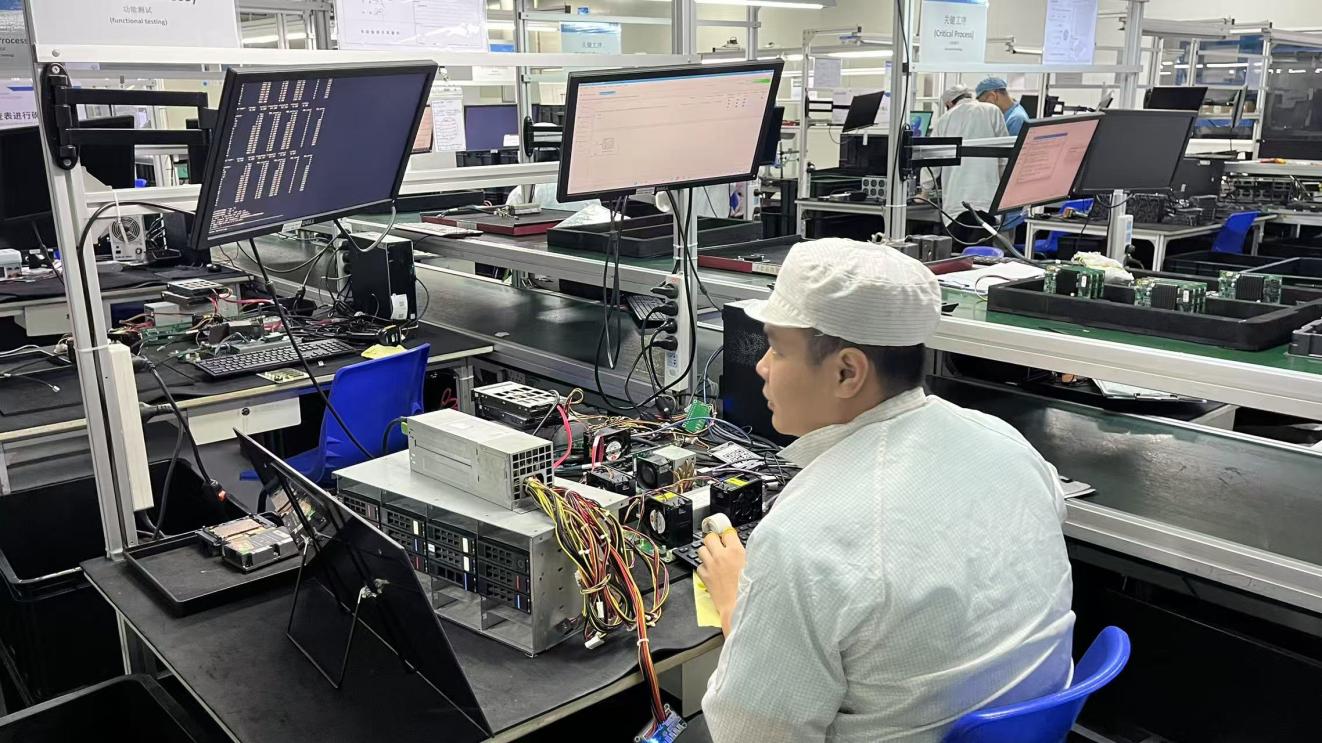
Every product undergoes rigorous inspection procedures, including incoming material inspection, functional testing, burn-in testing, thermal performance verification, system stability validation, and final shipment inspection, ensuring dependable performance in mission-critical environments.
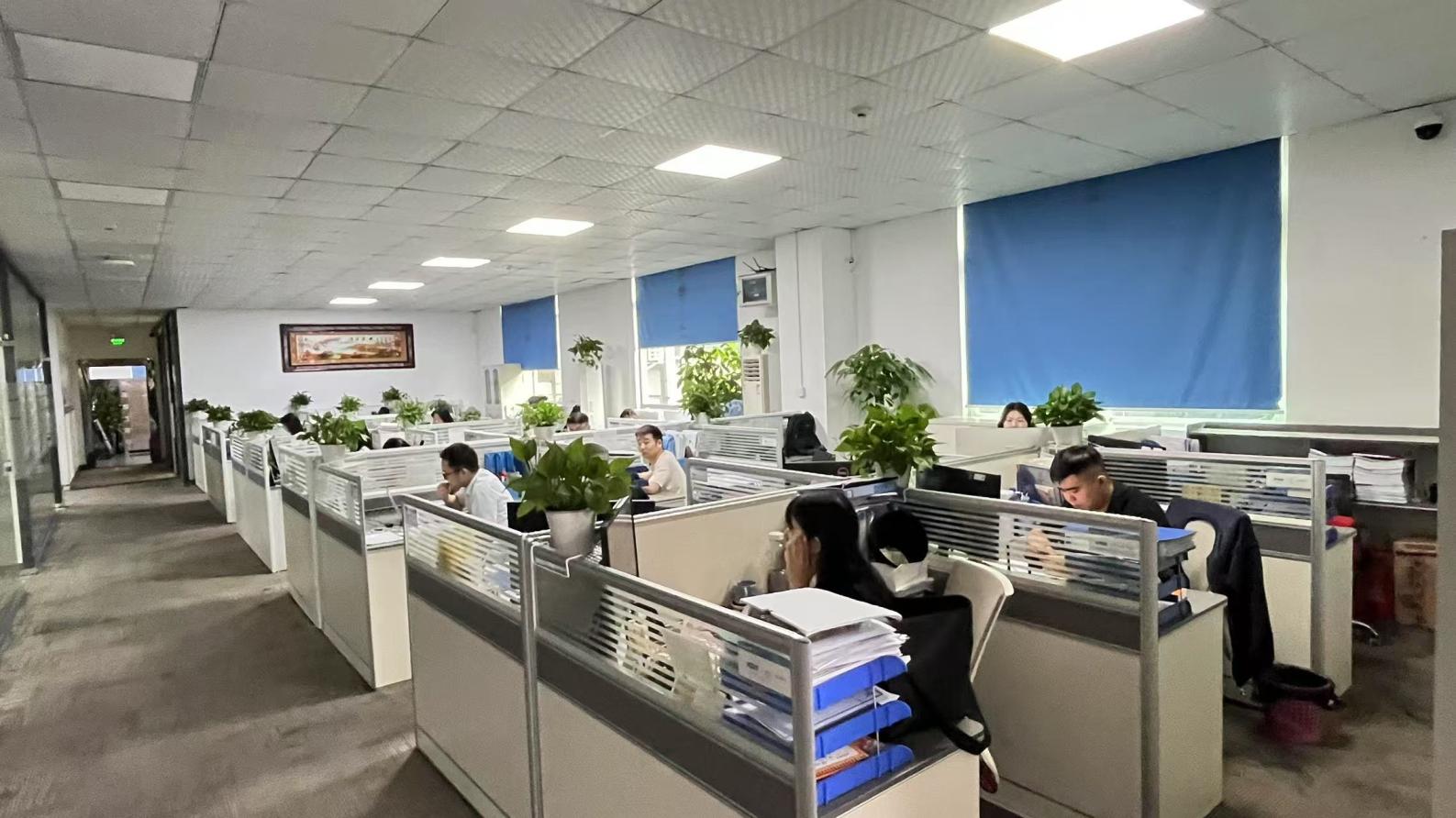
Innovation drives our growth. Our R&D department consists of 128 experienced engineers specializing in server architecture, thermal design, AI computing optimization, and customized hardware integration. Last year alone, Korvion introduced 86 new products and solution upgrades, helping customers stay competitive in the evolving AI infrastructure market.
We offer comprehensive OEM and ODM services, including chassis customization, branding, hardware configuration, rack integration, liquid cooling deployment, GPU cluster design, and turnkey AI infrastructure solutions. Our flexible customization capabilities allow customers to build solutions that precisely match their business and technical requirements.
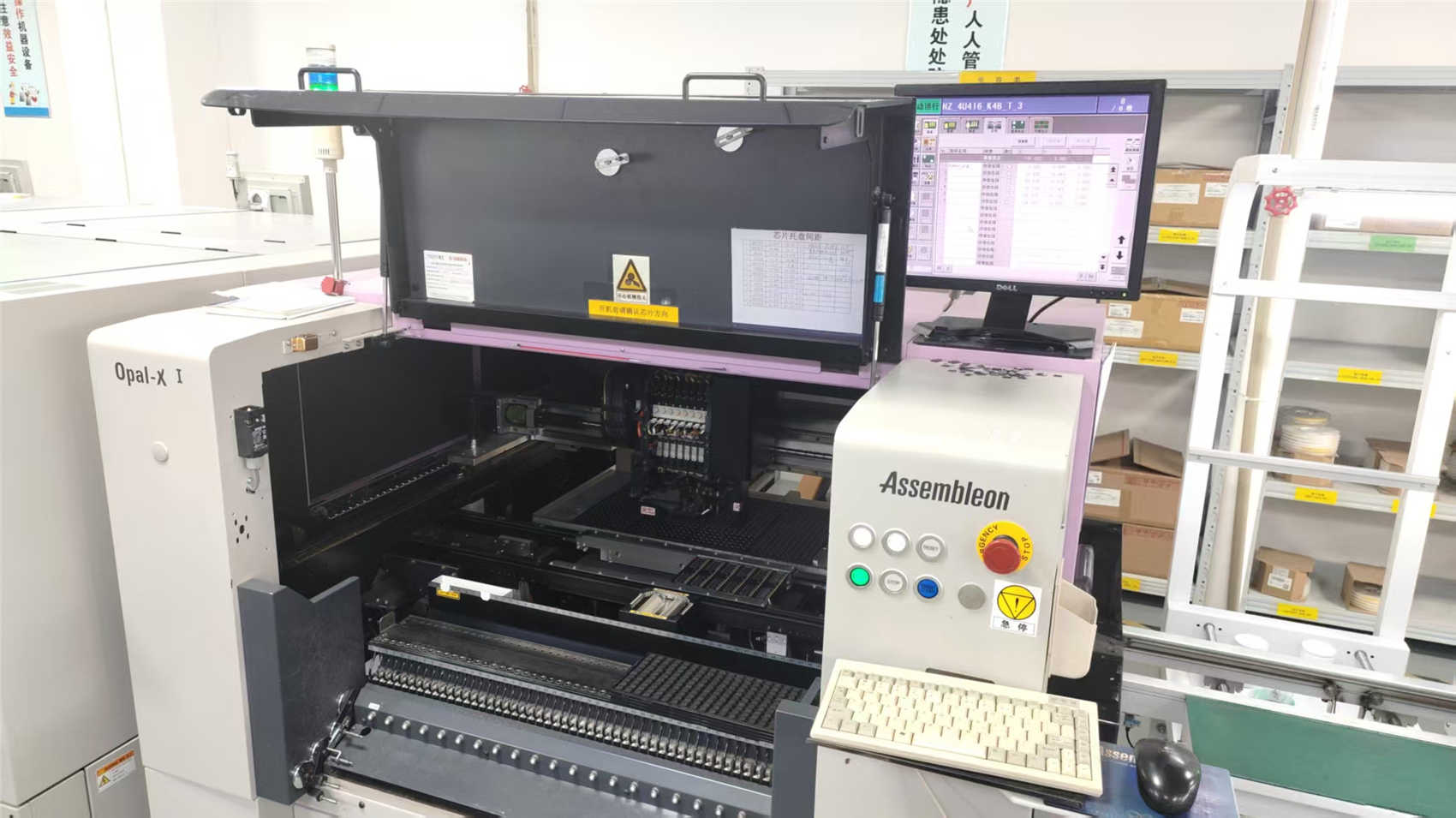
Enterprise workloads require highly specific physical server layouts. Below is how we match hardware configurations to modern localized application needs.
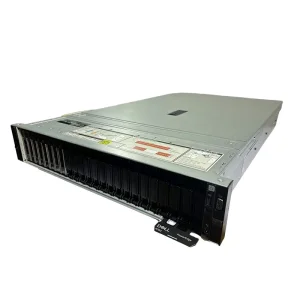
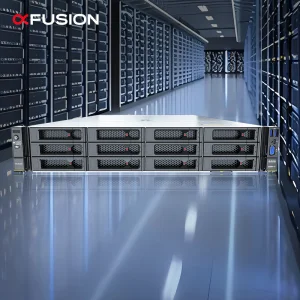
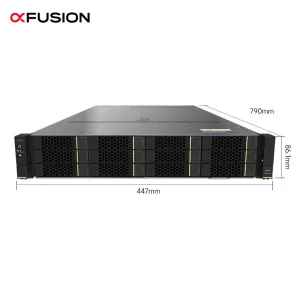
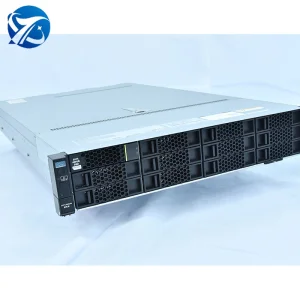
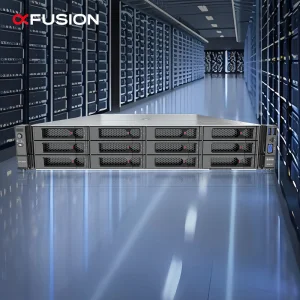
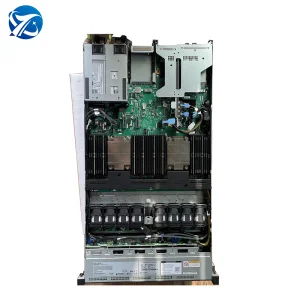
Integrating servers like the xFusion 2288H V7 2U AI Deepseek System or the G5500 V6 allows enterprises to deploy dense GPU networks locally. These structures prevent continuous bandwidth leakage to public clouds while accelerating deep learning pipelines.
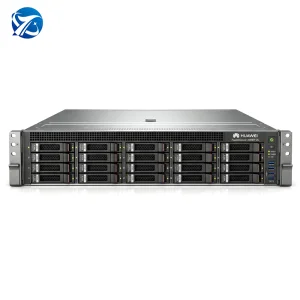
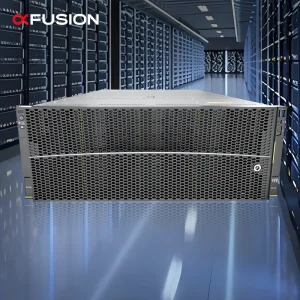
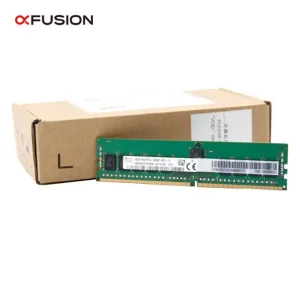
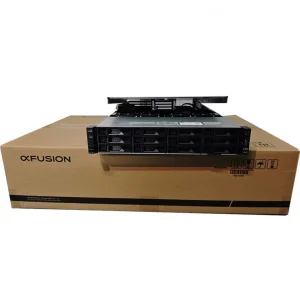
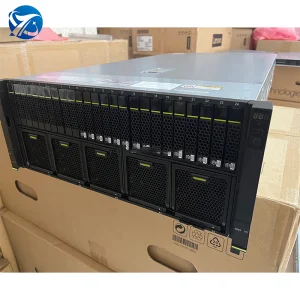
By pairing solutions like the FusionServer 5288 V6 4U 36-Bay server with high-performance DDR4/DDR5 ECC RAM modules, enterprises construct petabyte-scale local storage vaults. This setup ensures sub-millisecond access times for regional offices.
For mission-critical data processing where failure is not an option, the 2488H V5 4-Socket Server delivers multiple processor redundancy, massive memory channels, and advanced RAID array support to maintain continuous operations during transaction spikes.
The global cloud and server industry is facing unprecedented thermal and electrical demands. Standard air cooling setups are hitting their physical limits due to TDP constraints of modern multi-core CPUs and high-octane GPU clusters. In response to this, server design is evolving toward liquid-to-air heat exchange configurations and direct-to-chip (D2C) liquid cooling blocks.
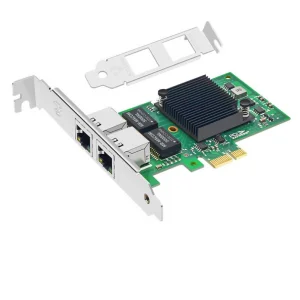
Simultaneously, the industry is witnessing a complete migration to PCIe Gen 5.0 and Gen 6.0 interfaces, alongside DDR5 memory speeds scaling beyond 6400MHz. Storage arrays now demand high-speed interface cards like the 9560-8I Tri-Mode RAID Controller to prevent standard disk pipelines from choking CPU processing lines. Our engineering department continues to stay ahead of these trends, releasing up to 86 upgrades annually to guarantee that your infrastructure investment remains viable for years to come.
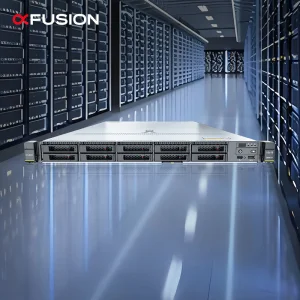
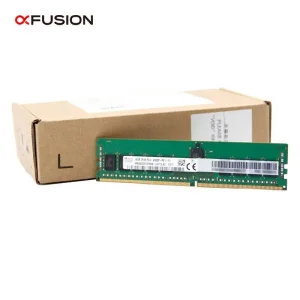
Maximize computing efficiency and memory bandwidth with high-grade DDR5 ECC RAM modules and next-generation V7 rack mount configurations.
Direct technical answers addressing system integration, factory custom parameters, and global trade compliance.