 Korvion
Enterprise 10G / 25G / 100G switching, AI rack servers and data-centre infrastructure engineered for Siberian research clusters, energy operators, logistics parks and cloud providers — backed by 15 years of industry expertise, 128 R&D engineers and a 1,250-partner supply network.
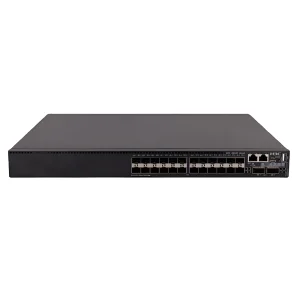
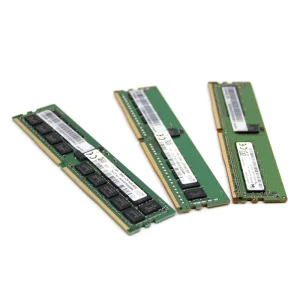
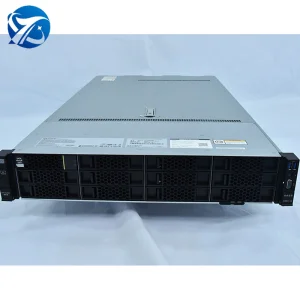
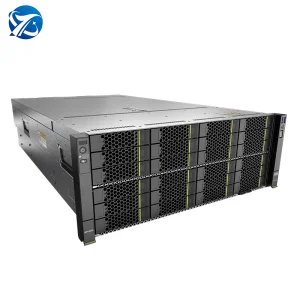
Send Inquiry NowFour of the most frequently requested platforms from buyers in Novosibirsk, Akademgorodok and the wider Siberian Federal District — spanning core switching, server memory, AI rack servers and GPU hosting hardware.
Procurement in Siberia is not a copy of procurement in Moscow, Frankfurt or Singapore. The climate, the logistics chain and the composition of local industry rewrite the specification sheet.
Novosibirsk is far more than another regional city on a delivery map. It is the administrative, scientific and industrial capital of the Siberian Federal District, home to roughly 1.6 million people, and the seat of Akademgorodok — one of the densest concentrations of research institutes, universities and computation-intensive laboratories in Northern Asia.
That combination produces a very specific equipment demand profile. Research institutes need low-latency switching for simulation and AI workloads. Enterprise data centres need stable 10G and 25G leaf-spine fabrics with headroom for 100G uplinks. Energy, mining and transport operators need ruggedised, wide-temperature equipment that survives remote sites and unheated cabinets. Retail chains and public-sector programmes need PoE campus switching with predictable lifecycle support.
When a Novosibirsk procurement team evaluates a network switch manufacturer & supplier serving Novosibirsk, the questions are practical: does the hardware arrive tested and pre-configured, does it survive a Siberian winter in transit and in operation, is there documentation for customs, and is there a spare-parts path three years from now? Our answer is built around verified components, documented testing and factory-direct configuration rather than catalogue promises.
Korvion operates from Shenzhen, China, and ships into the Siberian Federal District through consolidated air and rail-road corridors. Because we are a manufacturer and solution provider — not a reseller — every switch, server and memory kit leaves our facility with a traceable inspection record.
Demand for network switches in and around Novosibirsk is generated by six distinct buyer segments, each with different technical priorities.
Akademgorodok, Novosibirsk State University, NSTU and a network of physics, mathematics, catalysis and computational institutes run simulation, genomics and AI workloads. They require low-latency 10G/25G fabrics, RoCE-capable switching and dense server memory — the exact combination of networking and computing hardware we supply.
Data localisation expectations, enterprise migration to cloud services and regional hosting providers are expanding rack capacity in Novosibirsk. Operators need resilient leaf-spine topologies, 40GE/100GE uplinks and servers that can be added incrementally without re-architecting the fabric.
Siberian utilities, coal and metals operations in the wider district depend on industrial Ethernet and remote-monitoring networks. Wide-temperature switches, redundant power inputs and long-haul fibre links matter more than raw port density in these deployments.
Novosibirsk sits on the Trans-Siberian Railway and major federal highway corridors, and Tolmachevo serves as a regional air hub. Warehouse automation, customs terminals, cold-chain monitoring and rail telemetry all consume industrial and campus switching.
Machine-building, instrument-making, aerospace suppliers and food processing plants are progressively connecting production lines to plant networks. Deterministic Ethernet, PoE for sensors and cameras, and segmentation between OT and IT zones are core requirements.
Diagnostic imaging, video surveillance analytics and multi-site retail networks generate steady demand for PoE access switching, high-throughput aggregation and storage-backed servers. Reliability and service continuity take priority over peak throughput.
Rack designs that were 1G/10G five years ago are now specified with 25G server access and 100G backbone ports. Choosing a switch with 40GE uplinks and expansion capability protects the investment when the backbone is upgraded.
GPU nodes require congestion control, PFC and ECN to keep collective training traffic efficient. Ethernet with RoCEv2 has become the mainstream alternative to dedicated fabrics for mid-sized AI clusters of the kind deployed by universities and hosting providers.
Inference is moving closer to the data source — mines, warehouses, clinics and retail outlets. Compact, fanless or short-depth switches and 1U/2U servers now make up a growing share of regional shipments.
NETCONF/YANG, streaming telemetry and SONiC-compatible platforms reduce manual configuration. Buyers increasingly ask whether a switch can be integrated into existing automation pipelines before they ask about port count.
Energy costs and cabinet thermal limits push buyers toward higher-efficiency power supplies, front-to-back airflow and liquid-cooling-ready servers. Heat is not an abstraction in a Siberian winter — it is a design constraint inside sealed cabinets.
After several years of supply volatility, procurement teams now demand dual-source components, documented end-of-life roadmaps and confirmed spare-part availability before signing a frame agreement.
Across North America, Europe, the Middle East, Southeast Asia and the CIS region, our inbound RFQs keep weighting the same criteria — and price is rarely the deciding one.
Between 2020 and 2025, buyer behaviour changed permanently. A decade ago, an RFQ for 24-port 10G switches typically asked for a unit price and a delivery date. Today the same RFQ arrives with a compliance matrix: operating temperature range, firmware version, MTBF expectations, packaging standard, warranty terms, RMA turnaround and whether the supplier can commit to a second production batch six months later.
That shift rewards factory-direct suppliers that control testing and configuration. It penalises intermediaries who can quote a price but cannot document a process. For Novosibirsk buyers — who face longer freight legs and higher cost of failure — this risk-weighted approach is even more pronounced.
Manufacturing depth in China is not a marketing claim — it is the reason lead times hold when a single component goes on allocation.
A deep component ecosystem around Shenzhen allows qualified substitution and continuous allocation when a specific part becomes constrained.
A structured quality management system governs incoming inspection, in-process control and final shipment release across every order.
Server architecture, thermal design, AI computing optimisation and hardware integration teams build 86 new products and upgrades each year.
Chassis customisation, branding, hardware configuration, rack integration, liquid-cooling deployment and turnkey AI infrastructure design.
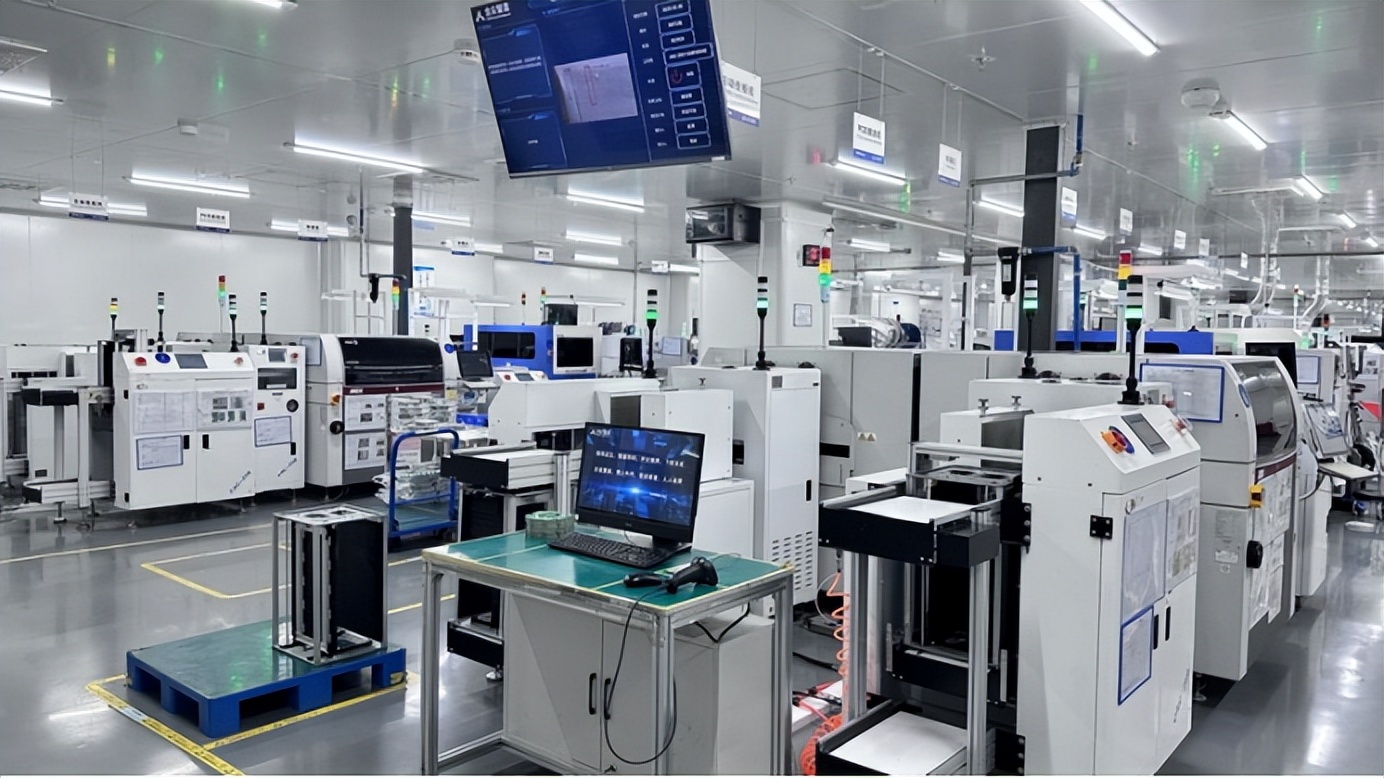
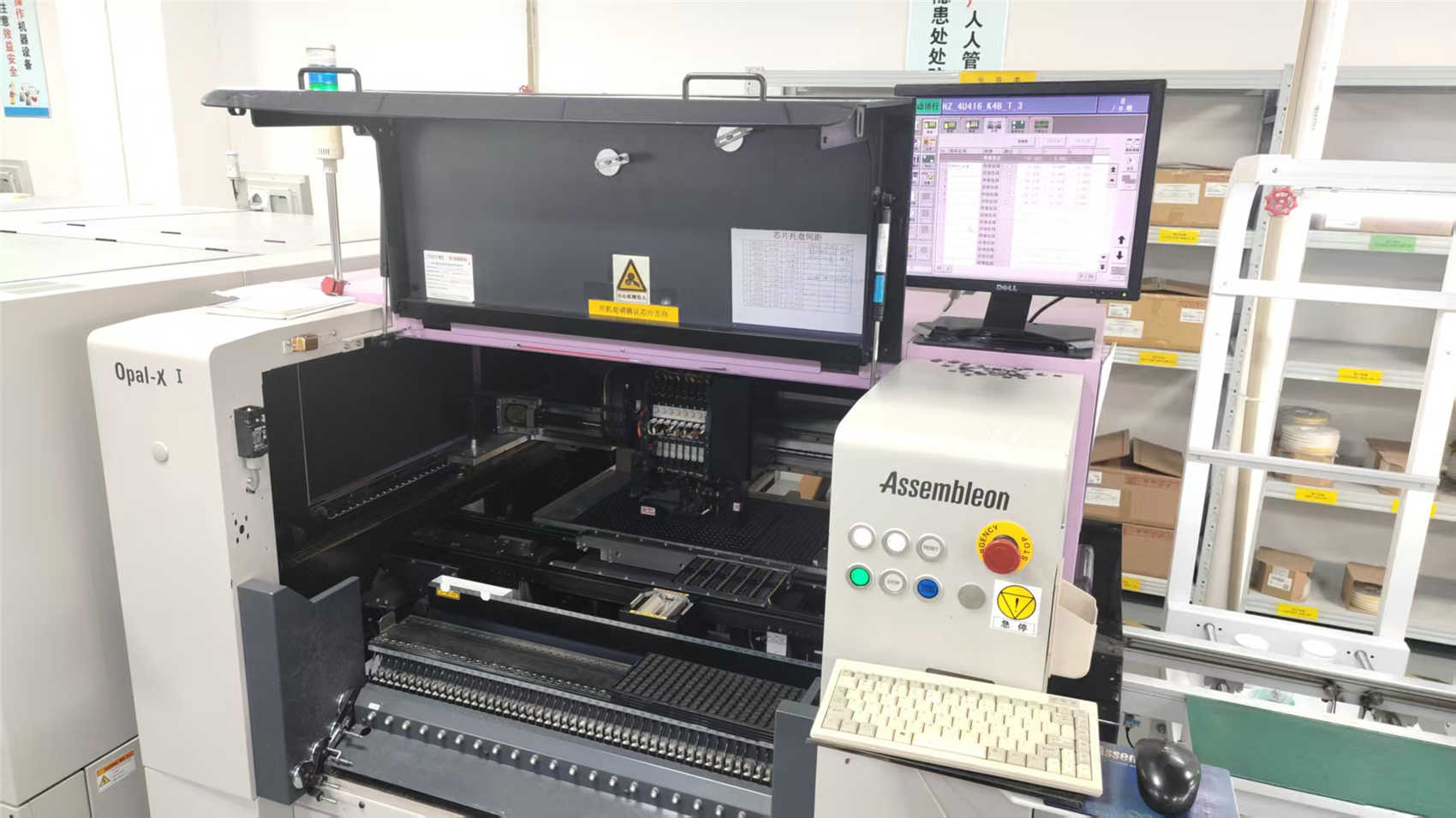
Factory 4.0 is often described in terms of robots and dashboards. For a buyer in Siberia, the practical meaning is different: it means the supplier knows exactly which unit was built, which components went into it, how long it was burned in, and what its thermal profile looked like before it was boxed for shipment.
Digital traceability converts a shipment into a document set. If a memory module or a power supply needs replacement two years later, the record exists. That is the difference between a supplier and a source.
Efficiency works the same way. Consolidated picking, pre-configured firmware profiles and pre-packaged rack kits reduce the time a system integrator in Novosibirsk spends on staging. Every hour saved at the factory becomes a day saved in the deployment timeline.
Networking rarely ships alone. These four platforms are commonly consolidated into the same container as a switch order heading to Siberia.
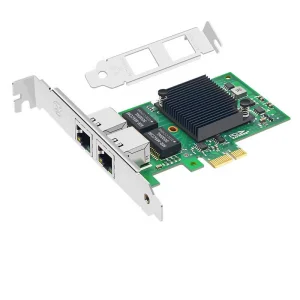
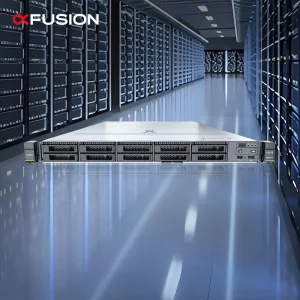
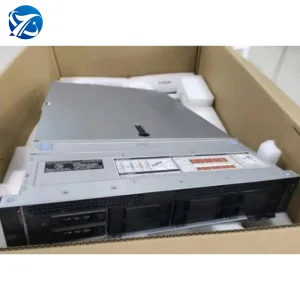
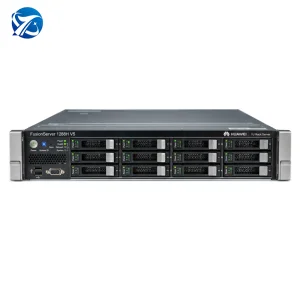
Research groups building GPU nodes need 25G access switching with lossless Ethernet, plus high-density RDIMM memory and redundant storage controllers. Typical builds range from 8 to 64 nodes and are frequently expanded in phases.
Two-tier fabrics with 100G spine and 10G/25G leaf ports, using 40GE-capable three-layer switches as the aggregation layer. Redundant power and front-to-back airflow are standard specifications.
Multi-building campuses require aggregation switching with fibre uplinks, VLAN segmentation between faculties, and PoE access layers for wireless access points and IP cameras.
Industrial Ethernet rings connect substations, conveyor control and video surveillance across wide areas. Wide-temperature ratings, redundant ring protocols and surge protection are decisive factors.
Distribution centres around the Trans-Siberian corridor deploy PoE switching for scanners, cameras and access points, backed by local servers for inventory and video analytics.
Diagnostic imaging produces multi-gigabyte studies that must move predictably. 10G links between imaging suites and storage, plus redundant switching, prevent bottlenecks during peak scanning hours.
Novosibirsk regularly experiences winter temperatures well below −30 °C. That reality changes packaging, component selection and deployment sequencing.
Equipment arriving in winter must be acclimatised before power-on. We supply written handling guidance and can specify industrial-grade components with extended operating ranges where cabinets are unheated.
Multi-leg freight across rail and road corridors demands foam-cradled packaging, moisture barriers and desiccant. Heavy 4U servers ship with reinforced pallets and corner protection.
Devices can be delivered with a defined firmware baseline, management addressing scheme and configuration template, so on-site commissioning takes hours rather than days.
| Requirement | Recommended Platform Class | Why It Fits |
|---|---|---|
| Data centre spine / aggregation | Three-layer 10G switch with 40GE/100GE uplinks (e.g. H3C S6520X series) | Non-blocking forwarding, all-optical uplinks and expansion slots protect a 5-year refresh cycle. |
| AI / GPU cluster access layer | 25G access switch with lossless Ethernet (PFC + ECN) | Keeps collective training traffic efficient between GPU nodes and shared storage. |
| Campus and building aggregation | Layer-3 fibre aggregation switch with PoE options | VLAN segmentation, redundant uplinks and power delivery for APs and cameras. |
| Industrial and remote sites | Wide-temperature hardened switch with redundant power | Survives unheated cabinets, vibration and electrical noise in energy and mining environments. |
| Small office and branch | Fanless compact switch with 1G/10G uplink | Low noise, low power, quick commissioning and minimal footprint. |
| Server-side connectivity | Rack servers with RDIMM memory and PCIe 4.0 RAID controllers | Balanced memory bandwidth and storage throughput for virtualisation, NAS and analytics. |
Founded in 2017 and headquartered in Shenzhen, China, Korvion builds AI GPU servers, HPC systems, GPU clusters and data centre infrastructure for customers worldwide.
Korvion Technology Co., Ltd. is a professional manufacturer and solution provider specializing in AI GPU servers, high-performance computing (HPC) systems, GPU clusters, and data center infrastructure solutions. Headquartered in Shenzhen, China, the company operates a modern production facility covering 385 square meters and serves customers worldwide with reliable, scalable, and customized computing platforms.
With over 9 years of export experience and 15 years of industry expertise, Korvion has established a strong reputation for delivering advanced computing solutions tailored to the rapidly growing artificial intelligence, machine learning, cloud computing, and enterprise data center sectors.
Our annual export revenue exceeds USD 18 million, supported by a robust global supply network of more than 1,250 supply chain partners. We work closely with leading component suppliers to ensure stable product quality, competitive pricing, and timely delivery.
Quality is at the core of our operations. Korvion implements a comprehensive ISO 9001-based quality management system, supported by a dedicated team of 56 quality control professionals. Every product undergoes rigorous inspection procedures, including incoming material inspection, functional testing, burn-in testing, thermal performance verification, system stability validation, and final shipment inspection, ensuring dependable performance in mission-critical environments.
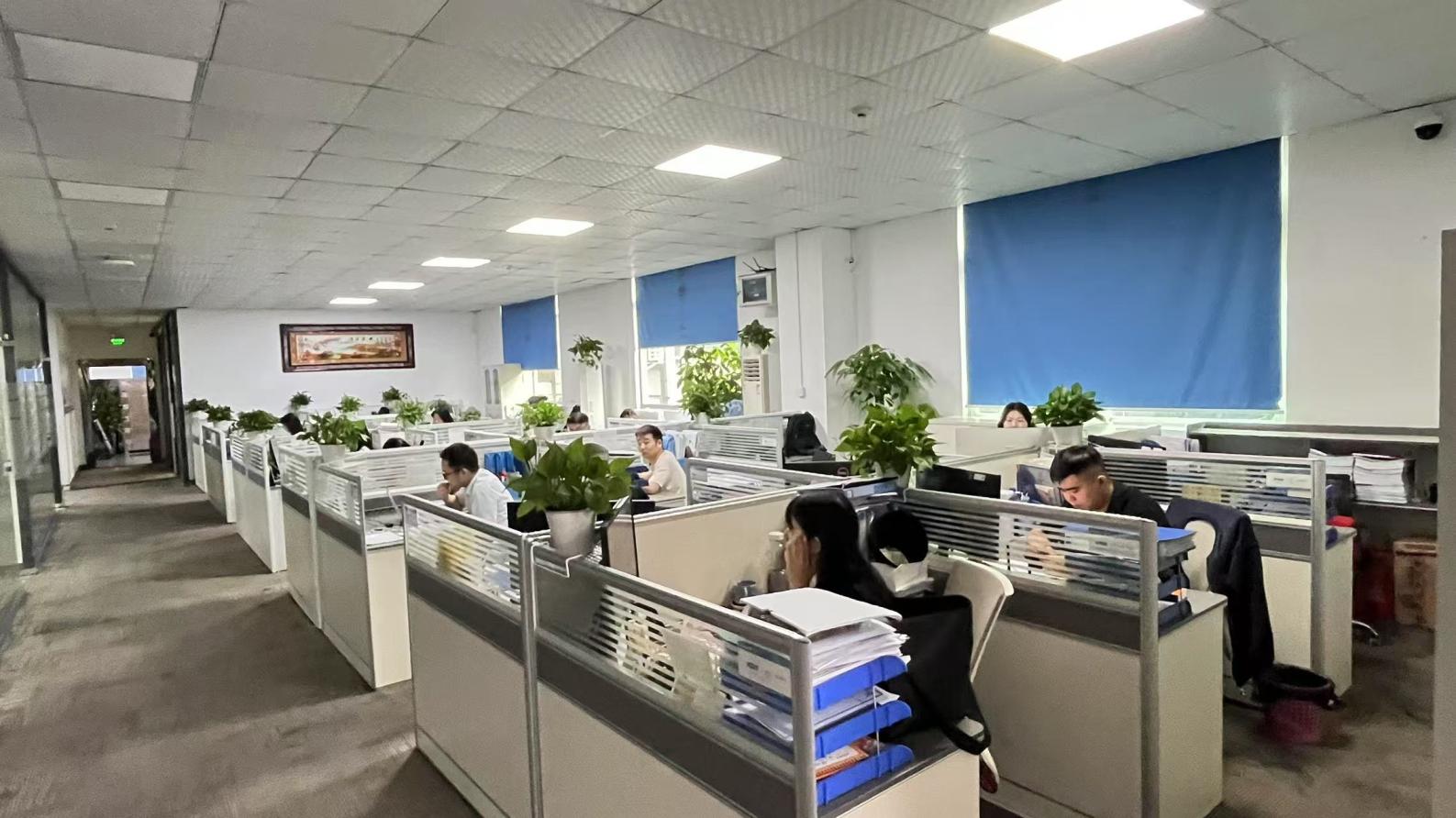
Innovation drives our growth. Our R&D department consists of 128 experienced engineers specializing in server architecture, thermal design, AI computing optimization, and customized hardware integration. Last year alone, Korvion introduced 86 new products and solution upgrades, helping customers stay competitive in the evolving AI infrastructure market.
We offer comprehensive OEM and ODM services, including chassis customization, branding, hardware configuration, rack integration, liquid cooling deployment, GPU cluster design, and turnkey AI infrastructure solutions. Our flexible customization capabilities allow customers to build solutions that precisely match their business and technical requirements.
Today, Korvion serves a diverse customer base, including AI startups, cloud service providers, system integrators, research institutions, universities, enterprise data centers, and GPU hosting companies across North America, Europe, Southeast Asia, the Middle East, and Latin America.
Guided by our commitment to quality, innovation, and customer success, Korvion continues to empower organizations worldwide with cutting-edge AI computing infrastructure designed for the future of intelligent computing.
Send Inquiry Now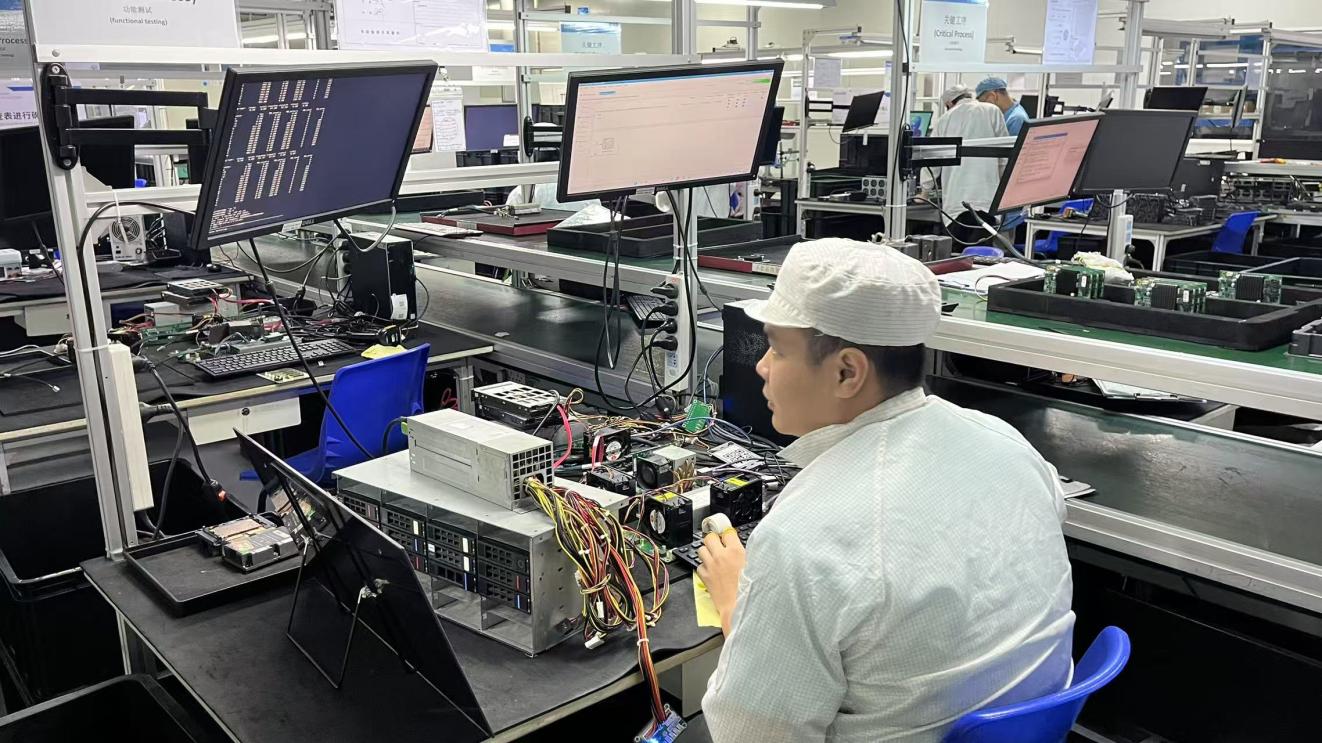
Yes. We ship to Novosibirsk and the wider Siberian Federal District through consolidated air freight and rail-road corridors, with customs documentation prepared for each shipment. Equipment is packed for multi-leg transit, and we can coordinate with the buyer's freight forwarder if a preferred logistics partner is already in place.
We are a manufacturer and solution provider. Korvion Technology Co., Ltd. was founded in 2017 and is headquartered in Shenzhen, China, operating a modern production facility covering 385 square metres. Our 128 R&D engineers handle server architecture, thermal design, AI computing optimisation and custom hardware integration, while 56 quality control specialists manage inspection across the production flow.
Standard configurations typically ship within a few business days after order confirmation, while customised rack builds, OEM branding and liquid-cooling configurations require additional staging time. Total door-to-door transit to Novosibirsk depends on the freight mode chosen; consolidated freight is generally the most cost-efficient option for mixed switch and server orders.
Standard enterprise switches are designed for data centre and indoor environments. For unheated cabinets, remote sites and industrial locations, we specify hardened models with extended operating temperature ranges and redundant power inputs. We also provide written acclimatisation guidance, because equipment that has travelled through deep winter must be brought to room temperature before power-on to avoid condensation damage.
Every unit passes a six-stage process: incoming material inspection, functional testing, burn-in testing under sustained load, thermal performance verification, system stability validation, and final shipment inspection. Inspection records are retained, so buyers can request documentation alongside the commercial invoice and packing list.
Yes. We provide chassis customisation, branding, hardware configuration, rack integration, liquid cooling deployment, GPU cluster design and turnkey AI infrastructure solutions. Integrators in Novosibirsk can order unbranded or co-branded equipment with defined firmware baselines and configuration templates pre-installed at the factory.
Yes, and it is usually the most economical approach. Consolidating switches, rack servers, RDIMM memory and RAID controllers into a single container or air pallet reduces freight cost per unit and simplifies customs handling. Our team will optimise the packing plan so that heavy 4U servers and delicate optical equipment are both adequately protected.
Warranty terms are defined per product family and confirmed at quotation stage. Because we hold relationships with more than 1,250 supply chain partners, spare parts such as power supplies, memory modules, RAID controllers and optics can be sourced for the supported lifecycle of each platform, which reduces long-term operational risk.
For most regional facilities, a two-tier leaf-spine design works well: 25G access ports for servers and 100G uplinks to the spine, with 40GE-capable three-layer aggregation switches providing an economical intermediate step. This design supports incremental rack expansion without rebuilding the fabric, which matters when capacity is added year by year.
Send your bill of materials, port density requirements, rack quantity, deployment timeline and any compliance or documentation needs through our contact form. Our engineering team will confirm platform compatibility, propose a configuration, and return a quotation with lead time, packing plan and freight options for the Siberian Federal District.
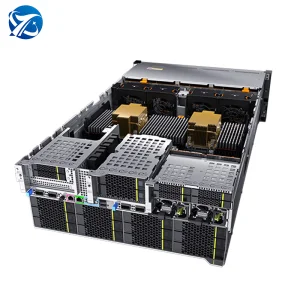
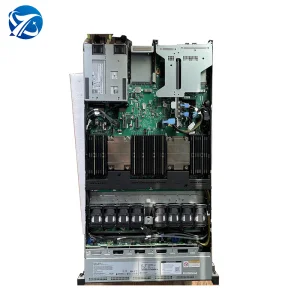
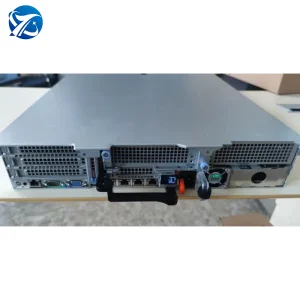
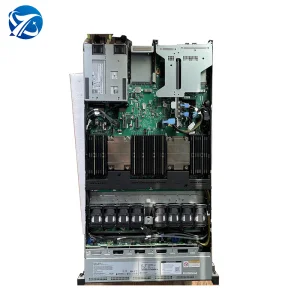
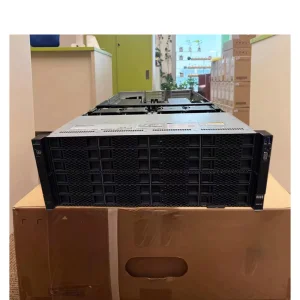
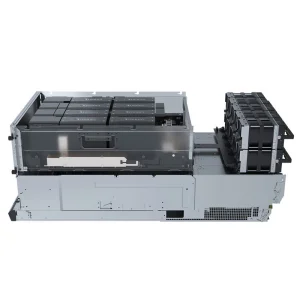
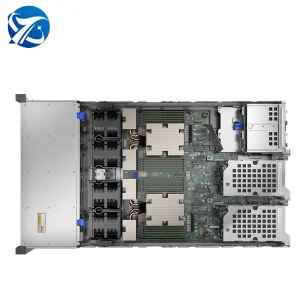
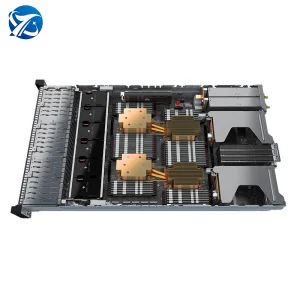
Eight additional platforms frequently consolidated with switching orders for data centre, HPC and enterprise deployments.
Send us your port density, rack quantity, temperature envelope and delivery timeline. Our engineering team will confirm platform compatibility, propose a configuration and return a quotation with lead time, packing plan and freight options for the Siberian Federal District.
Send Inquiry NowKorvion Technology Co., Ltd. · Shenzhen, China · AI GPU servers, HPC systems, GPU clusters and data centre infrastructure