Korvion
Korvion
Korvion
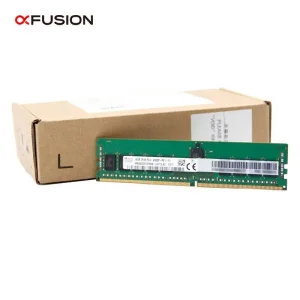
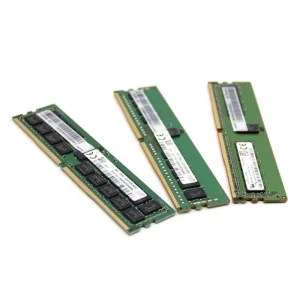
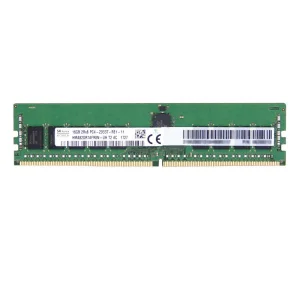
High-performance, registered ECC memory modules in stock for local Singapore delivery. Fully compatible with mainstream x86, ARM, and GPU-optimized computing systems.
As the premier data center hub of Southeast Asia, Singapore hosts over 110 data center facilities, representing more than 60% of the region’s total capacity. With the lifting of the data center moratorium under the new Green Data Center Roadmap, the Infocomm Media Development Authority (IMDA) has mandated stringent parameters for energy consumption, pushing operators towards a Power Usage Effectiveness (PUE) threshold of below 1.3. For system integrators and IT hardware procurement teams operating in Jurong East, Tai Seng, Loyang, and Tuas, this policy creates a direct technological imperative: memory systems and processing components must maximize throughput while minimizing energy dissipation.
Memory subsystems typically consume up to 30% to 40% of overall server power in high-density virtualization setups. Upgrading from standard, older DDR3 platforms to low-voltage 1.2V DDR4 RDIMMs, and transitioning to advanced DDR5 memory operating at 1.1V, directly contributes to lowering system thermal envelopes. By using highly screened integrated circuits (ICs) with low parasitic capacitance, modern memory modules supply the necessary compute headroom without inflating Singapore's tropical data center cooling bills.
The global enterprise computing architecture is undergoing a rapid transition from DDR4 to DDR5. This evolution introduces significant hardware changes:
Multi-bit error detection and single-bit error correction prevent data corruption and unexpected system shutdowns in mission-critical applications.
Running at 1.2V (DDR4) and 1.1V (DDR5) reduces the server thermal footprint, minimizing localized hotspots in 1U and 2U rack cabinets.
Configured with dual-rank and quad-rank topologies to maximize memory bus utilization while maintaining signal integrity across complex bus topologies.
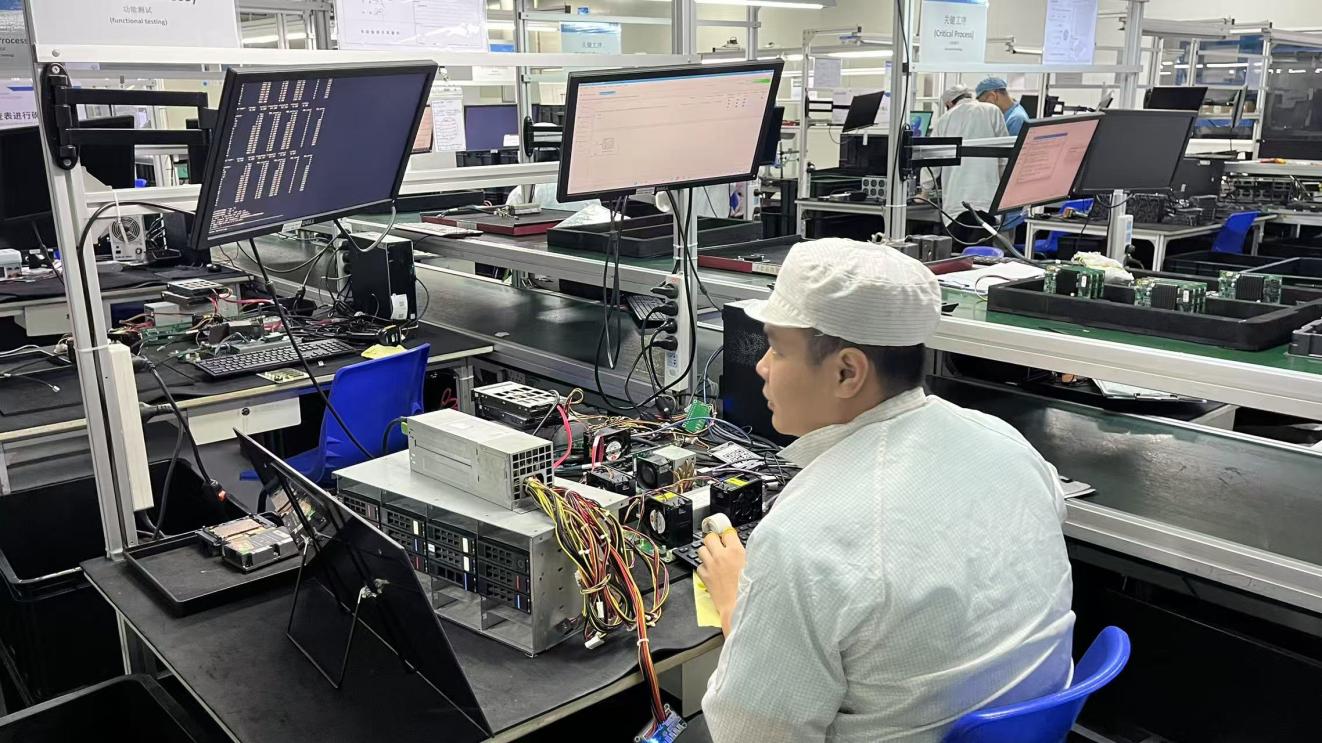
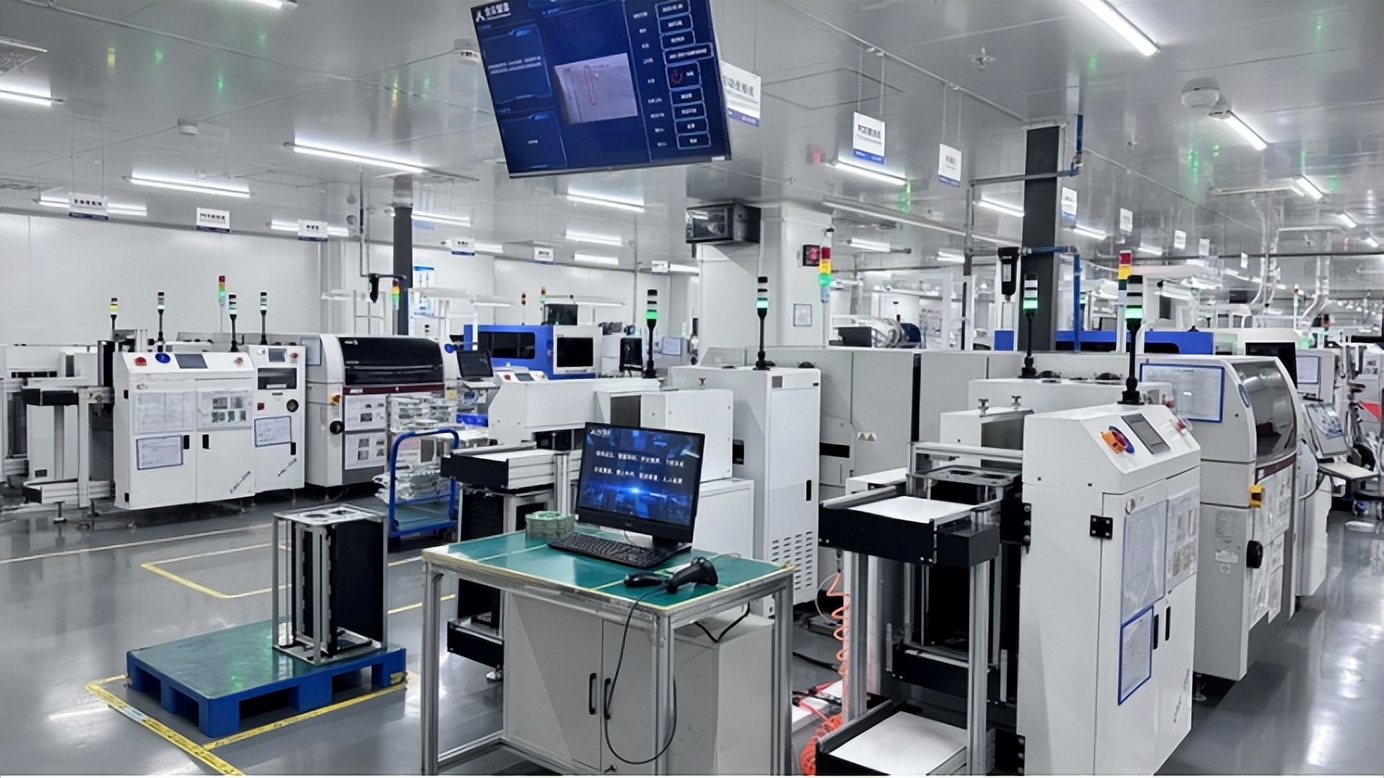
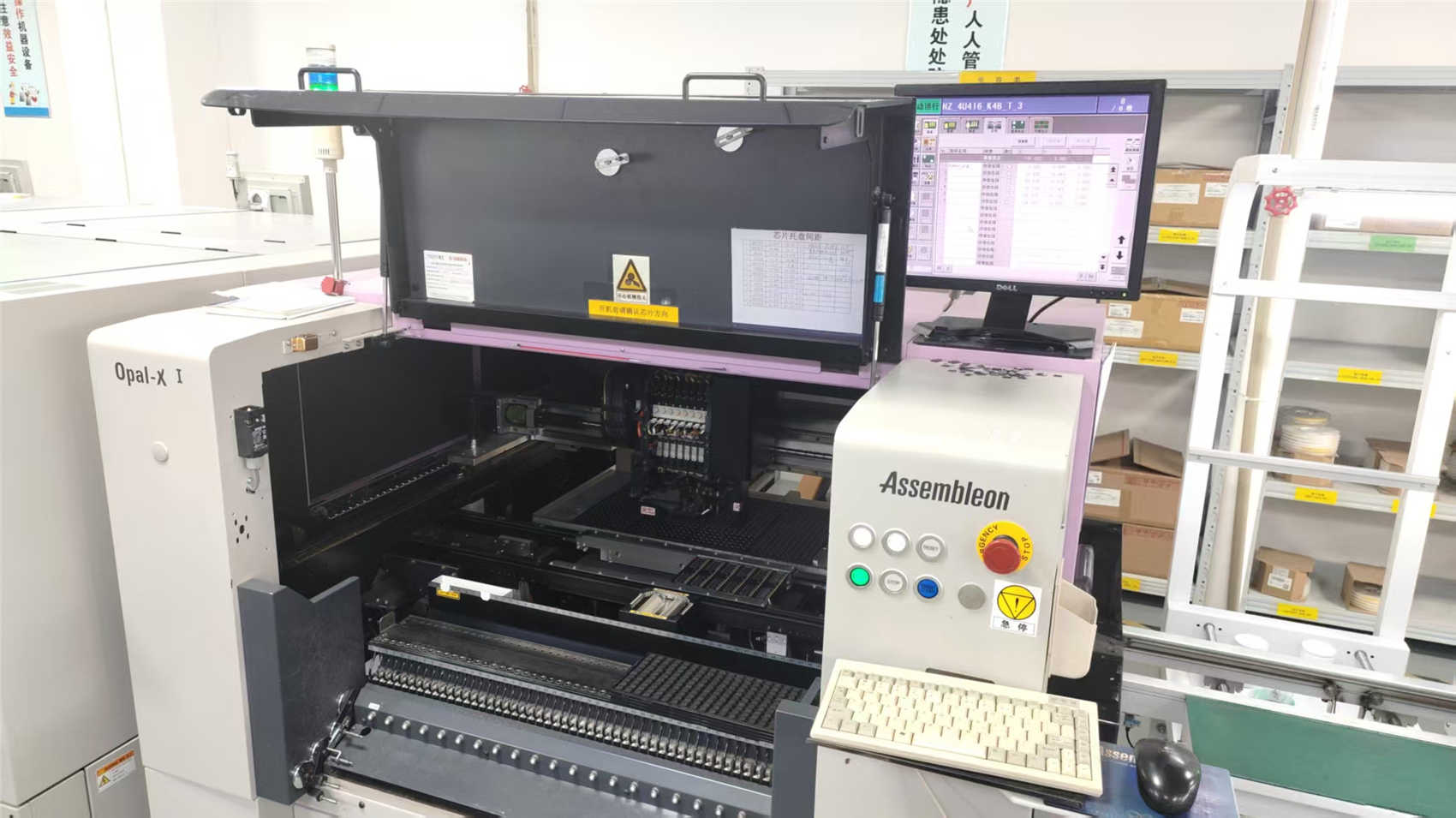
The proximity of Shenzhen's manufacturing ecosystems to Singapore's shipping networks enables a highly responsive supply chain. Korvion's facilities combine China's advanced manufacturing capabilities with Singapore's logistical connectivity. Through automated component placement, multi-chamber thermal cycling, and advanced automated testing equipment (ATE), memory modules are optimized to minimize Field Failure Rates (FFR).
Every memory module undergoes dynamic burn-in testing under elevated temperatures (up to 85°C) and voltage stress profiles. This process helps identify early-life failures (infant mortality) before components leave the assembly line. System integrators in Singapore can leverage this level of quality control to ensure deployment readiness for critical hardware installations.
Using a network of over 1,250 component supply partners, Korvion maintains stock levels of key components, including DRAM dies (Samsung, SK Hynix, Micron), PMICs, and Registering Clock Drivers (RCD). This buffering strategy helps shield Singaporean enterprise buyers from global semiconductor fluctuations and component shortages.
Whether you require specific rank configurations, customized SPDs for legacy systems, or high-performance DDR5 modules, our R&D team can tailor a solution to your specs.
Send Inquiry NowEmpowering AI startups, cloud service providers, and research institutions with reliable hardware, backed by 15 years of industry experience.
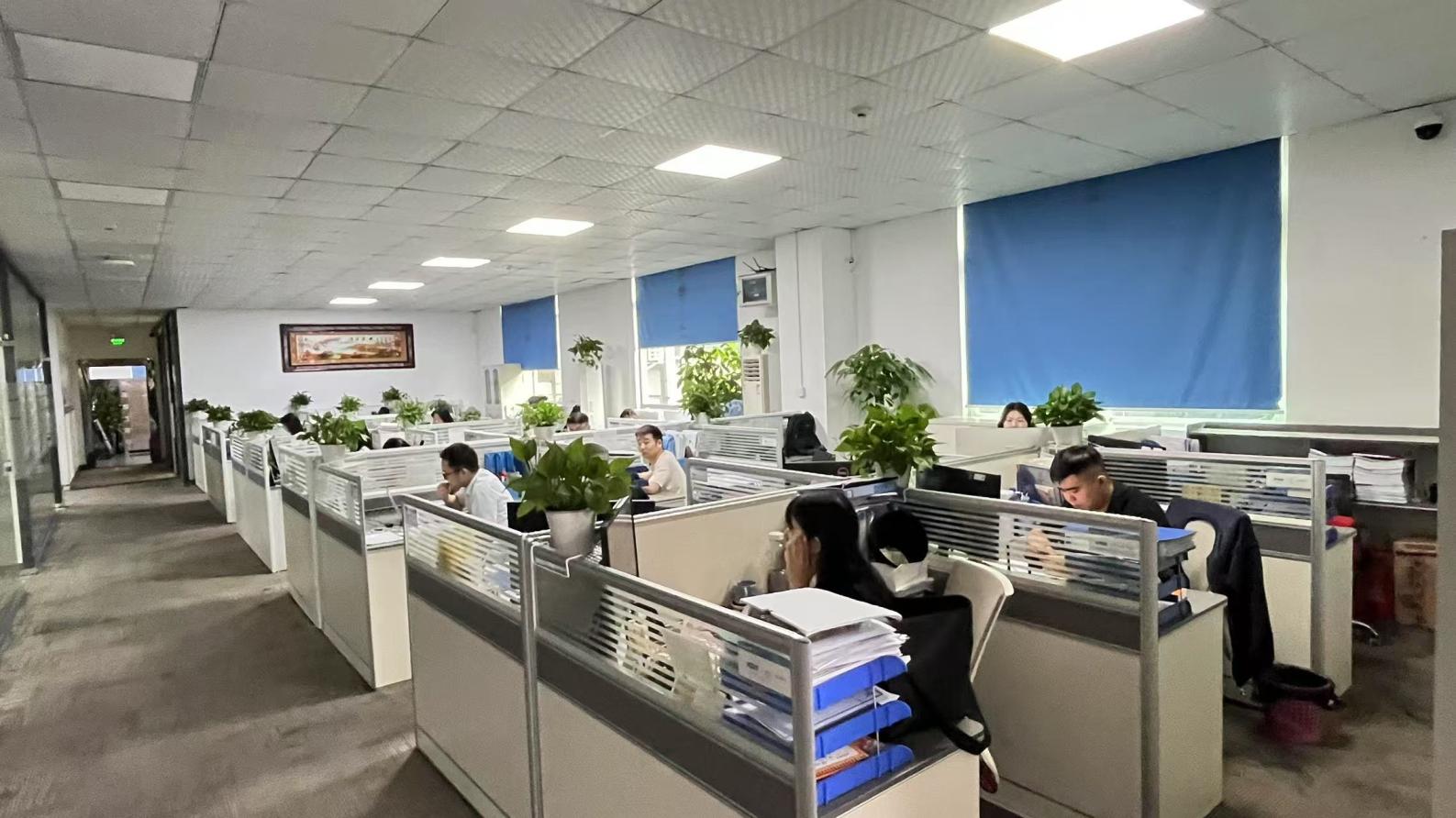
Founded in 2017, Korvion Technology Co., Ltd. is a manufacturer and solution provider specializing in AI GPU servers, high-performance computing (HPC) systems, GPU clusters, and data center infrastructure solutions. Headquartered in Shenzhen, China, the company operates a modern production facility covering 385 square meters and serves customers worldwide with scalable computing platforms.
With over 9 years of export experience and 15 years of industry expertise, Korvion has established a reputation for delivering computing solutions tailored to artificial intelligence, machine learning, cloud computing, and enterprise data center applications.
Our annual export revenue exceeds USD 18 million, supported by a supply network of more than 1,250 supply chain partners. We work closely with component suppliers to maintain stable product quality and delivery times.
Quality is central to our operations. Korvion implements an ISO 9001-based quality management system, supported by a dedicated team of 56 quality control professionals. Every product undergoes inspection procedures, including incoming material inspection, functional testing, burn-in testing, thermal performance verification, system stability validation, and final shipment inspection, designed to ensure performance in mission-critical environments.
Our R&D department consists of 128 engineers specializing in server architecture, thermal design, AI computing optimization, and customized hardware integration. Last year, Korvion introduced 86 new products and solution upgrades, helping customers keep pace with the evolving AI infrastructure market.
We offer OEM and ODM services, including chassis customization, branding, hardware configuration, rack integration, liquid cooling deployment, GPU cluster design, and turnkey AI infrastructure solutions. Our customization capabilities allow customers to build solutions that match their technical and business requirements.
Today, Korvion serves a diverse customer base, including AI startups, cloud service providers, system integrators, research institutions, universities, enterprise data centers, and GPU hosting companies across North America, Europe, Southeast Asia, the Middle East, and Latin America.
In high-frequency trading (HFT) and quantitative banking systems, microsecond delays can impact transaction outcomes. For these systems, memory speed and transaction integrity are critical. High-speed DDR4/DDR5 registered DIMMs with fast CAS latency profiles help accelerate in-memory databases and tick-data analysis engines.
For cloud providers offering multi-tenant resources, virtual machine (VM) density is tied to physical RAM capacity. Deploying high-density 64GB and 128GB RDIMMs enables virtualized hosts to maximize memory capacity per rack unit. This supports higher VM density per processor, improving hardware utilization rates.
AI pipelines, such as those running on DeepSeek R1 or containerized clusters, require deep memory architectures. Standard CPU memory acts as a staging area for feeding data to GPU frame buffers. Our DDR5 modules and GPU-optimized systems are designed to minimize data transfer bottlenecks during intensive machine learning workloads.
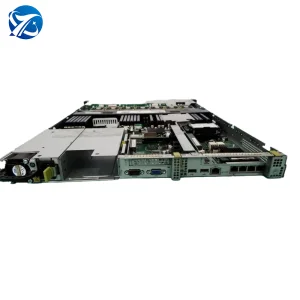
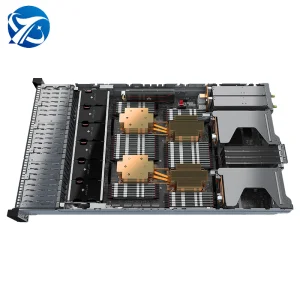
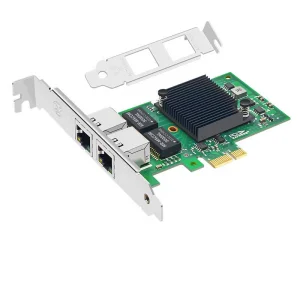
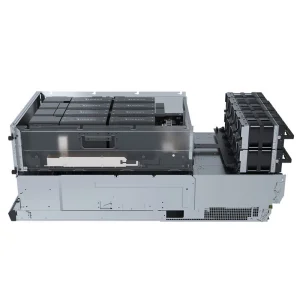
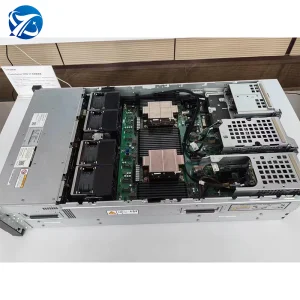
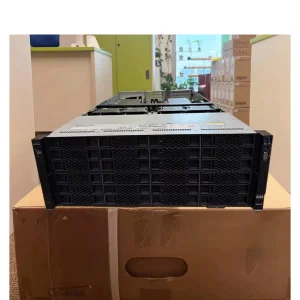
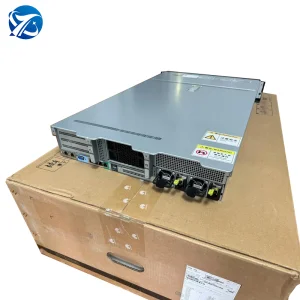
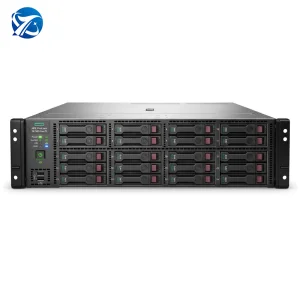
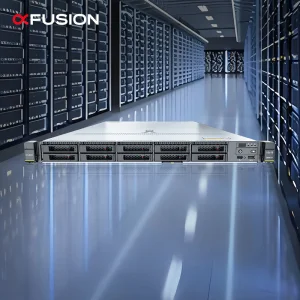
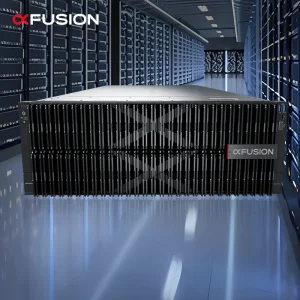
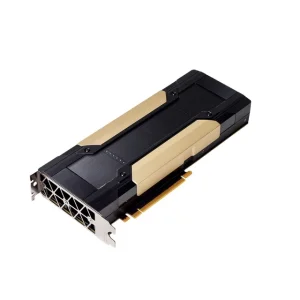
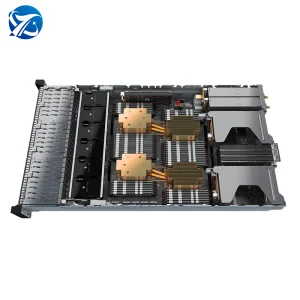
A complete portfolio of rack servers, accelerators, and network controller cards for modern datacenter deployments.
Answers to common technical questions regarding server memory selection, compatibility, and logistics.
UDIMM (Unbuffered DIMM): Lacks registers or buffers, communicating directly with the memory controller. Typically used in entry-level workgroups due to low power and capacity limits.
RDIMM (Registered DIMM): Features an onboard register that buffers command and address signals, reducing electrical load on the system memory controller. This enables higher capacity configurations and stability under load, making it a standard choice for enterprise systems.
LRDIMM (Load-Reduced DIMM): Buffers both control and data lines, reducing the electrical load on the memory bus. This allows for higher capacities per channel, though with a slight latency increase. Select RDIMM for balanced cost and speed, and LRDIMM for maximum capacity workloads.
Electrical noise and cosmic radiation can occasionally cause a single bit of data to flip from 1 to 0 or vice versa inside a memory chip. While consumer PCs might simply crash or experience a application error, a bit-flip on an enterprise server can lead to database corruption or systemic downtime.
ECC RAM uses parity bits to continuously monitor memory states. It can detect and correct single-bit errors in real-time, and detect multi-bit errors (which triggers a clean system shutdown to prevent data corruption). This capability is critical for mission-critical databases and financial transaction processing.
Mixing different types of memory is generally not recommended as it can lead to compatibility issues or system instability. If mixing is necessary, follow these technical rules:
Leveraging proximity and established logistics routes between Shenzhen and Singapore, air freight shipping times generally range from 3 to 5 business days. Sea shipping is available for larger rack integration and bulk orders, taking approximately 10 to 14 days port-to-port.
We provide documentation, including commercial invoices, packing lists, and Certificates of Origin, to assist with Singapore Customs clearance. Imports are subject to local Goods and Services Tax (GST), which can be managed via typical import schemes (such as the Major Exporter Scheme) depending on the buyer's status.