Korvion
Korvion
Korvion
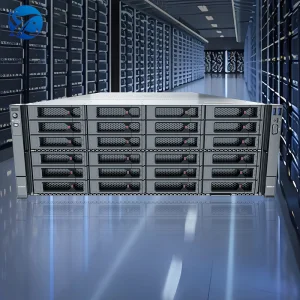
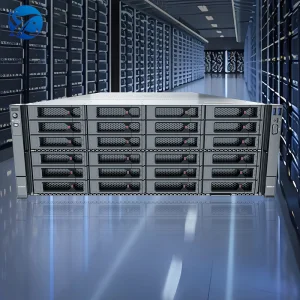
Deploy industry-leading hardware platform configurations built to power mission-critical high-density application delivery networks and computing arrays.
As global enterprises scale their computational footprint, the definition of network load balancing has transitioned from simple Layer 4 TCP/UDP routing to multi-dimensional Layer 7 Application Delivery Controllers (ADCs). These systems must dynamically manage hyper-scale web request distribution, handle massive SSL/TLS offloading operations, and coordinate traffic among complex AI Model Inference endpoints.
Utilize real-time algorithmic inspection to route web workloads based on HTTP request components, cookies, custom headers, and API endpoint destinations. This eliminates redundant application tasks and improves system response times.
By delegating cryptographic processing (such as SSL/TLS handshakes and payload decryption) to custom integrated accelerators, servers are freed to focus entirely on core business logic execution.
Intelligently distribute massive vector database queries and DeepSeek-like large language model parameters across multiple high-performance GPU compute nodes, preventing individual processor stalls.
With over 15 years of industry experience and 9 years of global export leadership, Korvion represents the zenith of technological execution in hardware manufacturing, system integration, and enterprise network design.
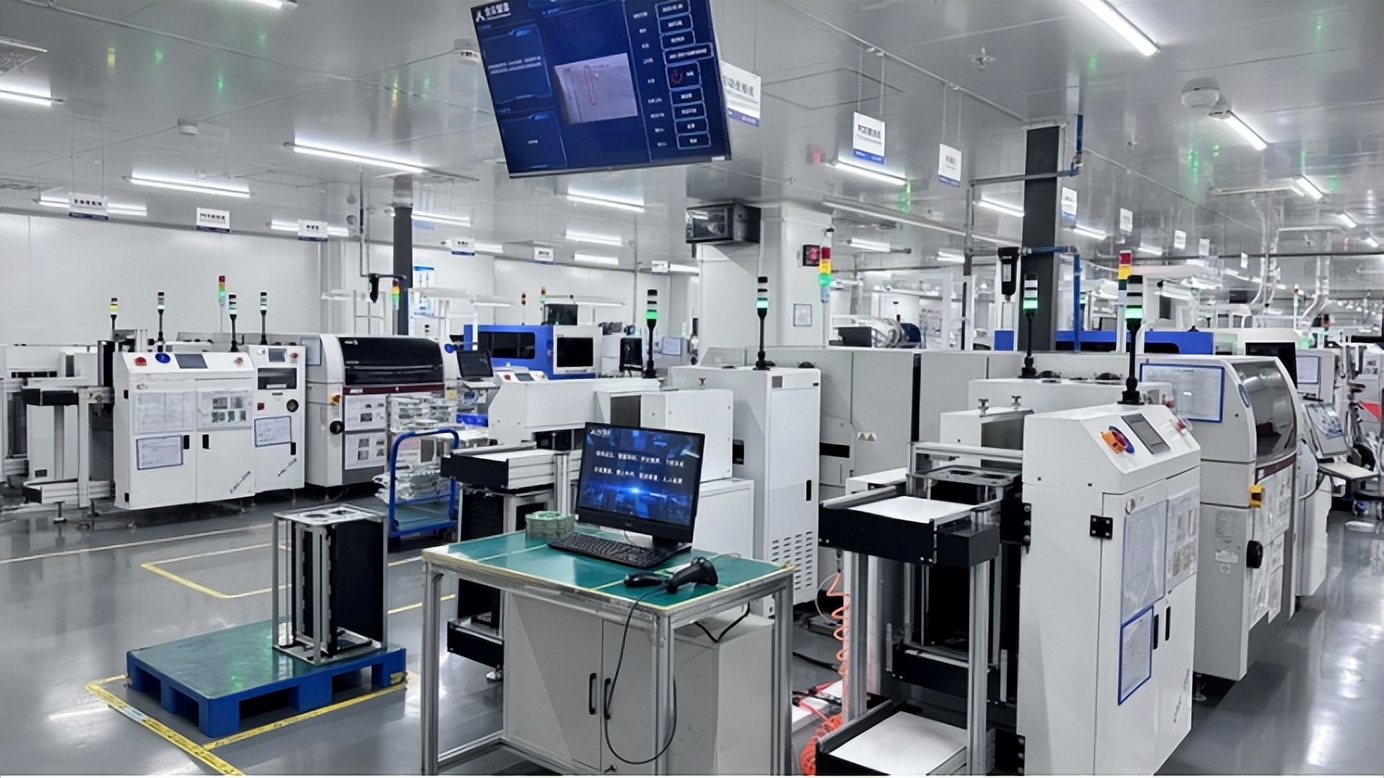
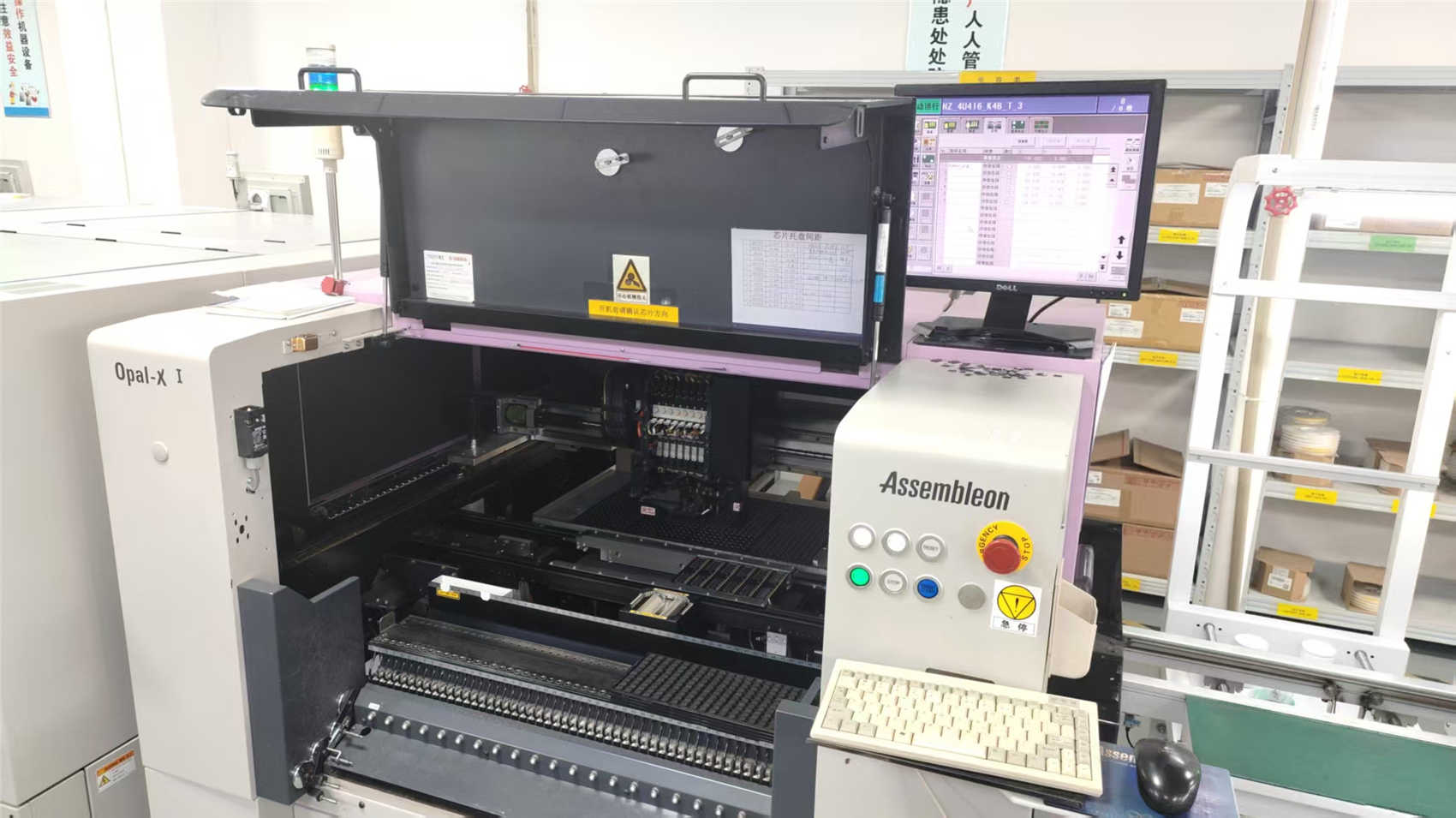
Headquartered in Shenzhen, China, Korvion Technology Co., Ltd. operates a advanced development center and production facility. Our highly integrated production pipelines and close collaborations with primary component manufacturers ensure that our servers, network load balancers, and hyperconverged setups are built using premium, enterprise-grade components.
In the past year alone, our R&D group introduced 86 product upgrades and new designs, focusing heavily on AI hardware performance optimization, high-throughput network architectures, and advanced liquid cooling integrations. Every unit we supply complies with ISO 9001 quality guidelines, ensuring reliability in mission-critical applications.
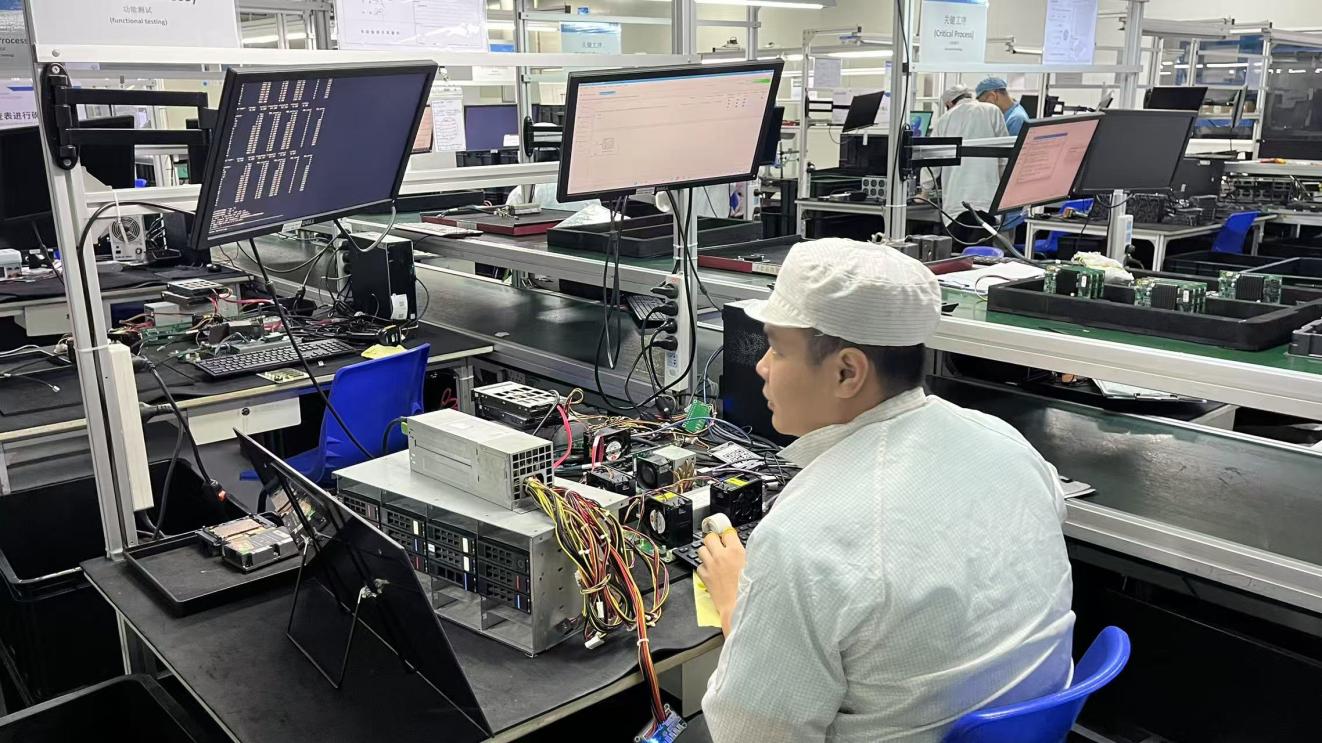
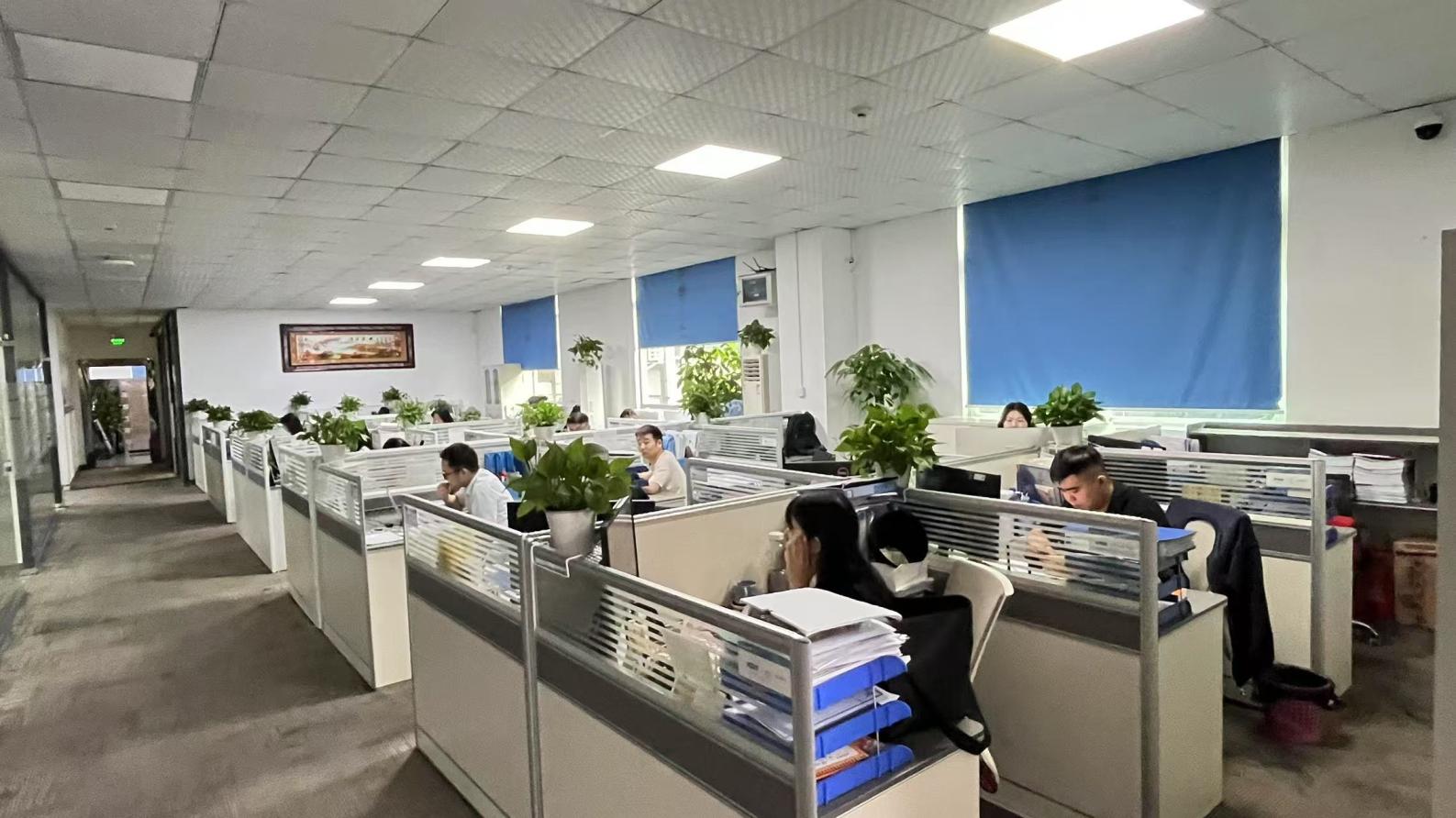
Explore our state-of-the-art server validation lines, assembly spaces, and quality management facilities, built to deliver dependable high-performance enterprise systems worldwide.
Shenzhen's unique status as the Silicon Valley of hardware provides hardware load balancer and application server procurement managers with distinct benefits: speed-to-market, deep component integration, and cost efficiencies.
From multi-gigabit network interfaces and high-speed backplane boards to custom steel chassis stamping, the entire manufacturing chain operates within a 50-kilometer radius in Shenzhen. This enables rapid prototyping, fast material sourcing, and quick product iterations.
By leveraging established component supply ecosystems and streamlined manufacturing processes, we deliver Tier-1 quality standards at a competitive total cost of ownership (TCO) for global buyers.
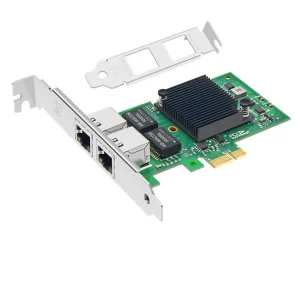
Customize hardware configurations to match your network environment. We provide tailormade BIOS/UEFI firmware, bespoke outer chassis branding, specific network card configurations, and custom management tools to fit your infrastructure requirements.
From high-frequency transaction servers to large-scale machine learning datacenters, our equipment forms the foundation for reliable, scalable online services.
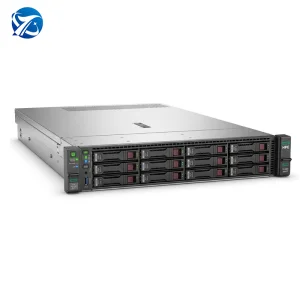
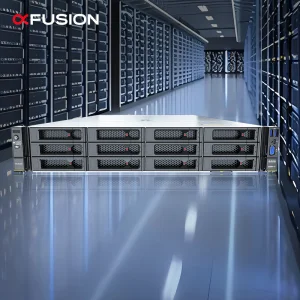
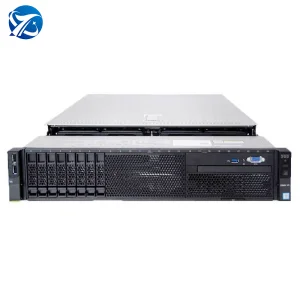
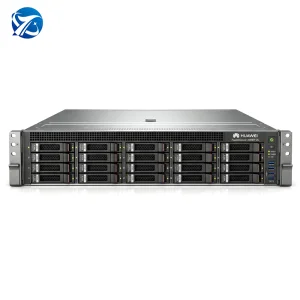
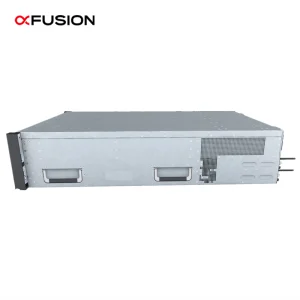
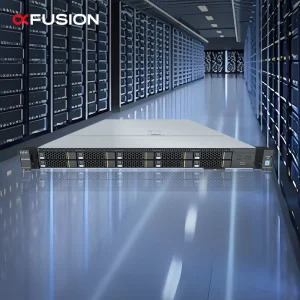
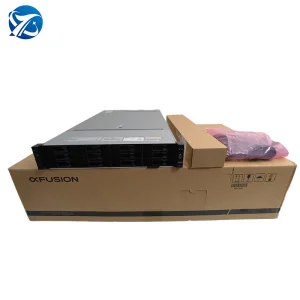
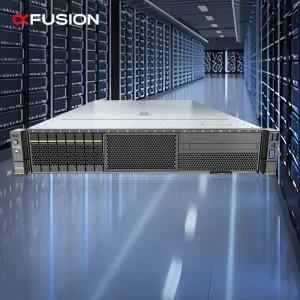
In modern cloud platforms, thousands of users request data resources simultaneously. Integrating high-density server configurations (such as the HPE DL360 Gen11 and xFusion 2288H models) as hyper-scale virtualization hosts alongside dedicated load balancers ensures optimal performance, minimizes downtime, and scales resource allocation dynamically.
Large language models require high throughput and minimal latency. High-performance GPU servers like the xFusion 2258 V7 and FusionServer G5500 V7, combined with efficient load distribution strategies, prevent traffic bottlenecks, optimize GPU compute cycles, and ensure smooth response delivery during heavy utilization spikes.
For banking and high-speed trading platforms, transaction drops are not an option. Advanced RAID setups (such as the 9540-8i SAS controller card) coupled with dual-redundant server power supplies and failover load balancer systems keep application nodes responsive, secure, and resilient against unexpected hardware issues.
Reliability is non-negotiable for enterprise networks. Korvion's ISO 9001-based quality control program relies on a dedicated team of 56 quality assurance specialists to test every component before it leaves our facility.
Every CPU, memory stick, SSD, and circuit board is inspected for compliance before assembly.
Assembled servers run at full computational and network load for 72 hours to identify potential issues.
Verify cooling efficiency under load and test redundant PSU switchovers to guarantee power stability.
Complete port connectivity check, firmware validation, and secure export packing before dispatch.
Equip your datacenters with mission-critical systems designed to handle high transaction volumes and ensure service redundancy.
Find quick answers to common questions about hardware selection, customization options, and global deployment services.
Layer 4 load balancing operates at the transport layer (TCP/UDP), routing traffic based on IP addresses and port numbers without inspecting the content of the data packet. Layer 7 load balancing operates at the application layer, allowing the system to inspect the message content (such as HTTP headers, cookies, URLs, and SSL data) to make more precise routing decisions.
Korvion offers comprehensive hardware customization. Clients can specify core components (CPUs, RAM density, storage types), select PCIe expansion cards, choose custom rack sizes, request proprietary firmware branding, and opt for advanced liquid cooling solutions tailored to high-density environments.
We follow an ISO 9001-certified quality control workflow. Every unit goes through component inspection, 72-hour high-temperature system burn-in testing, thermal management verification, network interface checks under heavy load, and final physical checks before shipping.
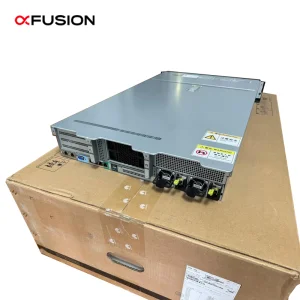
With over 9 years of export experience to North America, Europe, the Middle East, and Latin America, Korvion handles international customs clearance, secures CE/FCC/RoHS certifications, and packs shipments in impact-resistant crates to ensure safe global transport.
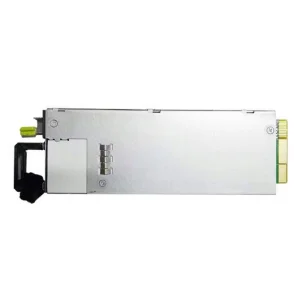
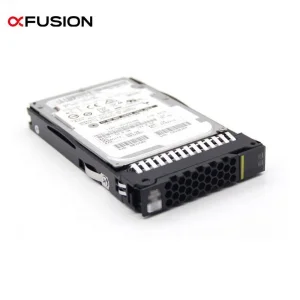
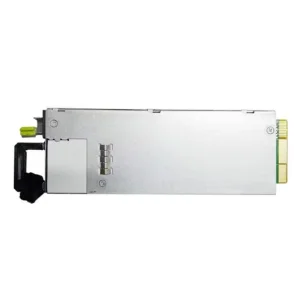
Yes. We supply essential system components, including platinum redundant power supplies (900W, 1500W, 2000W), SAS controller cards, and enterprise-grade read-intensive SSDs (480GB, 960GB, 1920GB) to keep your setups running smoothly.